Fencing for Wildlife Corridors: Balancing Ranch Operations and Habitat Connectivity
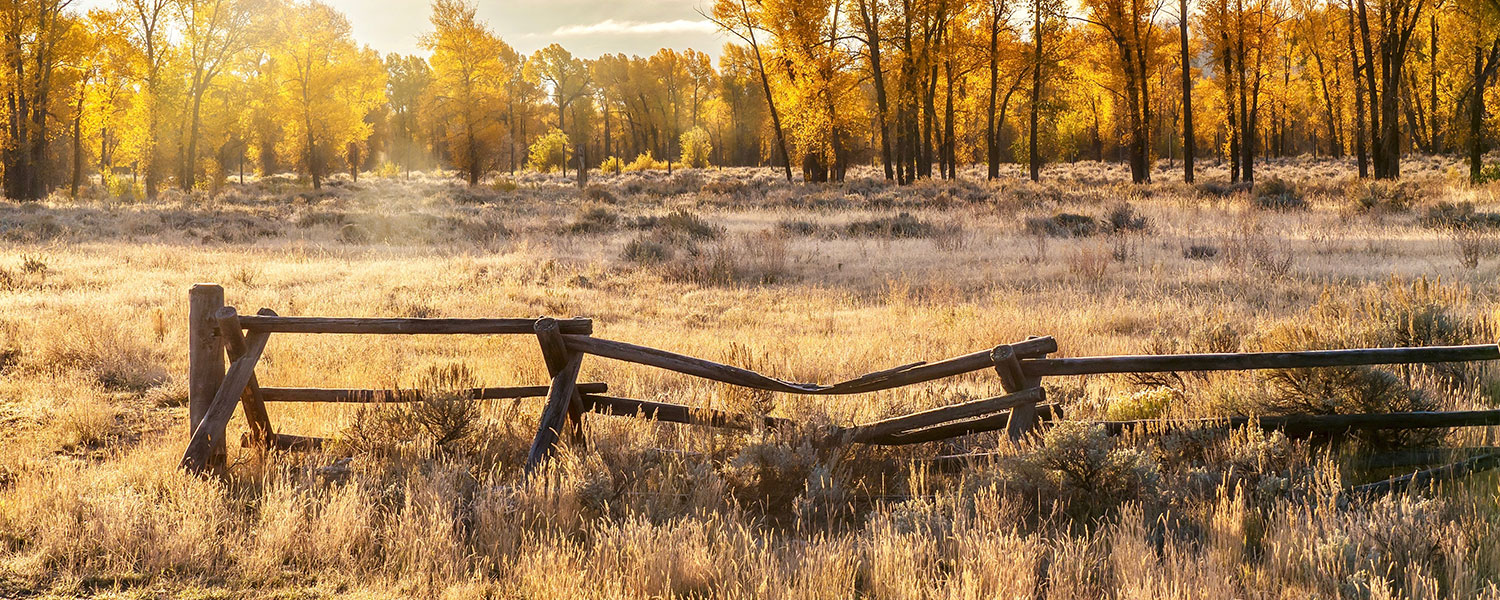
Fencing is one of the most common tasks for landowners, but traditional fence design can unintentionally limit wildlife movement and disrupt migration routes across ranch landscapes. Understanding how to plan and build fencing that protects livestock while maintaining wildlife connectivity is essential for responsible land stewardship.
In this resource, we explain what wildlife corridors are, why fencing matters for them, and how ranchers can plan fencing to balance operational needs with habitat connectivity.

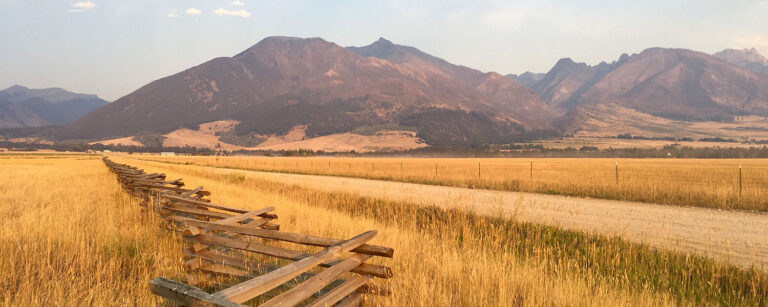
Fencing is one of the most common tasks for landowners, but traditional fence design can unintentionally limit wildlife movement and disrupt migration routes across ranch landscapes. Understanding how to plan and build fencing that protects livestock while maintaining wildlife connectivity is essential for responsible land stewardship.
In this resource, we explain what wildlife corridors are, why fencing matters for them, and how ranchers can plan fencing to balance operational needs with habitat connectivity.
NRCS Helping to Match Fencing and Wildlife
Federal and state conservation programs—such as the USDA Natural Resources Conservation Service’s Environmental Quality Incentives Program (EQIP)—offer assistance and funding to help landowners plan and implement wildlife-compatible fencing projects.
Contact our Management team to help answer questions you may have about implementing a plan to make your farm or ranch more wildlife-friendly.
Virtual fencing is also an avenue to be explored.
Read more about this rancher’s effort in Two Dot, Montana.