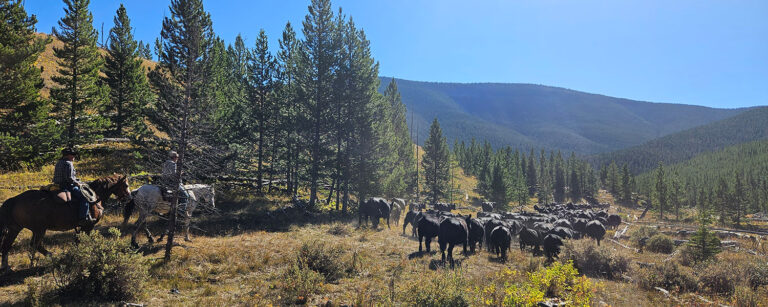
“Honestly, we get to work with the best stewards of the land. It is very rewarding to see a buyer listen to ideas on property management and enhancement of its natural resources. Nothing makes a landowner happier than reaping the benefits of their stewardship. Whether it is seeing wildlife flourish or weaning the best calf crop ever, it makes them appreciate their land and the benefits of careful management.”
The Value of Stewardship
Stewardship and Land Value
Stewardship is a quiet but strong word in land, farm and ranch real estate. It is often used loosely, sometimes as a synonym for conservation, or as shorthand for sentiment. On the ground, it reflects the choices an owner makes about how land is cared for and used.
As Hall and Hall marks its 80th year, the clearest lesson from working alongside landowners across generations is this: stewardship begets value.
Water, Habitat, and Good Choices
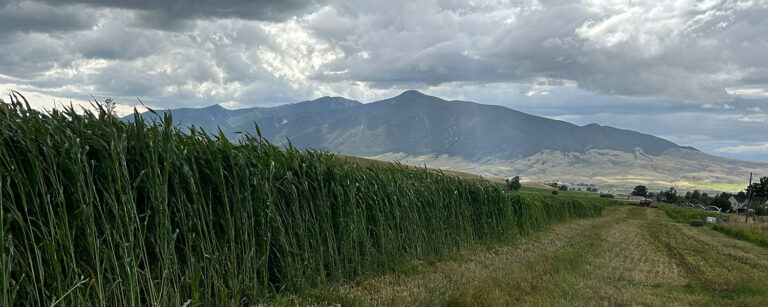
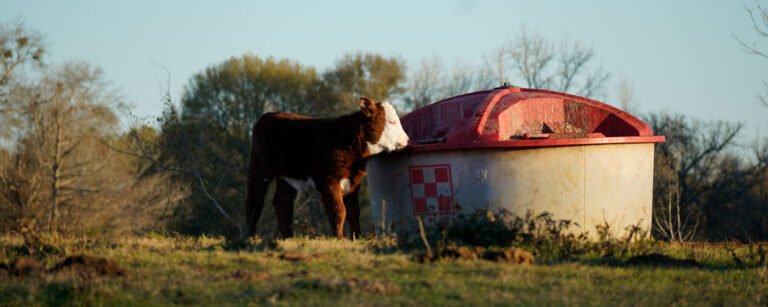
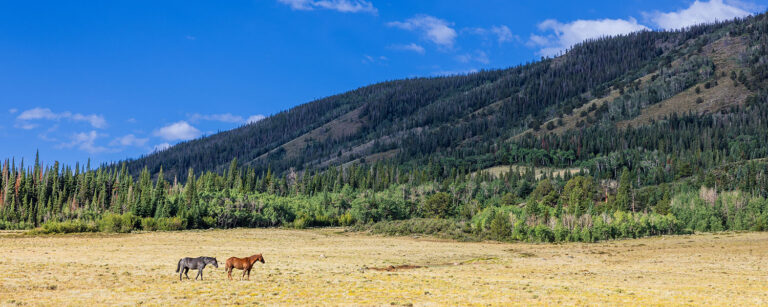
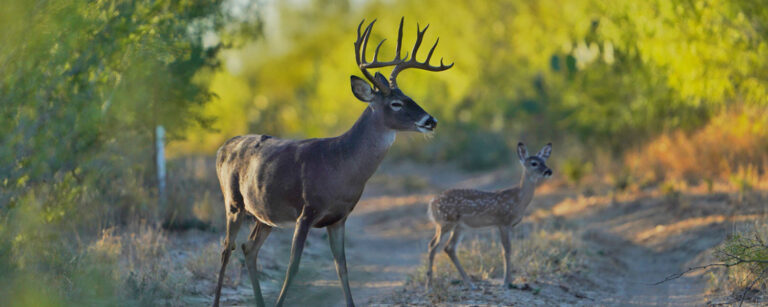
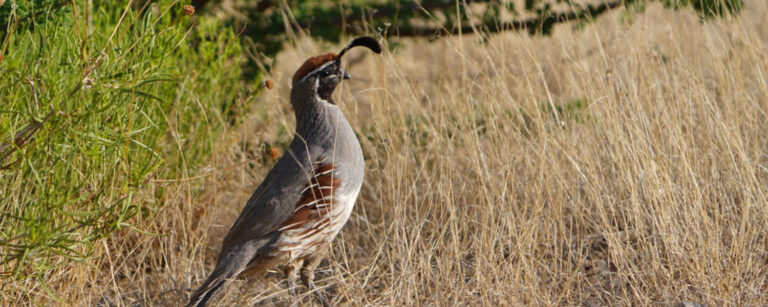
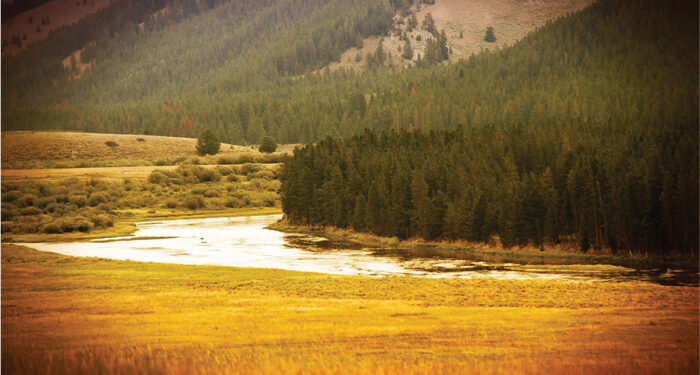
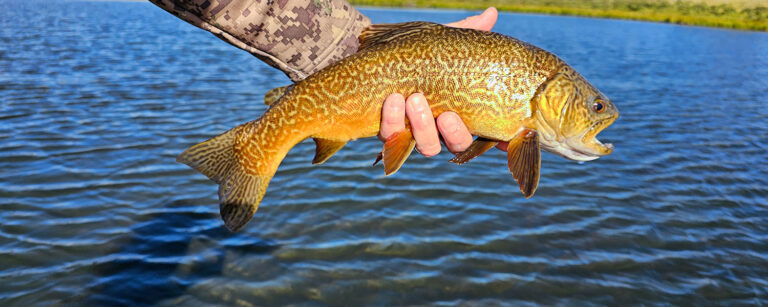
The most durable ranches are those in which water, soil, habitat, and improvements have been well-managed and built over time. A property with protected riparian areas, where grazing has been thoughtfully rotated, where cover has been retained for wildlife, and where water infrastructure has been improved, will show its quality to a knowledgeable buyer.
Stewardship does not produce sudden, dramatic year-on-year returns. It creates a ranch that, in any given year, is more capable, more resilient, and more marketable. The buyer willing to do careful diligence can see the difference, as will a knowledgeable regional broker.
Why Stewardship Matters
For established landowners, care of the land has often been instinctive. For the next generation of owners, inheriting, acquiring, or stewarding land for the first time, the context is different. They’re taking ownership in a period of greater attention to conservation, water, and the role of private land. Their questions are sharper. Their advisers, including family offices and legal counsel, are often more informed. What an earlier generation treated as instinctual, the next generation increasingly expects to see documented.
This raises the bar for sellers and protects buyers. It also places a premium on working with advisers who understand both the operational and the narrative side of stewardship, so that the care of the land is explained with wisdom.
The Institutional Frame Supporting Stewardship
Over the decades, the institutional frame around land care has strengthened. The Bureau of Land Management was established in 1946, the same year Hall and Hall was founded. The Conservation Reserve Program was created in 1985. The BLM’s National Landscape Conservation System was established in 2000. Conservation easements have matured into a durable tool for legacy planning. All of this helps to create a wider context within which private stewardship operates.
What This Means in Practice, for Buyers and Sellers
Properties that have been well stewarded tend to require less corrective work, carry less operational risk, and hold value better.
For sellers, a farm or ranch that presents the work and story of many years of ownership attracts a different kind of buyer interest. This is where Hall and Hall’s full advisory, including land management, often adds value before a sale is contemplated, and sometimes instead of one.
For Mike Fraley, Director and Real Estate Partner at Hall and Hall, the appeal of the work goes beyond the transaction.
Eighty years of working with landowners has reinforced the idea that land rewards insight, understanding and continuity. It rewards the kind of wisdom that can see past a single season, a single cycle, or a single transaction. For the owners who hold it with care, and for the buyers who learn to recognize it, stewardship holds the story for long-term value.