What Does a Ranch Manager Actually Do?
Jim Fryer of Hall and Hall’s land management division on the job behind the gate, who the manager works for, and what new owners underestimate in year one.
The ranch manager is the single most important hire a new ranch or farm owner makes, and the job is broader and more personal than the title suggests.
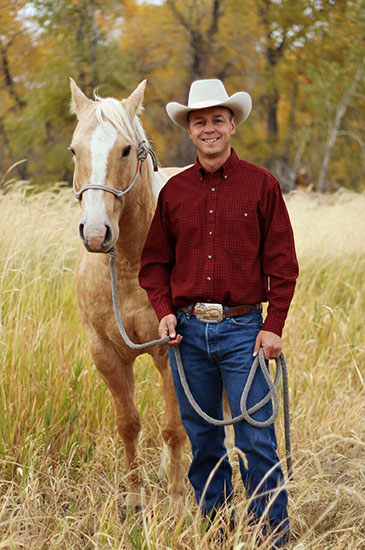
Jim Fryer works in Hall and Hall’s land management division, where the team helps owners understand what they’ve bought, set goals, decide on expectations, and find the right person to manage the operation. Jim explains just how involved the role of ranch manager is and how imperative it is to find the right fit.
We begin with the owner and their family
Jim’s description of what his team does for a first-time ranch owner is deliberately broad because the ranches cover all realms of opportunity and possibilities.
“Number one, we’re going to get familiar with the ranch. Understand the resources that are there. Get familiar with ownership and family and understand what their priorities are, and then make sure those priorities are reflected, and that new ownership gets to enjoy the ranch to the greatest capacity possible.”
-Jim Fryer, Hall and Hall
Not every property is set up to run as a cash-flow operation. Some are purely recreational. Some lease out the land. Some might not graze cattle for two or three years. The plan for the manager follows the plan for the ranch, and the plan for the ranch follows the owner.
How the owner will use the place matters as much as the acreage. Jim describes owners who spend as little as ten days a year on the ranch and others who spend six or seven months. Some visits are two or three days; others run to six weeks. An owner who brings a few friends or business clients out to fish is a different brief from one who hunts, because hunting concentrates into a specific time of year while fishing stretches across a longer season.
One of his more useful shorthand measures is the kitchen.
“Chefs are a good gauge of how intense the operation is. Some people take care of themselves. The ranch manager might not worry about what’s in the refrigerator before the owner comes. Others have a shopping list. And if a chef’s involved, usually there’s even more staff involved.”
-Jim Fryer, Hall and Hall
Responsibilities of the ranch manager
On a managed ranch, the manager is typically operations-based and recreation-based. The daily reality is a long list of things that need doing regardless of whether anyone is in residence: grazing, hay, water, fencing, wildlife, roads, buildings, vehicles and the guest program, along with the people who make all of it happen.
Jim is clear about where Hall and Hall’s involvement sits in that picture. The team does not run the ranch day-to-day; they source the manager, help structure the intermediate tasks, and make sure the big things are covered.
“We don’t get involved with day-to-day, but we make sure all the big things are covered.”
-Jim Fryer, Hall and Hall
To whom does the ranch manager report?
This is one of the questions new owners ask most often, and the answer is simple: the owner. Always.
Jim separates two groups of people on a well-staffed ranch. There is personal staff, which might include a chef, a personal assistant and occasionally a physician who travels with the family. And there is the ranch staff, headed by the manager. Both groups work for the owner. Hall and Hall’s role is limited to the management level, and on most ranches, that means one person.
“We don’t get involved with staffing below management level, and it’s usually only one manager. That manager still works for the owner. We’ll source the manager or caretaker, and we’ll serve as a liaison if needed.”
-Jim Fryer, Hall and Hall
Once the manager is in post, the crew beneath them is theirs to build. Jim considers this the only workable arrangement.
“That staff needs to be connected to the manager. It doesn’t work if we find the staff and then they have to go work for a different style.”
-Jim Fryer, Hall and Hall
What a new owner may underestimate in year one
Ideally, the manager shields the owner from most of the friction of ownership. But what consistently surprises people in their first year, in Jim’s experience, is not cattle or wildlife. It’s buildings and weather.
“Number one is probably facilities maintenance, and then the weather impact on buildings and roads.”
-Jim Fryer, Hall and Hall
Winterization is a good example. In the northern Rockies, many owners use the ranch from June through September and then want to come back for Christmas. That single holiday visit complicates the whole shutdown, because a property that has been fully winterized is hard to bring back up from ground zero for a week.
A Texas ranch faces a different set of forces than a Montana one, and as Jim puts it, everyone has their own issues. What does not change is the volume of ongoing maintenance a ranch generates, and the value of having someone on the ground whose job it is to stay ahead of it.
Evolving roles
Jim has watched the role evolve over the last decade or so. On paper there may be more ranch managers available than there used to be, but he is not convinced the qualifications have kept pace, and the demands on the person have grown.
“It’s moving away from traditional ranch management to, in a certain sense, estate management. After living in Europe for a bit and seeing how estates have been owned over history, it’s a lot more full-service estate-type management than it was in our region even ten to fifteen years ago.”
-Jim Fryer, Hall and Hall
The agricultural operation is still the core piece, but layered on top of it is a lifestyle component, a guest program, a family’s expectations, and, increasingly, a conservation initiative. Finding one person who can hold all of that is hard, which is why the search is often the first and most important project the management team takes on for a new owner.
The short version
A ranch manager keeps the land, the infrastructure and the operation in good order so the owner can enjoy the property the way they intended. They work for the owner, they build their own crew, and their job has expanded well beyond cattle. Hall and Hall’s land management division helps owners define the role, find the right person, and support them until they are established.
If you’ve recently acquired or purchased a farm or ranch, or are thinking about it, and want to talk through what management might look like for your property, contact Hall and Hall’s management team.