Gamefish are too valuable to be caught once.
Where American Dry Fly Fishing Began
The Dry Fly and Fast Water
Why is the Willowemoc Creek so important to fly fishing history?
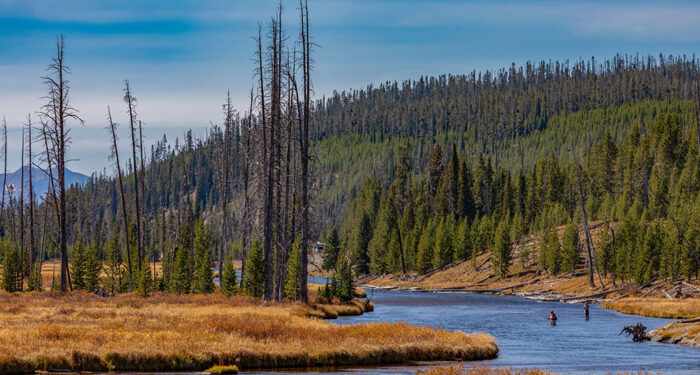
The Catskills and the Poconos are often cited as the cradle of North American fly-fishing, but it was the Willowemoc in the Catskills that gave birth to dry fly fishing in this country. In 1904, George LaBranche cast his self-tied “pink lady” into Junction Pool, setting in motion a new way of fishing—sparsely tied flies with upright wings, drifting on fast, broken water. It would forever change how anglers approached trout waters and help put the Catskills at the center of early 20th century fly fishing. Junction Pool sits in the heart of the Willo Preserve and any serious angler can’t help but feel a rush casting in LaBranche’s footsteps.
What makes The Willo Preserve truly rare?
Scarcity and continuity. The property includes approximately 2.6 miles of private water, with ownership on both sides of Willowemoc Creek – an exceptionally rare opportunity in the Catskills, where prime water is typically shared, public, or owned by decades old clubs. This is uninterrupted, private access to one of America’s most storied trout streams only two hours outside of New York City. Replicating that in today’s marketplace would be a tall order.
What role did the Catskills play in the rise of fly fishing?
The Catskills have been the home waters of some of the biggest names in fly-fishing, from Theodore Gordon to Lee and Joan Wulff. The fishermen of the Catskills have had an impact on everything from the sport’s techniques to gear to conservation (Wulff famously coined the phrase, “Gamefish are too valuable to be caught once”). Just as well-known are the legendary rivers – the Beaverkill, Neversink, Delaware, and Willowemoc – all of which have influenced the modern ethos that healthy fishing depends on healthy land.
What happened that initiated the preservation of this area?
In the 19th century, the leather tanning industry stripped the mountainsides of their hemlock forests. The widespread deforestation and byproduct from the tanneries (called “tanning liquor”) devastated waterways through pollution and runoff. Once the hemlock supply was depleted, the tanneries moved west, forcing the railroads to pivot and aggressively court tourists from New York as their new cargo. This coincided with a growing interest in the natural world – drawing together anglers, landowners, and the burgeoning tourist industry into the great conservation movement of the late 19th century.
Theodore Gordon is widely regarded as the father of American dry fly fishing, and his influence on the Catskills is immeasurable. Fishing the nearby waters like the Beaverkill and Neversink, Gordon realized that the popular British dry flies of the day didn’t match American hatches. They were also designed for slow moving chalk streams, not the faster, tumbling, freestone waters of the Northeast. A quiet, introspective observer of nature, Gordon popularized “matching the hatch” through fly-tying and casting techniques.
George La Branche, was equally instrumental in establishing dry fly fishing in America and is often credited with giving the movement it’s intellectual framework. After casting his pink lady in Junction Pool he became an lifelong advocate of the advantages of dry fly fishing in the Catskills. He was part of a small circle that believed fly fishing should reflect the natural rhythms of the river rather than overpower them, and his seminal book was aptly named “The Dry Fly and Fast Water”.
Gordon and La Branche shared ideas, correspondence, and water. Together, they helped establish what became known as the Catskill School of Fly Fishing—defined by elegant dry flies, precise casting, and an almost spiritual respect for trout and place.
How does The Willo Preserve reflect a conservation legacy today?
Today, hemlocks once again shade the Willowemoc’s cold, clear, freestone flows. The Willo Preserve has been in the same family for 80 years, and it is a remarkable testament to resilience of nature and benefits of thoughtful stewardship.
Is this property only about fly fishing?
Fly fishing may be the headline, but the story is broader. The Preserve spans 1,157± acres of forested mountains, open meadows, ponds, and trails. The same “bark trails” that once supplied the tanneries today serve as paths for hiking, riding, skiing, and quiet exploration. Seasons here still change slowly and beautifully, and wildlife is abundant. Fishing may get the most attention, but the four-season potential is very real and mostly untapped.
Opportunities like this do not come twice.
For those who understand the value of land and water with history, The Willo Preserve stands apart. This is a chance to step into a living legacy, to fish where American dry fly fishing began, and to ensure that this remarkable stretch of river remains protected for generations to come.
the willo preserve