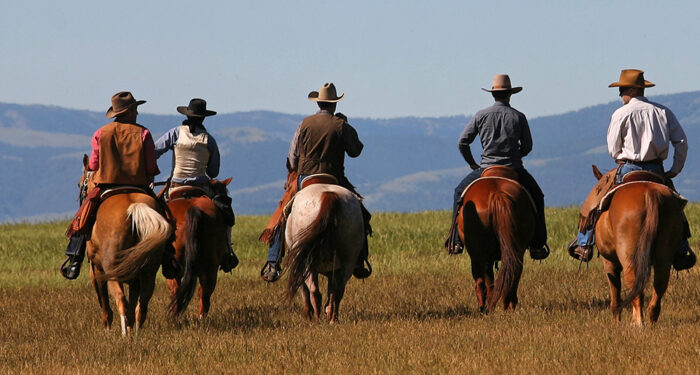
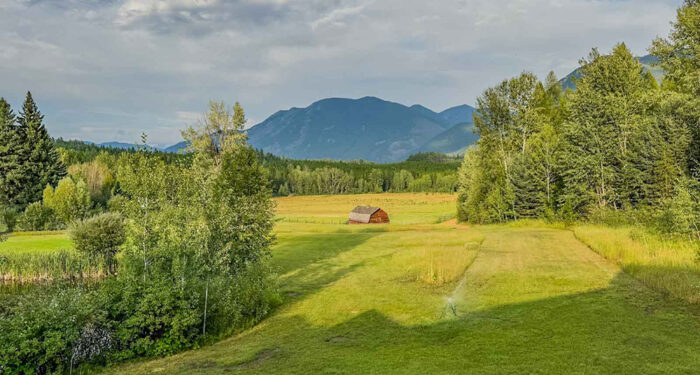
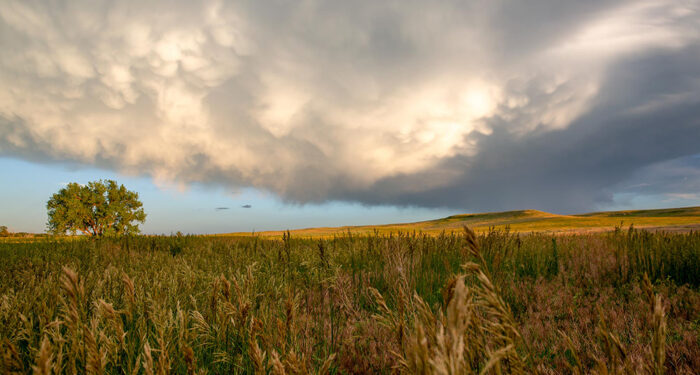
People buy western ranch real estate because it continues to offer something increasingly scarce: room to live with intention. As Hall and Hall marks its 80th year, decades of working with landowners and buyers, the lesson remains consistent: the best western properties offer more than scenery. They offer privacy, usefulness, continuity, and a way of life that still feels grounded in something real.
For some buyers, the attraction begins with open space, wildlife, water, or mountain views. For others, it begins with something harder to articulate, a sense that life should be about more. But serious buyers do not stay at this level of aspiration for long. They start looking at the functionality of a property, such as recreation, current management, family use, and conservation.
That is why buying a ranch in the West continues to appeal to thoughtful buyers. The land can be worked, improved, understood, and stewarded. It becomes part of daily life in a way that many other real estate assets do not.

Buyers Are Looking for More Than Scenery
The western way of life still resonates because it is built around substance. A good ranch asks something of its owner. It may require attention to access, water, grazing, habitat, improvements, roads, or operations. In return, it offers a kind of involvement that many buyers find increasingly valuable.
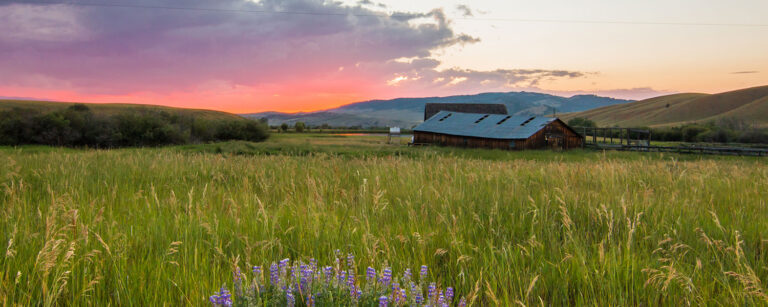
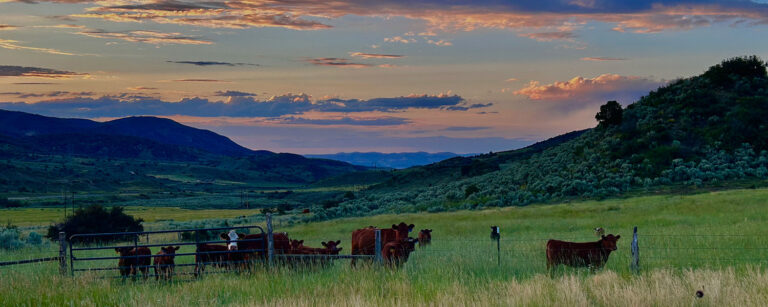
For that reason, western land often appeals to people who are not looking for a passive asset or a polished version of country life. They want a place with real character and real use. That may mean a property that supports hunting and fishing, cattle, equestrian interests, family gathering, conservation goals, or simply the privacy to live differently.
The appeal is often found in the overlap. A strong property can hold emotional value and practical value at the same time. It can be beautiful, but it also needs to make sense on the ground. Buyers are thinking about long-term fit, not just first impressions.
Western Ranch Real Estate Still Rewards Patience
That mindset lines up closely with Hall and Hall’s own view of the current market. In its 2025 market review, the firm noted that buyer interest remained strong, but that buyers were more patient, more selective, and more focused on due diligence and long-term value. Land continued to attract attention for its production, recreational, conservation, and privacy values, as well as its relative permanence.
That is important because it reflects the nature of the West itself. Good land has never been best understood in a hurry. A property’s strengths are not always captured in a first set of photographs or a single drive through the gate. Often, what matters most is how the ranch lies together, water flow, improvements, and ownership, both past and going forward.
That kind of patience is not a weakness in the market. In many ways, it is a sign of maturity. Buyers are still drawn to the West, but they are approaching it with more care and more clarity. For the right property, that is a healthy environment.
What Sellers Should Understand About Today’s Buyers
This matters to sellers as much as it does to buyers.
A seller may know every inch of a ranch and every year of effort behind it, but today’s buyer needs help seeing what makes the property compelling. That goes beyond acreage totals and a list of improvements. Buyers want to understand how the land lives. They want to know how the ranch functions, what kind of stewardship has shaped it, and what kind of future it can support.
That means the strongest ranch marketing does not rely on broad claims. Gathered information provides buyers with a clear understanding of the property’s operation, its recreational qualities, its access, its water, its habitat, and its long-term potential. It also communicates something less tangible but just as important: the quality of care behind the asset.
For sellers, that is a useful reminder. The western way of life is still powerful in the market, but it works best when it is presented honestly. Serious buyers respond to authenticity. They respond to land that has been understood, not only advertised.
80 Years on the Land Still Means Something
Hall and Hall’s 80th anniversary gives that idea extra weight. On its About Us History page, the company traces its origins to 1946, when Henry Hall and his son Warren began building the business through direct relationships with ranchers and farmers across the West. The firm still frames its story around trust, fairness, hard work, and practical counsel, and it continues to position itself as a land-focused business with a broad service offering around rural real estate.
The clearest answer to why the western way of life still draws buyers may be because it offers something tangible in a world that often feels increasingly abstract. It offers room to think, room to gather, room to work, and room to build a longer view of life.
And for sellers, that enduring pull is worth remembering. Properly positioned western ranch real estate still attracts serious interest, particularly when the story of the property is grounded in truth. Not hype. Not nostalgia. Just an honest understanding of what the land is, how it functions, and why it matters.
For buyers, that may begin with browsing available ranches. For sellers, it may begin with a conversation about how to present a property to a market that still values stewardship, quality, and long-term fit.