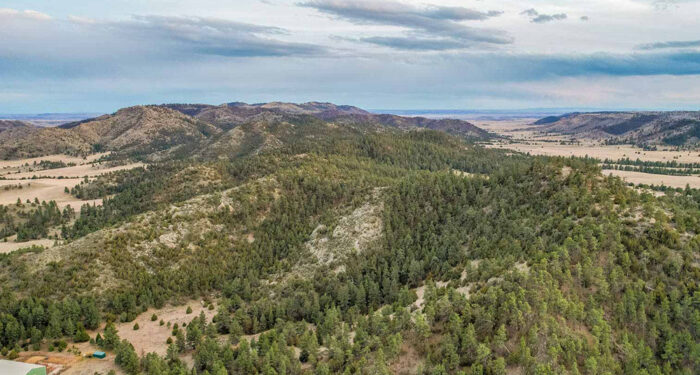
Lifestyle

Embracing the Farm and Ranch Lifestyle

May 26, 2026 | Hall and Hall
horses tied to horse trailer during branding break in large green pasture with big blue sky with scattered cumulous clouds and snow-capped mountain peaks

A Lifestyle Worth Living

The decision to buy a farm or ranch usually begins with operational, recreational, or aesthetic qualities. Water resources, topography, grazing capacity, wildlife habitat, improvements, and location are serious contenders for making a purchase.

The deeper value of ranch ownership reveals itself gradually, through seasonal changes, the continuity of family traditions, introspective-inducing privacy, the joy of lifestyle, and the satisfaction of helping to nurture land and animals.
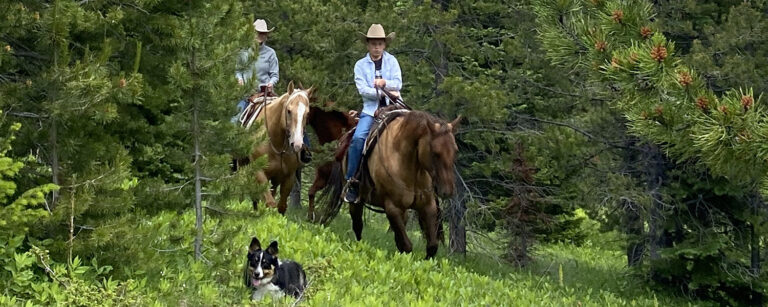
two riders horseback and a dog out in front on green, coniferous treed mountainside
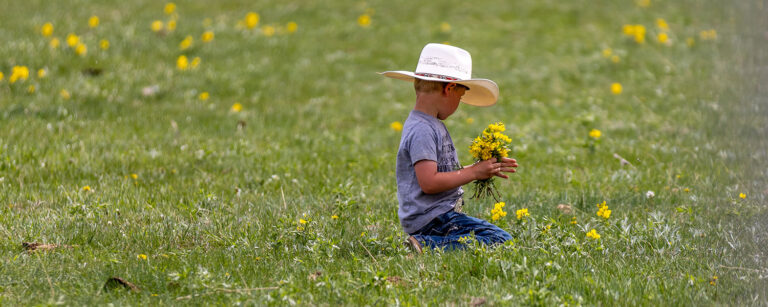
young boy kneeling in meadow picking wildflowers wearing straw cowboy hat, snap shirt and jeans

Quality Time

Living a farm and ranch lifestyle changes how time is spent. The pace is different. Days become more seasonal and less transactional. Owners start to speak about early mornings, riding trails, walking and fishing in river and creek bottoms, scoping wildlife, and long days ending with a deep satisfaction of a job well done, all of which develop a kinship with their land.

Farm and ranch ownership deepens with familiarity. Love for the lifestyle, feeding of the soul, and family connections are top reasons many well-positioned ranches remain in families for generations, even when market conditions may support a sale.

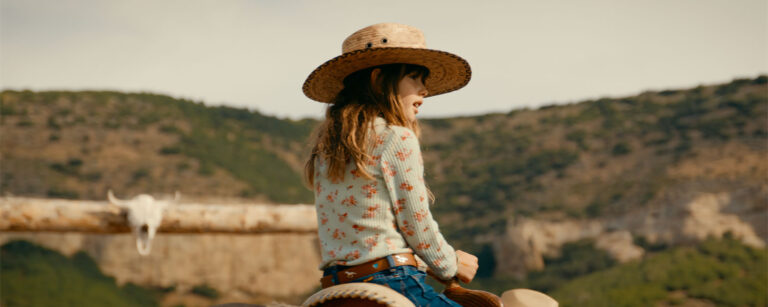
young girl in wide-brimmed straw hat horseback with treed hills in the background
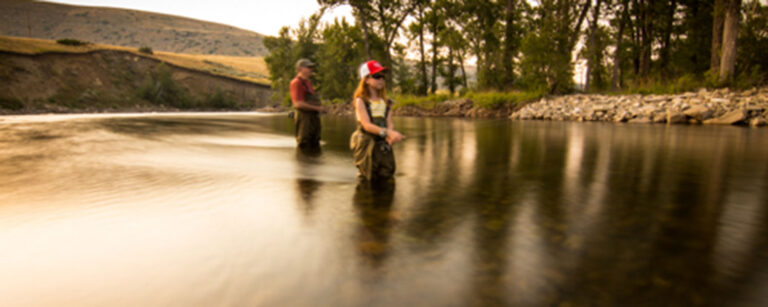
dad and young daughter wearing waders and fly fishing in the river

Farm and Ranch Life is Personal

The profile of today’s ranch buyer continues to broaden. Some buyers come from agricultural backgrounds and are returning to land ownership after years away. Others are entrepreneurs, investors, or business owners seeking a more grounded connection.

Farms and ranches offer a level of autonomy that is increasingly difficult to replicate. There is room to gather family across generations, pursue recreation without crowds, maintain productive operations, and create traditions that are difficult to measure in purely financial terms. The most successful ownership experiences typically come with time, as buyers learn and adapt to their land.

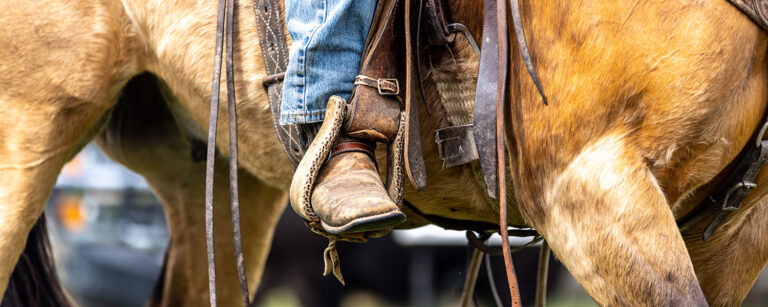
cowboy boot in stirrup against side of chestnut colored horse
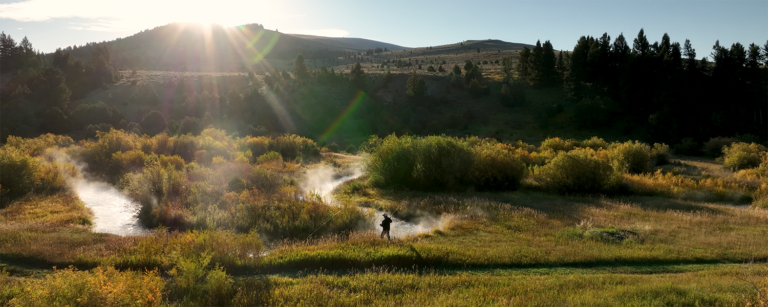
person fly fishing on riverbank at sunrise in a hay meadow with surrounding shrubs

Stewardship and Long-Term Thinking

Buyers evaluating ranches today are considering topics such as:

  • How will the property function for future generations?
  • Can the land support multiple uses?
  • What are the water rights, and how is the current use working?
  • Does the geography offer long-term recreational and operational value?
  • Is this a property we will still want to own twenty years from now?

In many parts of the market, well-managed ranches with strong water resources, usable improvements, privacy, and scale continue to attract consistent interest because they offer both lifestyle value and scarcity.

Large, well-positioned ranches are not easily replicated. In many regions, subdivision pressure, recreational demand, and changing land use patterns continue to reduce the supply of intact ownership opportunities.

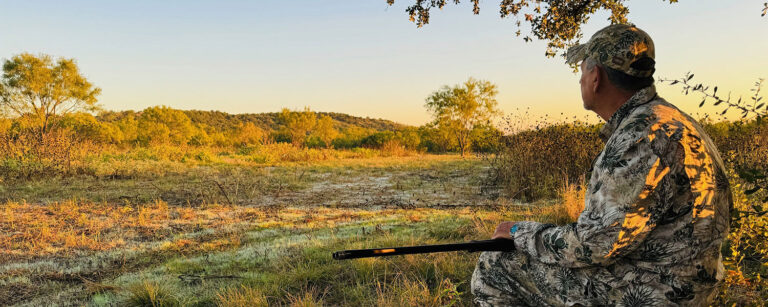
man in camouflage sitting on stump with rifle across his knees watching an open field
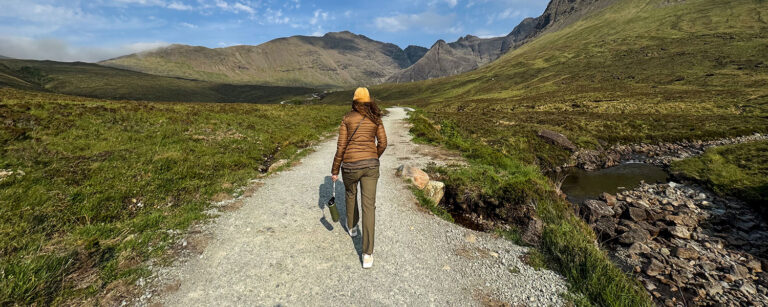
back of woman hiking up well-traveled gravel trail holding small pack walking towards distant mountains

Looking Beyond the Acreage

Acreage will always matter. Productive ground, water resources, access, habitat, and operational functionality remain central to evaluating any ranch. But buyers are investing in how they want to spend time, where they want family to gather, what kind of stewardship they value, and what they hope the property will represent decades into the future.

Explore current opportunities and learn more about available ranches, farms, and recreational properties through Hall and Hall.