Land

The Oregon Trail Region of Southeastern Wyoming

Jun 29, 2026 | Hall and Hall
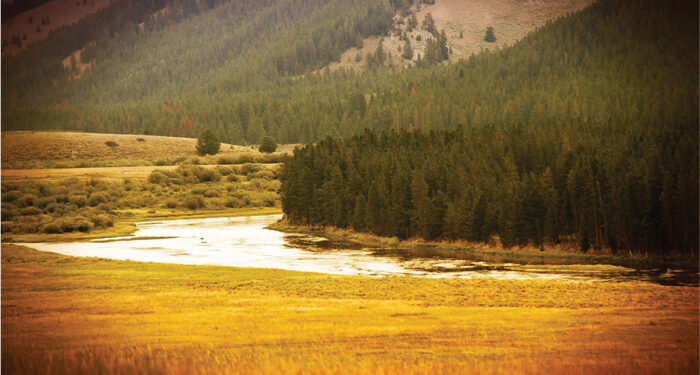
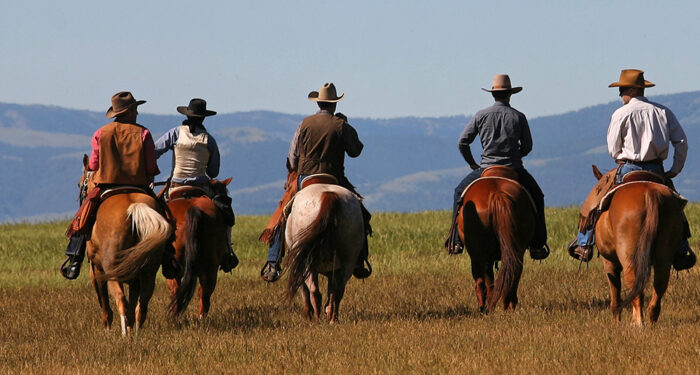
Mountains with green trees and blue sky

More than 400,000 emigrants traveled the Oregon Trail between 1841 and 1869, moving westward through what is now southeastern Wyoming. The ruts they left are still visible near the town of Guernsey, pressed five feet deep into soft sandstone by the weight of wagons, livestock, and a country in motion. A day’s travel from those ruts, Register Cliff still bears the carved names of emigrants who documented their passage for those who would follow. Fort Laramie, established as a fur trading post in 1834 and later converted to a U.S. Army garrison, served as a critical resupply and treaty point along the route. For the travelers who passed through, it was a place to rest, restock, and reckon with the miles still ahead.

The North Platte River corridor that guided those emigrants through the region was not chosen arbitrarily. Four major westward migration routes, the Oregon, California, Mormon Pioneer, and Pony Express trails, converged here because the land made it possible. Water was accessible, grass was reliable, and the terrain, while demanding in places, was navigable. The same qualities that made this country a viable route west have also sustained agricultural and recreational activity.
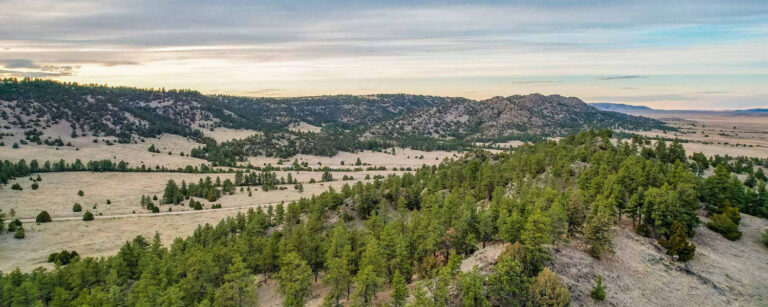
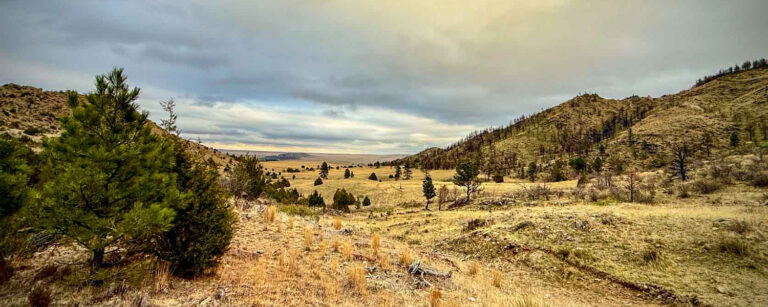
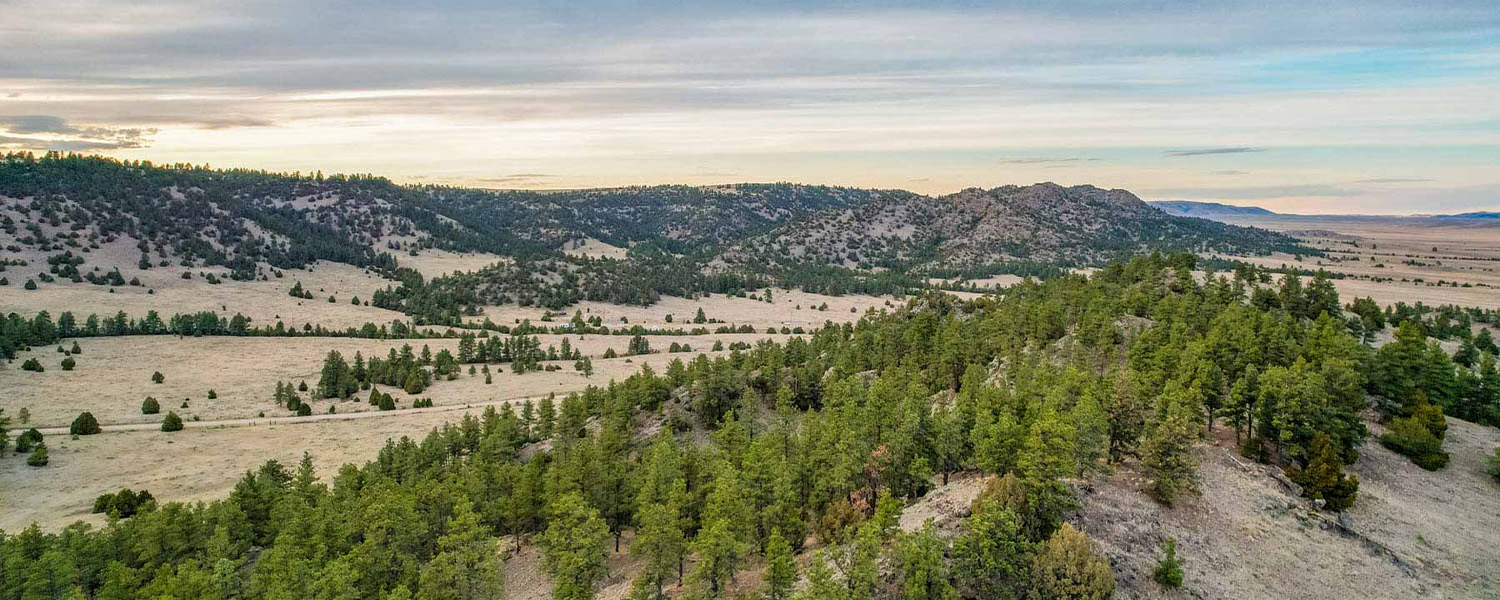
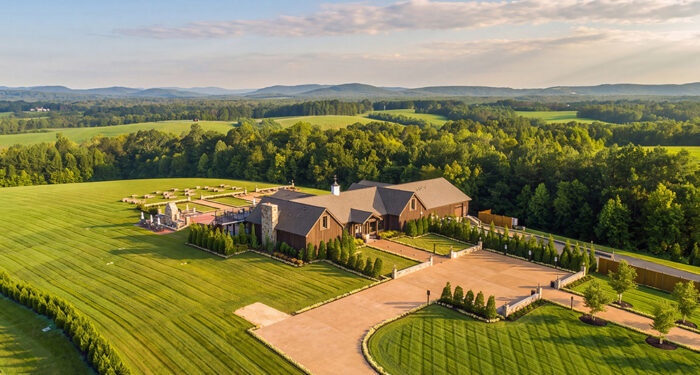
rugged timbered country with granite outcroppings

The area around Guernsey sits at the center of this historic corridor and today offers one of the more complete concentrations of western history and outdoor recreation in the region. Guernsey State Park, a 6,000-acre park surrounding the Guernsey Reservoir on the North Platte River, was designated a National Historic Landmark District in 1997, in part for the exceptional Civilian Conservation Corps work completed there between 1934 and 1939. The museum, the Castle, Brimmer Point, and miles of restored hiking trails are all CCC-built structures that remain in active use.

The reservoir itself draws boaters, anglers, and campers throughout the season. Fishing for walleye, yellow perch, and smallmouth bass is well established. The park’s trail system offers hiking and mountain biking across rugged terrain with views of the reservoir and surrounding hills. The Oregon Trail Ruts State Historic Site lies just south of Guernsey, and Register Cliff is two miles southeast, both of which are accessible in a single afternoon. Fort Laramie National Historic Site, with twelve restored buildings and an extensive interpretive program, is a twenty-minute drive from Guernsey.

For buyers considering land in the region, this concentration of history and public recreation is part of the surrounding context. Properties here sit within easy reach of one of Wyoming’s most historically significant corridors, with meaningful outdoor recreation available nearby.

The terrain in southeastern Wyoming varies considerably across short distances. Rolling prairie gives way to timbered ridges, granite outcroppings, and draws that hold water and wildlife. That variation is part of what makes the region well-suited to farm and ranch ownership that combines agricultural utility with recreational use.

The livestock country here has supported cattle operations for generations. Grass is reliable, water is accessible, and the climate, while demanding in winter, produces good grazing seasons. Properties tend to be self-contained and private, with enough acreage to run a modest cow-calf operation alongside hunting and personal use.

Two properties currently listed with Hall and Hall reflect that character well. 

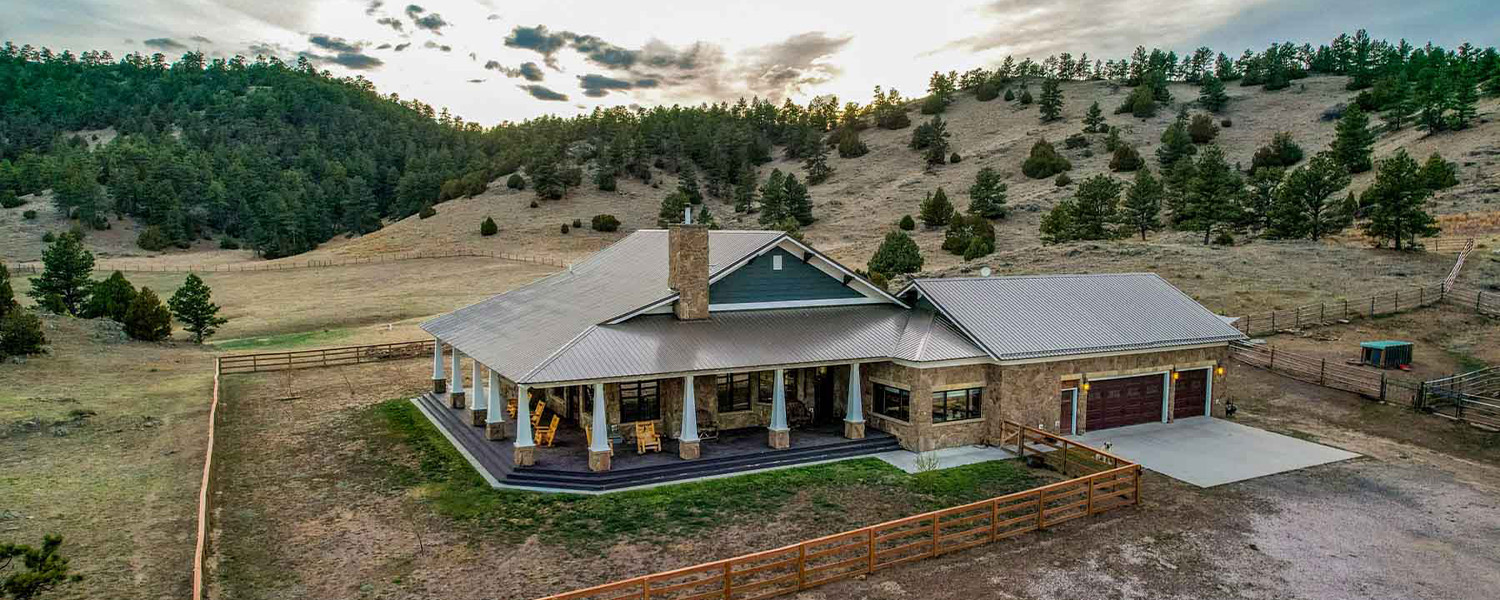
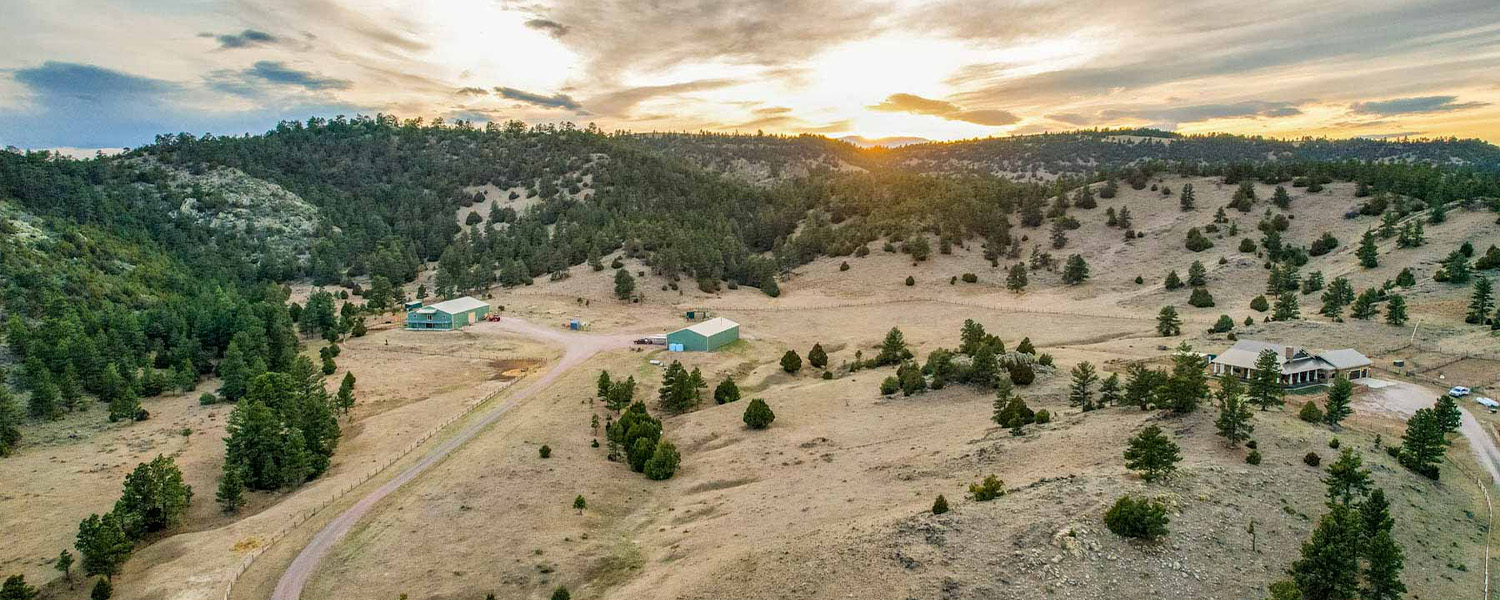
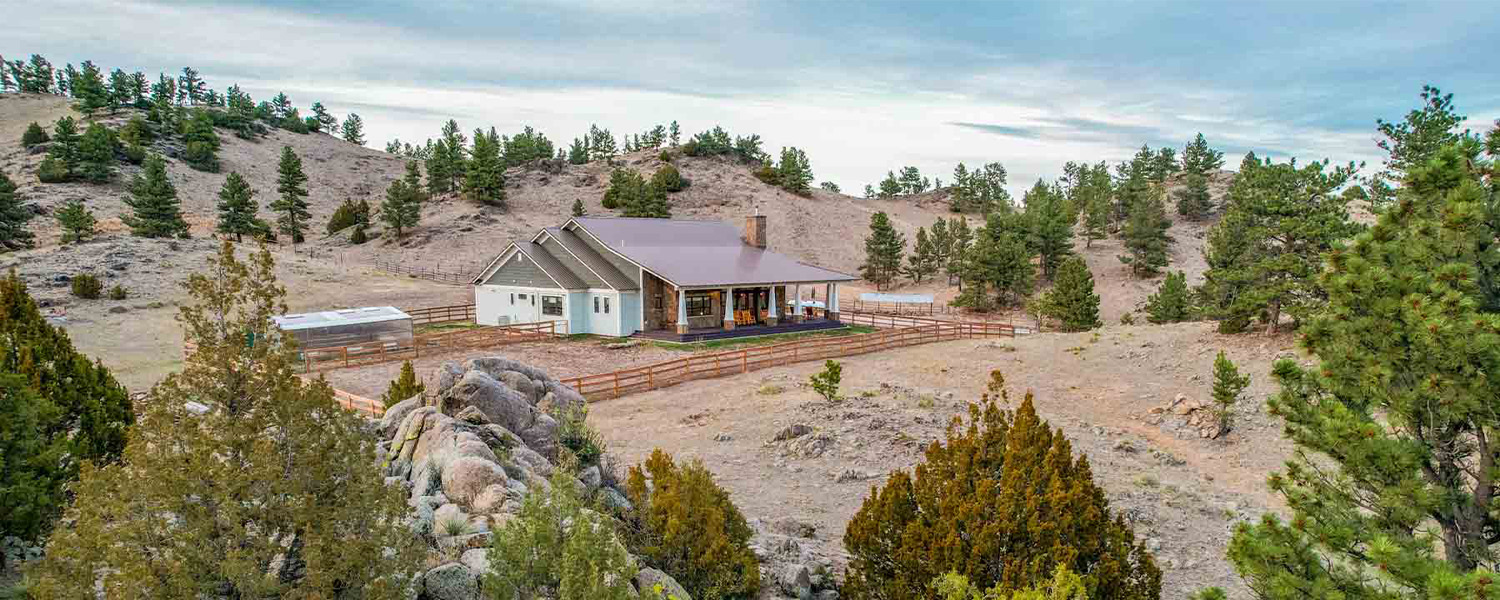
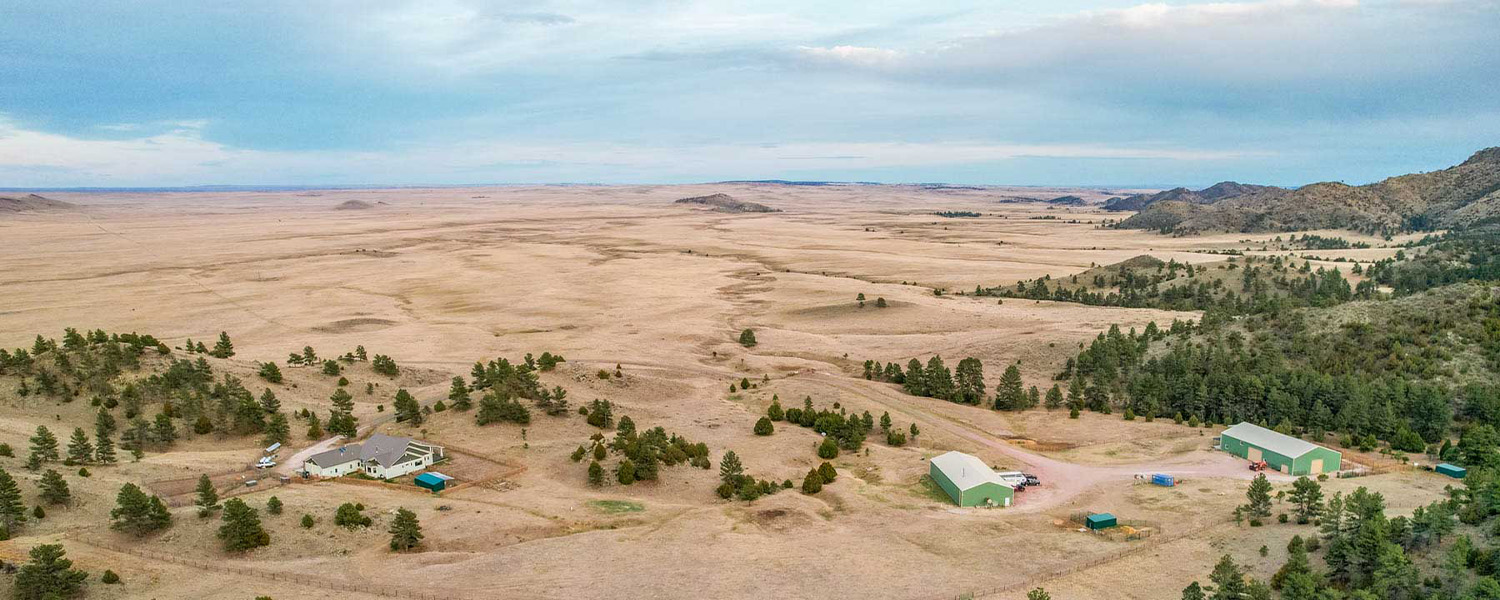
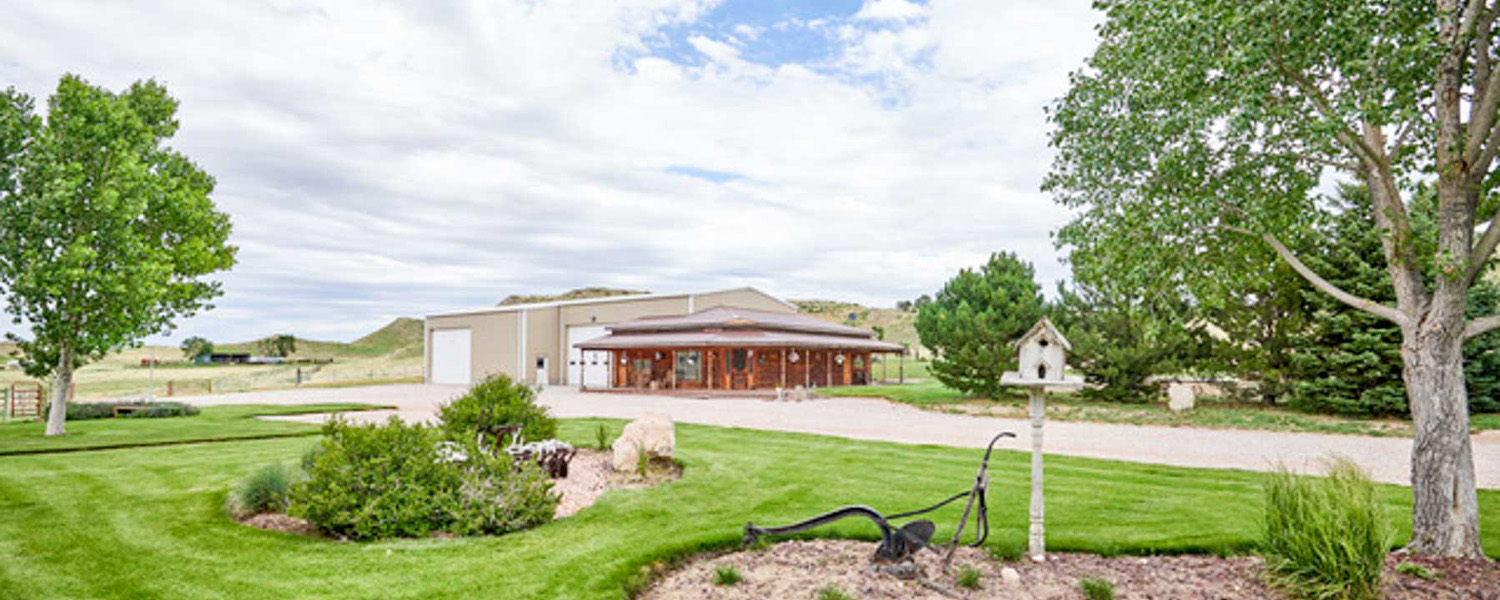
Shadow Rock, a 210±-acre holding in the Haystack Range near Hartville, sits in rugged timbered country with granite outcroppings, well-watered pastures, and hunting for elk, mule deer, antelope, and turkey. A custom 4,437±-square-foot residence built in 2016, a 5,000±-square-foot shop, and a 6,000±-square-foot horse barn round out the improvements, making for an exceptional horse property. There is an additional acreage option. Please contact Scott Leach for more information.

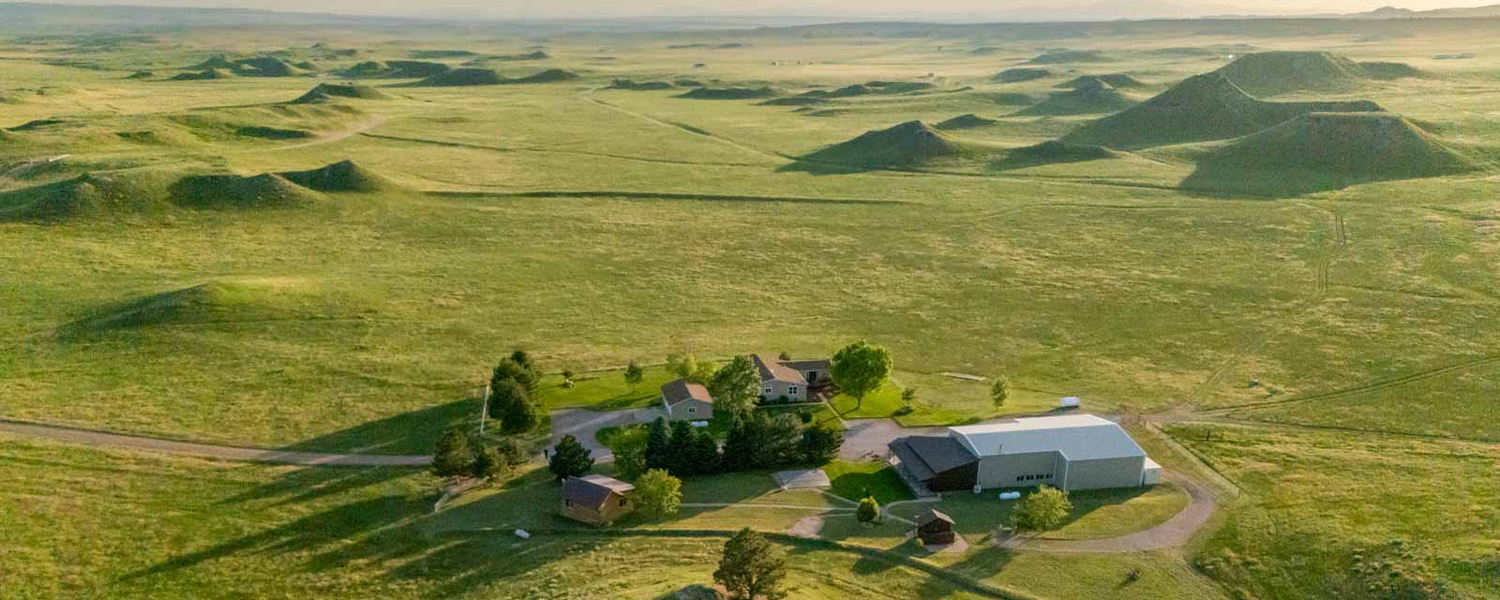
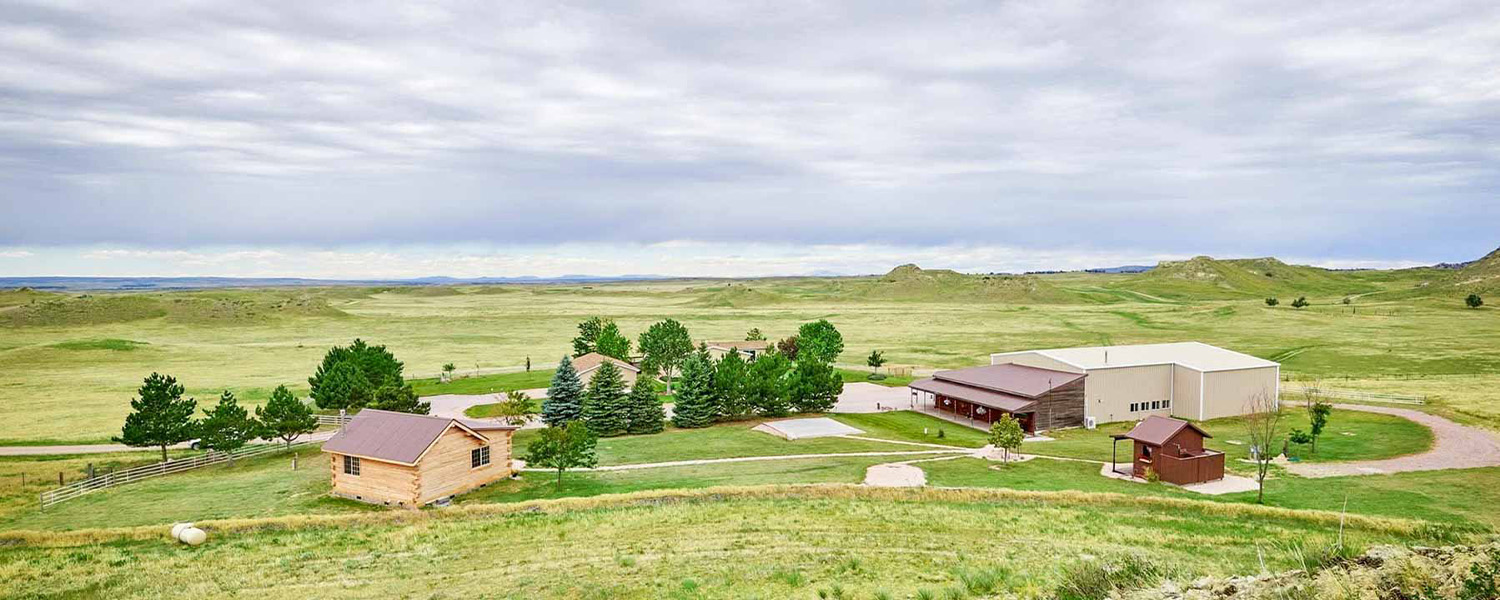
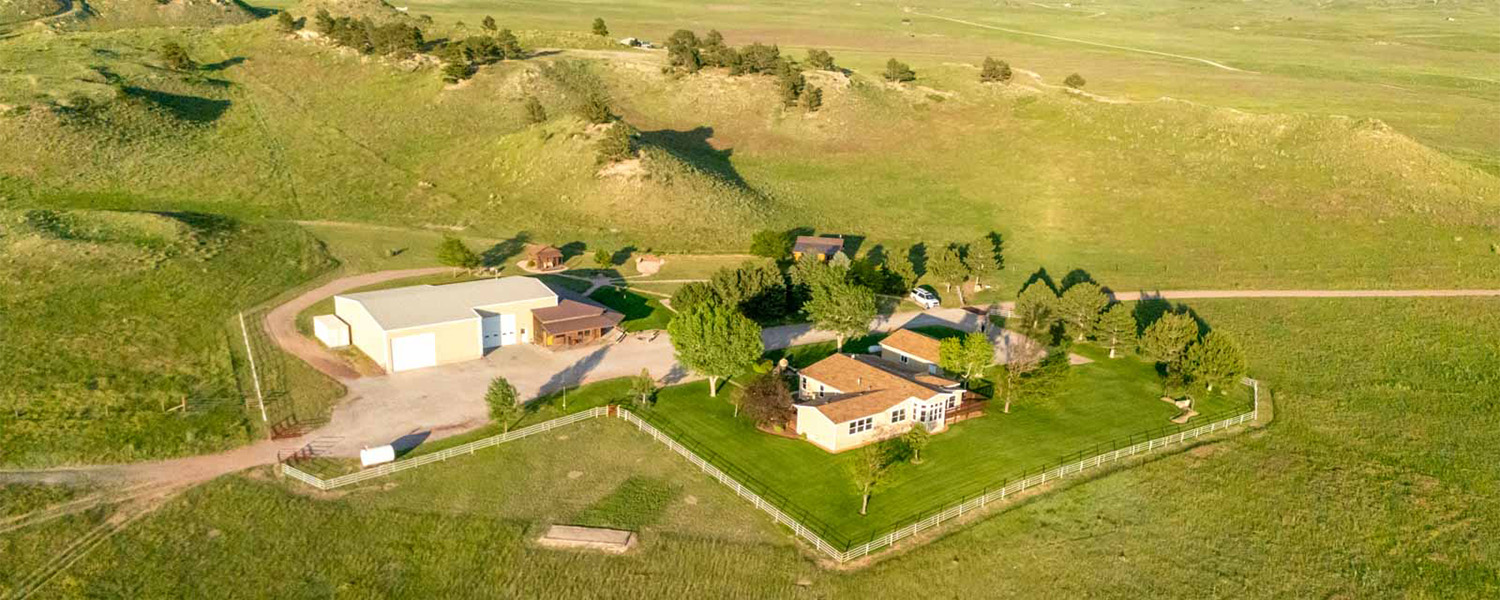
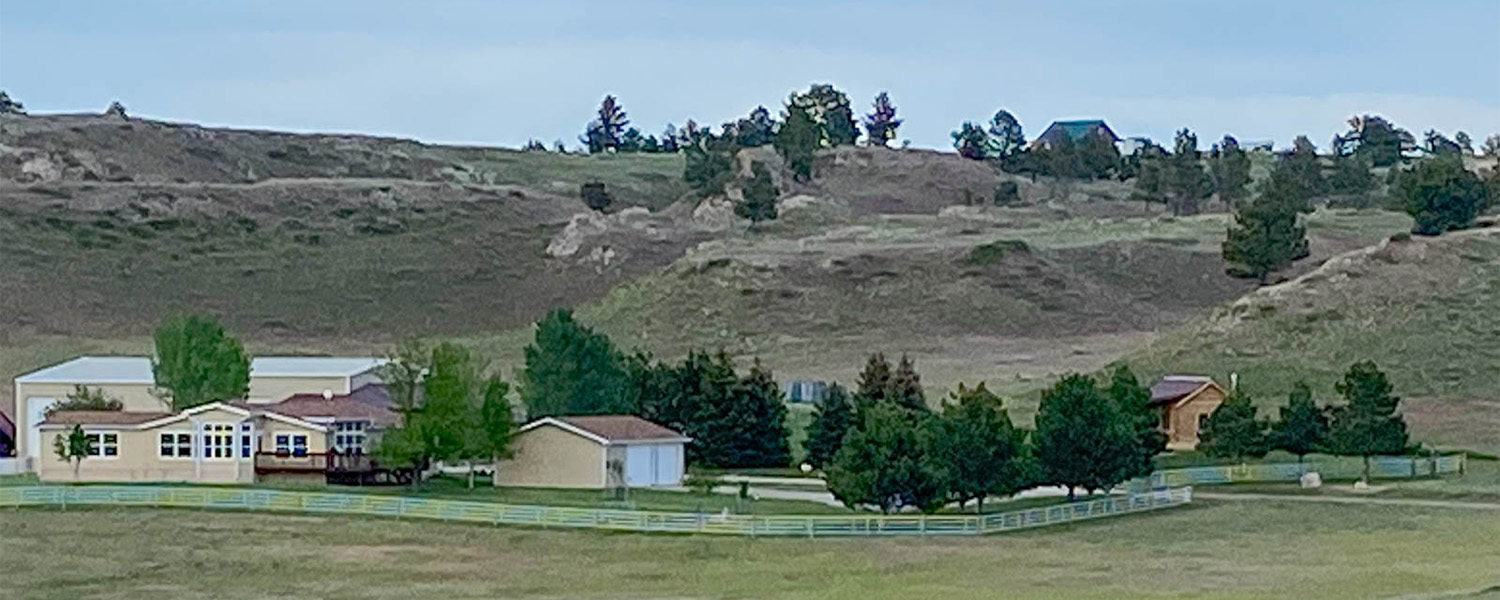
Tipi Hills Ranch is 292± acres cross-fenced into four pastures, sits outside Fort Laramie, and is set in the rolling hills the emigrants traveled. It includes expansive views, mule deer, whitetail, antelope, and other wildlife. A well-maintained main residence, guest lodge, and log cabin, along with a history as an Airbnb destination, give the property appeal beyond strictly agricultural buyers. 

One quality that draws buyers to southeastern Wyoming is the combination of seclusion and reasonable access. Fort Laramie sits within thirty minutes of Torrington and two hours of Cheyenne. The Hartville area is under two hours from Cheyenne and three hours from Denver International Airport.

Shadow Rock is only fifteen minutes from Hartville despite its private, timbered setting. 

Hall and Hall Partner, Scott Leach, “A custom executive home here is more than a residence—it’s a private retreat shaped by craftsmanship and setting. Antique finishes lend a sense of permanence and character, while the surrounding landscape provides both seclusion and sweeping western vistas that change with the light and seasons.”

Tipi Hills Ranch is ten minutes from Fort Laramie, with a commercial airfield within a reasonable distance. Both properties are move-in ready with well-maintained improvements.

For buyers considering southeastern Wyoming, the region rewards a visit. The history is visible on the ground, the recreational opportunities are accessible, and the land itself has supported generations of working ownership. Contact Scott Leach at Hall and Hall to arrange a private showing of Shadow Rock, Tipi Hills Ranch, or other available properties in the region.