Land

What Buyers Are Considering Beyond Acreage

Jun 22, 2026 | Hall and Hall
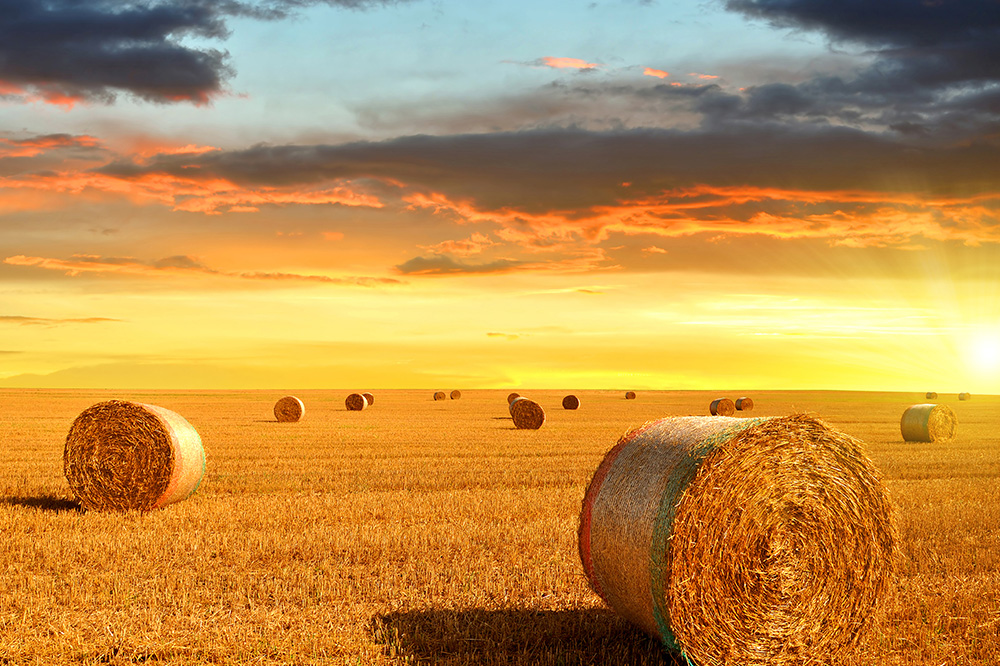
Green wheat field with gorgeous sunset and clouds

Lands Enduring Function

Land has a function, beyond production or grazing use. A recreational property may offer water, access, and habitat to support what a buyer hopes to build. A legacy ranch still depends on maintained infrastructure, grazing orleasing arrangements, and a realistic assessment of how the property performs across seasons. A farm that looks one way in spring may behave differently in late summer or during a dry year. Buyers new to land ownership often arrive focused on appearance and leave focused on function, which is situational awareness based on discovery.

Function also shapes long-term enjoyment. The properties with owners who continue to love them years after purchase are almost always those whose daily reality matches the original intent. 
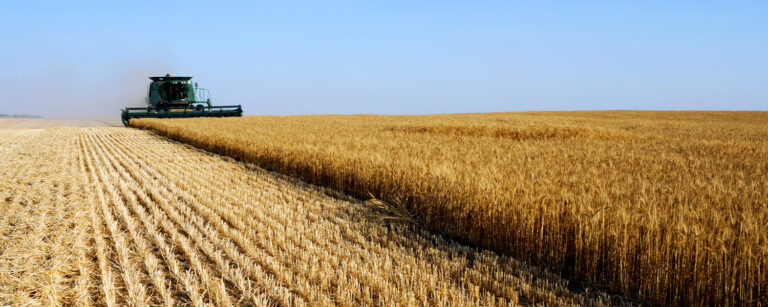
Combine harvesting a large wheat field
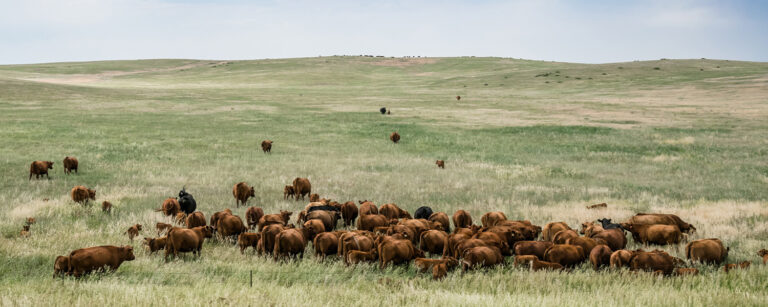
Red Angus Cattle grazing in a lush pasture of grass

What Stewardship Asks of an Owner

Stewardship is the quiet second half of land ownership, and it shapes the experience more than first-time buyers might expect. Owning land means assuming responsibility for water management, grazing and habitat decisions, road and fence upkeep, and a relationship with neighbors, outfitters, or long-term employees. It also means participating in the broader story of the region. 

For the right buyer, this is the attraction, an opportunity to align your vision with your values. It’s a significant reason farm and ranch ownership holds interest. It is also why buyers tend to work closely with advisers who understand the full picture: brokerage, finance, auctions, and land management over time.

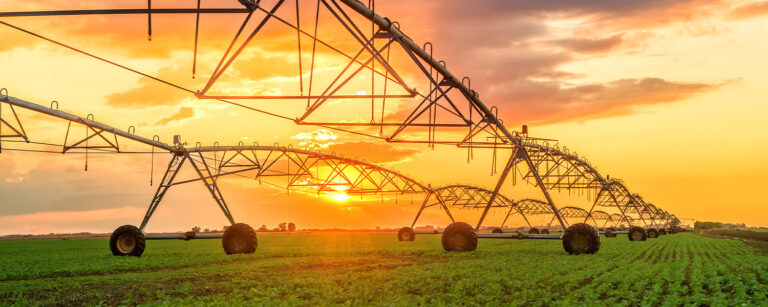
Irrigation pivot with sunset

Long-Term Planning

Property bought for a single season, or as a speculative asset, rarely becomes the property the owner speaks about with the same warmth a decade later. A ranch bought with a ten, twenty, or forty-year frame changes perspective. That extended horizon influences the questions a buyer asks up front. It changes how they think about access, evaluate improvements, neighboring boundaries, conservation, and the possibility that their own ownership, however important to them, is one chapter in a longer story.

Farms and ranches that will be owned by more than one generation benefit from clear conversations about intent, responsibility, and transition.

The Quieter Return on a Ranch

Ranches deliver returns that are not easily modeled. Some of it is economic: land, in many regions, has appreciated steadily across the decades. Some of it is operational: grazing, leasing, hunting, fishing, or conservation programs contribute meaningfully to many properties. Some of it is personal: the way a property functions as a place of reset, of family gathering, of work that is different from the rest of life.

None of these returns are guaranteed, and none of them complete the story. But taken together, they explain why land, farm and ranch ownership continues to attract the caliber of buyer it does.

For buyers considering a farm or ranch purchase, it is important to consider how they intend to work with the land and what that will look like for future generations. When that intent is clear, the property fit becomes recognizable, and the role of a broker shifts from helping to find the land to helping to understand it.