The Wise River is a major tributary to the Big Hole River, one of Montana’s best-known fly-fishing streams and the Lower 48’s last remaining stronghold for fluvial Arctic grayling. The Big Hole’s grayling require cold water and rear in five main tributaries, one of which is the Wise River. Fluvial Arctic grayling were candidates for listing under the Endangered Species Act, which spurred voluntary conservation efforts to improve water conditions. Those efforts to maintain in-stream flows during the low-water season continue, benefiting not only grayling, but also the native westslope cutthroat and mountain whitefish, and the non-native rainbow and brown trout that make the Big Hole famous among fly-fishers.
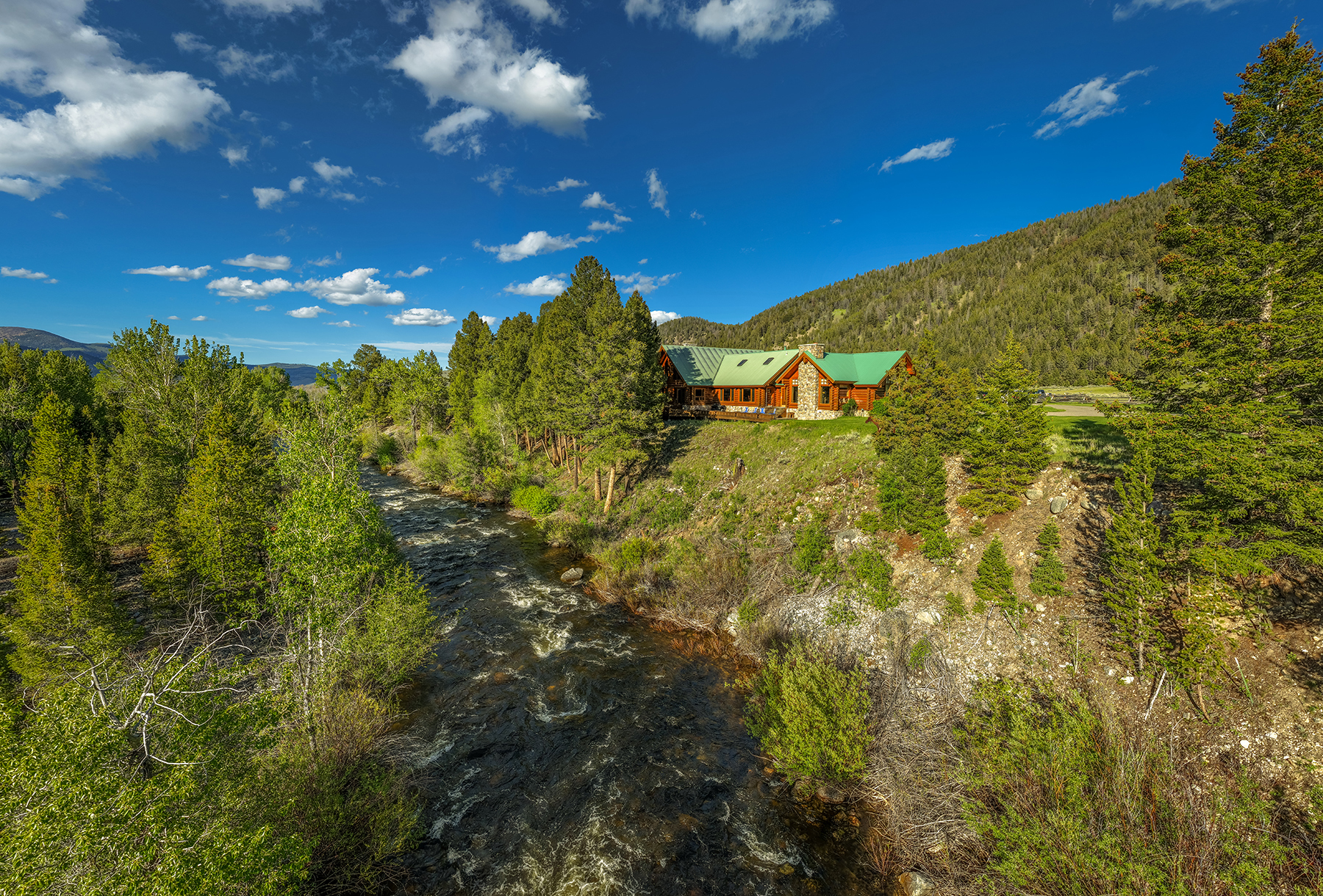
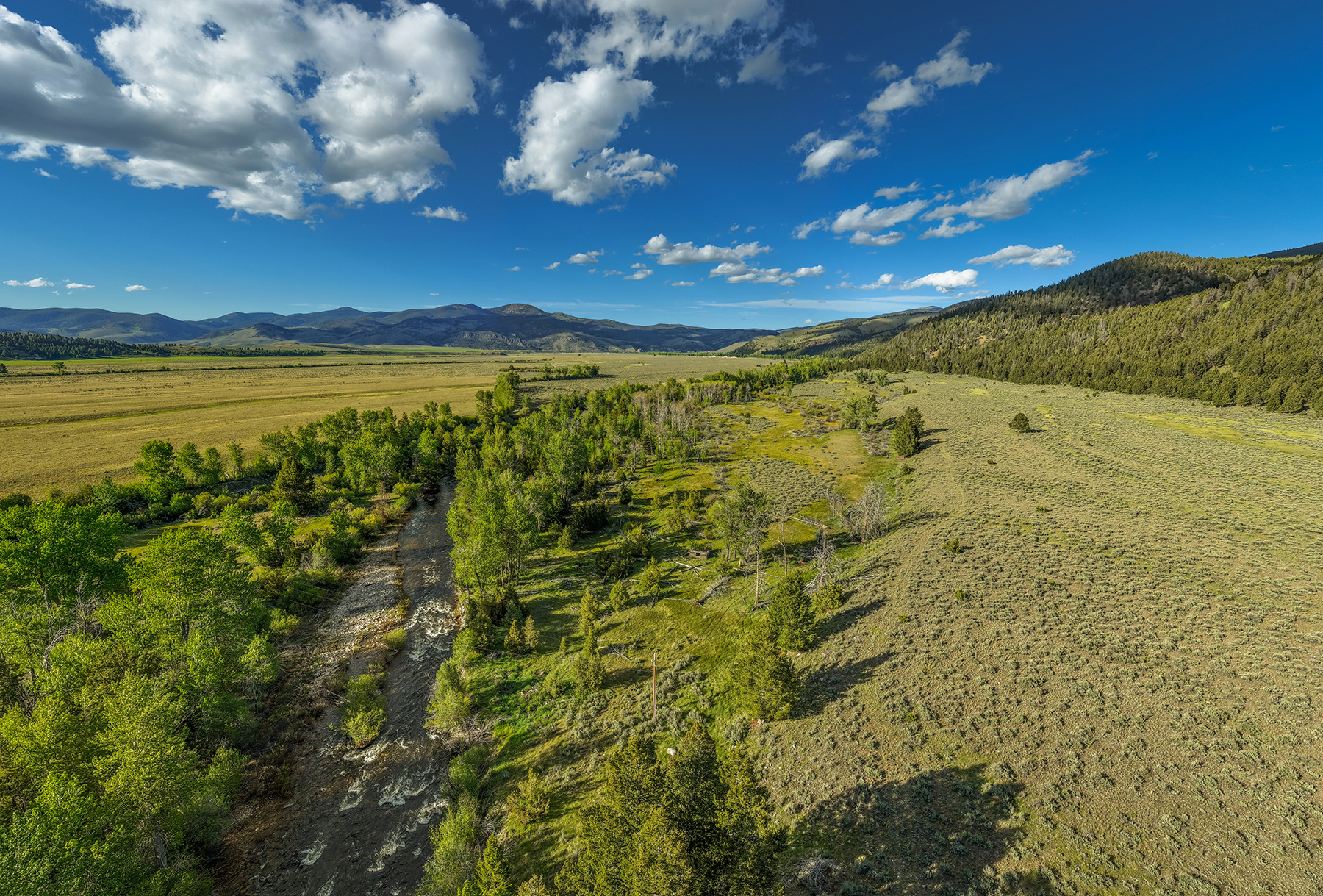
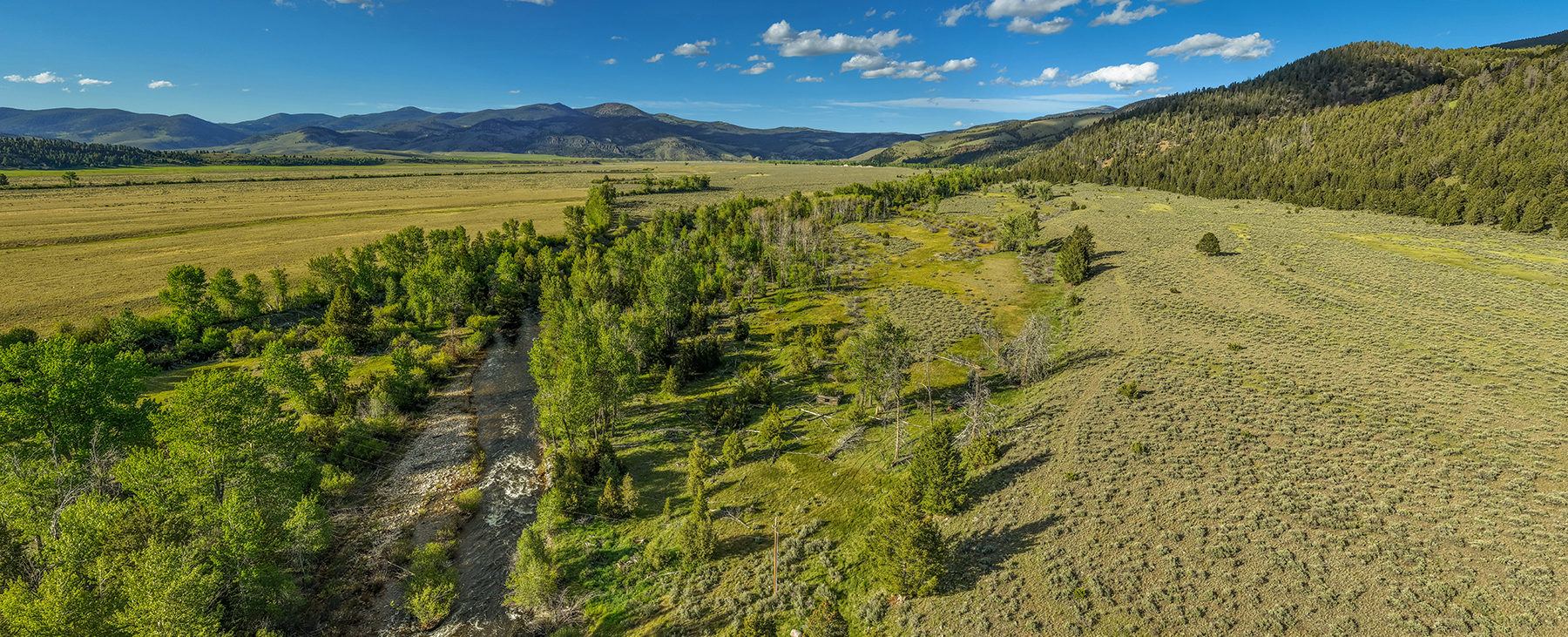
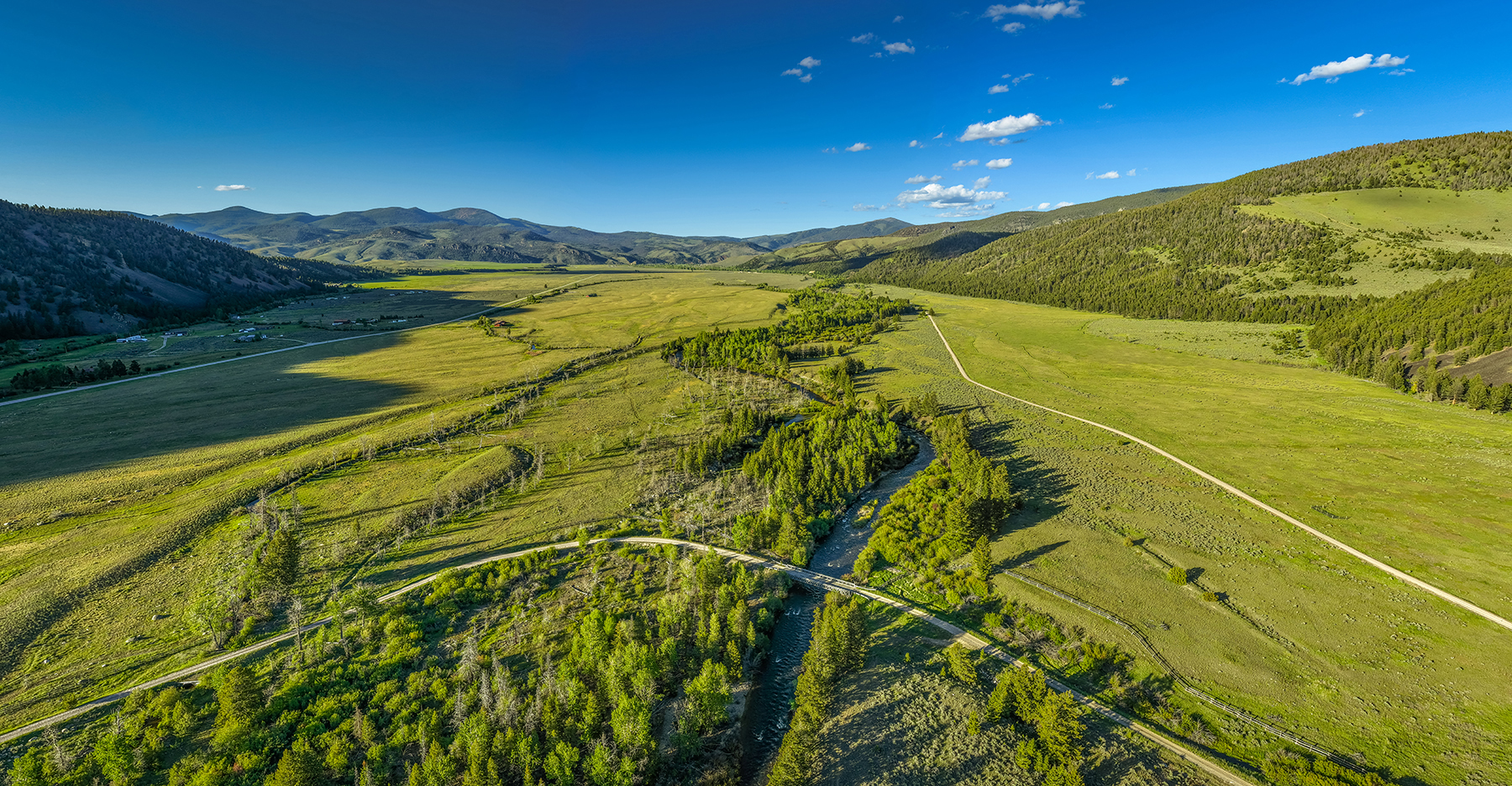
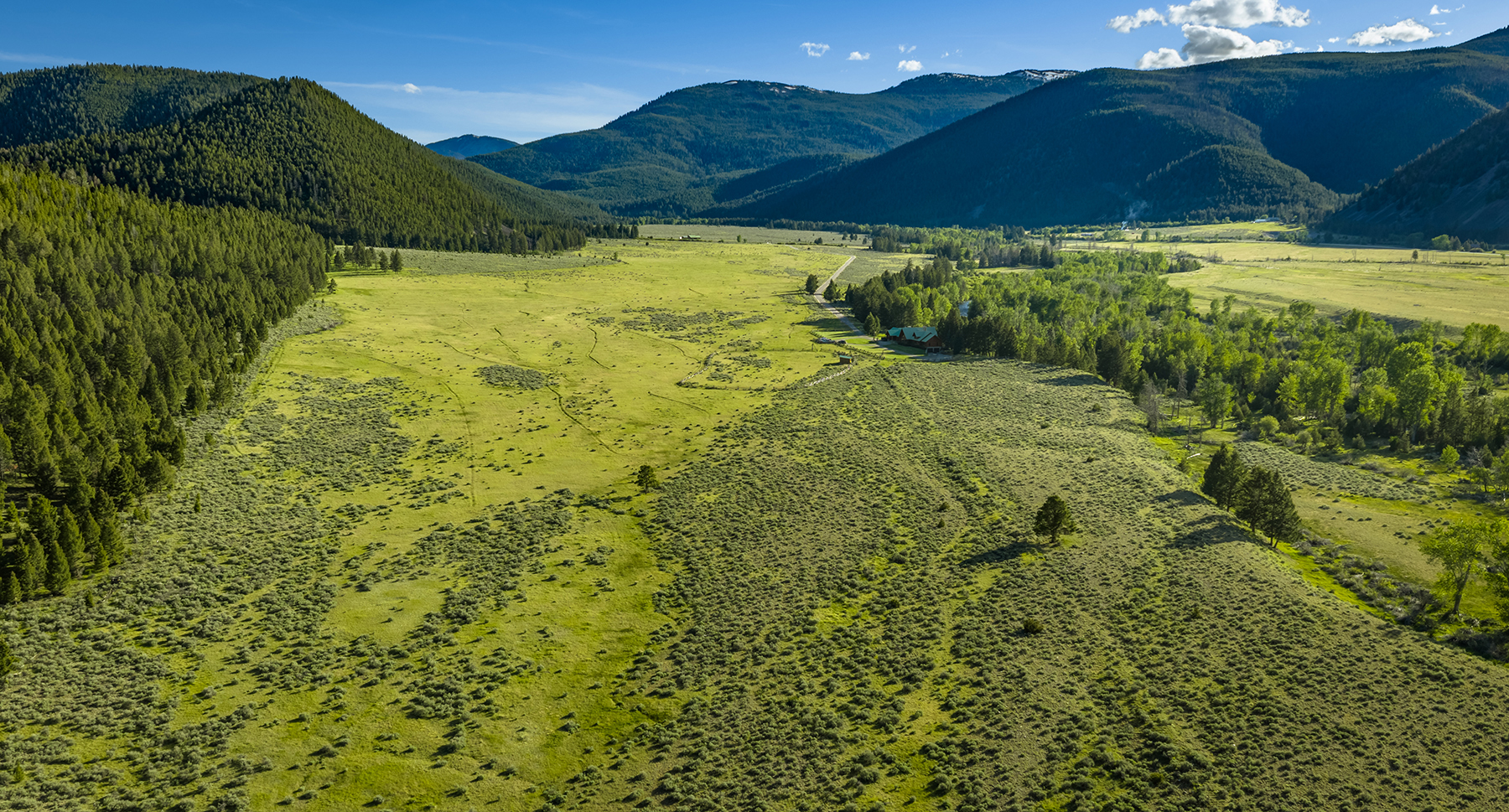
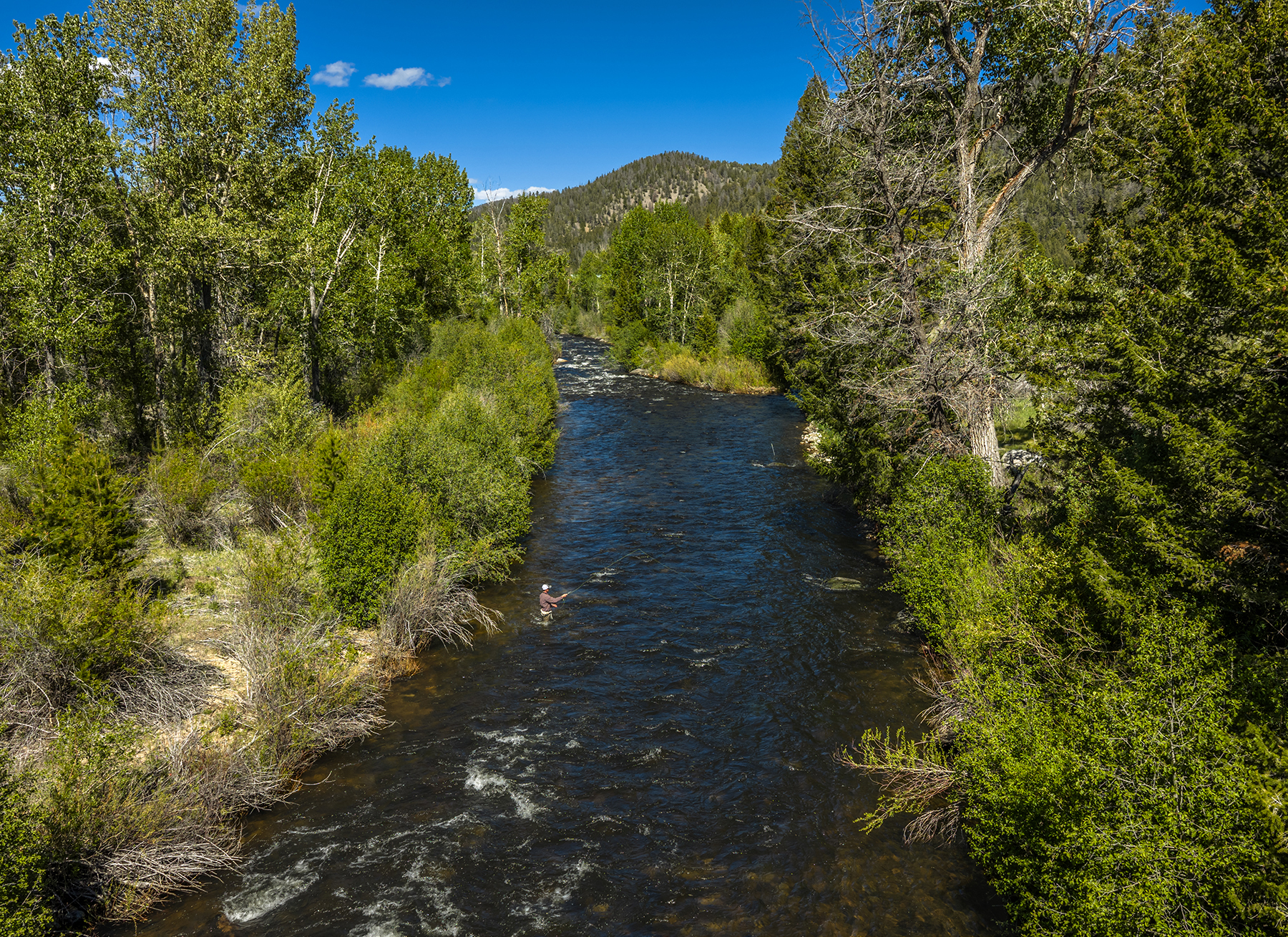
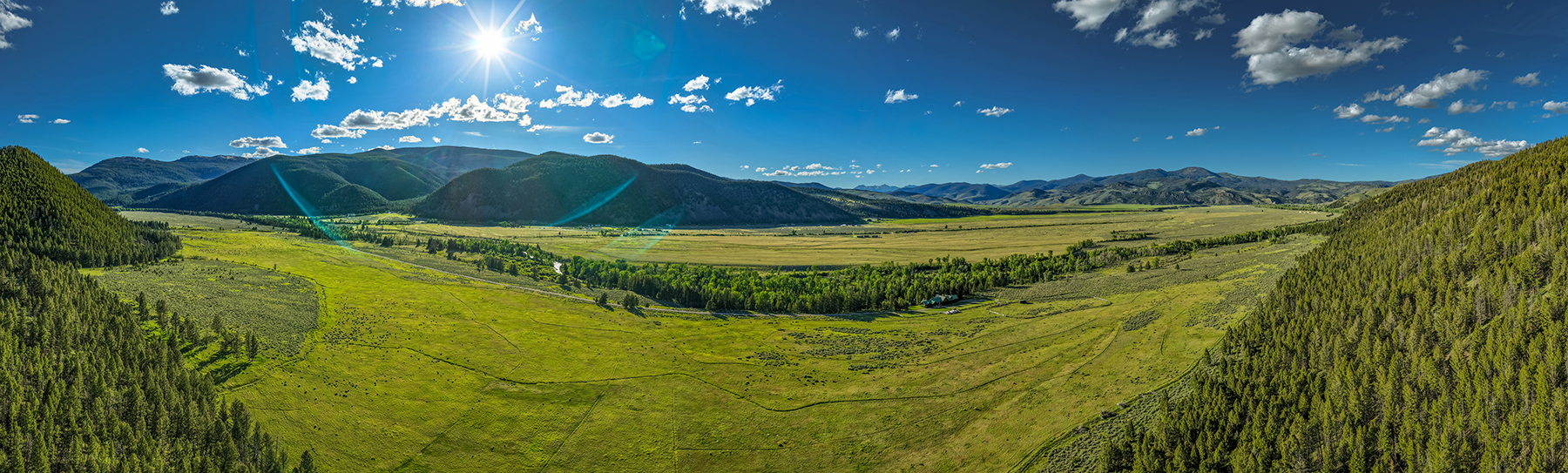
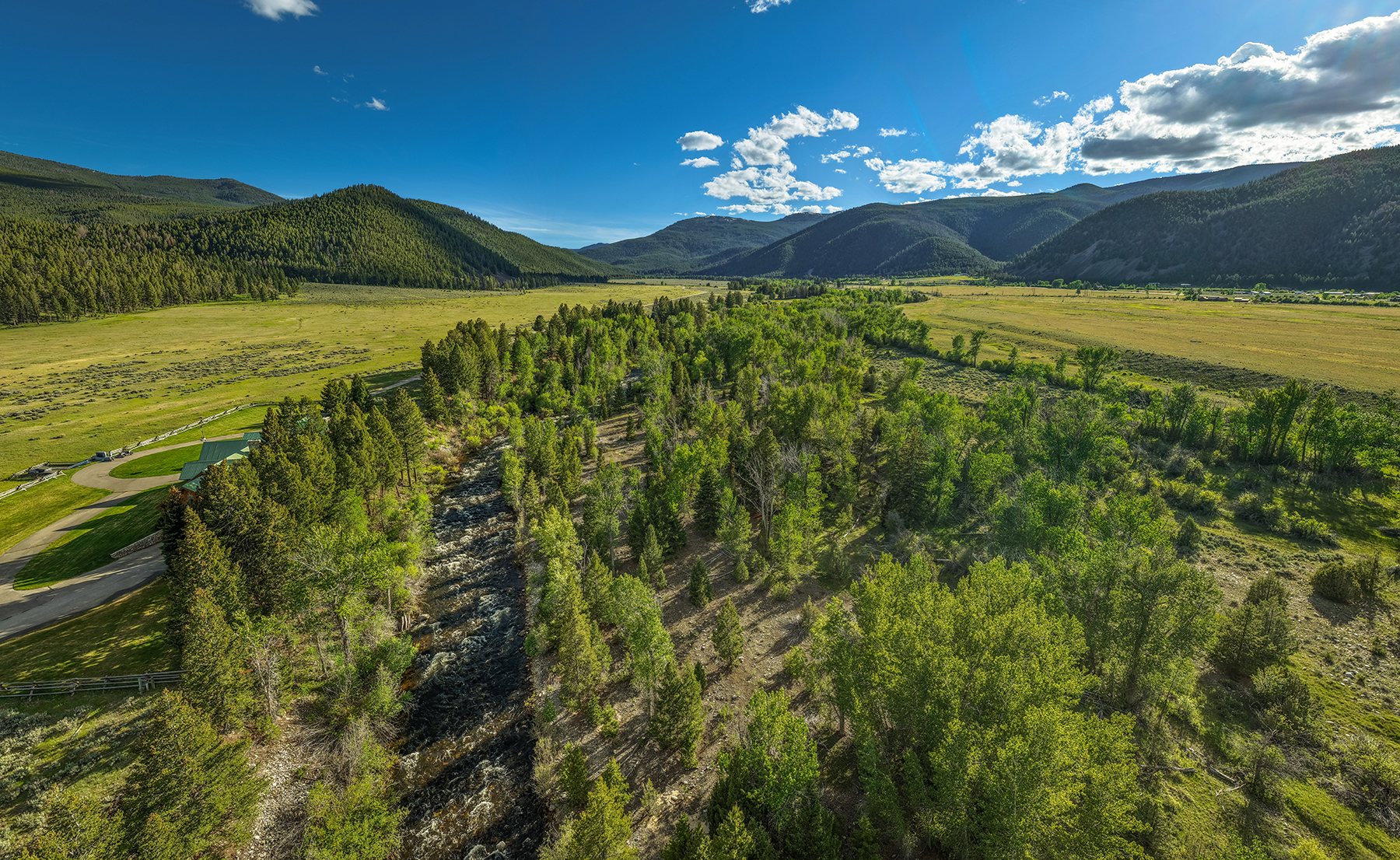
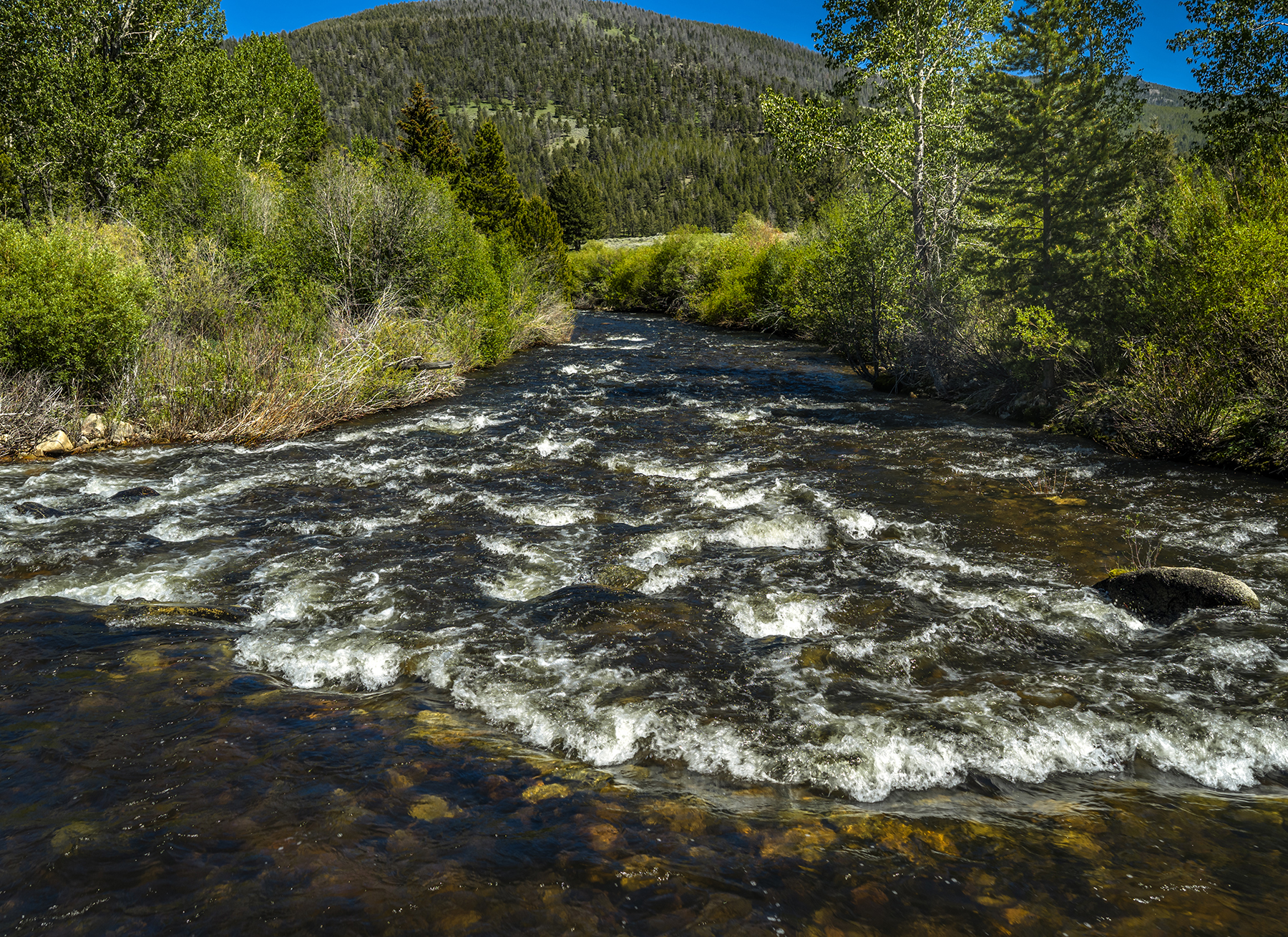
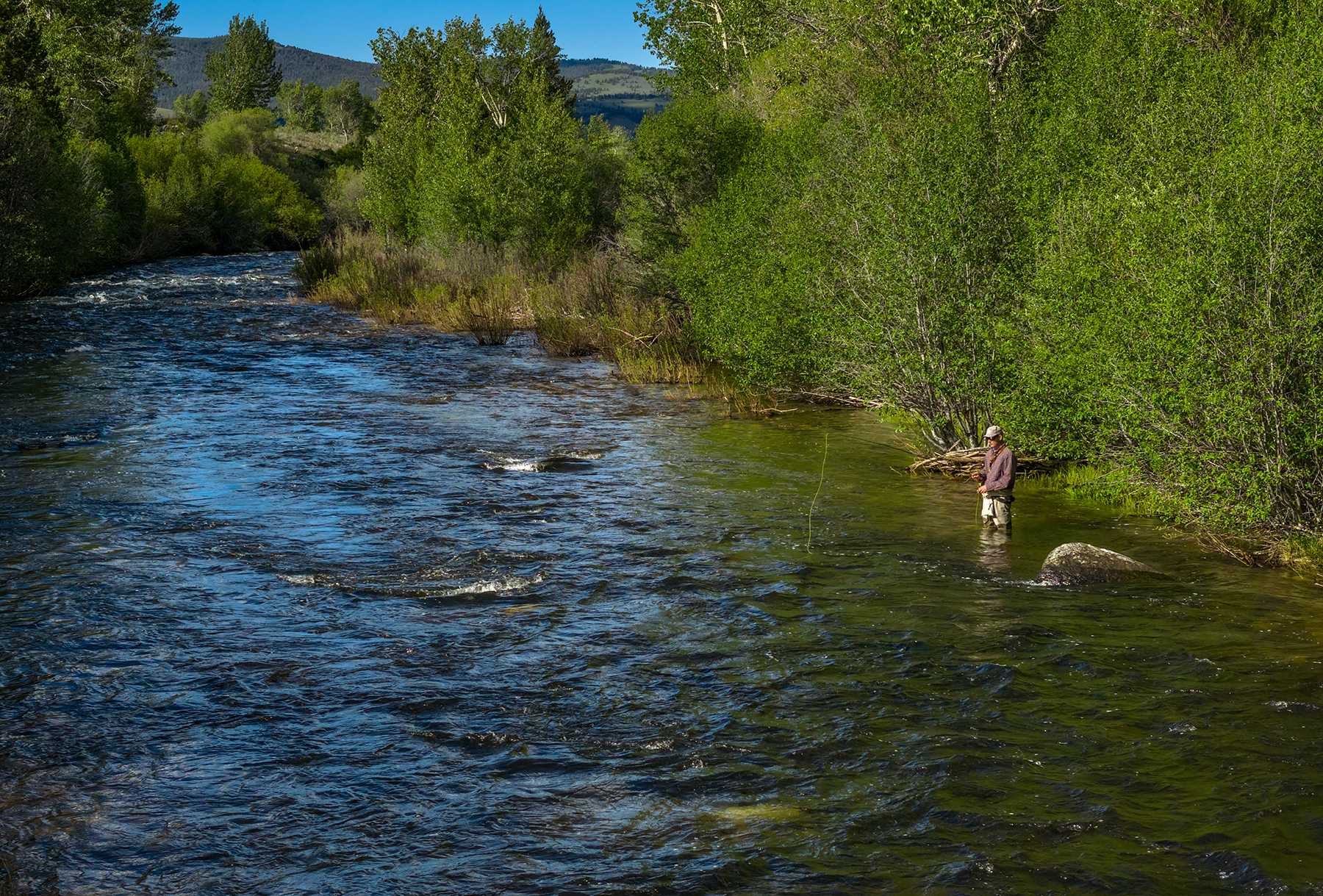
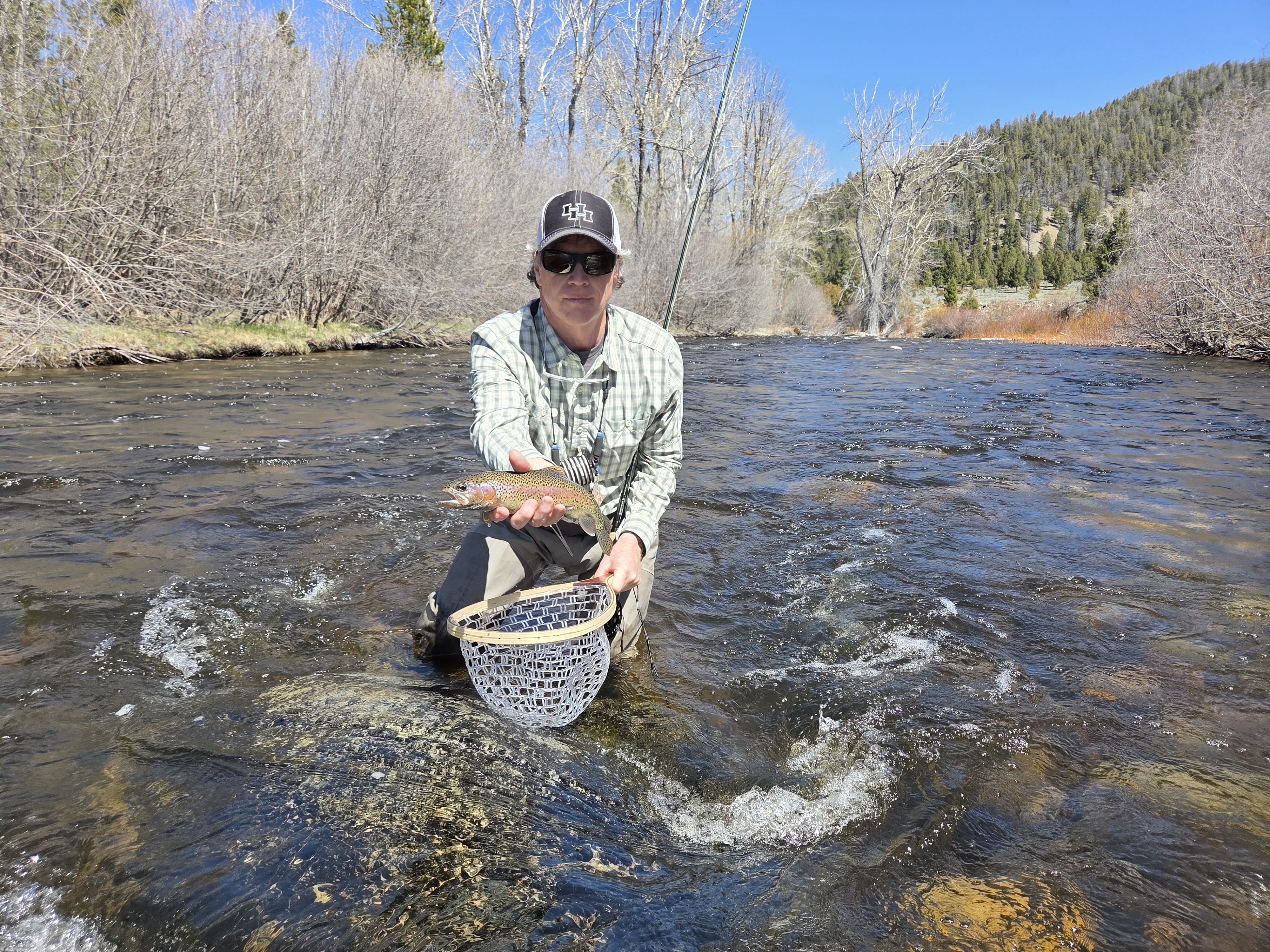
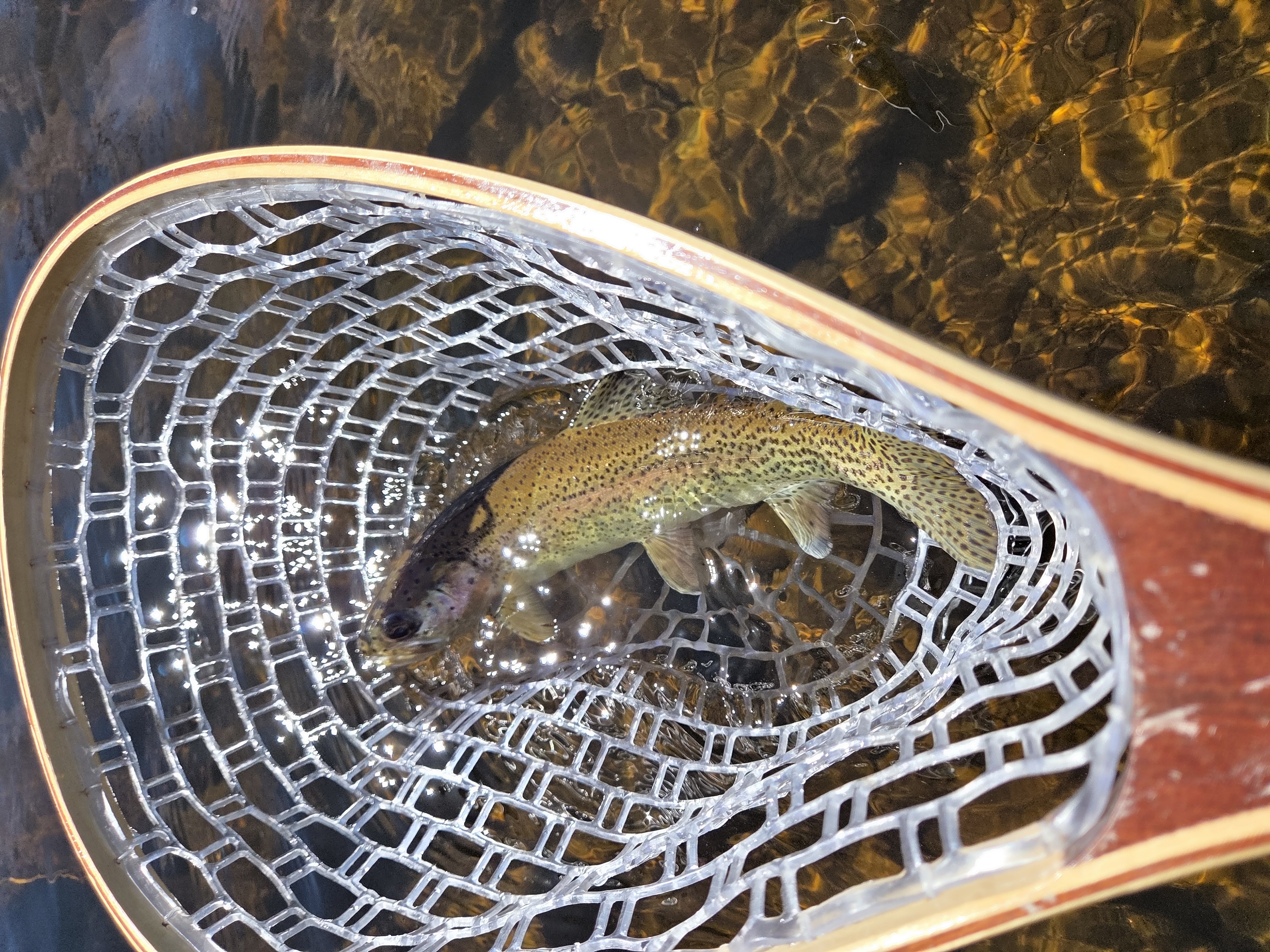
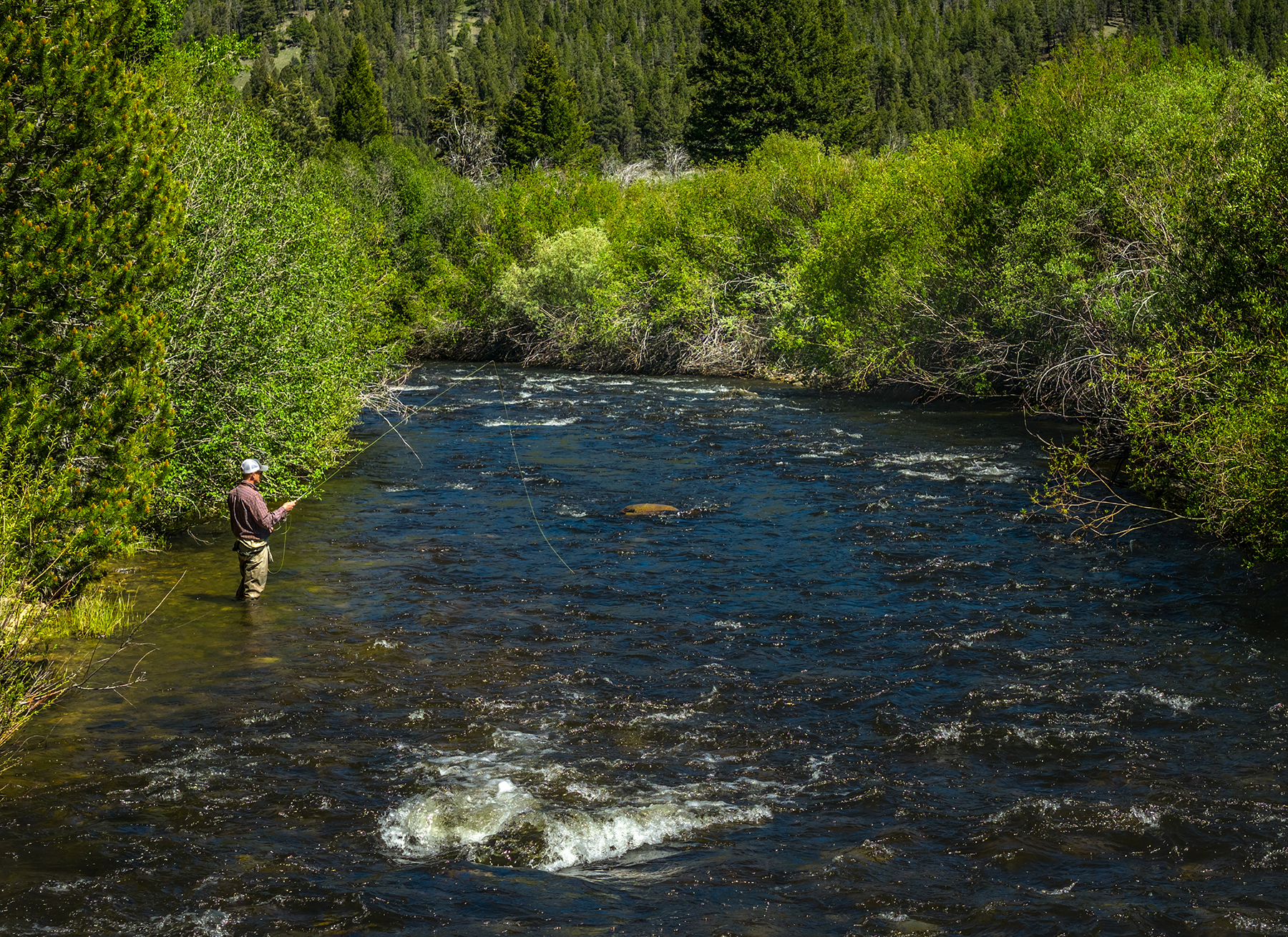
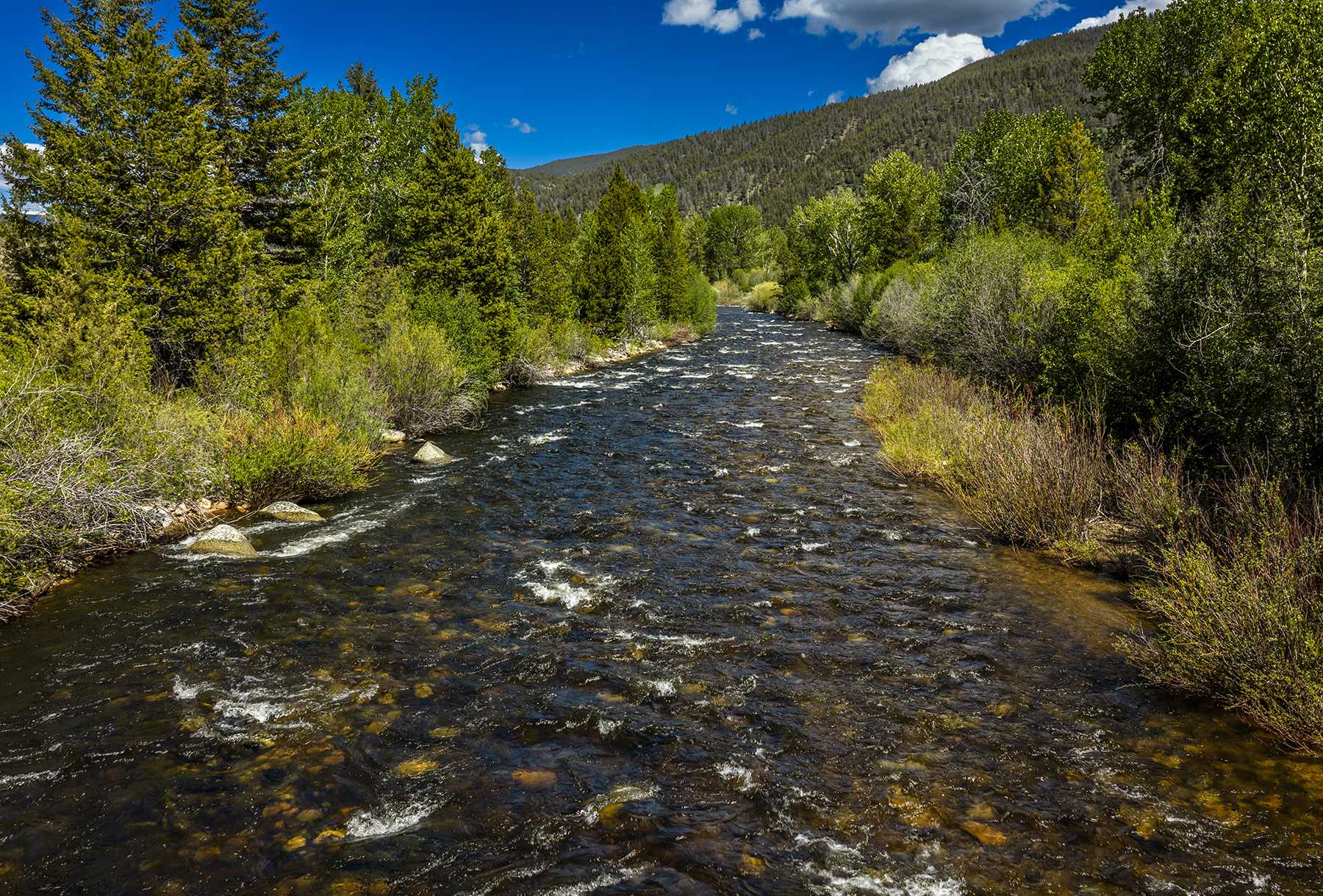
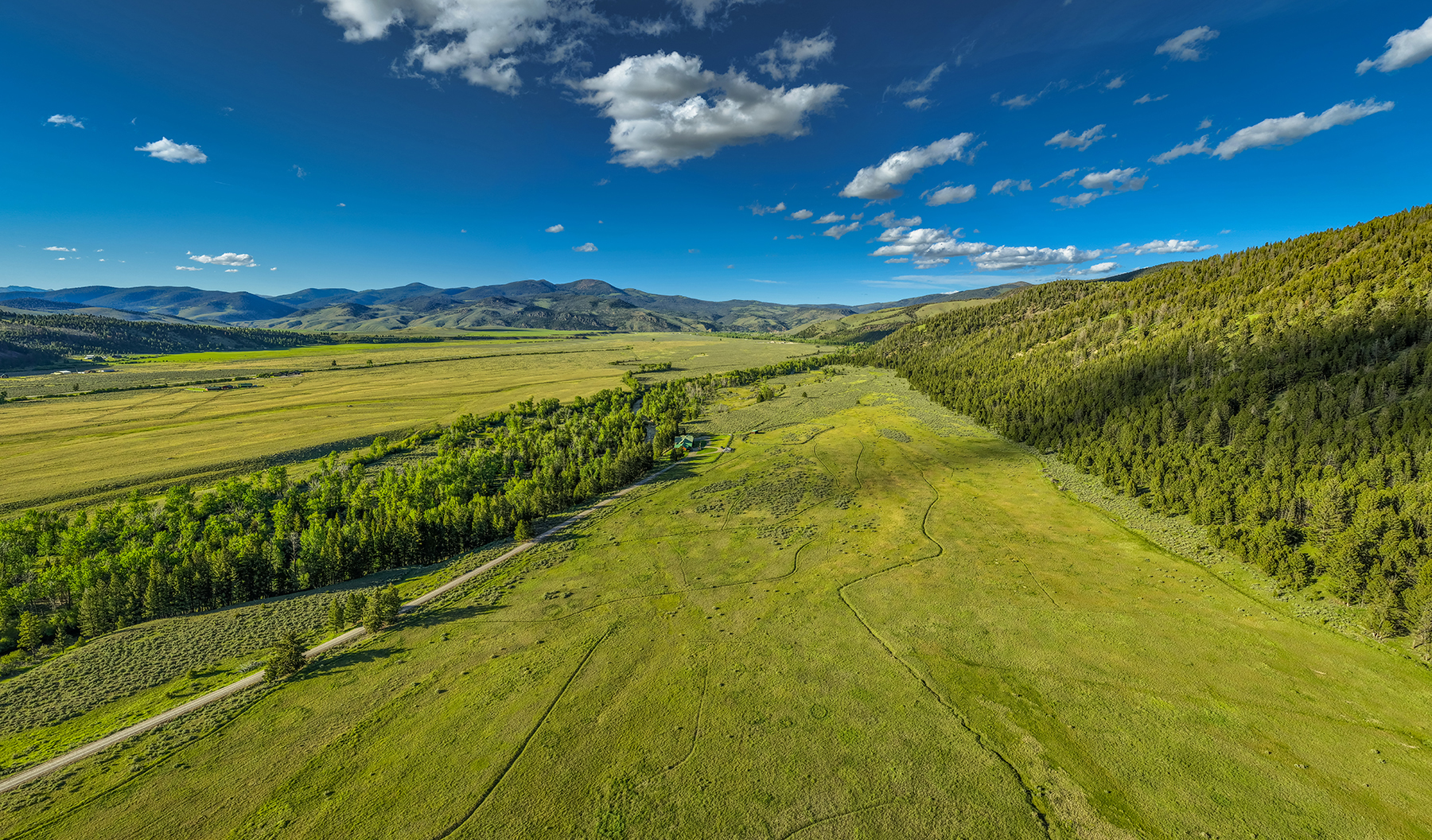
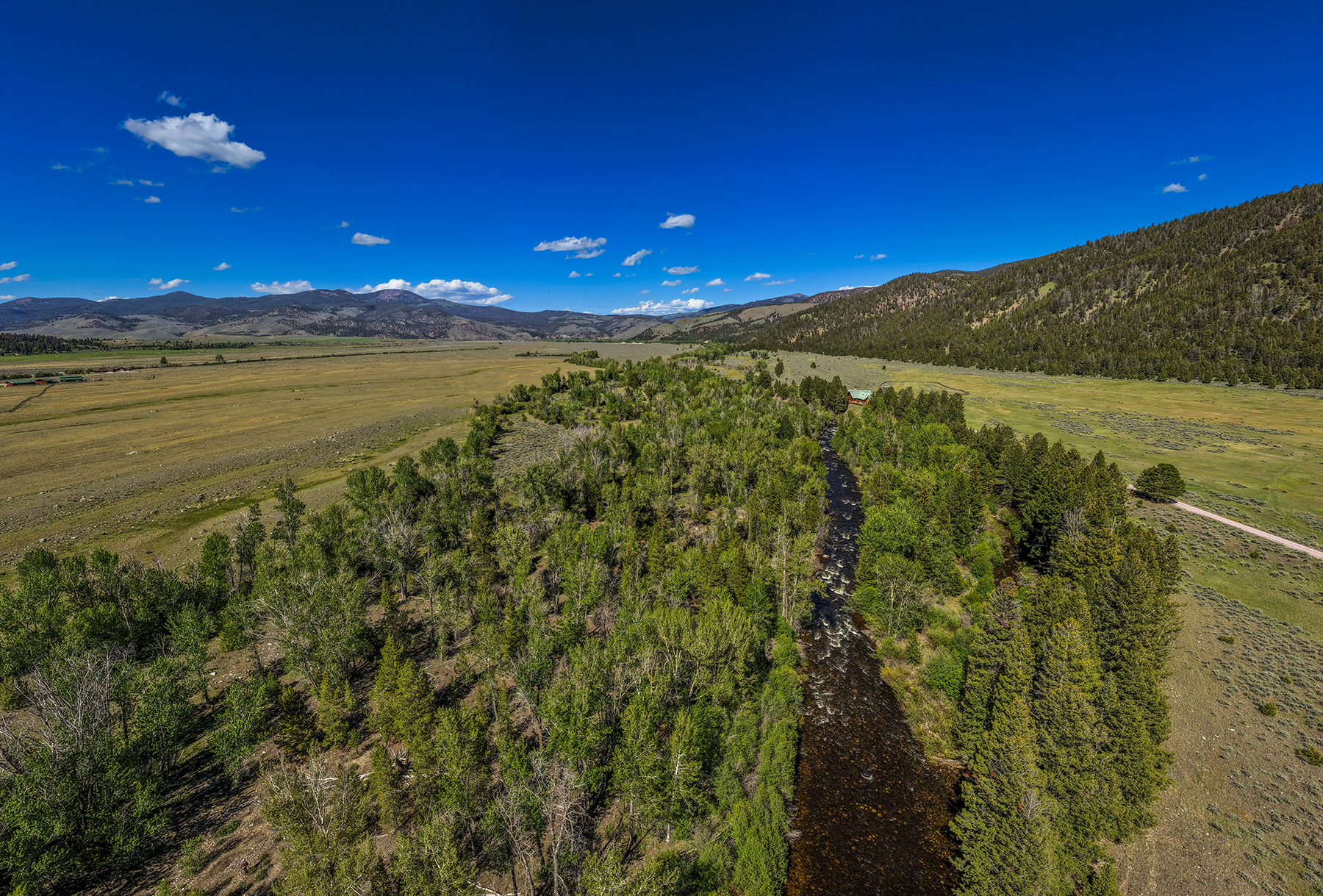
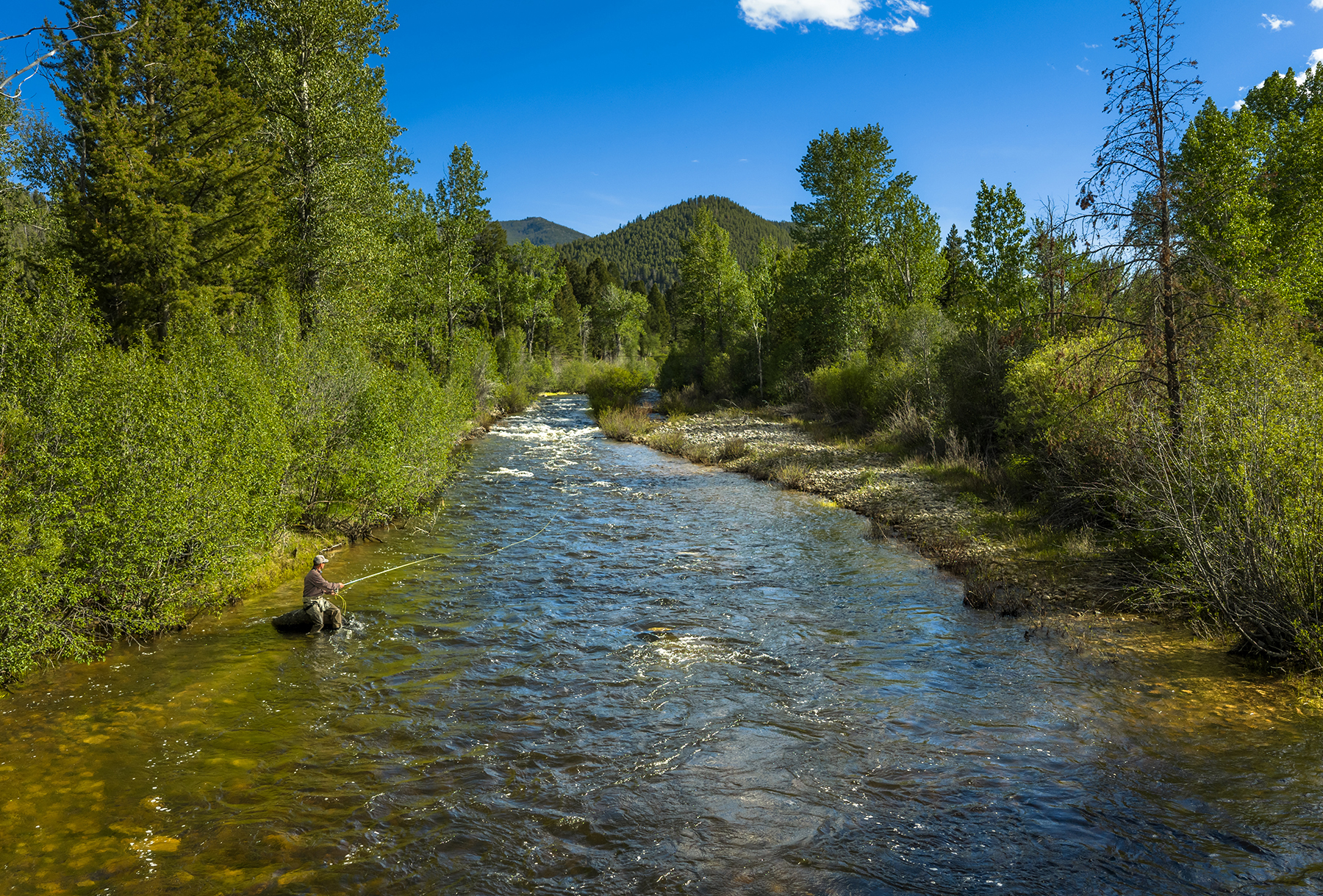
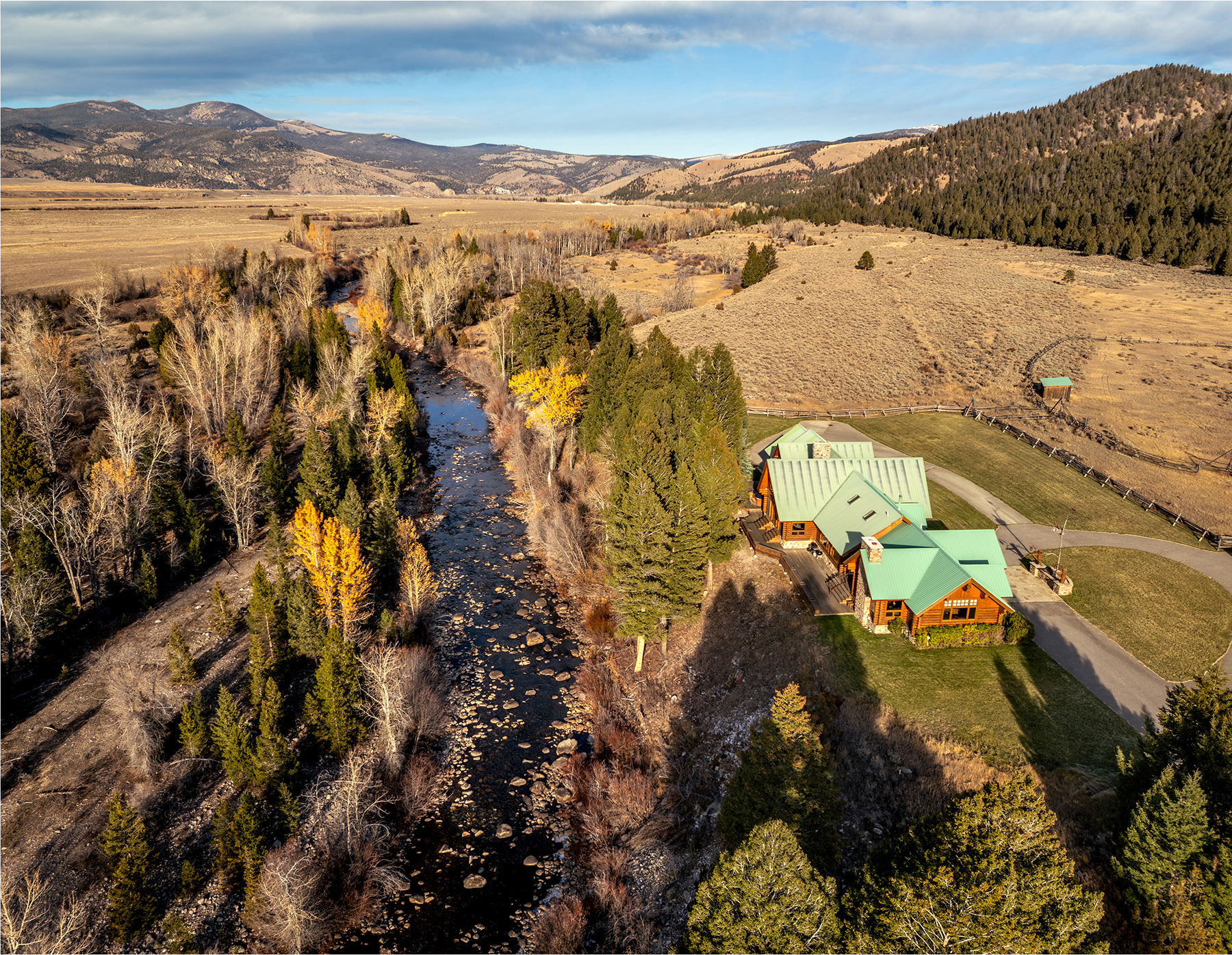
Adson Creek enjoys approximately 1.65 miles of ownership of both banks of the Wise River. The Wise is a classic mountain freestone ideal for wade fishing rather than floating due to its size. The river contains rainbow, brown, brook, and westslope cutthroat trout in addition to Arctic grayling and mountain whitefish. It’s a pocket water fishery, with lots of structure, boulders, undercuts, and riffles.
The best fishing is post-runoff, around July 1st, and continues into October. Average fish size is typically 10-12 inches, with larger fish generally up to 16 inches. Dry-fly action defines the fishery throughout the summer and fall, though nymphing runs is effective. The Wise enjoys all the major hatches, but the fish are often tempted by basic attractors and hoppers. Low flows and gin-clear conditions in late summer require more technical fly choice and presentation. See Discovering Montana, Wise River, MT.
For floating, the Big Hole is just a couple of miles downstream of the ranch. The Big Hole has upper and lower sections that are quite different. Other nearby rivers include the Upper Jefferson, the Beaverhead, and the Ruby.
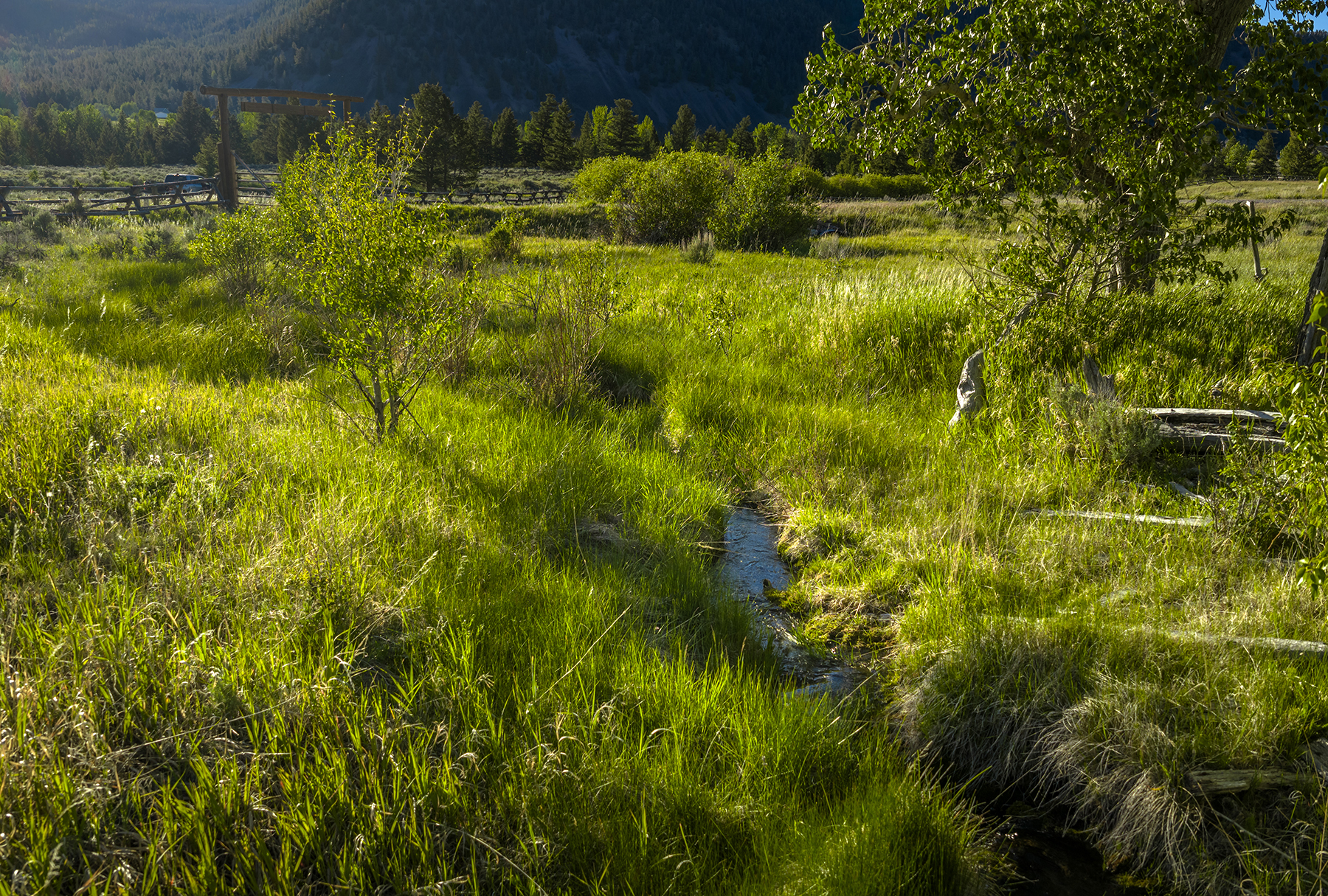
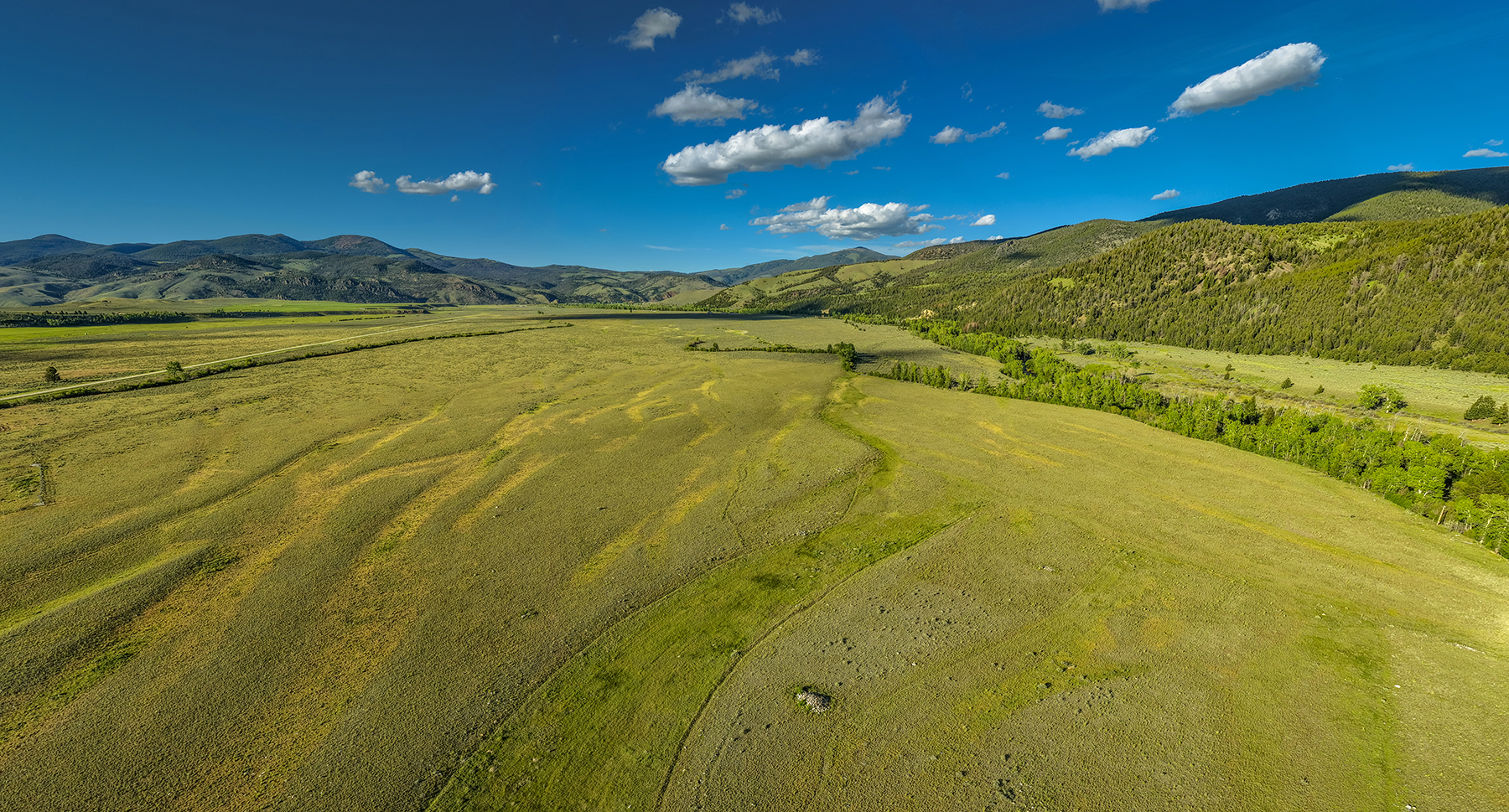
A variety of wildlife frequents the ranch. Elk, deer, and moose are the most common big game species. Moose inhabit the river corridor, and deer and elk frequent the meadows to graze. The aspen groves along the river are heavily rubbed, and it is apparent that the deer and elk travel from bedding areas in the forest to the lush river bottom to feed.
The Big Hole region is known for its large elk populations and vast areas of public lands. Opportunities for hunting in the adjoining and nearby National Forest are almost limitless, offering several lifetimes of exploration.