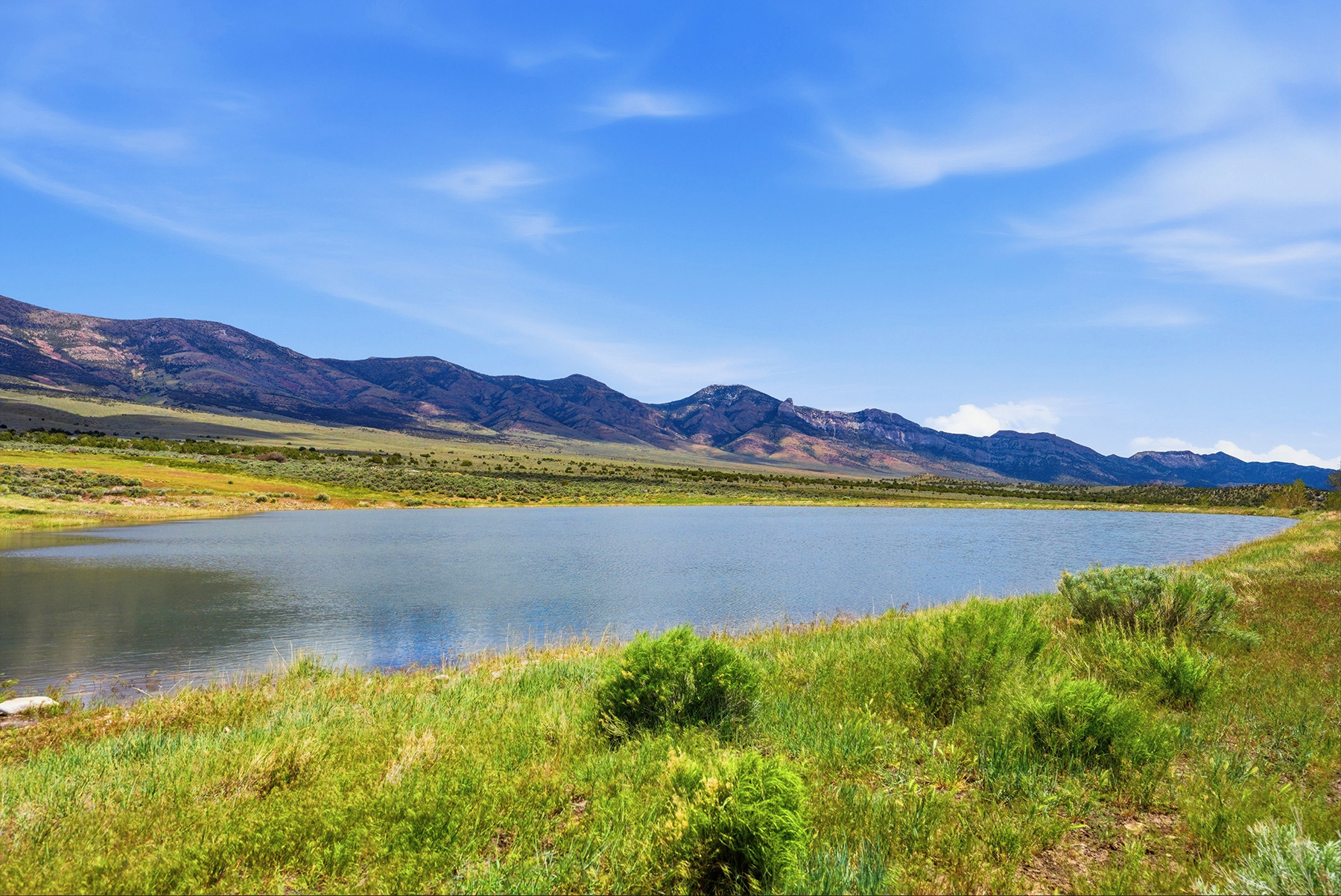
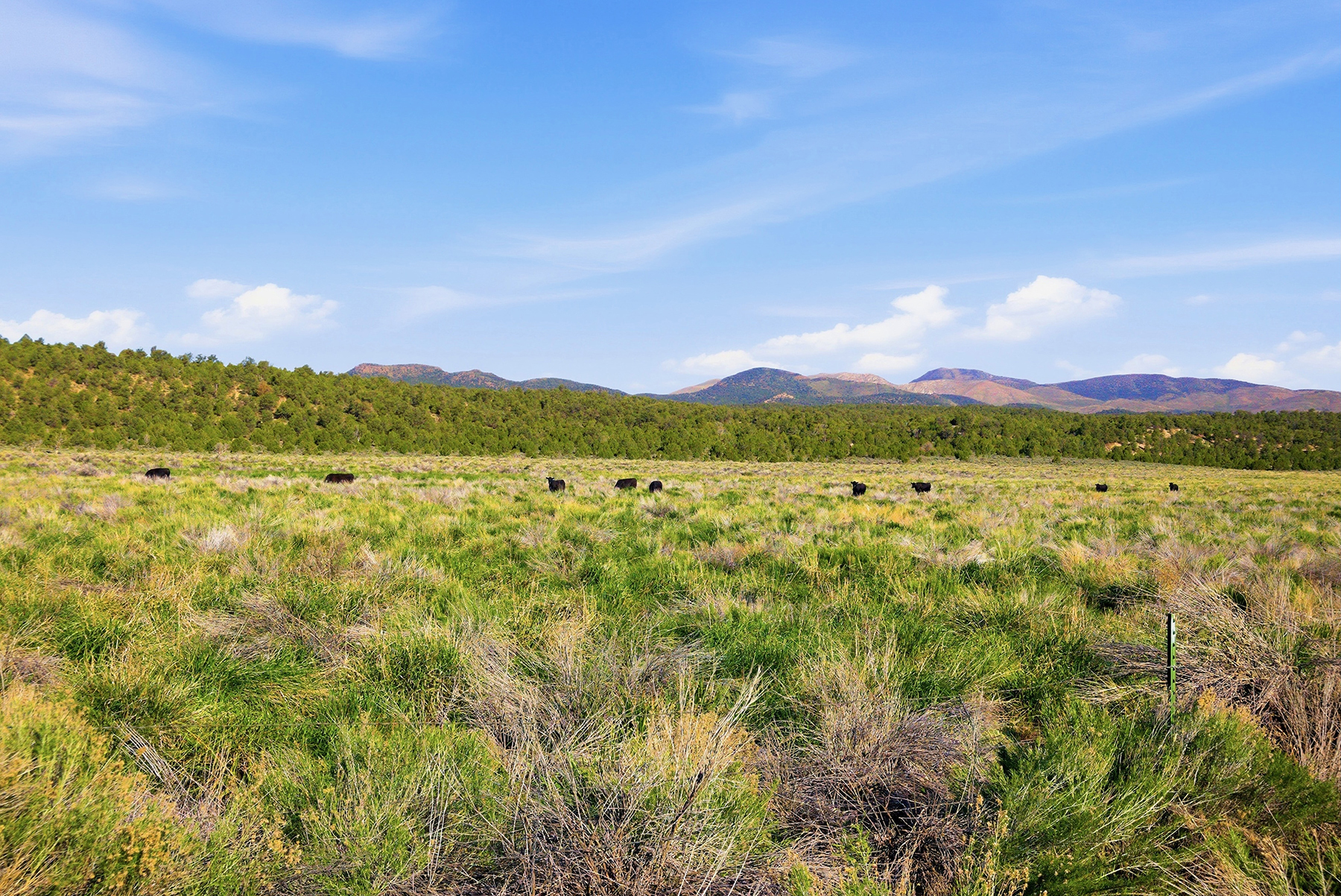
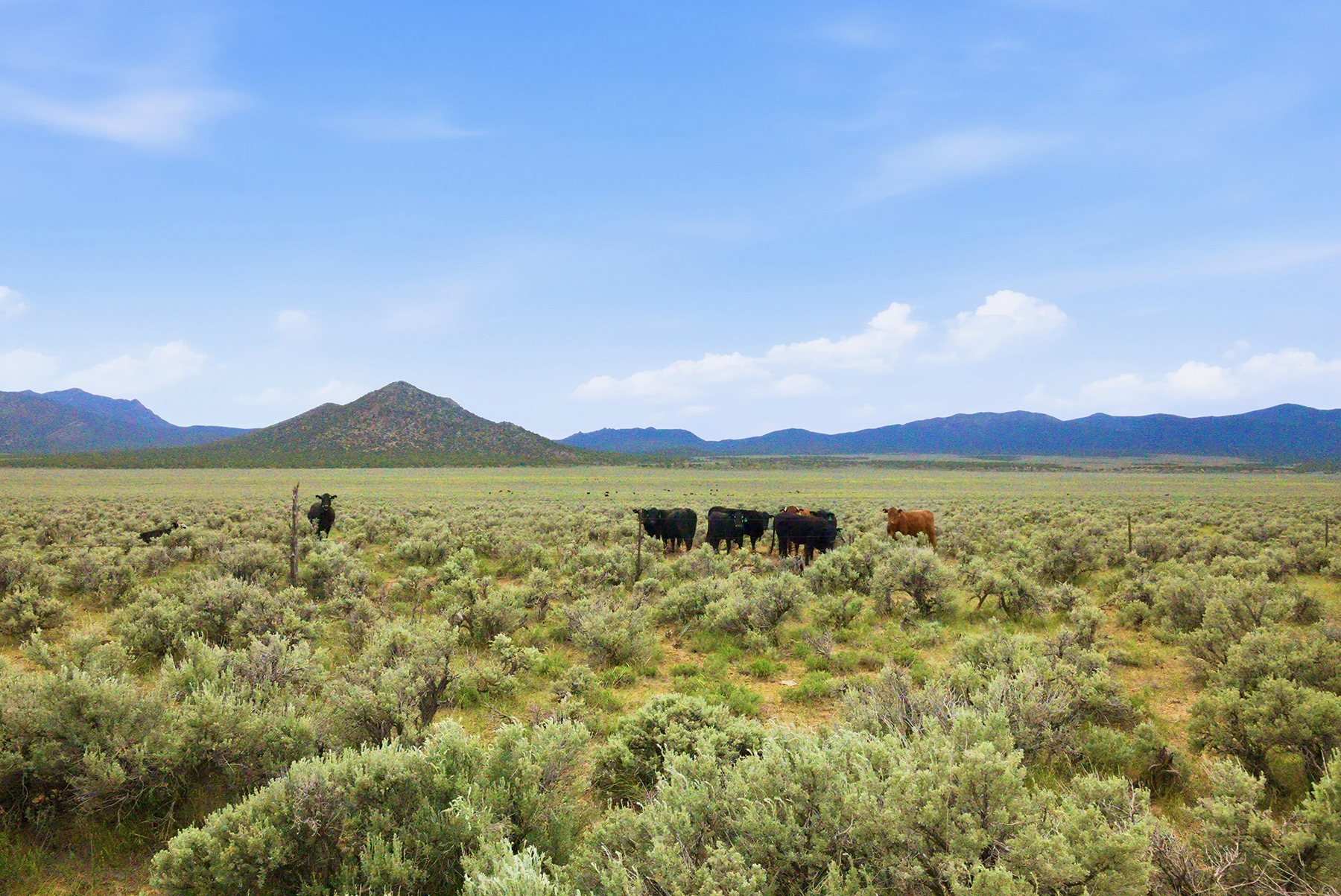
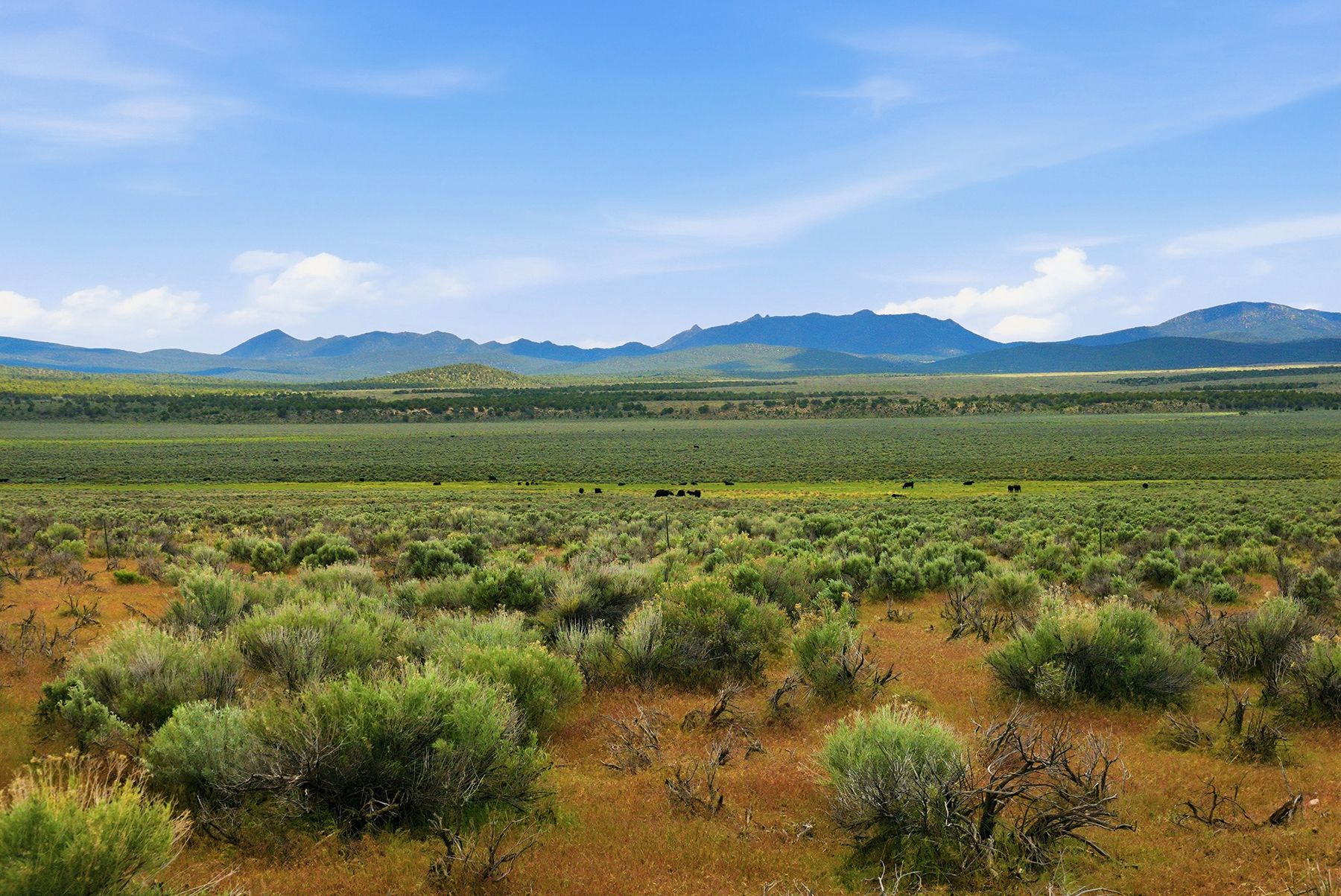
Clover Valley Ranch
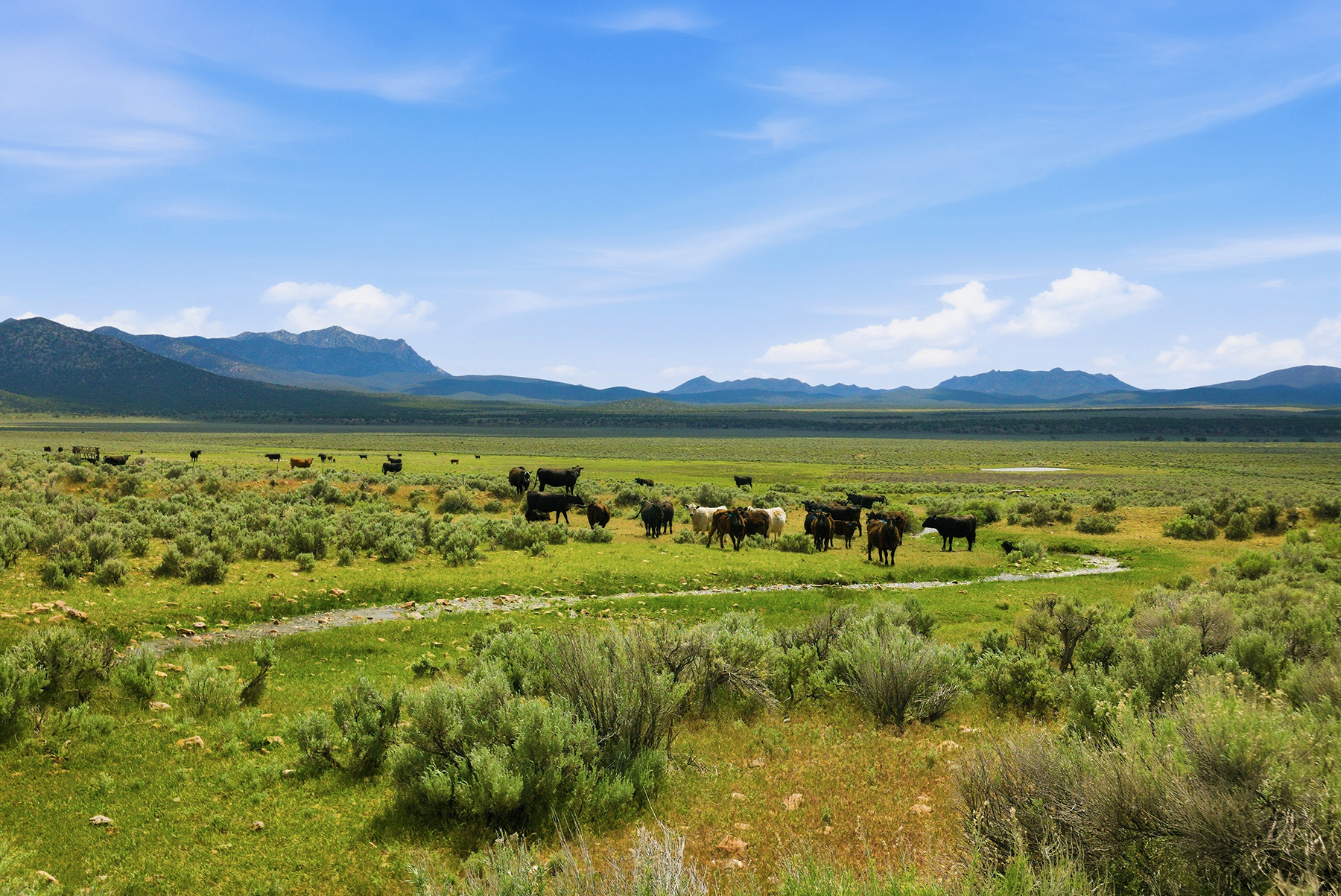
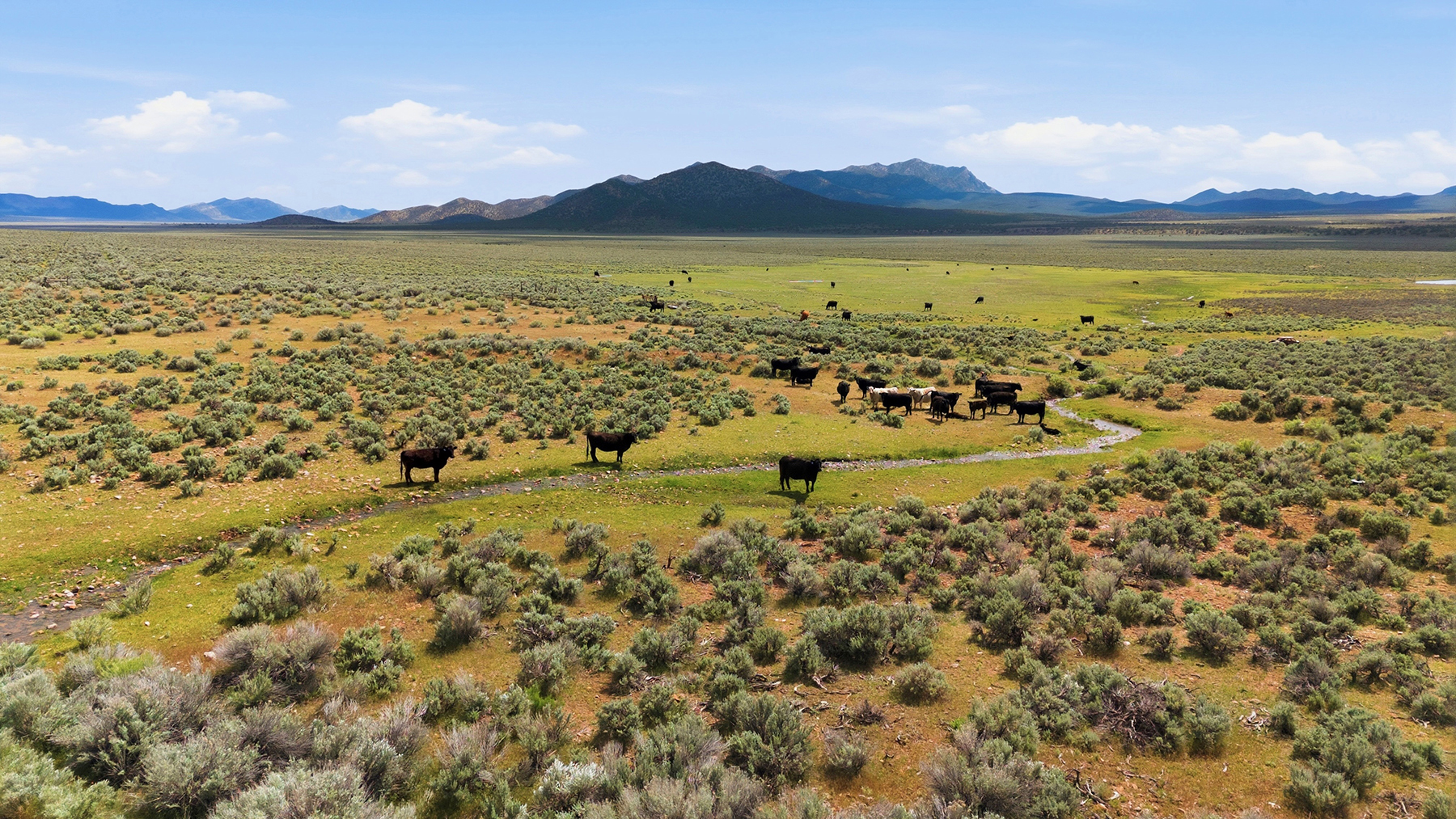
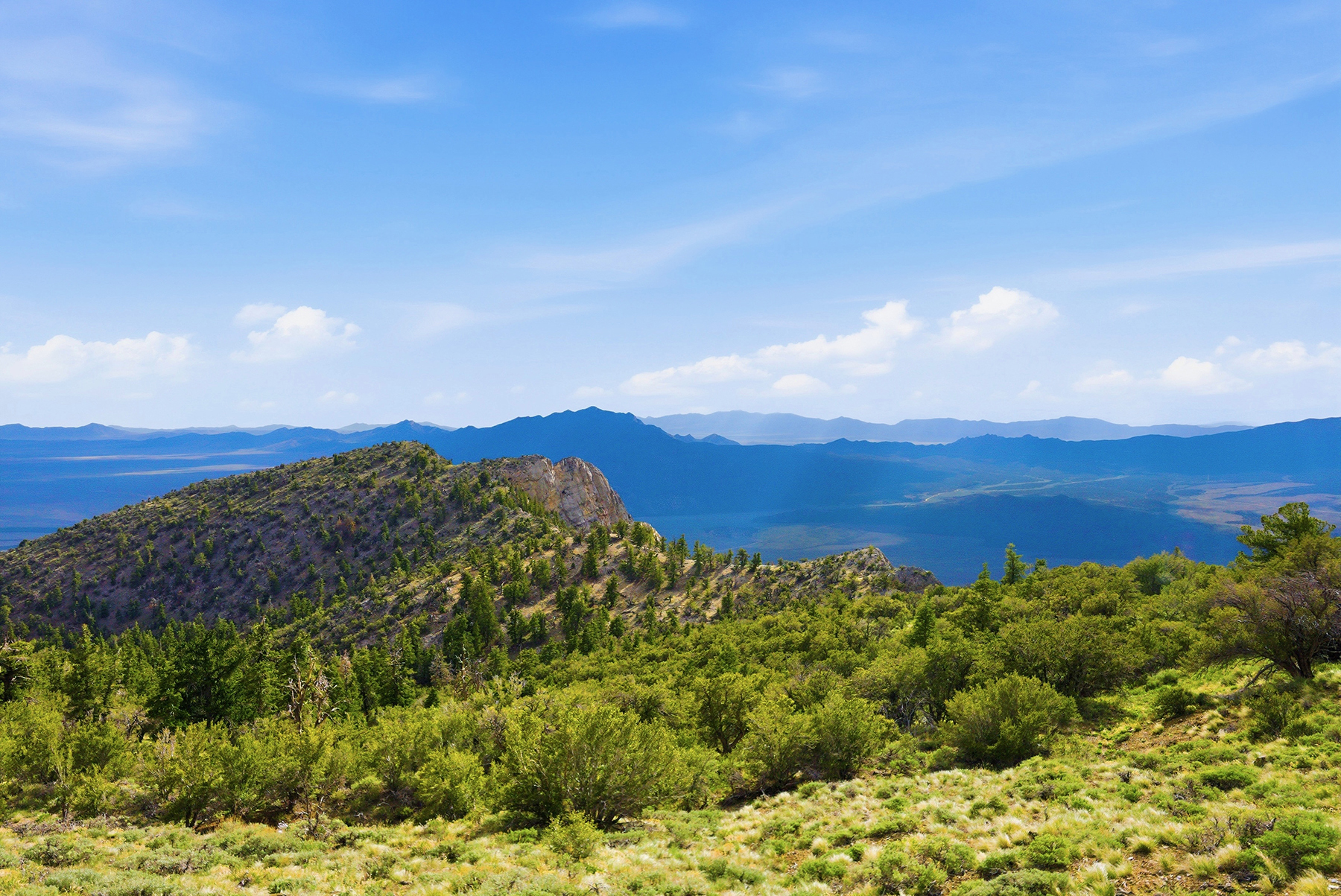
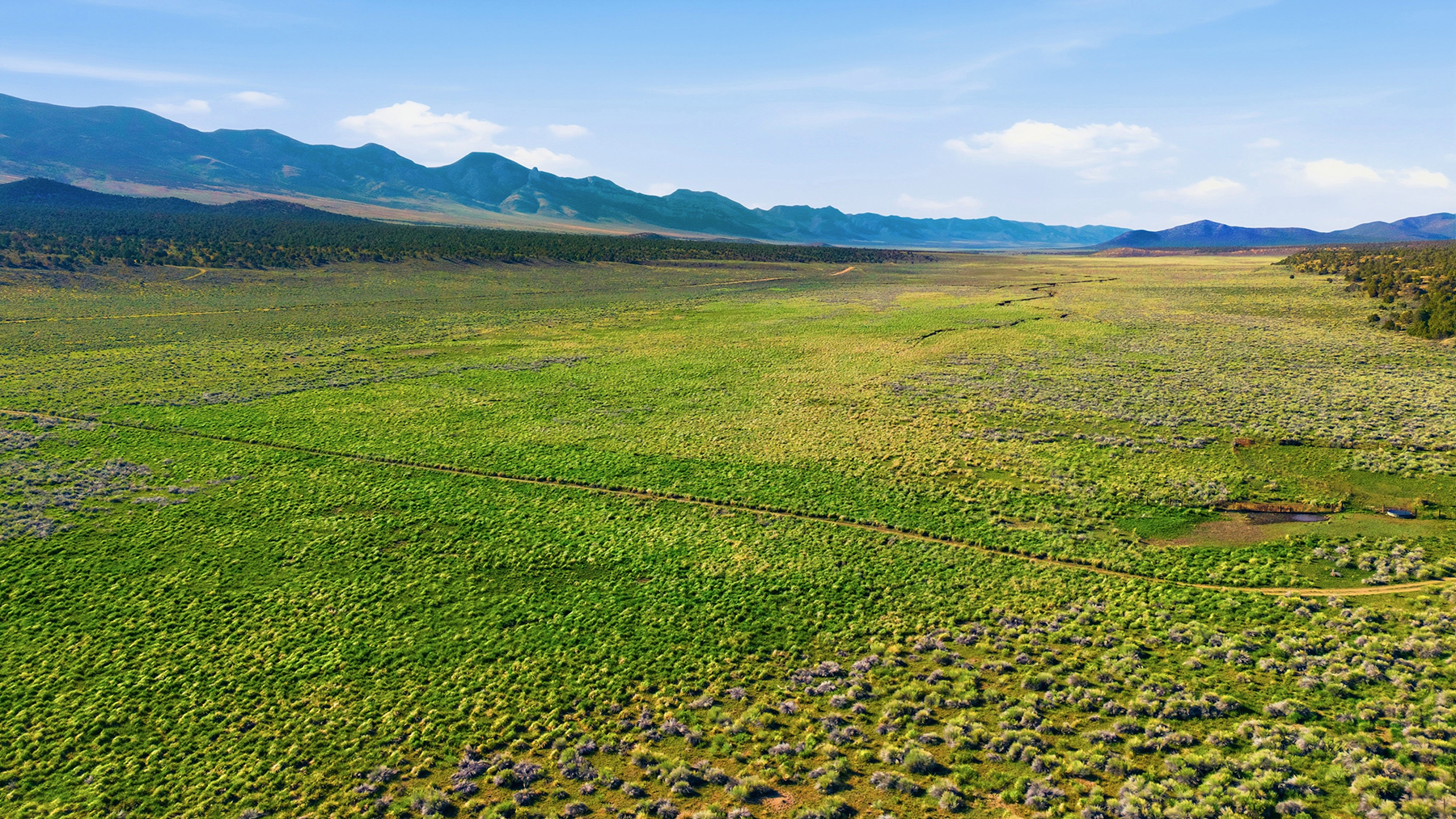
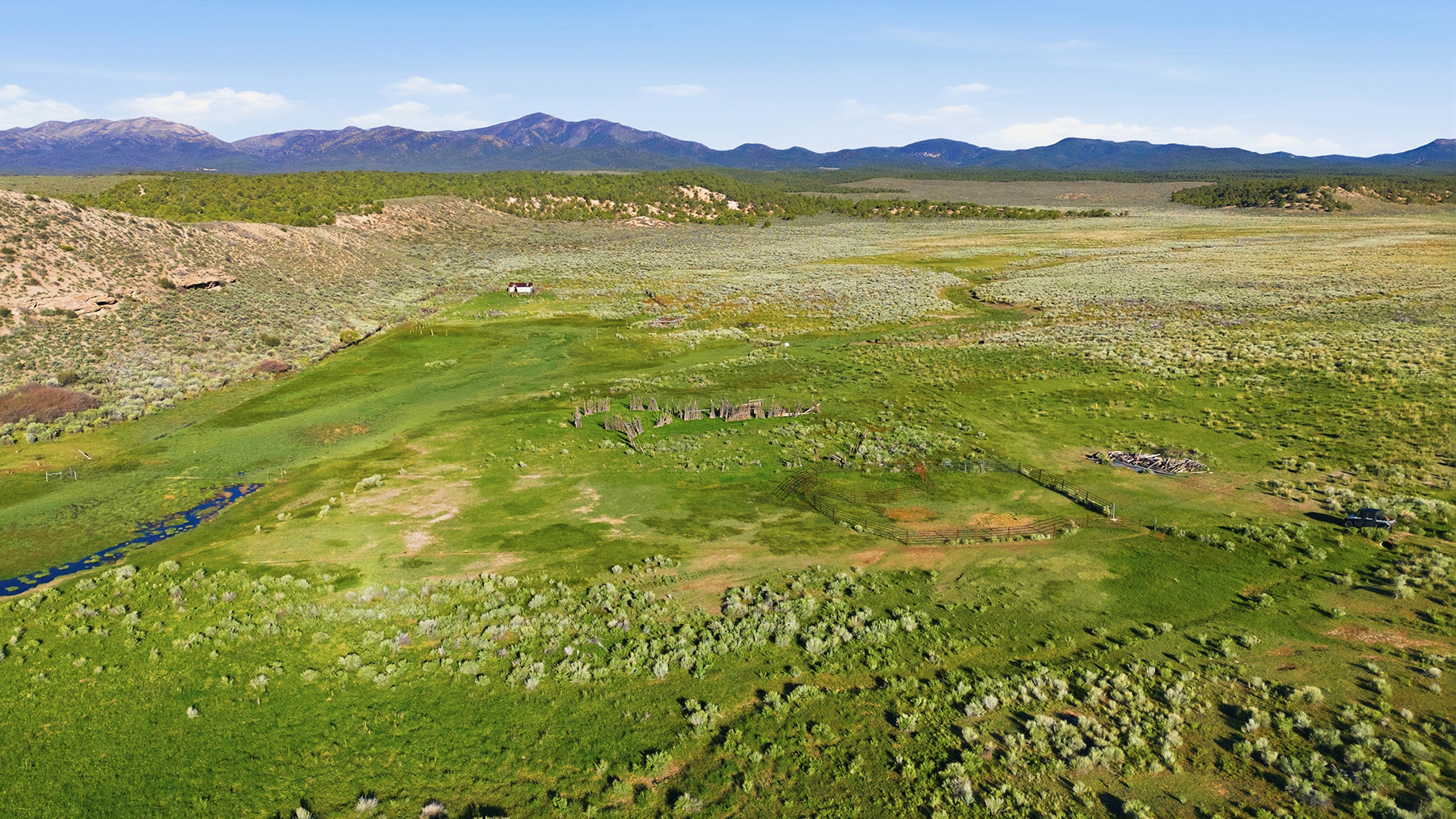
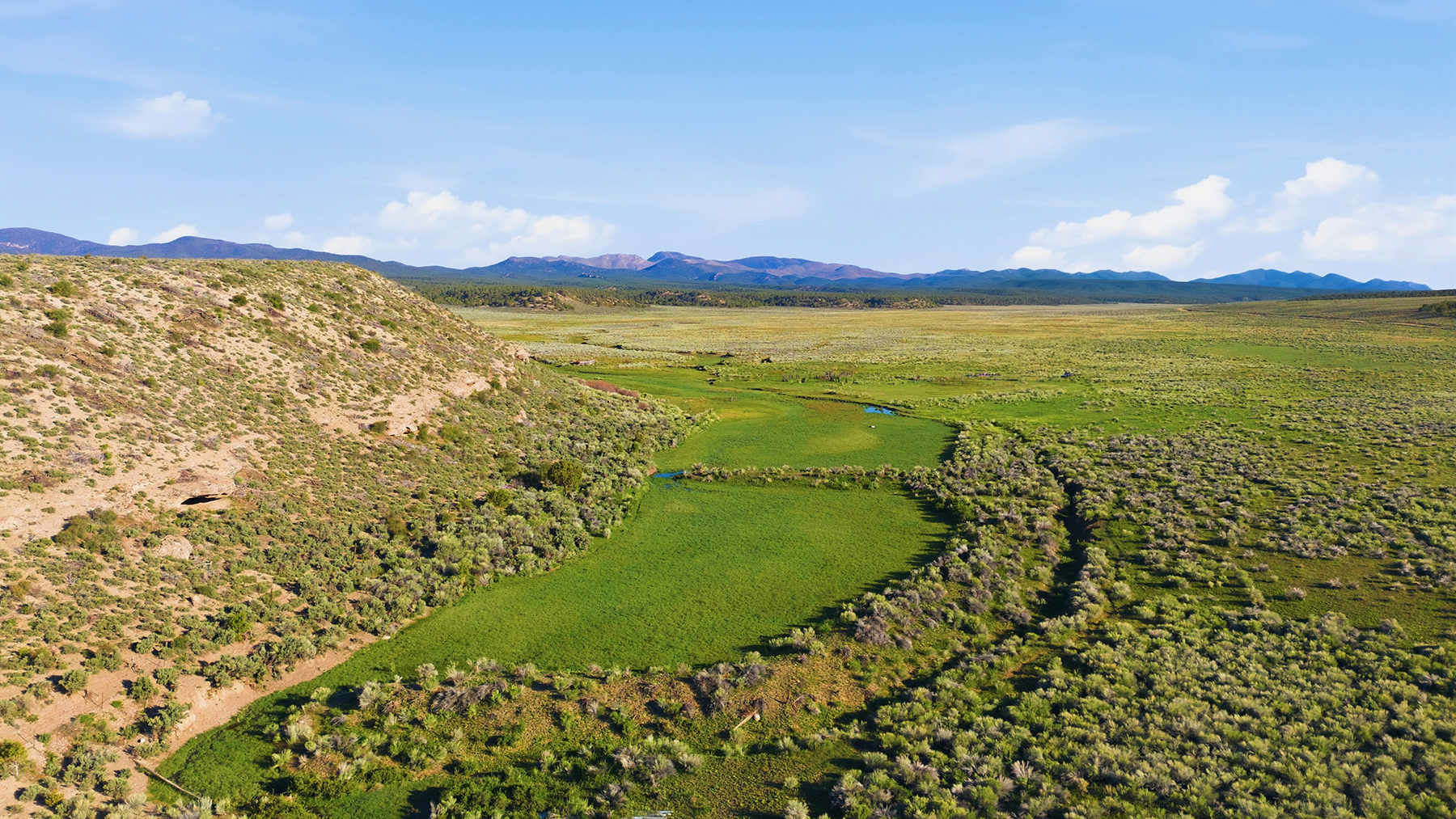
Wells, NVClover Valley Ranch consists of 2,518± deeded acres with 900± irrigated. Operates on around 8,500 acres supporting 400 AUs in a balanced operation with contiguous USFS grazing allotment.
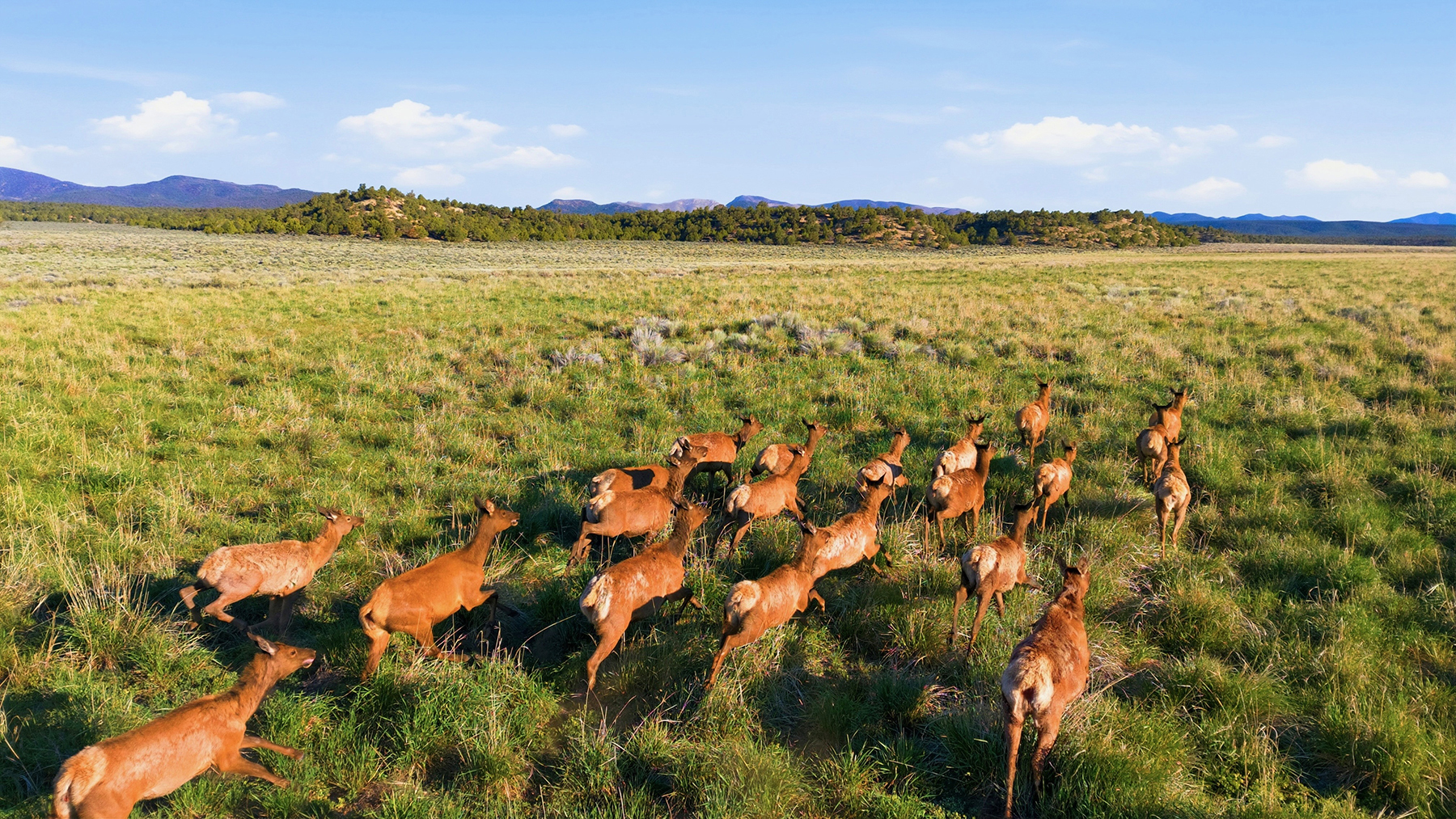
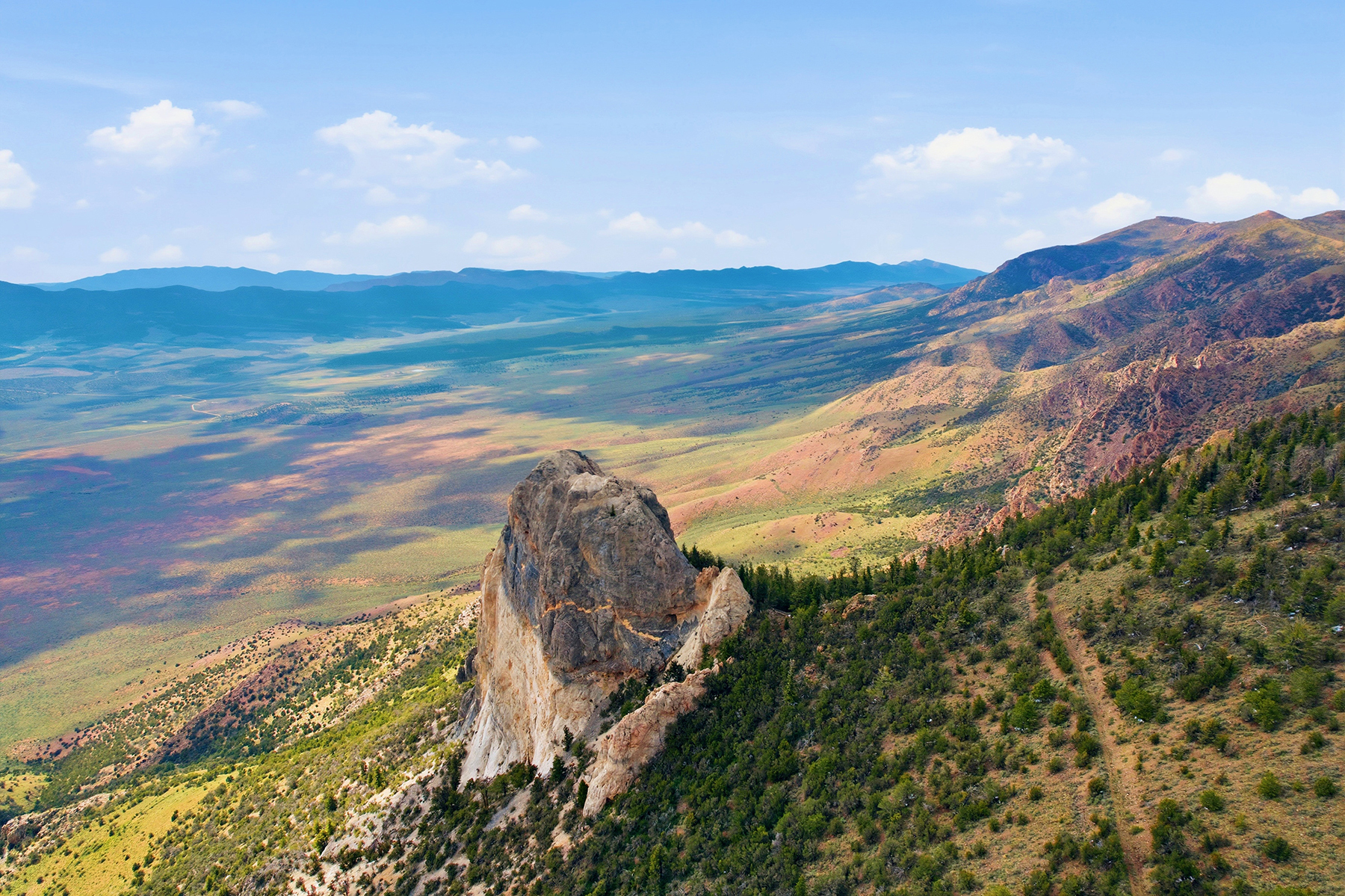
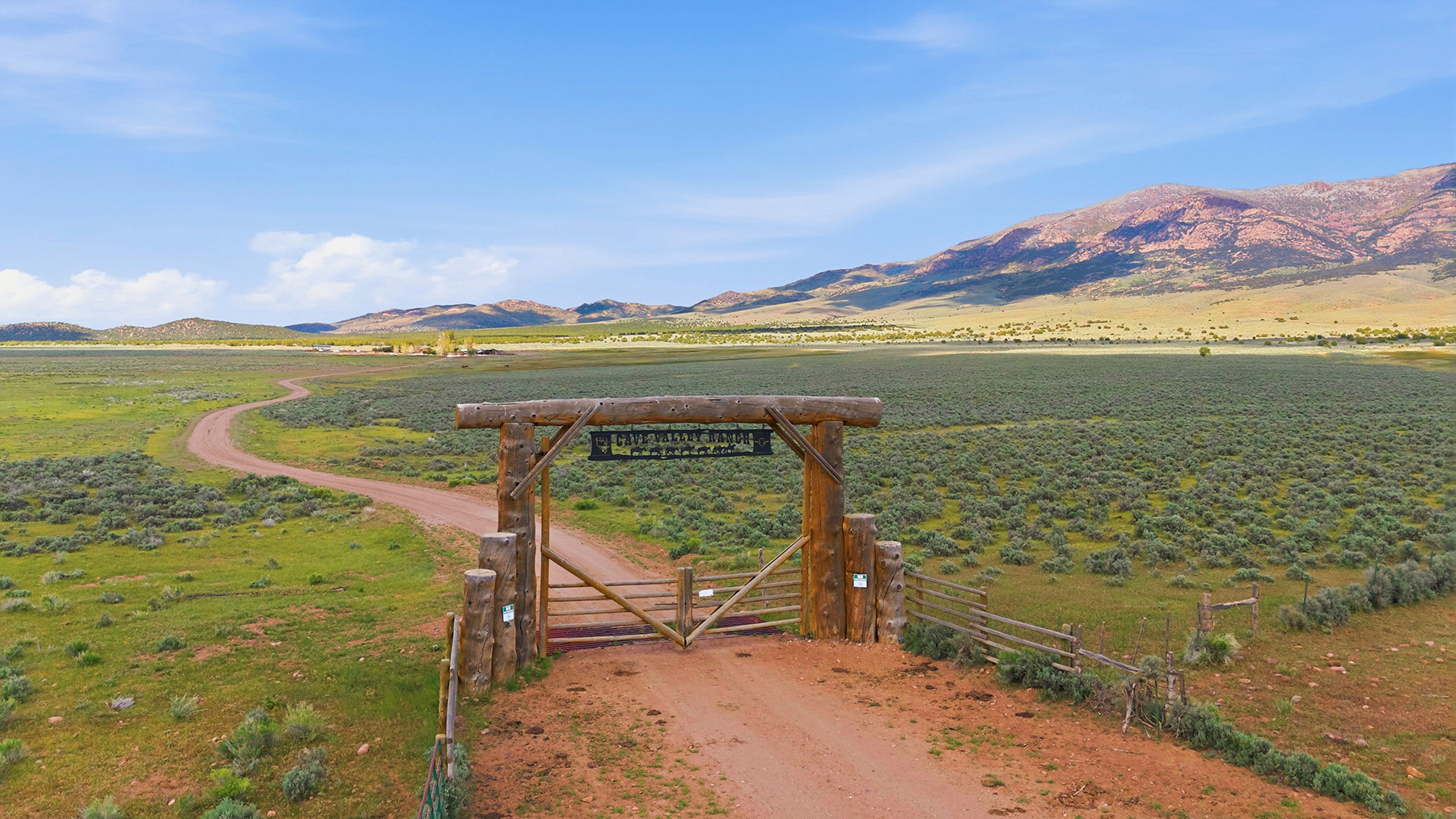
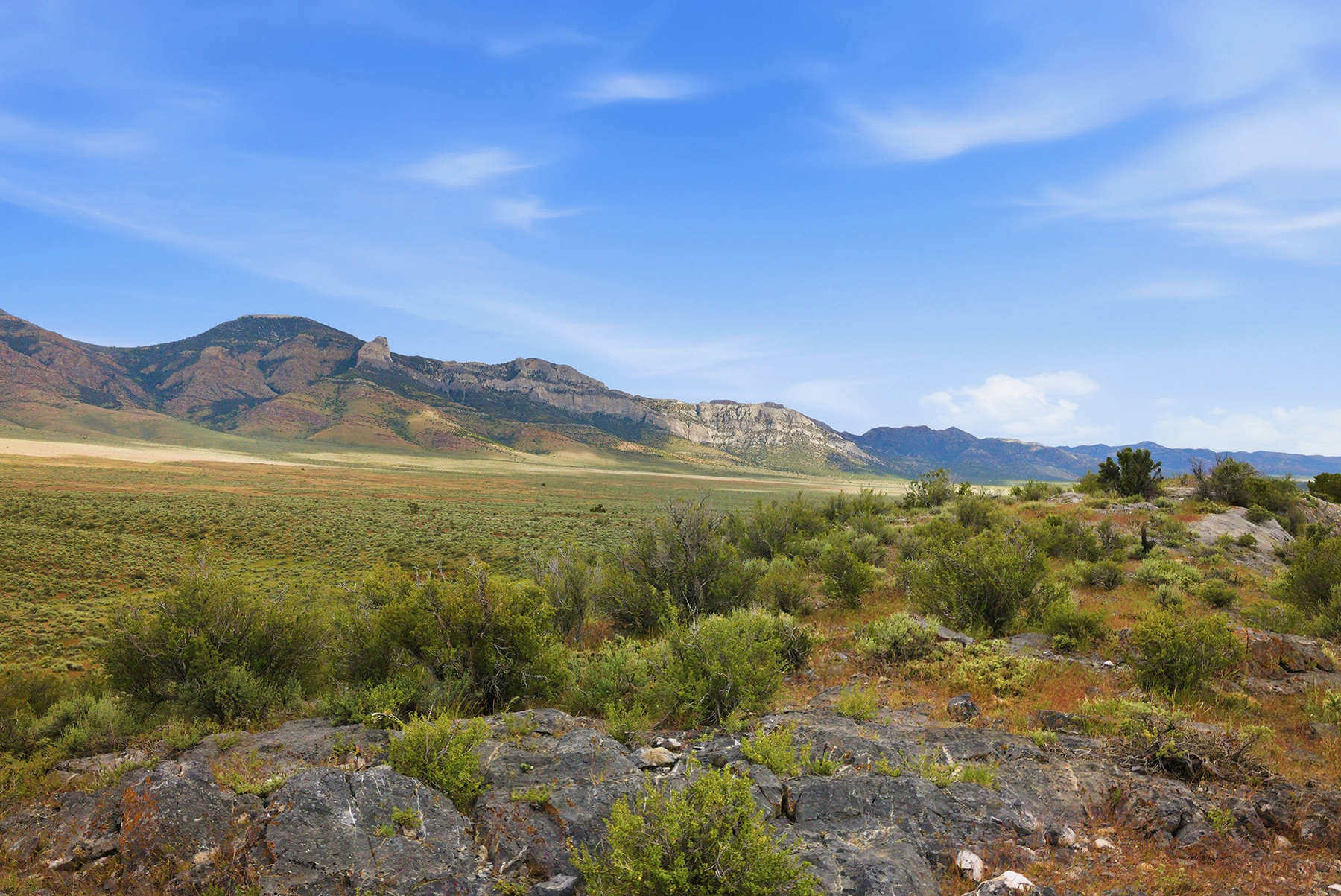
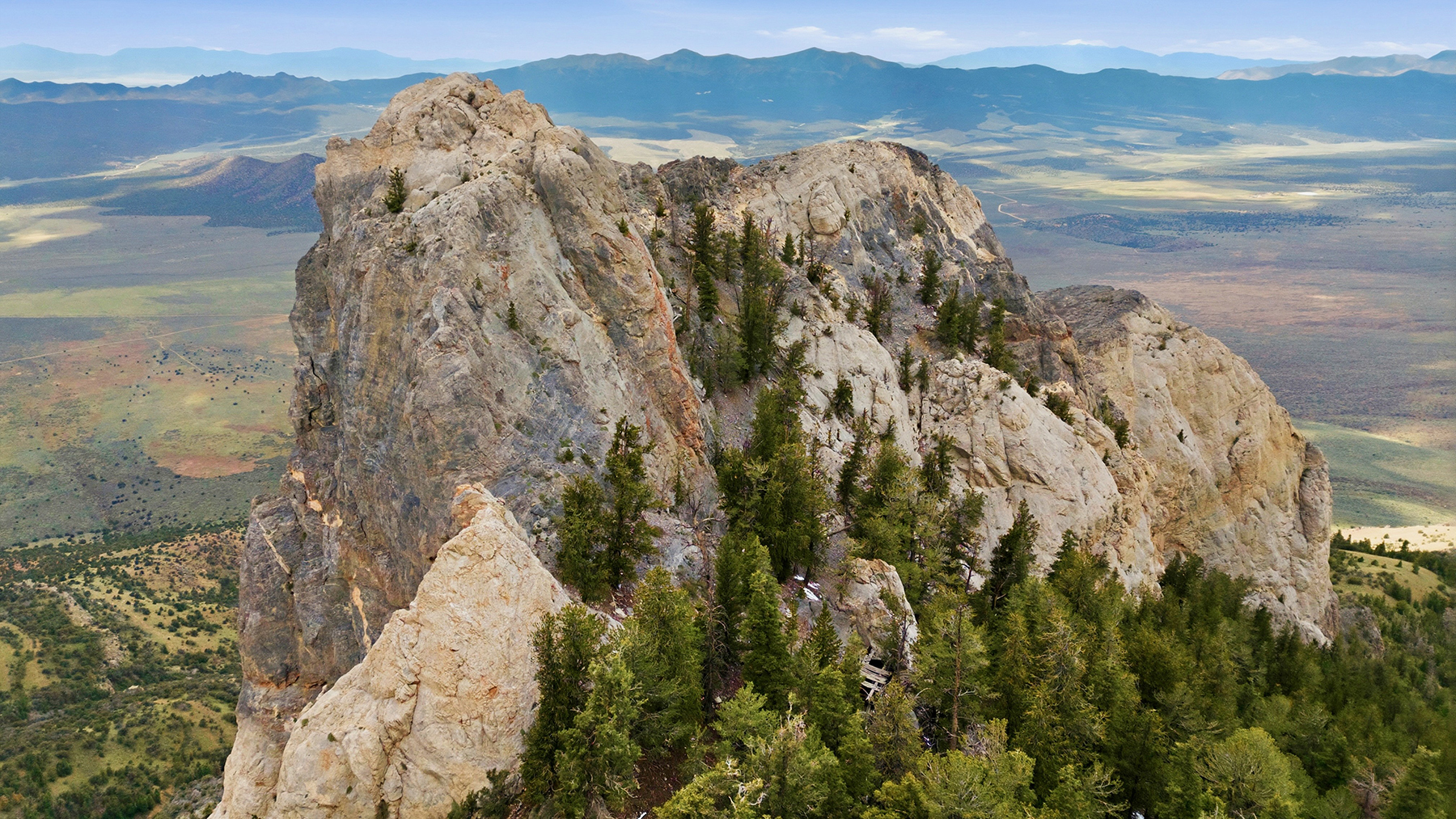
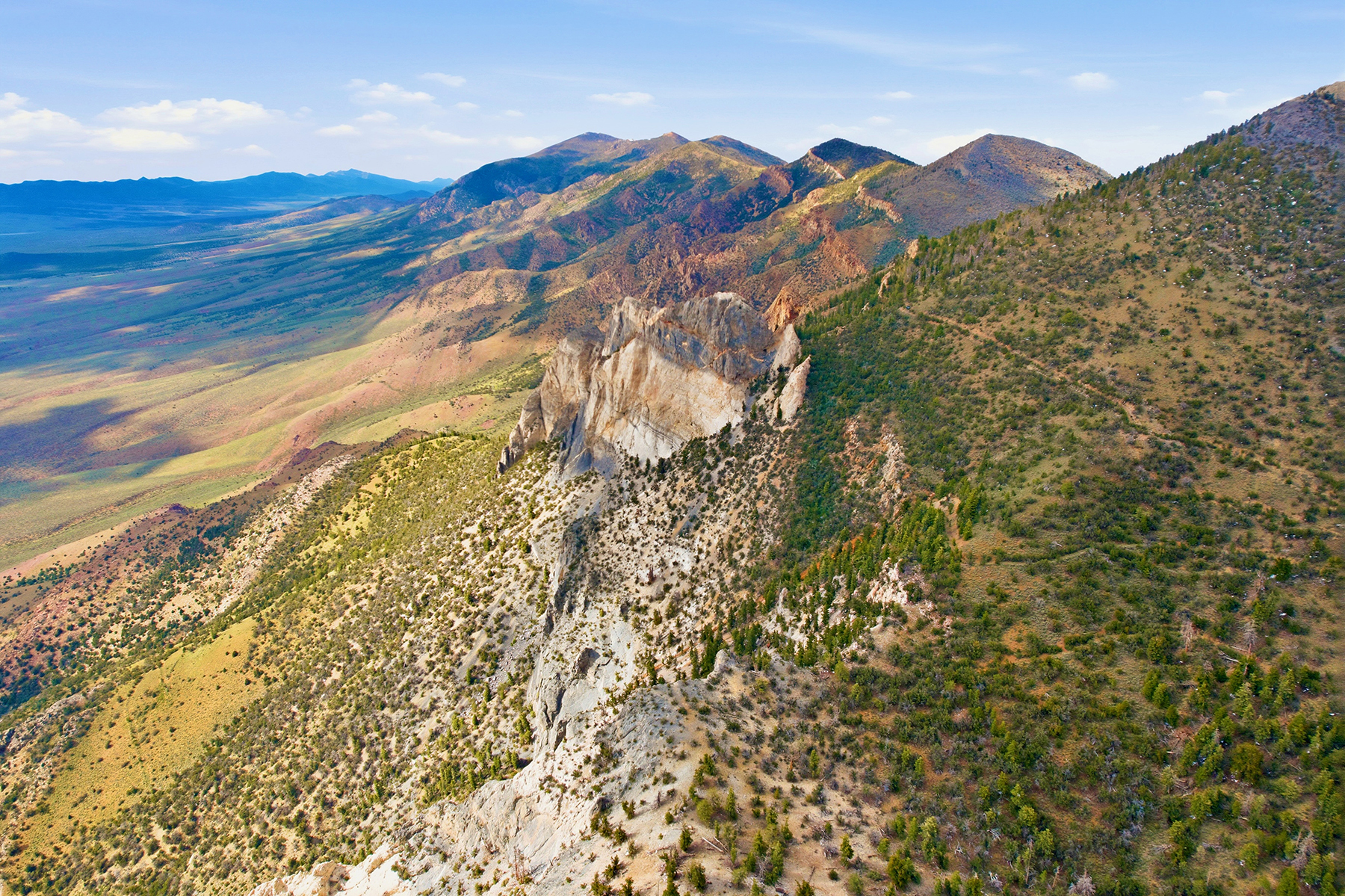
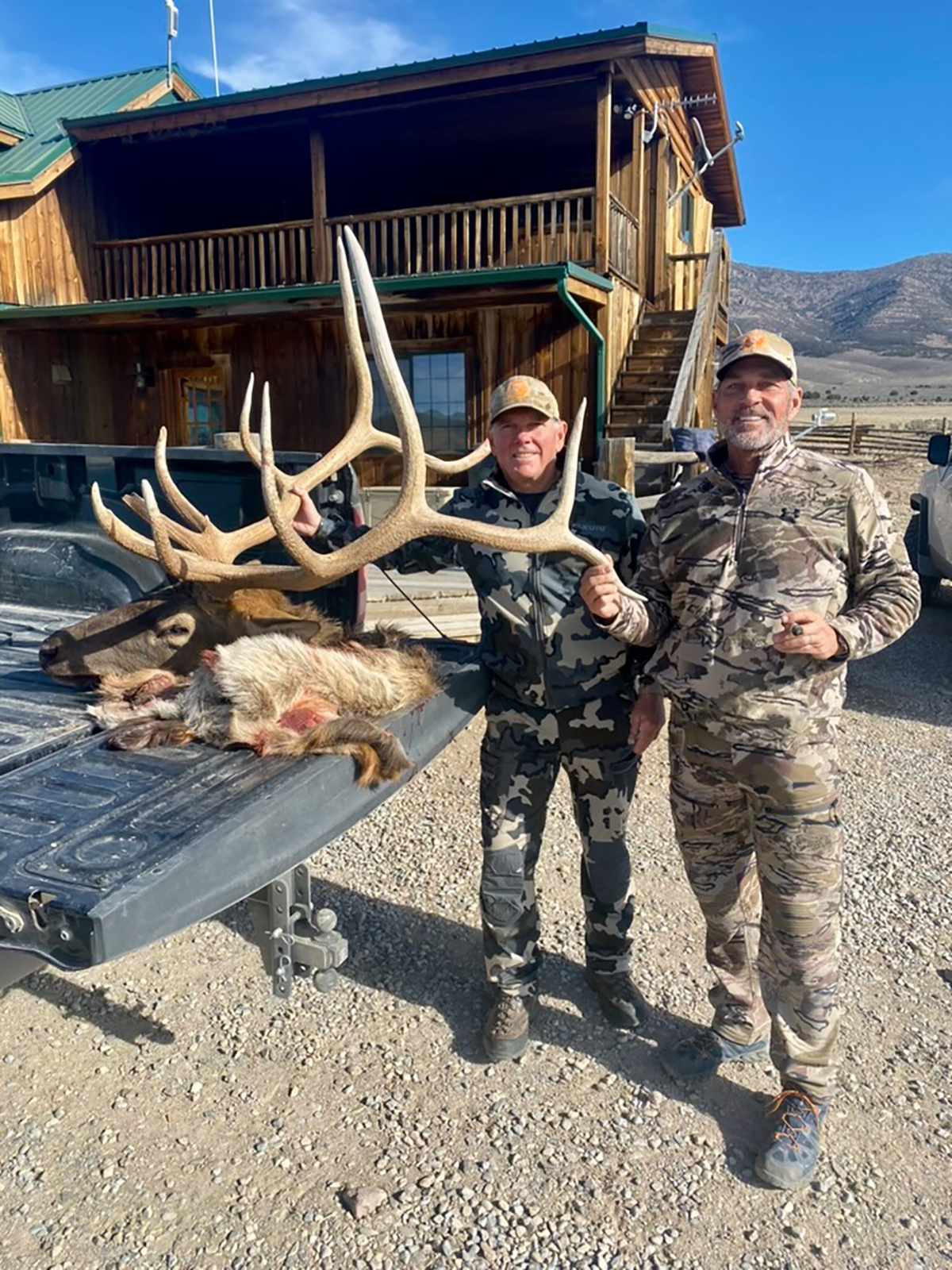
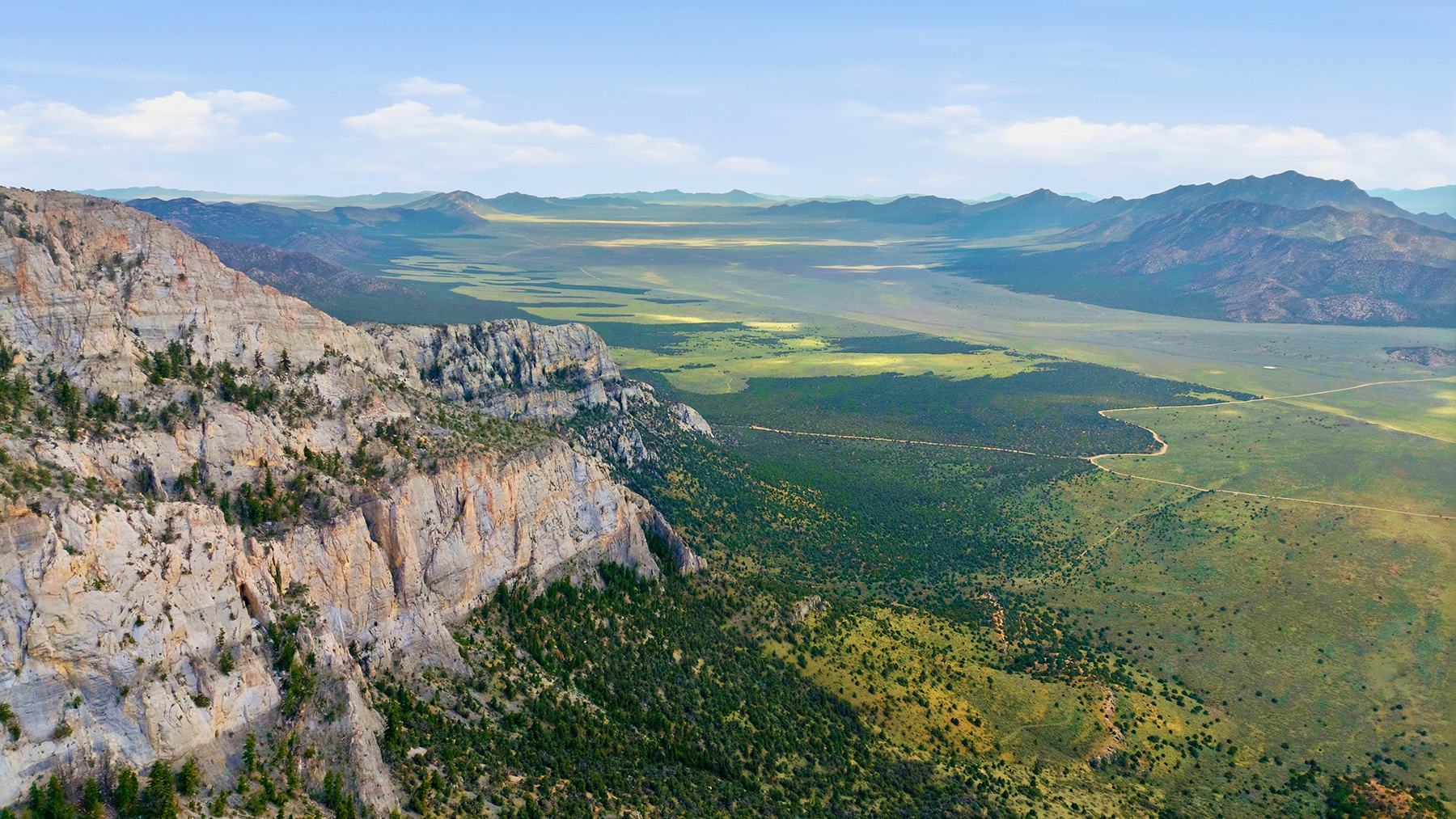
Cave Valley Ranch is perhaps the finest trophy elk hunting ranch available on the market today. Situated in the heart of eastern Nevada’s Great Basin, the ranch encompasses over 45,000 total acres of diverse terrain, including 3,460± deeded acres, ranging from productive valley grasslands beginning at 6,100 feet to rugged peaks and ridgelines at nearly 11,000 feet within the Mount Grafton Wilderness. This vast landscape is a sanctuary for one of the most robust elk populations in North America.
What makes this offering truly singular is the ranch’s long-established annual allocation of six Nevada landowner elk tags, a distinction earned through a decade of rigorous habitat stewardship, verified elk population counts conducted by the Nevada Department of Wildlife (NDOW), and strategic collaboration with federal agencies and the Rocky Mountain Elk Foundation. These tags are valid not only on the ranch’s deeded land but across the entirety of Nevada hunt units 221, 222, and 223, which span 112 miles of prime habitat and are widely considered among the finest elk hunting units in the state and among the best in the western United States. The tags are fully transferable and carry substantial market value.
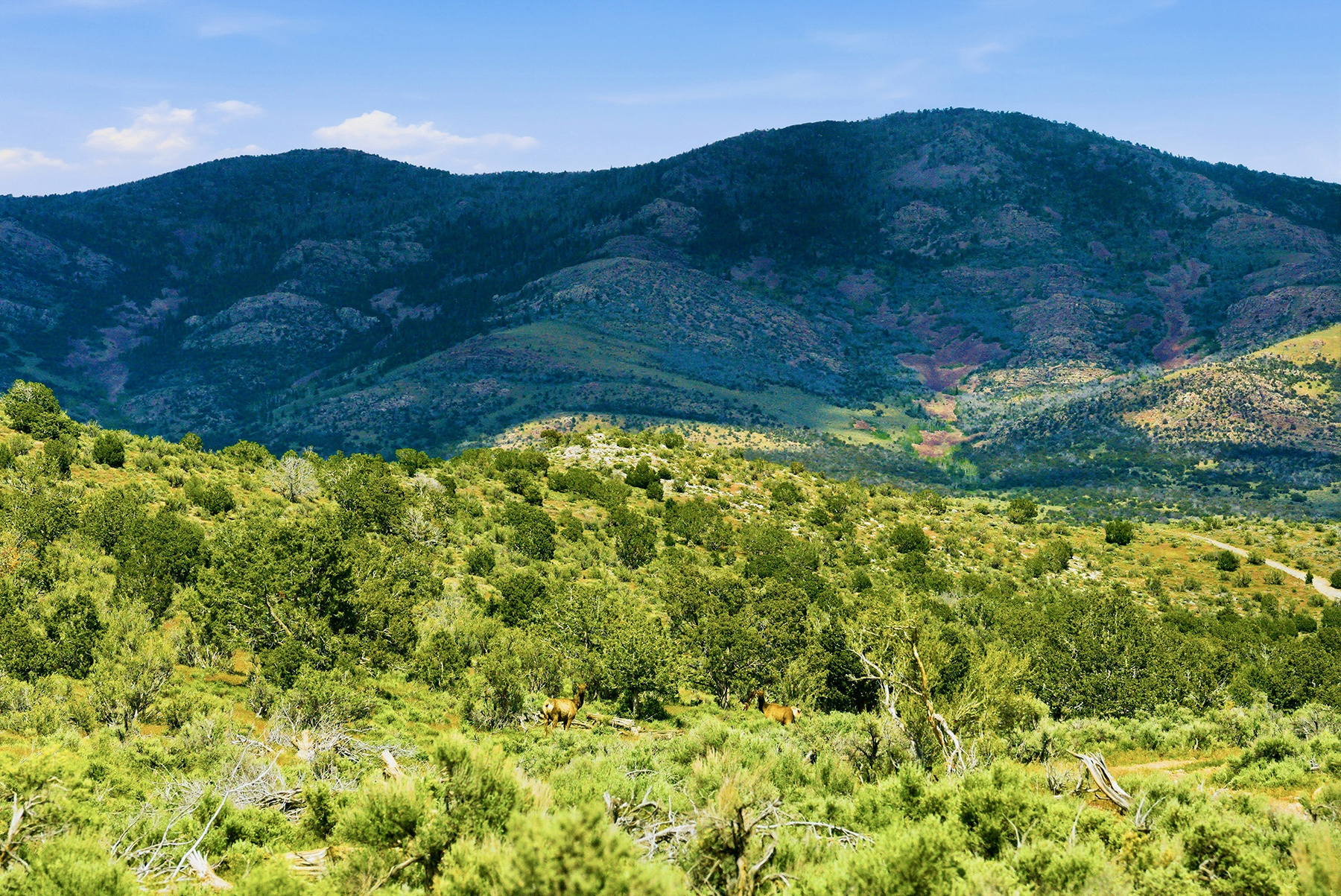
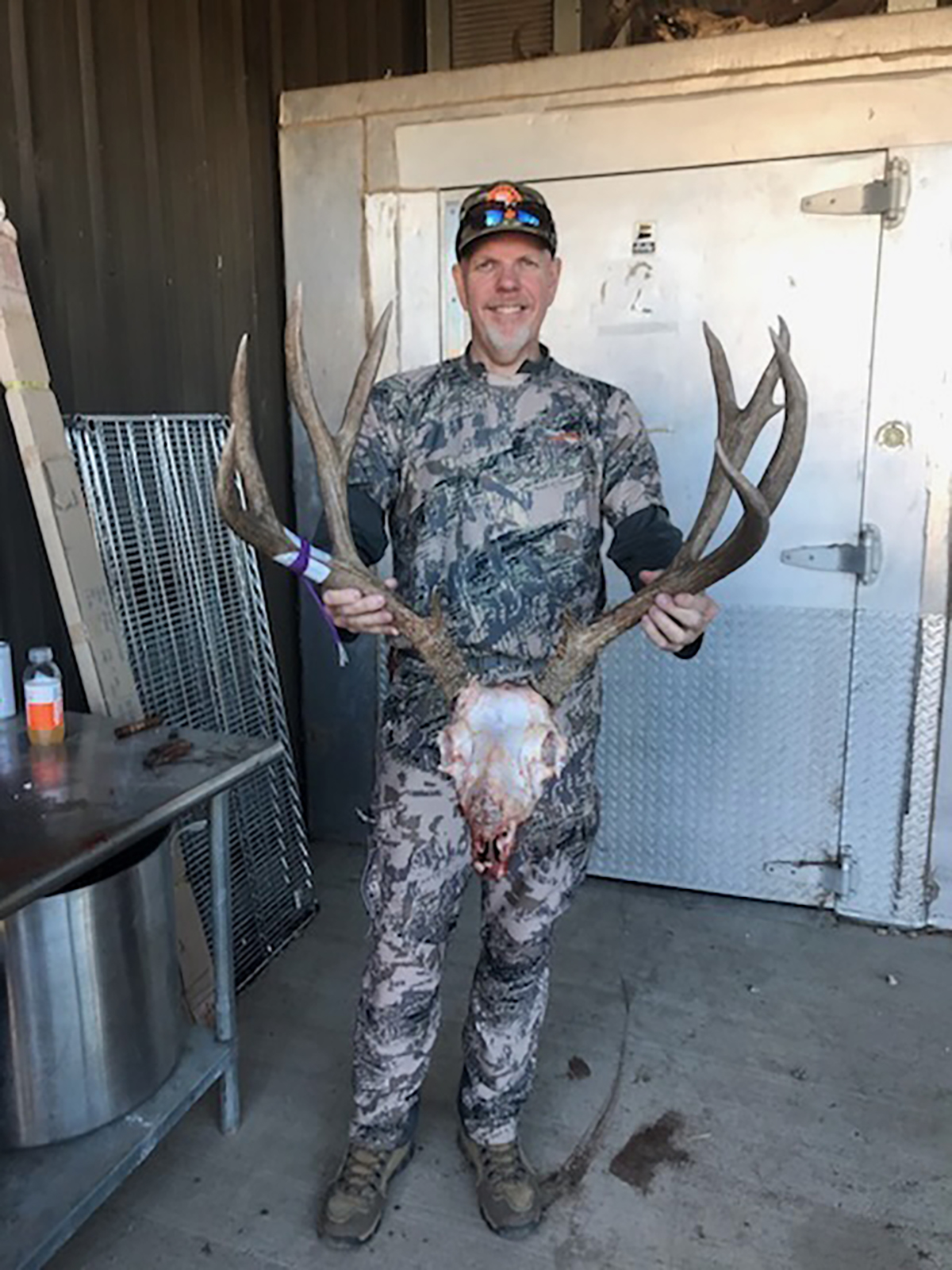
The current owner and ranch manager have invested decades and significant financial resources into transforming Cave Valley Ranch into a trophy elk mecca. Their stewardship efforts include water development, habitat seedings, pinion and juniper removal, invasive species control, and instrumental advocacy for the creation of the Mount Grafton Wilderness Area in 2006. The result is a self-sustaining landscape where trophy-class bulls are a daily sight and record-book animals are taken each season. In addition to unparalleled elk hunting, the ranch supports excellent mule deer and pronghorn hunting, upland birds, and a working cattle component intentionally managed to complement rather than compete with wildlife.
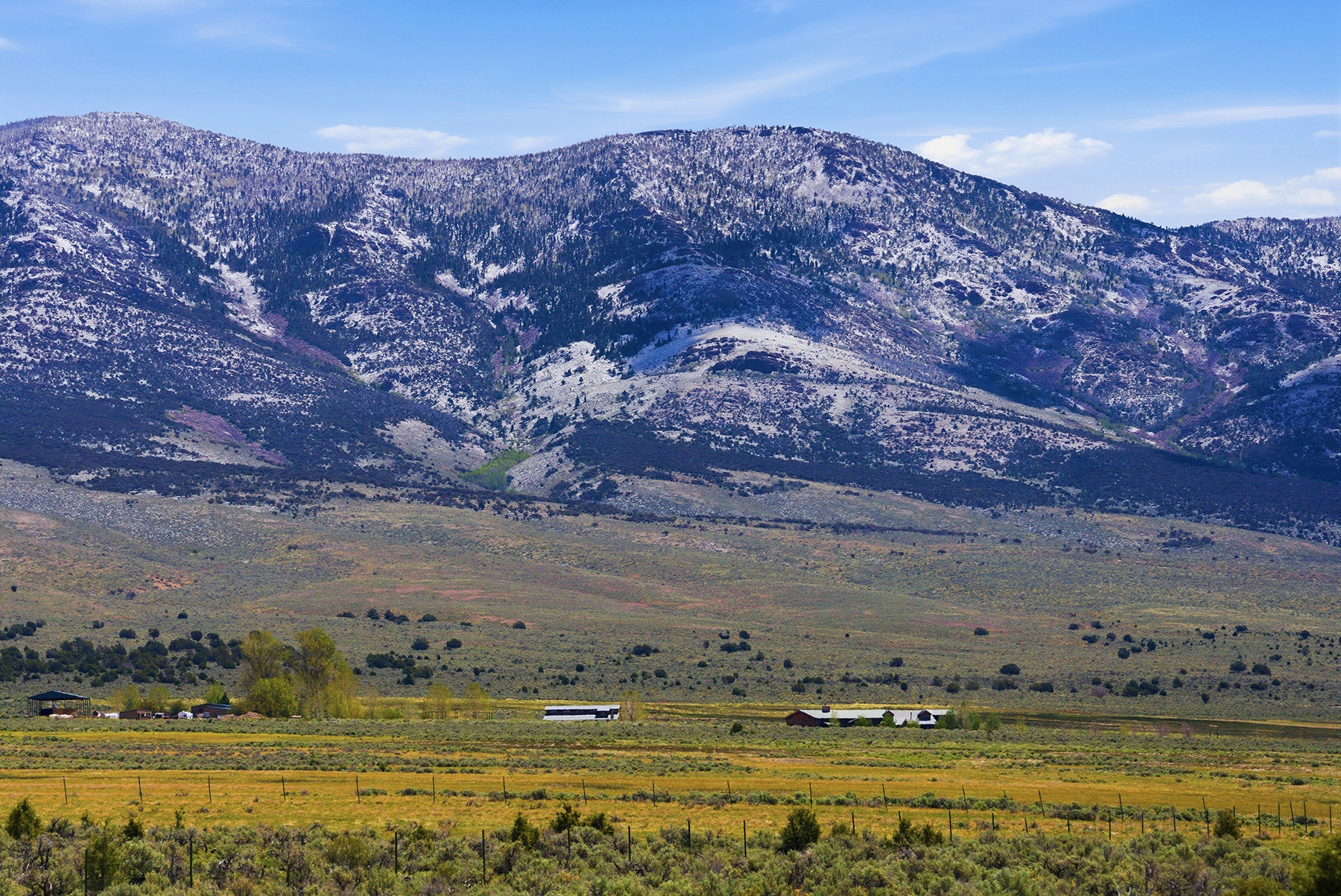
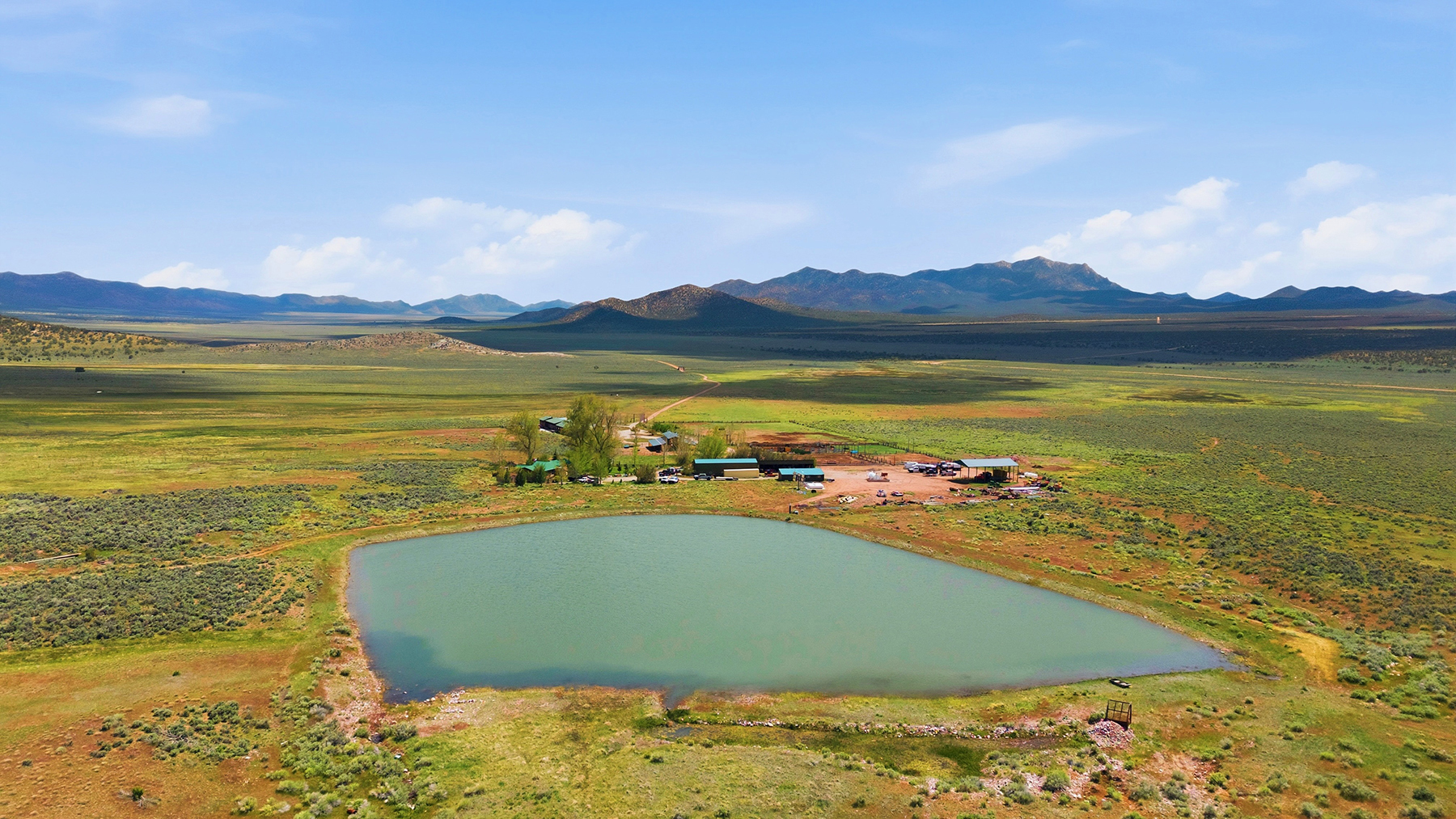
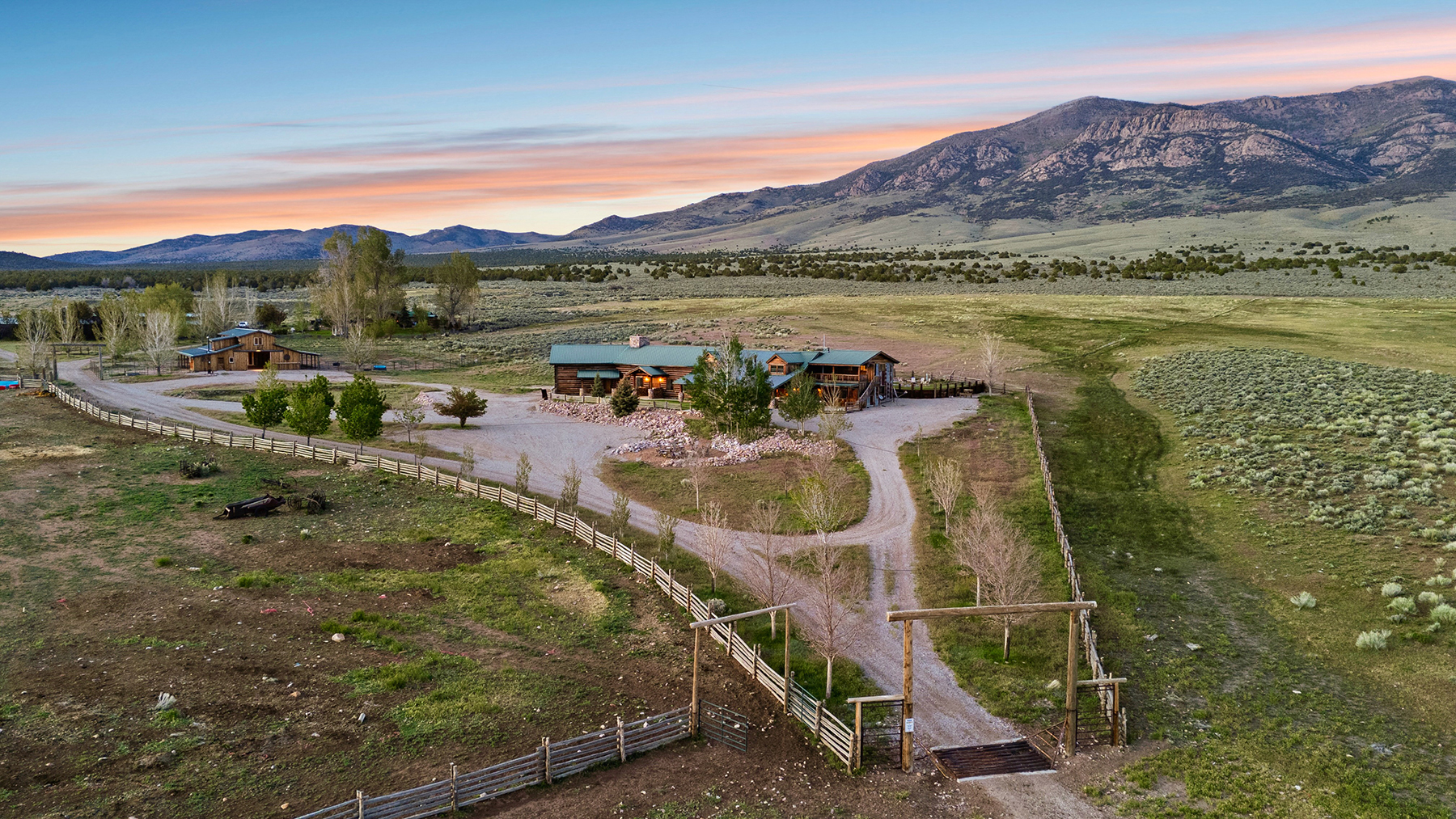
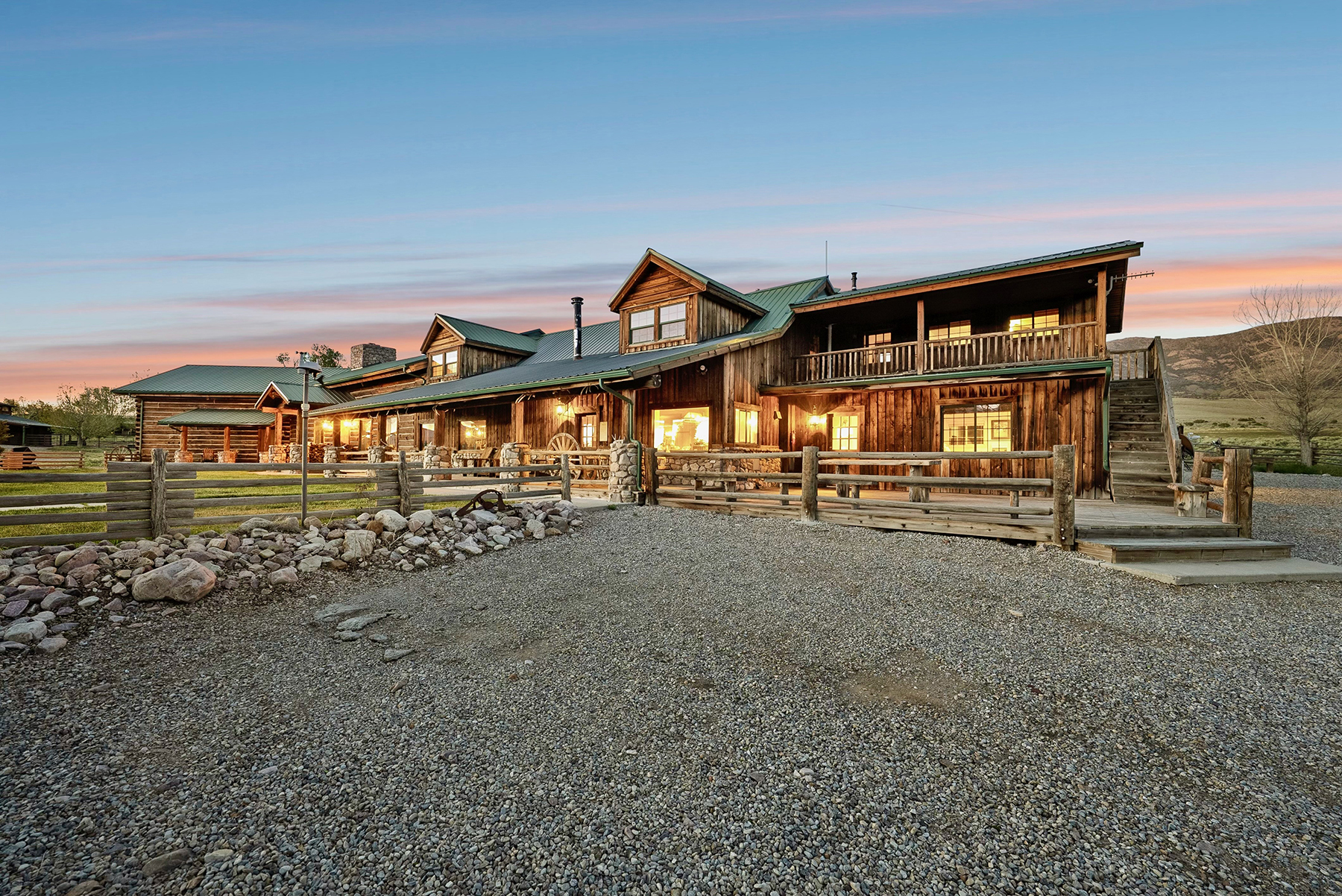
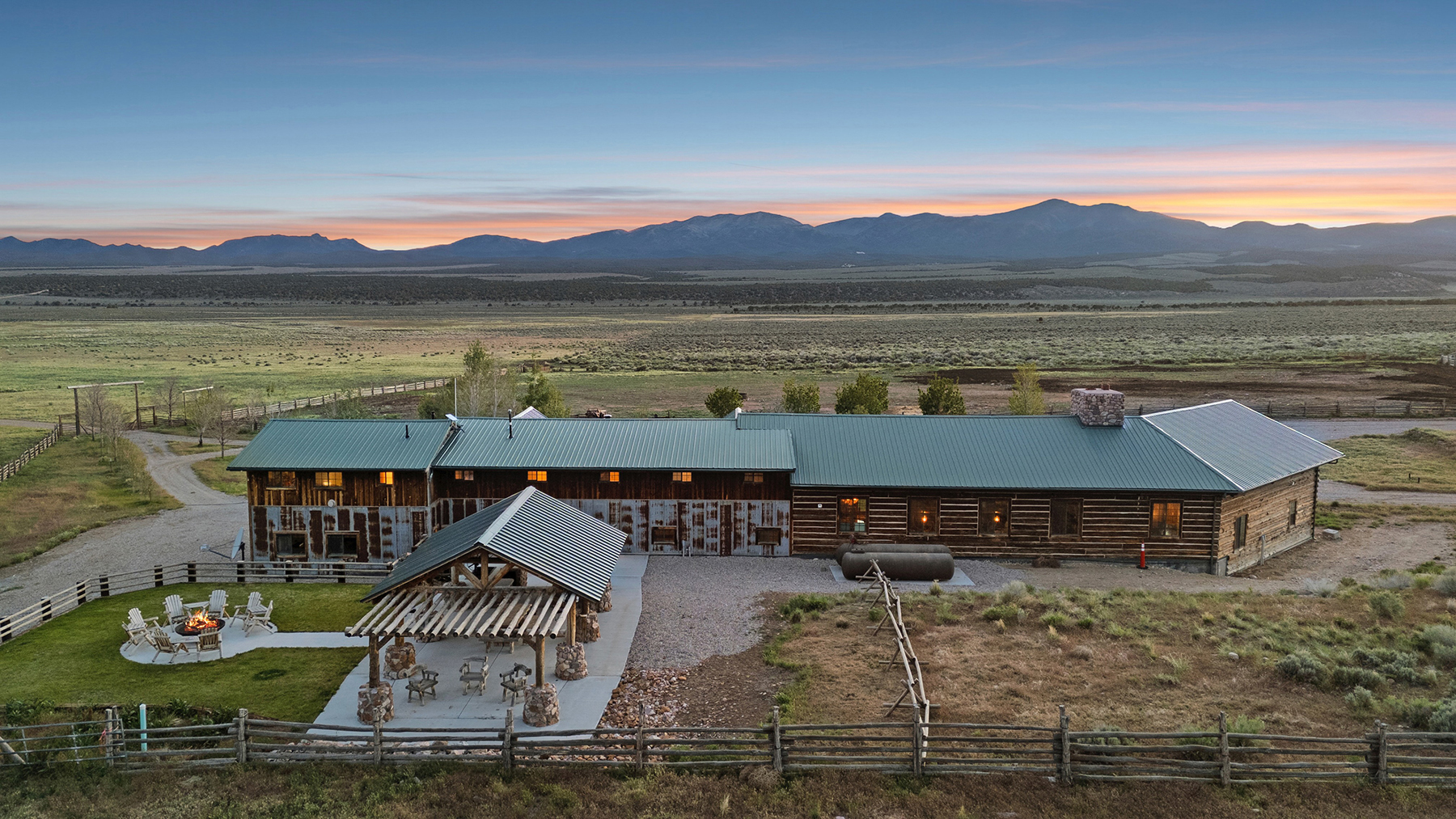
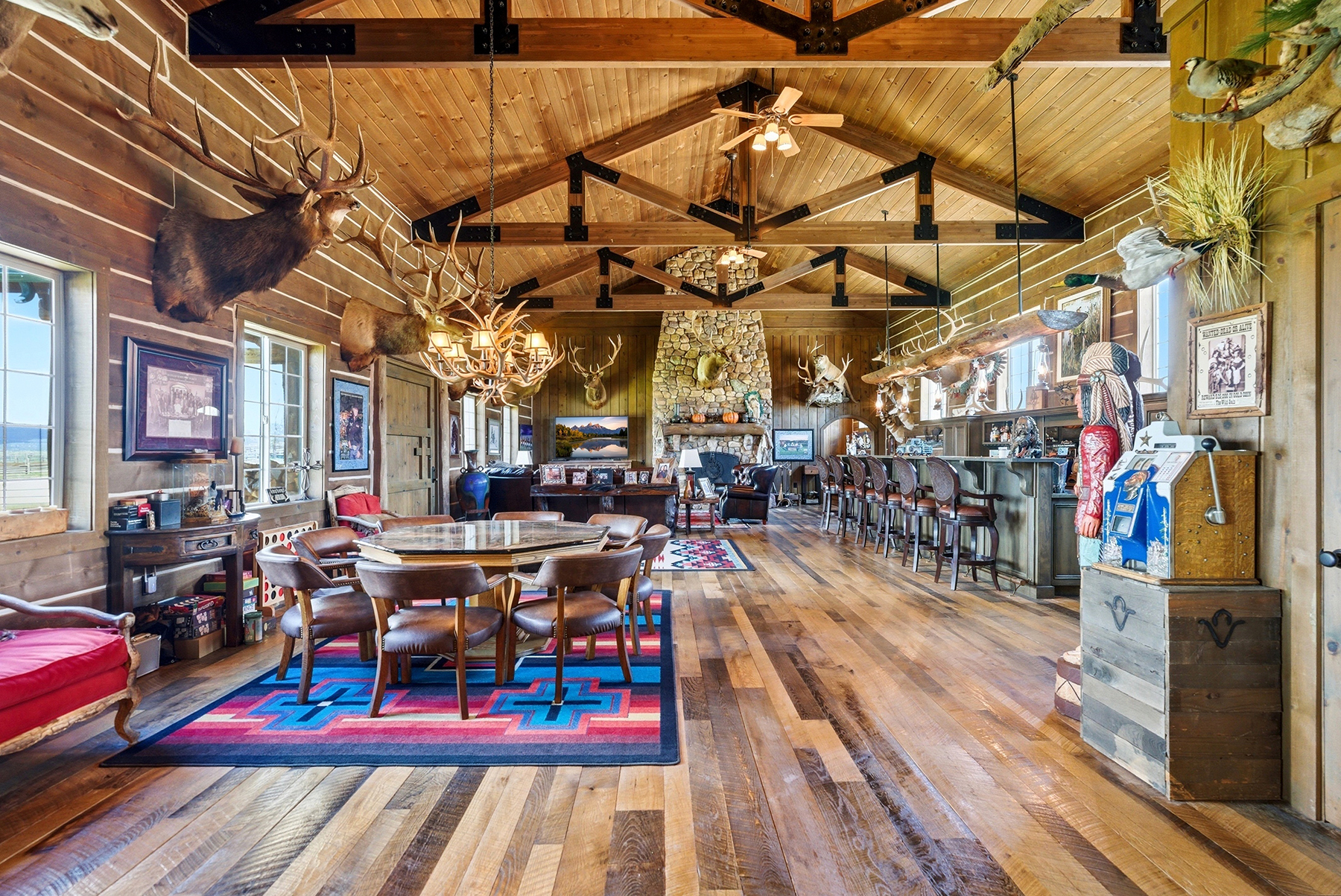
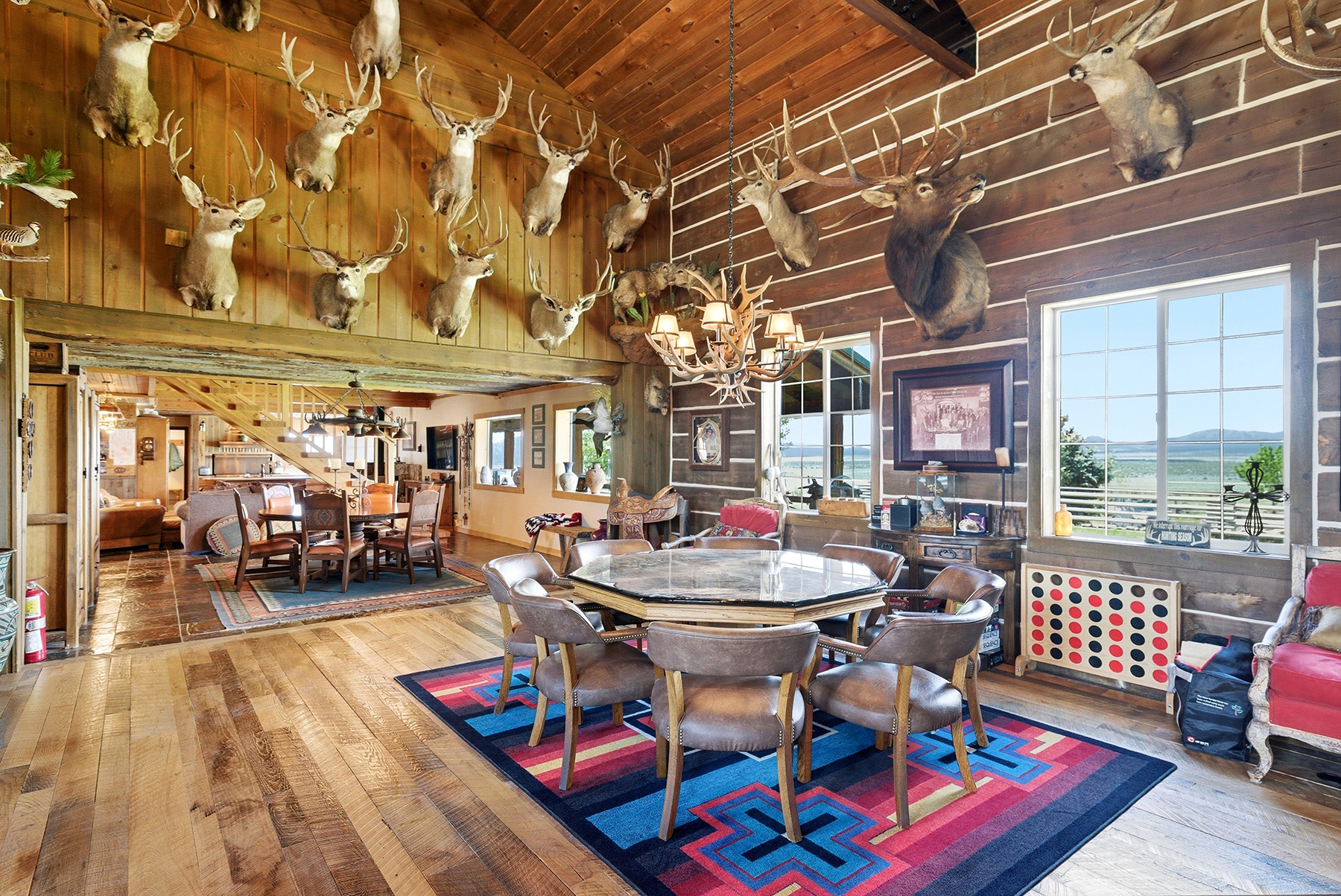
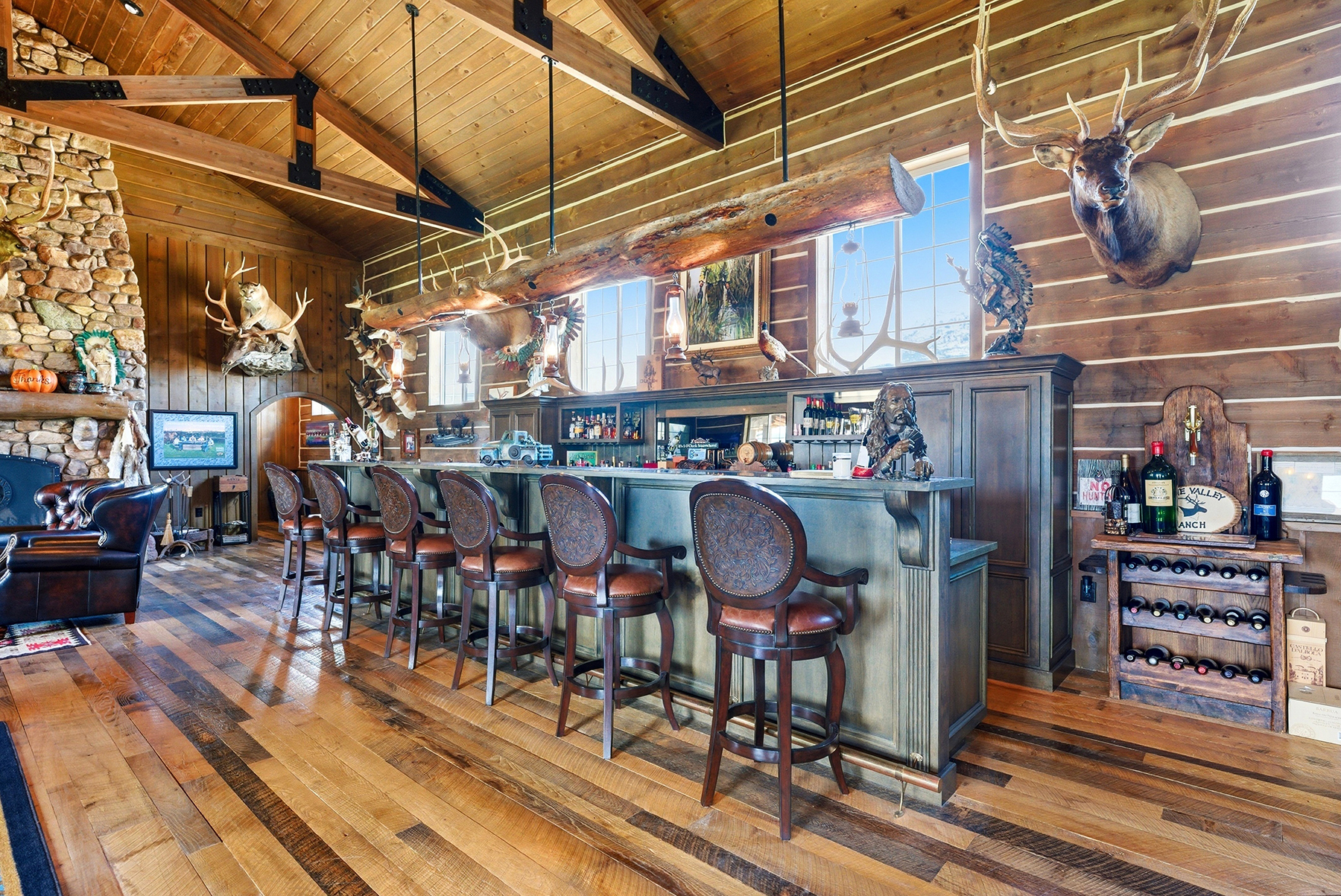
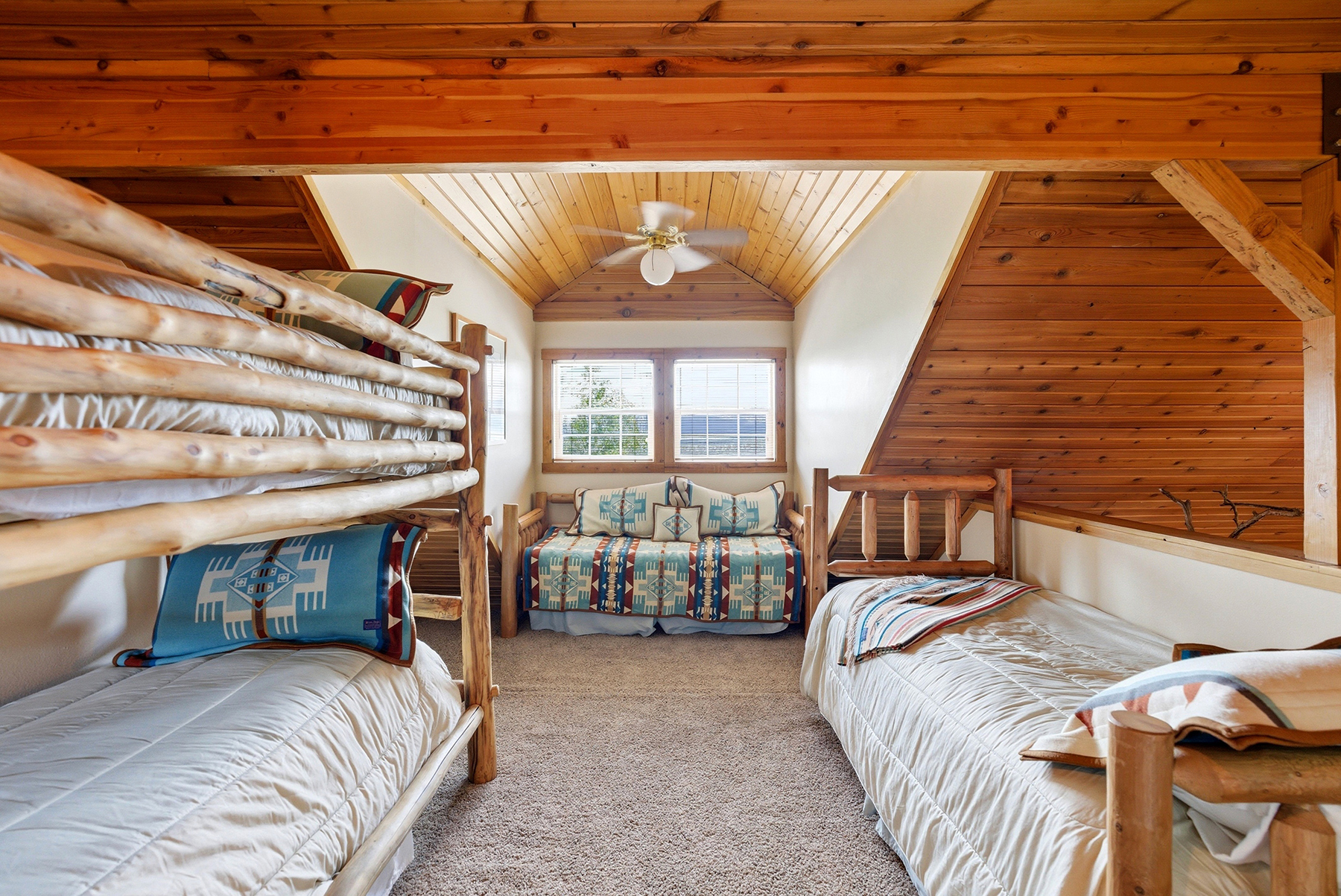
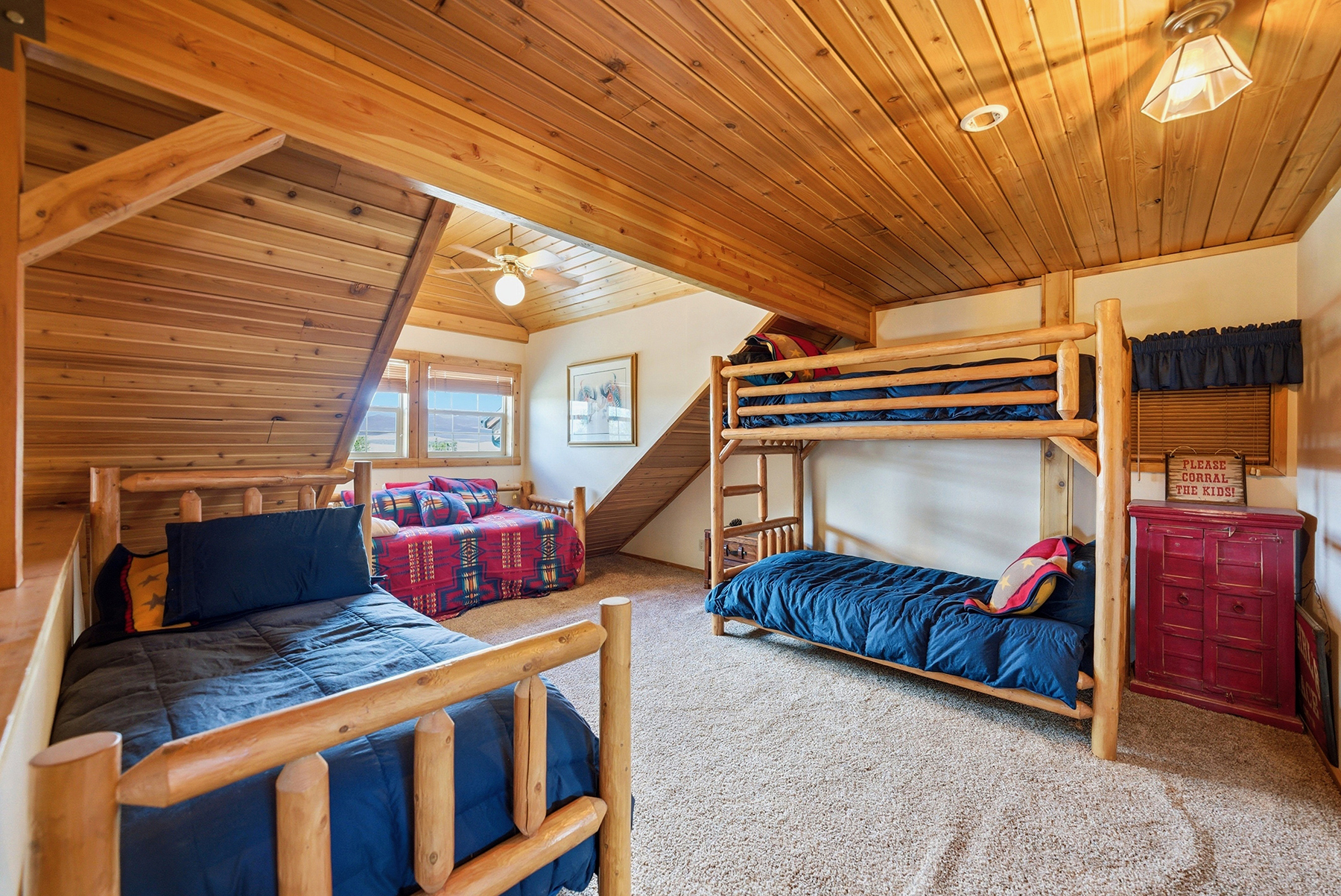
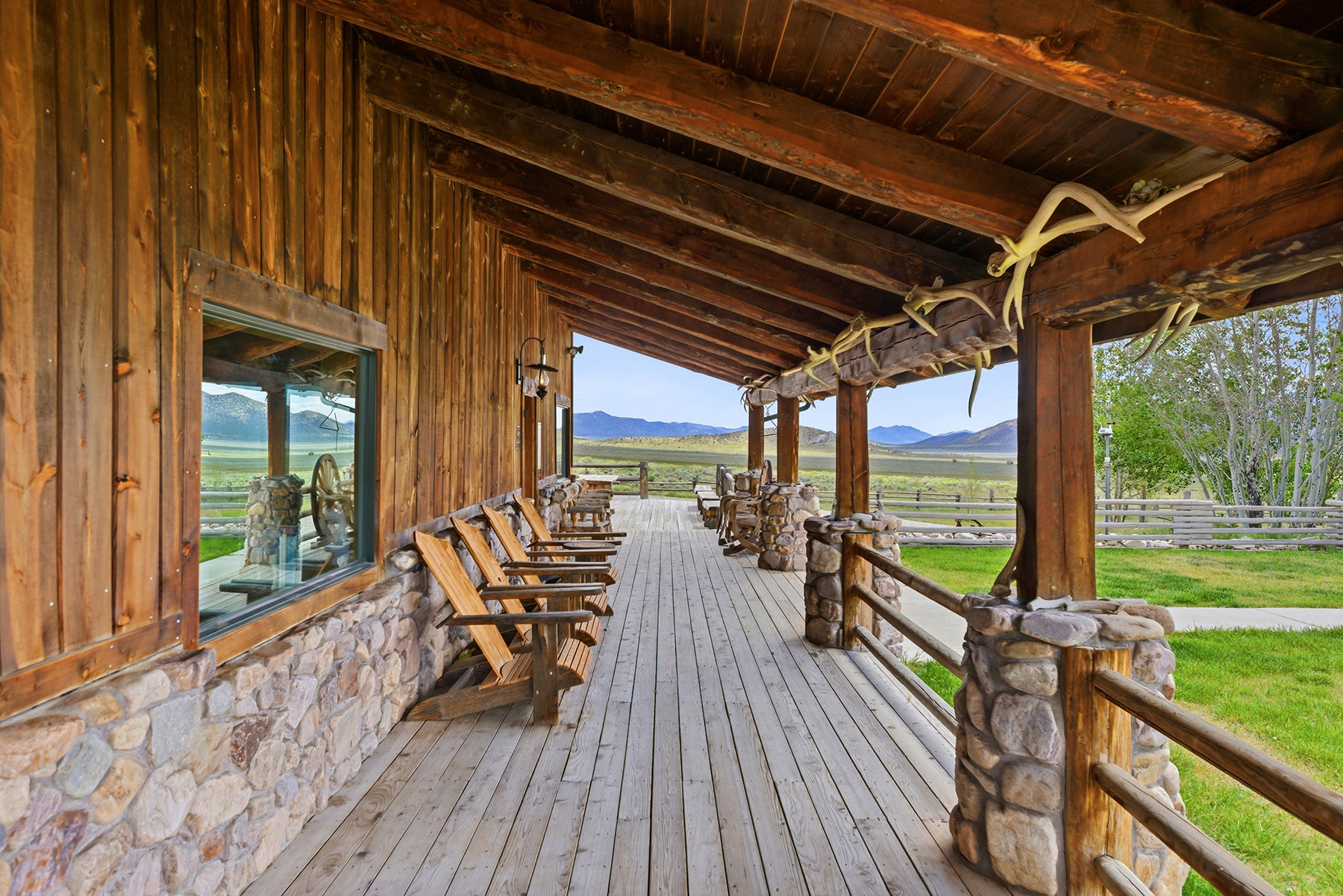
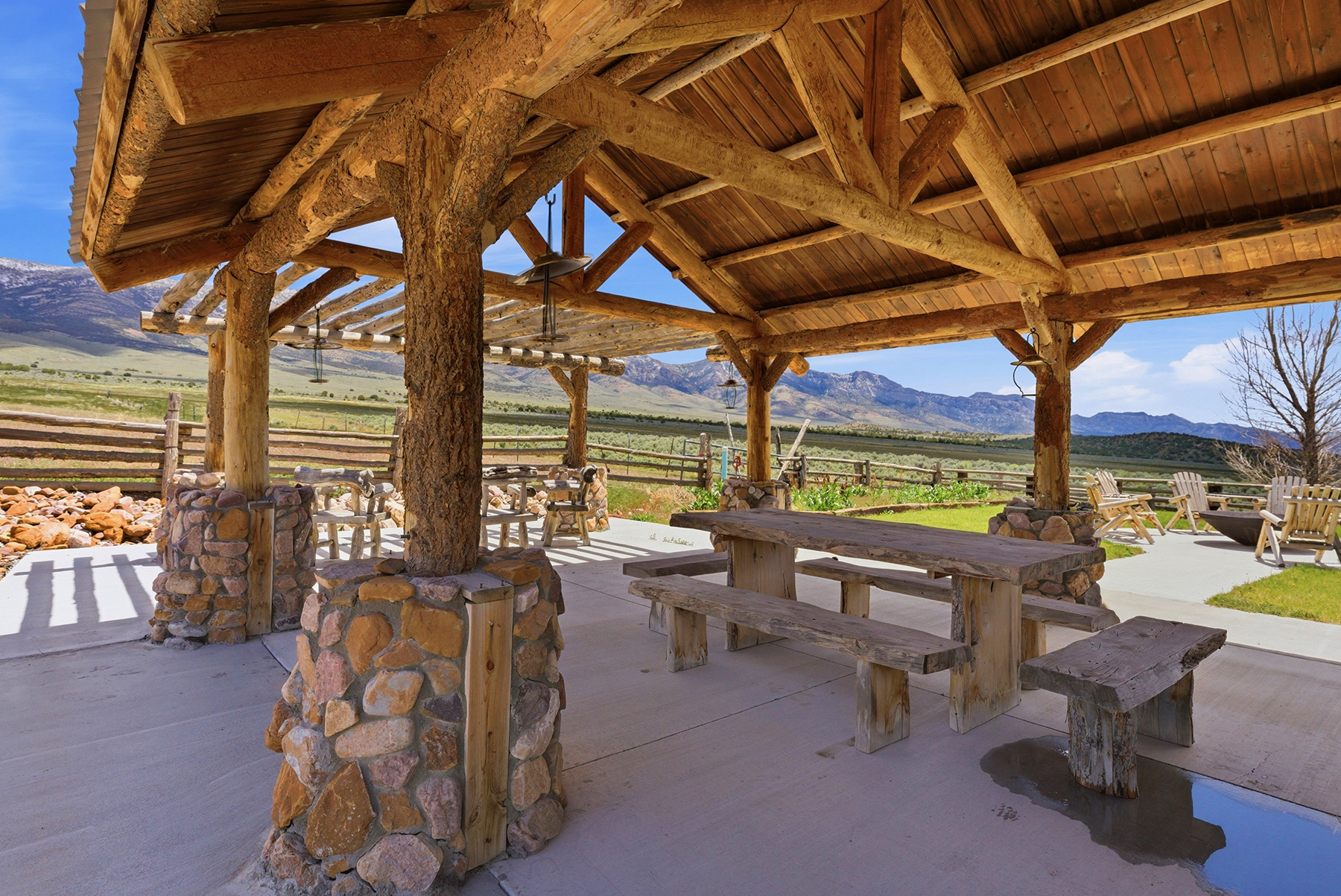
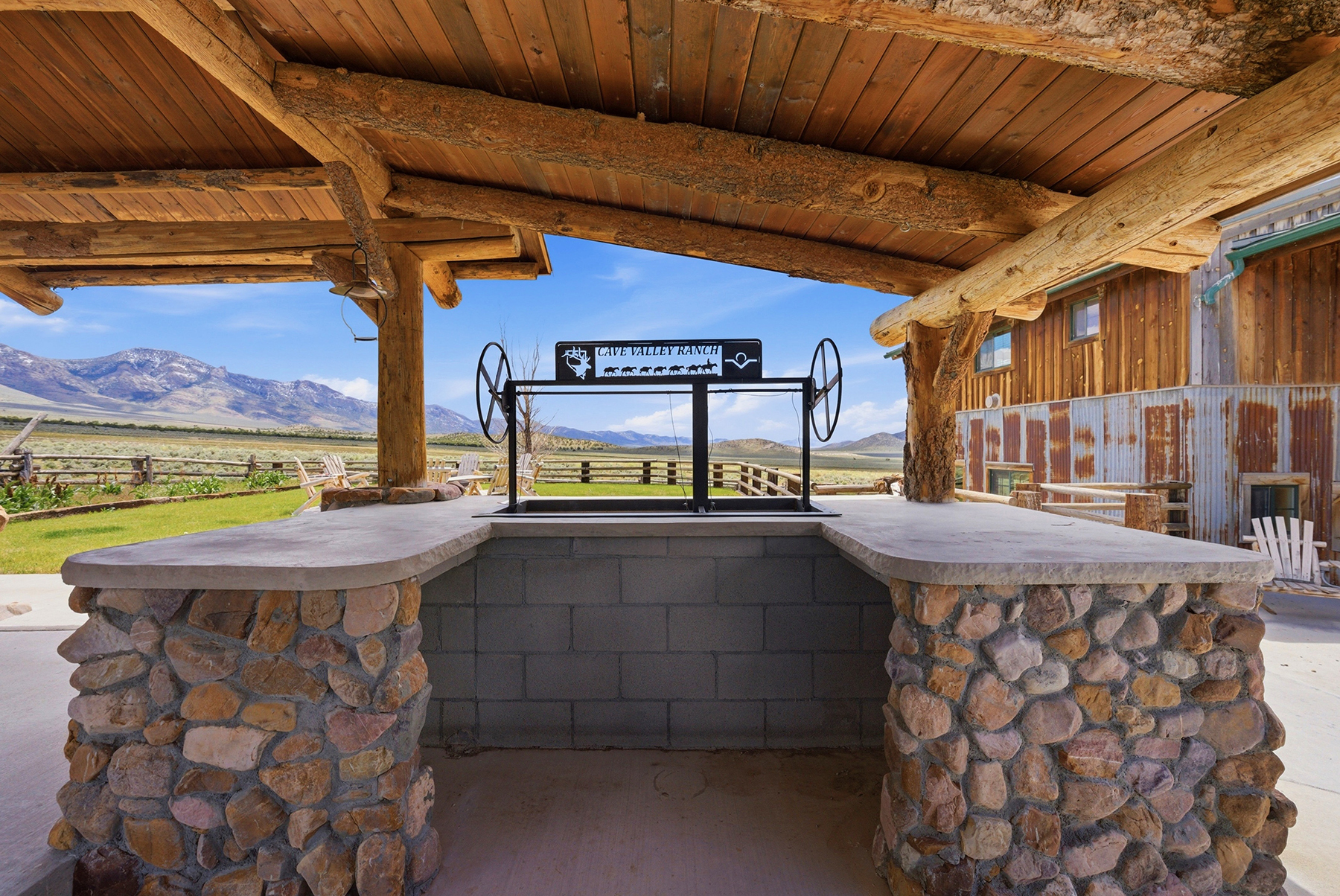
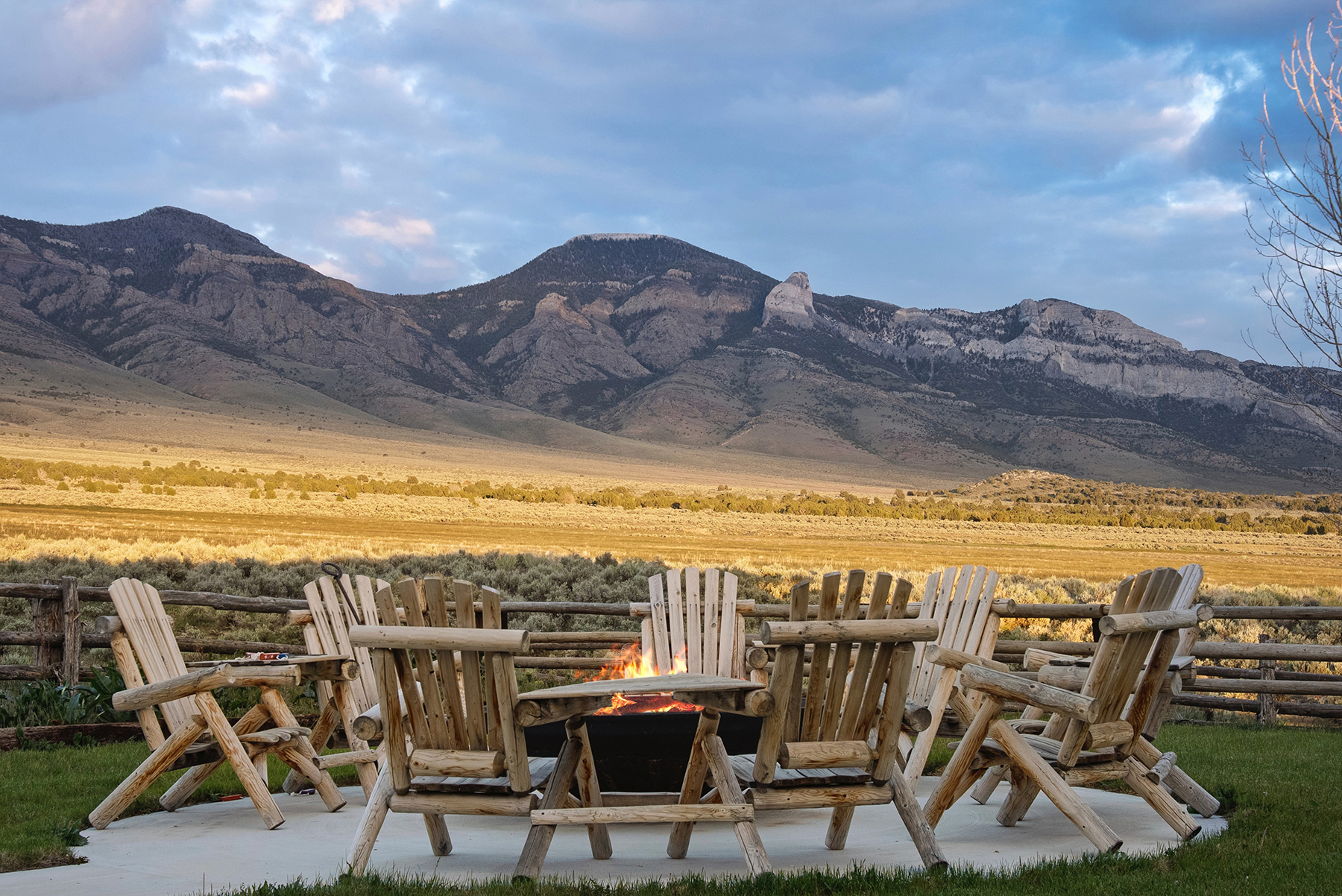
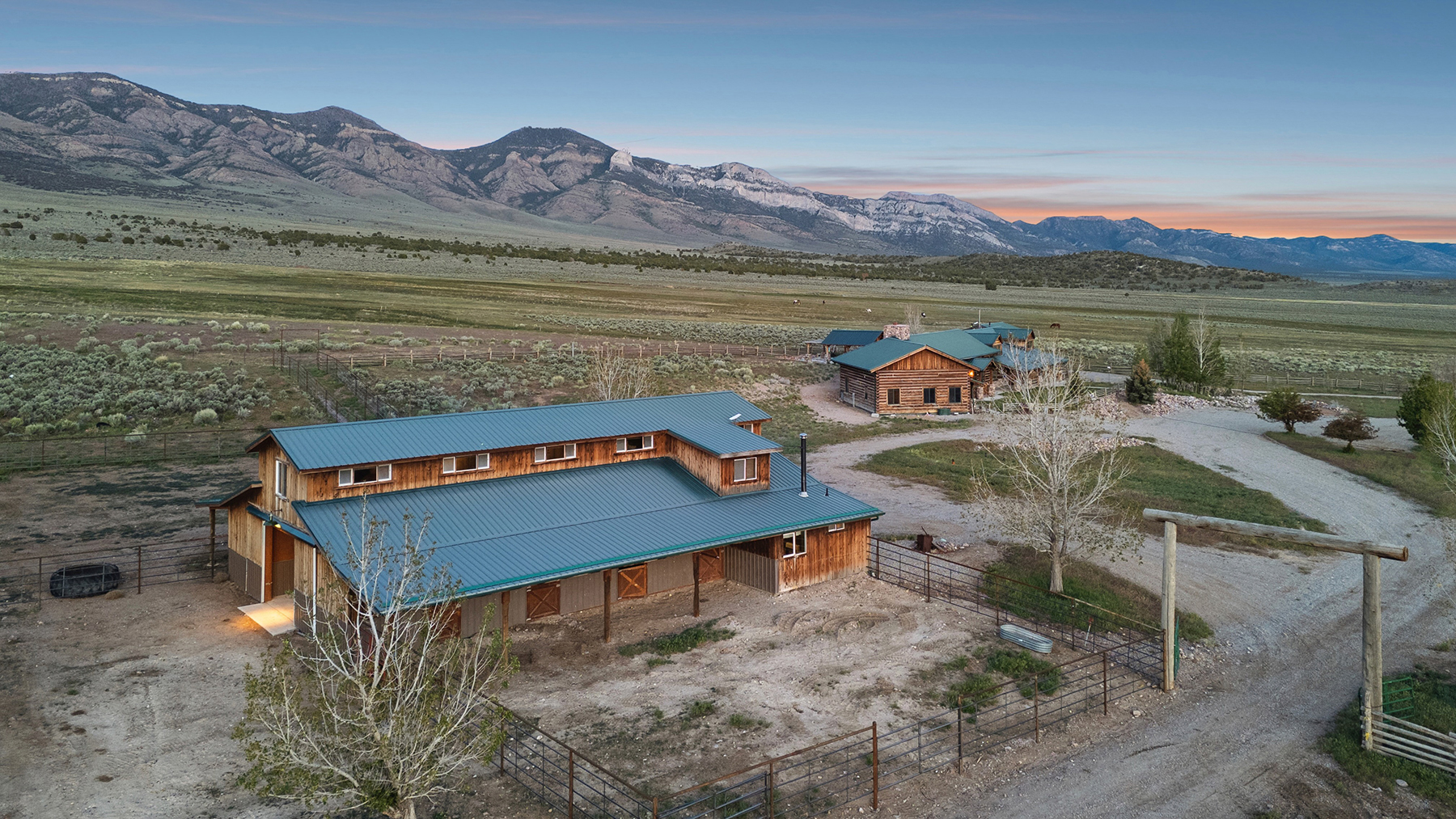
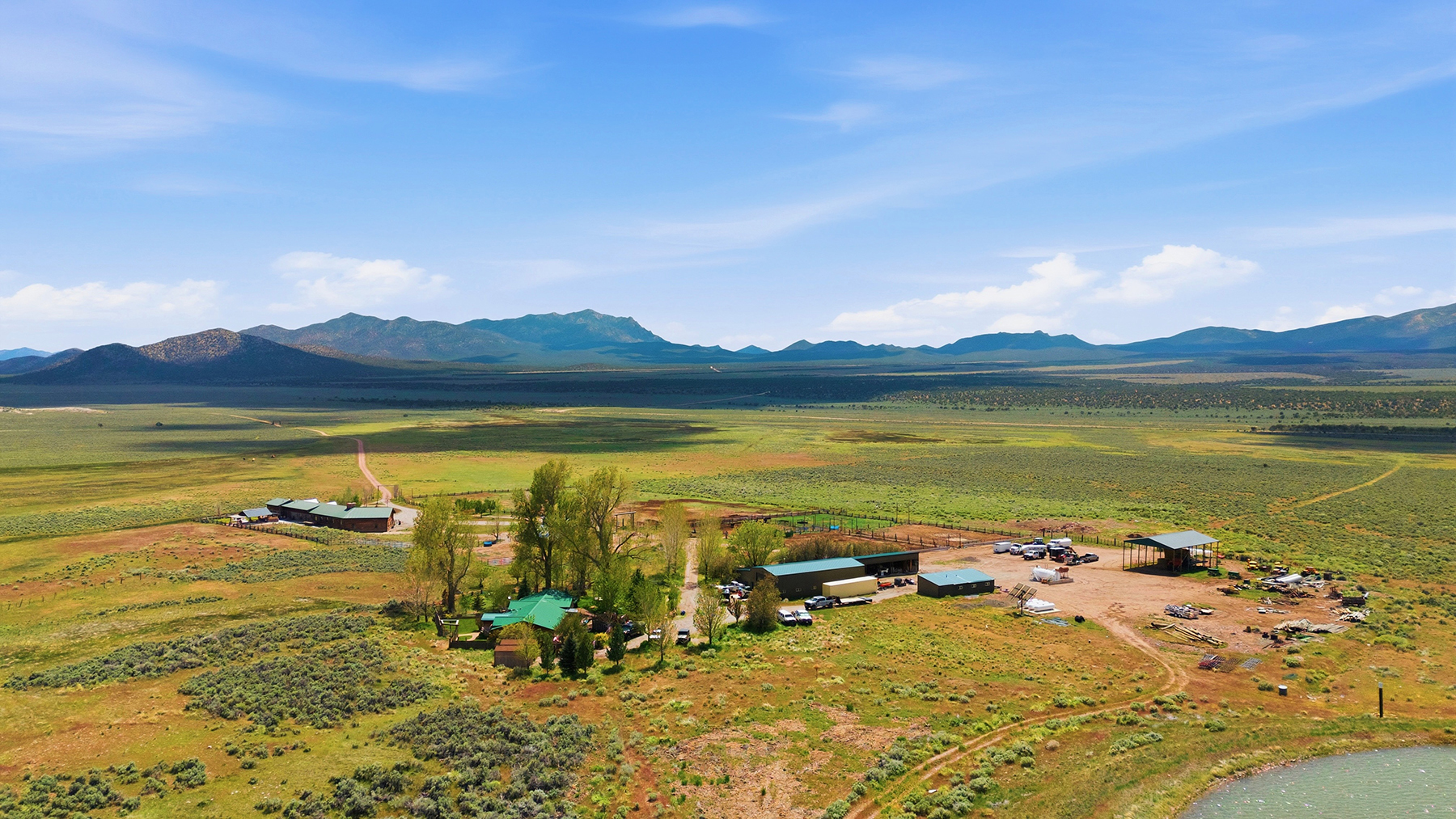
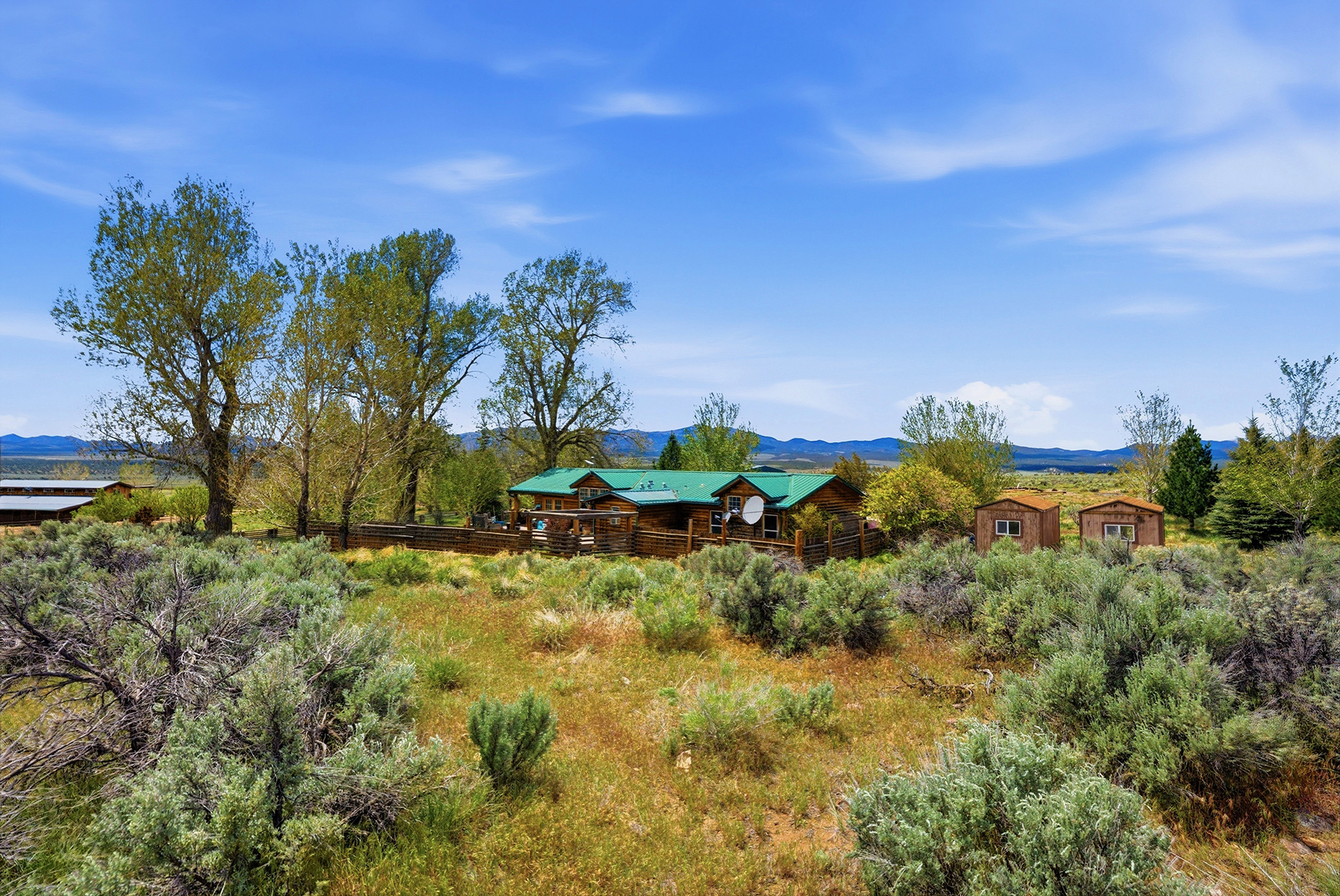
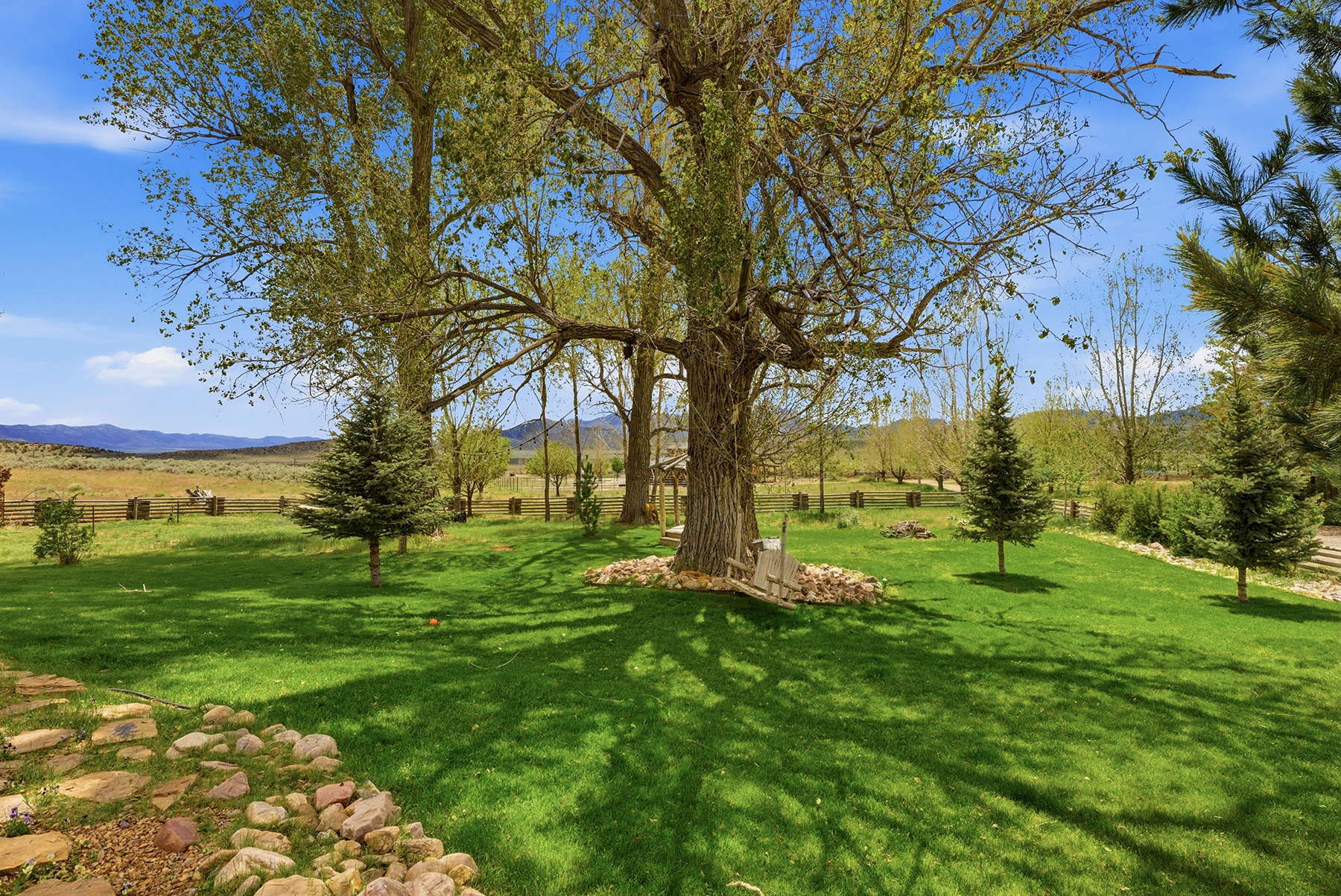
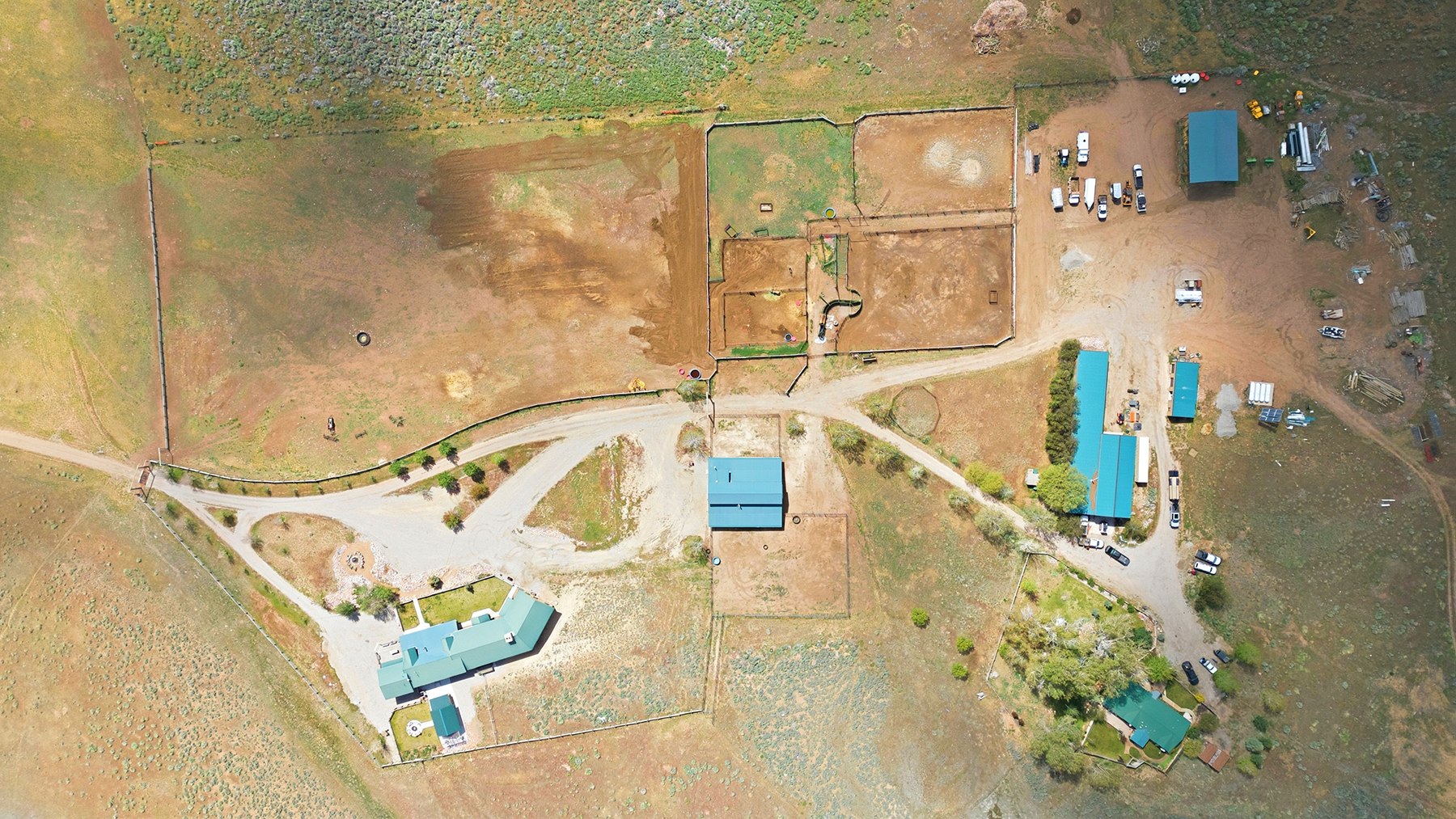
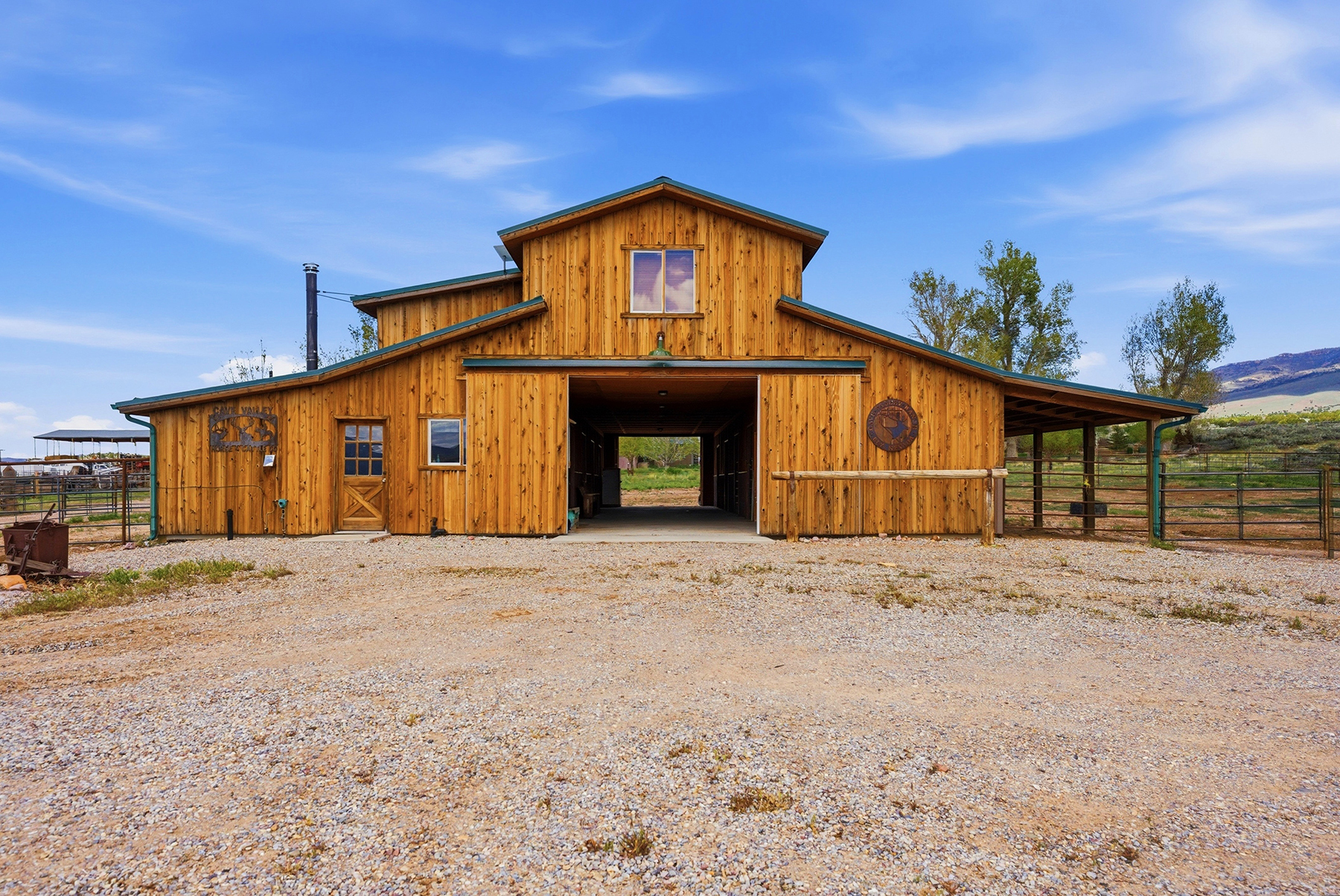
The ranch headquarters sits beneath the 11,000-foot face of Mount Grafton and includes a well-appointed 5,900±-square-foot main lodge with seven bedrooms and six bathrooms, a custom bar, an entertainment area, and generous outdoor living space with views across the valley to the Egan Range. Supporting structures include a ranch manager’s residence, a bunkhouse/barn, cattle-handling facilities, a large shop, hay storage, and a power and pumphouse. The buildings are well-finished and well-maintained, reflecting two decades of owner investment in a serious operating and hunting ranch.
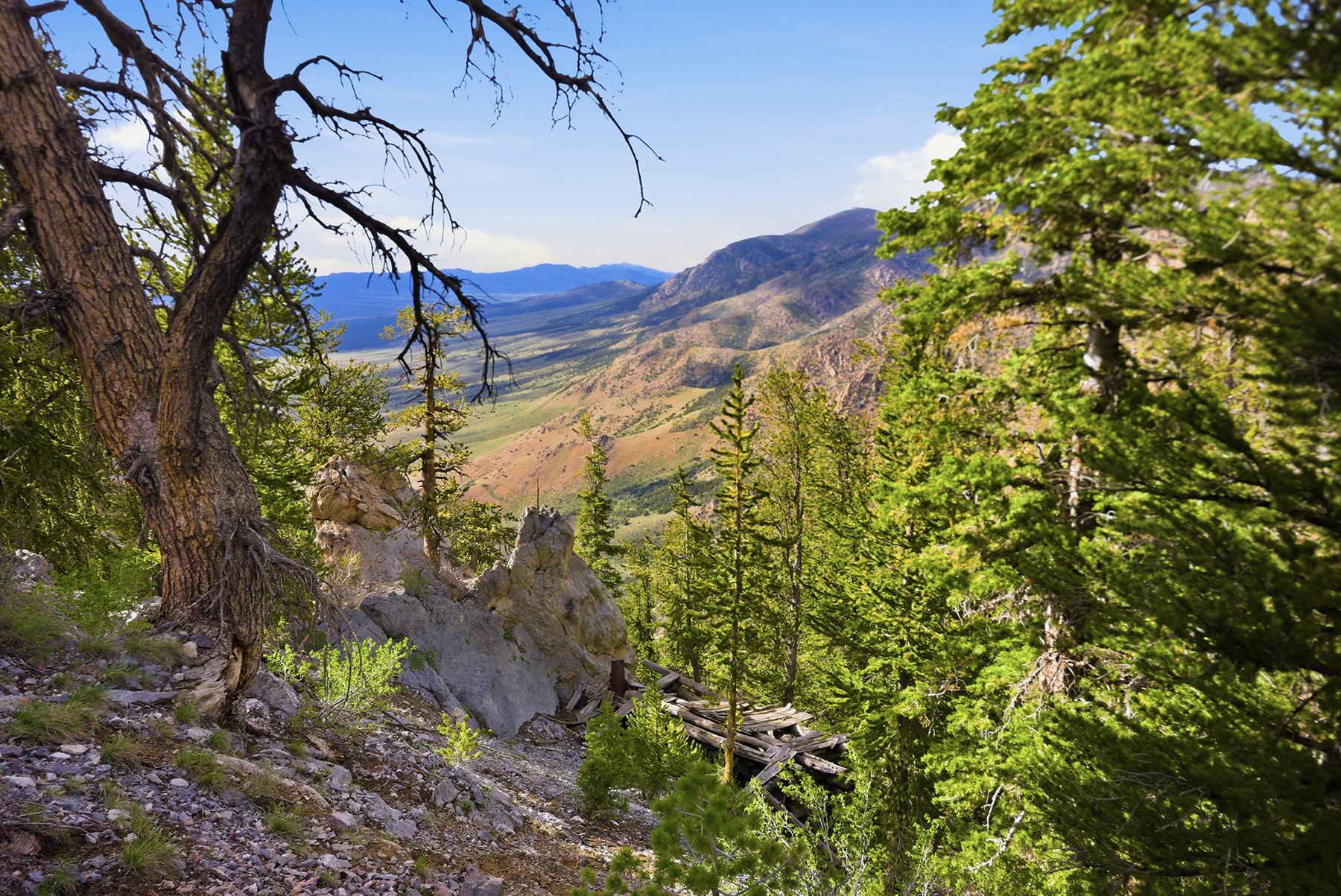
Occupying a true wilderness setting, Cave Valley Ranch is bordered on both sides by federally designated, non-motorized wilderness areas. To the west lies the South Egan Range Wilderness, a 67,214-acre BLM wilderness protecting the rugged, bristlecone pine-studded mountain spine of the Egan Range. To the east rises the Mount Grafton Wilderness, a 78,754-acre BLM wilderness in the Schell Creek Range whose namesake peak, 10,990-foot Mount Grafton, forms the dramatic high-country backdrop visible from the ranch headquarters. Together, these two wilderness areas encompass more than 145,000 acres of protected public land surrounding the ranch. Created through the White Pine County Conservation, Recreation and Development Act of 2006, the ranch actively advocated for this legislation in response to increasing development and encroachment in the surrounding mountain ranges. Approximately 640 acres of the ranch's deeded land is situated within the Mount Grafton Wilderness boundary, and the ranch holds the right of administrative motorized access through the Wilderness to reach those inholdings, a unique arrangement available only to the ranch.
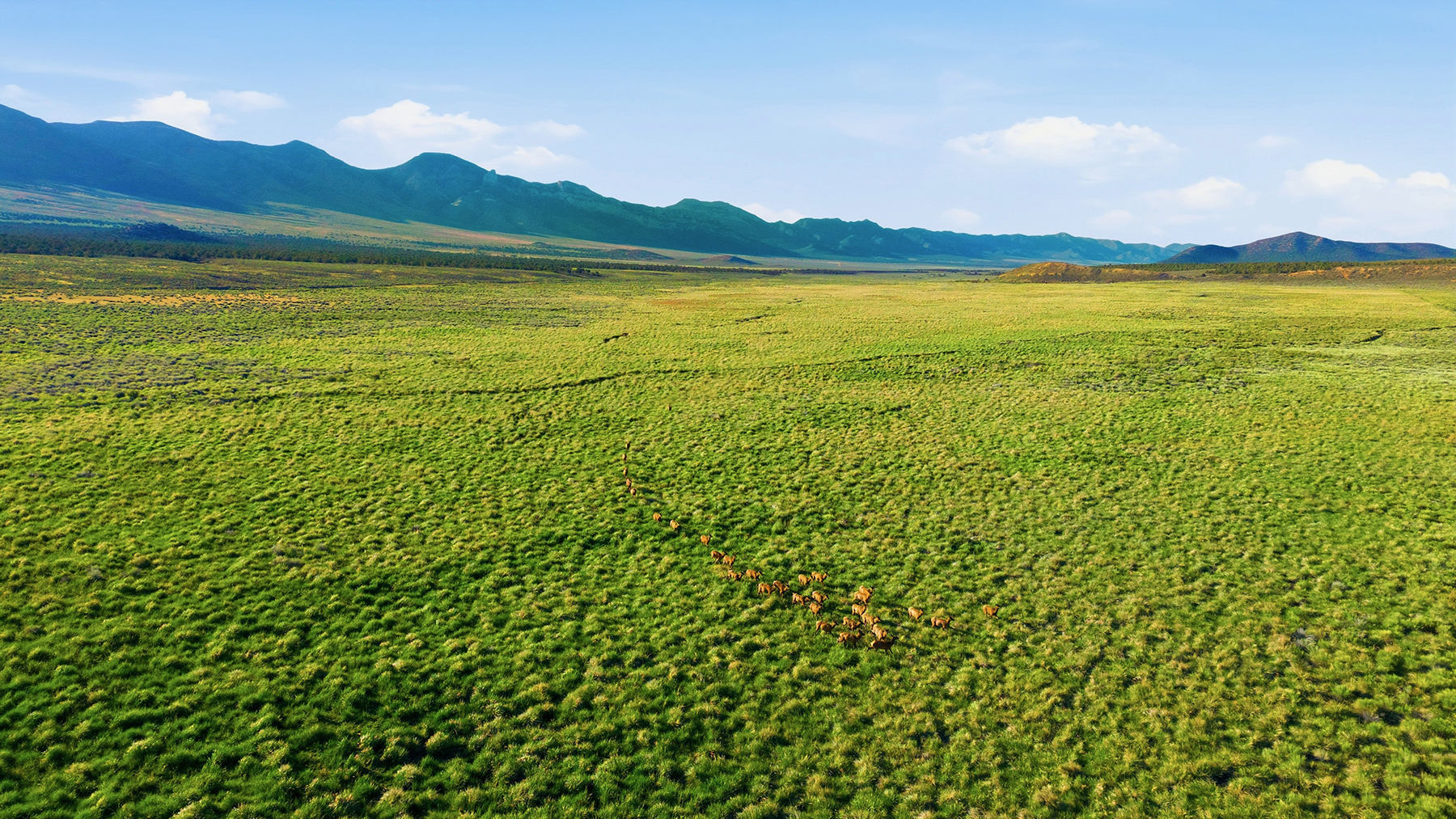
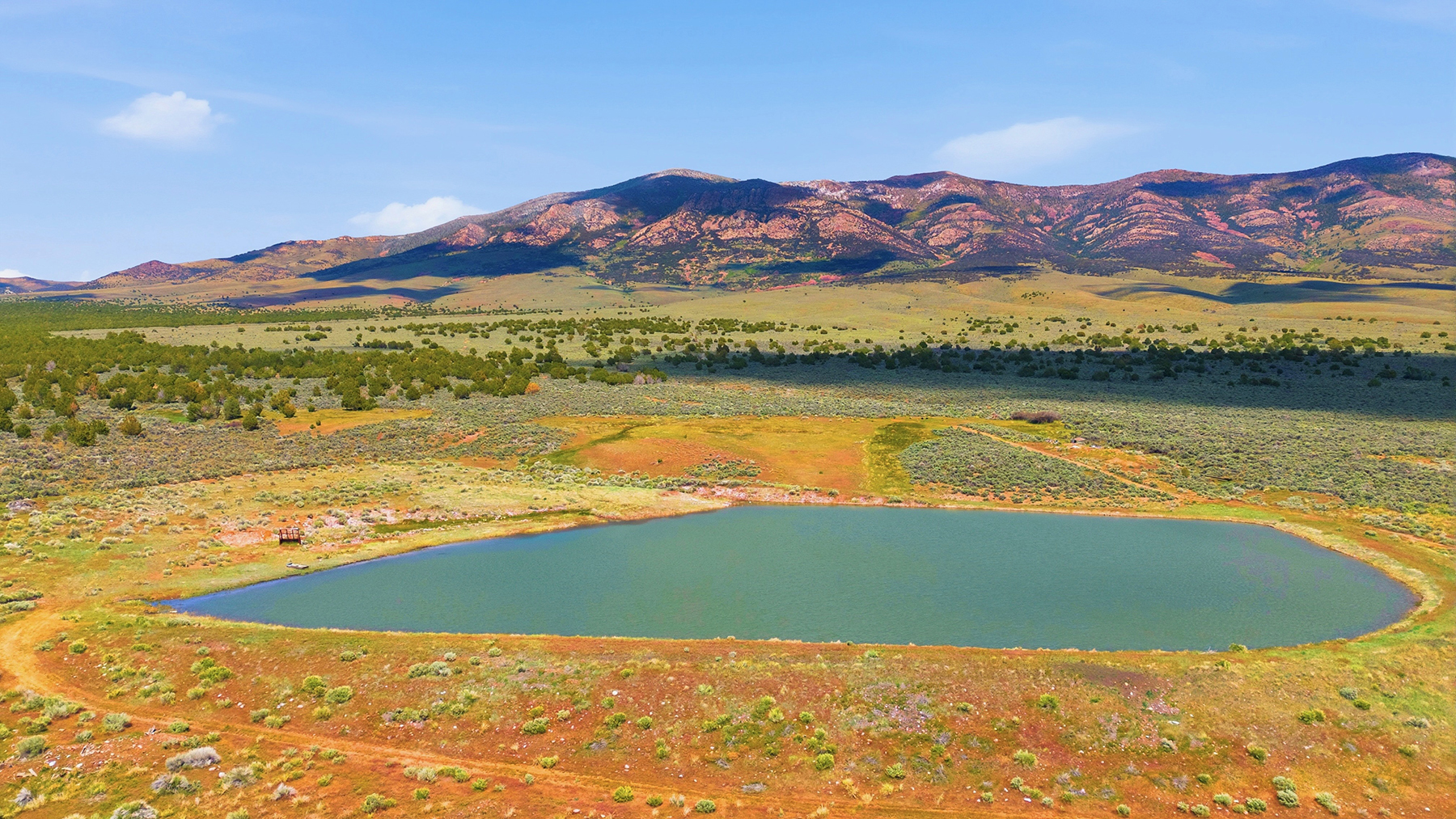
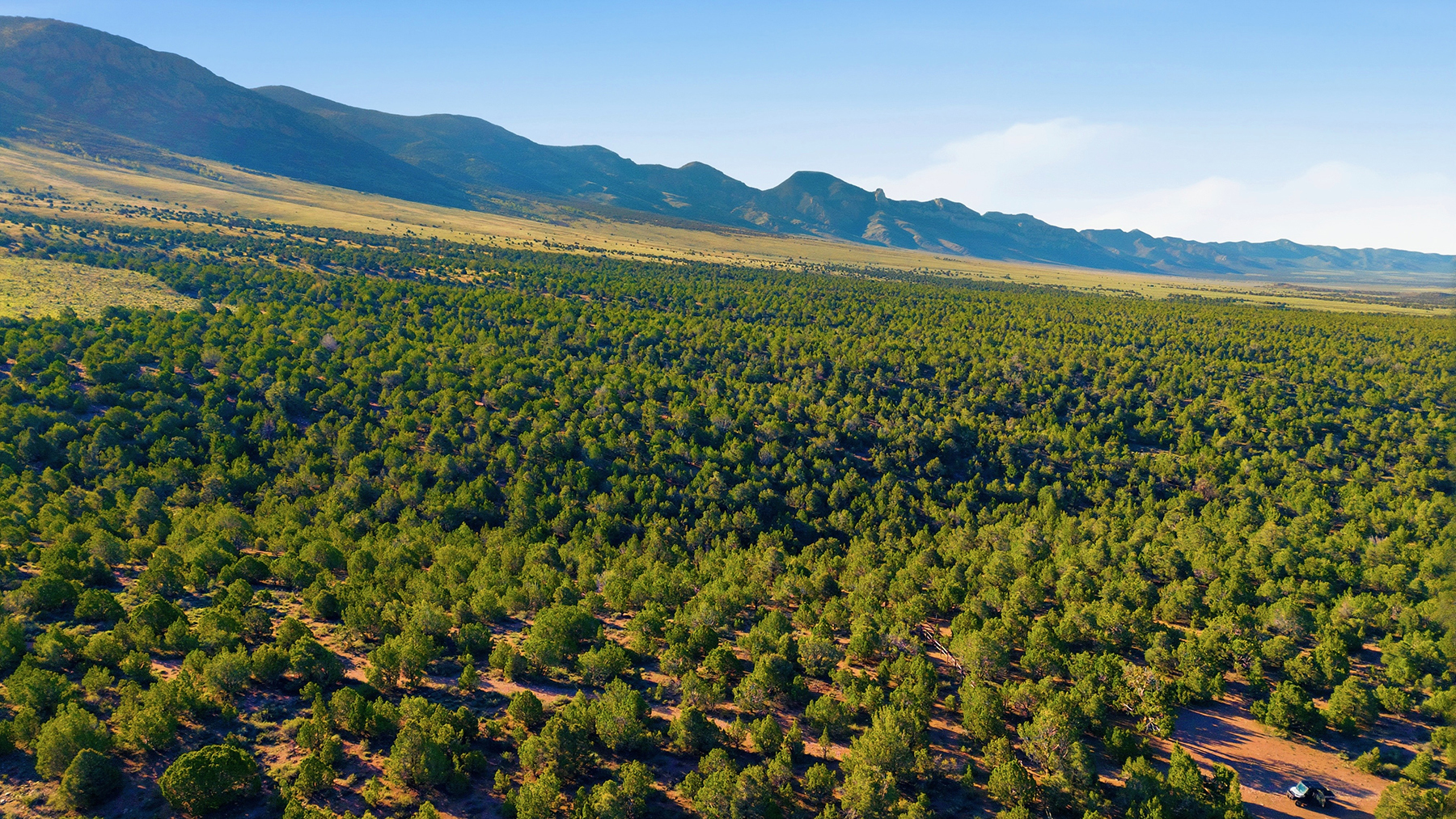
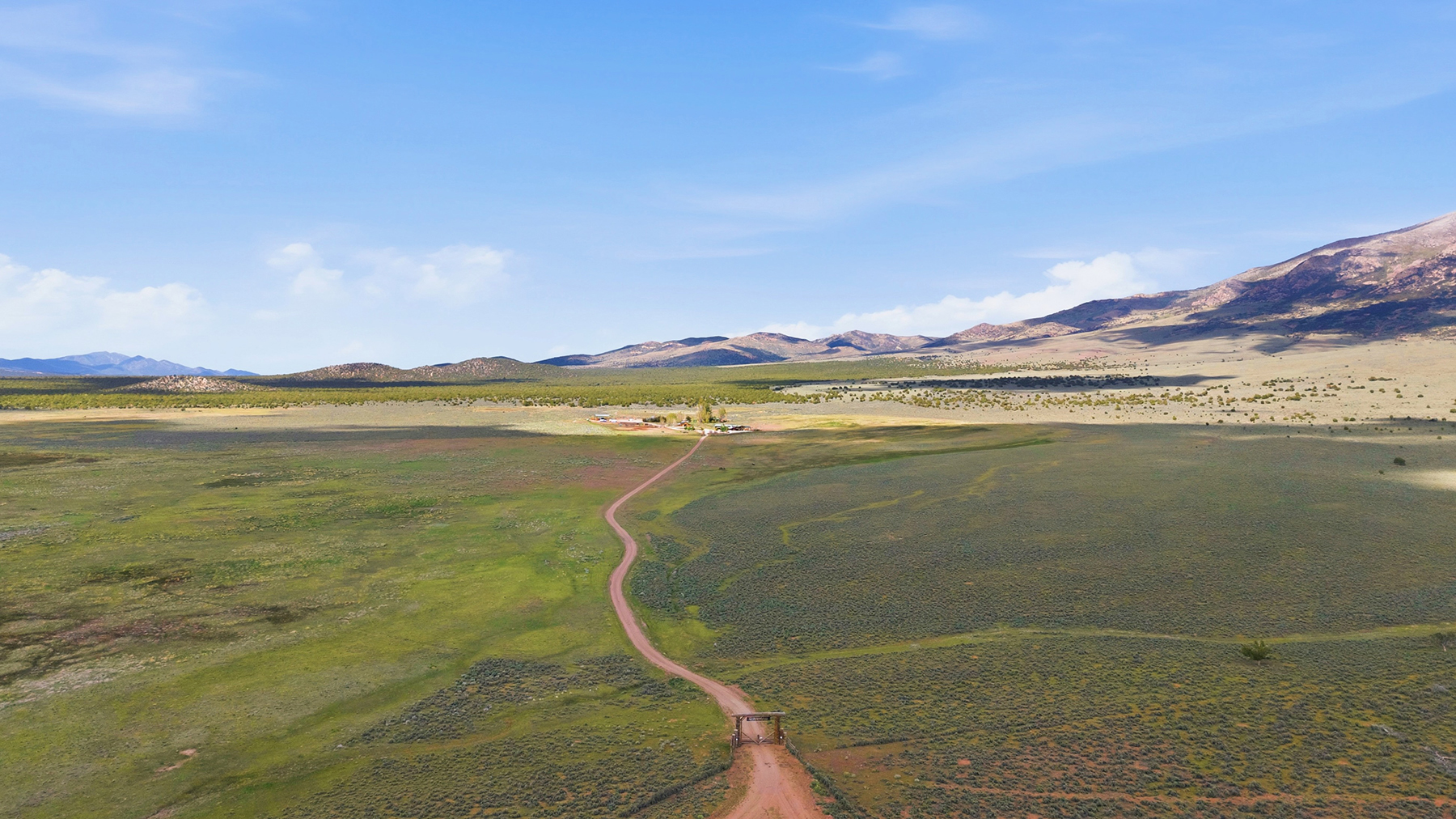
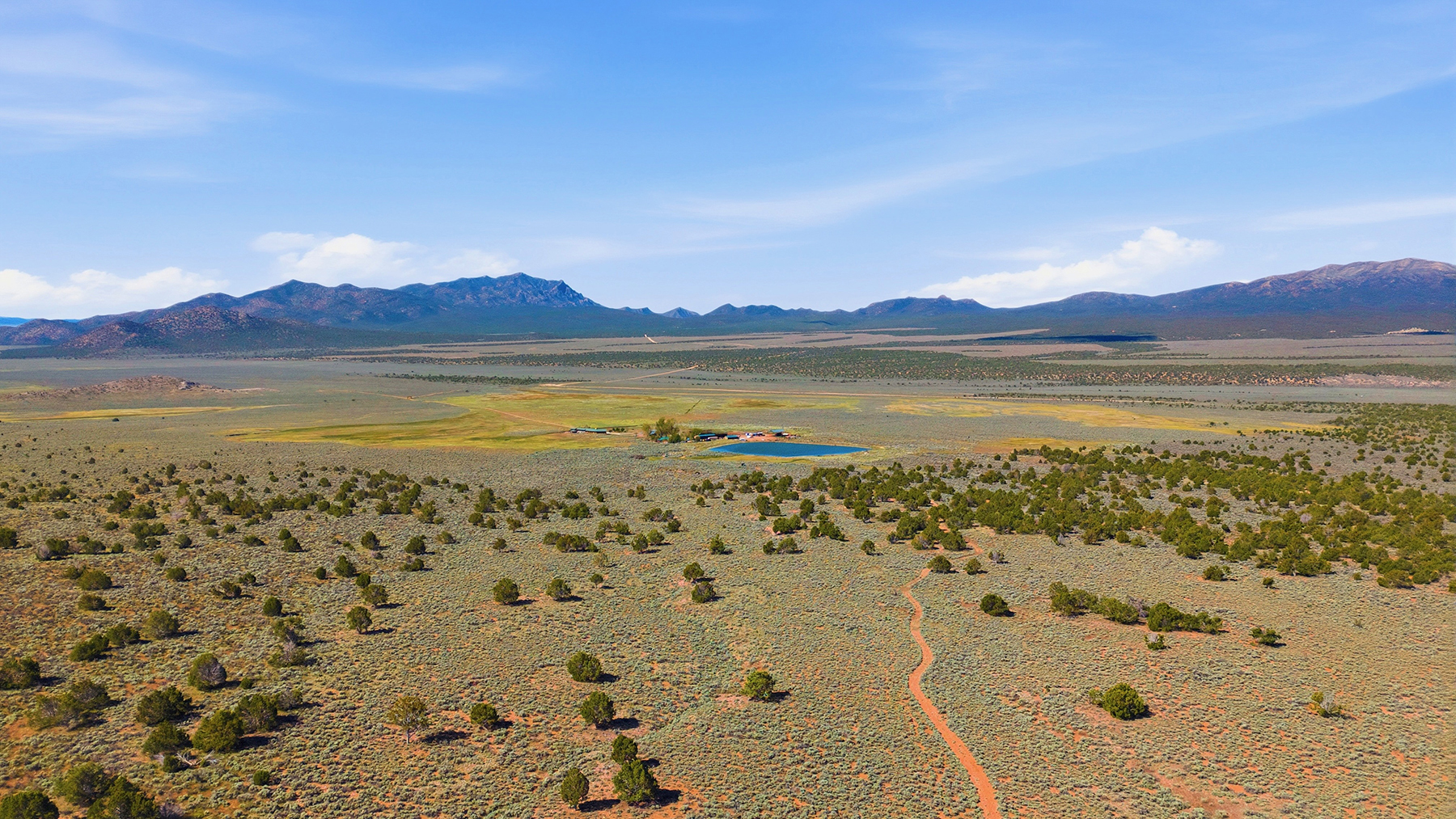
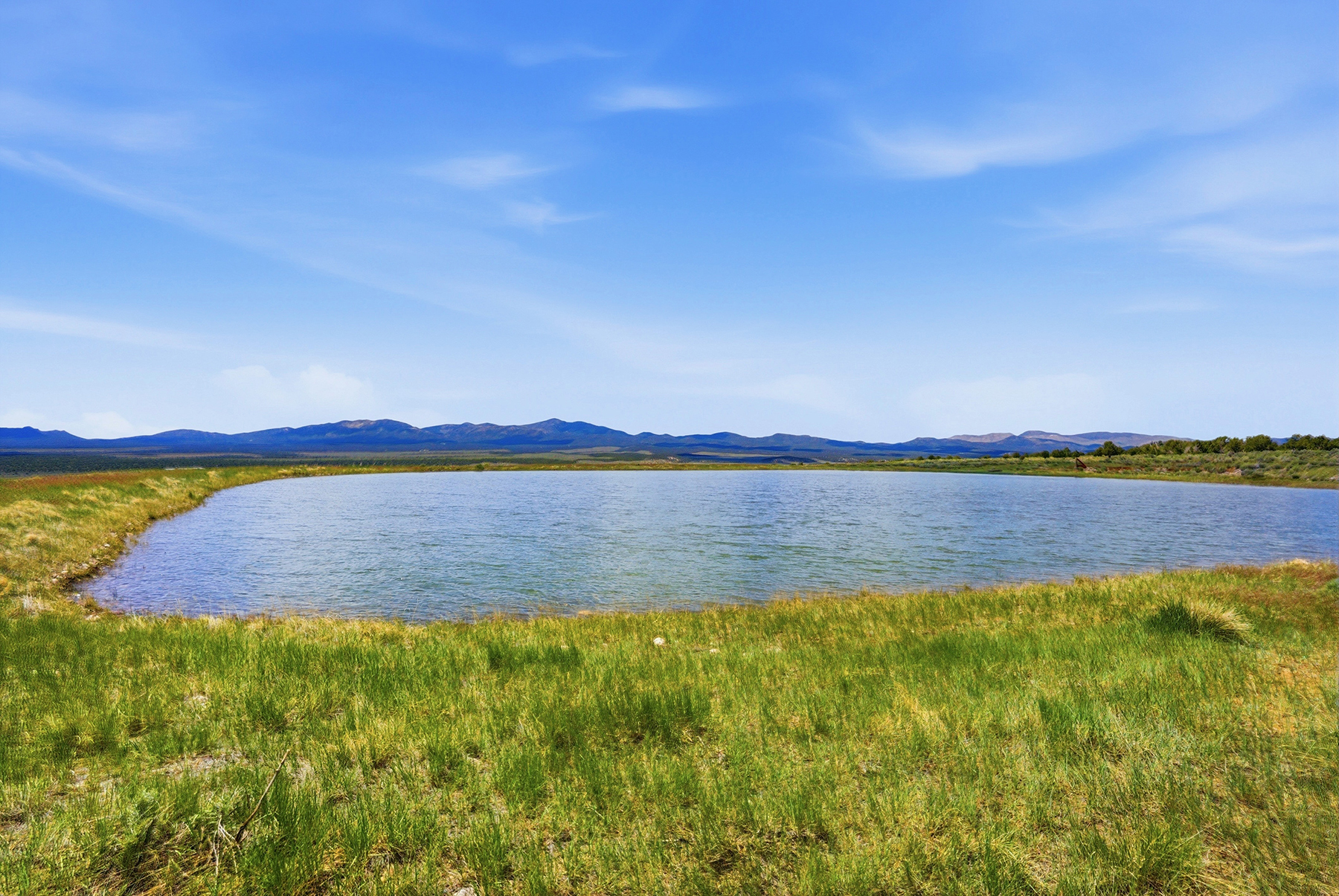
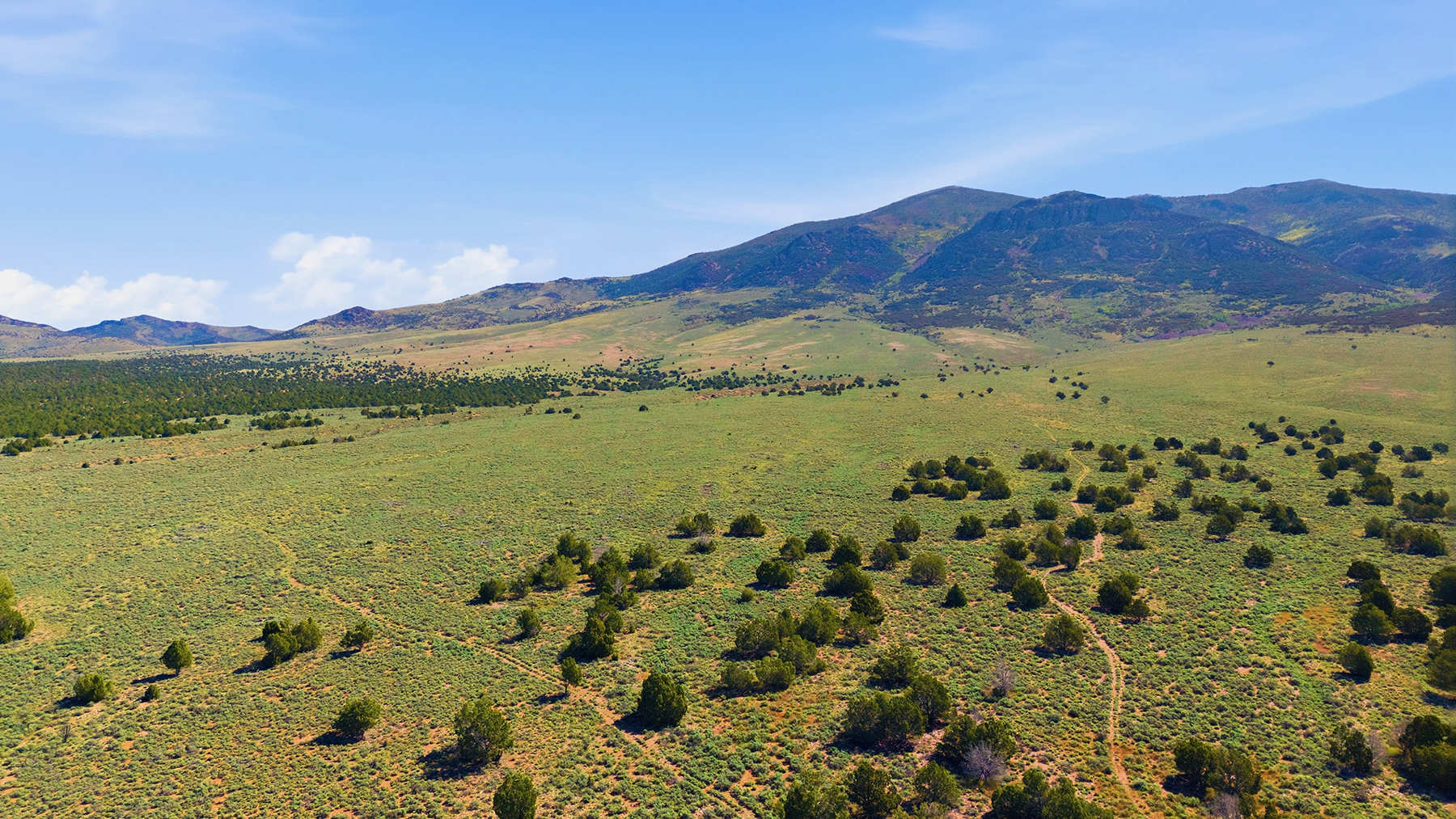
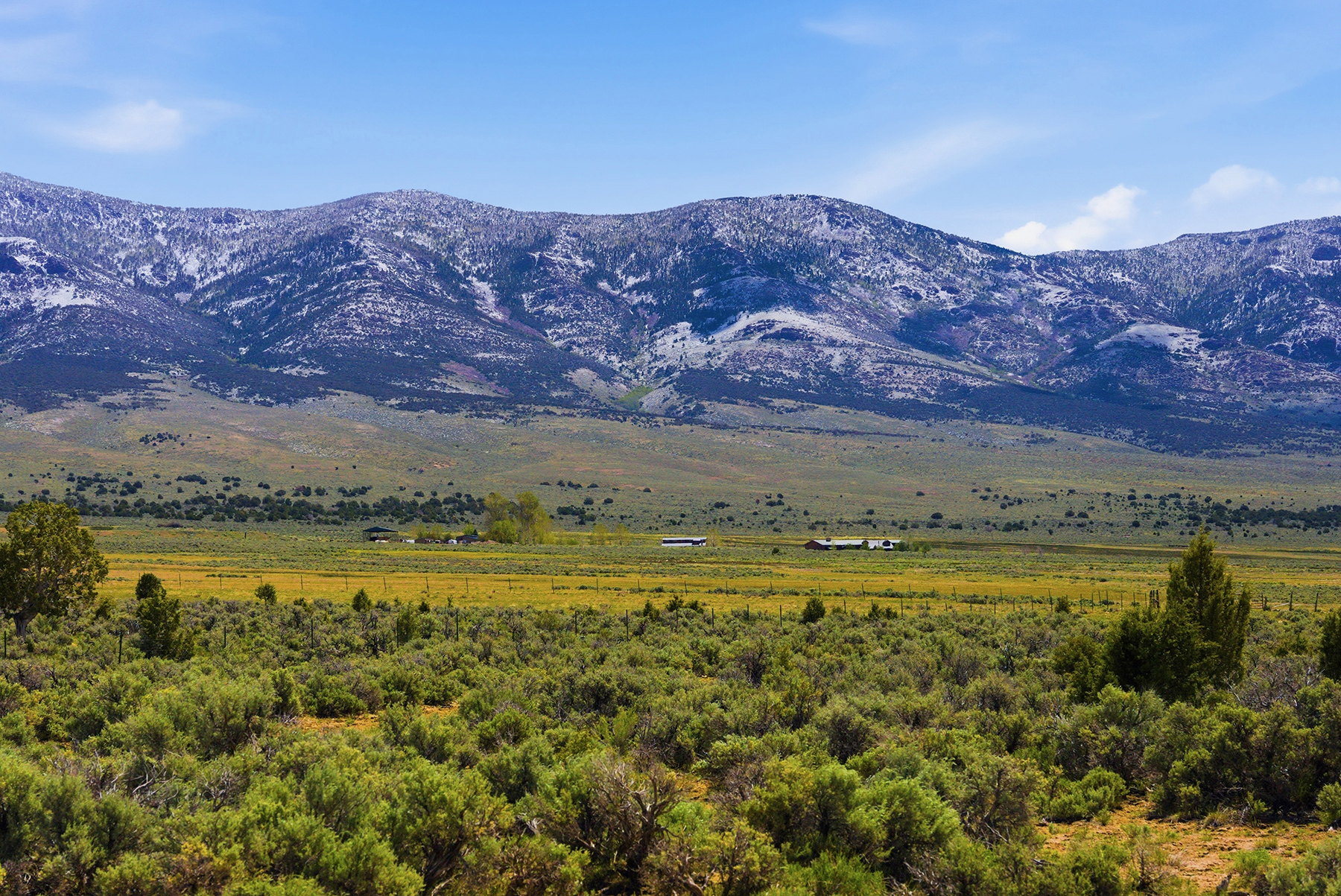
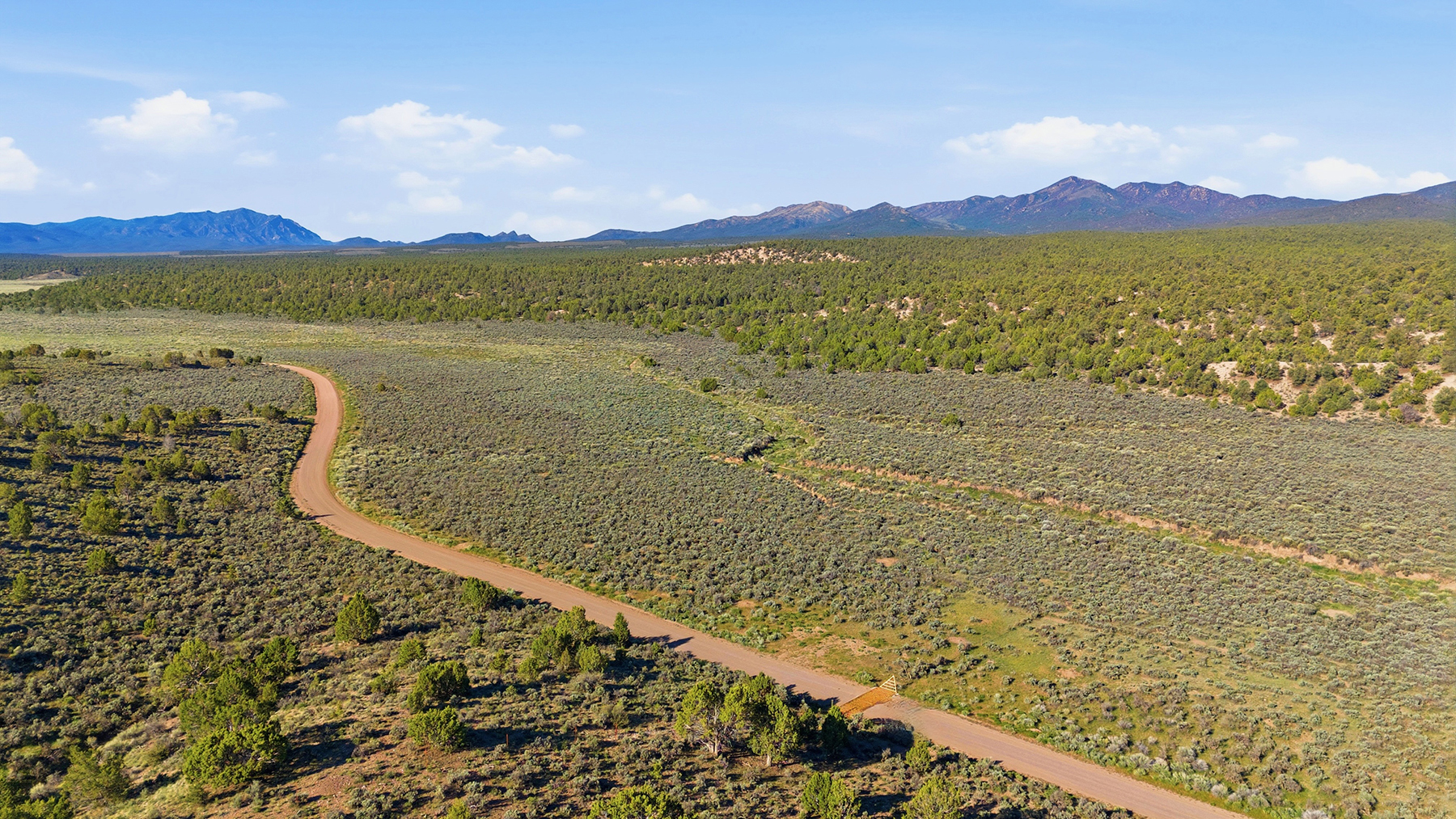
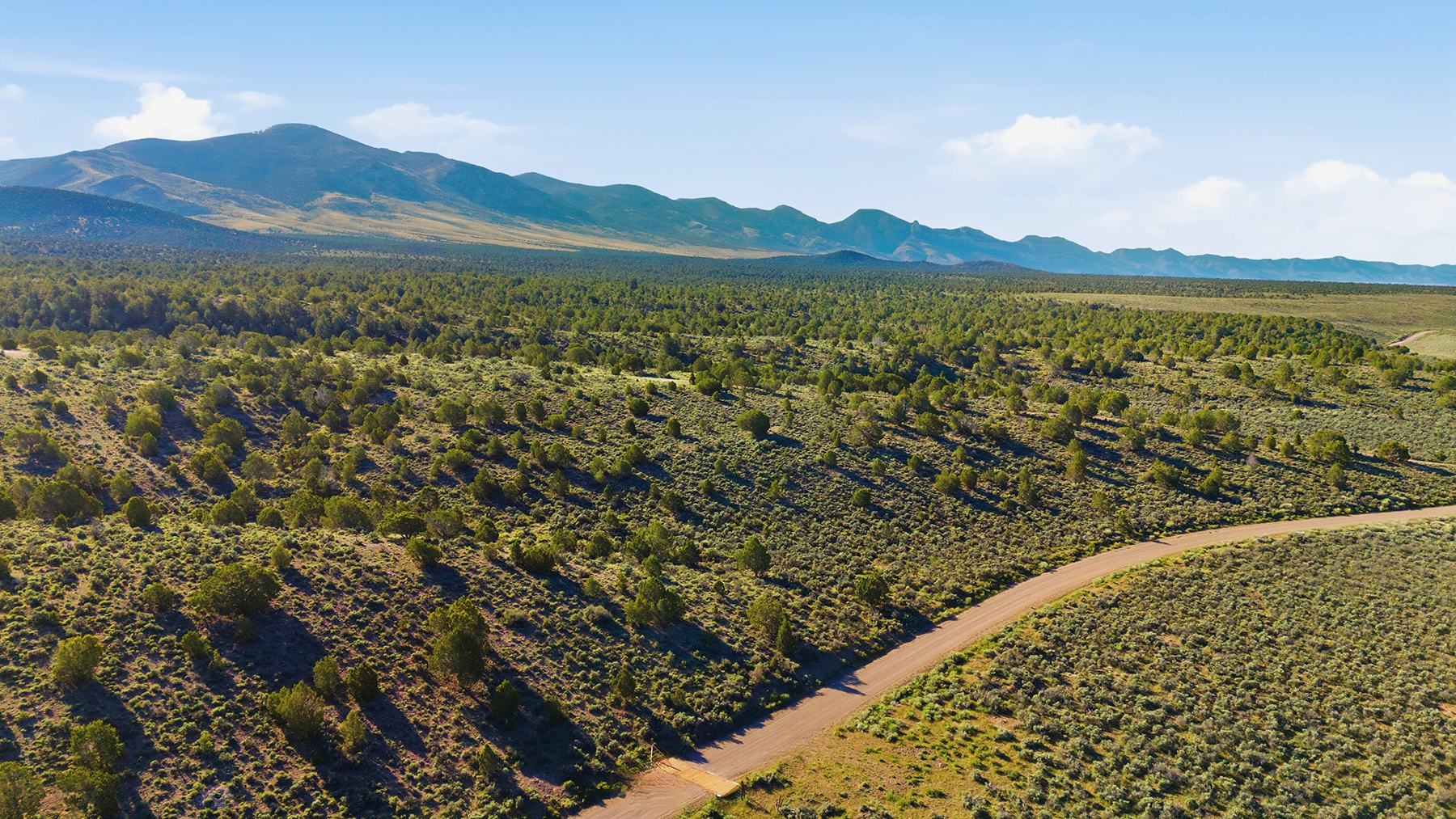
Stretching for more than 16 miles from north to south along the eastern side of Cave Valley, the ranch combines multiple parcels of deeded land with two BLM grazing allotments held by the ranch to create a single contiguous operating unit. The landscape transitions dramatically with elevation. The valley floor supports productive meadows interspersed with sagebrush flats, springs, and riparian draws. Pinion and juniper woodlands blanket the mid-elevation slopes, giving way to aspen groves, mountain mahogany, and conifer stands as the terrain climbs. The high country offers rugged canyon systems, cliffs, and open alpine ridgelines that provide cover and security for elk, mule deer, and Rocky Mountain bighorn sheep. Elevations range from 6,100 feet at the southern end of the ranch’s BLM allotments to nearly 11,000 feet atop Mount Grafton. Water is a defining characteristic of the ranch and a primary driver of its remarkable wildlife density. Springs, streams, riparian areas, and developed water sources are distributed across the property, with priority water rights dating to the 1800s.
From our experience marketing exceptional ranch properties across the American West, we have rarely encountered an offering that combines the wildlife significance, the legal hunting structure, and the management legacy of Cave Valley Ranch. Trophy elk ranches are routinely marketed with superlatives. Cave Valley Ranch has the documentation to back them up.
The ranch’s six annual landowner elk tags – valid across three of Nevada’s premier hunting units – represent a revenue-generating, transferable asset with no parallel in the public draw system. The ten-year track record of tag allocation reflects the elk density that the current owner has built through sustained, science-based habitat investment. The ranch does not merely benefit from its landscape; the ranch is actively engaged in shaping and improving it. The administrative motorized access through the Mount Grafton Wilderness is, in our experience, without precedent for a privately held hunting property and provides a management and access advantage that cannot be recreated.
The next owner will inherit not just a ranch but a functioning, proven wildlife management system with a clear trajectory toward even greater elk numbers, additional tag allocation, and deepening habitat value. Cave Valley Ranch will reward the engaged, conservation-minded owner who wishes to build on what the current owner has so capably created and stewarded.
Cave Valley Ranch is located approximately 45 miles south of Ely, Nevada, the county seat for White Pine County and nearest full-service community, with lodging, restaurants, retail outlets, a hospital, and a jet-capable general aviation airport featuring a 6,017’ x 150’ runway and a fixed-based operation, Ely Jet Center. The property lies within Cave Valley, a secluded, high desert basin flanked by the South Egan Range Wilderness to the west and the Mount Grafton Wilderness to the east. White Pine County Road 45 traverses the valley, providing convenient year-round access to the ranch from U.S. Highway 93. The closest commercial airports are in Las Vegas and St. George, Utah, each approximately 200 miles from the ranch. Salt Lake City and its commercial airport are approximately 285 miles northeast of the ranch.
Cave Valley Ranch stretches across southern White Pine County and northern Lincoln County, two of the largest counties in the United States by land area, yet home to fewer than 15,000 residents. This is the authentic Great Basin – an expansive landscape of massive, north-south trending mountain ranges separated by broad, high-elevation valleys. The counties boast some of the darkest night skies in the continental United States and are home to millions of acres of wild public lands managed by the Bureau of Land Management (BLM) and the Humboldt-Toiyabe National Forest.
Ely is the hub of the region and a genuine western community offering the full range of commercial, health care, and aviation services necessary to support the ranch. The local economy is largely dependent on mining and livestock ranching, although a growing tourism and outdoor recreation sector is emerging given Ely’s proximity to historic sites and world-class public lands, including Great Basin National Park. Located about 75 miles northwest of Cave Valley Ranch, Great Basin National Park is one of two national parks in Nevada and is famous for its ancient bristlecone pines (some over 4,000 years old), stunning subterranean formations of Lehman Caves, and 13,063-foot Wheeler Peak, home to Nevada’s only glacier.
Cave Valley Ranch spans elevations from approximately 6,100 to nearly 11,000 feet, producing significant variation in temperature and snowpack across the ranch. The regional climate is semi-arid high desert characterized by warm, dry summers with cool nights, cold winters with significant high-country snowpack, and abundant sunshine year-round. Total annual precipitation is approximately ten inches. The region’s average daytime high from December through February (the coldest months of the year) is 41 degrees, while the average winter low is about 13 degrees. Summers are warm with temperatures consistently reaching the upper 80s and low 90s during July and August, and cooling to the low 50s at night.
It is estimated that Cave Valley Ranch consists of over 45,000 total acres, including 3,460± acres of deeded land and two associated BLM grazing allotments covering 42,000± acres.
Conservation Easement: Eight deeded parcels totaling approximately 1,160 acres are protected by a conservation easement held by the Rocky Mountain Elk Foundation. The easement permits ongoing agricultural uses and water development while preserving the wildlife habitat values that underpin the ranch’s landowner tag program.
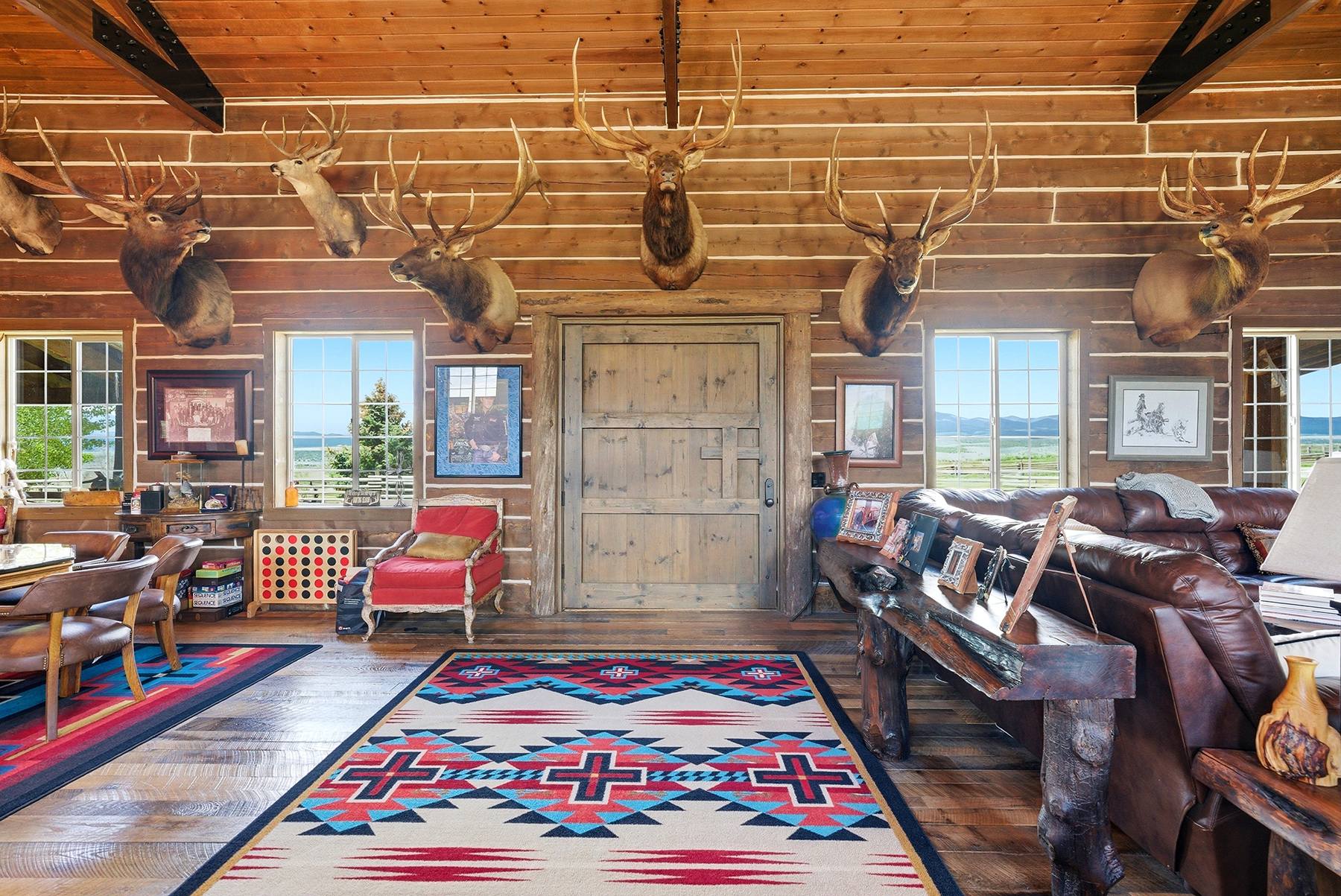
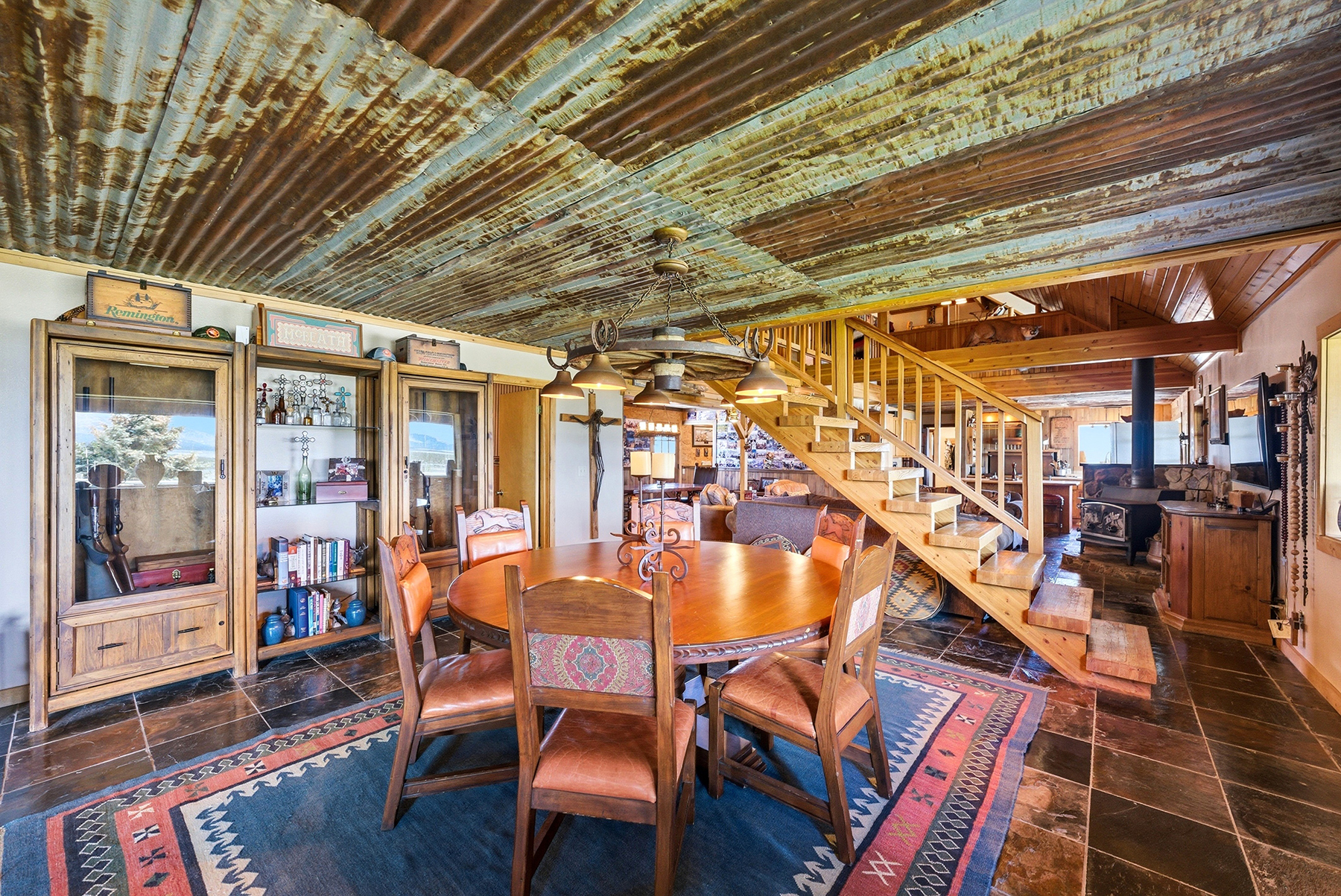
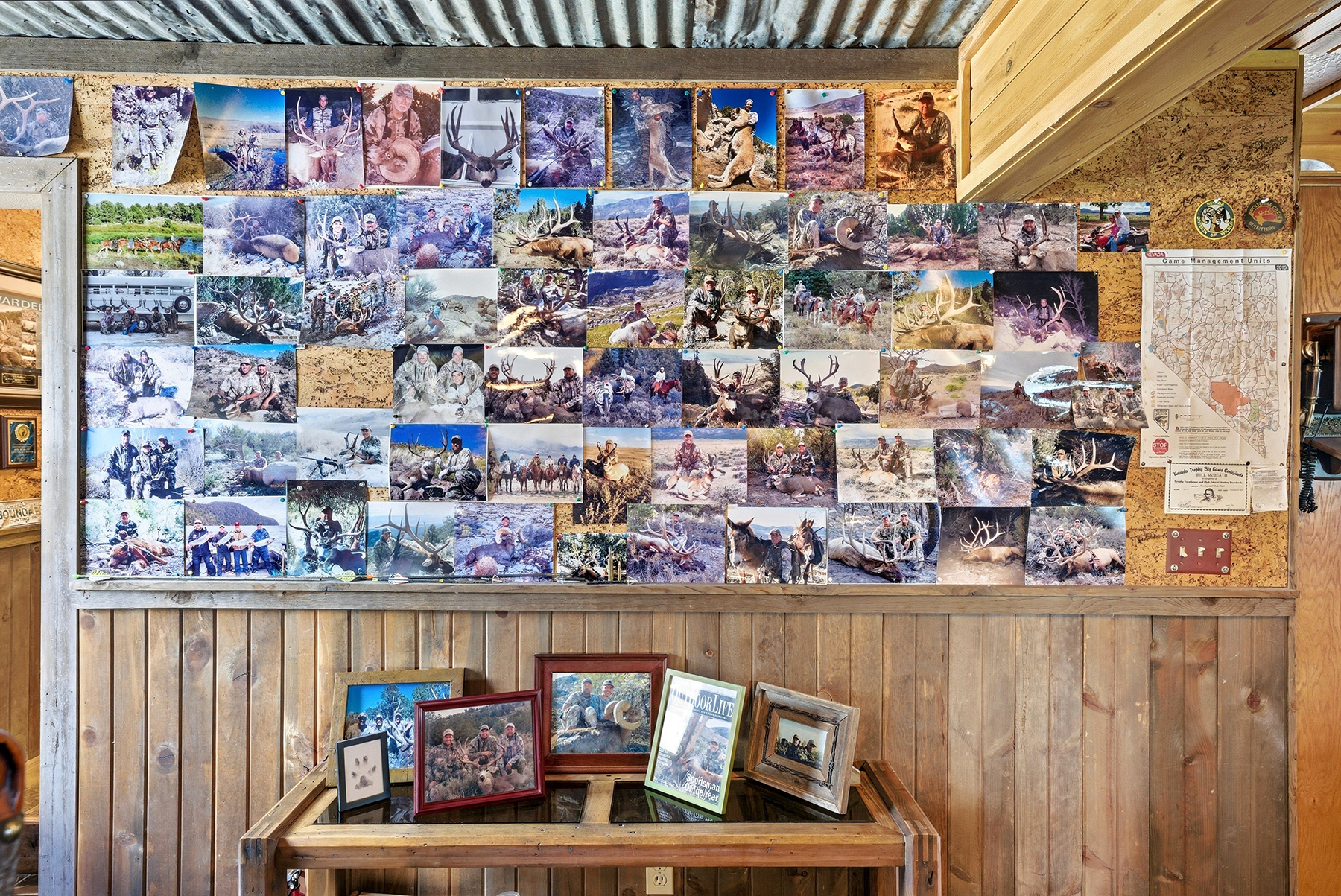
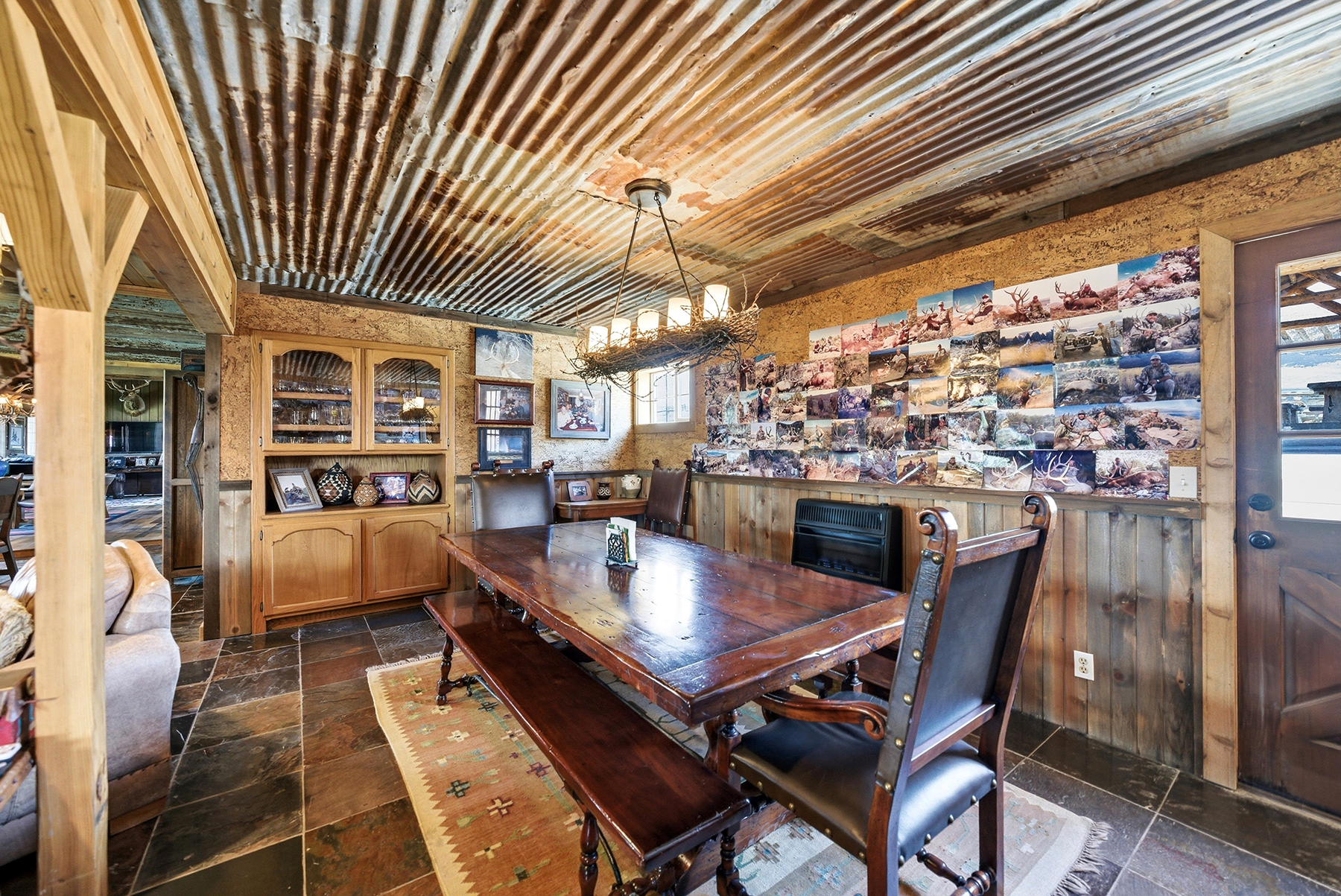
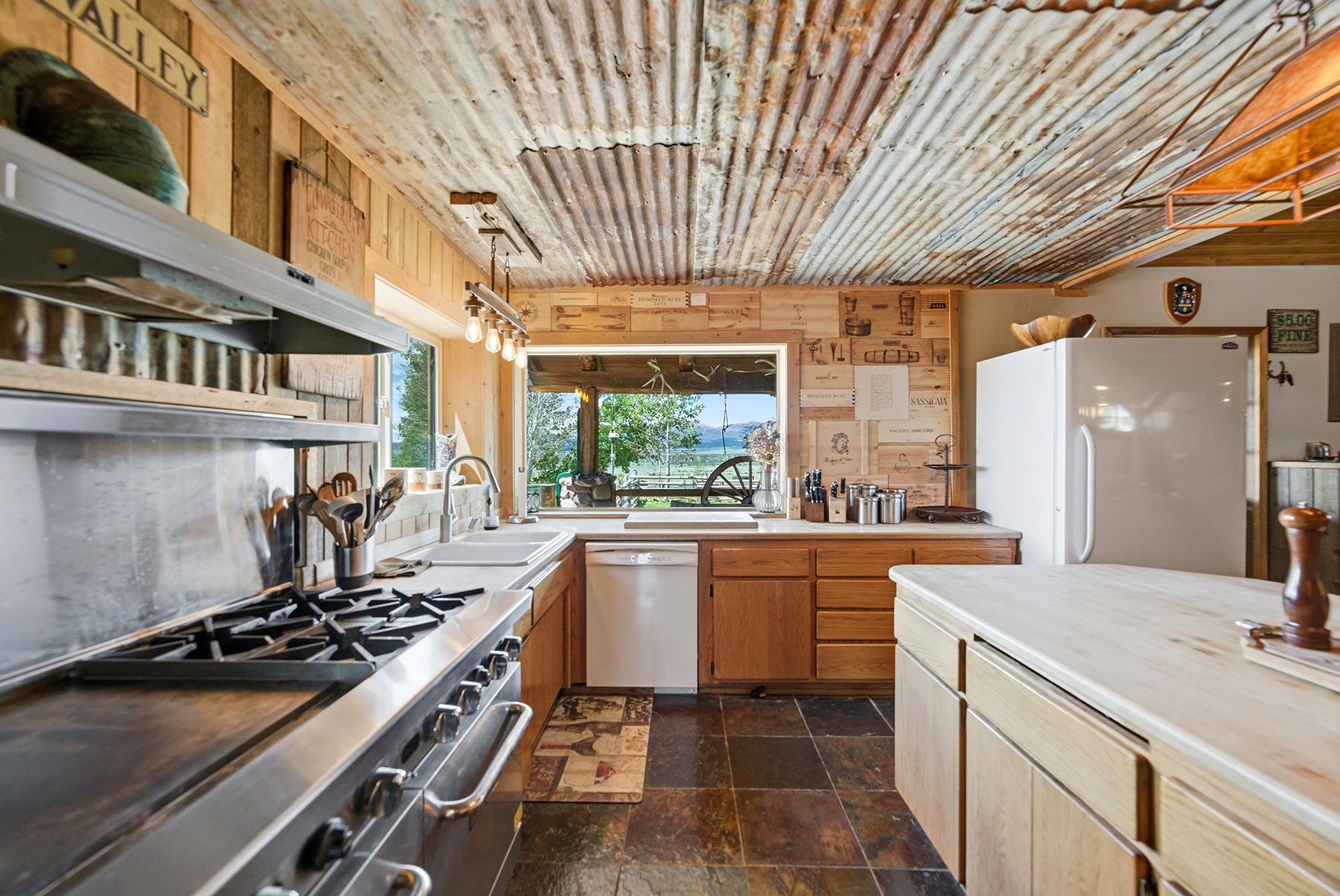
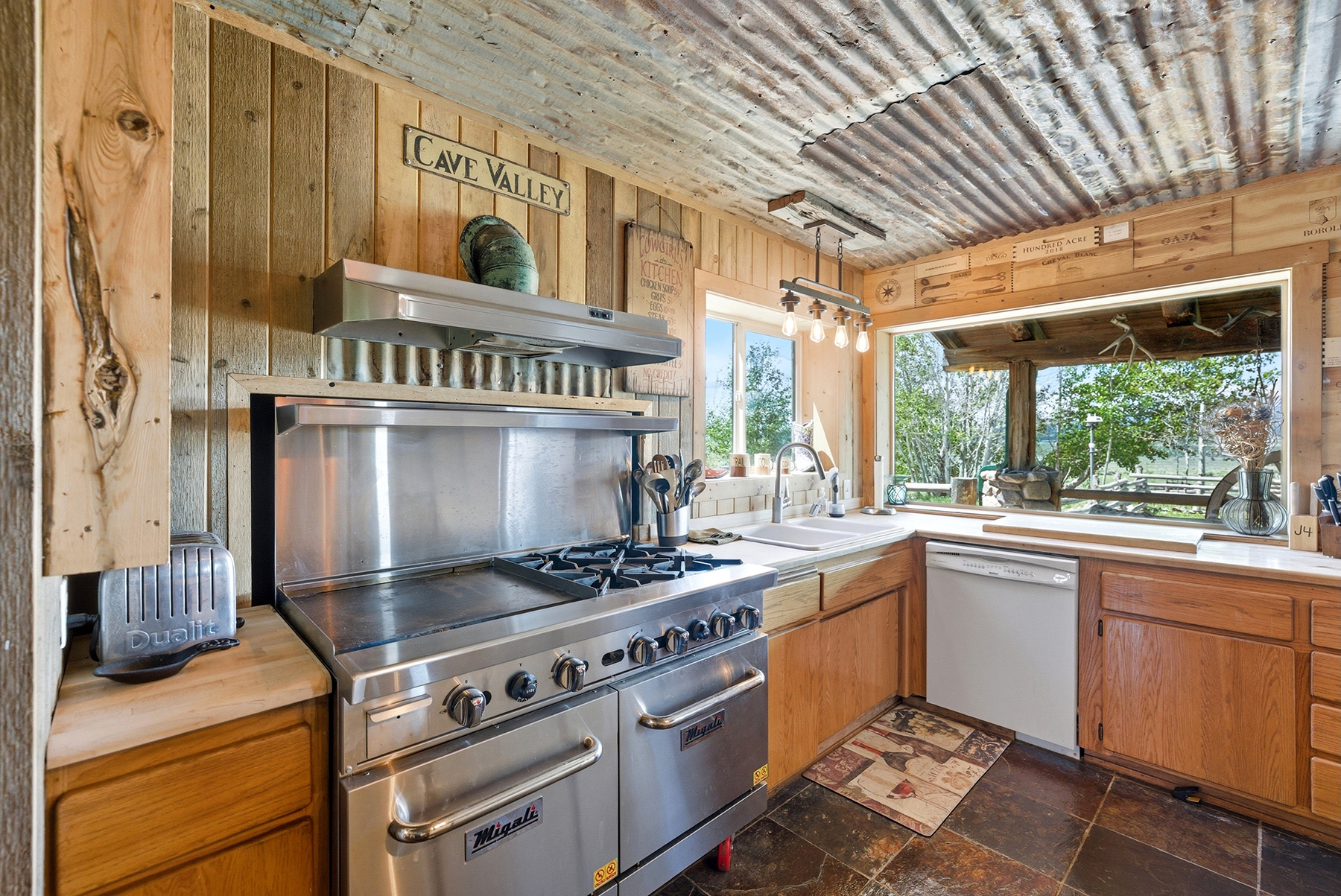
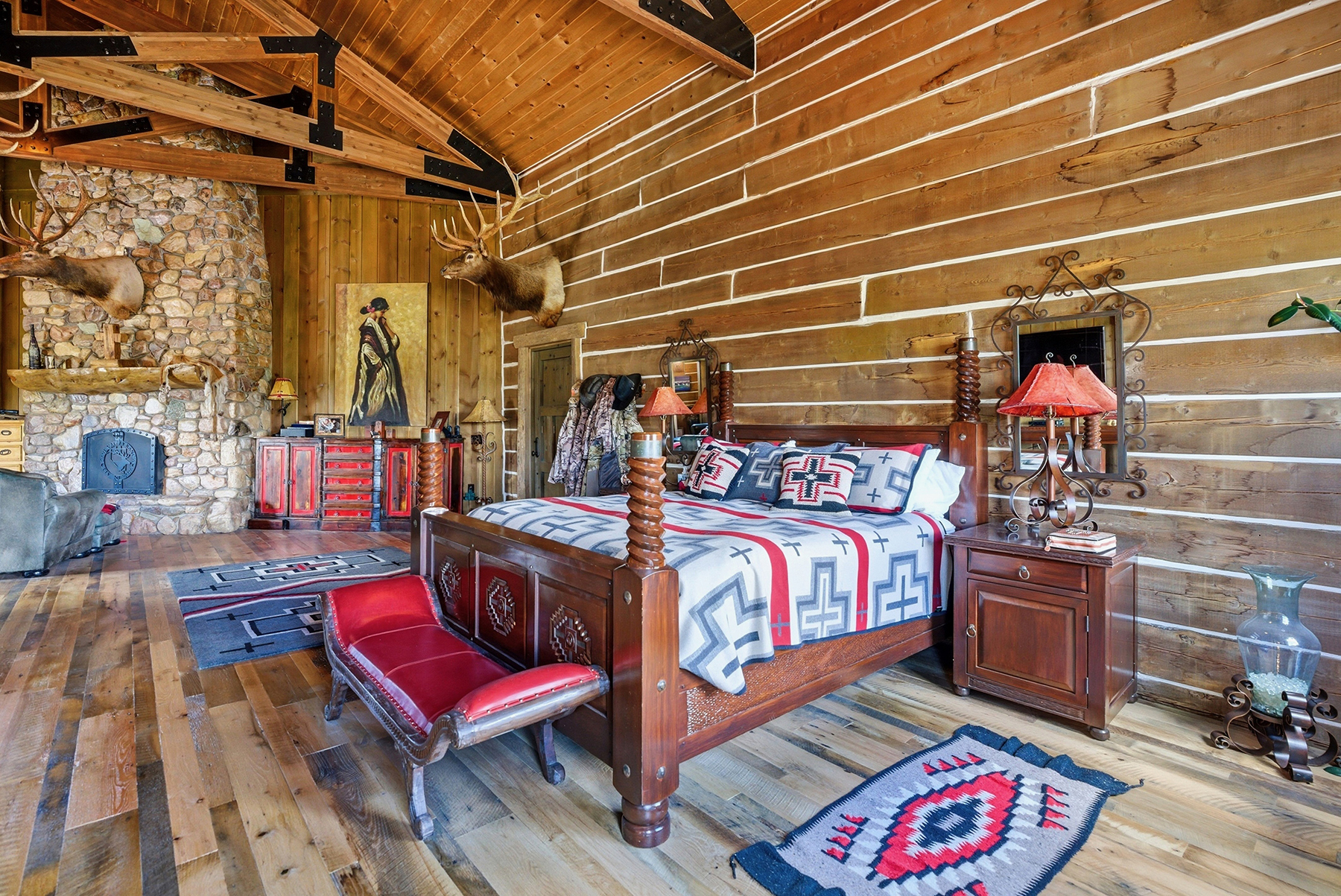
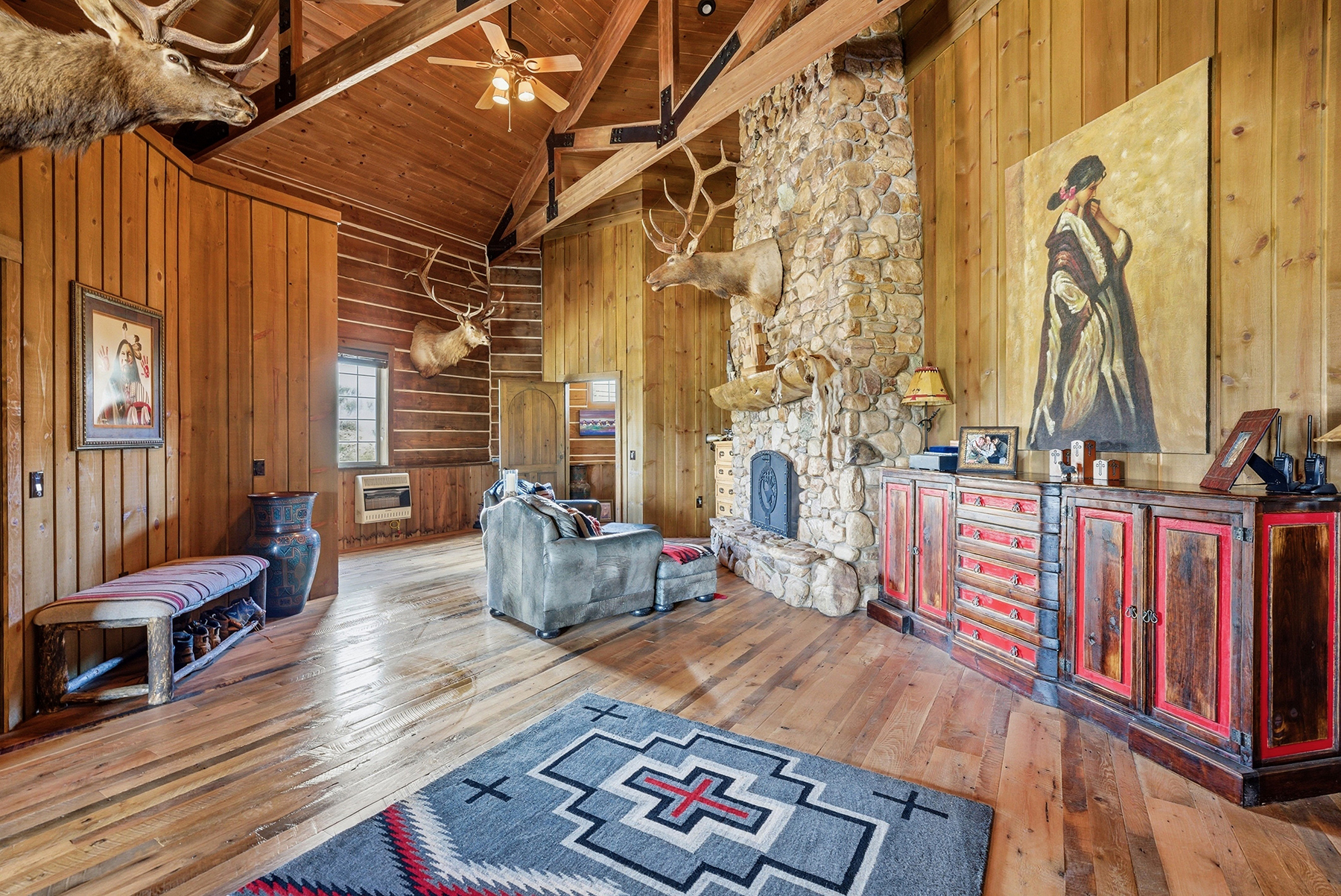
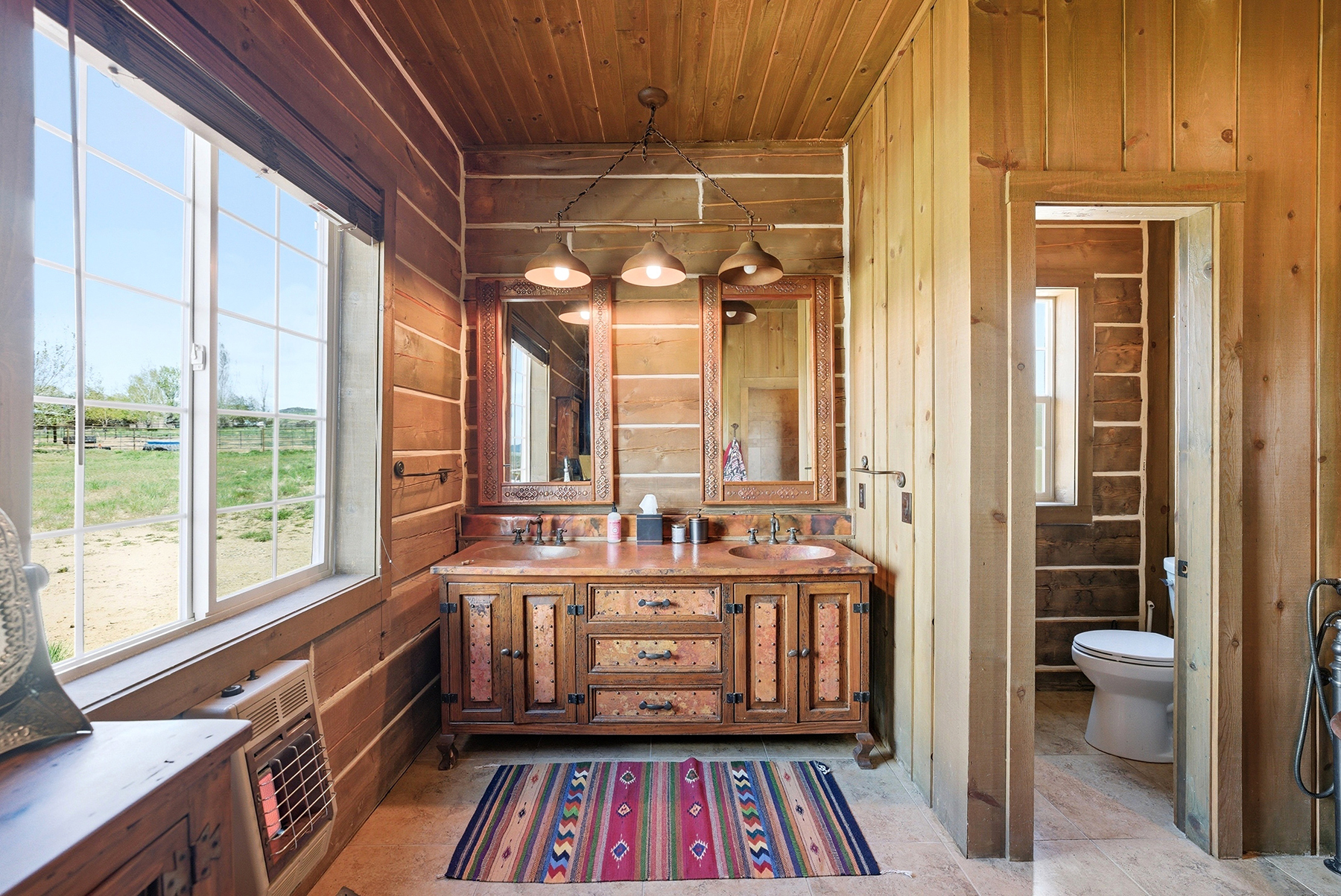
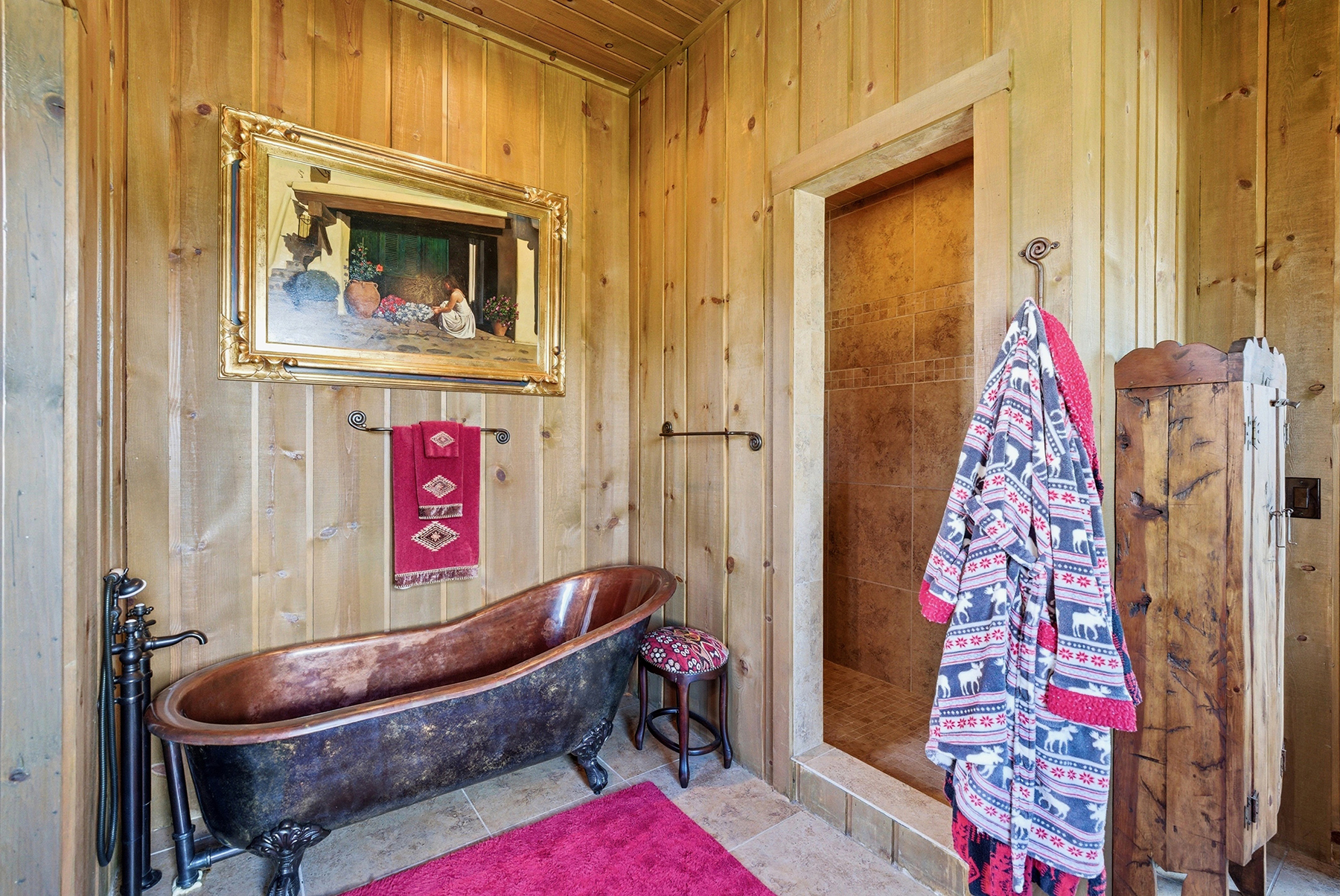
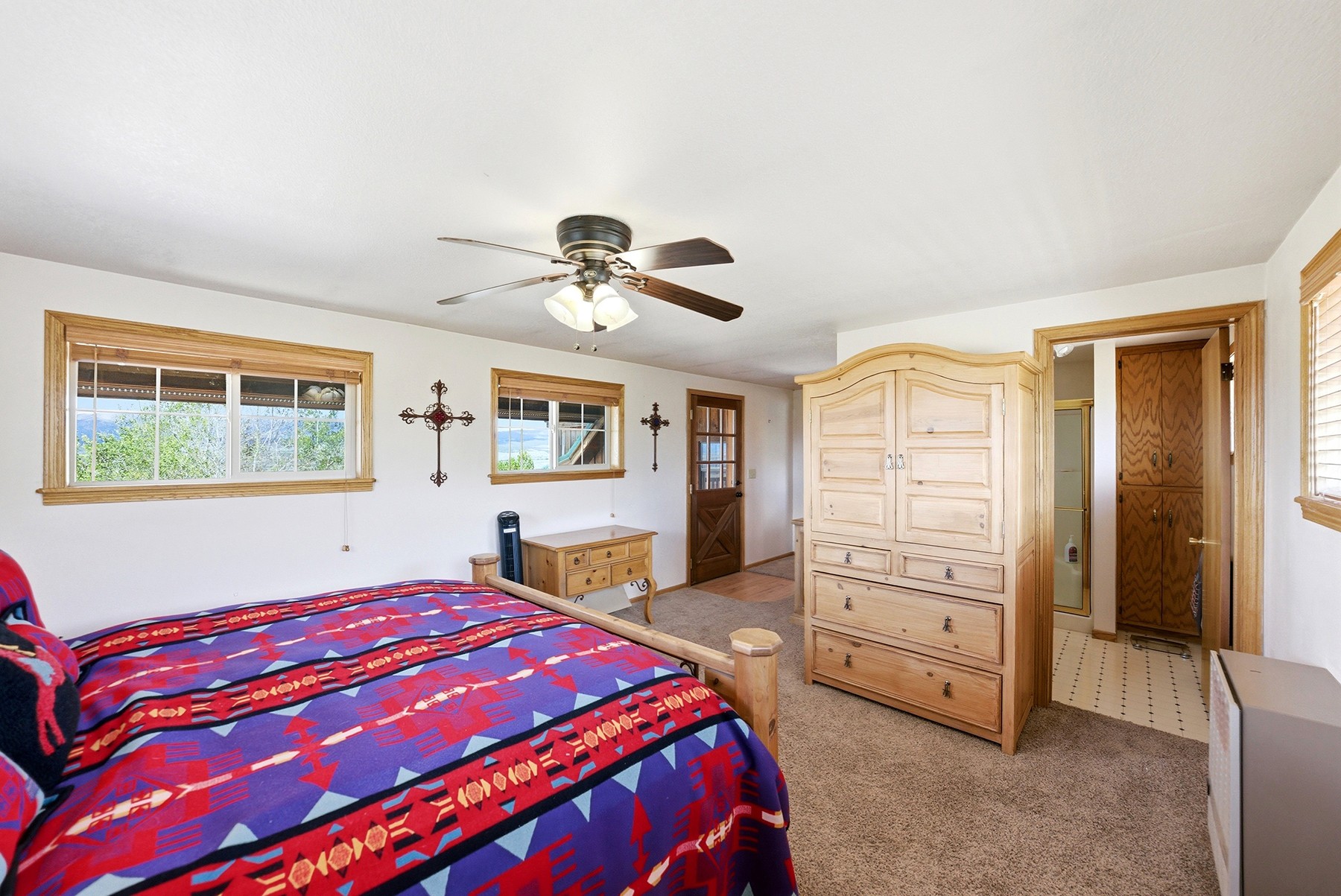
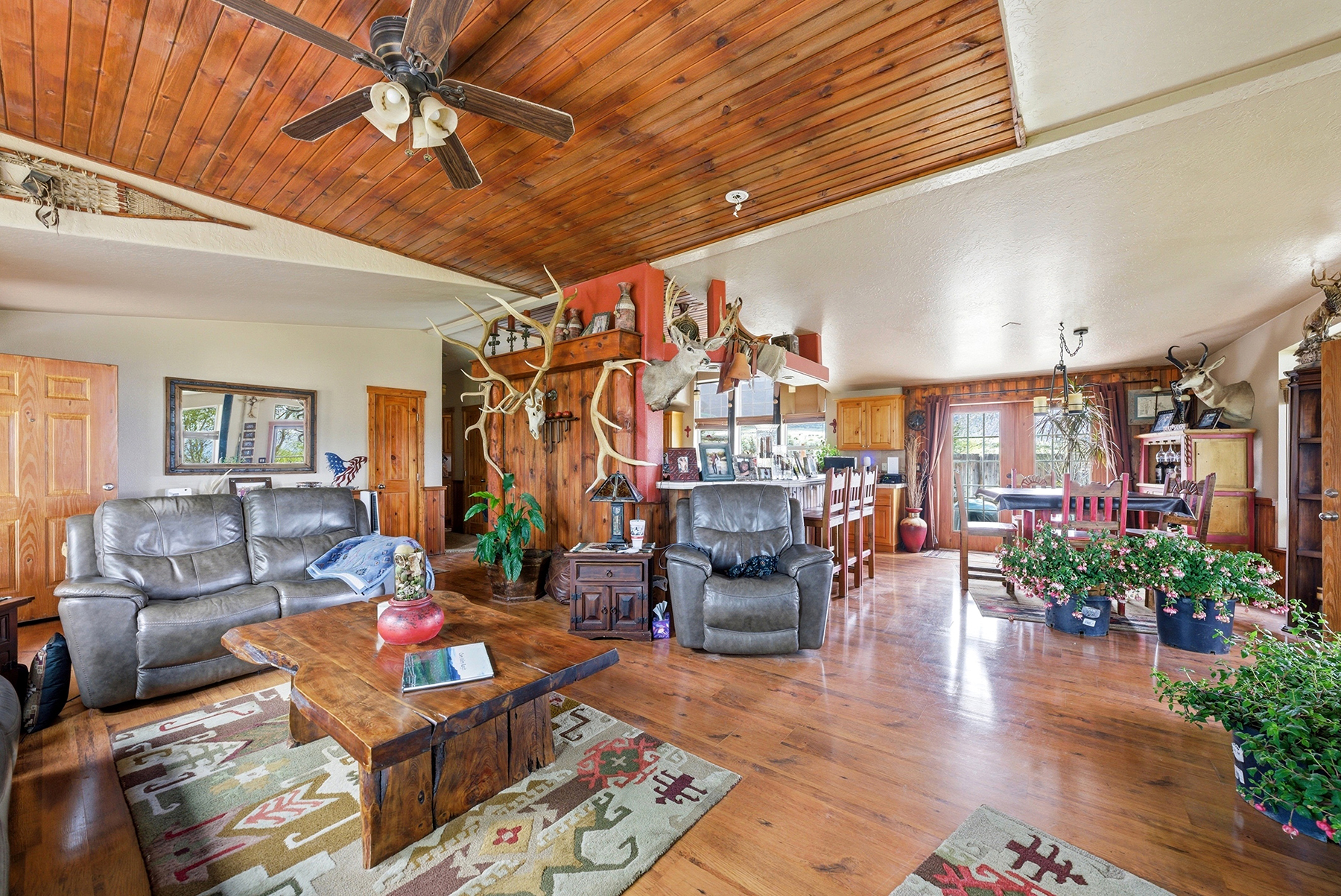
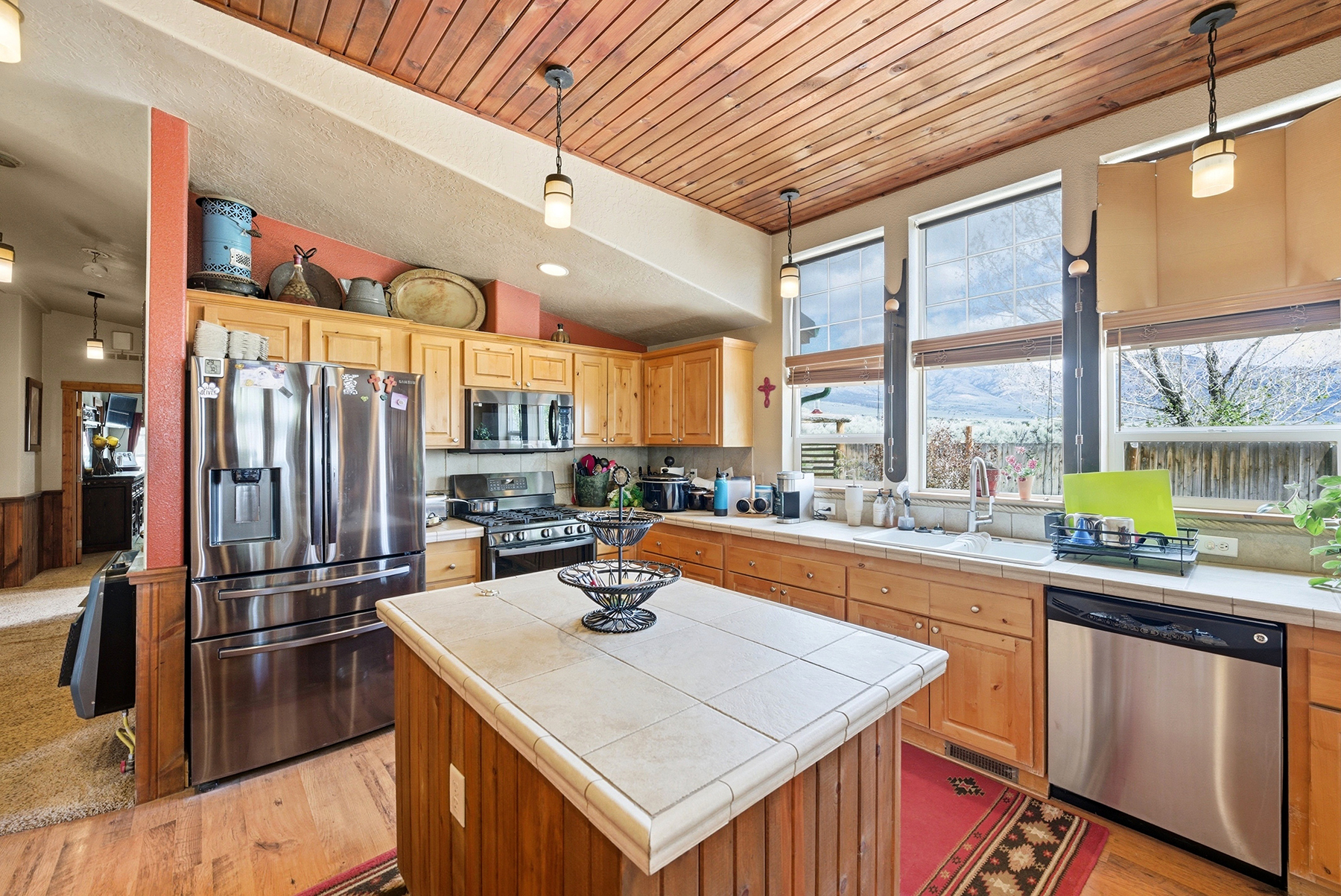
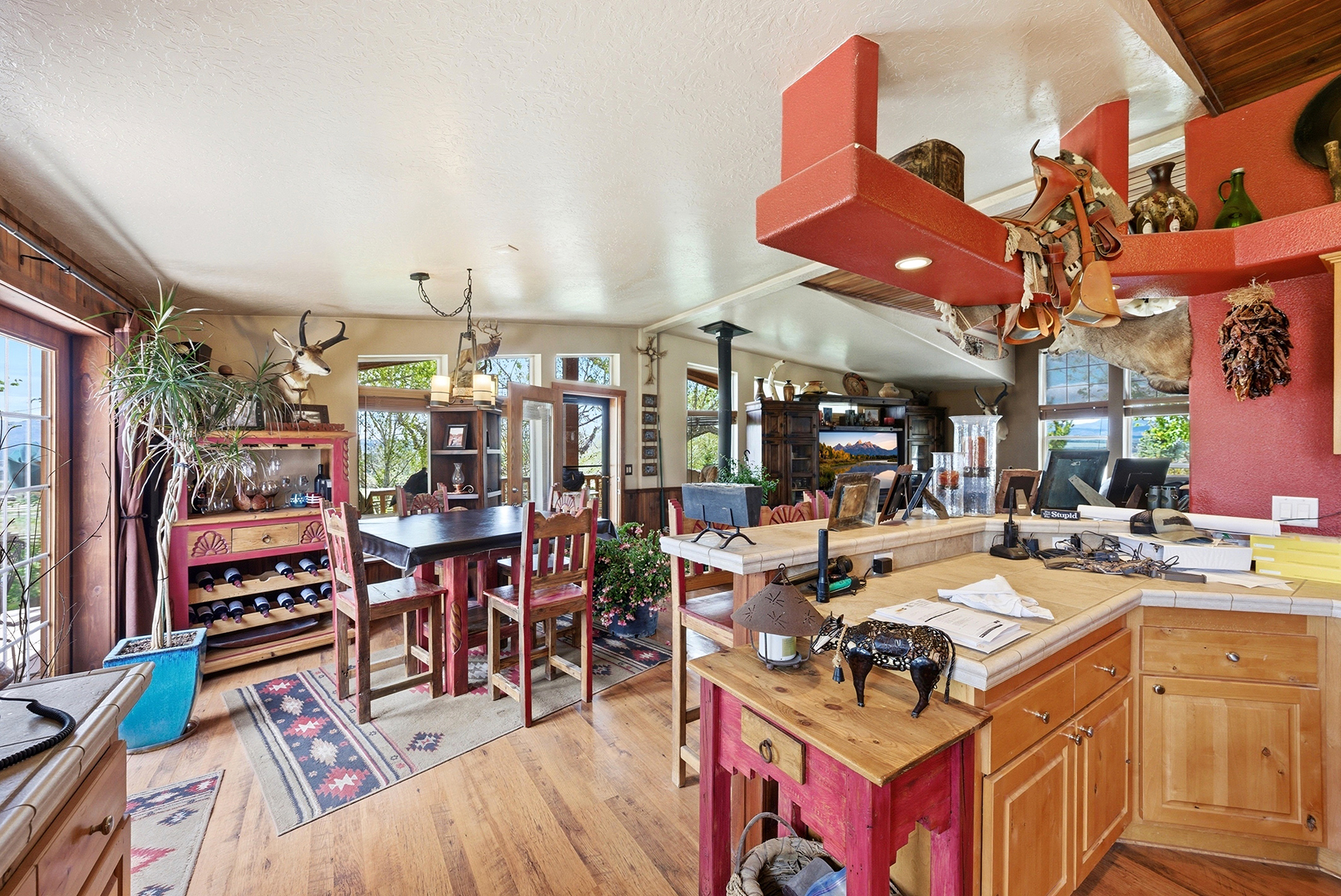
The well-appointed and well-maintained ranch headquarters is centrally located beneath the 11,000-foot face of Mount Grafton, with improvements positioned to capture the views and seclusion the setting affords. The centerpiece of the headquarters is a 5,900±-square-foot log lodge with seven bedrooms, six bathrooms, a custom bar and entertainment area, and generous outdoor living space with expansive views across the valley to the Egan Range. The interior of the lodge reflects the hunting legacy of the ranch, with trophy mounts throughout and the character and craftsmanship of a serious high-end hunting destination.
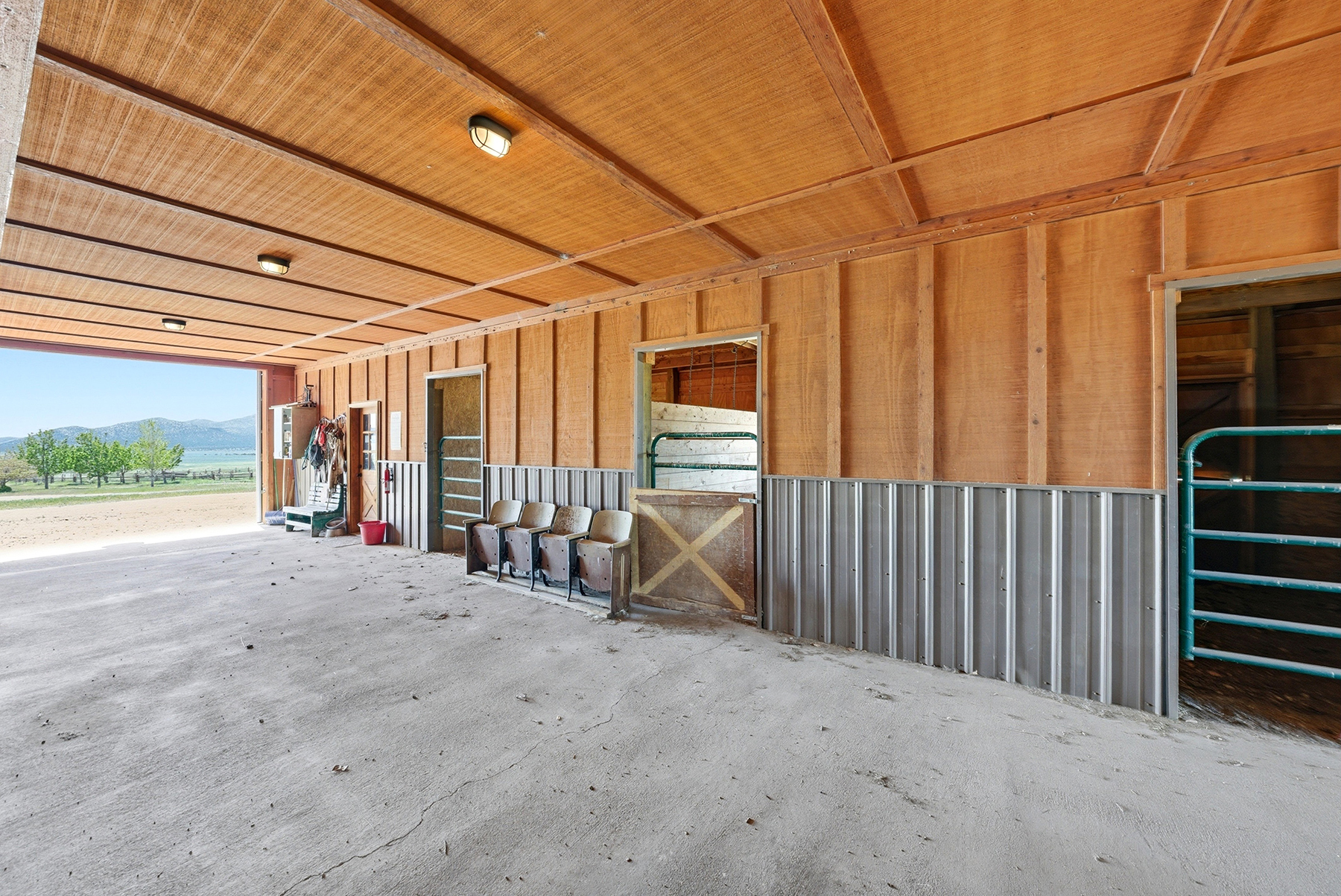
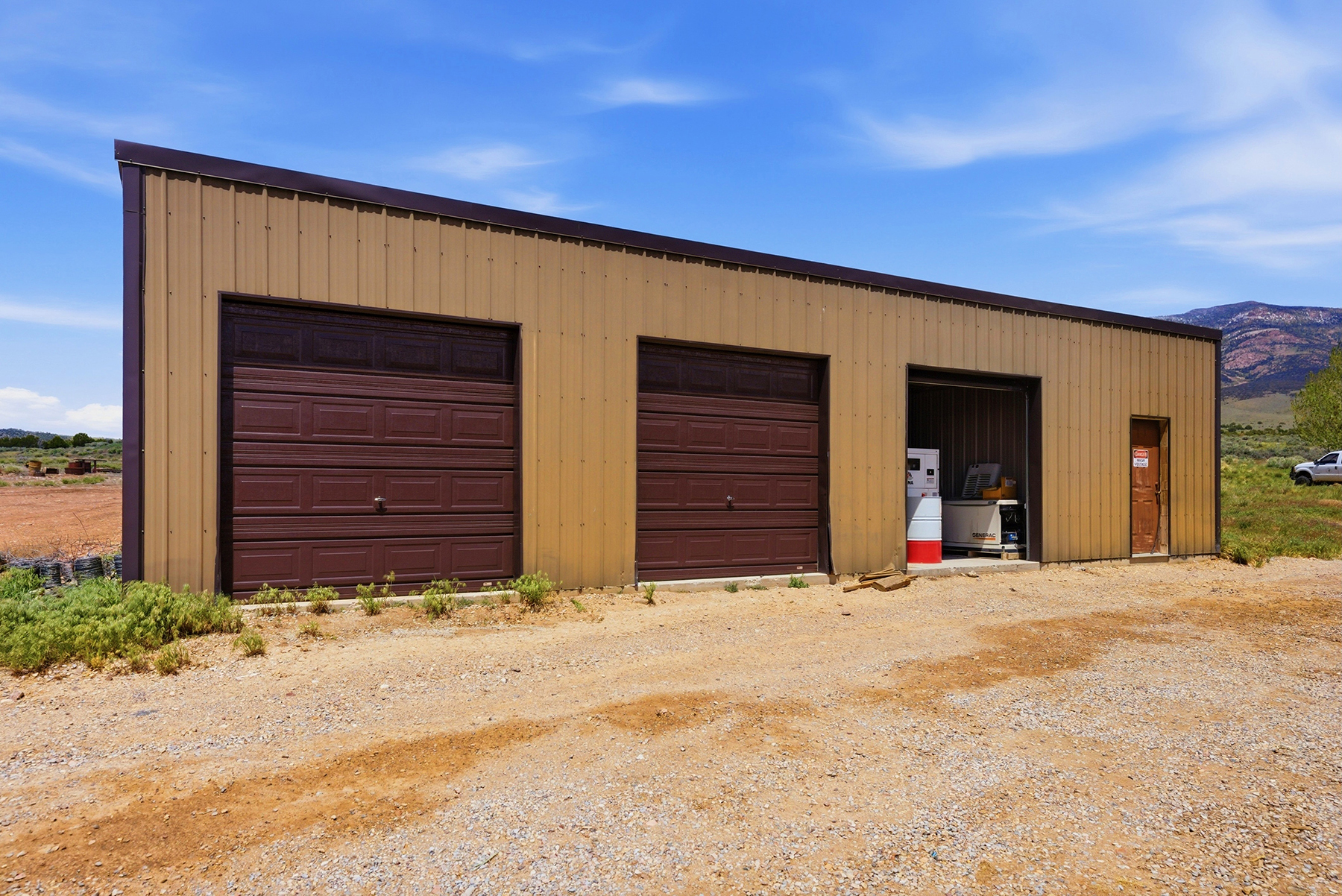
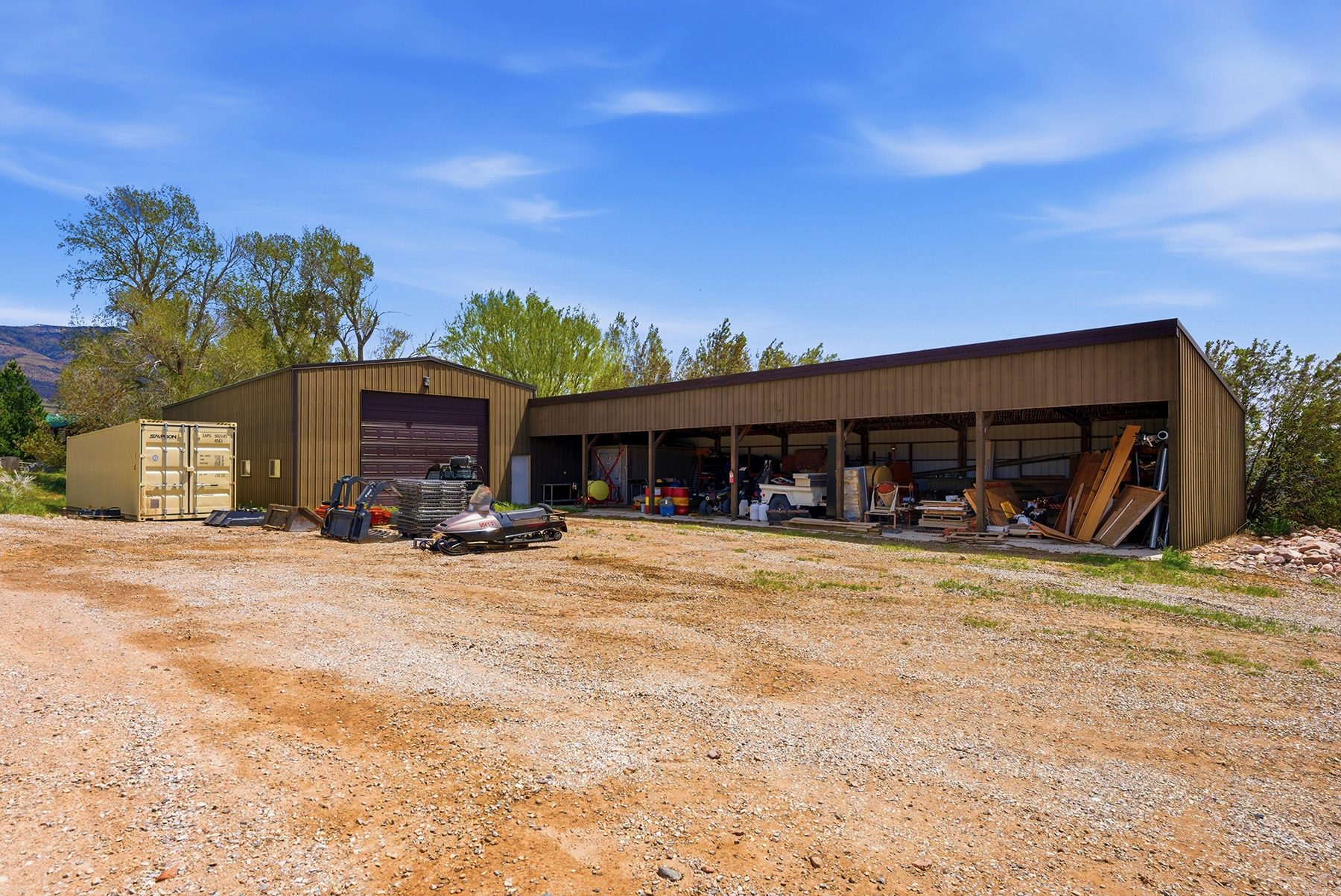
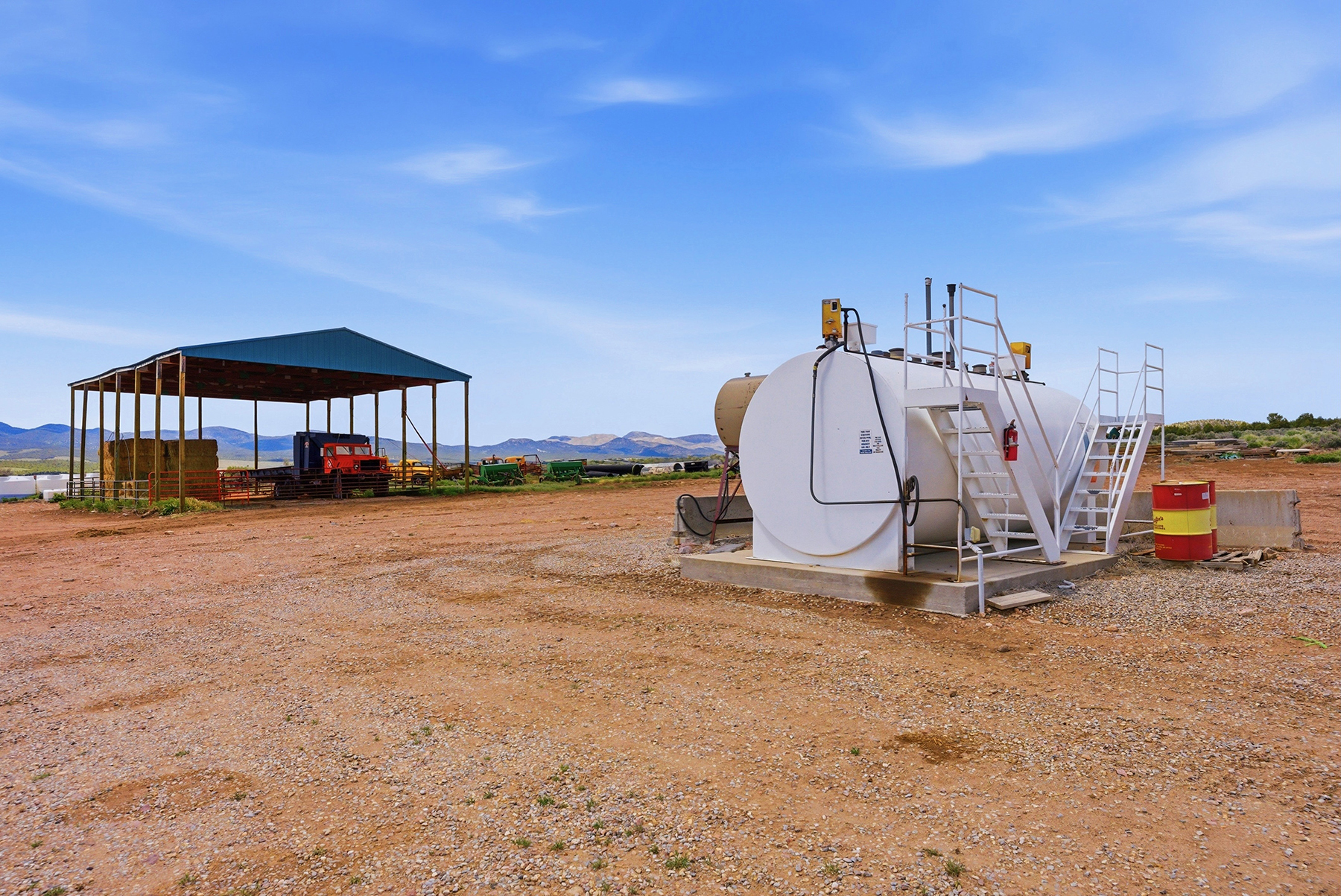
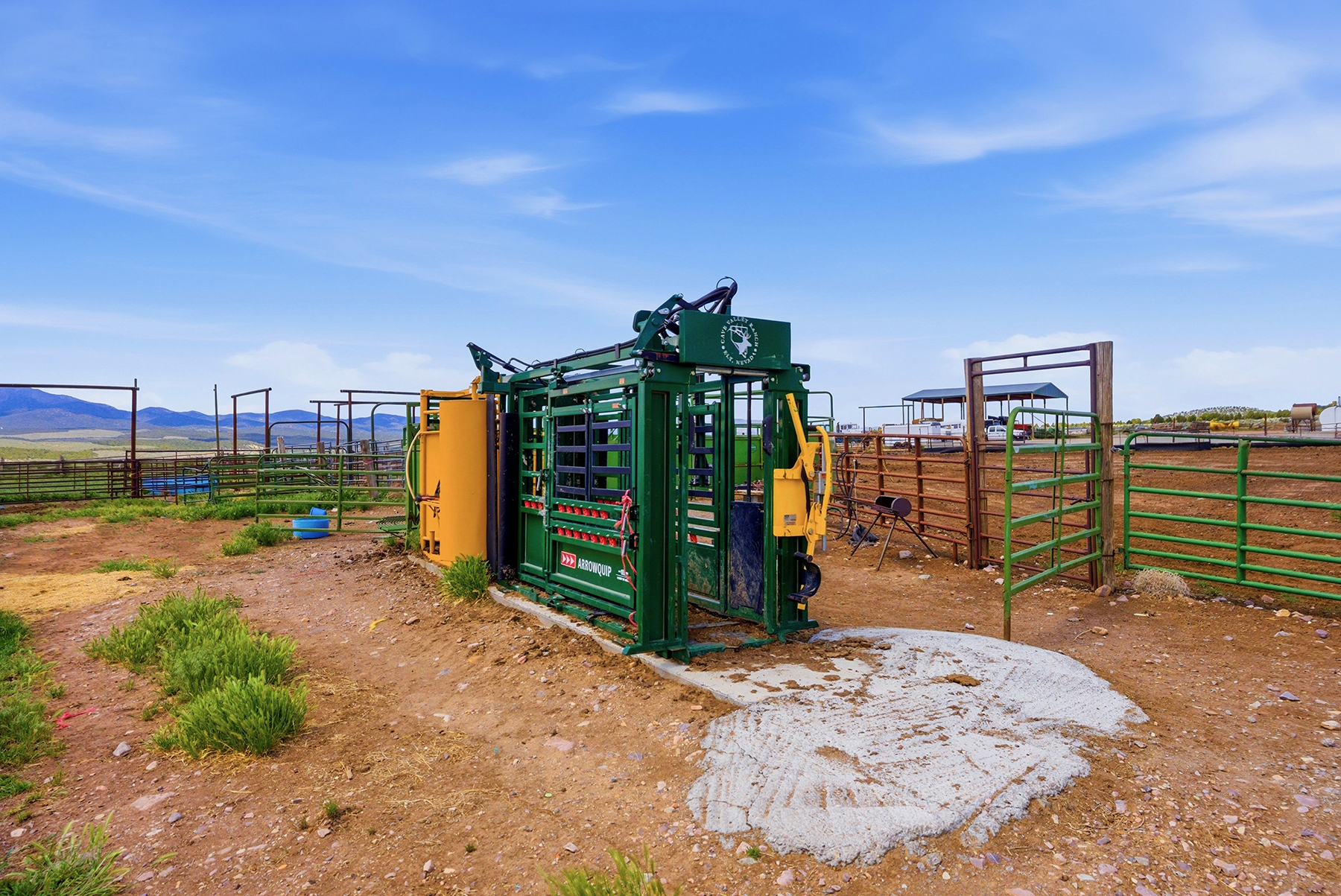
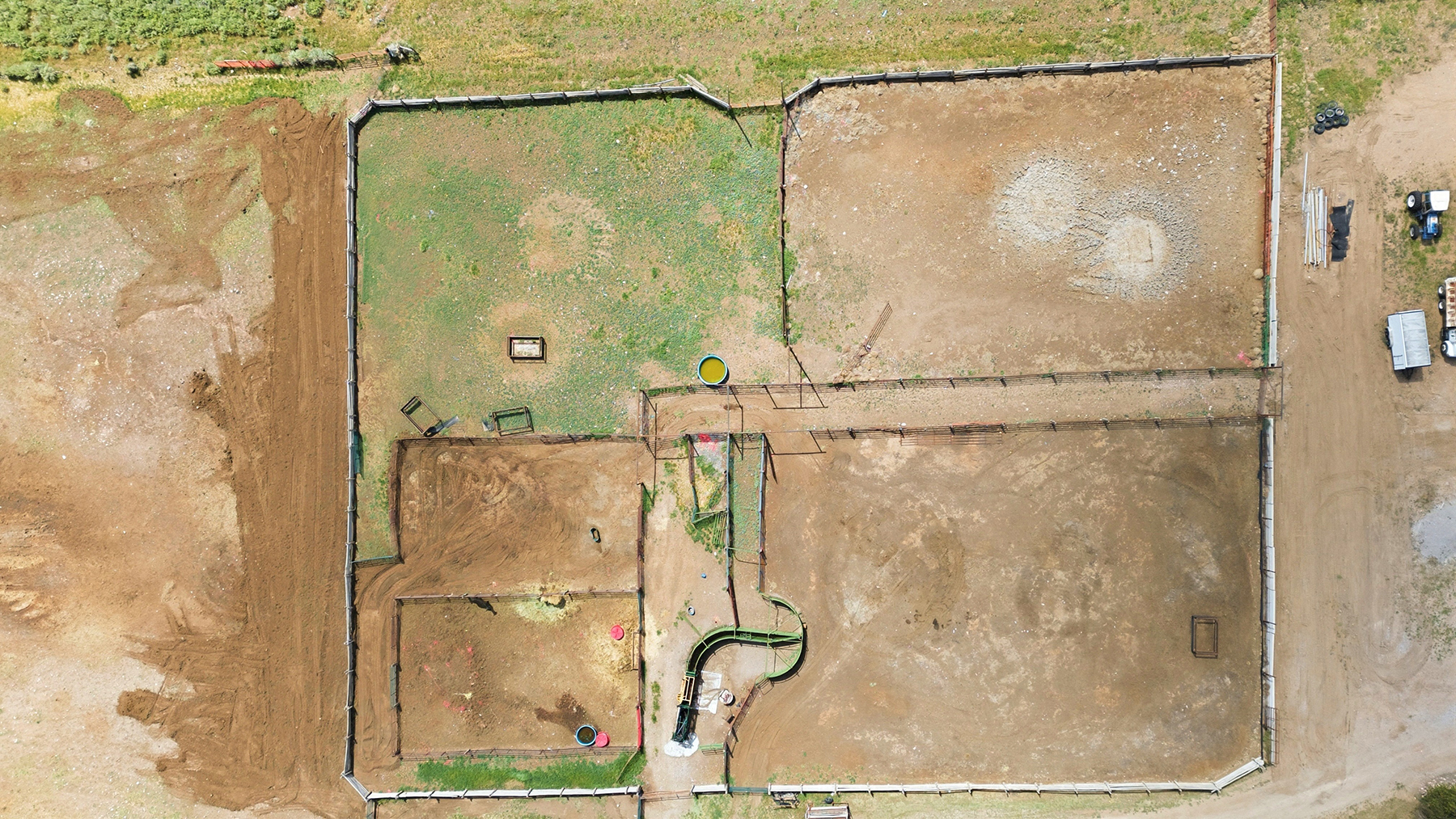
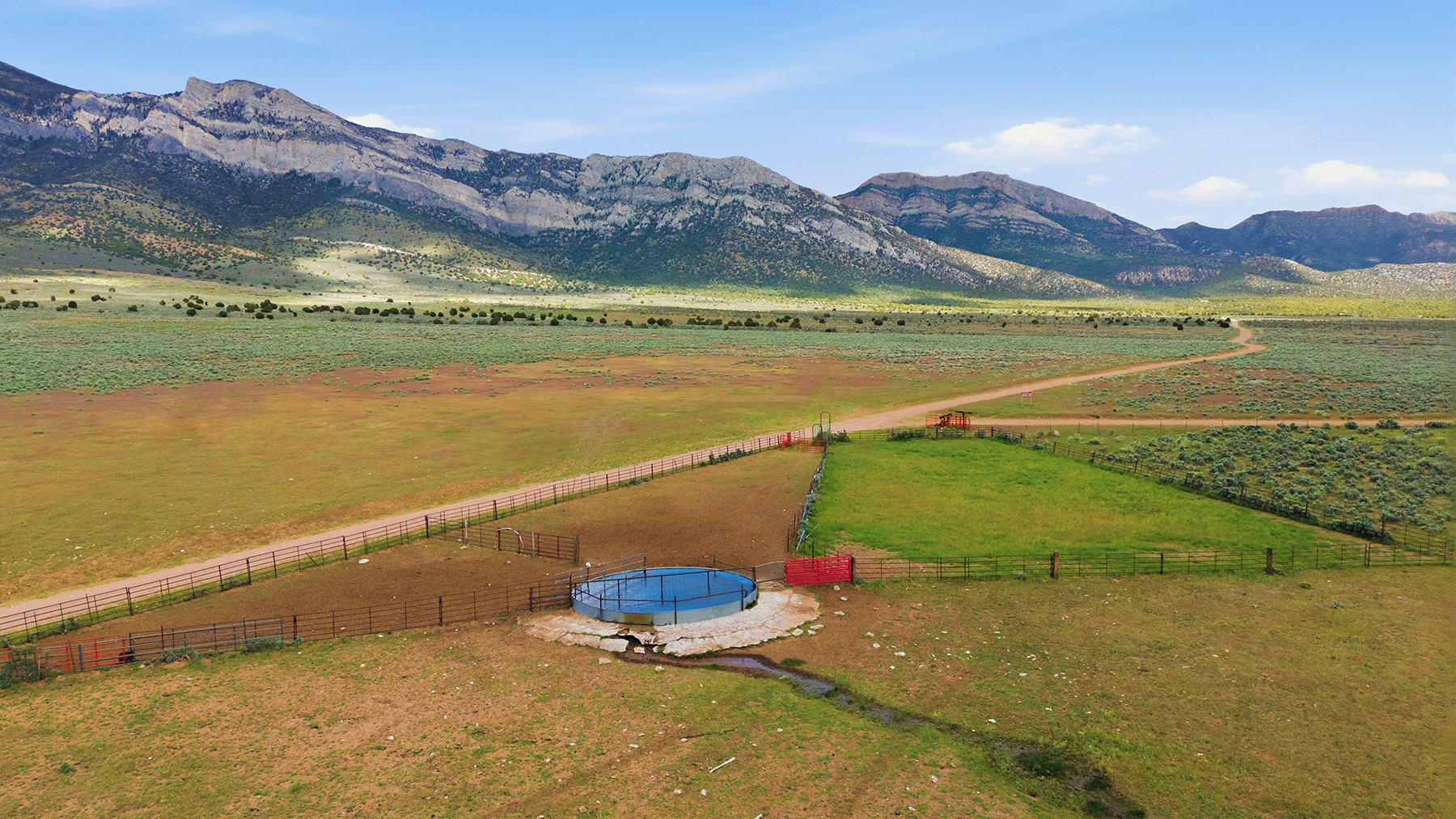
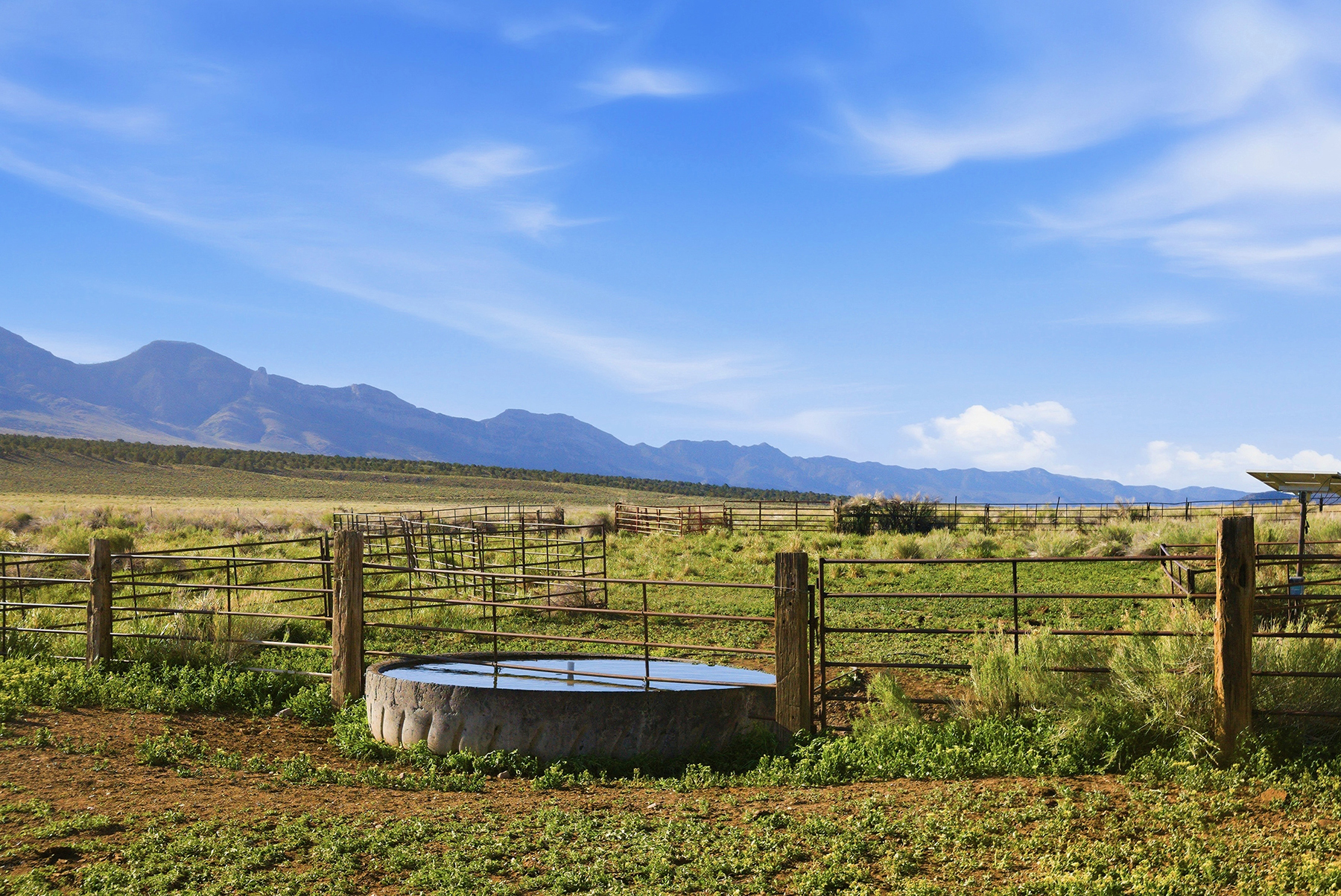
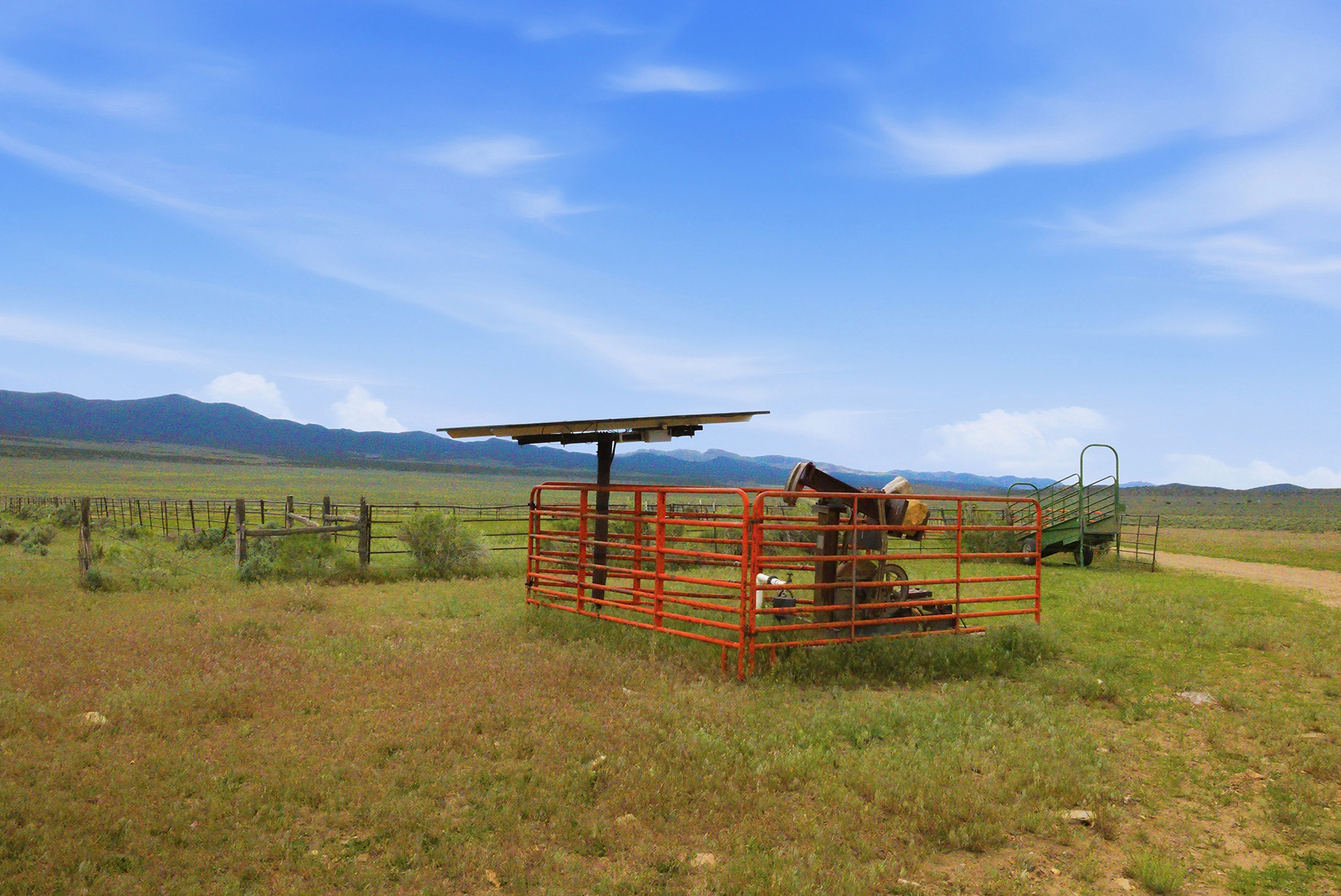
Supporting structures and facilities are set apart from the lodge to maximize seclusion and views and include a ranch manager's home, a bunkhouse/barn, well-equipped cattle-handling facilities with modern corrals, a large shop, hay storage, and a power and pumphouse. The owner has also made a significant investment in water delivery infrastructure throughout the ranch to serve livestock as well as wildlife. These upgrades include the conversion of all stock tanks to solar pumps and the installation of water lines across multiple seeding areas.
Water is a defining resource of Cave Valley Ranch. The ranch holds 47 total water rights, of which 21 are vested rights with priority dates extending to the 1800s, placing these rights at or near the front of the line in Nevada’s prior appropriation system. Springs, streams, and riparian areas are distributed throughout the ranch from the valley floor to the high country, providing year-round water for both wildlife and livestock. Active water development is ongoing with the owner pursuing new filings for wildlife and stock water rights on various spring sources. In addition, the owner has added solar pumps to all the ranch’s stock water tanks, and water lines have been installed across multiple seedings in coordination with BLM.
All mineral and subsurface rights owned by the seller will transfer to the new owner at closing, subject to any prior reservations.
Annual real estate taxes are approximately $9,925.
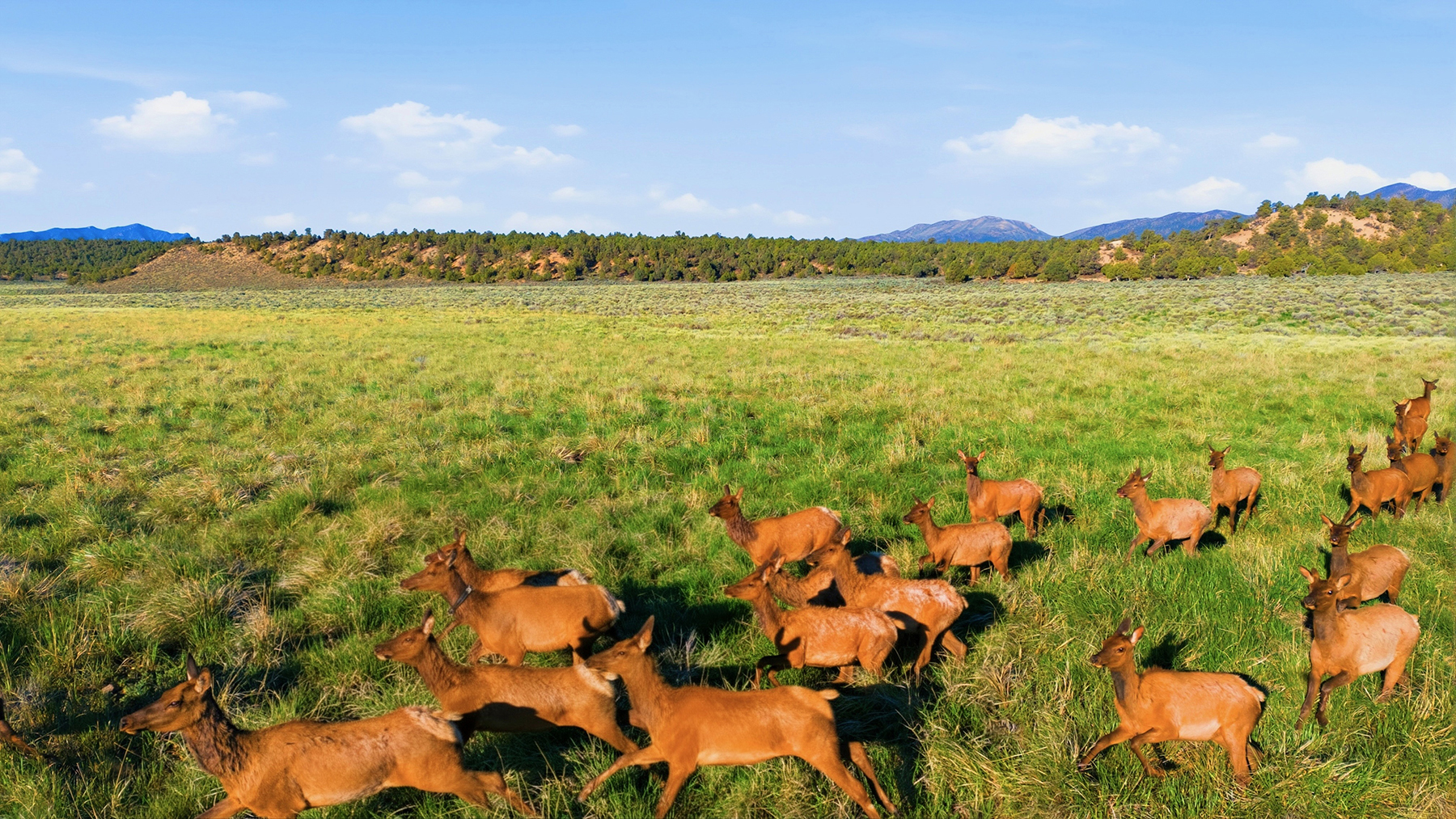
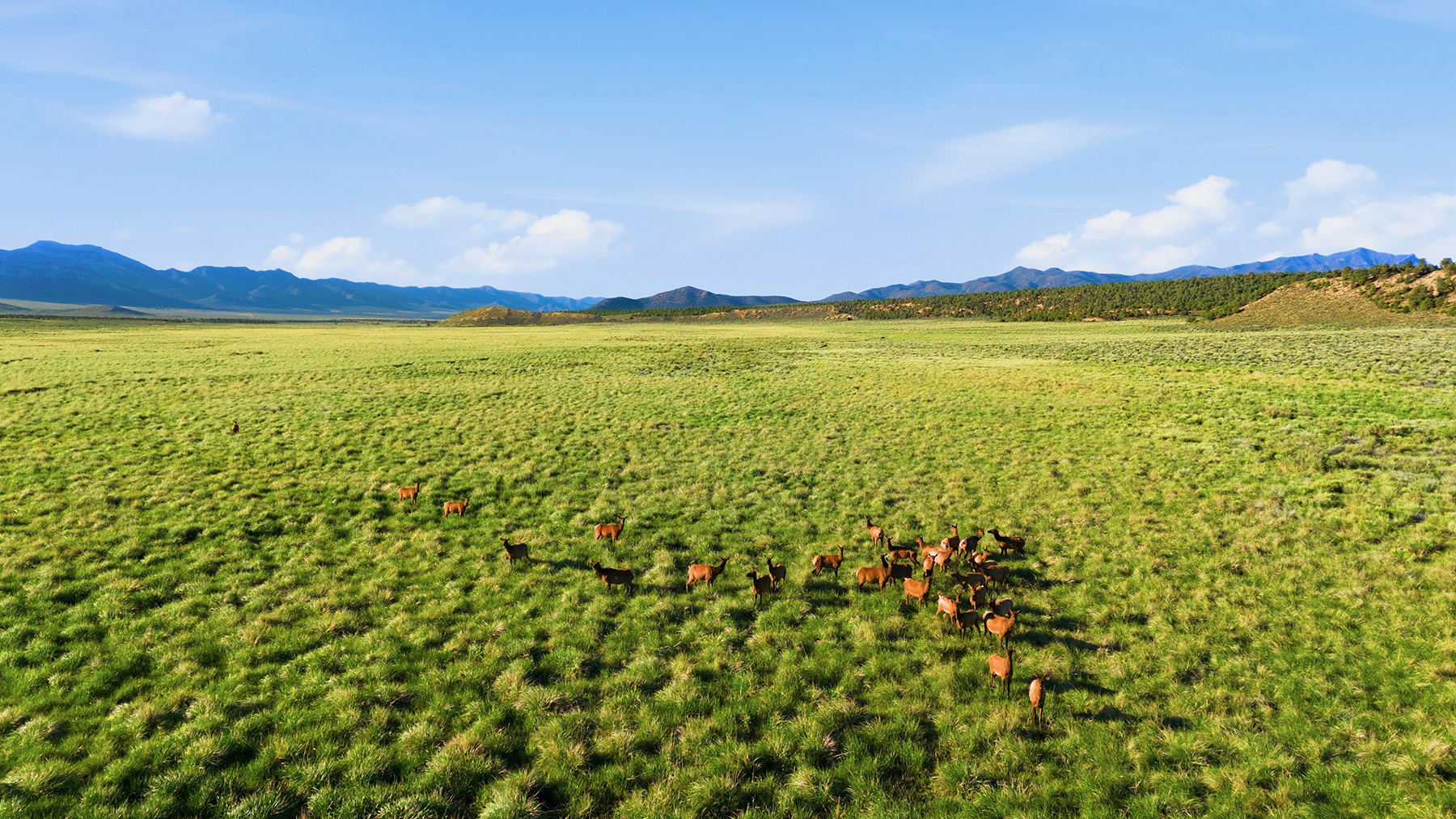
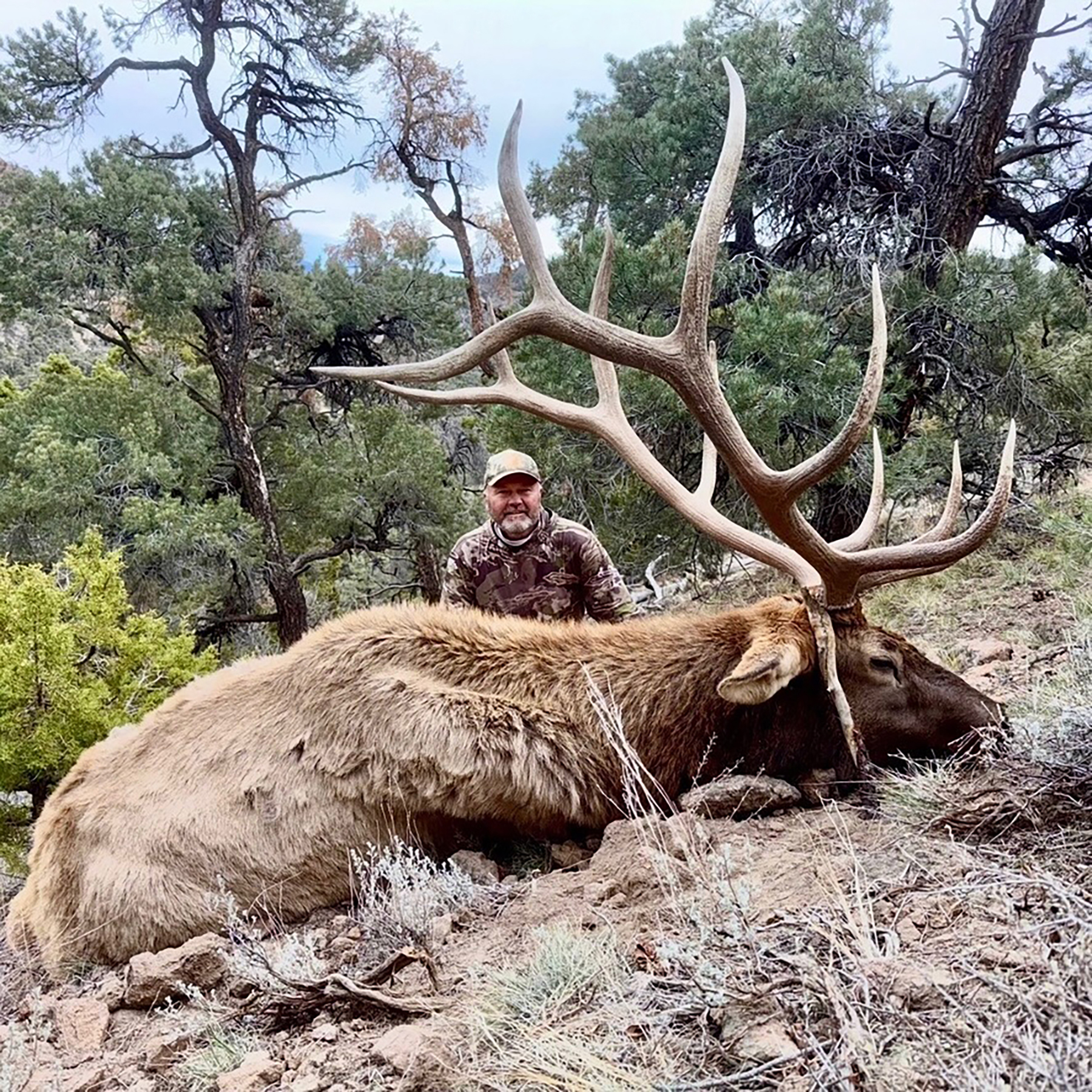
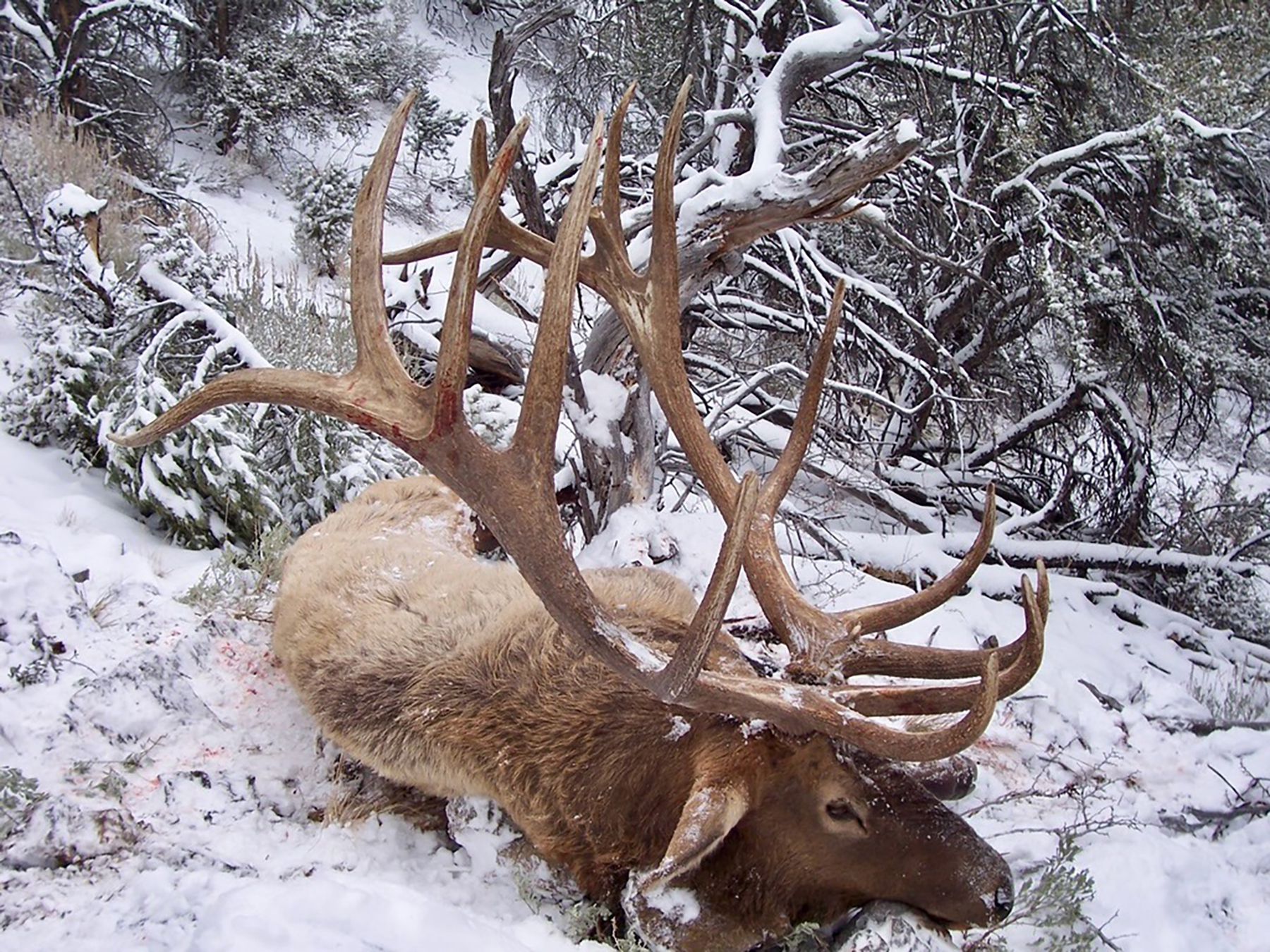
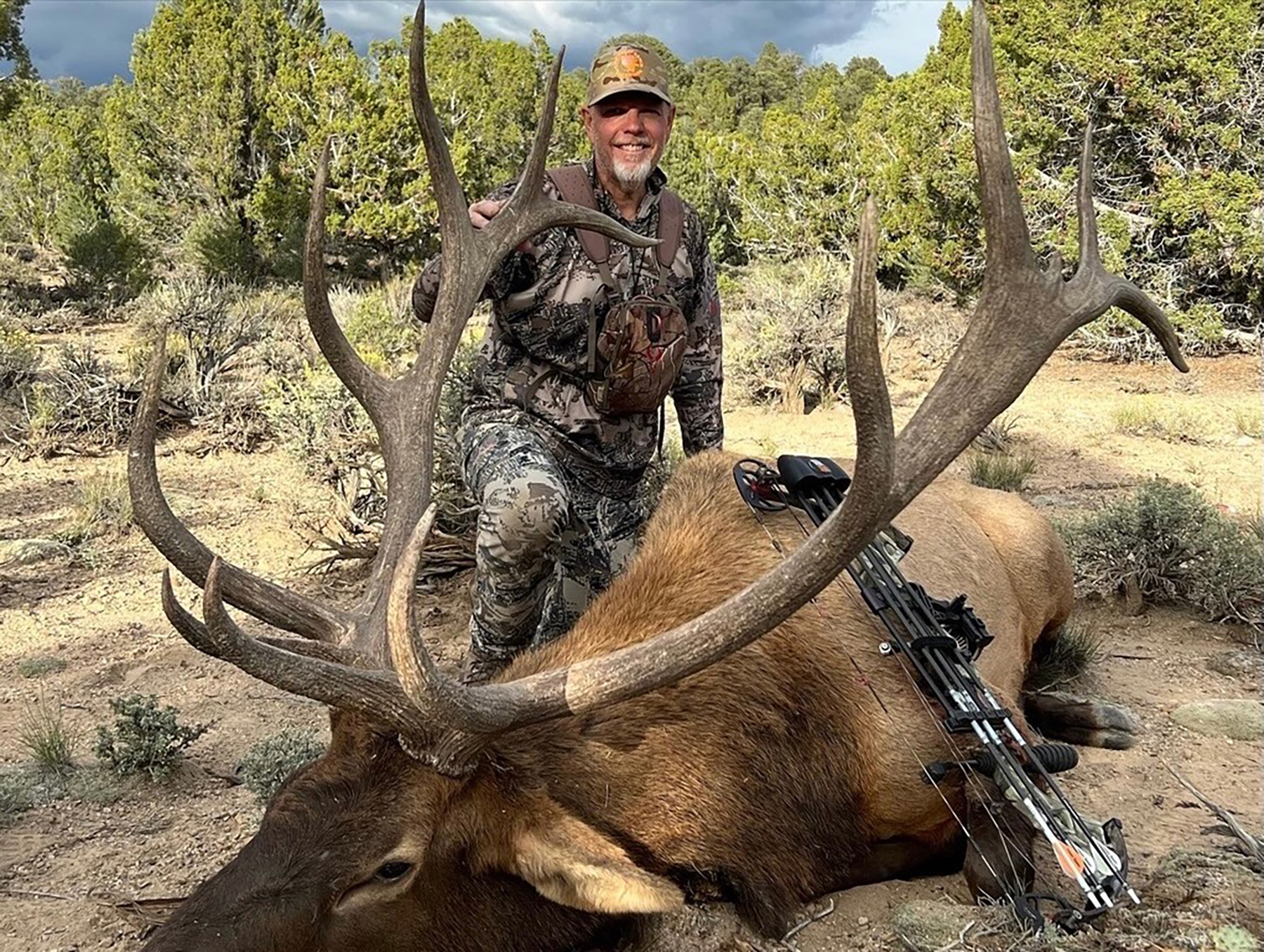
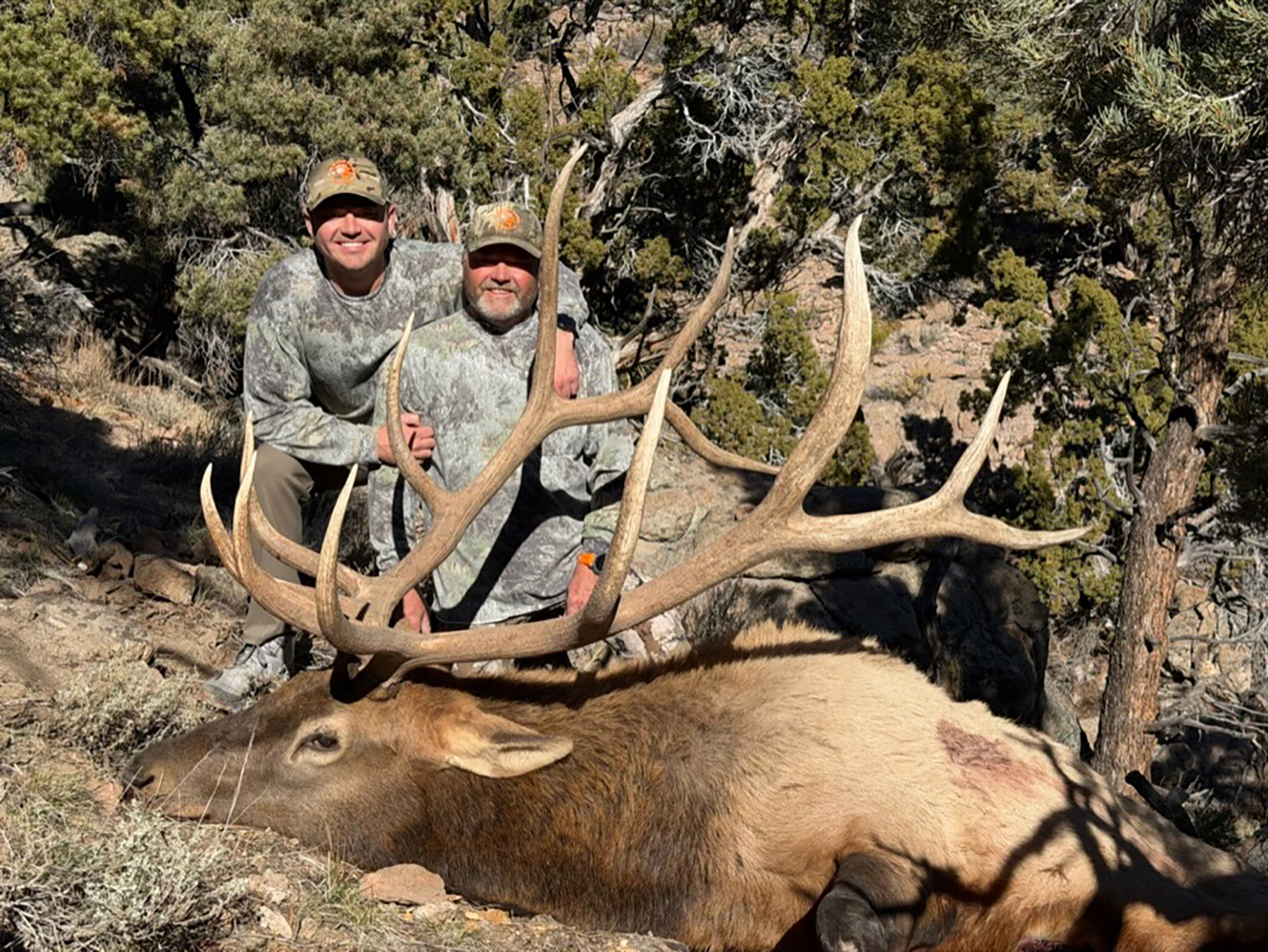
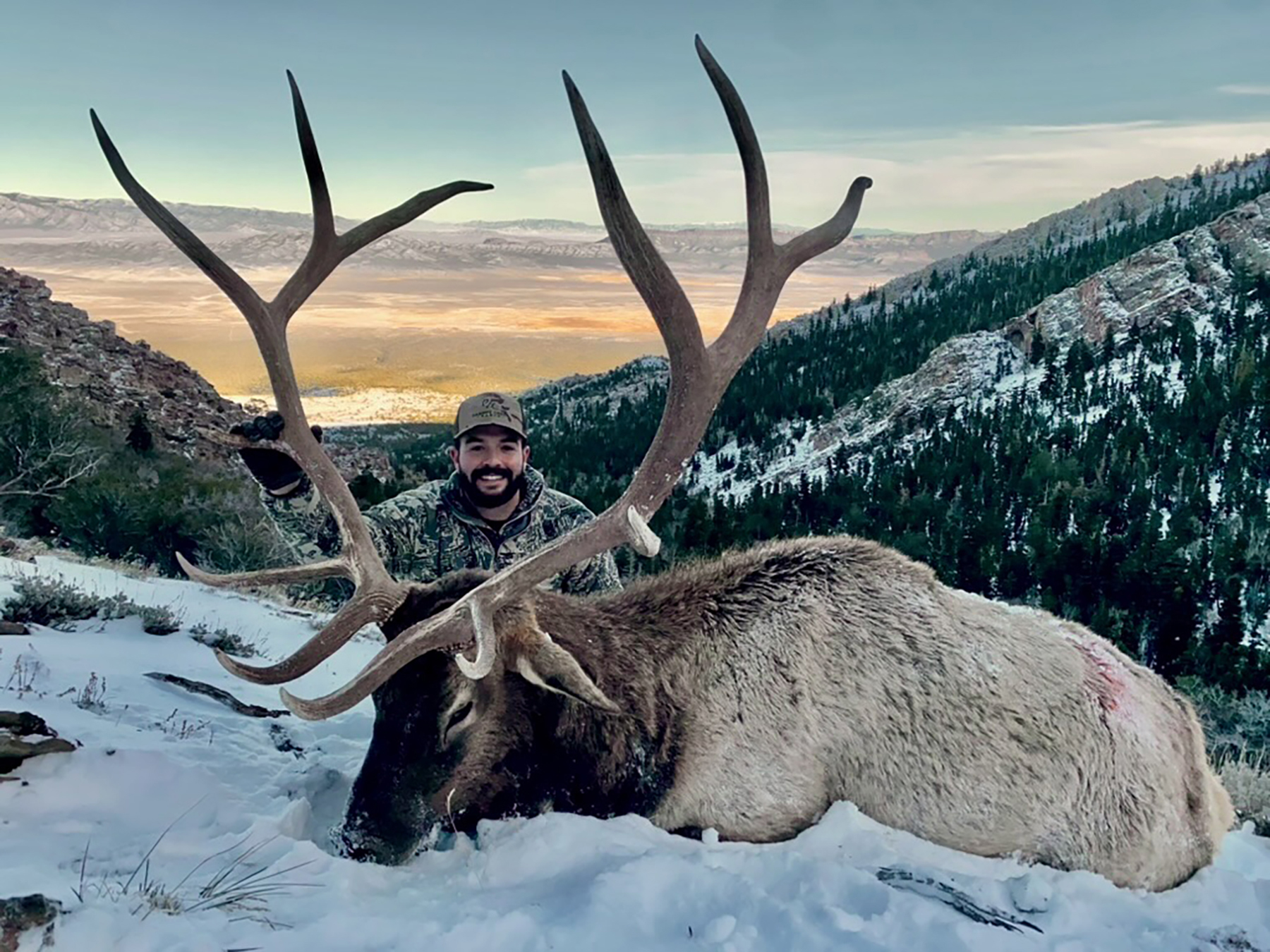
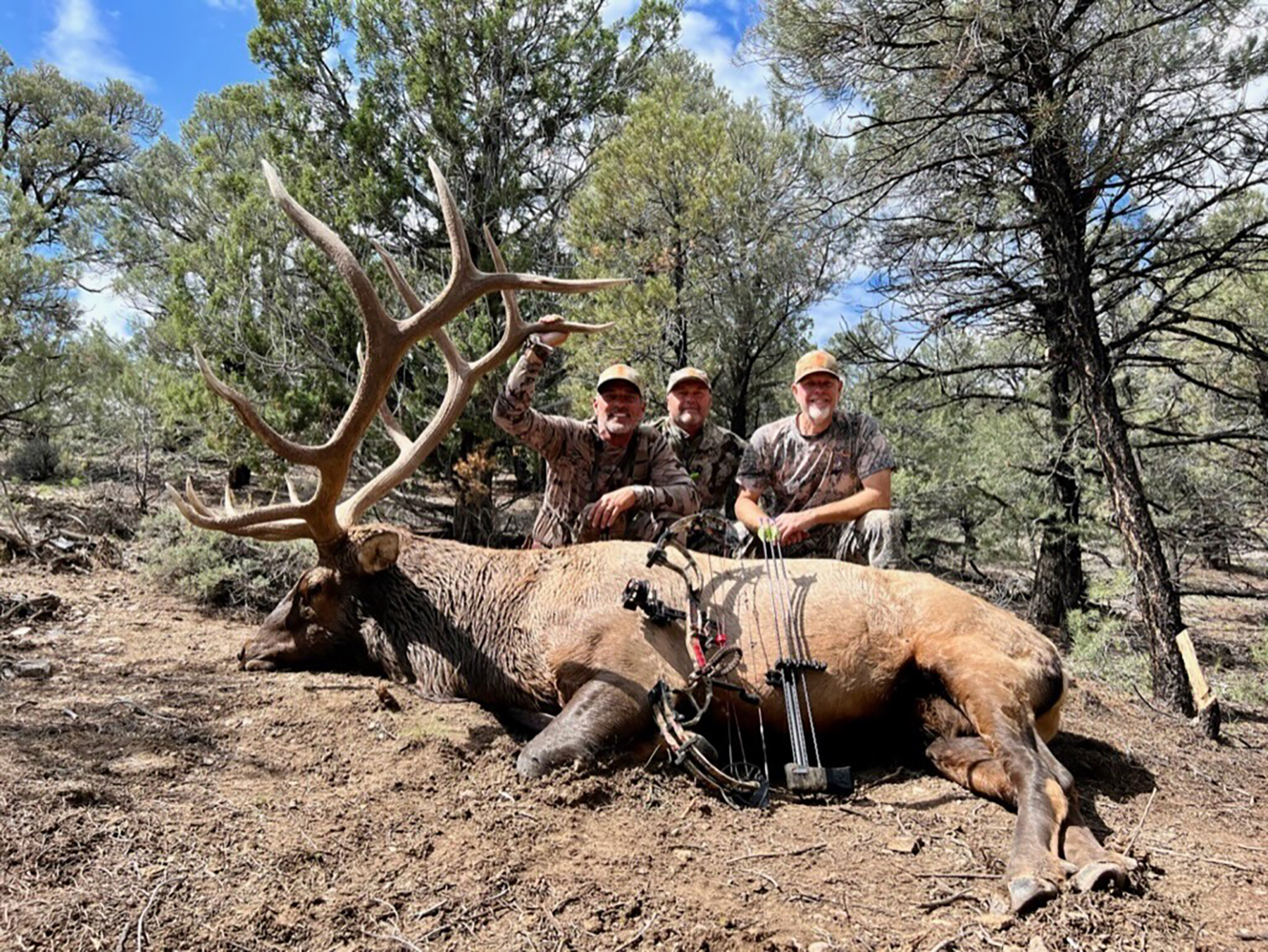
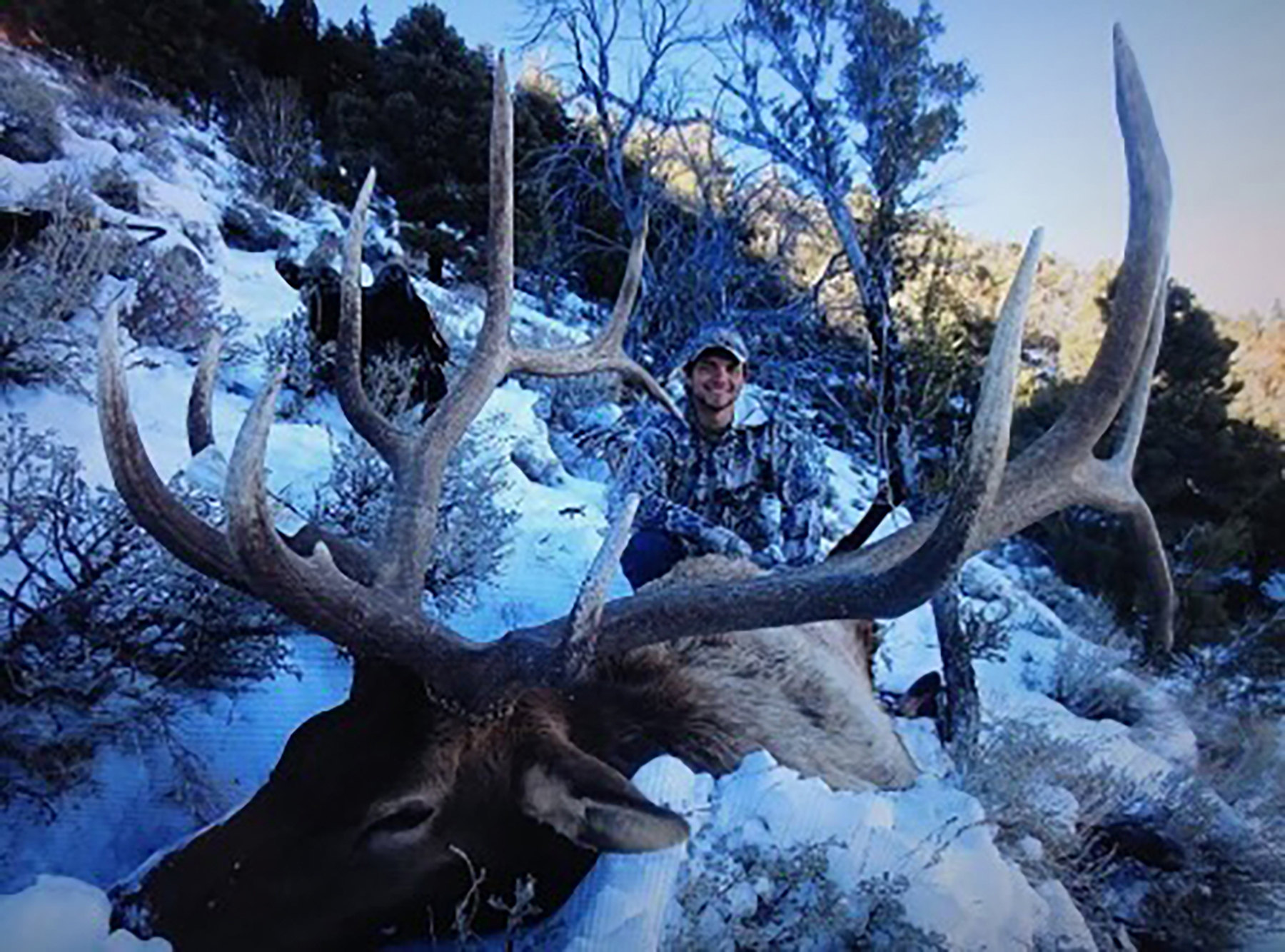
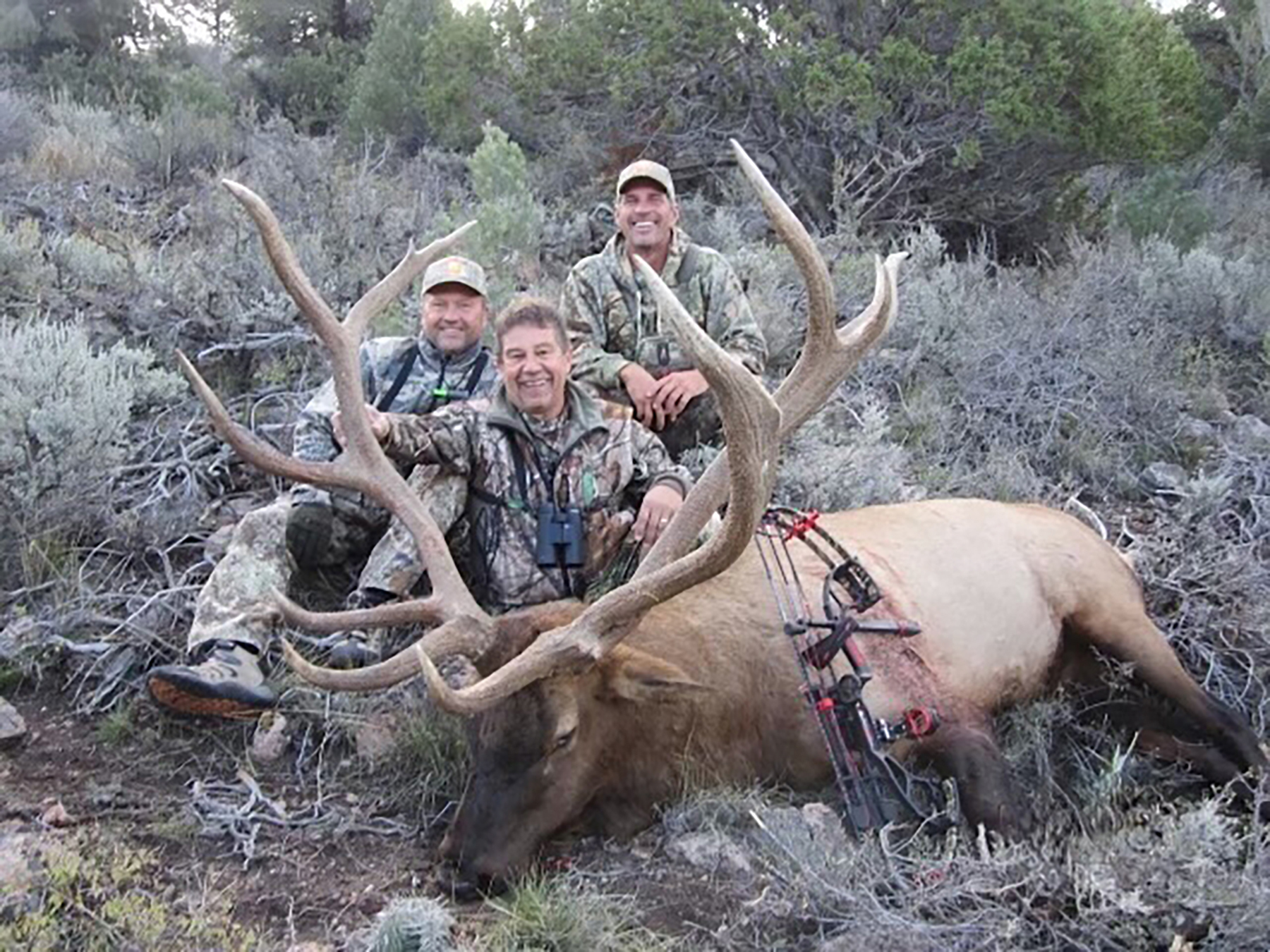
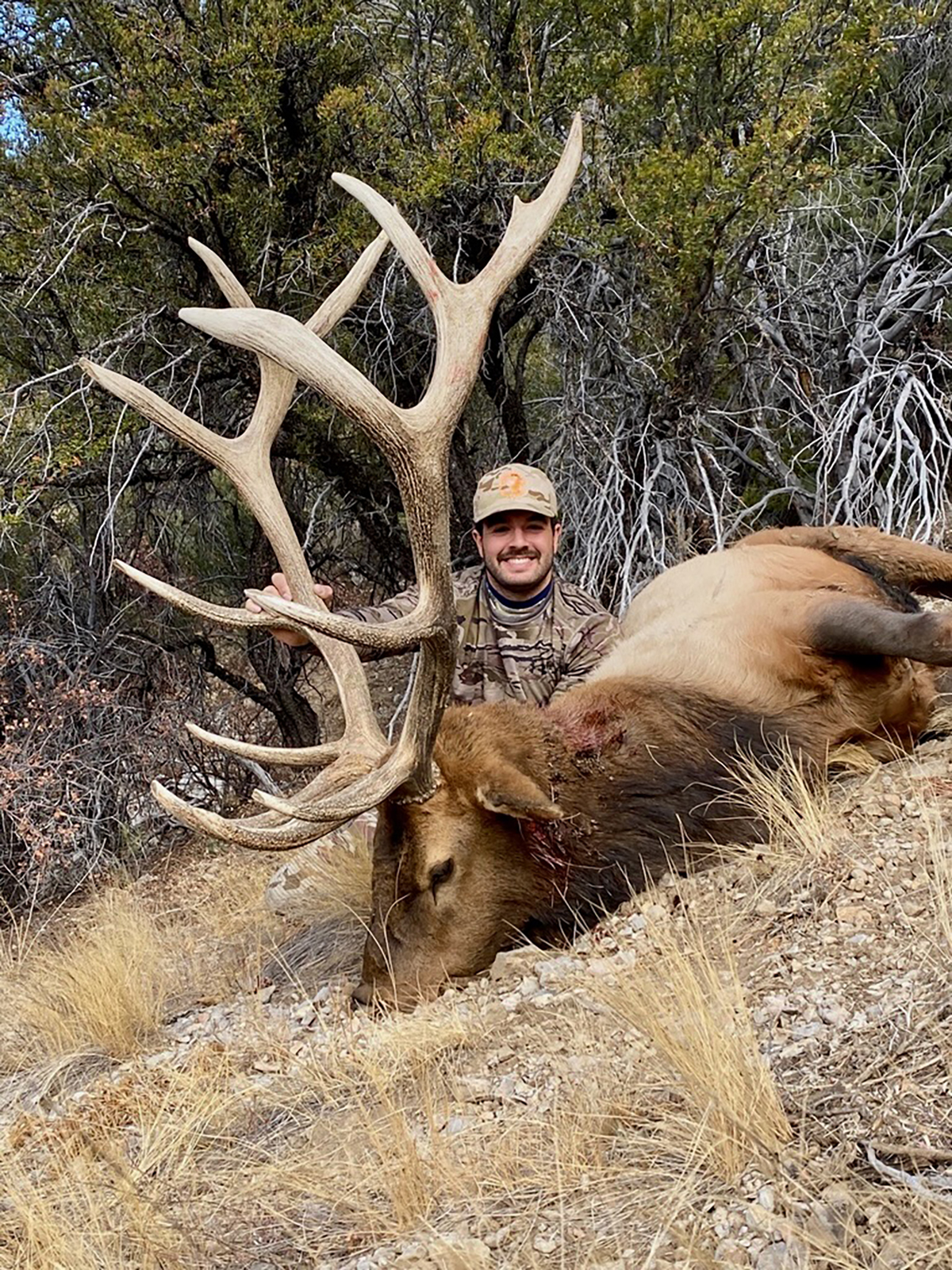
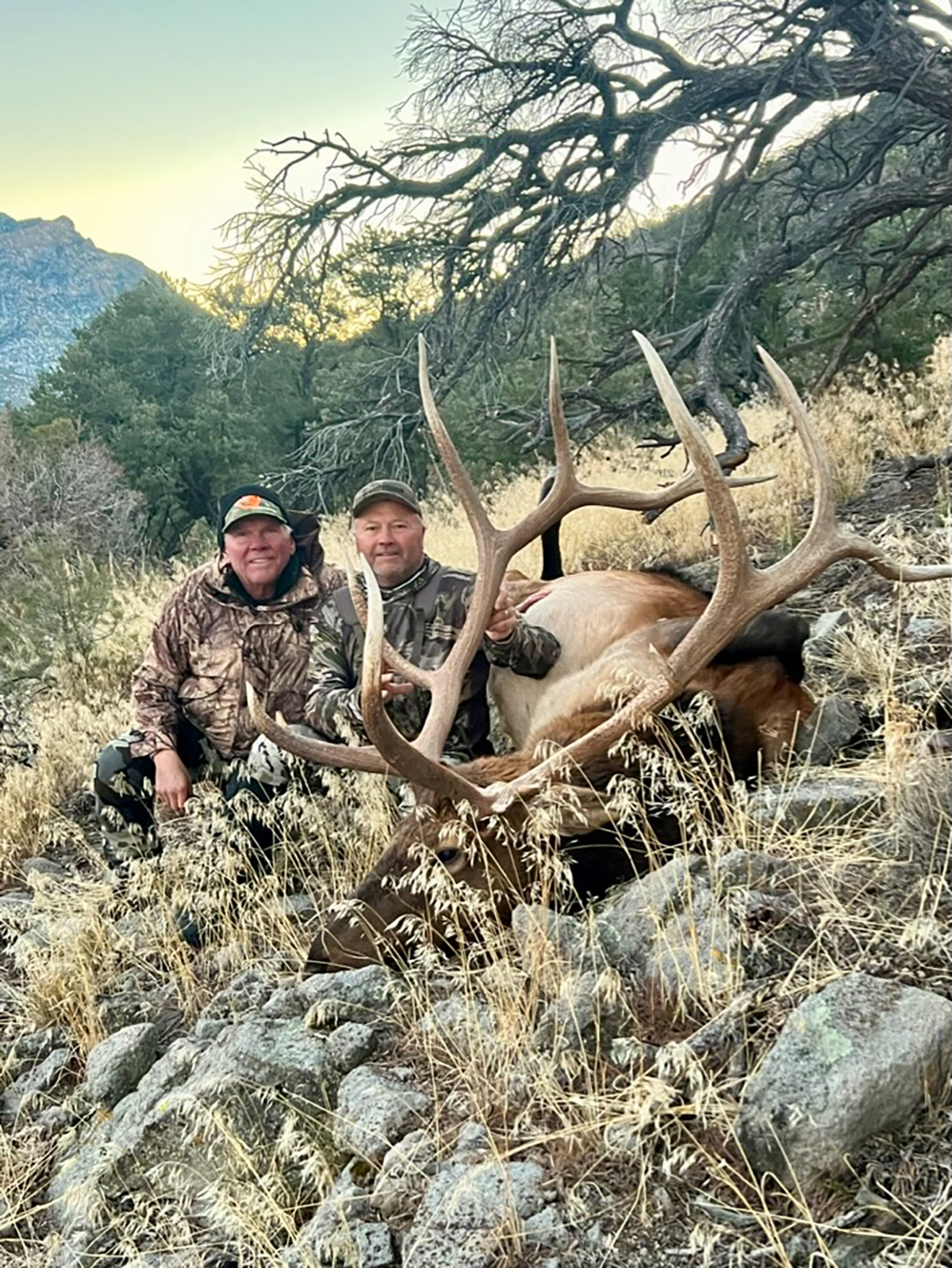
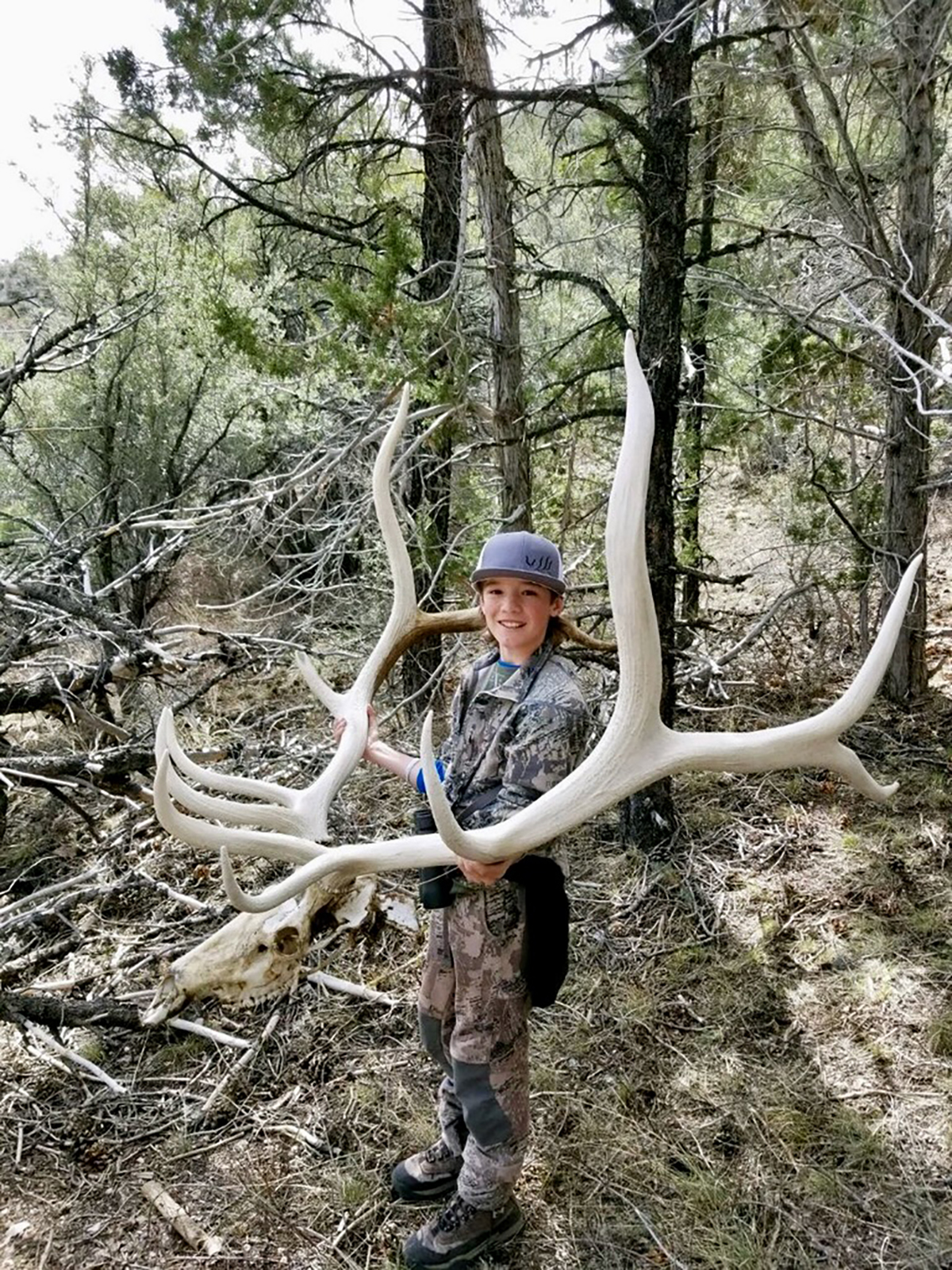
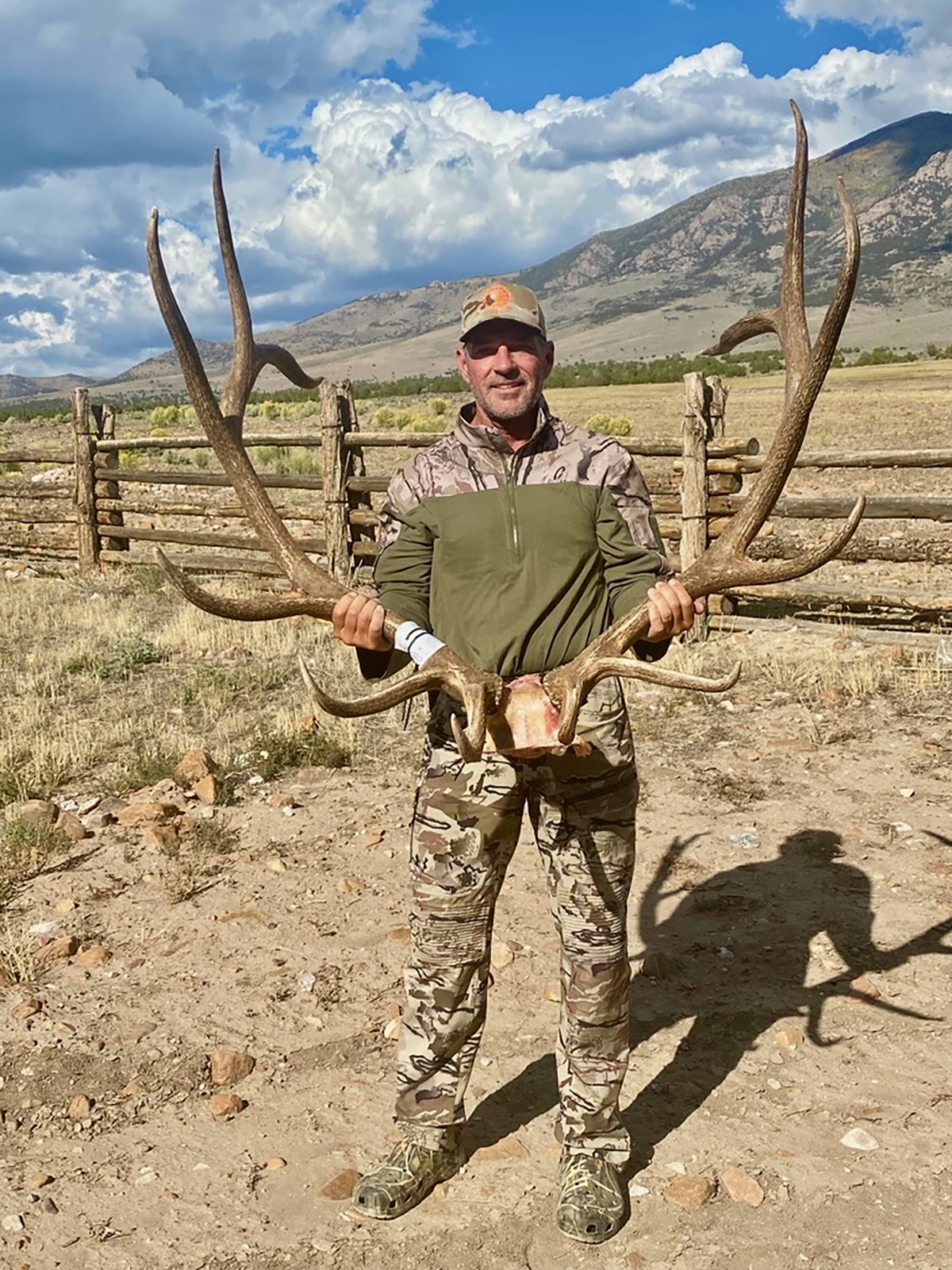
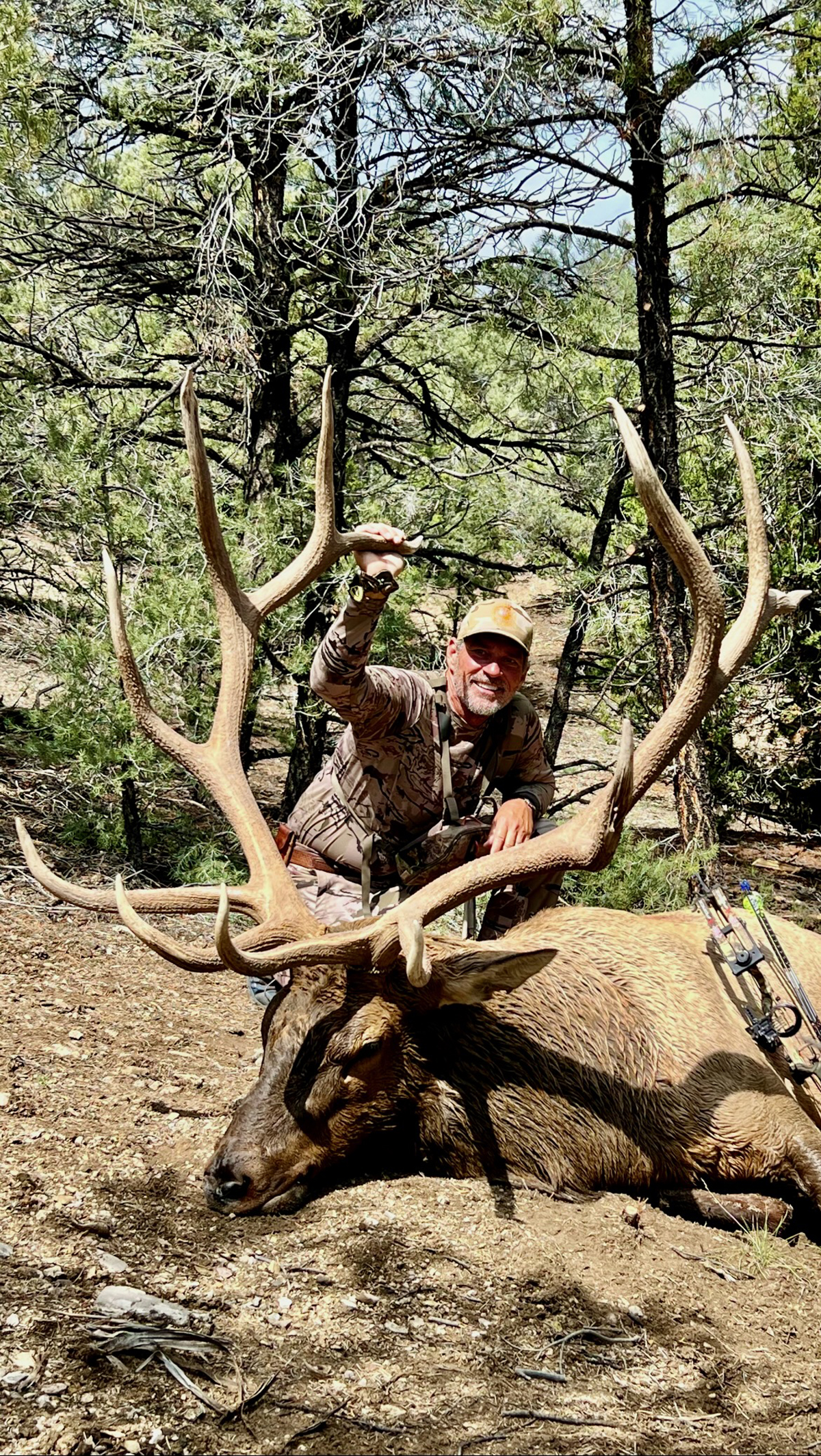
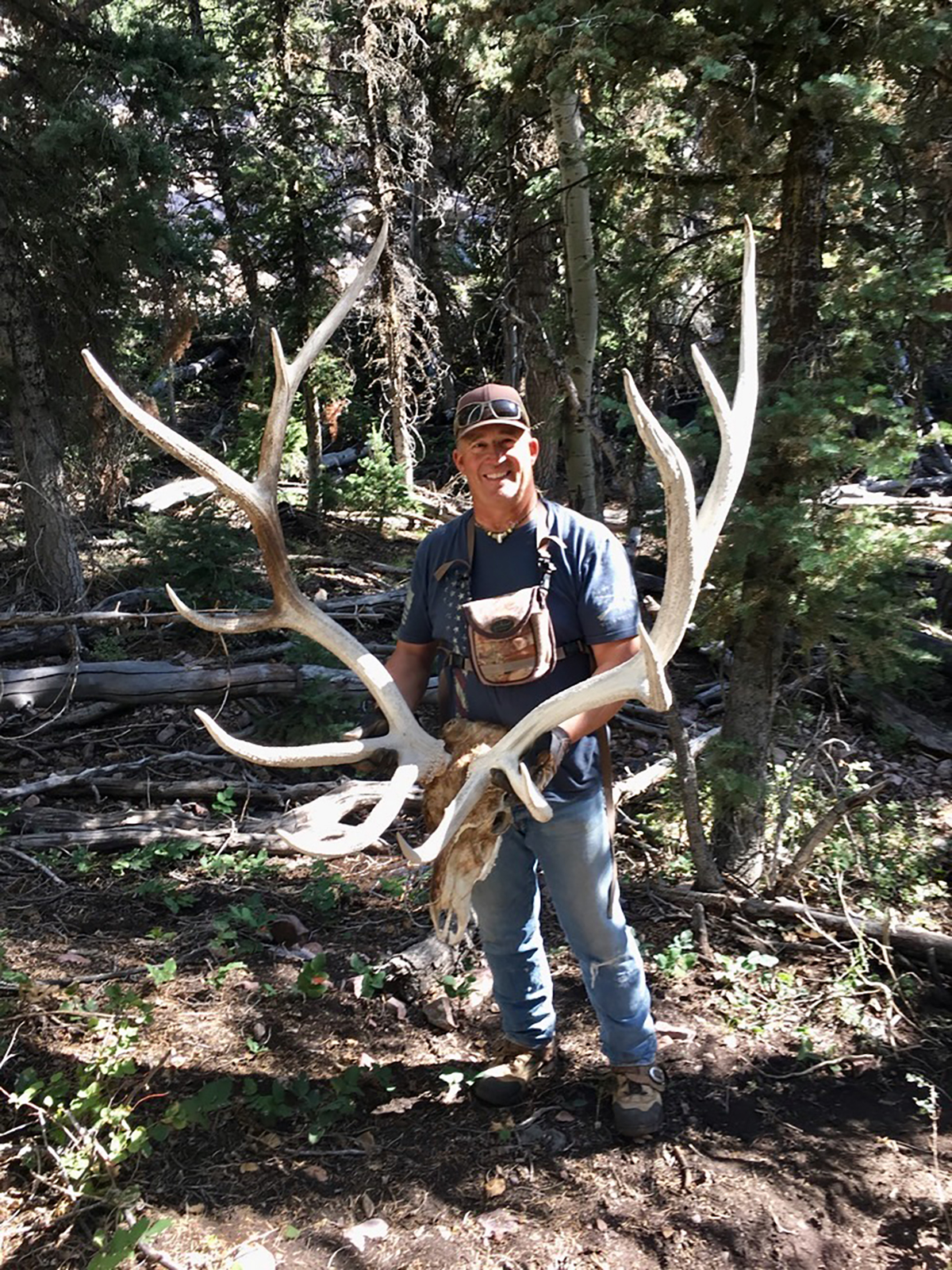
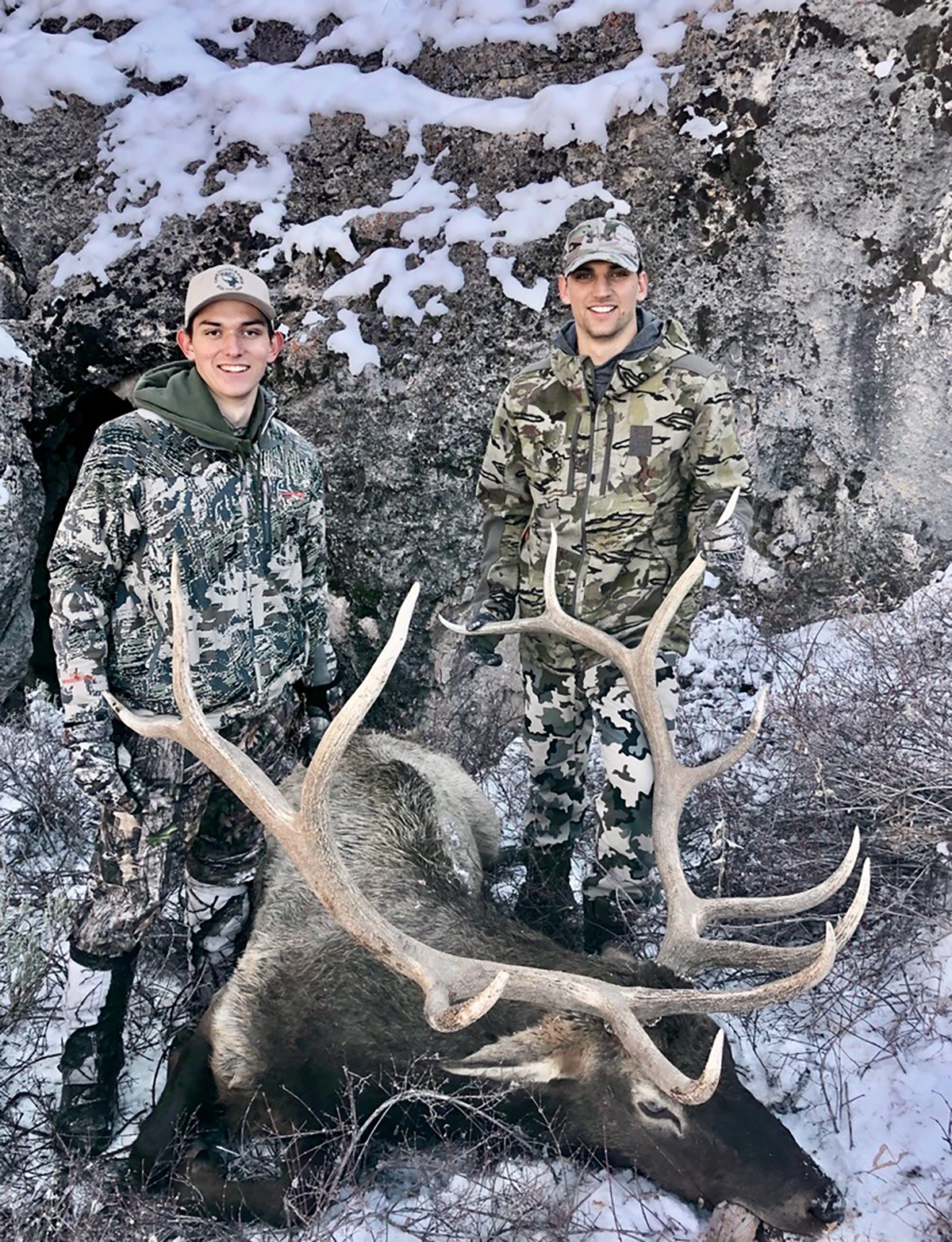
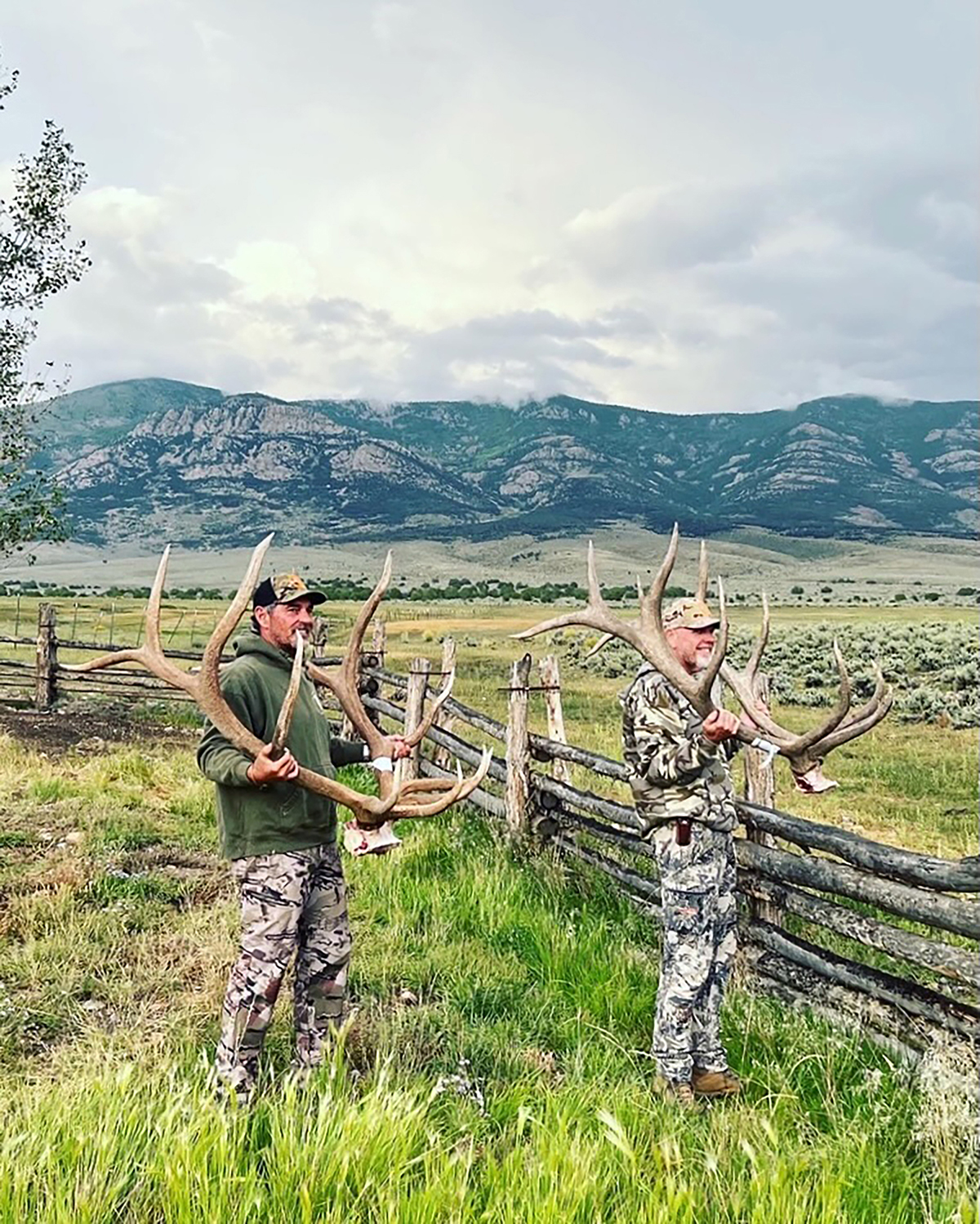
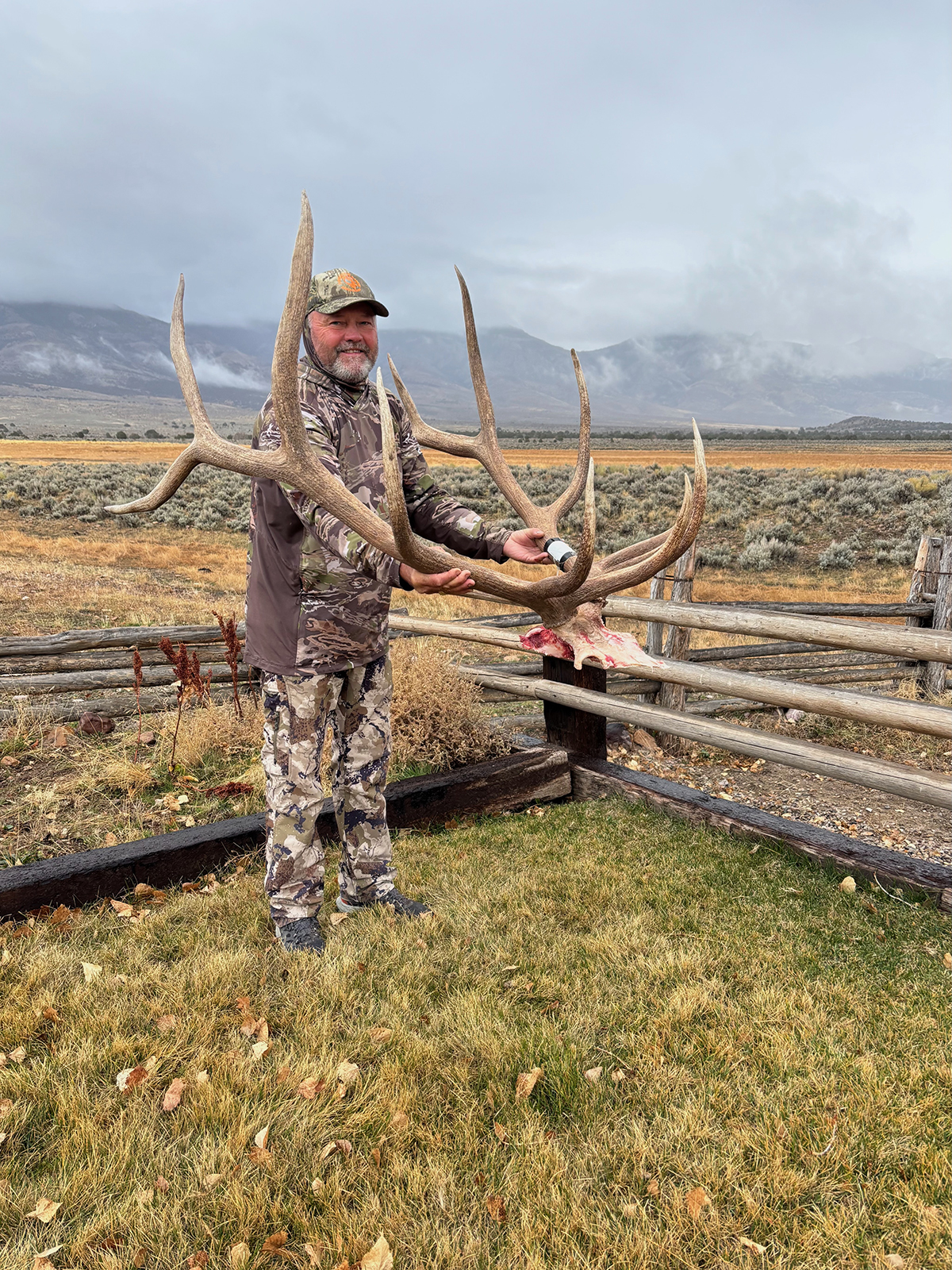
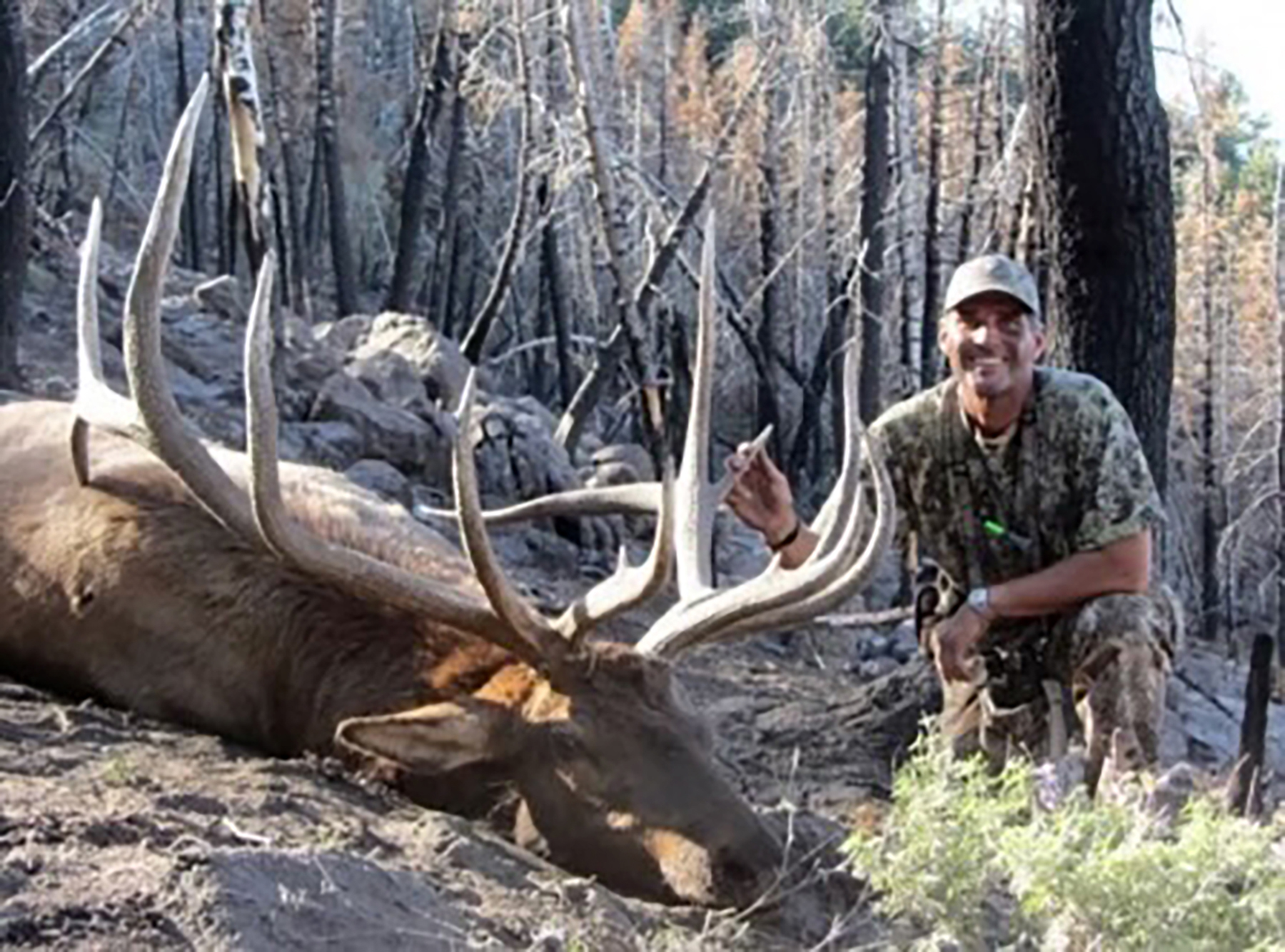
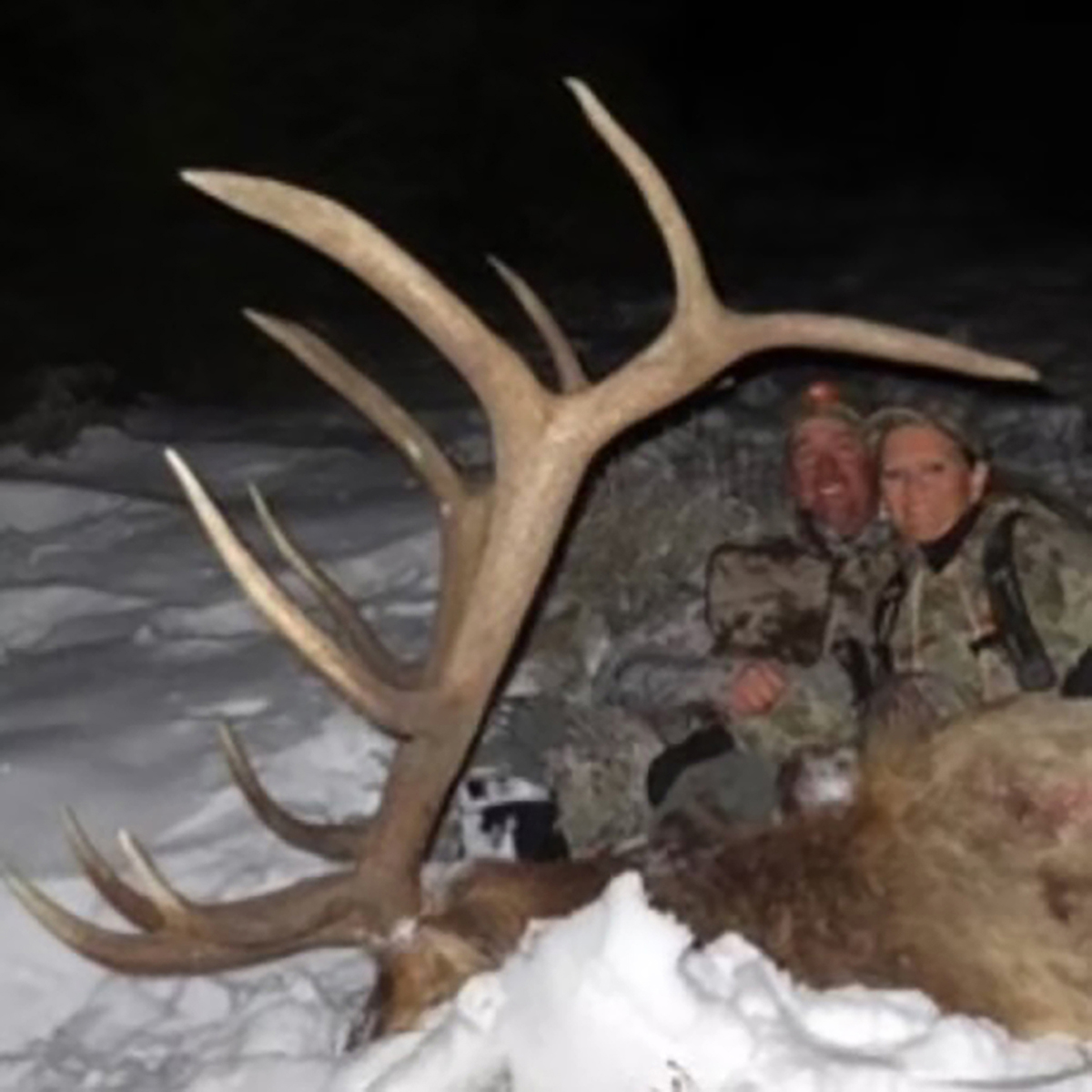
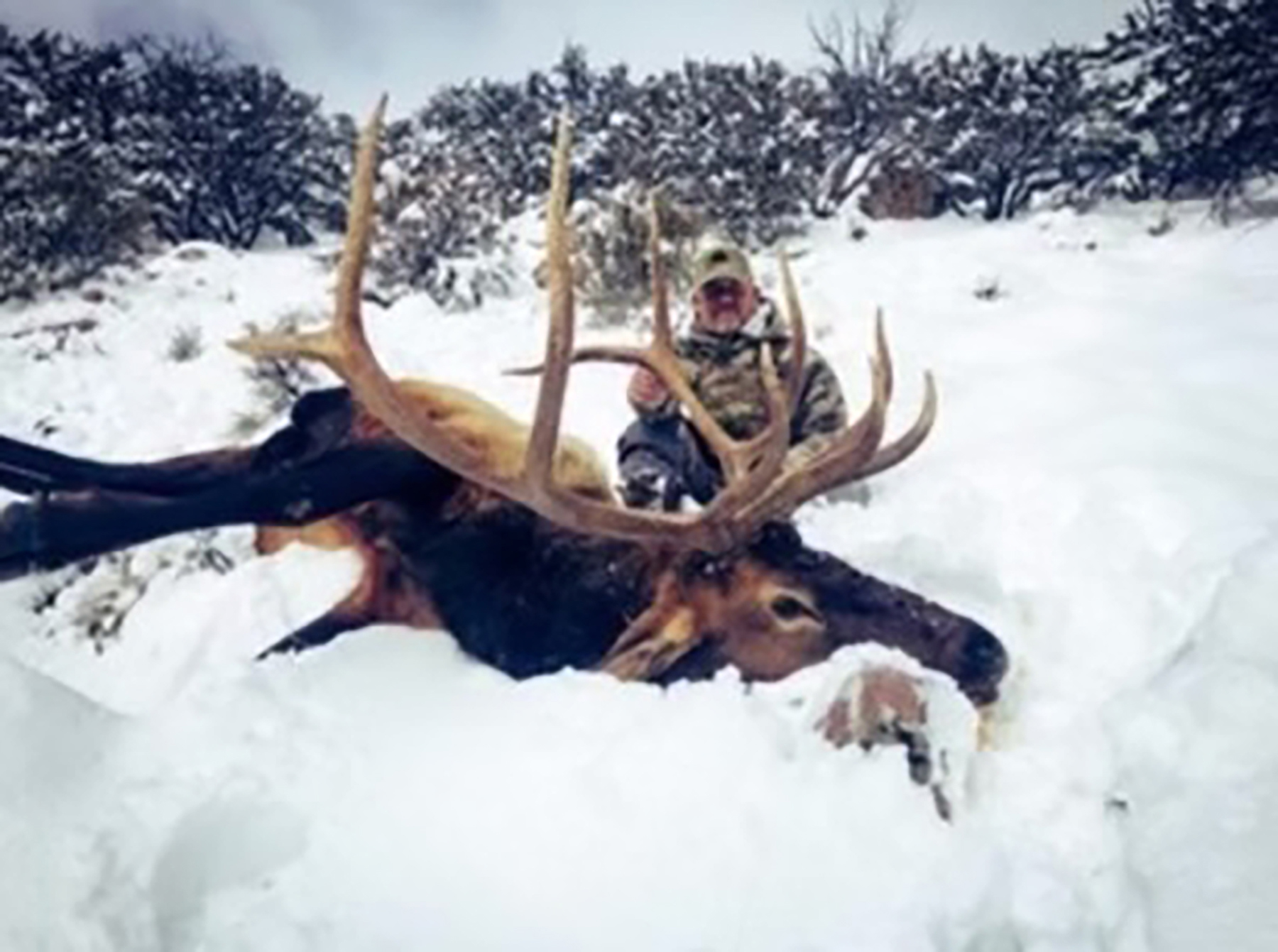
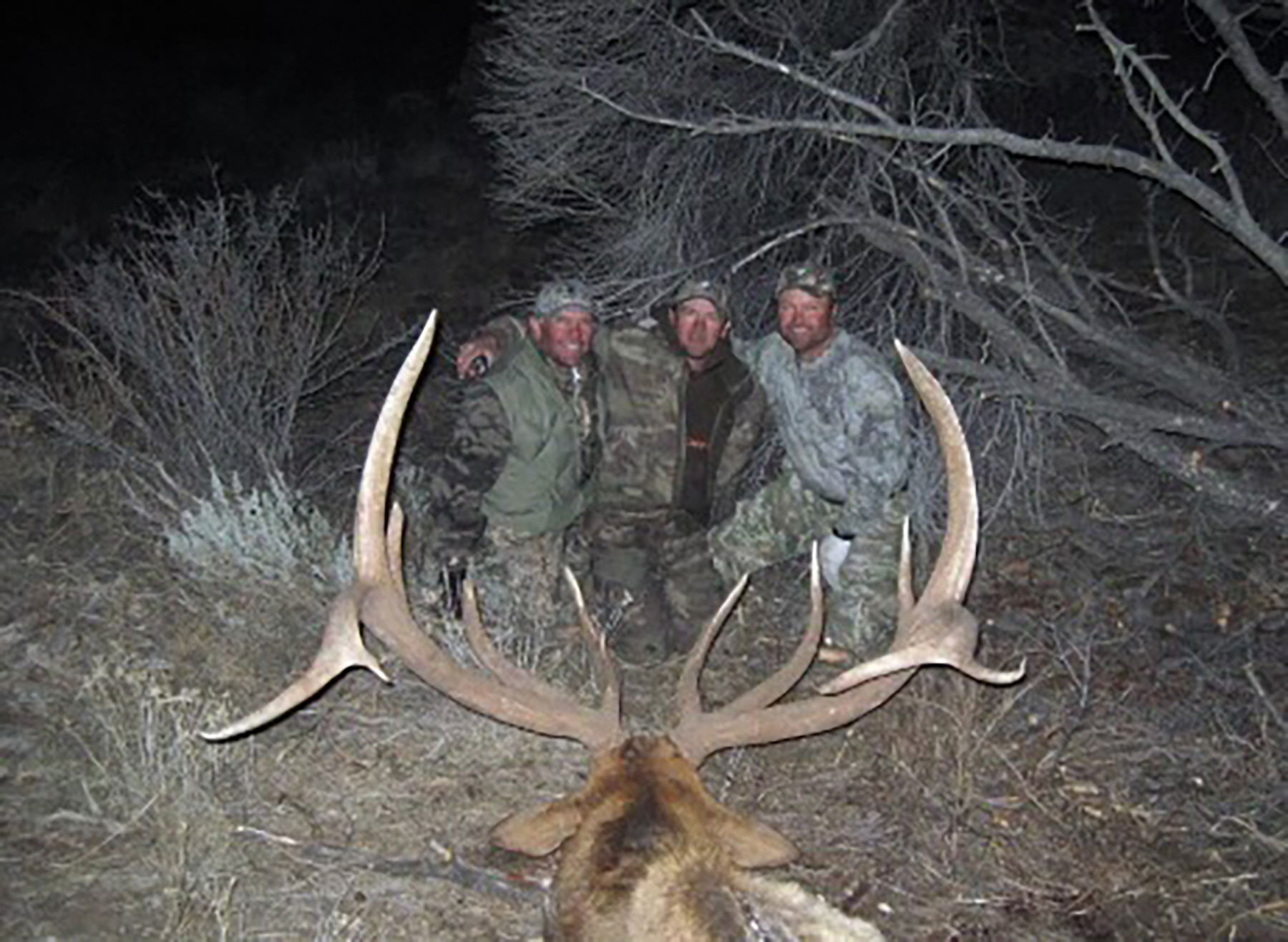
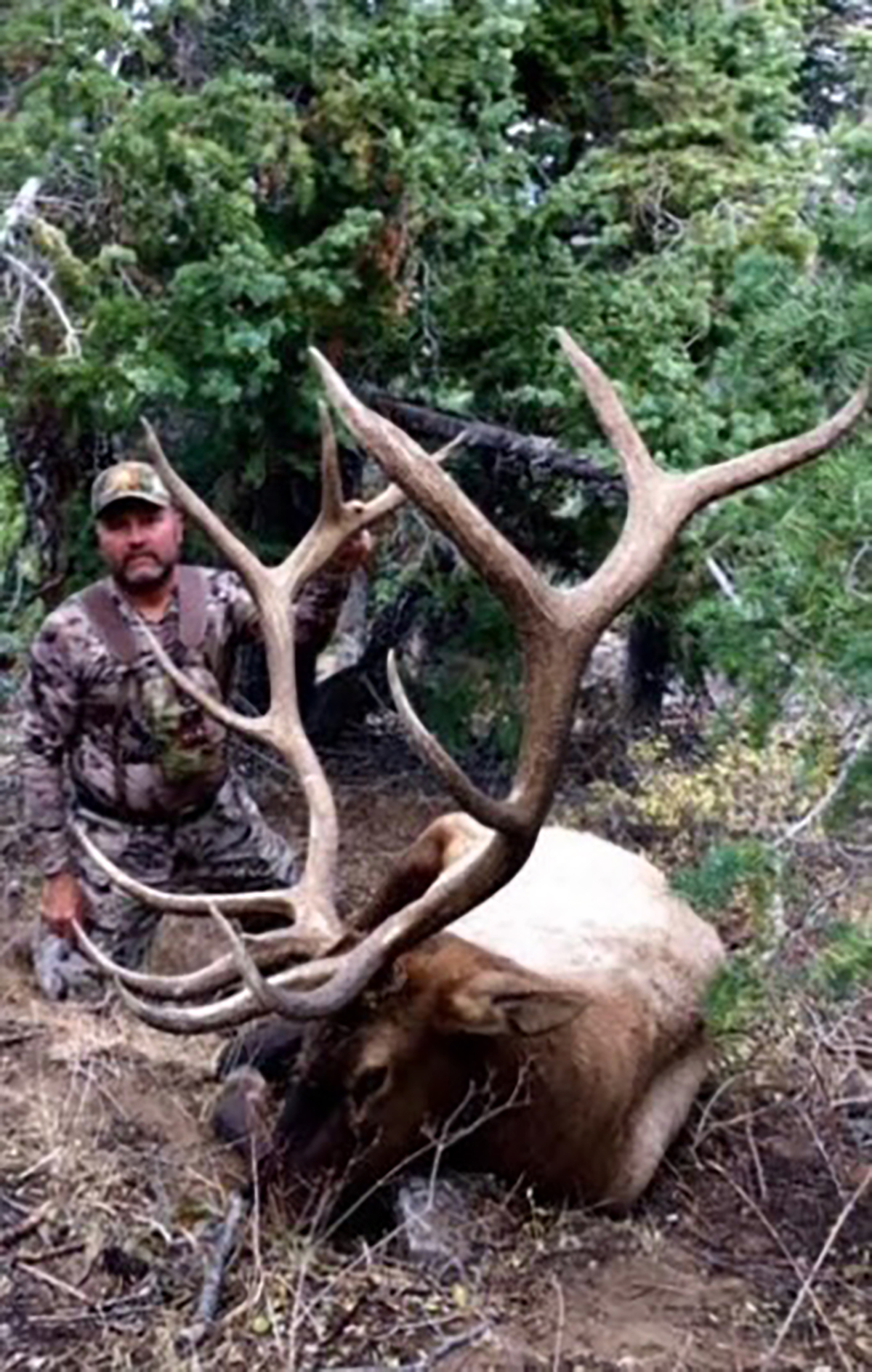
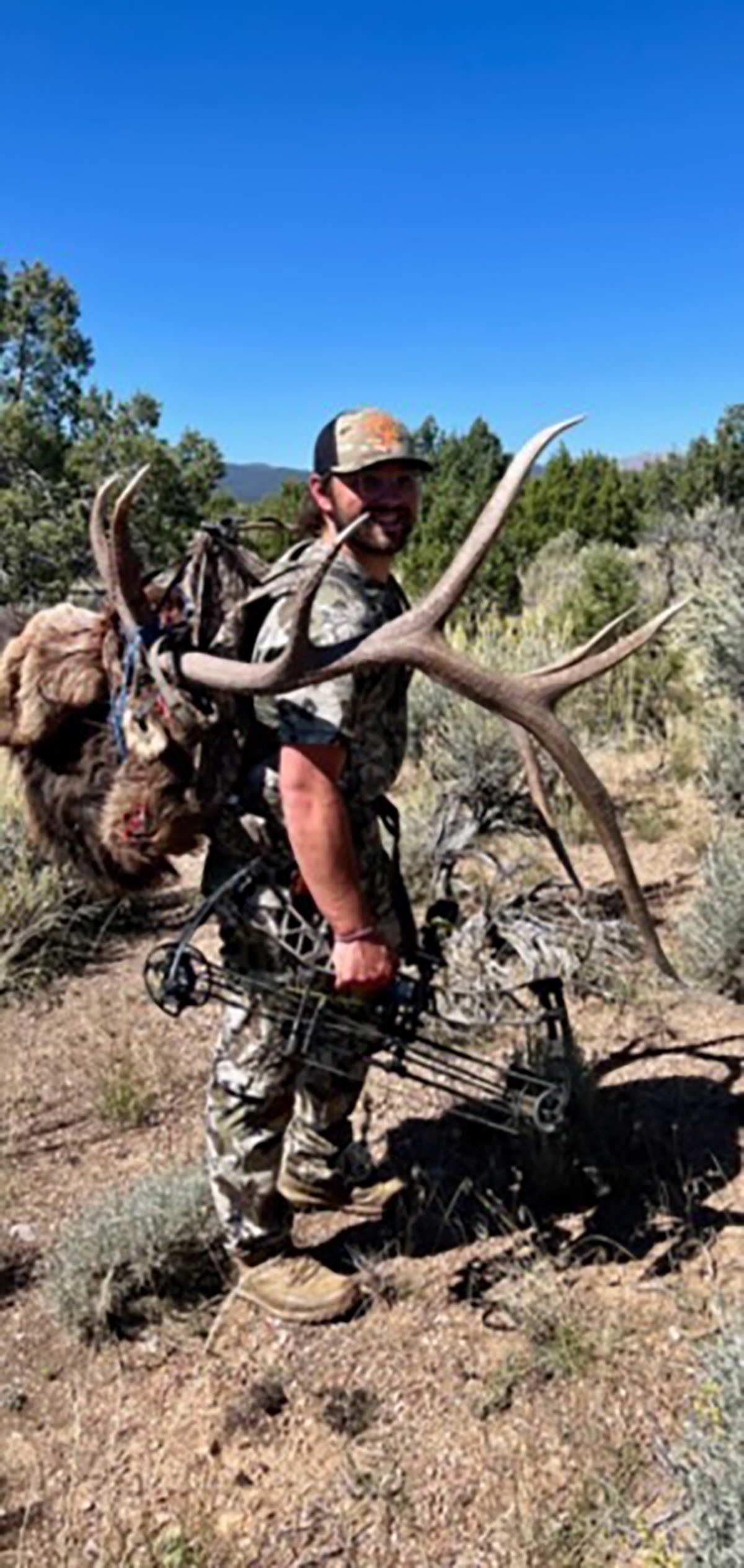
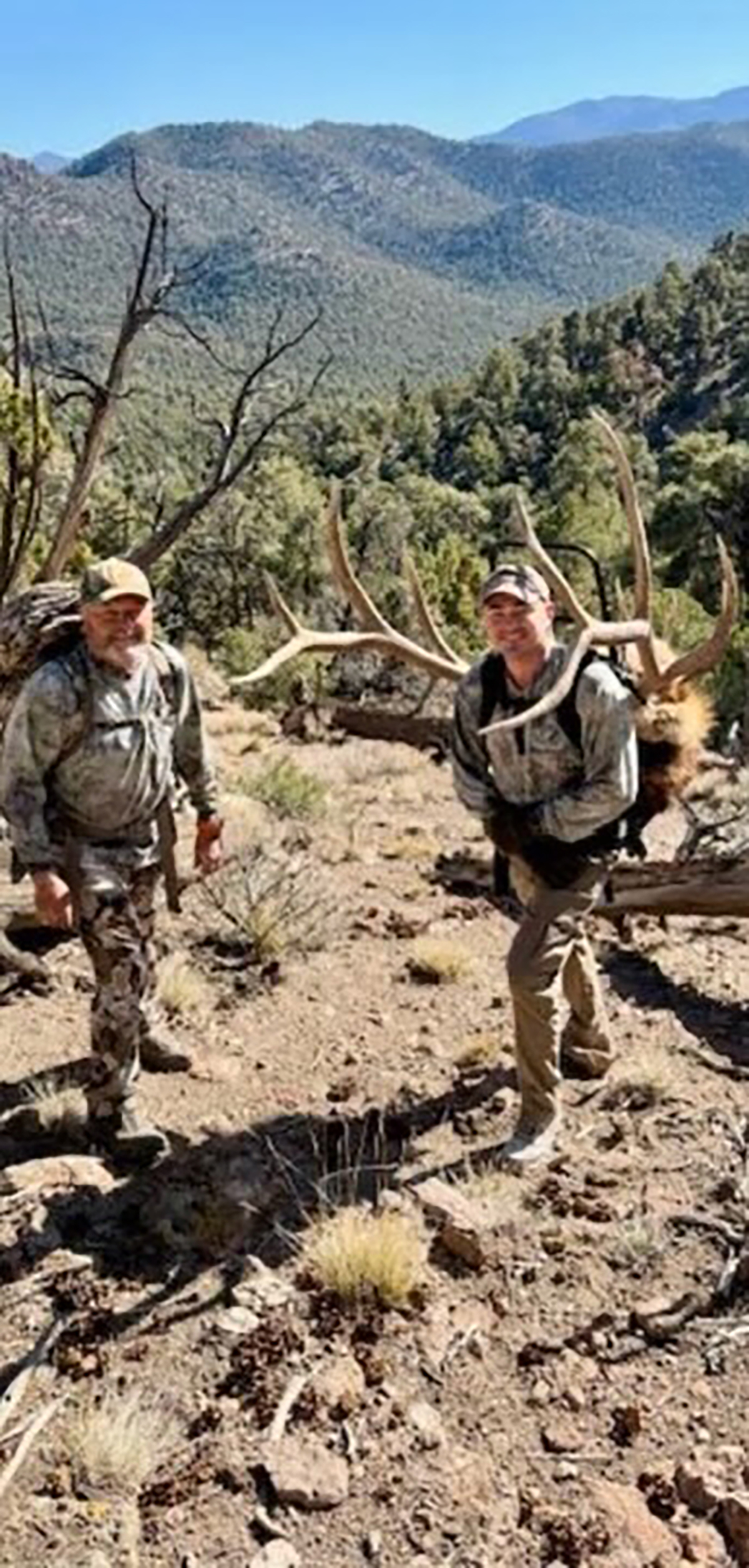
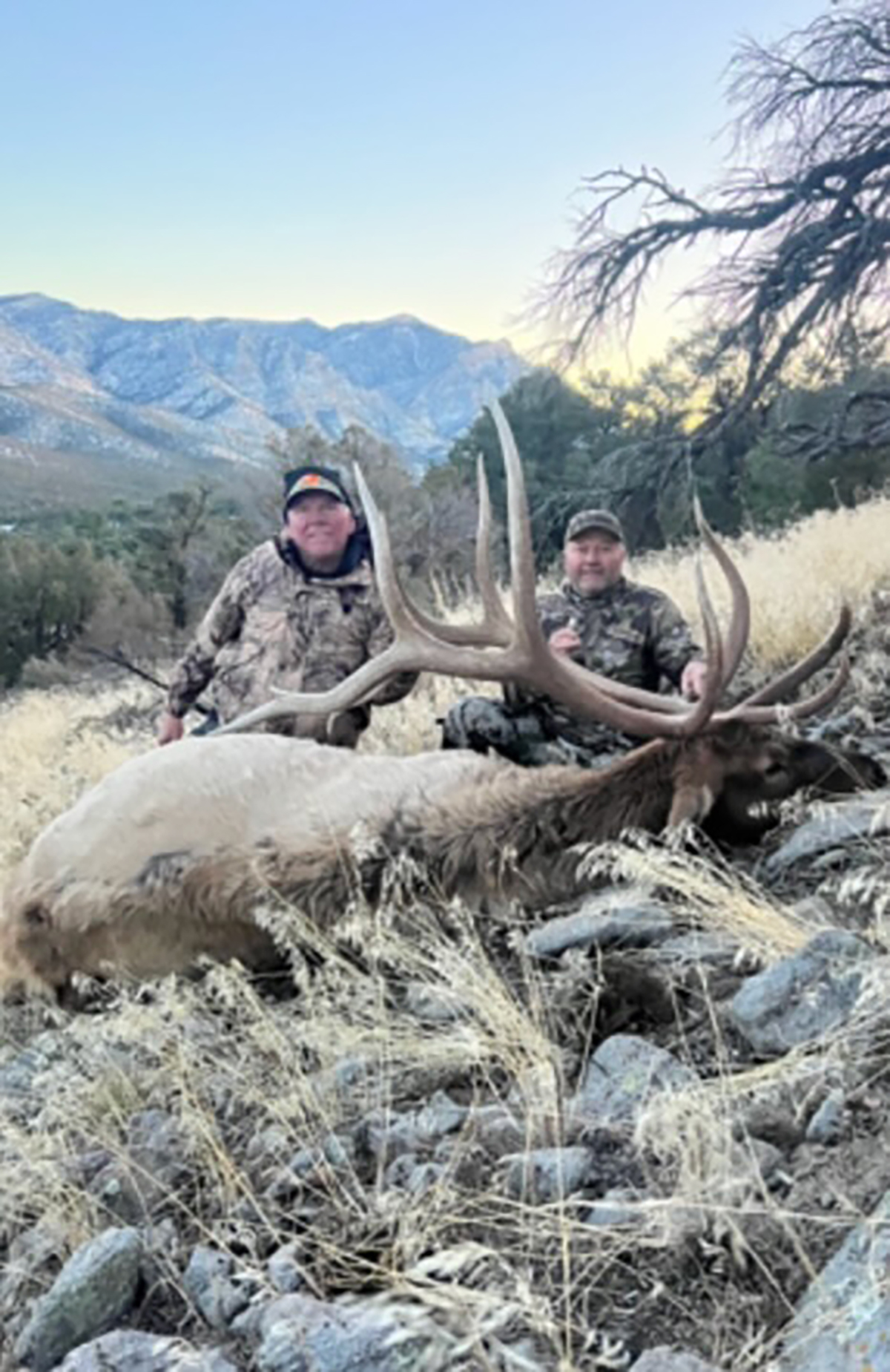
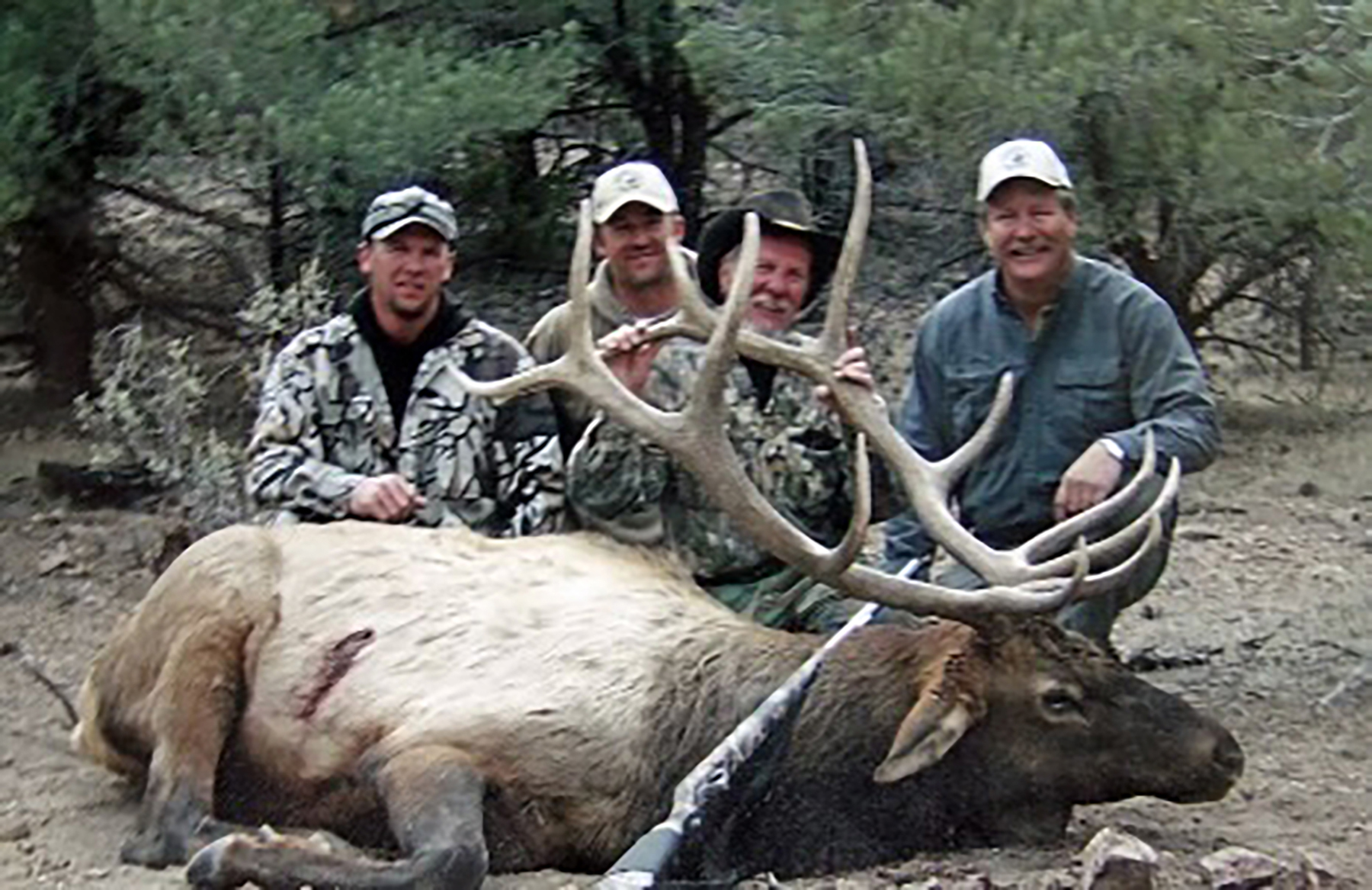
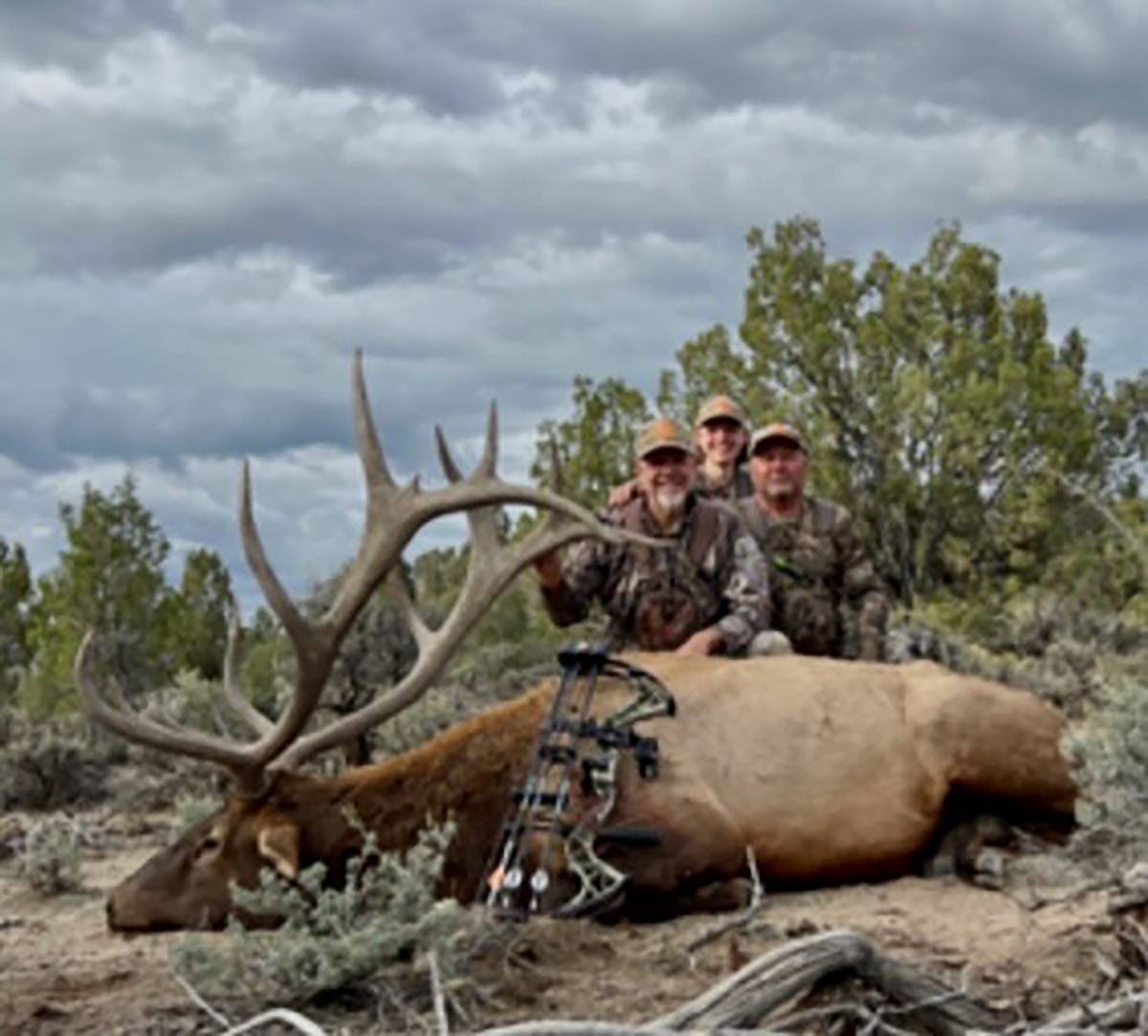
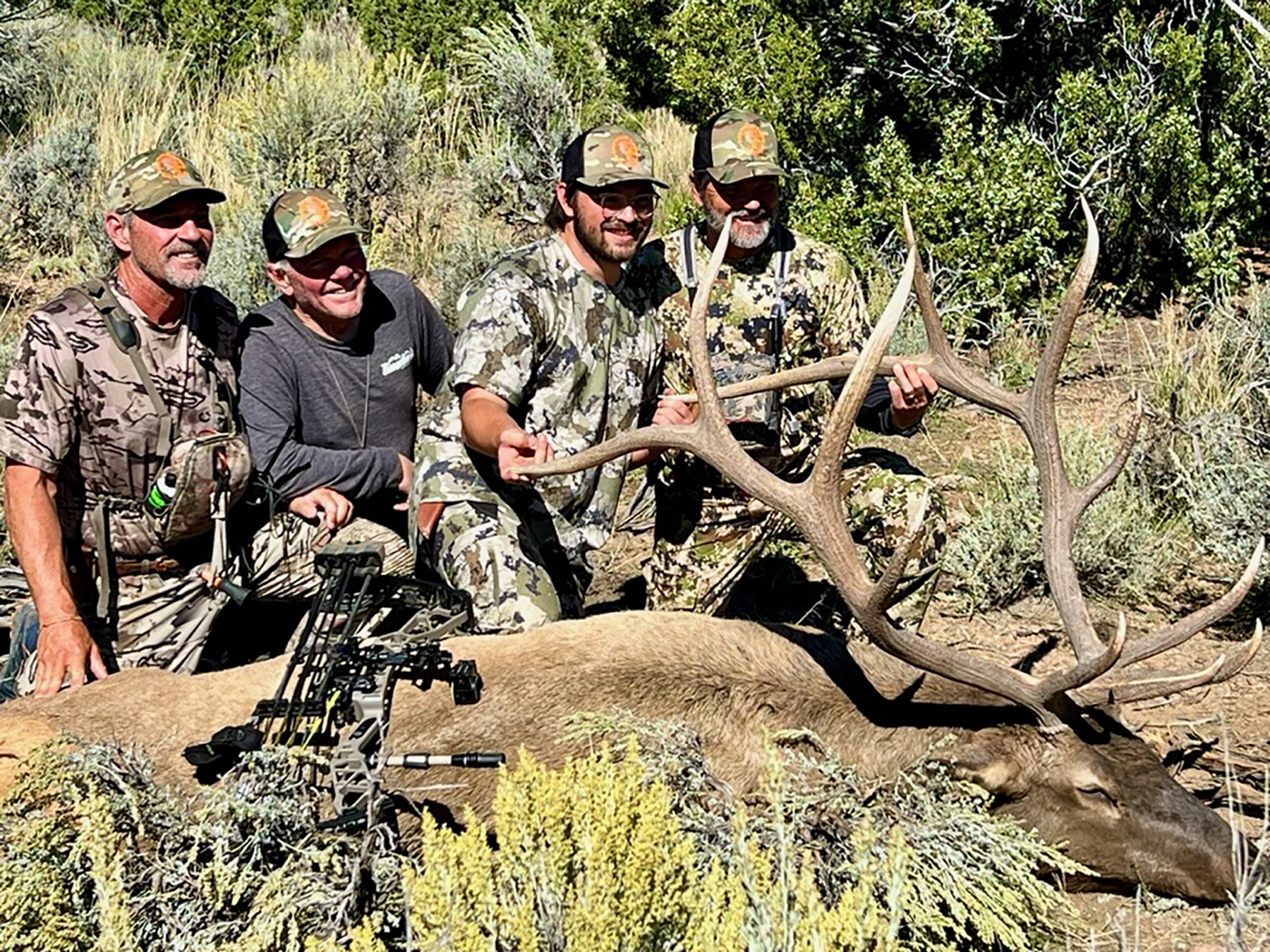
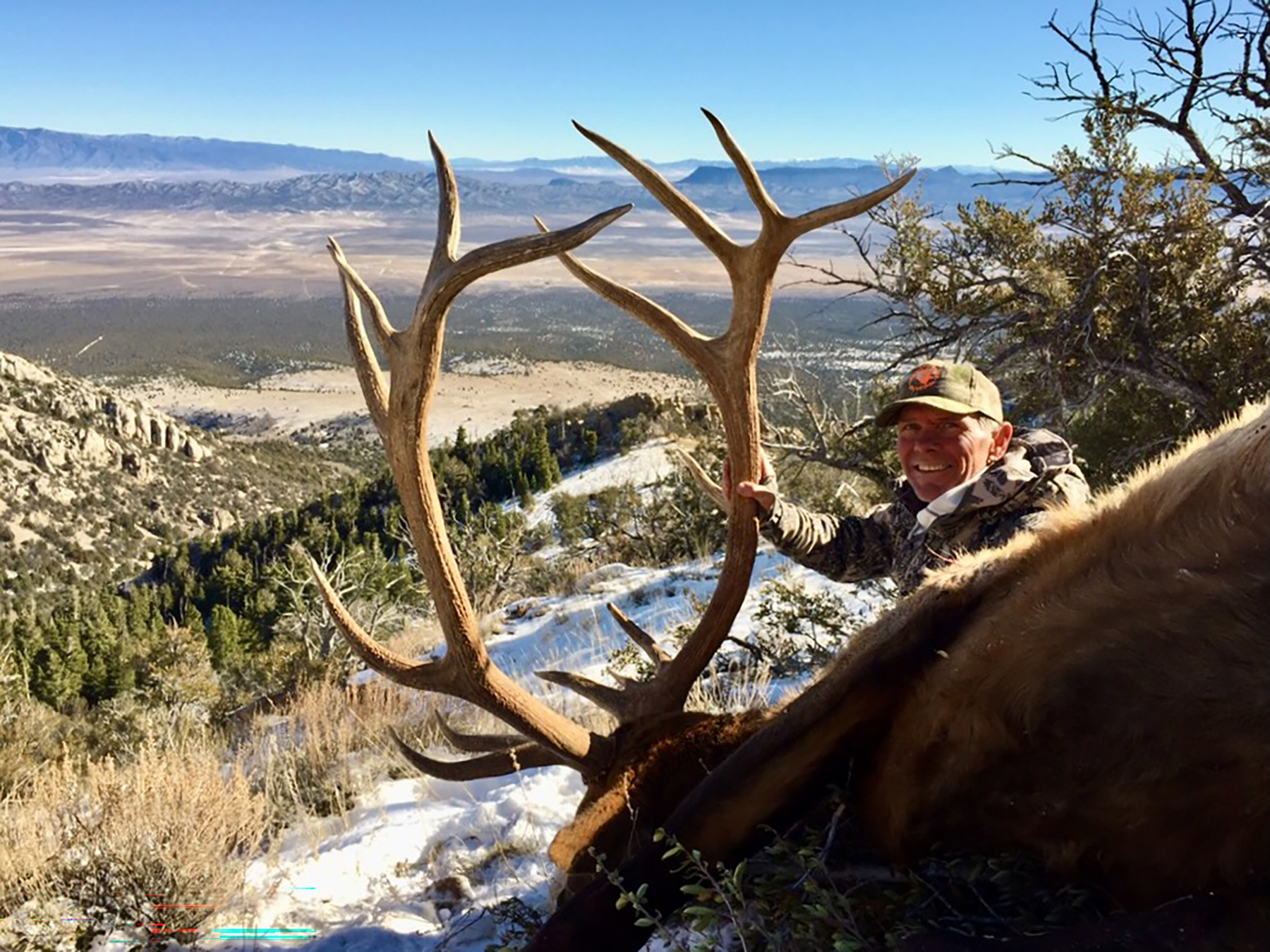
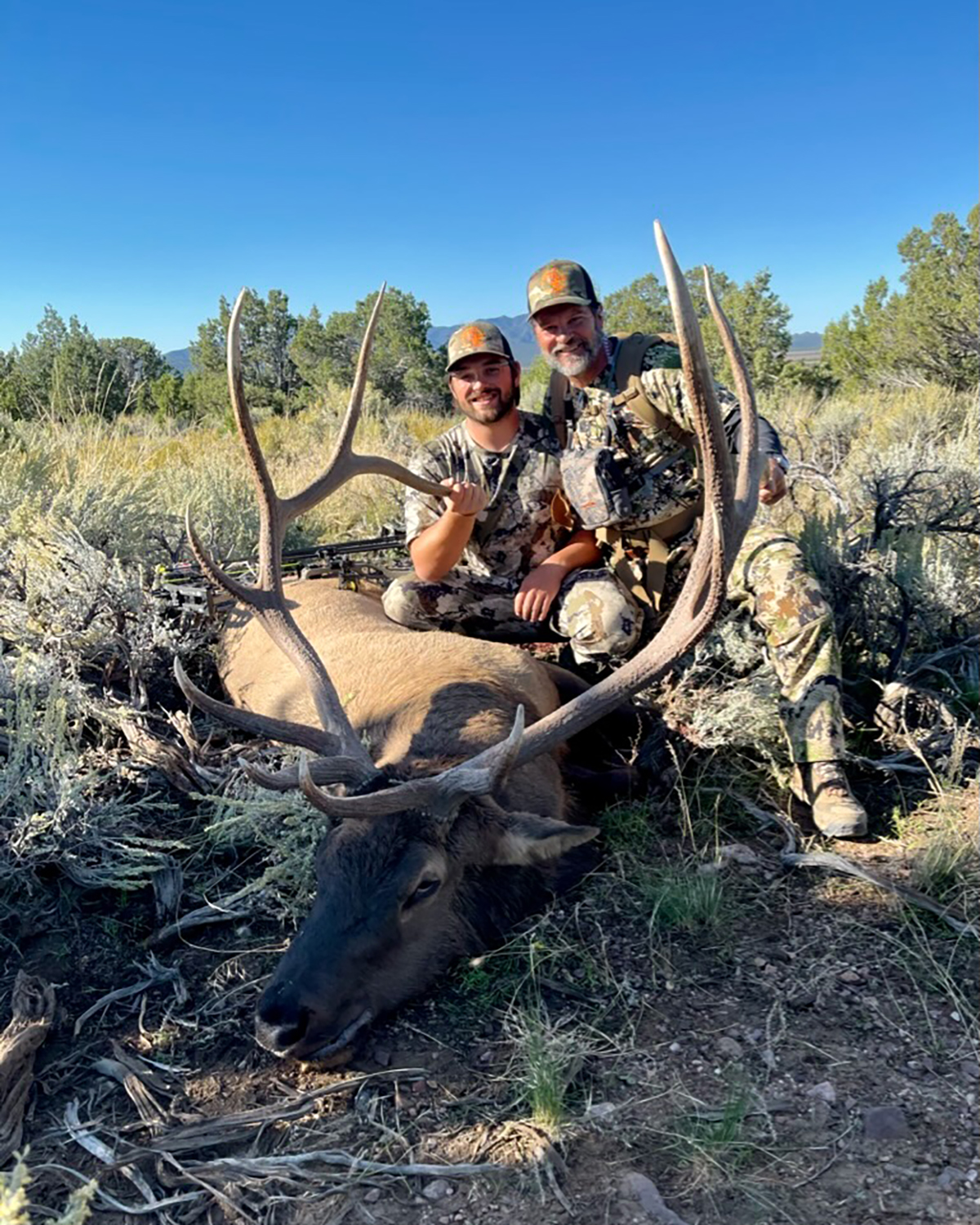
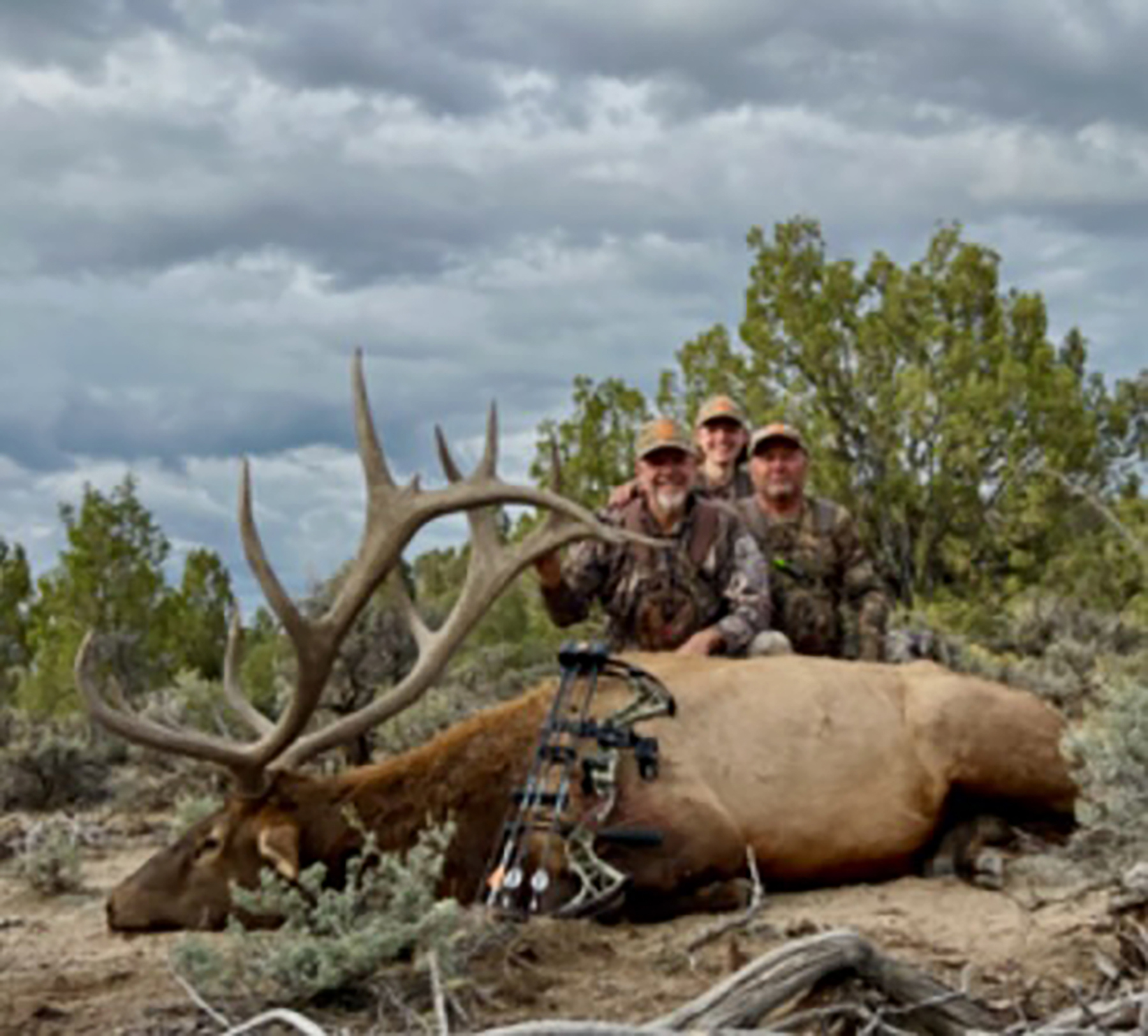
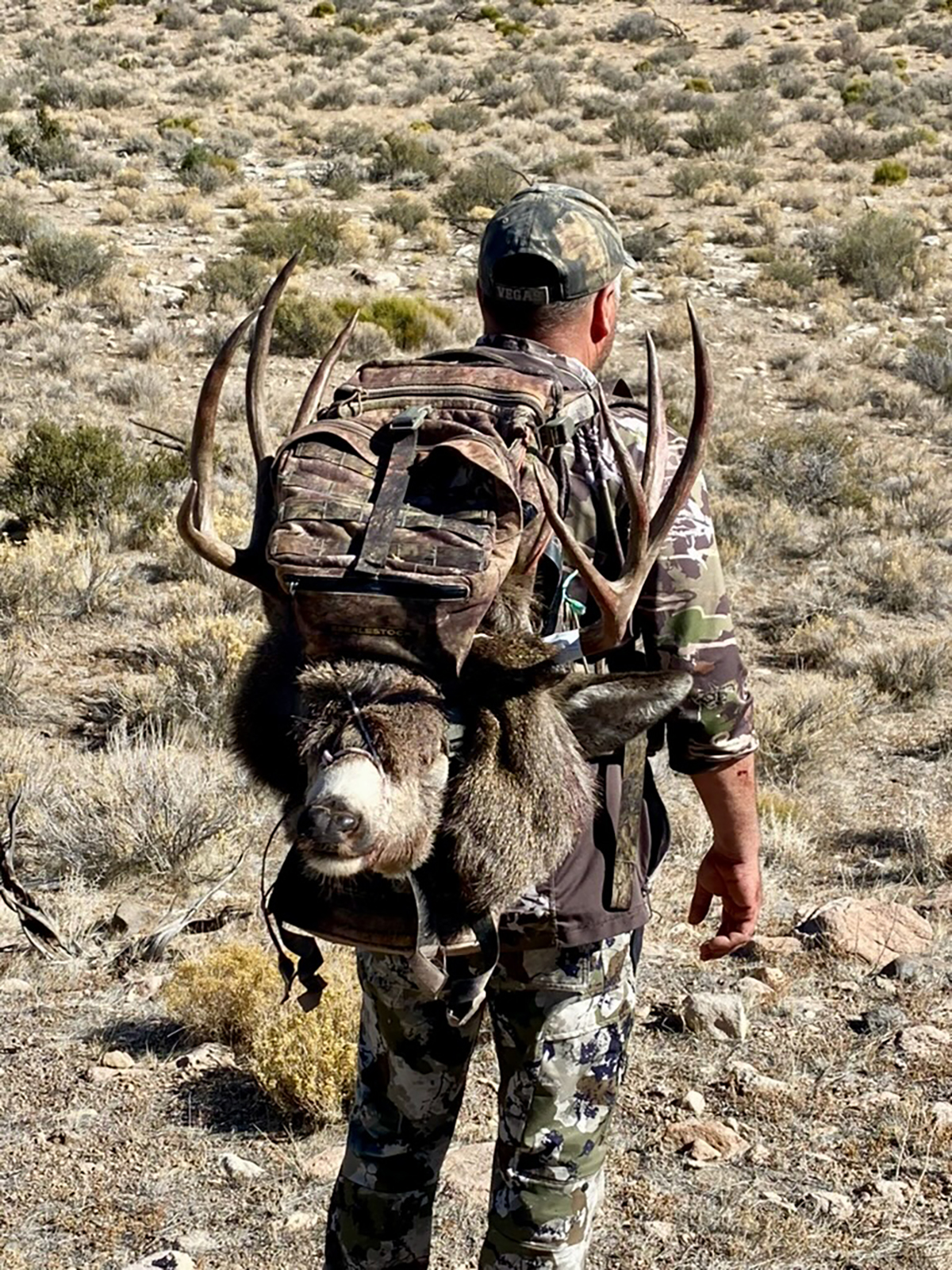
Elk: Cave Valley Ranch boasts some of the finest trophy elk hunting opportunities available anywhere in the United States. The quality and quantity of animals, the structure of the landowner tag program, and the geographic scope of the huntable units combine to produce an offering that is unparalleled.
The ranch has received six landowner elk tags each season for the past ten years. The acquisition of these tags is not automatic – it is earned through a rigorous process managed by NDOW, in which elk numbers on the ranch’s deeded acreage are documented, reported, and verified against an annual independent count. By NDOW’s methodology, six tags equate to 46 head of elk present on the property’s deeded acreage every day of the year, a threshold that speaks to the sheer density of animals on the ranch and in the surrounding valley.
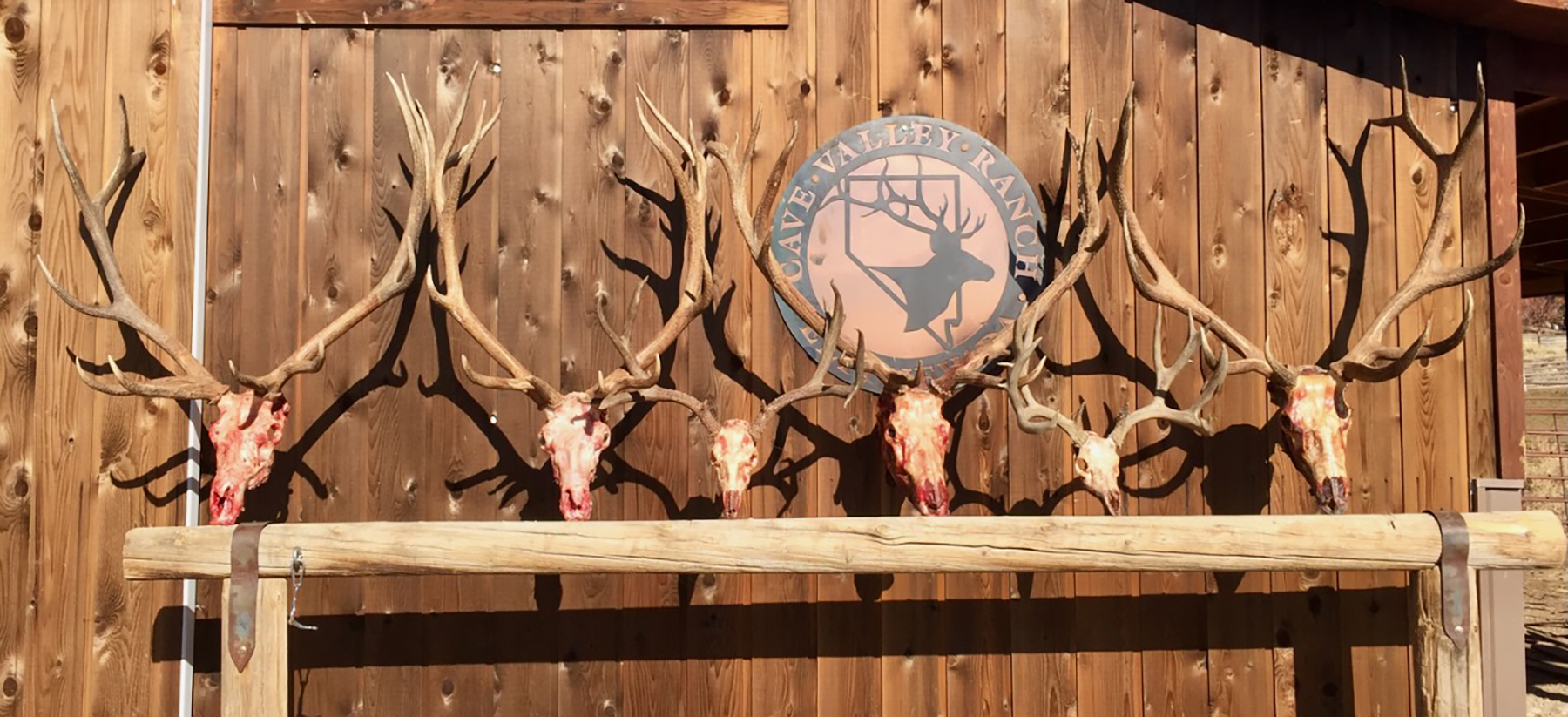
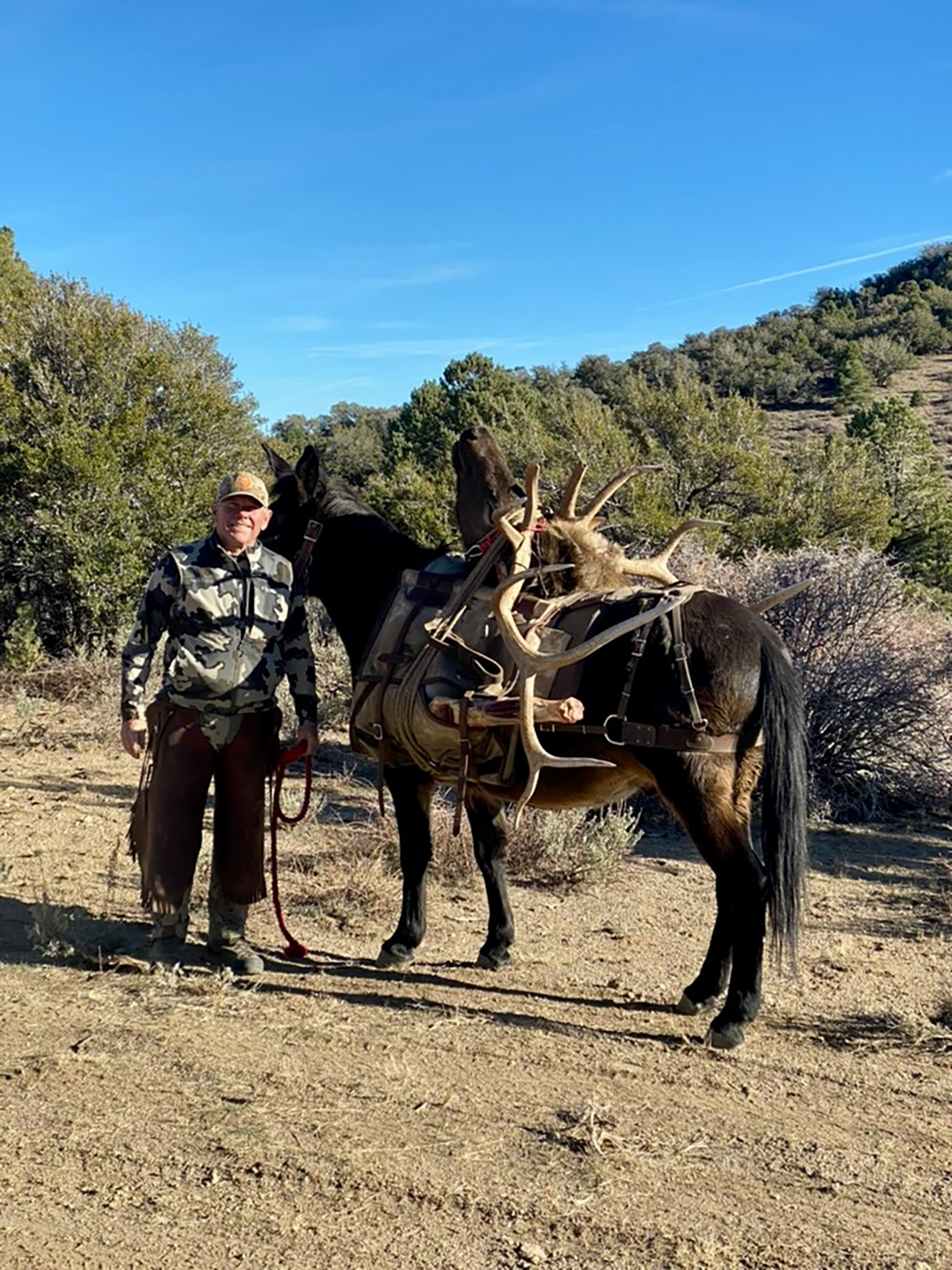
Landowner tags are valid not only on Cave Valley Ranch’s deeded land but throughout the entirety of hunt units 221, 222, and 223. These three units span over 112 miles north to south, from Ely to the Great Basin Highway, and are widely considered among the finest elk hunting units in Nevada, if not the United States. Tags are valid across all seasons, including archery, muzzleloader, early rifle, and late rifle seasons. Trophy-caliber bulls are taken through Cave Valley Ranch landowner tags each season, and the tags are fully transferable with significant market value. The contrast with Nevada’s public draw system, which imposes a mandatory seven-year waiting period for elk tags regardless of harvest, underscores the extraordinary value of these tags. With continued habitat and water investment, the owner and ranch manager feel there is meaningful potential to increase the ranch’s tag allocation to 8–10 tags.
The elk population that drives Cave Valley Ranch’s tag allocation is the direct result of decades of deliberate, science-based habitat management by the current owner and ranch manager in partnership with NDOW, federal agencies, and the Rocky Mountain Elk Foundation. Key stewardship investments include extensive water development, drill seeding, pinion and juniper thinning, rubber rabbitbrush removal, invasive weed control, and strategic cattle grazing management to minimize competition with elk and allow for pasture recovery. The current ownership was also instrumental in advocating for and supporting the designation of the Mount Grafton Wilderness in 2006, which reduced incompatible development and encroachment in core elk habitat.
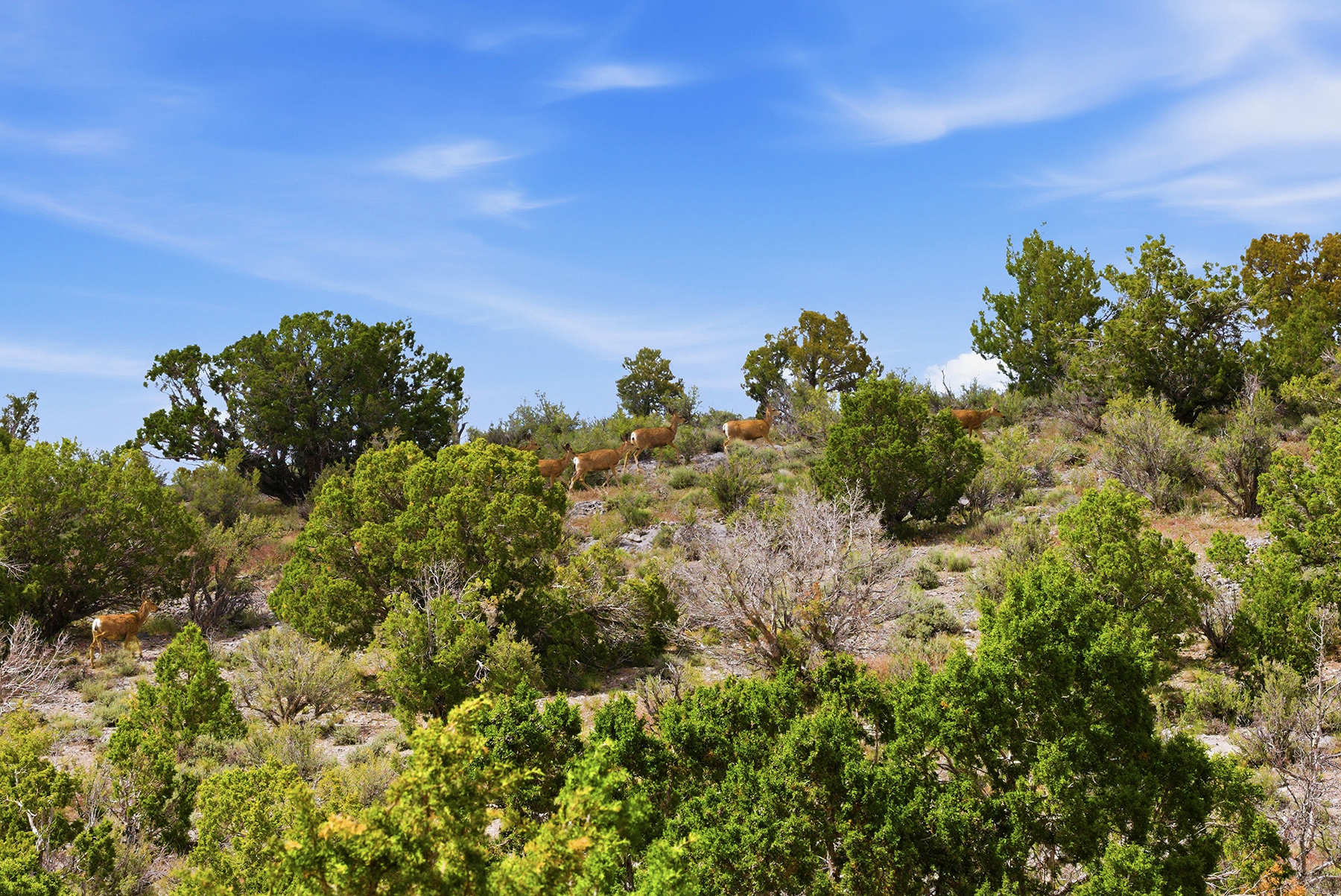
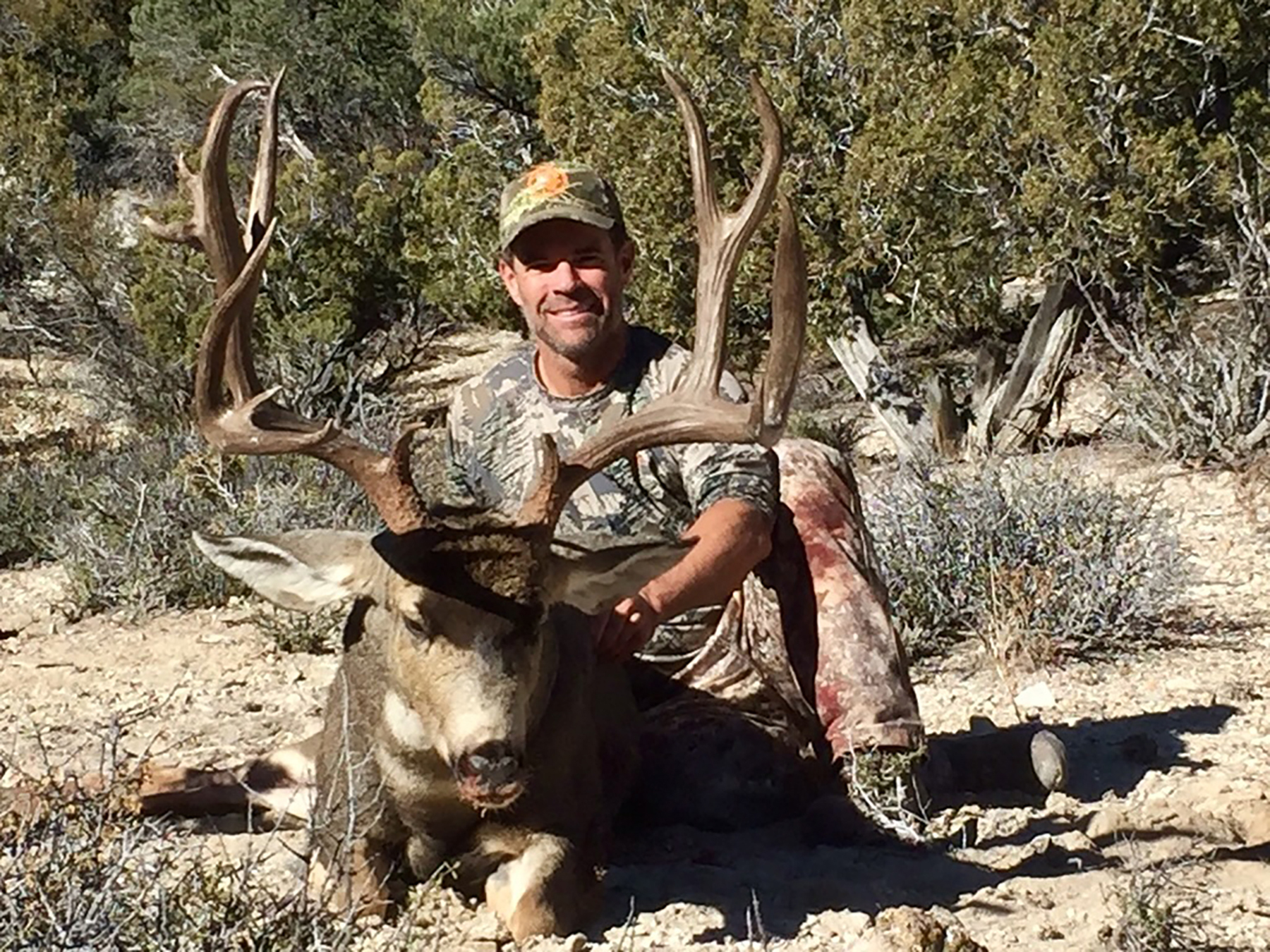
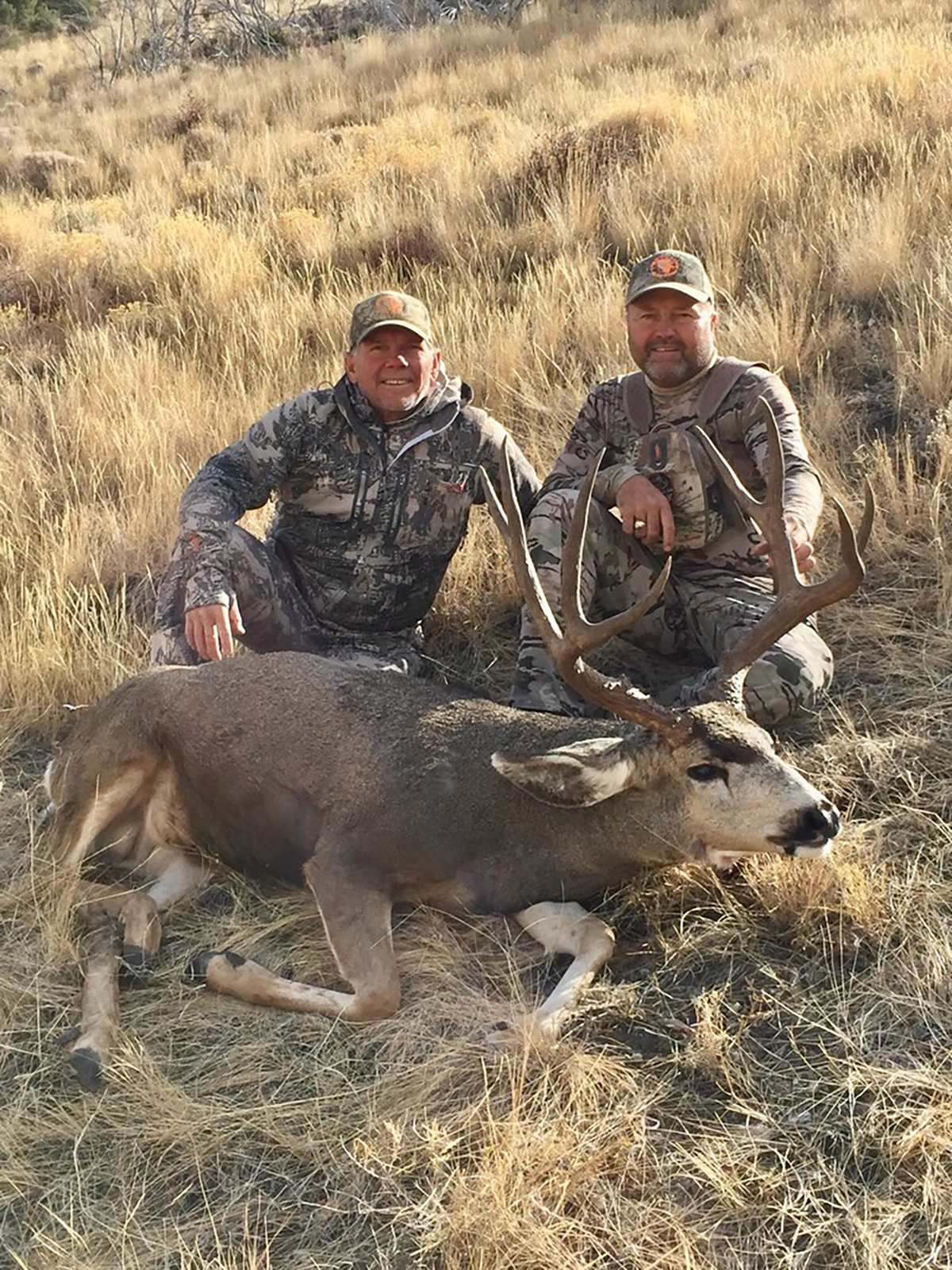
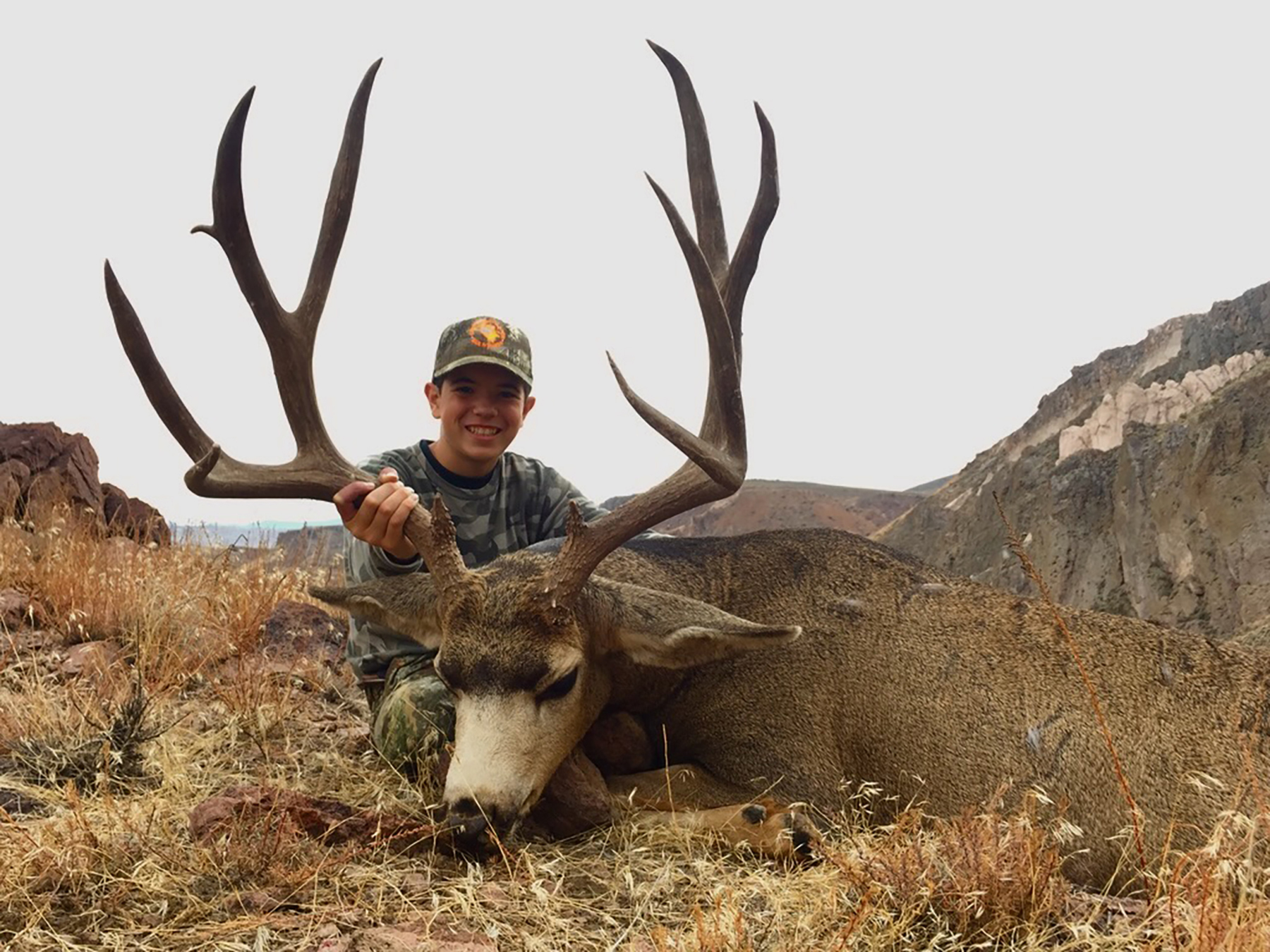
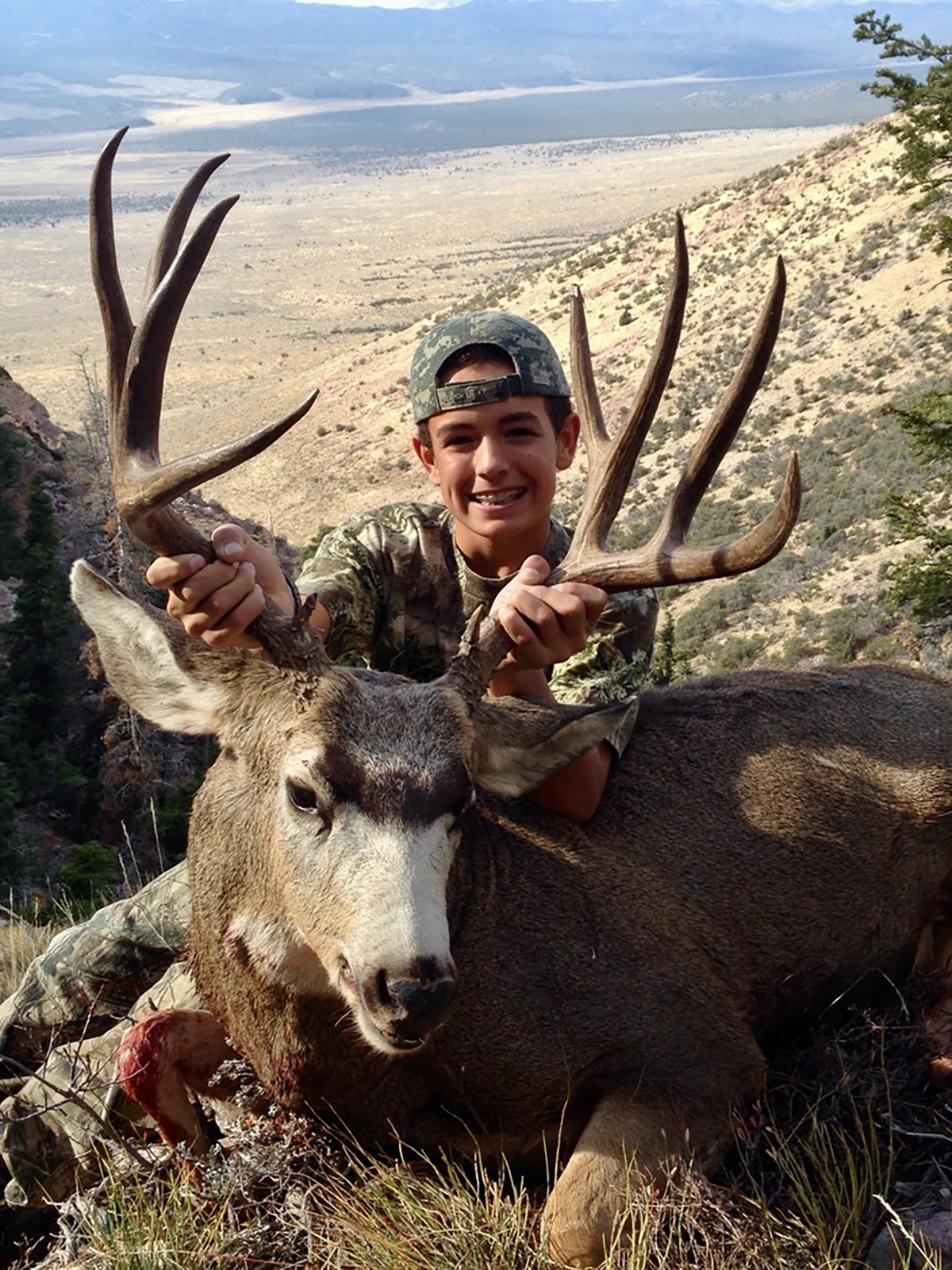
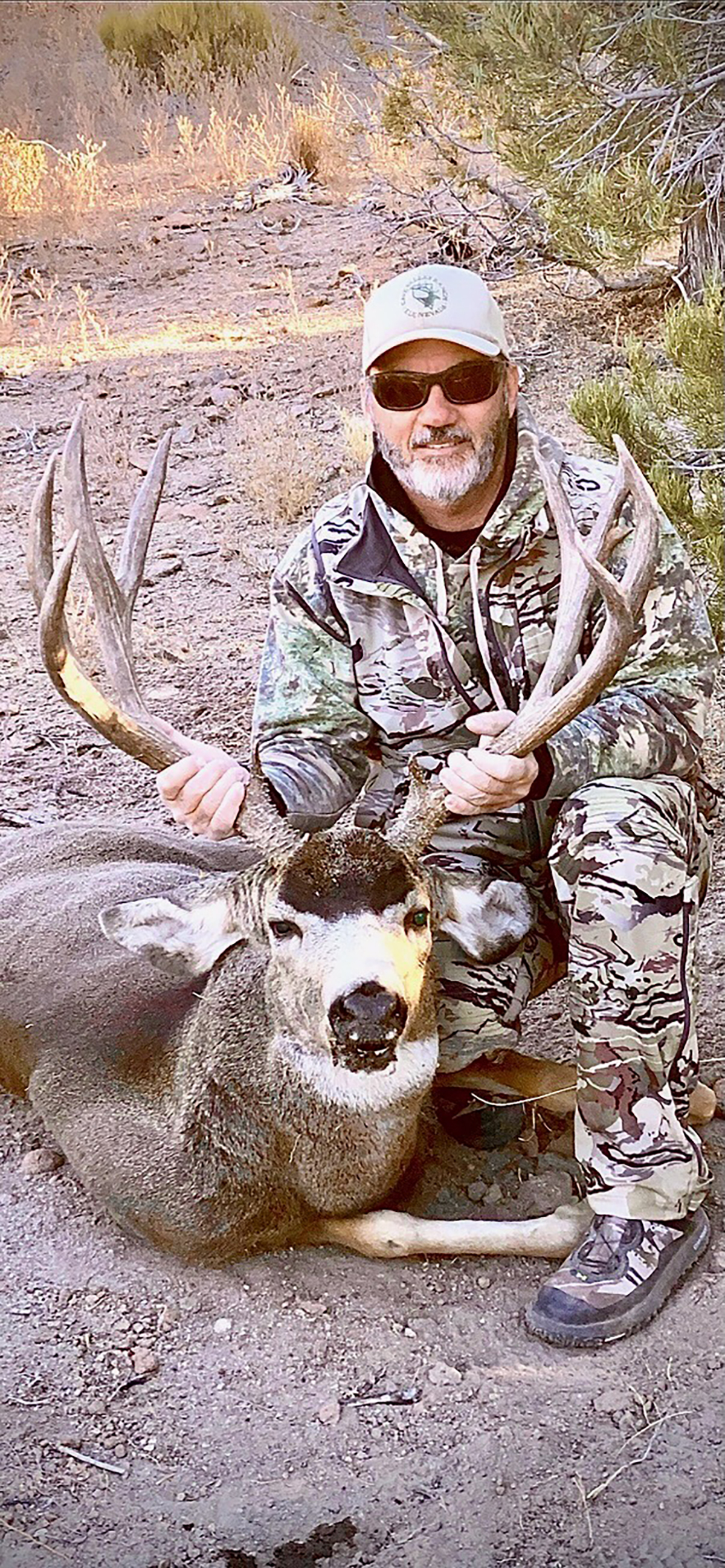
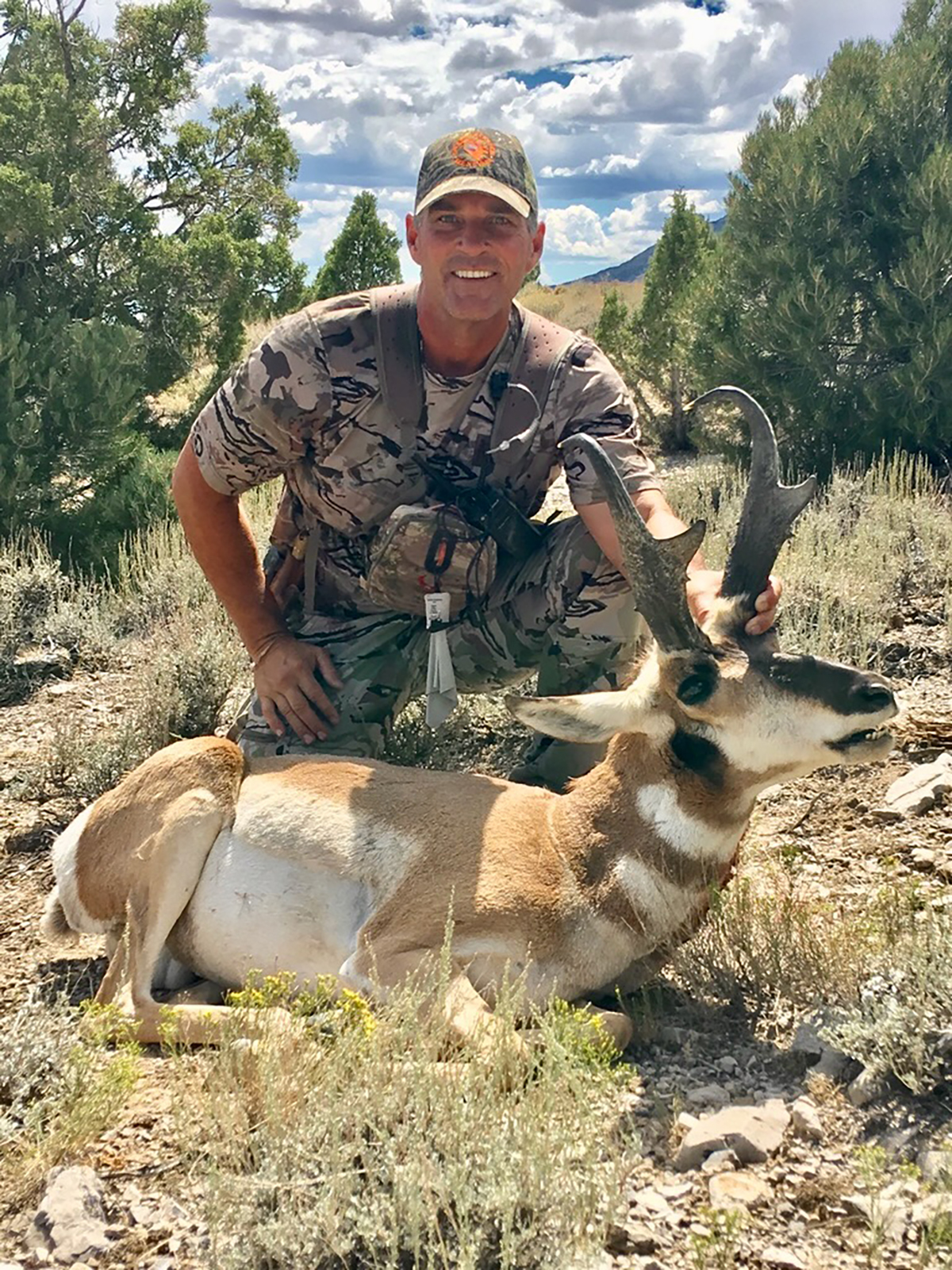
Mule Deer and Pronghorn Antelope: In addition to world-class elk hunting, Cave Valley Ranch provides outstanding mule deer and antelope hunting. Landowner tags for both species are acquired through NDOW counts – 50 head on deeded land equates to one deer or antelope tag – with Cave Valley Ranch controlling the timing of the count. Tags are valid across the archery, muzzleloader, early rifle, and late rifle seasons and can be sold to third parties. Deer and antelope tags within units 221, 222, and 223 are extremely scarce in the public draw, with only five resident and one non-resident late rifle season tag issued publicly across all three units, making the landowner tags considerably more valuable. Cover-worthy bucks and exceptional antelope are regularly harvested on the ranch.
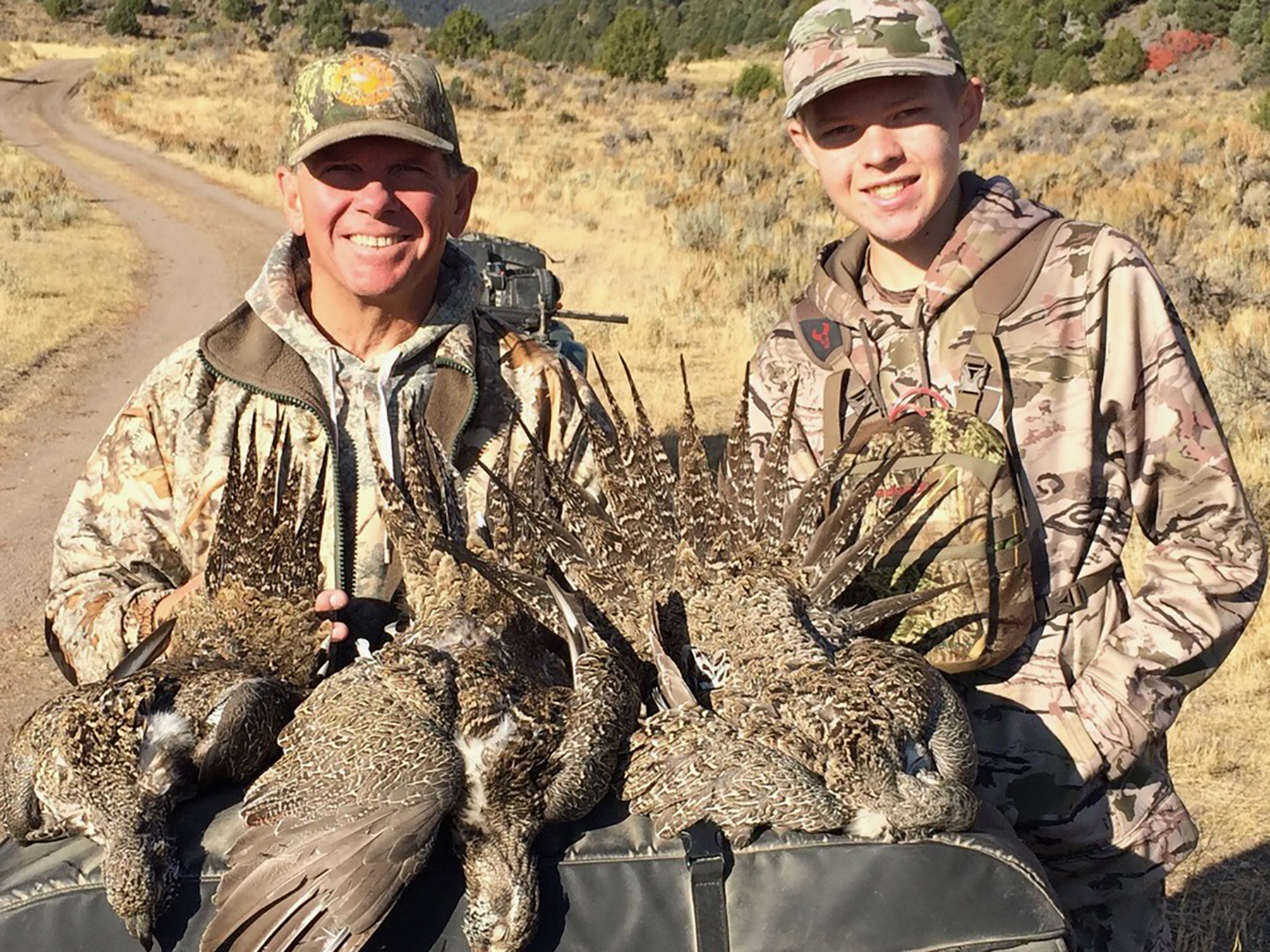
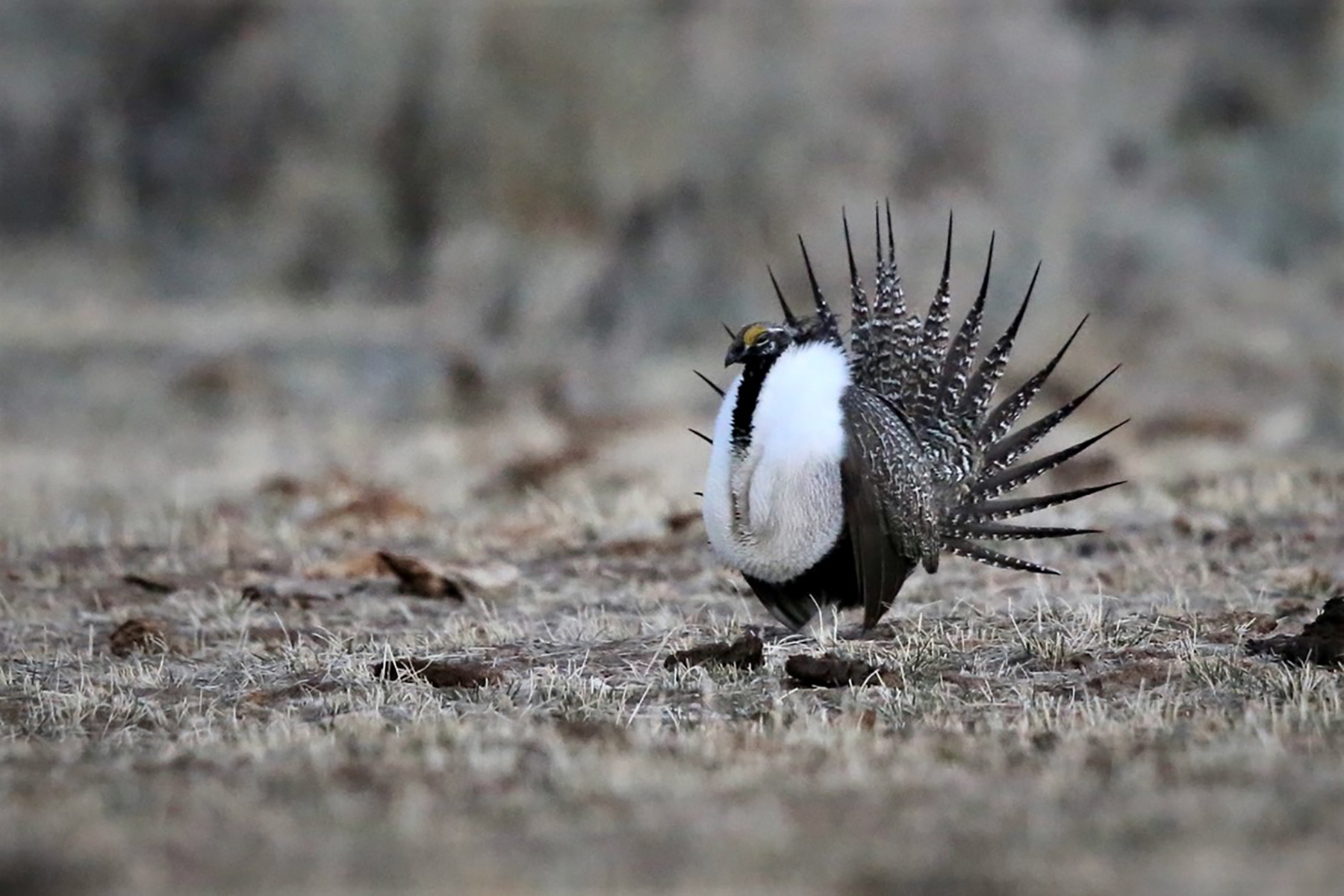
Upland Game Birds: The ranch’s sagebrush flats, meadow edges, and mid-elevation habitats support a notable population of greater sage grouse as well as large coveys of chukar partridge. These species add a meaningful hunting dimension to the property and further reflect the ecological integrity of the habitat cultivated under current ownership.
Cave Valley Ranch is operated as a working cattle ranch and a private trophy elk hunting destination, with the two uses carefully managed to complement one another. The ranch’s current management philosophy prioritizes elk habitat and hunting quality while maintaining a modest, strategically managed cattle presence. The ranch was traditionally run as a 400–500 head cow/calf operation consisting of approximately 400 mother cows and 50 first-calf heifers. In 2023, the ranch began transitioning to a yearling model to reduce grazing pressure on elk habitat and improve forage availability and pasture recovery. The current plan calls for running 200–250 yearlings on the ranch’s deeded land and various seedings and improved pastures, while leasing the BLM allotments to an independent operator. Since 2022, Cave Valley Ranch has participated in a drought insurance program covering the ranch’s physical footprint. After meeting the $71,250 annual premium, the program has generated net payments ranging from approximately $50,000 in its lowest year to $207,000 in its best year.
I have purchased four ranches through Hall and Hall over the past 20 years.
I have purchased four ranches through Hall and Hall over the past 20 years, and there is simply no other team in the world like them. They have navigated complexity, professionally attended to every detail, operated with fairness and integrity, and demonstrated an unwavering commitment to me–...