Stories
Getting to Know Cameron Roth
Nov 16, 2026 | Hall and Hall
Cameron Roth was introduced to the cattle business by his grandfather, who operated two livestock auctions. He sells production farms and ranches in Kansas, Oklahoma and Missouri and he recently joined Hall and Hall. We asked him a few questions.
Tell us about the country you cover. What keeps you there?
What I love about Kansas is that while it’s an excellent state for hunting properties, the majority of the land here is used for agricultural production. Production farms and ranches are what I most enjoy selling.
I value relationships with buyers who are usually in the cattle or grain business, and I take pride in representing the seller’s best interests, primarily to help them achieve full retail for their real estate and navigate any hurdles in the process.
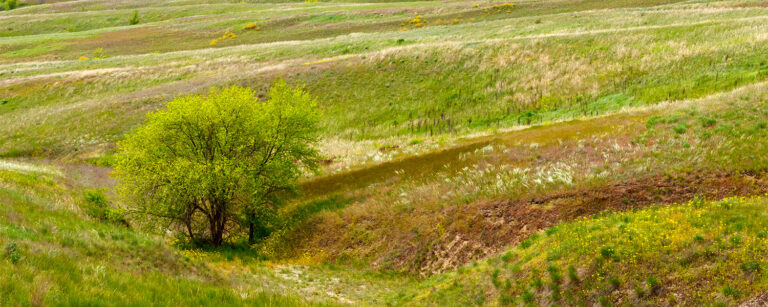
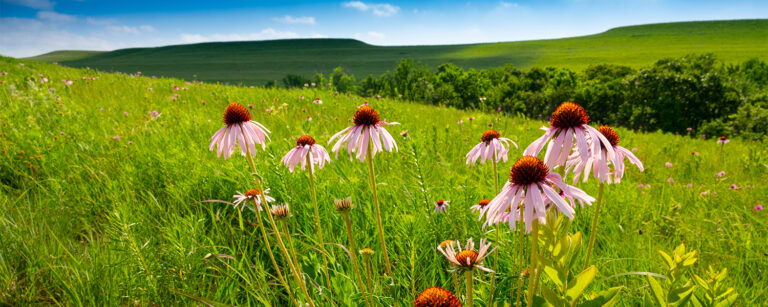
The Flint Hills of Kansas in the summer, the Missouri River Valley in the fall and the Osage Hills of Oklahoma in the spring are some of my favorite regions in the area. In the spring and summer, the Osage Hills and Flint Hills experience a time of growth for both the pasture plant community and the cattle inhabiting these pastures. I love the Missouri River Valley in the fall for the ability to witness the harvest from ultra-fertile soils; it’s just a beautiful area at that time of year.
Where did your love of land, cattle and horses come from?
My love for the land, cattle business and horses began at a young age with introductions from my grandfather, who operated two livestock auctions. This is where I was first exposed to the beef producers and, in turn, the land from which they made their living.
One of my favorite beef producers to whom I was introduced in my youth was a legendary stocker operator named Jack Rich. He always had the best cow horses in the area that were pretty much hands-free, and he’d always let me ride his personal horse, Joe, who was an absolute Cadillac.
How do you read the market where you work right now?
My opinion on the land market in my operating area is that the demand for high-quality cropland and pasture is as strong as it has ever been, while the more marginal tracts have softened some. The majority of buyers are showing patience and are more content to wait on higher-production parcels.
When someone calls about buying or selling, what do you want to know first?
When someone contacts me for representation, the first thing I want to know is the history of the land, its current use and its reputation for production.
Next, I want to know what the seller’s desires are regarding the timeline to sell, discuss planning options for their proceeds of sale such as a 1031 tax-deferred exchange, and, very importantly, provide them with a truthful and accurate range for where I expect the subject real estate to sell. We then will typically get into discussion of different sales methods such as traditional listing, auction, etc.
What do you specialize in, and what does that mean for someone working with you?
I specialize in the marketing and selling of production farms and ranches using multiple sales methods, from live and online auctions to traditional listings to private bids. There’s a correct fit for every parcel and knowing which method to use can make a tremendous difference in proceeds realized.
One example that stands out was when I was competing with another brokerage for a listing. My guidance to the client was to auction it. The competitor, whose company doesn’t offer the auction method as an option, recommended listing it. The competitor wanted to list the pasture at $3,300 per acre and expected it to sell at $3,000 per acre. My suggestion was to offer it at auction in order to create a spirit of competition and remove the ceiling at which the property might sell. We had a great bidding war and the property ended up selling for $3,825 per acre. This was 420± acres, so even if it would have brought the full asking price the competitor suggested, it would have cost the Seller over $220,000.
Away from work, what fills your time?
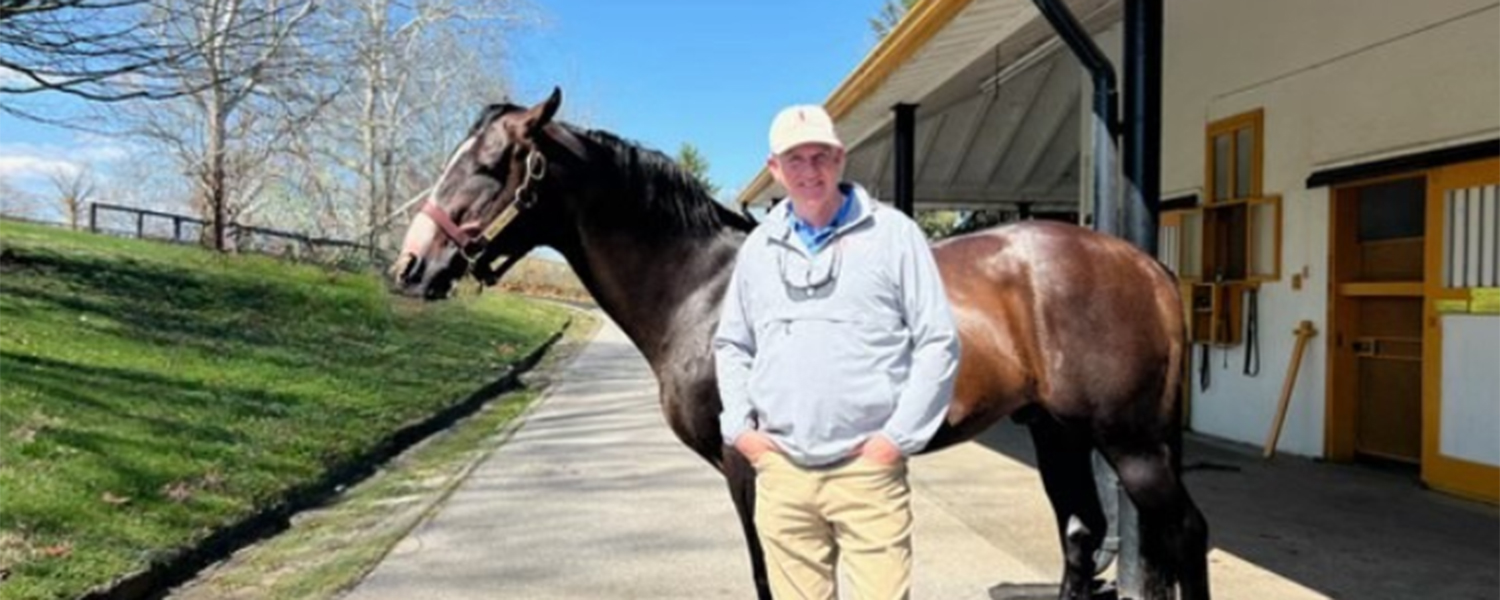
Away from work, I enjoy time with my family, quail hunting and developing young bird dogs, grazing stocker cattle and producing Thoroughbred foals in conjunction with Halcyon Farm in Georgetown, Kentucky.
Most of my time spent quail hunting is in east-central and southwest Kansas, where we own a ranch. I typically hunt with friends and clients who also have bird dogs and enjoy watching their dogs develop as much as my own. With the quail numbers down across most of the country, I’m lucky to live in a unique area where we still have plenty of birds to make a good dog. My favorite young dog currently is a pointer named Dot that has a great mind and nose, listens, and wants to perform for her handler, which can be a rarity for the breed! The highlight of her young career thus far was last year in eastern Montana when she was retrieving a sharptail for me and stopped to pick up another one on her way back, making a fun double retrieve. Very rare for a pointer!
What drew you to Hall and Hall specifically?
I was attracted to Hall and Hall for many reasons, but what stands out to me is the premium quality of their representatives and their overall operation. They are viewed as the ultimate choice when buyers and sellers desire the best marketing and representation for their real estate transactions.
What really made an impression on me was when I was asked by John Wildin and Scott Shuman to visit southeast Kansas to assist them in a large multi-parcel auction. I was able to get an up-close look at how they operate their land auctions, interact with their clients and carry the Hall and Hall banner. They exude professionalism at every turn and create a tremendous, magnetic team environment that makes one want to be a part of it.
I also greatly appreciate that all the partners are on the same team and share both the workload and the benefits of each sale. This brings a team of top-shelf real estate practitioners to the table for every client and is a very unique system.
What are you most looking forward to in this first year?
I’m mostly looking forward to implementing Hall and Hall’s marketing and sales plans to benefit my clients. I’ve studied the market for years and know the exposure these plans can give a client’s property, so I’m eager to put them to work.
Last one. Someone is thinking about buying or selling in your part of the country. What’s your advice?
There are many important factors to consider when buying land anywhere, but most importantly, clients should employ someone who is going to shoot them straight and whom they can trust 100%. Fiduciary duty to my clients is paramount and I’m always going to answer questions honestly, even if it costs me a deal. My reputation is worth much more than a commission.