Land

A Practical Due Diligence Guide for Farm and Ranch Buyers

Jun 15, 2026 | Hall and Hall
Large round straw bales with clouds and a golden sunset

A Practical Due Diligence Guide

Farm and ranch due diligence is about understanding the property and land as a coordinated system, and understanding it well enough to make a decision that will still feel right in ten or fifty years. The review and inspection process helps move from first impressions, which can be powerful, to informed judgment.

What follows is a practical look at what experienced ranch buyers and their advisers look at, in roughly the order it tends to matter. It is a starting point, not a substitute for the diligence a broker, attorney, and, where relevant, finance and land management advisers will build with the buyer once a specific property is in play.
Water, Access, and the Land Fundamentals

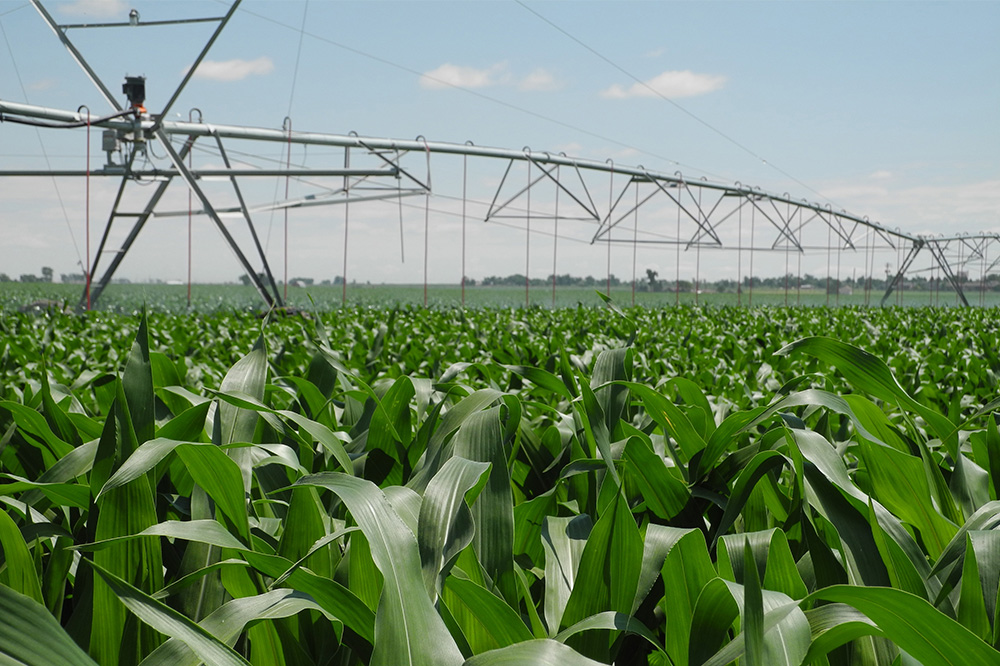
Water is almost always the right place to begin. A cohesive understanding of water rights, their priority, their documentation, and the physical infrastructure sets a strong foundation. This is not the place to rely on assumptions. A buyer’s adviser will want to see adjudicated rights, historical use, and any pending or contested claims.

Access is another physical fundamental. How the property is reached, year-round, matters as much as how it is reached on a clear summer day. Roads, easements, neighboring property interests, and seasonal constraints should be walked and documented. The same applies to fencing, boundaries, and survey status. Where older surveys exist, confirming their accuracy is standard practice.

Improvements come next. Buildings, barns, corrals, and equipment sheds should be inspected with an eye to both current condition and replacement timelines. A property may be fundamentally sound while still carrying real near-term capital expenditure, and a buyer will want to price that in rather than wait to be surprised.

Operational and Land Use

The second layer of diligence is operational. Grazing leases, crop production, conservation easements, outfitting leases, and any oral or written agreements should be reviewed closely. Short-term income is often less interesting than the long-term structure of these agreements. A lease that looks attractive today may become constraining for future plans.

Habitat, wildlife, and recreational considerations belong here as well. Hunting and fishing opportunities, conservation status, and the health of riparian and native habitat all bear on long-term enjoyment and value. Where a property sits within a broader landscape, the relationship with neighboring landowners, public land boundaries, and regional conservation efforts also matters.

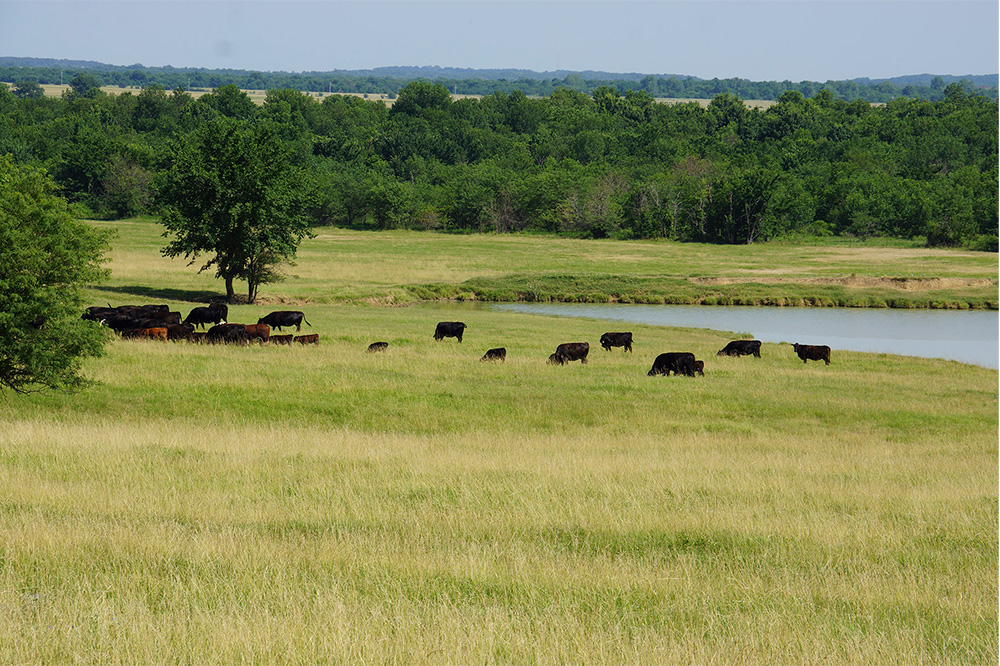
Cattle grazing with pond and trees in the background

Legal, Title, and Tax Structure

The third layer is structural. A buyer’s legal counsel will work through title, encumbrances, and any liens or obligations attached to the property. Mineral rights and severances deserve particular attention; in some regions, they are decoupled from surface ownership and can carry long-term implications.

Tax structure is a related question. The right holding structure depends on the buyer’s overall position, but the decision is best made early, with coordinated advice from counsel, a tax adviser, and, where relevant, finance specialists who understand land transactions specifically. Hall and Hall’s own finance capability is often useful here, not to replace a buyer’s existing advisers but to translate land-specific considerations into terms they can work with quickly.

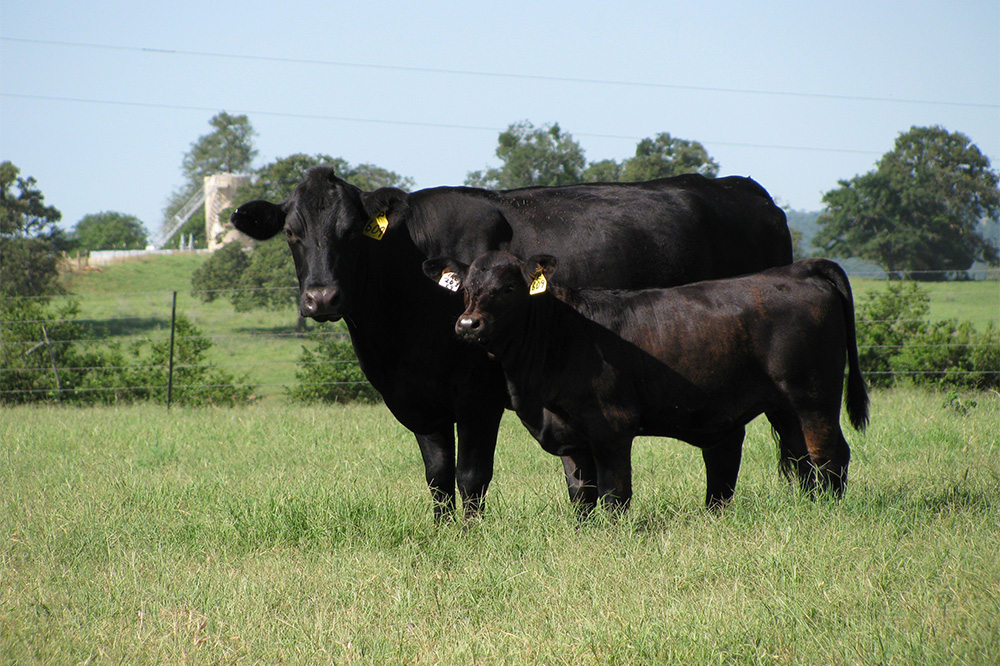
Black cow with calf in grass field with trees in background

Long-Term Fit and Stewardship

The final layer is the one that a buyer considers throughout the previous steps. Long-term fit. Does the property match how the buyer and their family intend to use the land? Is the operational commitment realistic? Will the property support the kind of stewardship the buyer wants to introduce, in water management, habitat, grazing, and improvements? This is also the point at which the relationship with a future land manager, or the continuity of an existing operations team, should be carefully evaluated.

A strong due diligence process is clarifying. It gives a buyer the confidence to move decisively when the property is right, and the discipline to step back when it is not. Either outcome is a product of diligence doing its workFor buyers beginning their evaluation, the most useful conversation is usually with a broker who understands the specific region and property type. A good broker will not shorten diligence; they will help sequence it, so that the questions that matter most are answered first, and the decision, when it comes, is made on the right basis.


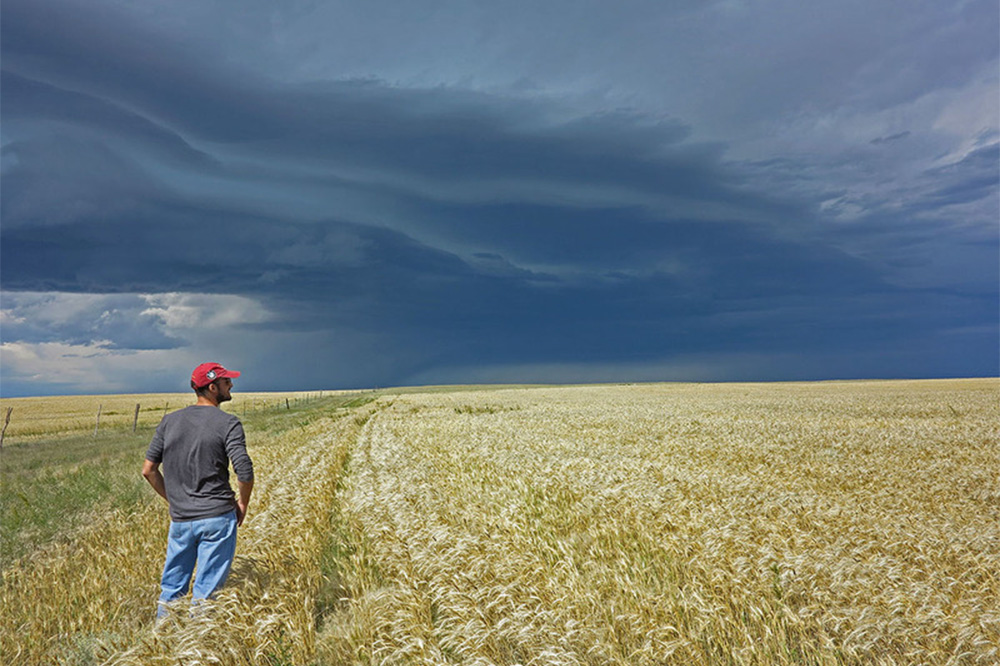
Farmer in red hat standing and gazing over a wheat field with a stormy sky