Land

Conserving Land in the Southeast: The Stonehouse Story

Aug 12, 2026 | Hall and Hall
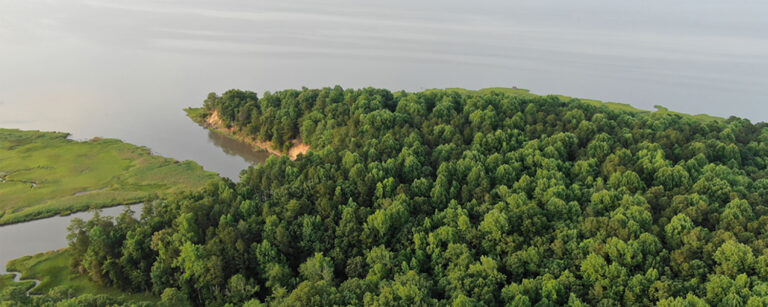
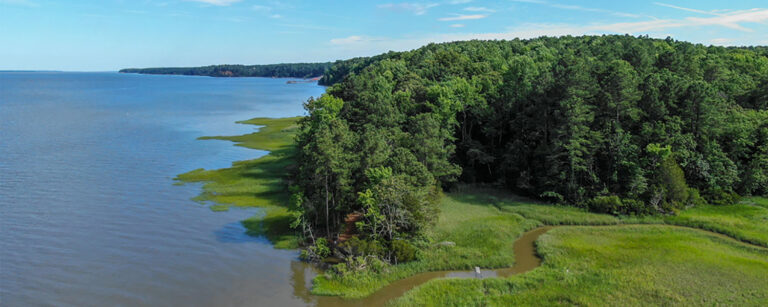
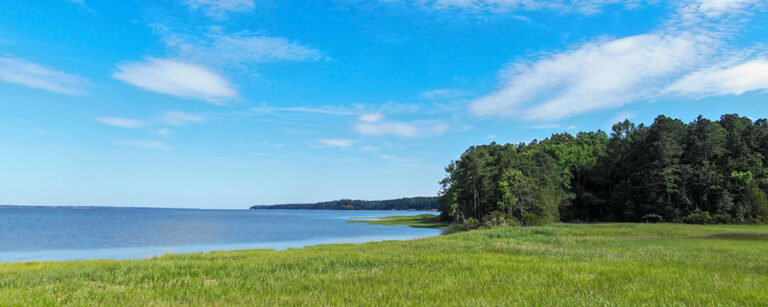
Large body of water with green coastline and trees

The Stonehouse Story

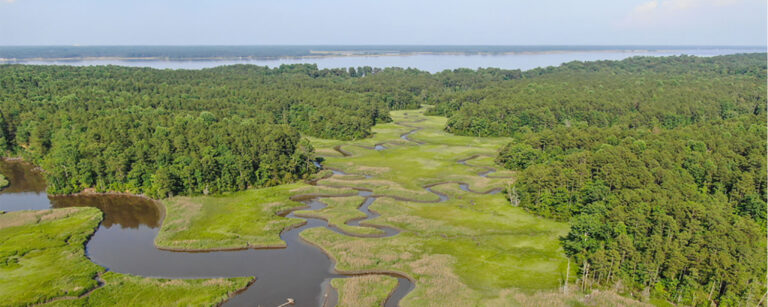
Conserving large private landholdings is nothing new, but as growth spreads across the Sunbelt, it is increasingly tied to preserving the rural landscapes where we live and work. Virginia’s Tidewater is one of those places, and it is where the 2,712± acre Stonehouse Preserve sits. Stonehouse was the hole in the donut, the private ground between the Ware Creek Wildlife Management Area to the west and York River State Park to the east.

Every deal is unique, and transactions geared towards conservation are no different. They tend to hinge on lengthy escrows and complicated mechanics, but if managed patiently, they can lead to legacy-impacting outcomes. In brokerage, we don’t get to choose the buyer, so when the pieces of a transaction this complex come together, it is not something we take for granted. In this case, through extensive good-faith negotiations and a very patient seller client, we were able to achieve a true win-win-win deal that will lead to the permanent conservation of Stonehouse and merge it into a now nearly contiguous 10,000± acre block of protected land in one of Virginia’s fastest growing areas.

What makes it even more meaningful is that Hall and Hall represented the seller of the adjacent 2,700± acre York River Preserve almost exactly ten years ago, which the Commonwealth purchased and converted into the Ware Creek WMA. Taking part in conservation opportunities like these, quite literally from coast to coast, is a privilege we don’t take lightly.
Why Private Land Is the Foundation

In the eastern United States, private land is the foundation of conservation. In most regions east of the Mississippi, private landowners control 90 percent or more of the total land mass. There is not enough public land to sustain biological diversity, protect water quality, or preserve the agricultural and forest character of the Southeast without private landowners actively choosing to do so.

Dana Beach, Founder and Director emeritus of the South Carolina Coastal Conservation League, made that point plainly in a conversation with Hall and Hall’s Alex Webel: “It is not possible to sustain biological diversity in North America without private lands serving as the foundation of a large protected landscape.” That full conversation on the role of private ownership in shaping conservation outcomes across the Southeast is worth reading. [link: Engineering Conservation in the Southeast.]

The development pressure that makes conservation increasingly urgent is concentrated in the same Sunbelt corridor where some of the Southeast’s most ecologically significant private lands sit. Virginia alone has been losing roughly 2,000 acres of rural working land per week to development. The pattern repeats across the Carolinas, Georgia, Tennessee, and the Gulf Coast states. Tax pressure on longtime landowners intensifies as adjacent land values climb. Subdivisions push into former agricultural ground. The decisions that private landowners make now will shape what this region looks like for the next generation.

A Ten-Year Arc

The Stonehouse transaction is the second chapter of a story that started a decade ago when Hall and Hall represented the seller of the adjacent York River Preserve, a 2,700± acre property that the Commonwealth of Virginia purchased and converted into what is now the Ware Creek Wildlife Management Area.

At the time, Stonehouse sat between the two protected areas as private ground. The conservation value of completing that corridor was clear, but completing it required the right seller, the right buyer, and a process patient enough to hold together through the complexity of a transaction of this scale. That combination eventually came together. The result is a nearly contiguous 10,000± acre block of permanently conserved land in one of Virginia’s fastest growing regions, completed across two separate transactions a decade apart.

Stonehouse (Preserve), like most deals geared towards conservation, was a complex transaction that came together slowly. Brokerage-wise, it was possible because of the depth of experience the Hall and Hall partnership has with these types of transactions, as well as our proven local track record from having brokered the neighboring sale 10 years prior, which became the Ware Creek WMA. Very little in our world is accomplished alone, and I was able to build on the excellent work of Trent Jones and Elliott Davenport, while representing an outstanding client who now has a lasting conservation legacy in the Tidewater.”

Alex Webel, Partner at Hall and Hall, represented the Seller in the transaction

Contact Alex Webel to start a conversation about your property