More than 400,000 emigrants traveled the Oregon Trail between 1841 and 1869, moving westward through what is now southeastern Wyoming. The ruts they left are still visible near the town of Guernsey, pressed five feet deep into soft sandstone by the weight of wagons, livestock, and a country in motion. A day’s travel from those ruts, Register Cliff still bears the carved names of emigrants who documented their passage for those who would follow. Fort Laramie, established as a fur trading post in 1834 and later converted to a U.S. Army garrison, served as a critical resupply and treaty point along the route. For the travelers who passed through, it was a place to rest, restock, and reckon with the miles still ahead.
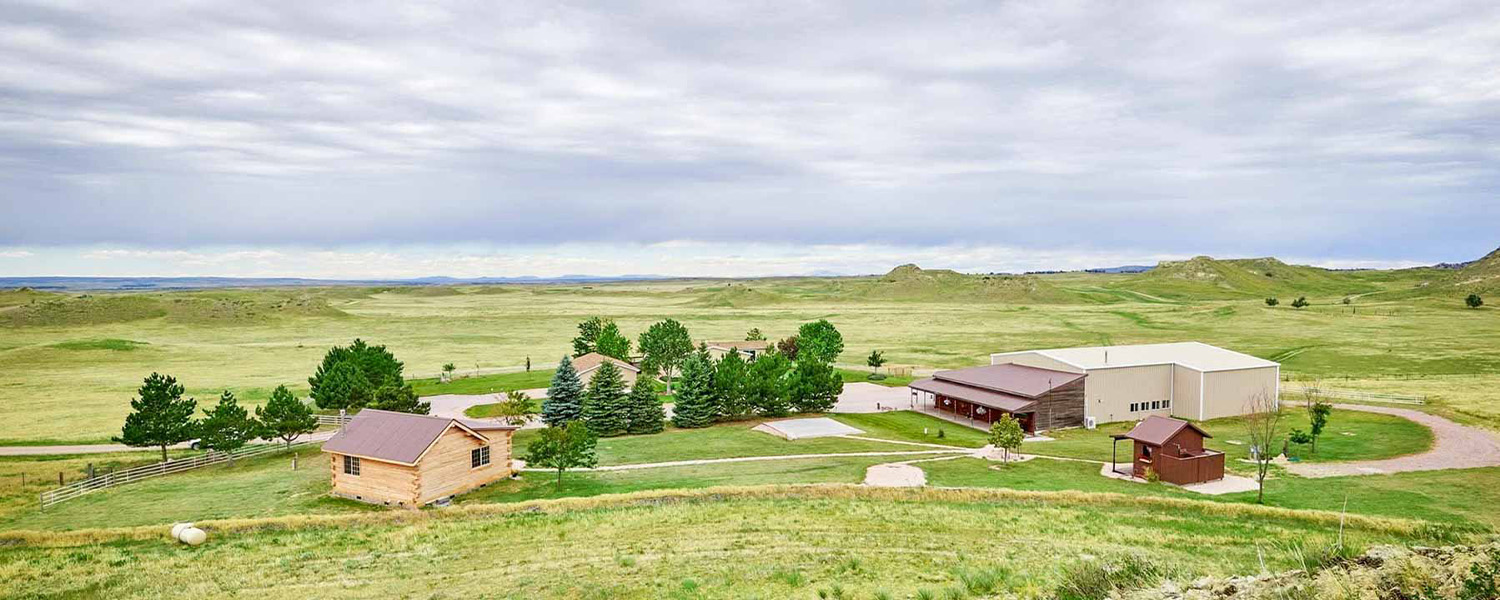
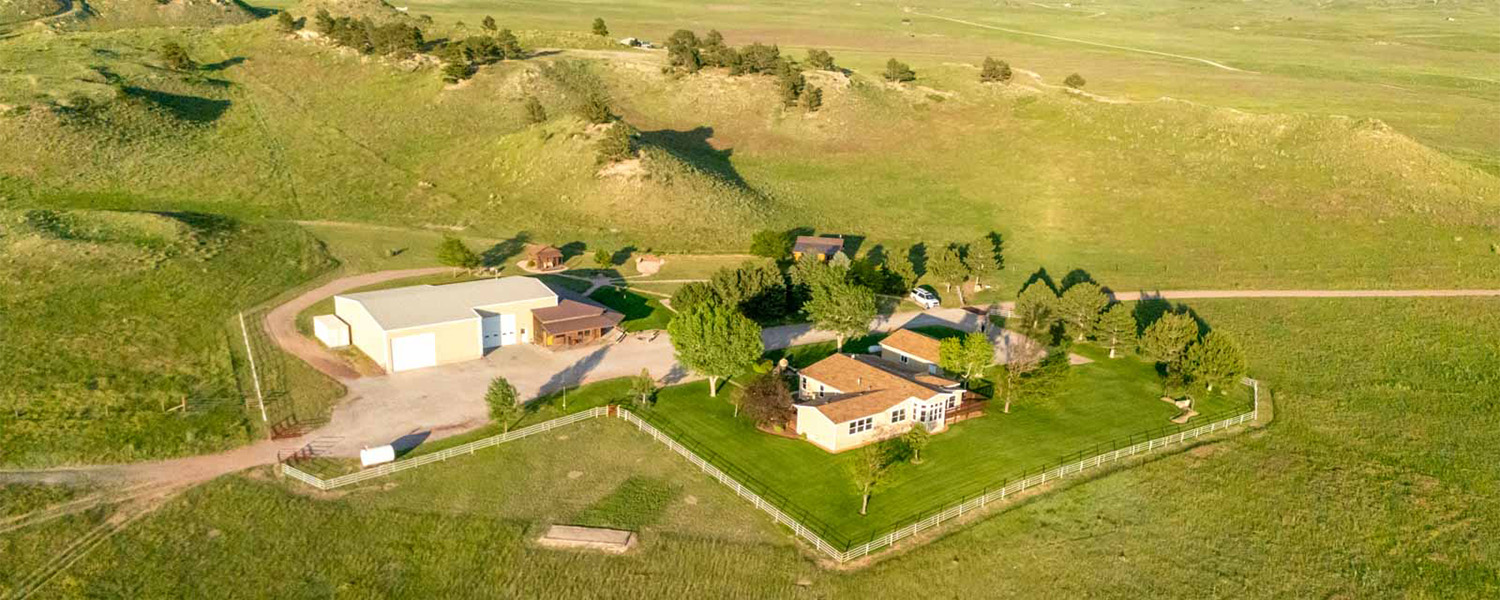
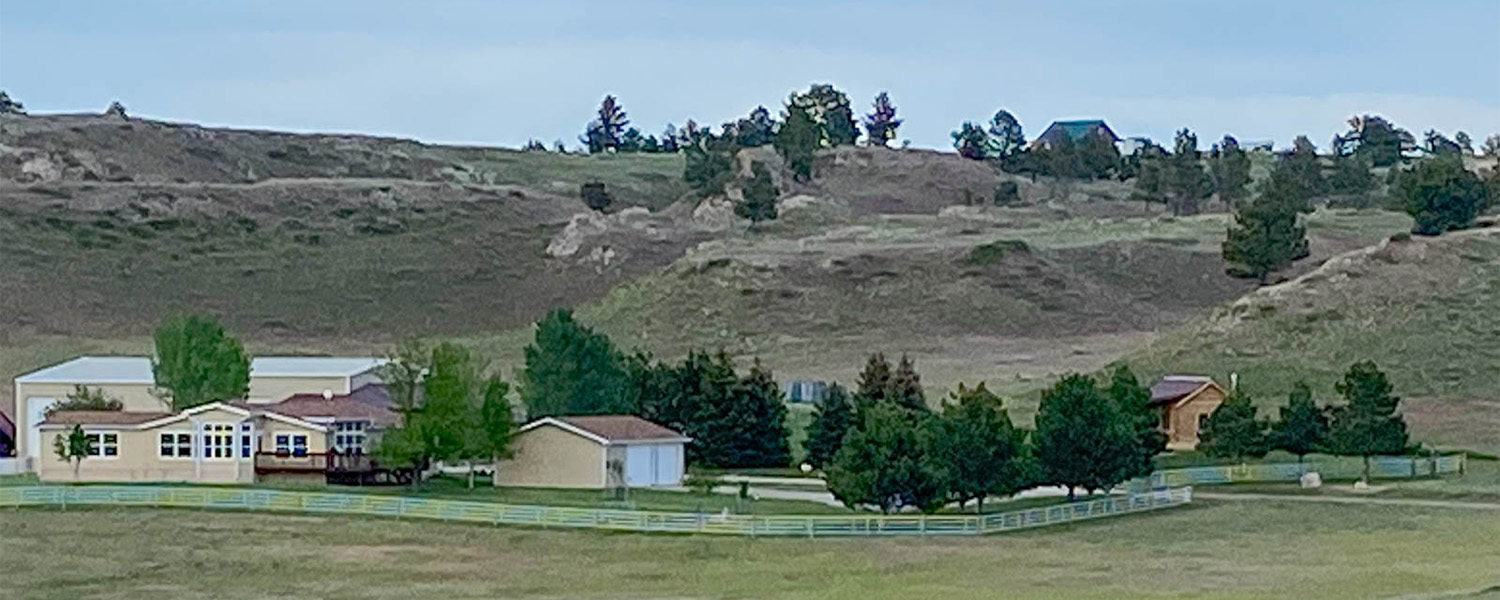
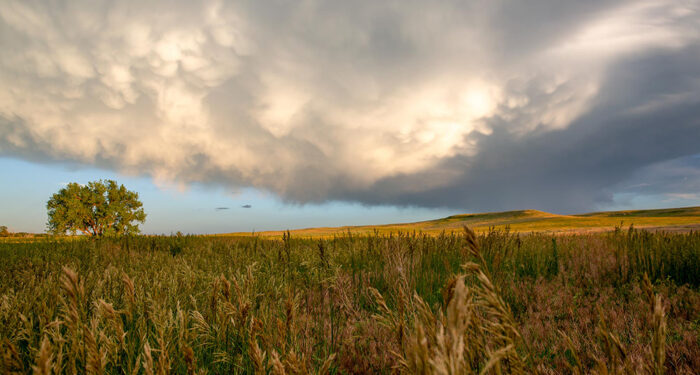
The North Platte River corridor that guided those emigrants through the region was not chosen arbitrarily. Four major westward migration routes, the Oregon, California, Mormon Pioneer, and Pony Express trails, converged here because the land made it possible. Water was accessible, grass was reliable, and the terrain, while demanding in places, was navigable. The same qualities that made this country a viable route west have also sustained agricultural and recreational activity.