What Drives Ranch Values? Market Trends | Hall and Hall

What Drives Ranch Values?
Water, Technology and the Rise of the Lifestyle Buyer
A Hall and Hall partner on how the ranch market has changed over a career, from animal units to Starlink, and why water has become the number one factor in desirability.
Tim Murphy started brokering ranches with an analog bag phone. Buyers visiting their properties often had to drive to town to take calls and conduct business and most of them bought for reasons that could be written on a spreadsheet: how many animal units the land would carry, and whether that would service the loan.
Today, as a partner at Hall and Hall, he sells to a different buyer for different reasons. Tim explains what has really changed.
From animal units to lifestyle
Through the 1970s and early 1980s, Tim says, farms and ranches were bought on pure production economics. The number of cattle the land could run or the crops that it could produce determined what it might earn, and what it might earn determined what a buyer could pay. Then, in his telling, one purchase changed the conversation.
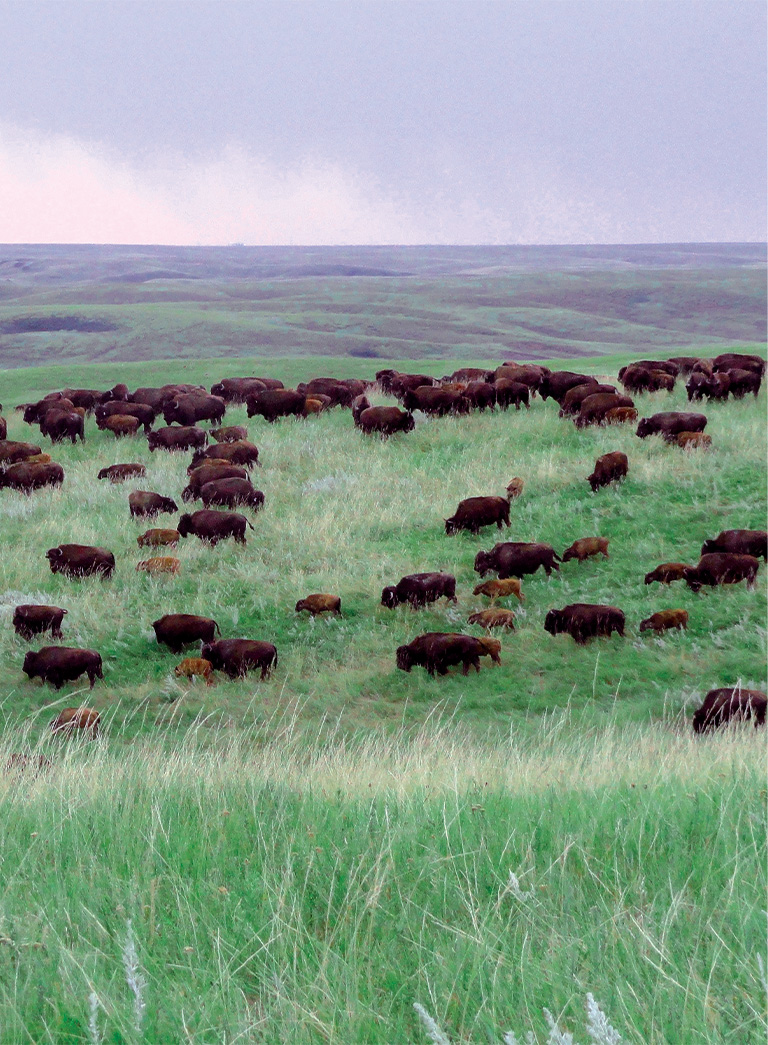
“Ted Turner showed up and changed everything when he bought the Flying D over 40 years ago. The purchase was visionary, conservation-oriented, and recreationally driven. He blew the lid off the norm, placing a conservation easement on the entirety of a critical landscape and converting one of the largest cattle ranches in Montana into a bison operation. His purchase was the catalyst for what became a lifestyle-driven market. His sentiment of “what can I do for the land” rather than “what the land can do for me” forever changed the course.”
Tim Murphy, Hall and Hall
Hollywood accelerated it. Tim watched demand for fishing properties rise after A River Runs Through It in the 1990s, and traces a line through The Horse Whisperer and, more recently, the television dramas that have made the Montana ranch a cultural object. Each has, in his words, glamorized ranching, and each has brought a new cohort of buyers who see a lifestyle first and an operation second. But, it is never lost on new age buyers that there is a greater importance in the production of quality food, and today’s buyers have the capital resources to do what’s right for the land, with less desire for squeezing the performance out of it.
Technology made the lifestyle possible
The lifestyle buyer existed before the internet, but they could not use the ranch the way they wanted. Work pulled them back to the office.
“Guys would come out, try and enjoy themselves for multiple days, but then they’d have to get on the telephone and receive a fax from the office. It was really cumbersome. Buyers succumbed to the fact that they could only use it in a limited capacity. And then all of a sudden, hello internet. Now with Starlink, people can go out and work, and it’s become commonplace to be out of the office and work remotely simply because they can.”
Tim Murphy, Hall and Hall
COVID completed the shift. Remote work went from possible to normal, and people who had discovered they could work from anywhere chose to work from somewhere beautiful. Tim also notes a quieter driver that runs back to September 11 and resurfaced during the pandemic: the sense, often unspoken among owners and their families, that if the world goes upside down, they can retreat to the ranch. Safety and security are a part of what people are buying, even if that sentiment is not outwardly expressed.
Water is number one
On the single biggest driver of value and desirability today, Tim does not hesitate.
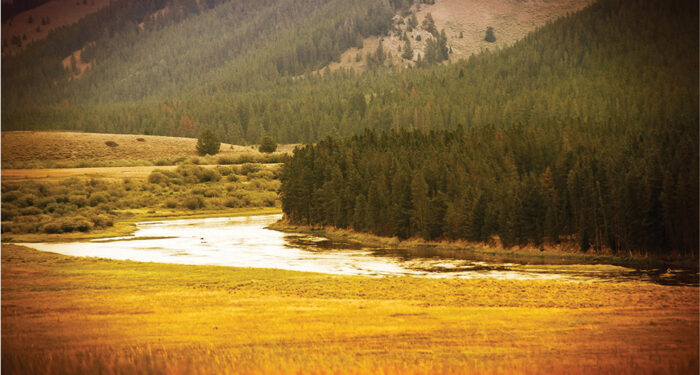
“Water is number one, more than anything. Everybody’s concerned about climate in some capacity, severe weather, severe drought, and for many, that equates to poor production. But water is also the big driver of recreational value. Everybody envisions a mountain foothill property that backs up to the Forest Service with a trout fishery running through it. If I had a million of them, I’d sell them all.”
Tim Murphy, Hall and Hall
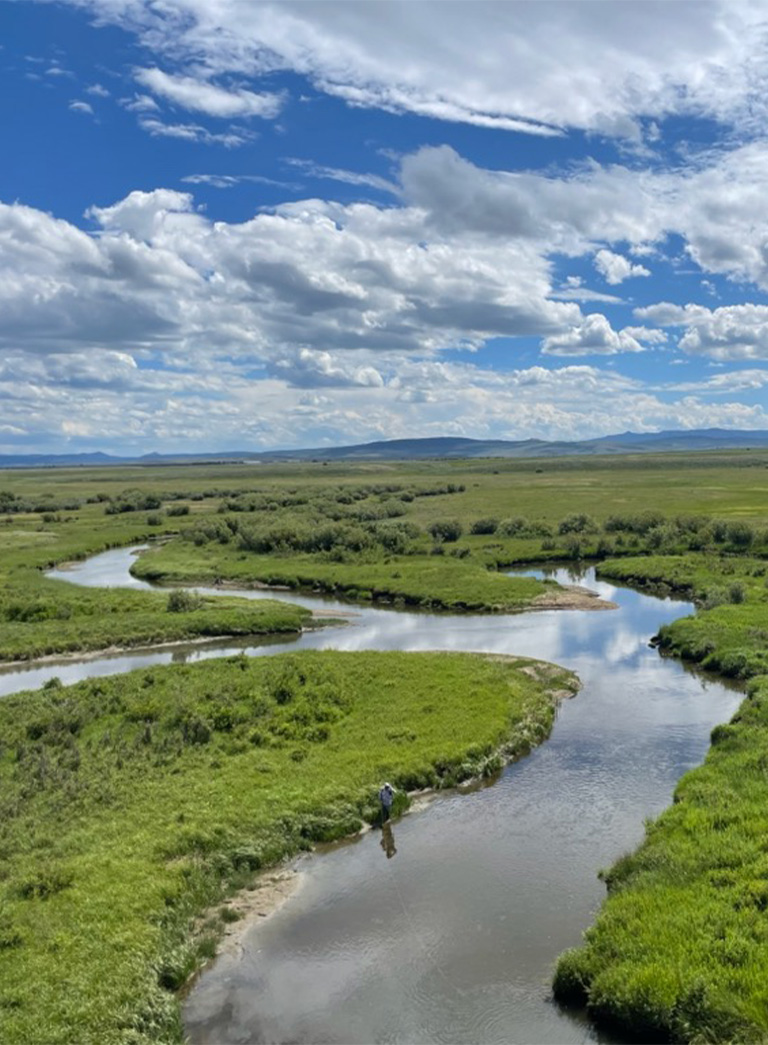
Water builds value in layers: water in the mountains, water by location, and premium fishing. It matters to the agricultural buyer as production and to the recreational buyer as a lifestyle. Tim has long joked that he should buy a spring creek somewhere, on the theory that in twenty years, clean, flowing potable water will be worth more than any of us can imagine.
What COVID did to prices, and what it left behind
The pandemic produced a rush, and the rush produced prices. It also changed a specific piece of ranch valuation. Before COVID, Tim says, a large luxury home on a ranch might return around 25 cents on the dollar at sale, because the next buyer would have built it differently and consequently the value was substantially discounted. During COVID, buyers who needed a place to live immediately began paying up for improvements.
Some of that has held; some has not. The residual is what Tim calls a COVID hangover among sellers, who remember the prices of the rush and expect them to persist. Buyers, meanwhile, have become discerning. In the phrase one of Tim’s colleagues coined, the market now consists of “deals and diamonds”: the very best properties sell, and sell well, while everything else must be priced to move.
“These guys are smart buyers. The buyers make you prove value to them.”
Tim Murphy, Hall and Hall
Scarcity at the top
One structural fact shapes the upper end of the market. The number of people able to buy the largest ranches is small, and it does not grow with publicity.
“People throw the number around about billionaires. Well, there are maybe 800 of them in the United States. How many of those want to buy a ranch? There aren’t that many, and we kind of already know most of them.”
Tim Murphy, Hall and Hall
That is why the largest properties are often sold privately, matched directly with the handful of buyers for whom they make sense, and why the public market for exceptional ranches behaves so differently from the market for everything else. This is a real challenge for buyers who don’t engage with us as private offerings are never advertised, mostly driven by a seller’s desire to find the right buyer and continue to live their lives privately.
What has not changed
For all the movement in who buys and why, Tim’s view of the land itself is unchanged. It is not, he insists, an object.
“It’s never lost on me where I live and what this landscape has to offer in so many ways. And the epiphany buyers have after they’ve owned it for a while is that a ranch is a living thing. Once you realize that, you start to feel responsibility for it and develop the desire to be a great land steward. You want to make it the best it can be. That’s a relationship with the land, and it’s love.”
Tim Murphy, Hall and Hall
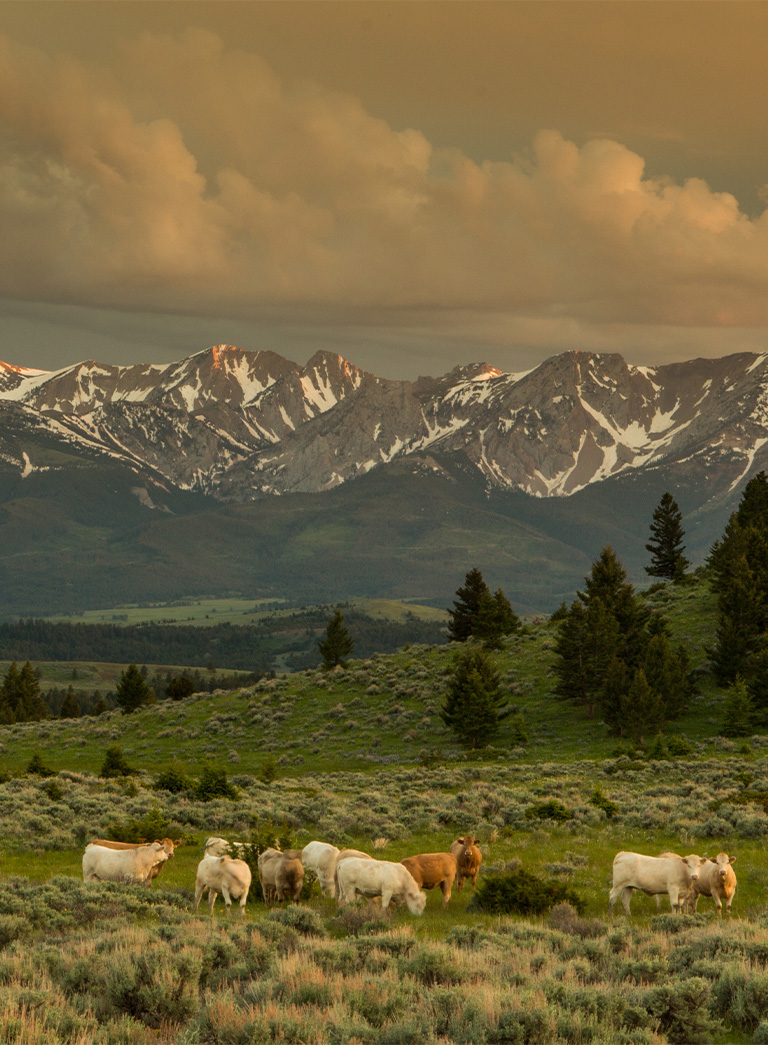
Values will continue to move with water, technology, culture and the economy. The buyers who do best, in Tim’s experience, are the ones who buy for the long term and treat the land accordingly. If you want to talk about what the market means for a property you own or hope to buy, contact a Hall and Hall broker.
Frequently Asked Questions
What is the biggest driver of ranch value today?
Water, according to Hall and Hall partner Tim Murphy, both for agricultural production in an era of drought concern and for recreational value, particularly fisheries.
Why have ranch prices risen over the last decade?
The shift in demand from production buyers to lifestyle buyers, made practical by reliable internet and remote work, and accelerated by COVID, popular culture and a desire for security away from cities. Inflation also plays a significant role in line with supply and demand.
Are ranch prices still at COVID levels?
The market has become more discerning. Exceptional properties still sell strongly; others must be priced realistically. Some sellers retain expectations from the pandemic rush that buyers no longer share.
Next steps
Whether you are weighing a purchase or thinking about what the market means for land you already own, a Hall and Hall broker can put these trends in the context of your property.
About Tim Murphy
Real Estate Partner | Hall and Hall Brokerage | Bozeman, Montana
Tim has worked in ranch real estate since 1999 and is licensed in Montana and Wyoming, with particular depth in the Greater Yellowstone region and the Northern Rockies. A lifelong outdoorsman and photographer, he brings a working knowledge of wildlife management and aquatic development to helping clients understand how a ranch operates and what drives its value.
Profile: https://hallhall.com/team-member/tim-murphy/
Hall and Hall Brokerage: https://hallhall.com/ranches-for-sale/
Phone (406) 577-3741 | Email tmurphy@hallandhall.com