Island Ranch
Fall River Mills, CAFly fishing is extraordinary on this 1,155± acre northern California cattle ranch on the Fall River. The Island Ranch has comfortable improvements, abundant wildlife and big views of Mount Shasta.
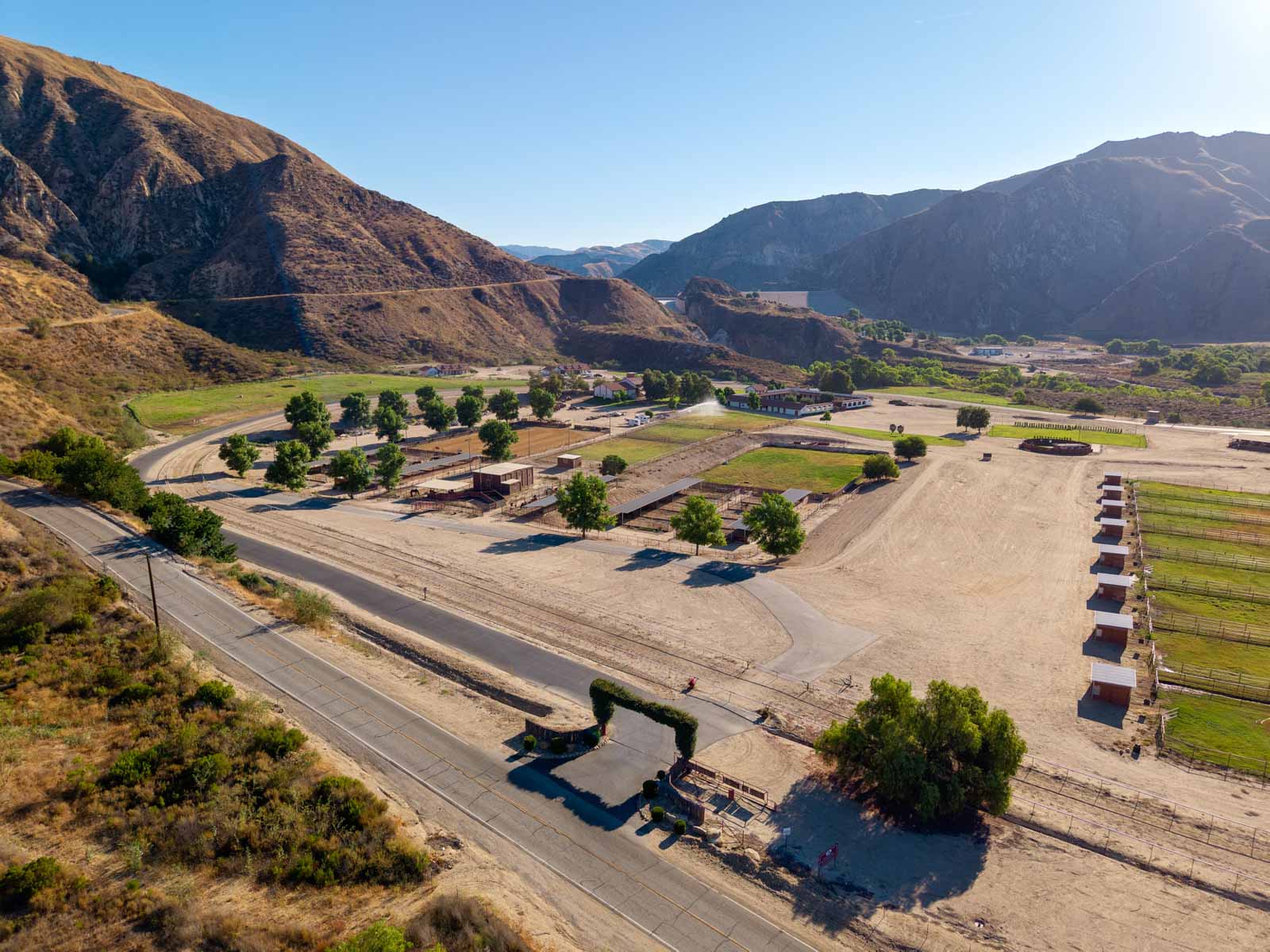
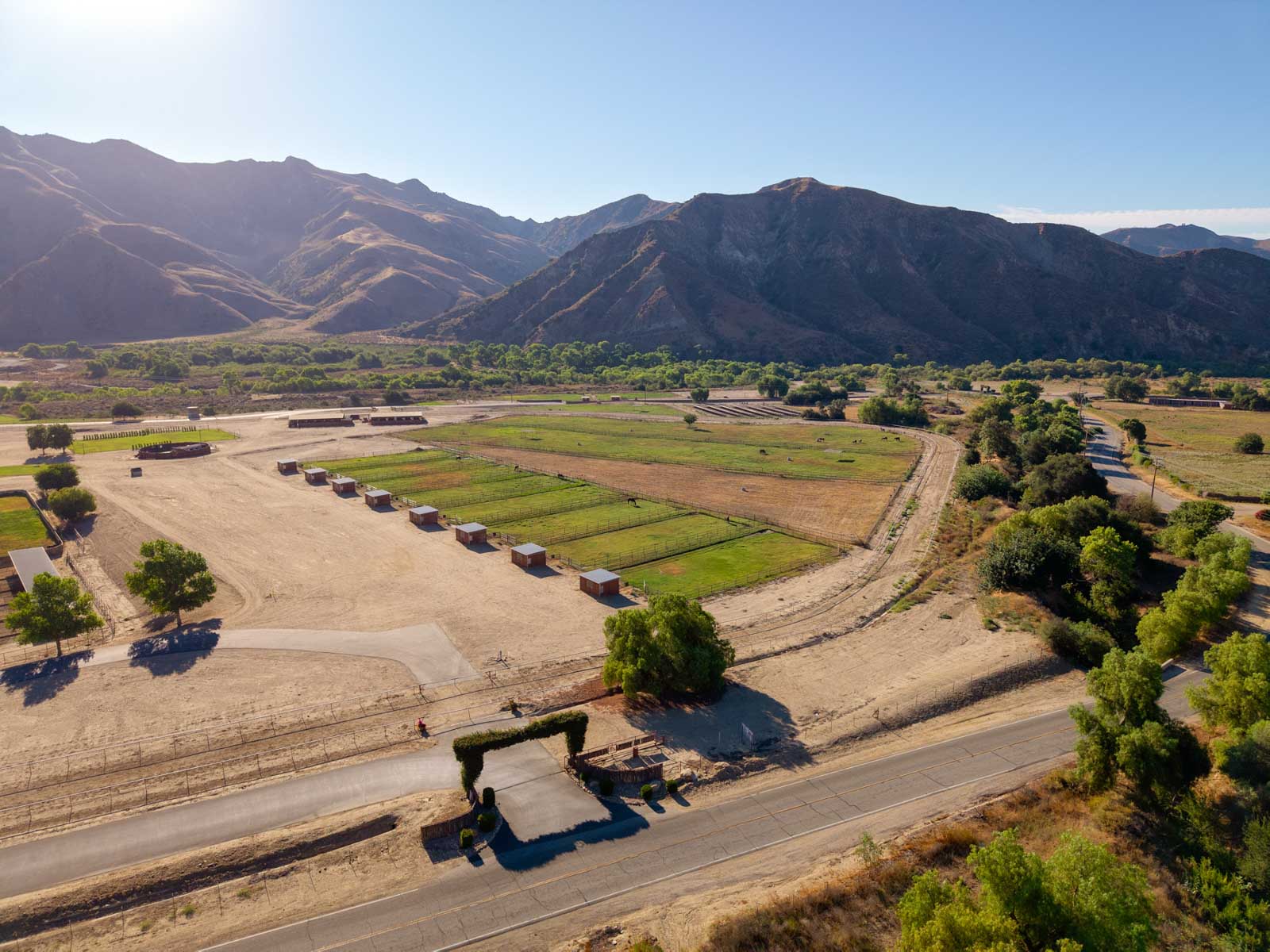
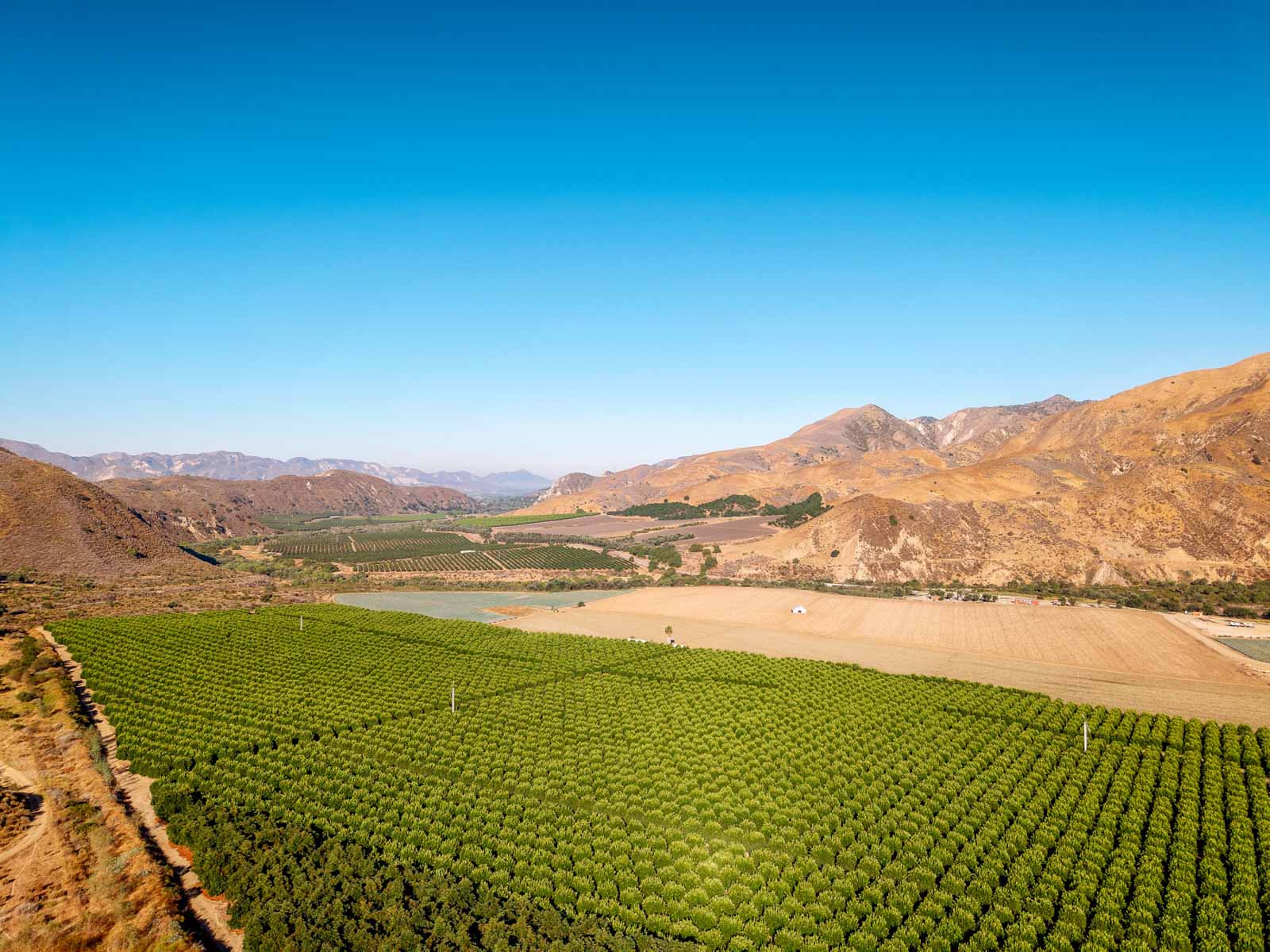
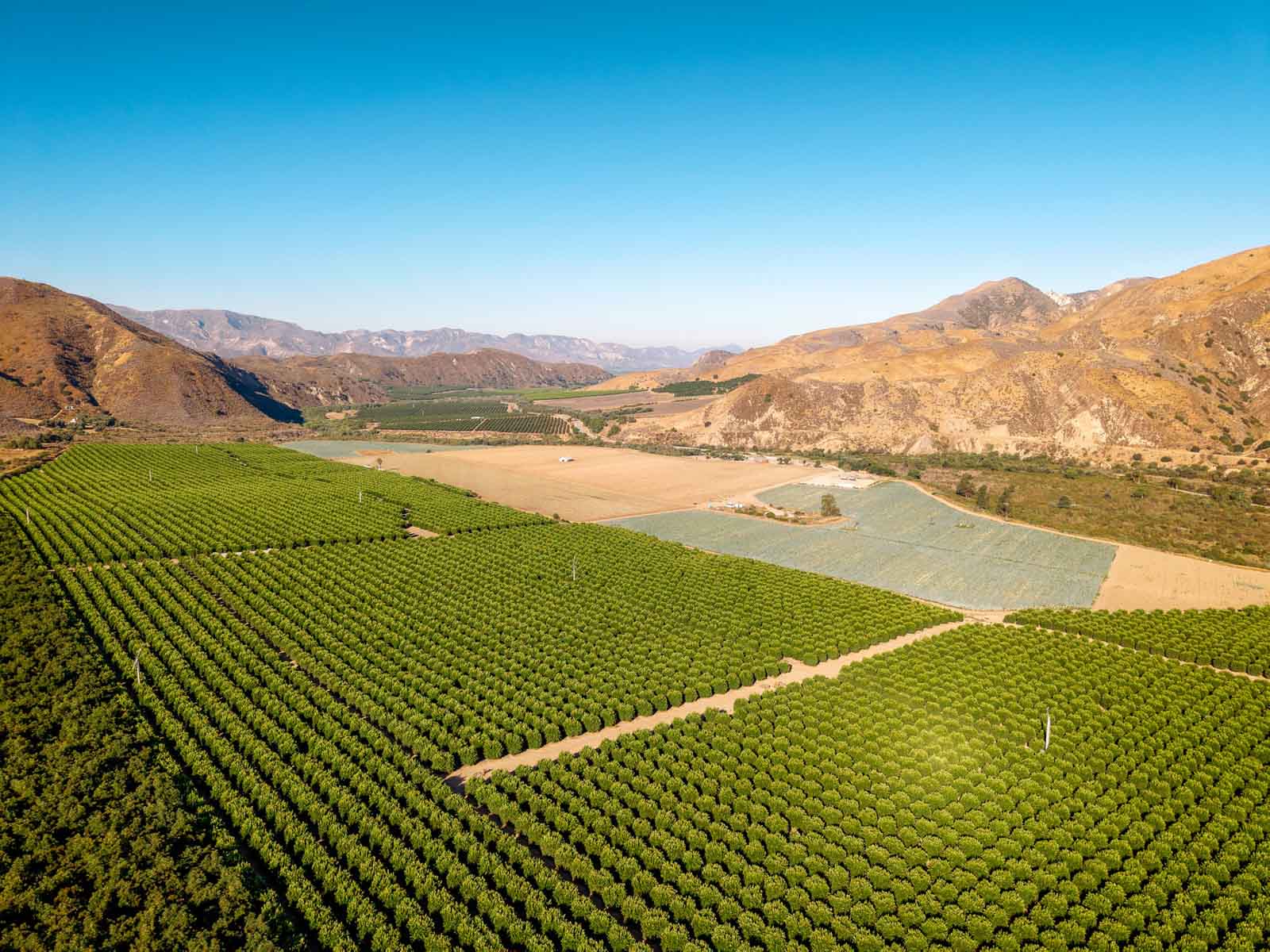
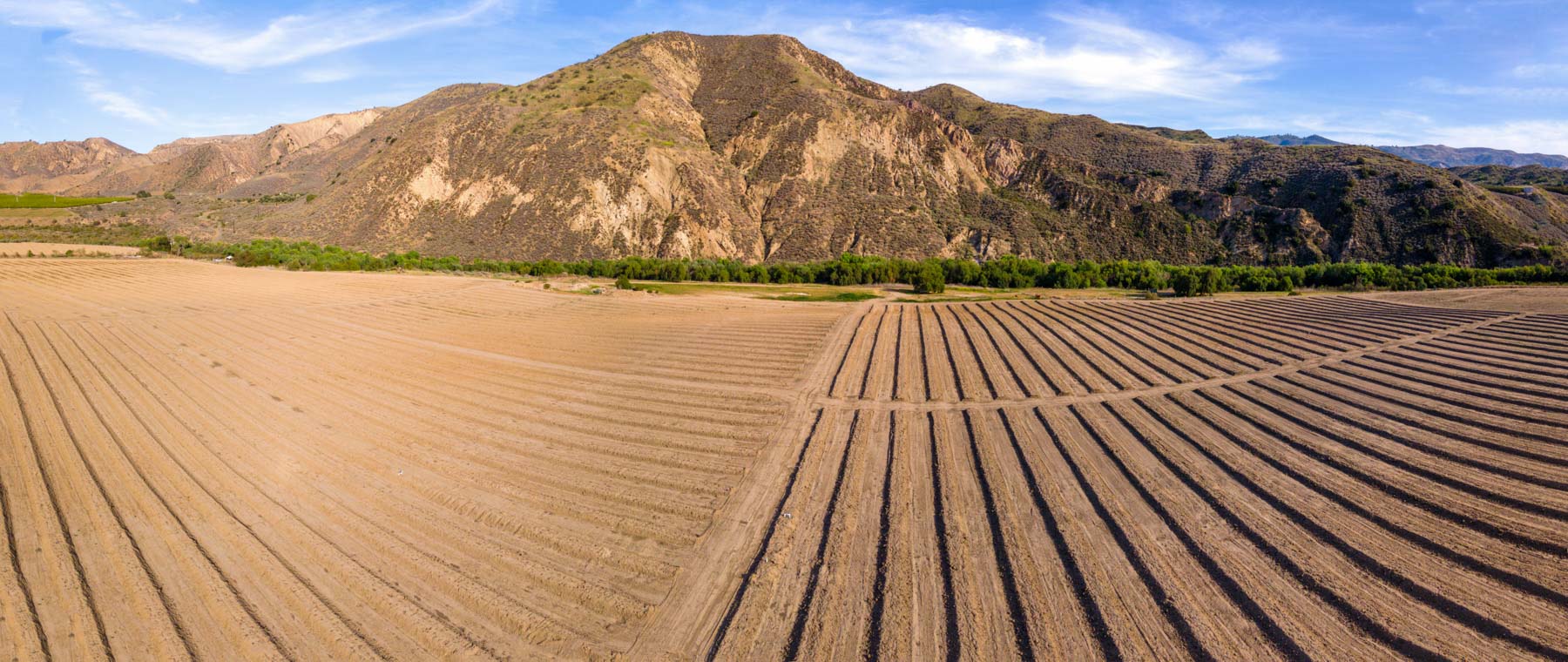
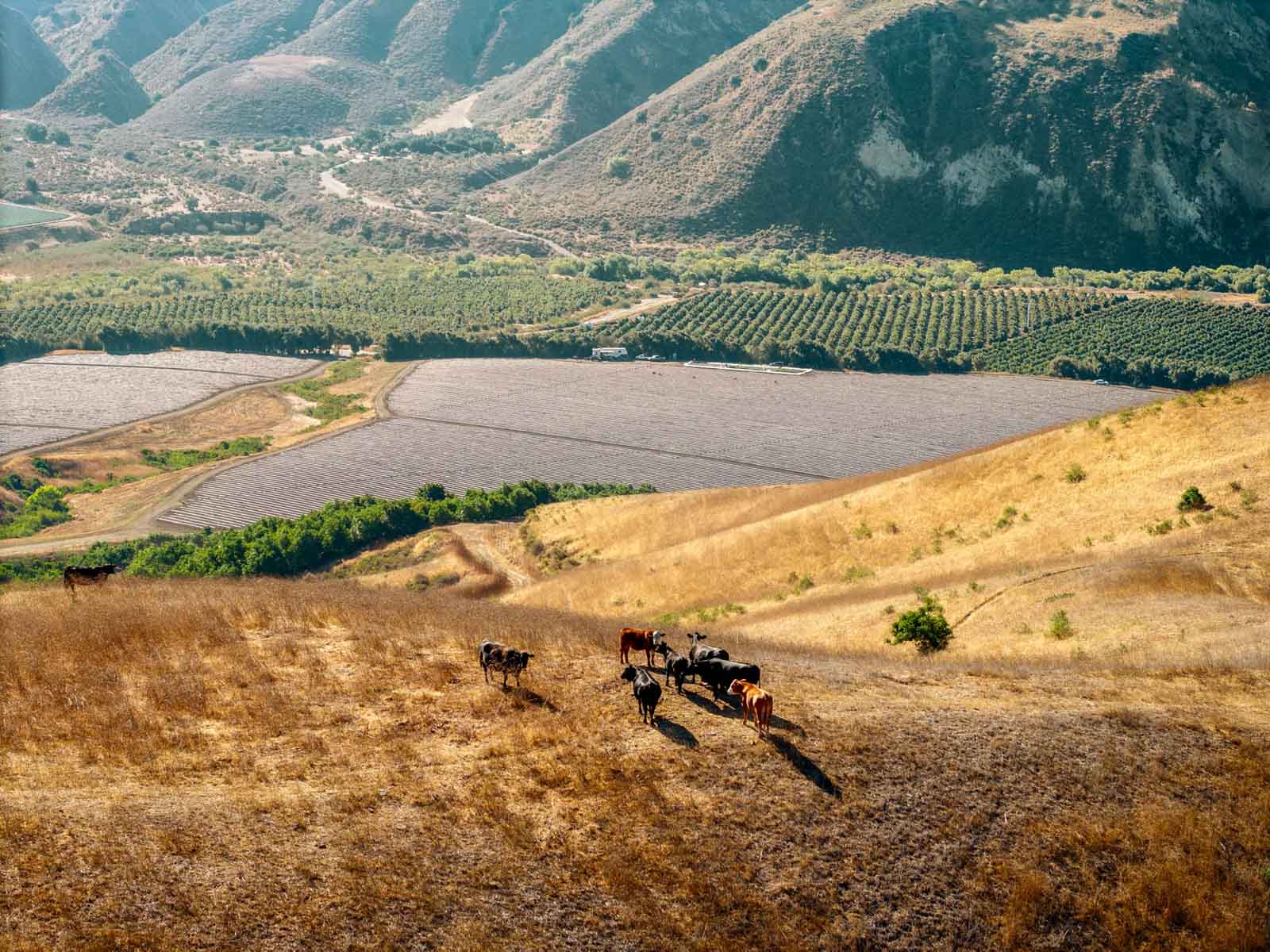
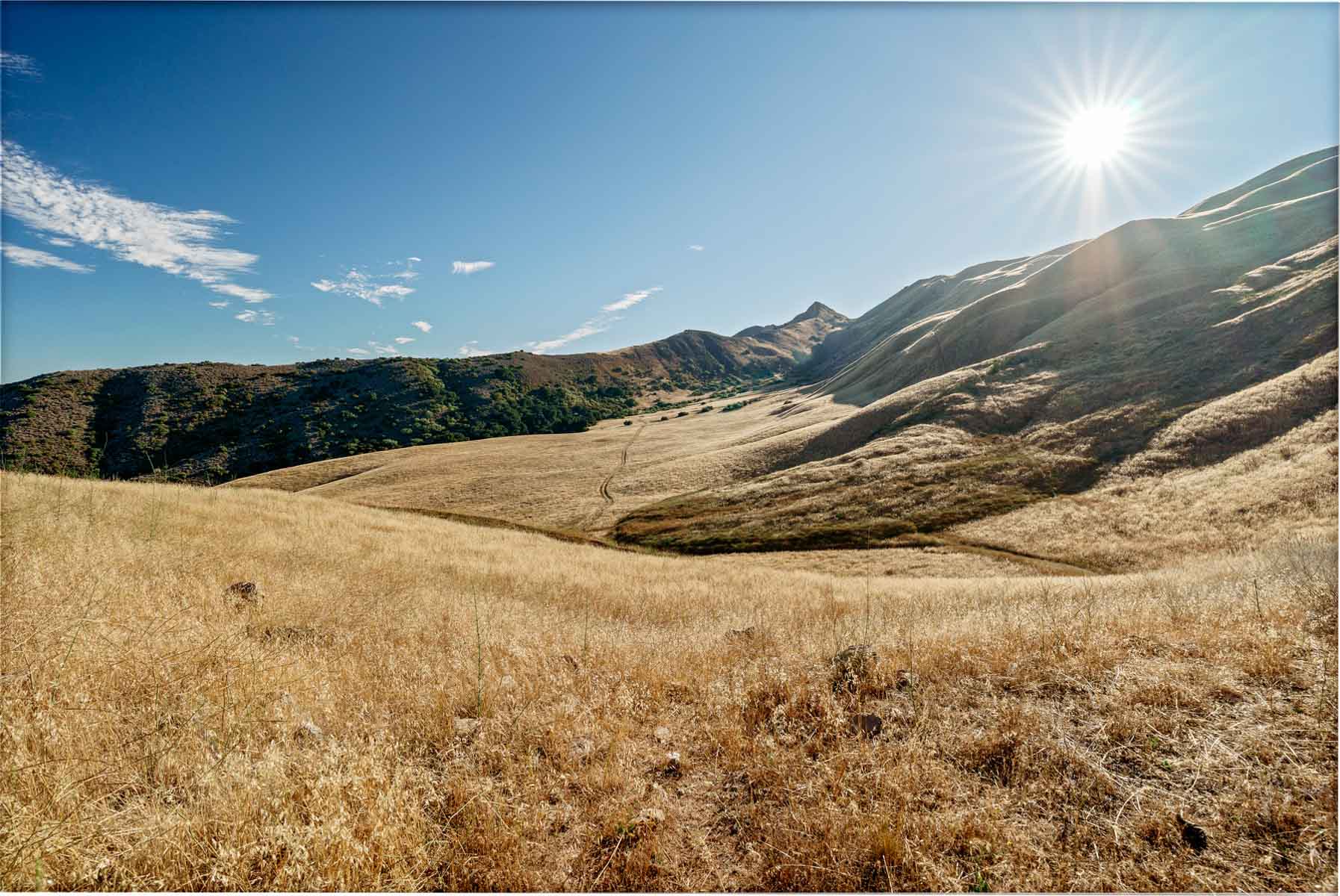
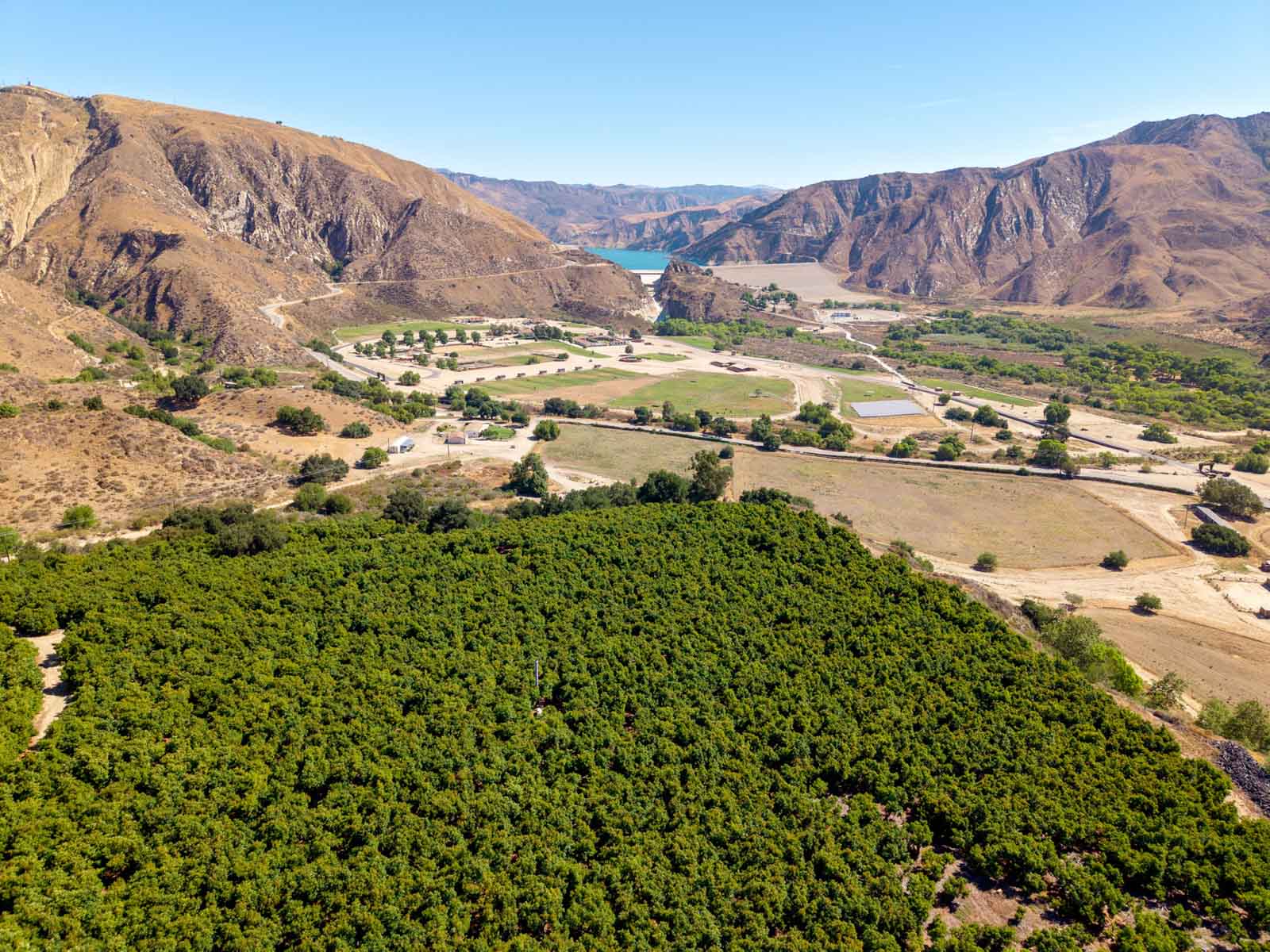
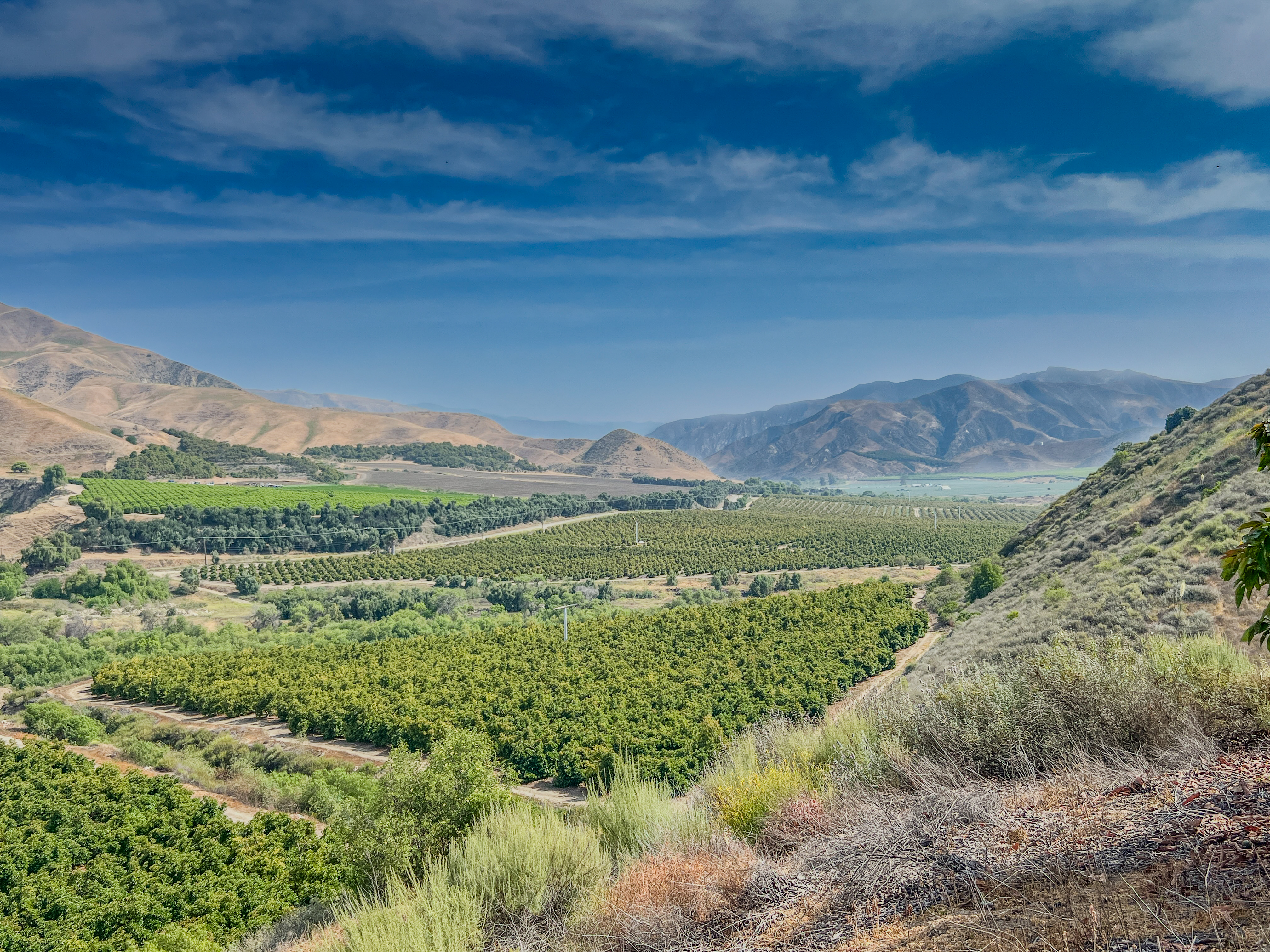
Rancho Temescal is located in Ventura County near the small community of Piru, roughly 45 minutes northwest of downtown Los Angeles and 60 miles southeast of Santa Barbara. The ranch is accessible via Piru Canyon Road, nestled in a secluded valley that rises into the surrounding foothills and mountains of the Topatopa Range and Los Padres National Forest. The terrain is diverse and visually striking, with sweeping meadows, oak-studded hills, citrus and avocado orchards, creek beds, and mountain vistas—all contributing to its unique and highly photogenic character. The ranch comprises over 5,620± acres, offering both seclusion and proximity to major southern California markets. The ranch benefits from a variety of income streams, including agriculture, oil and gas production, equestrian operations, an event venue, and film. Its sprawling landscape and location in the TMZ (the “Thirty Mile Zone”) create strong incentives for Hollywood to use the ranch as a convenient and compelling filming location.
Co-listed with Terry Hundemer of The Chickering Company.
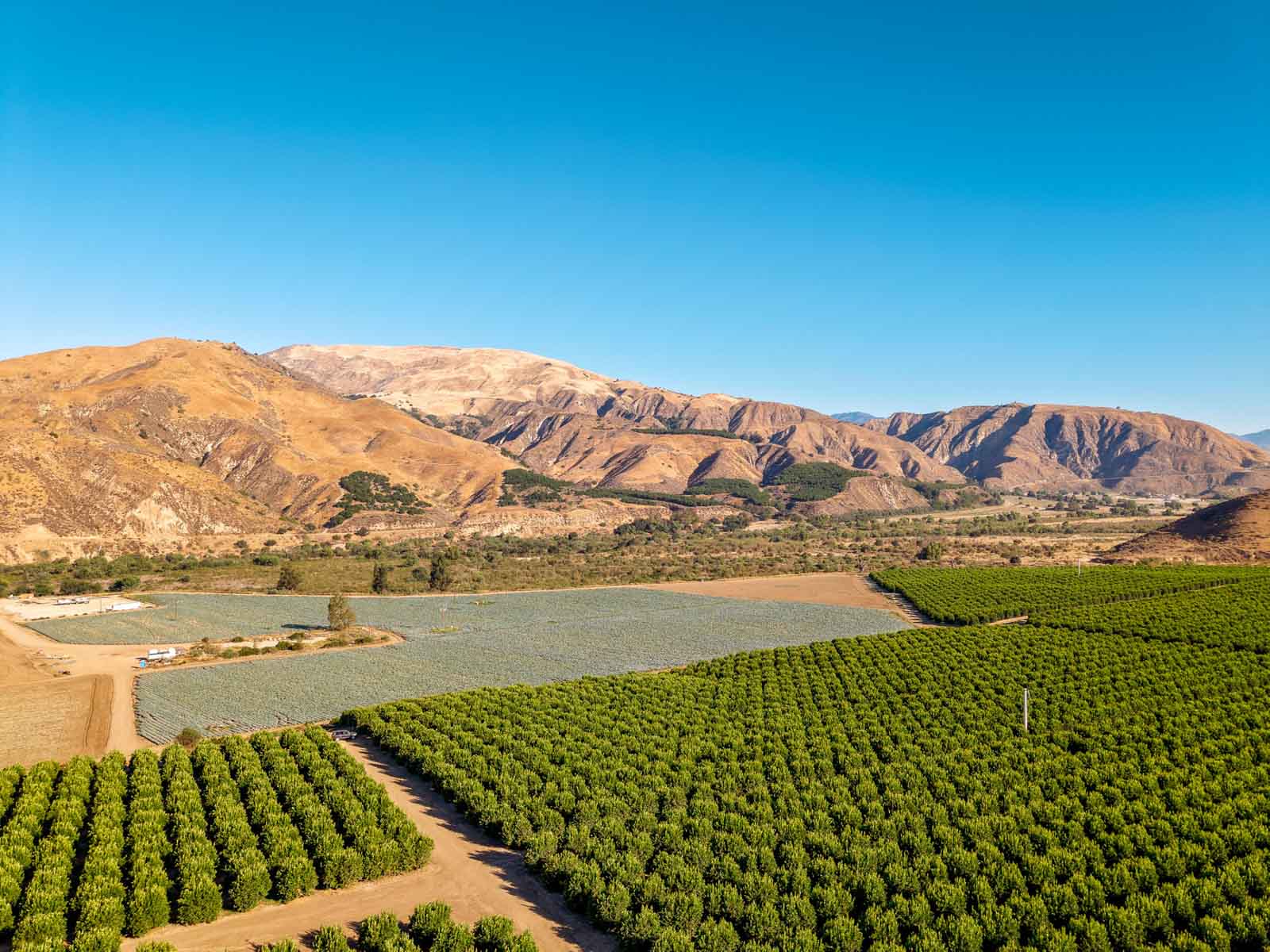
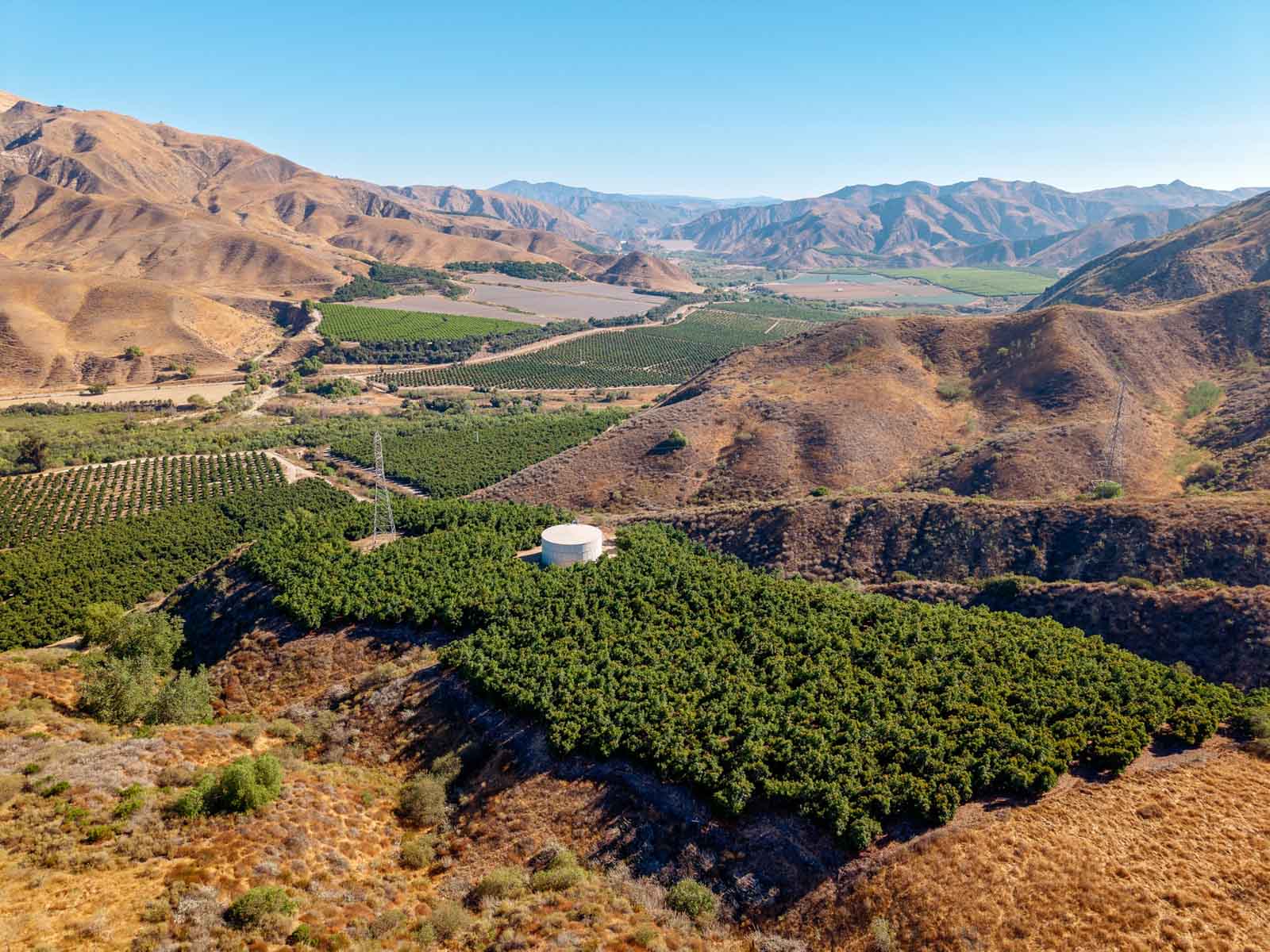
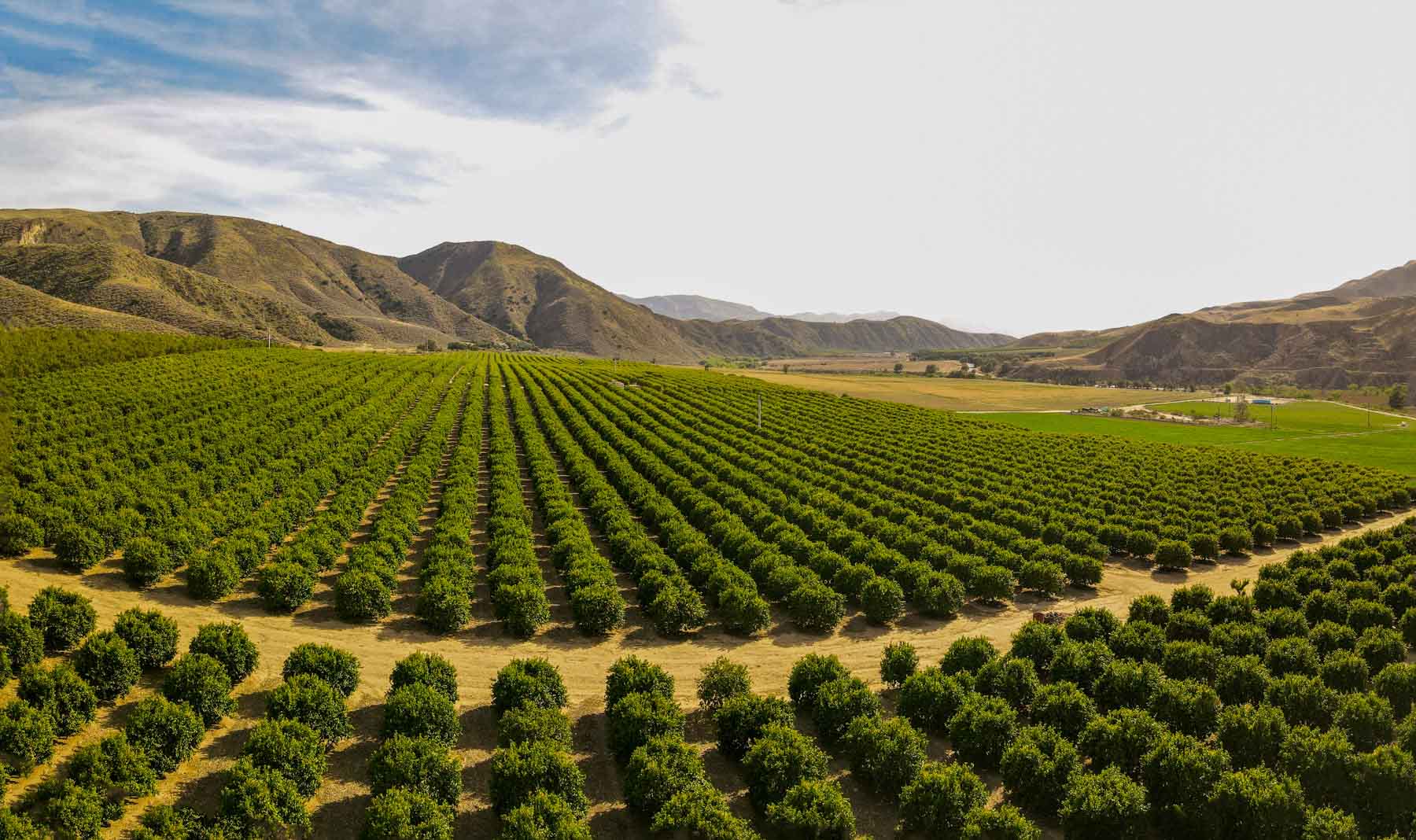
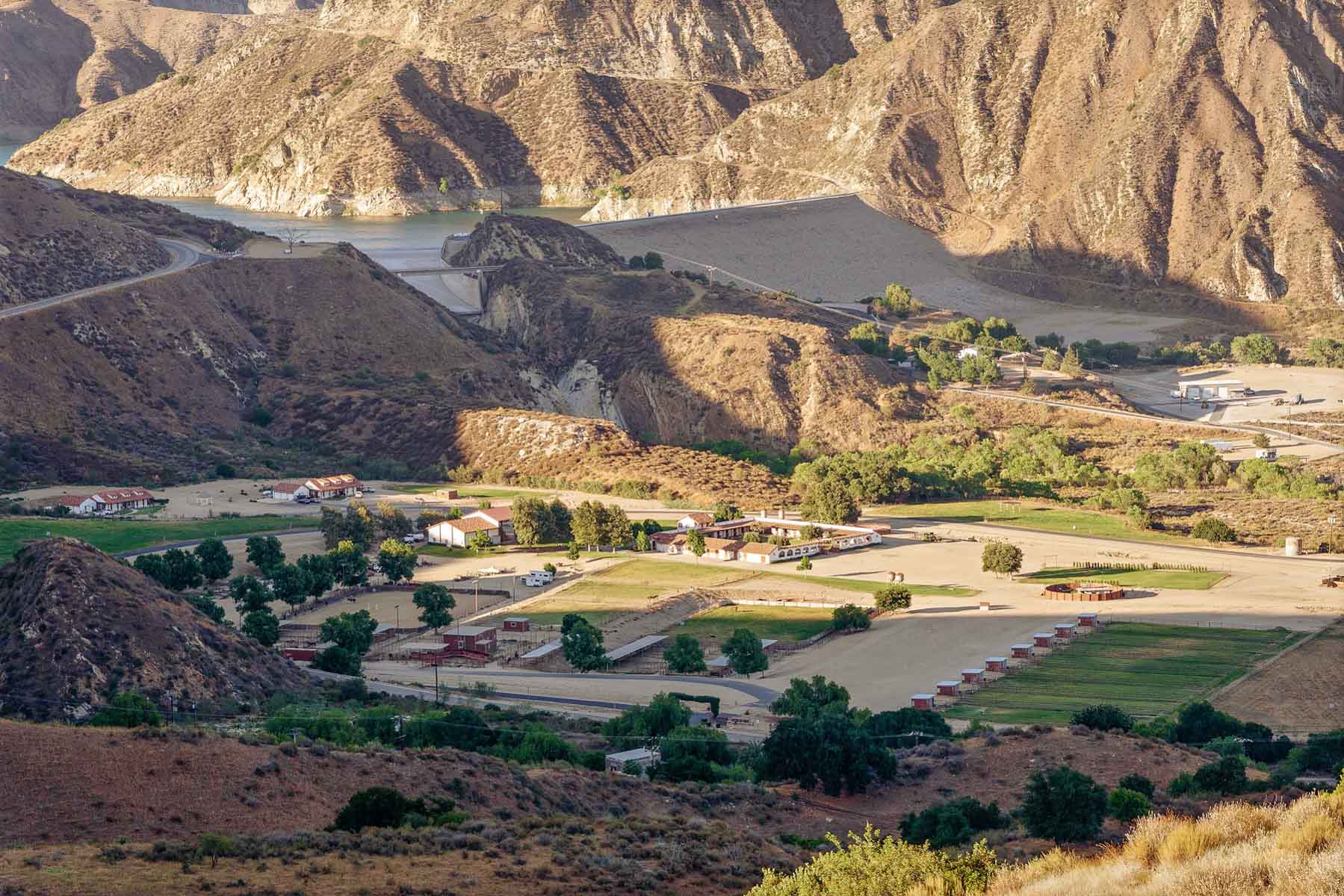
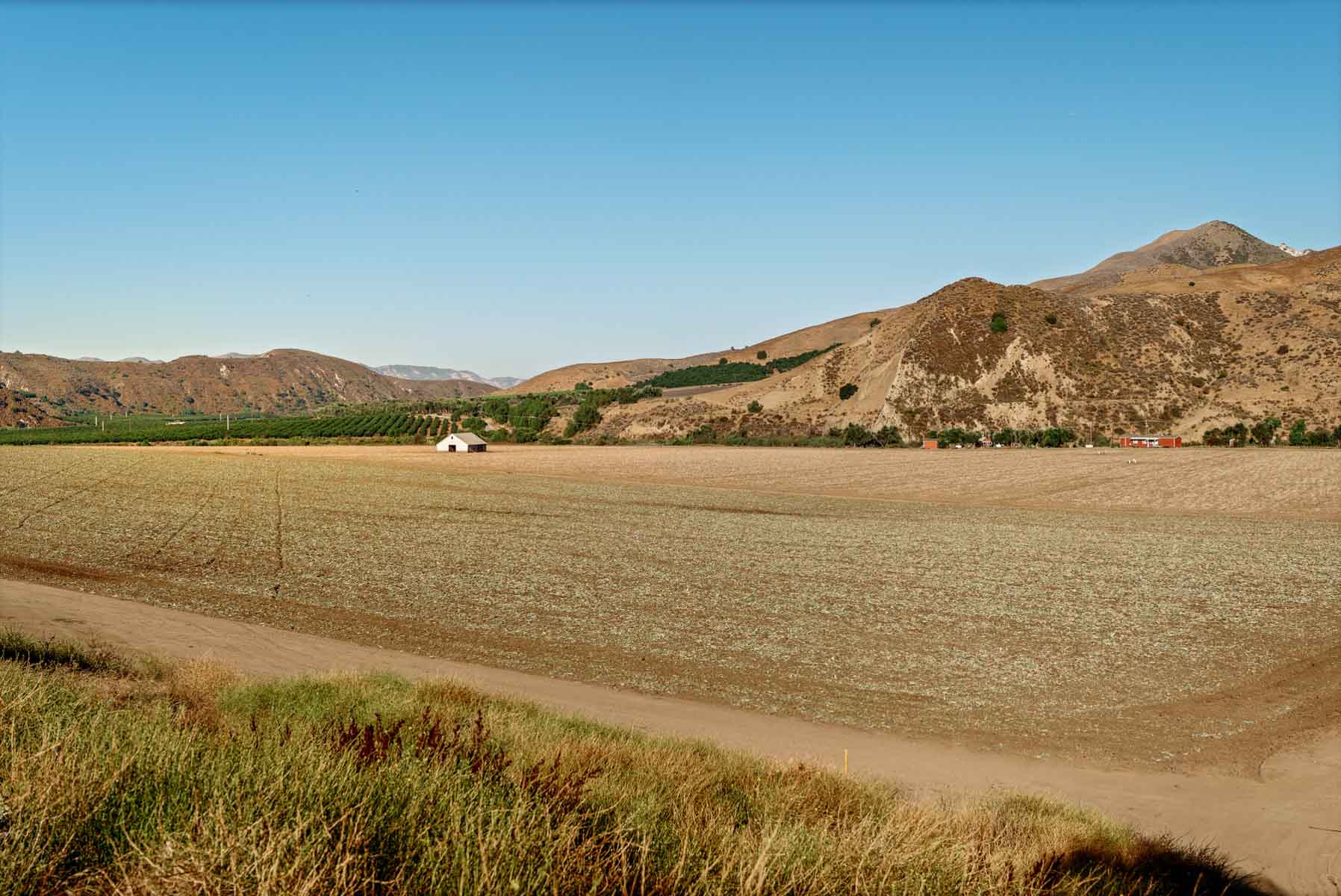
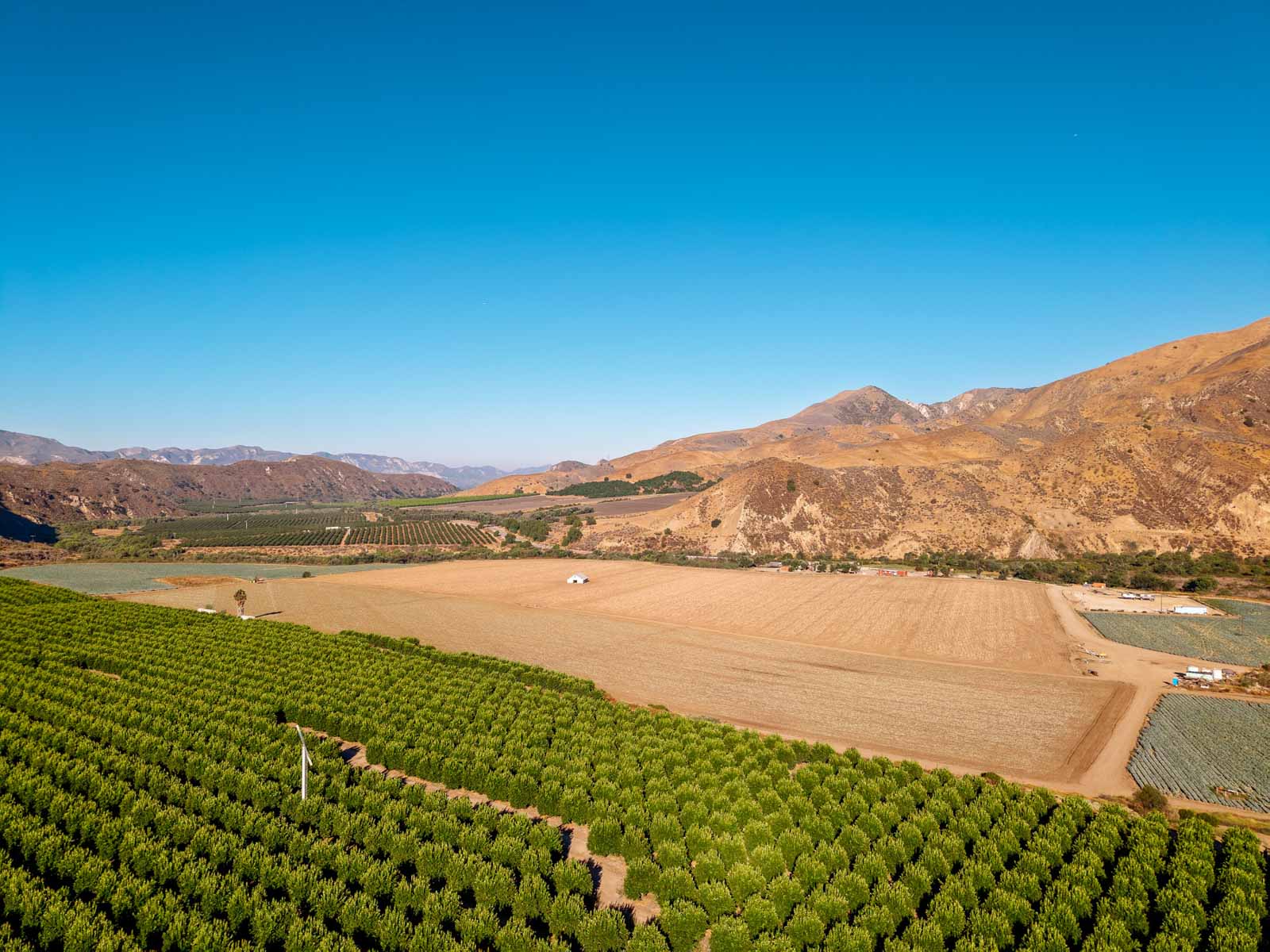
The ranch’s “footprint” occupies roughly six miles from north to south and three miles from east to west. As Main Street exits the small town of Piru to the north, it becomes Piru Canyon Road within a few hundred feet just as it enters Rancho Temescal at its southernmost end. This paved road is the primary access point for the ranch. It bisects the ranch as it travels in a north-northeast direction towards Lake Piru and Santa Felicia Dam, roughly paralleling (and crossing twice) the course of Piru Creek. Along the way, one passes through and alongside the ranch’s agricultural operations, mainly consisting of orchards (avocados and lemons) and row crops.
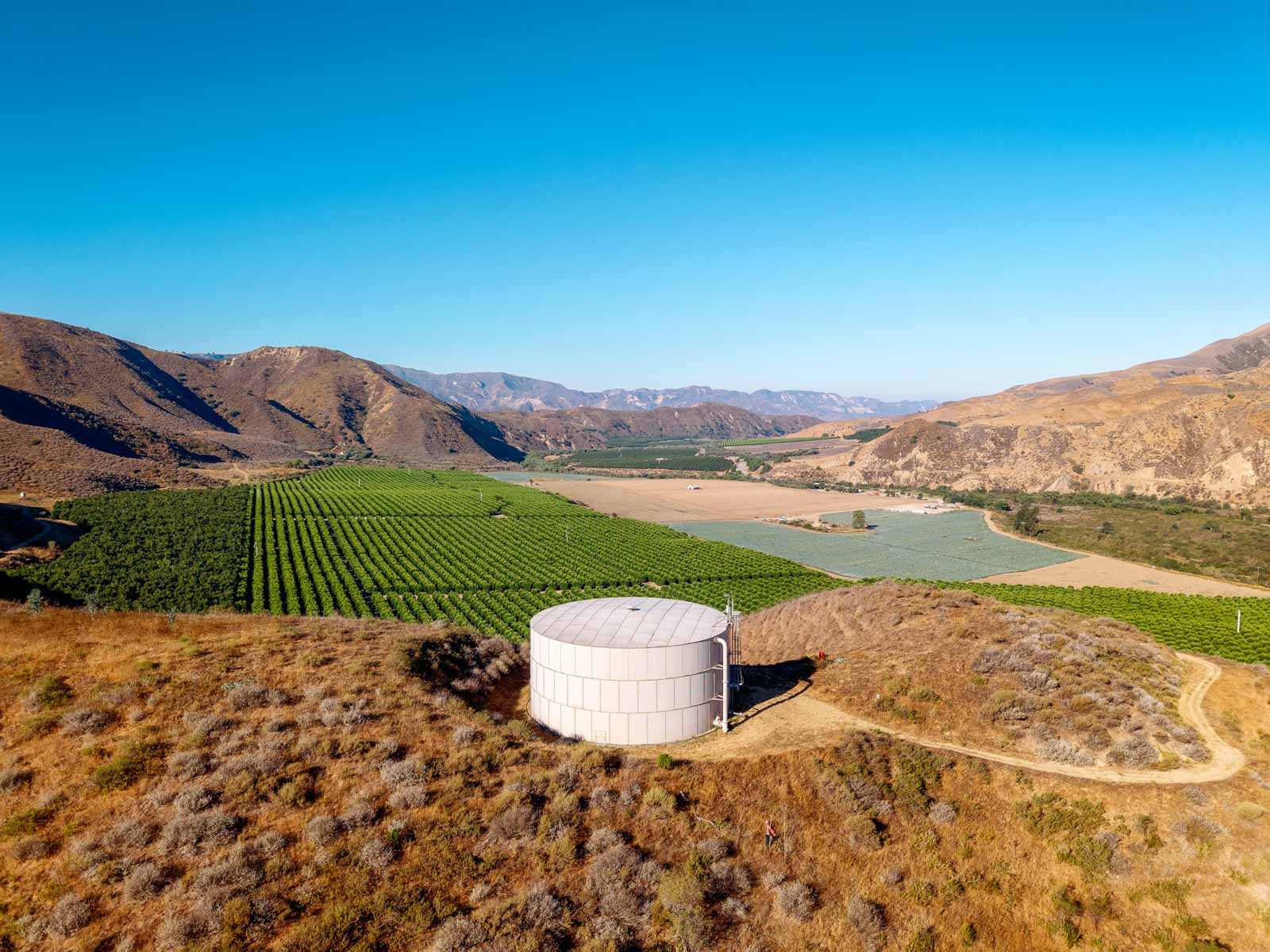
The valley floor averages approximately half a mile wide (east to west). To the east and west of the valley floor, the topography rises sharply, although it is broken up by several feeder canyons, including Modelo, Blanchard, and Lime canyons to the west, with the largest being Holser Canyon on the east side. Several developed roads provide access to the high points on the ranch.
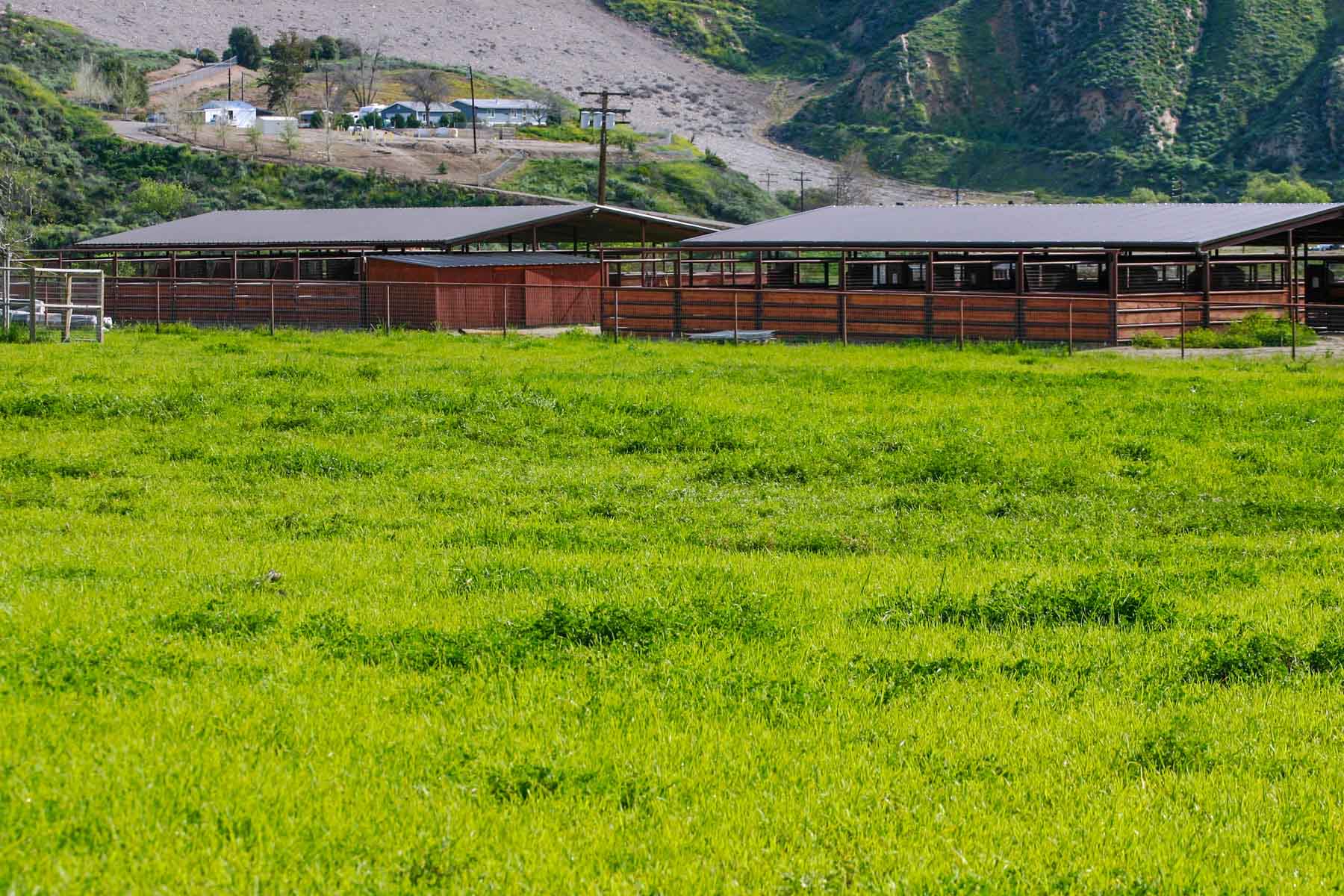
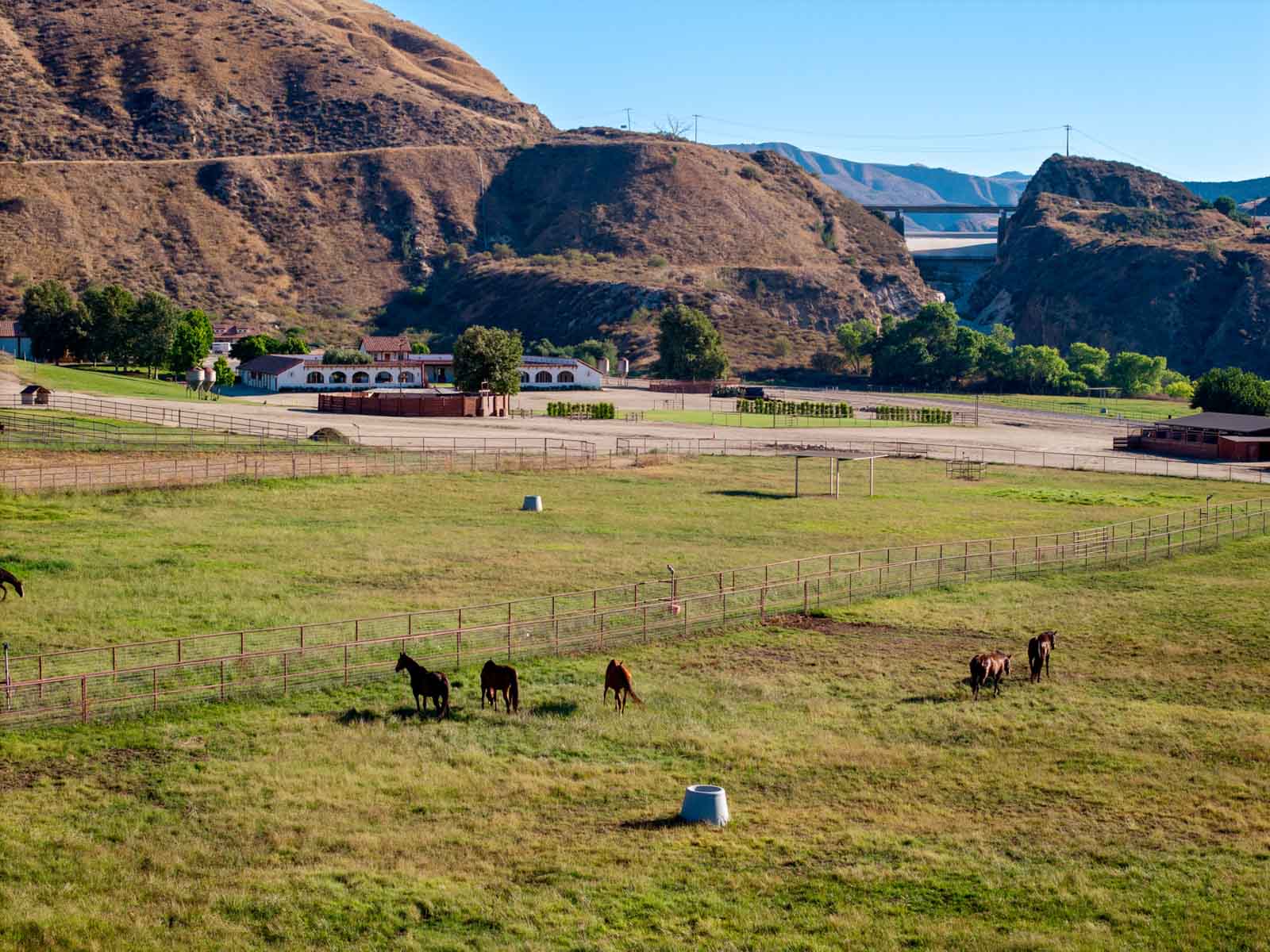
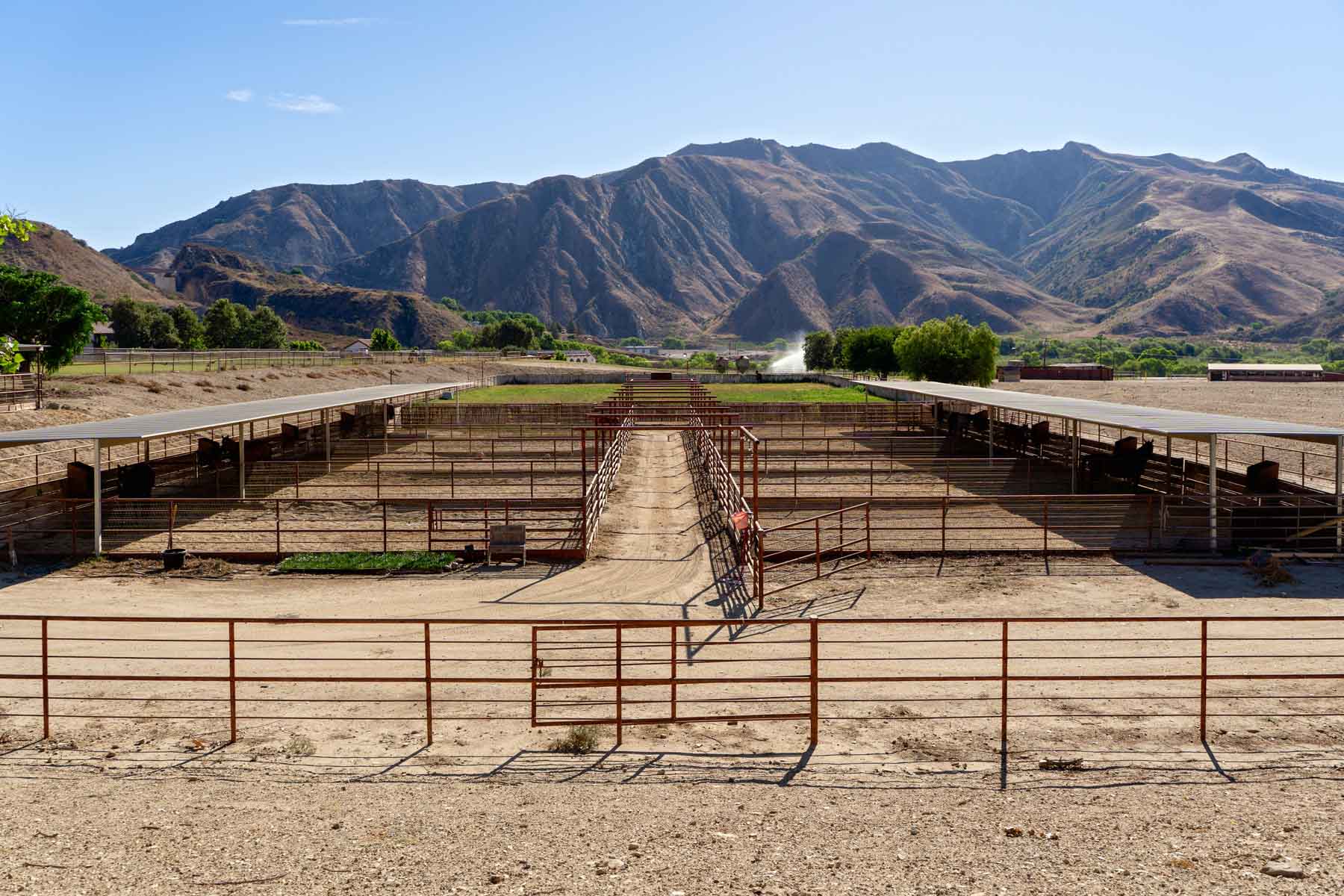
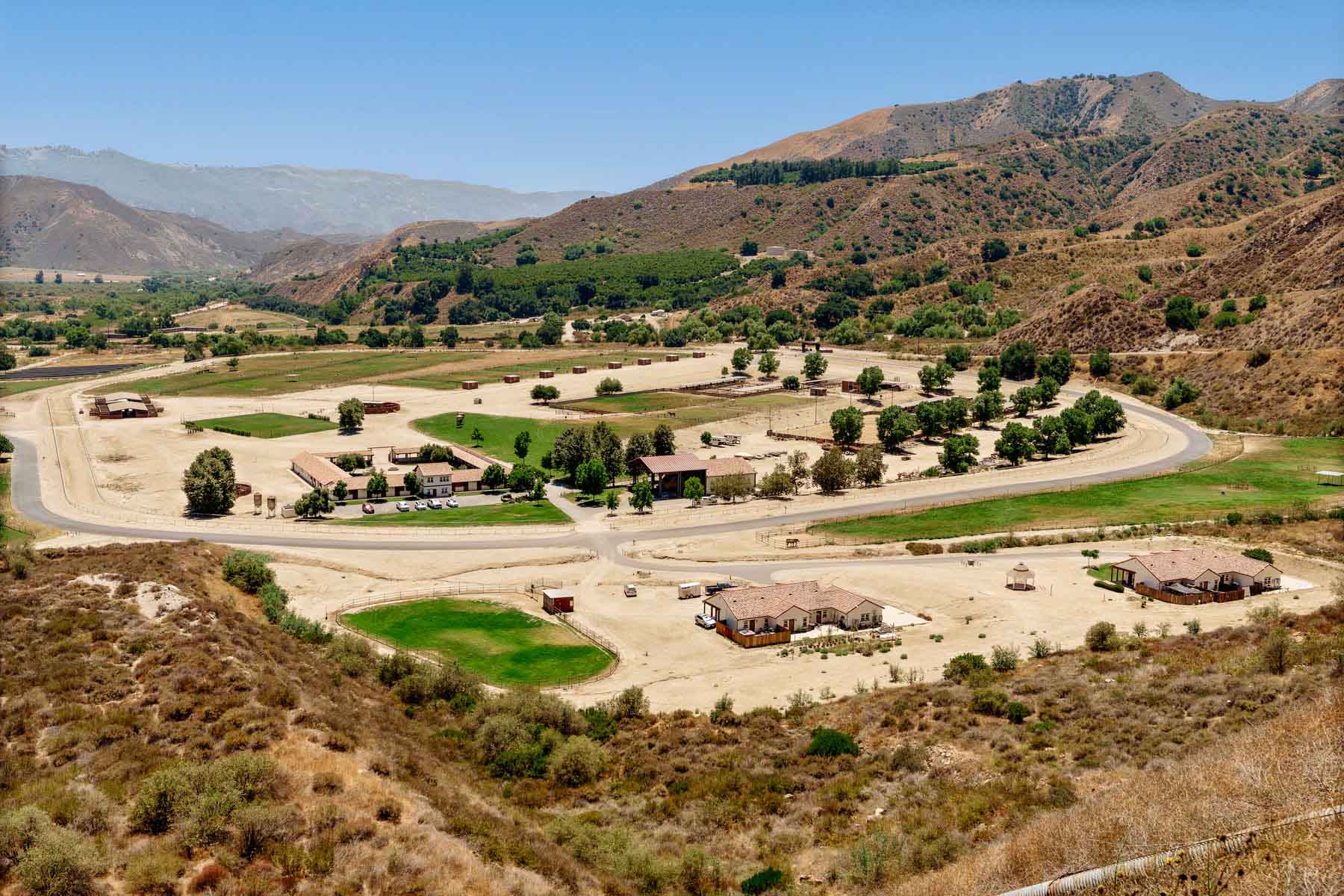
The equestrian improvements are located approximately four miles from the entrance point of the ranch in a large complex including offices, residential, and equestrian facilities. Just north of these facilities are Santa Felicia Dam and Lake Piru. The ranch’s boundaries surround approximately two-thirds of the lake. Elevations on the ranch range from about 750 feet above sea level to over 2,200 feet at the highest points on the ridges on the east and west sides of the ranch.
Rancho Temescal is far more than a historic land grant—it is a living narrative of California itself. From Native American roots to Spanish colonial expansion, from visionary 19th-century agriculture to 20th-century oil booms and cattle, and finally to its current role as a thriving, multi-use rural enterprise, the ranch reflects the dynamic spirit of the American West with a legacy etched into the soil that echoes through the generations. Whether you approach it as a sanctuary for horses, a lush agricultural valley, a preserved film set, or a piece of enduring history, Rancho Temescal remains a shining example of land use that balances heritage, innovation, and stewardship.
Rancho Temescal is located on Piru Canyon Road, in the northeastern part of Ventura County. Positioned about 15 miles west of Santa Clarita and approximately 40 miles north of downtown Los Angeles, the ranch is situated in scenic Piru Canyon near the Santa Felicia Dam and Lake Piru. Straddling both sides of Piru Creek and surrounded by oak-studded foothills of the Topatopa Mountains, it spans over 5,620± acres of meadows, orchards, pastures, and mountains. The location is accessible via I‑5 and I-101 to Highway 126, then west on Main Street in Piru for about four miles—a journey of roughly one hour from Los Angeles.
The closest airport to Piru is Hollywood Burbank Airport (BUR)—also known as Bob Hope Airport—located about 36–37 miles (≈60 km) southeast of Piru, with roughly a 35–40 minute drive depending on traffic.
For travelers seeking more flight options, Los Angeles International Airport (LAX) is the next closest major airport, about 54–57 miles (87–92 km) south, with a 60-minute drive.
While smaller general aviation airports—such as Santa Paula (KSZP), Van Nuys (VNY), Oxnard (OXR), or Camarillo (CMA)—are closer in straight-line distance, BUR remains the nearest commercial airport, making it the most convenient choice for most travelers.
Piru is a small, unincorporated community in eastern Ventura County, nestled in the scenic Santa Clara River Valley between Fillmore and Santa Clarita. Set against the backdrop of the Topatopa Mountains and bordered by Los Padres National Forest, Piru offers rural, agricultural charm within reach of urban amenities. The town sits just off State Route 126, providing easy access west to Ventura and the Pacific Coast, and south to the greater Los Angeles area via Interstate 5 or 101 from Santa Barbara. The surrounding landscape is defined by fertile orchards, open pastureland, and dramatic foothill terrain, making it a hub for farming, ranching, and outdoor recreation. Nearby attractions include Lake Piru, a popular spot for boating and fishing, and miles of hiking trails in the adjacent public lands, enhancing Piru’s appeal as a quiet yet connected locale with deep historical roots and a strong sense of place.
Piru enjoys a classic Mediterranean climate, characterized by warm, dry summers and mild, wetter winters. Average late summer high temperatures reach the high 80s, with low humidity and consistent sunshine—ideal for citrus and avocado cultivation. Winters are generally mild, with temperatures rarely dipping below 40°F and annual rainfall averaging 15 to 20 inches, typically falling between November and March. The region’s long growing season, minimal frost risk, and abundant sunshine make it exceptionally well-suited for year-round agricultural operations and outdoor equestrian activity.
The story of Rancho Temescal stretches back well before European contact. The area was inhabited by the Tataviam people, who used the land’s natural water sources and fertile soils. The name “Temescal” derives from the Nahuatl word temazcalli, meaning “sweat lodge,” referencing the spiritual and physical purification structures used by Indigenous communities.
In 1843, during California’s Mexican era, Governor Manuel Micheltorena granted over 13,300 acres of land to Francisco López and José Arellanes. López is remembered in local lore for discovering gold flecks in the region’s canyons while digging wild onions, sparking one of California’s earliest, though lesser-known, gold rushes. The Rancho Temescal land grant covered a vast swath of what is now eastern Ventura County and extended into what would become the western edges of Los Angeles County.
Ownership shifted through several prominent families over the following decades, including the De la Cuesta and Gonzales families, reflecting the fragmentation and daily legal battles during California’s turbulent transition from Mexican to U.S. governance in the mid-19th century.
In the late 1800s, Rancho Temescal entered a new era when David C. Cook, a wealthy Christian publisher from Illinois, purchased large sections of the original land grant in 1887, intending to re-create a new “Garden of Eden”, a property on which everything that grew in the Holy Land during biblical times would be planted and flourish. Cook founded the town of Piru as a religious and agricultural utopia, guided by his devout ideals and vision of temperance. He called his landholding the Piru Fruit Rancho, transforming the landscape into one of the most ambitious horticultural ventures of its time.
Cook invested heavily in irrigation infrastructure, including a network of flumes, ditches, and pipelines that drew water from nearby mountain streams. His workers planted thousands of trees: apricots, olives, oranges, lemons, nectarines, apples, pears, and plums, covering hundreds of acres. The ranch became a model of early southern California citrus and stone fruit production, supplying fresh produce to burgeoning markets in Los Angeles and beyond. This period also marked the early diversification of the property. Alfalfa fields supported livestock, and the ranch evolved into a hybrid of orchard, pasture, and residential settlement.
By the early 20th century, Rancho Temescal’s agricultural dominance gave way to a new era: oil and cattle. The oil boom sweeping through southern California reached Piru Canyon, and several petroleum companies, most notably Getty and Texaco, took over parts of the property and began exploratory drilling.
At its peak, oil production on the ranch included multiple well sites and support infrastructure. Although less publicly celebrated than other oilfields in the region, the Temescal field nonetheless contributed to the industrial growth of Ventura County. Concurrently, open pastureland was developed to support cattle ranching operations, with herds numbering over 1,000 head at times.
This phase reduced crop production but introduced new sources of income and a different rhythm to life on the ranch—one tied to commodity cycles, fuel markets, and grazing leases.
In recent decades, Rancho Temescal has undergone a renaissance, reemerging as a diversified and environmentally conscious working ranch. While oil and grazing persist in limited forms, the focus has returned to agriculture and equestrian operations which are two areas where the property excels. See General Operations for a full description of current operations.
A large inventory of personal property and equipment will be made available for sale at additional cost.
Consisting of 19 assessors’ parcels, the ranch is zoned Open Space, with a minimum parcel size of 160 acres. However, the Open Space zone allows densities down to a minimum lot size of ten acres. There is also a Habitat Connectivity and Wildlife Corridor Overlay Zone. The parcels surrounding Lake Piru also have a Scenic Resource Protection Overlay Zone, in addition to the Open Space, Habitat Connectivity, and Wildlife Corridor Overlay Zone. Further details can be found on the Ventura County Planning Department’s website at https://rma.venturacounty.gov/divisions/planning. The ranch is protected by Ventura County’s SOAR initiative, which requires a countywide vote of the people before any agricultural, rural, and open space land in the unincorporated county can be rezoned for urban development. More details can be found at: https://soarvc.org/.
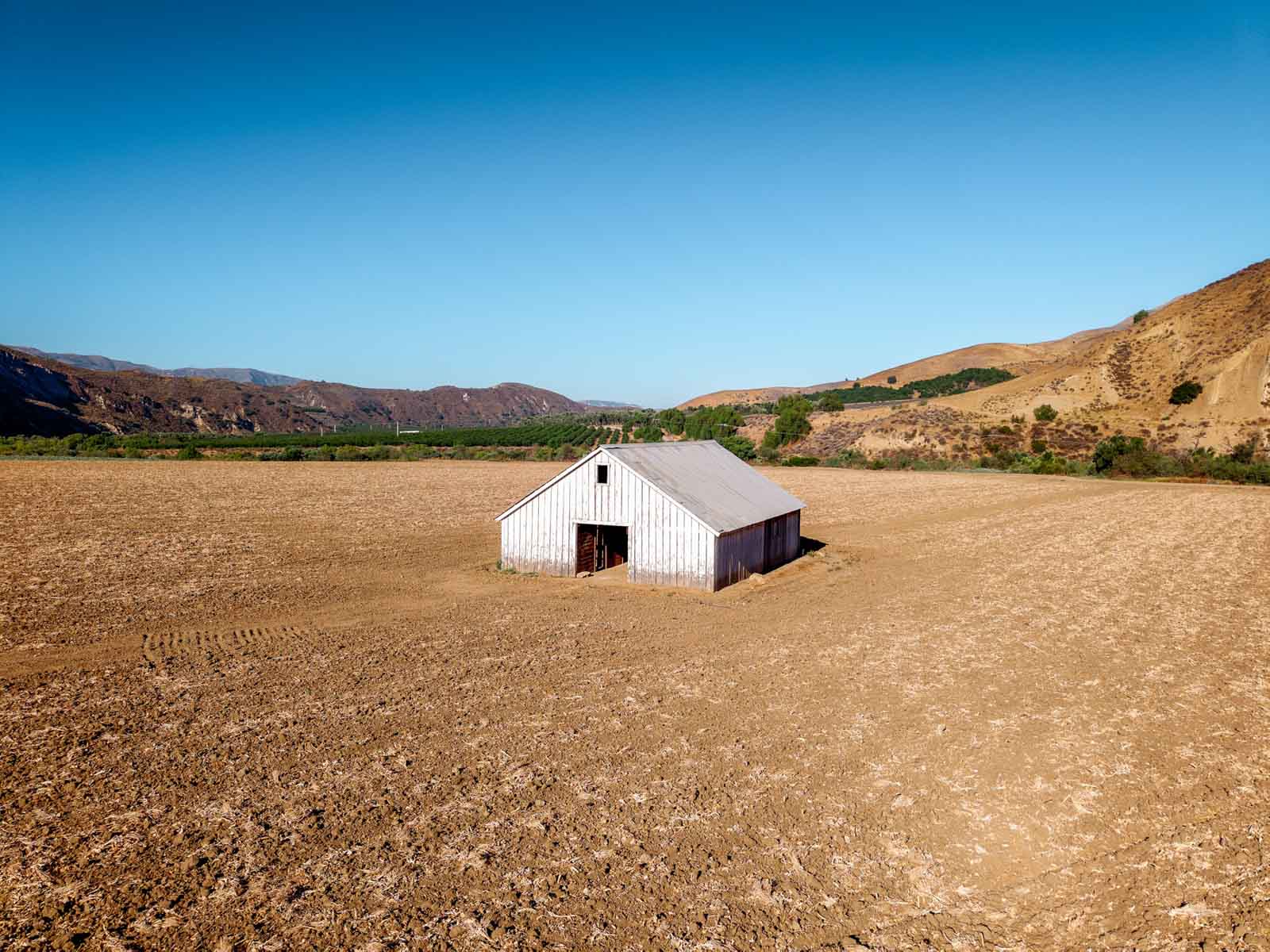
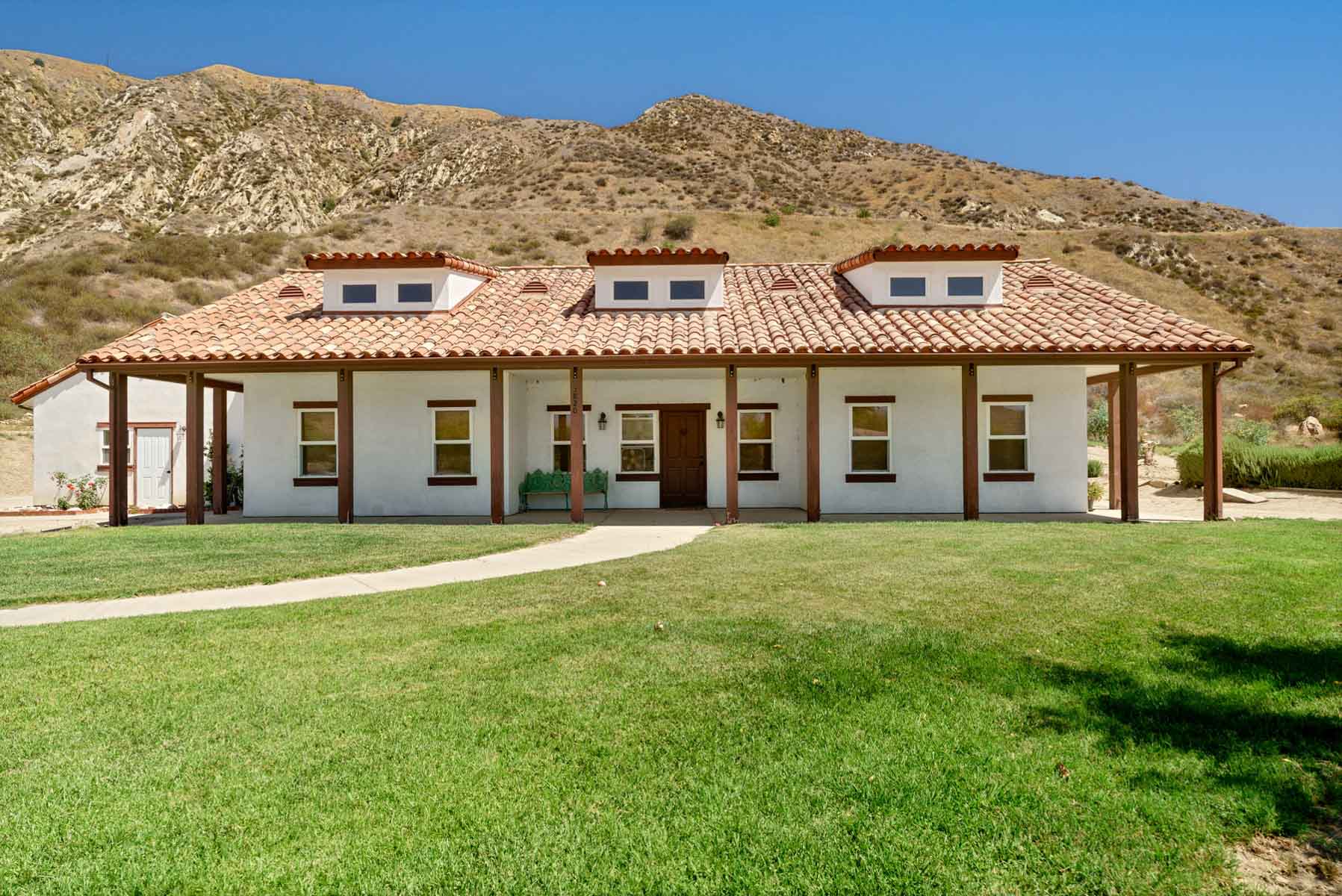
Rancho Temescal has extensive improvements, including residential structures, agricultural structures, a large equestrian complex, and other structures utilized for events.
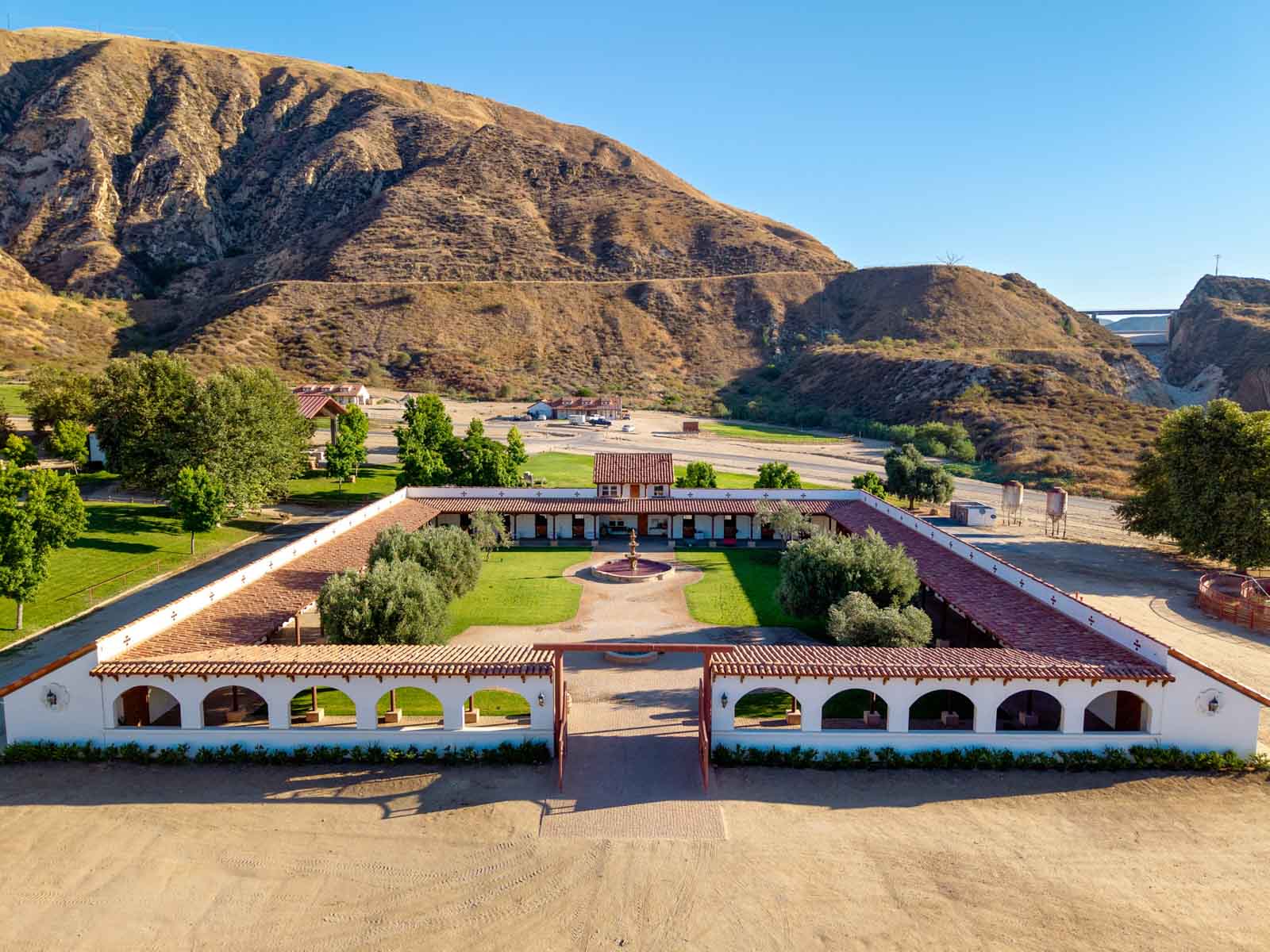
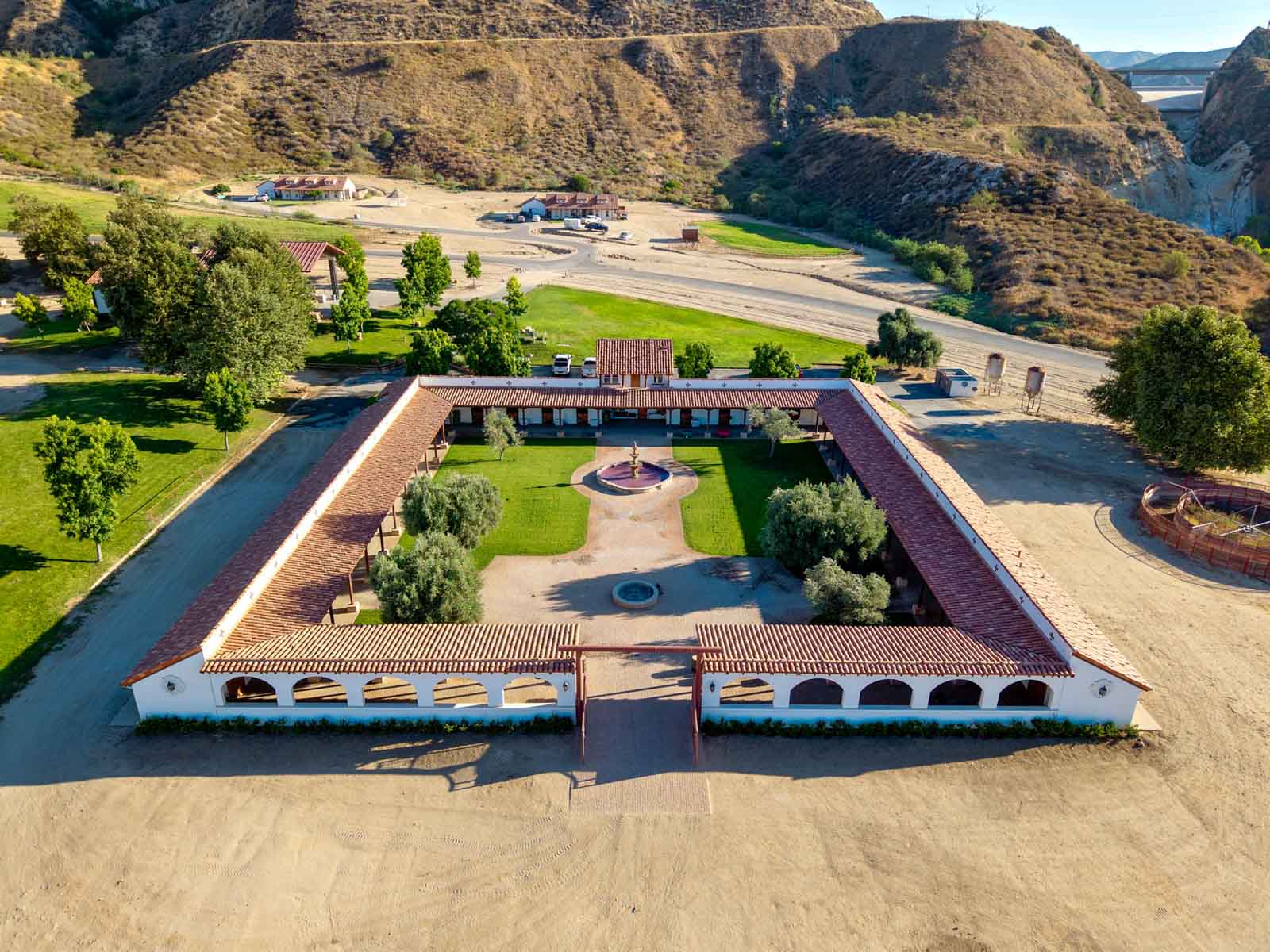
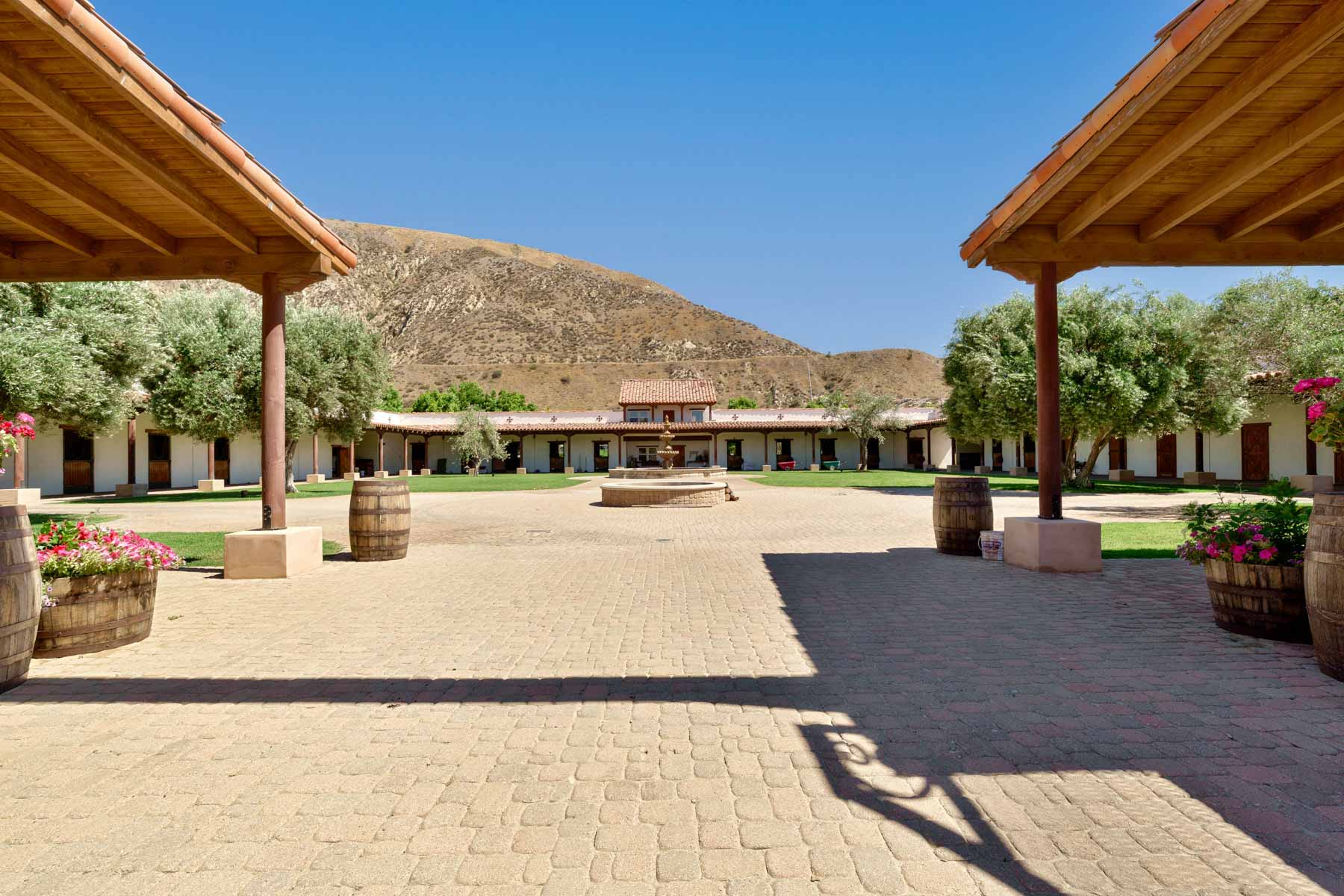
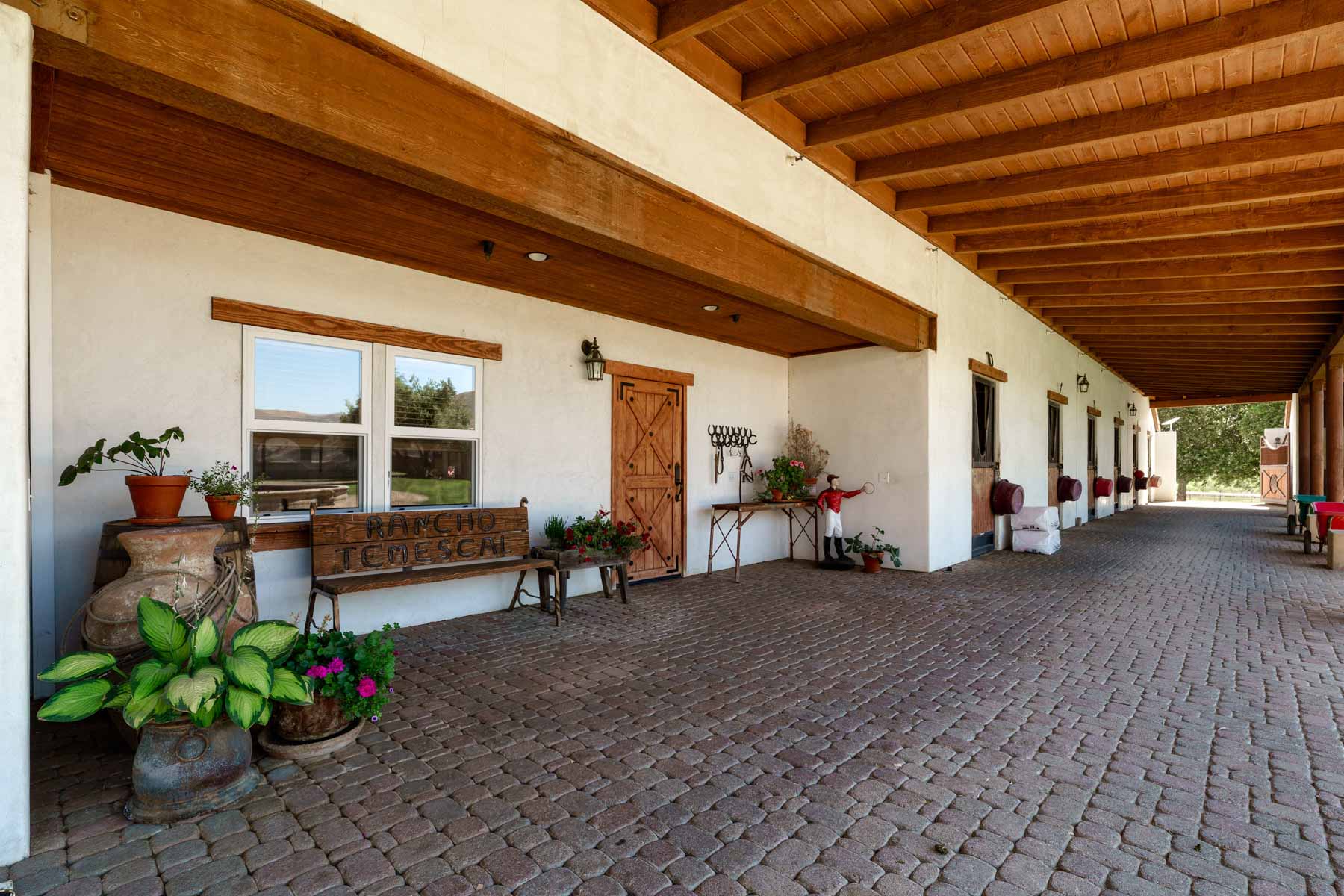
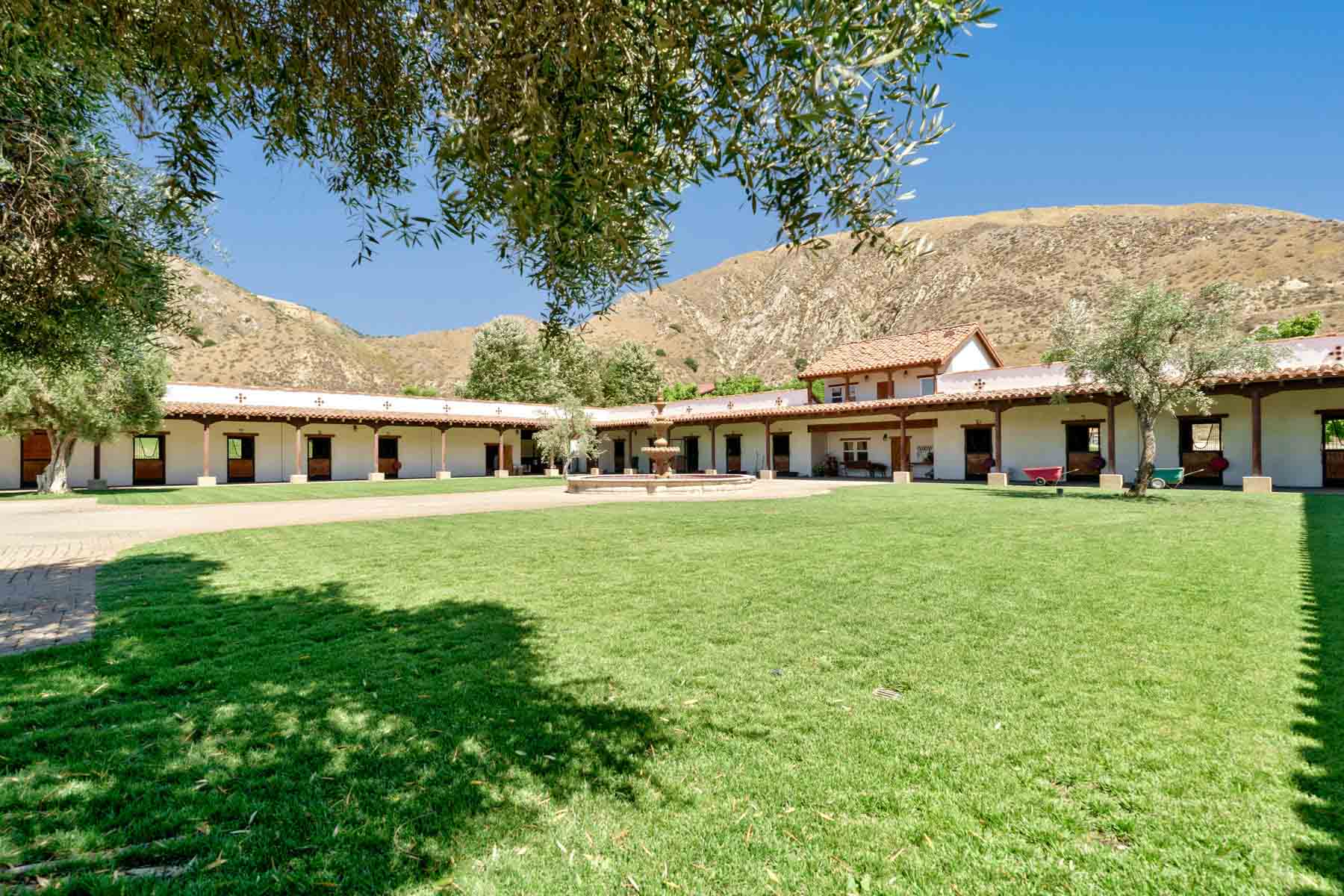
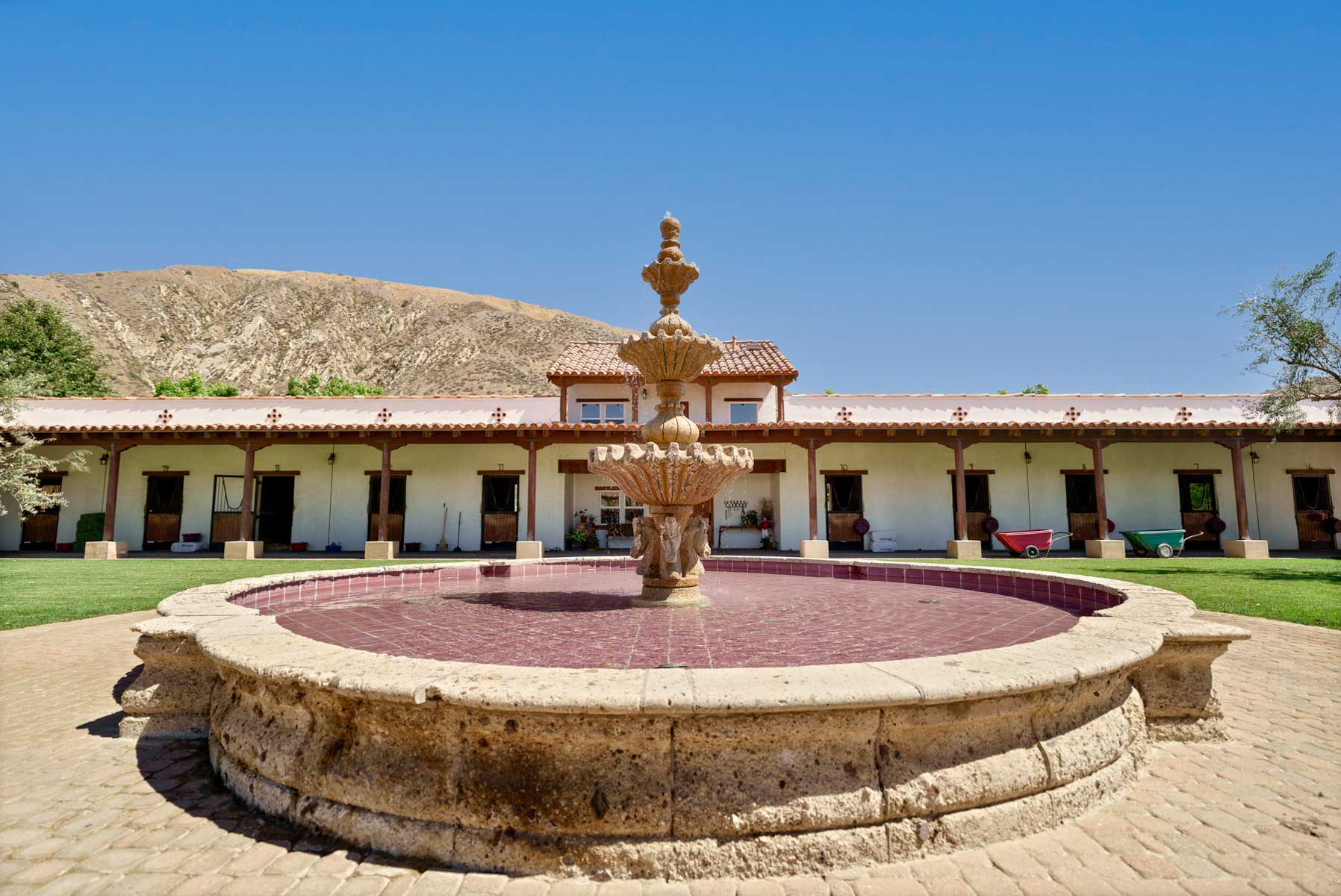
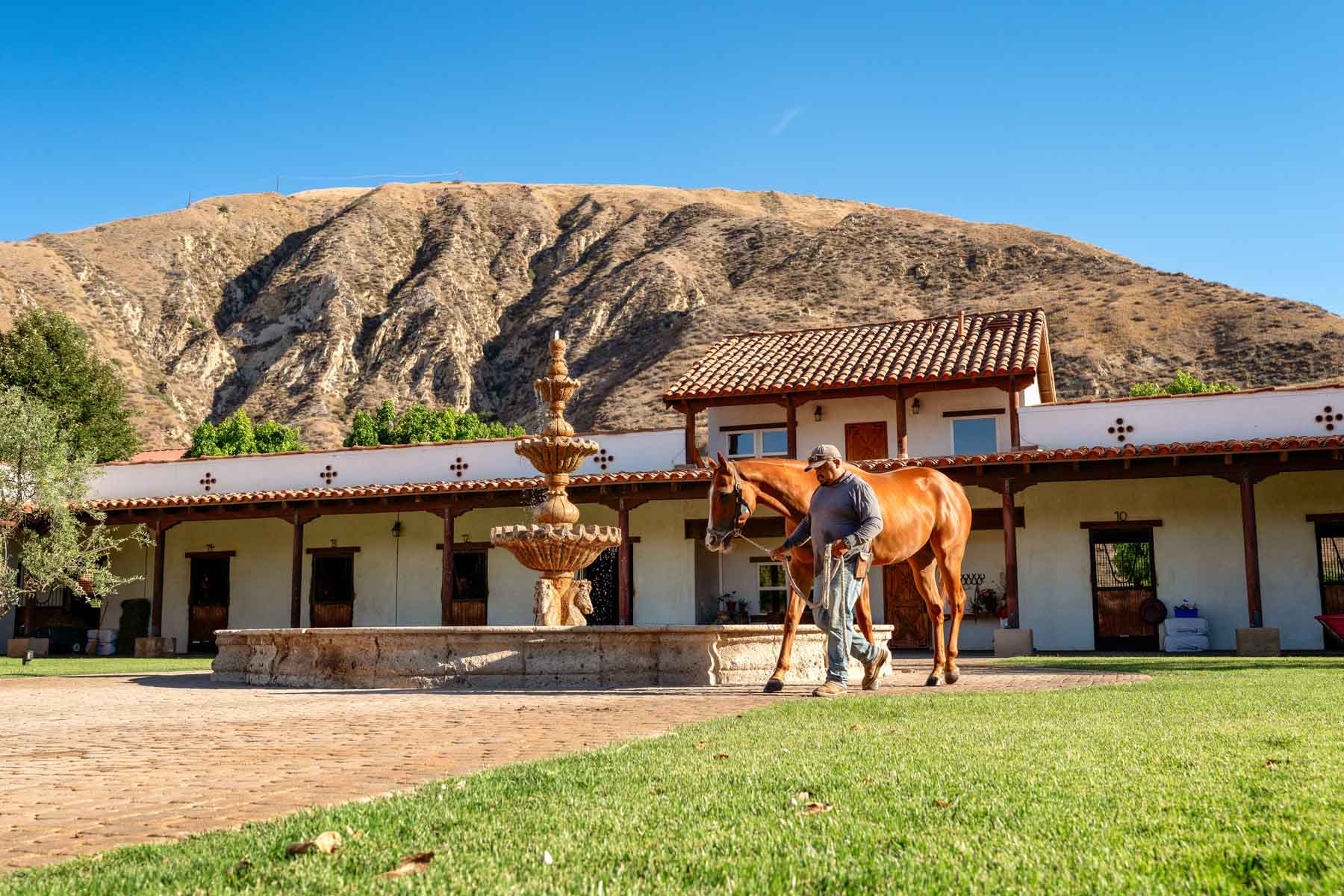
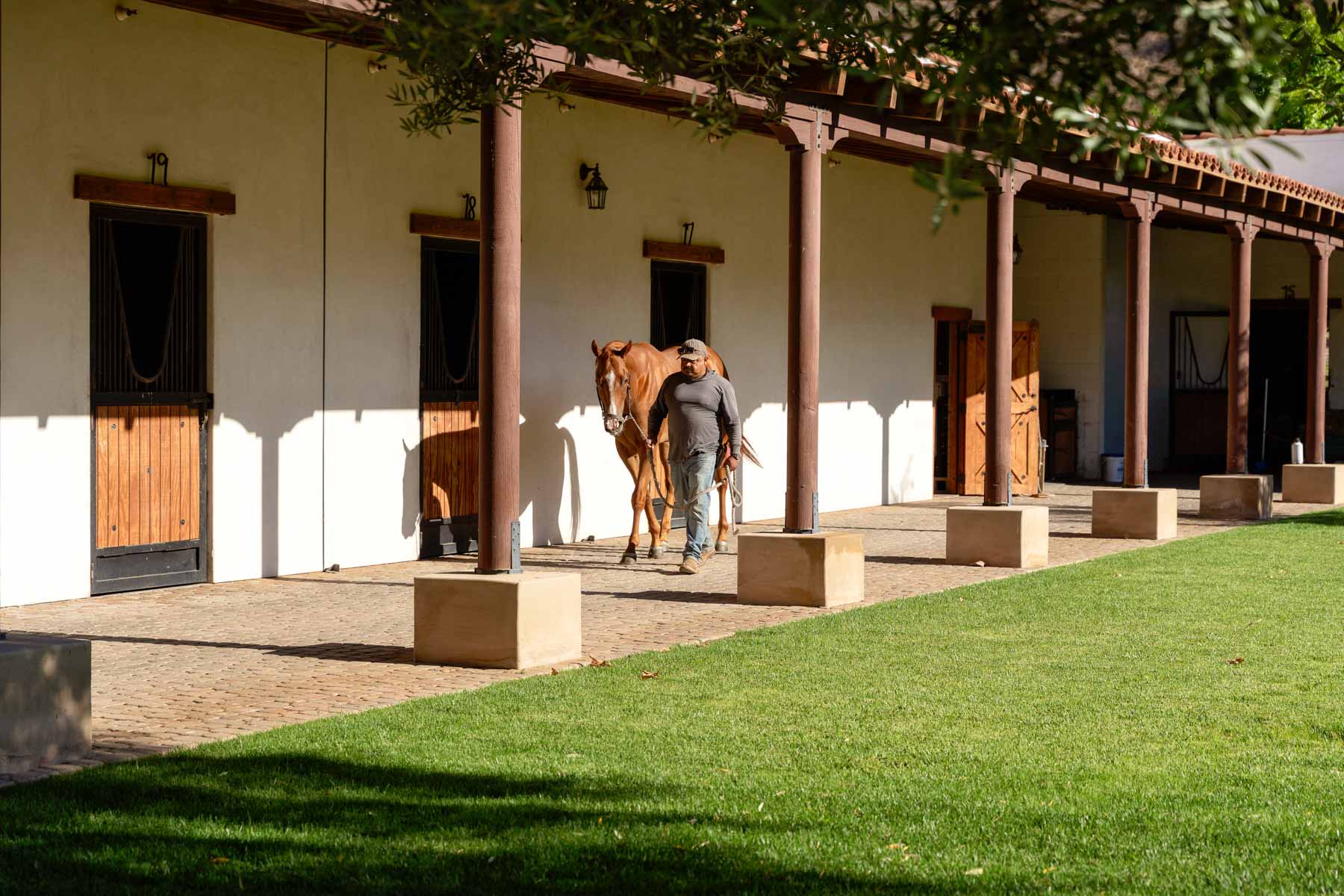
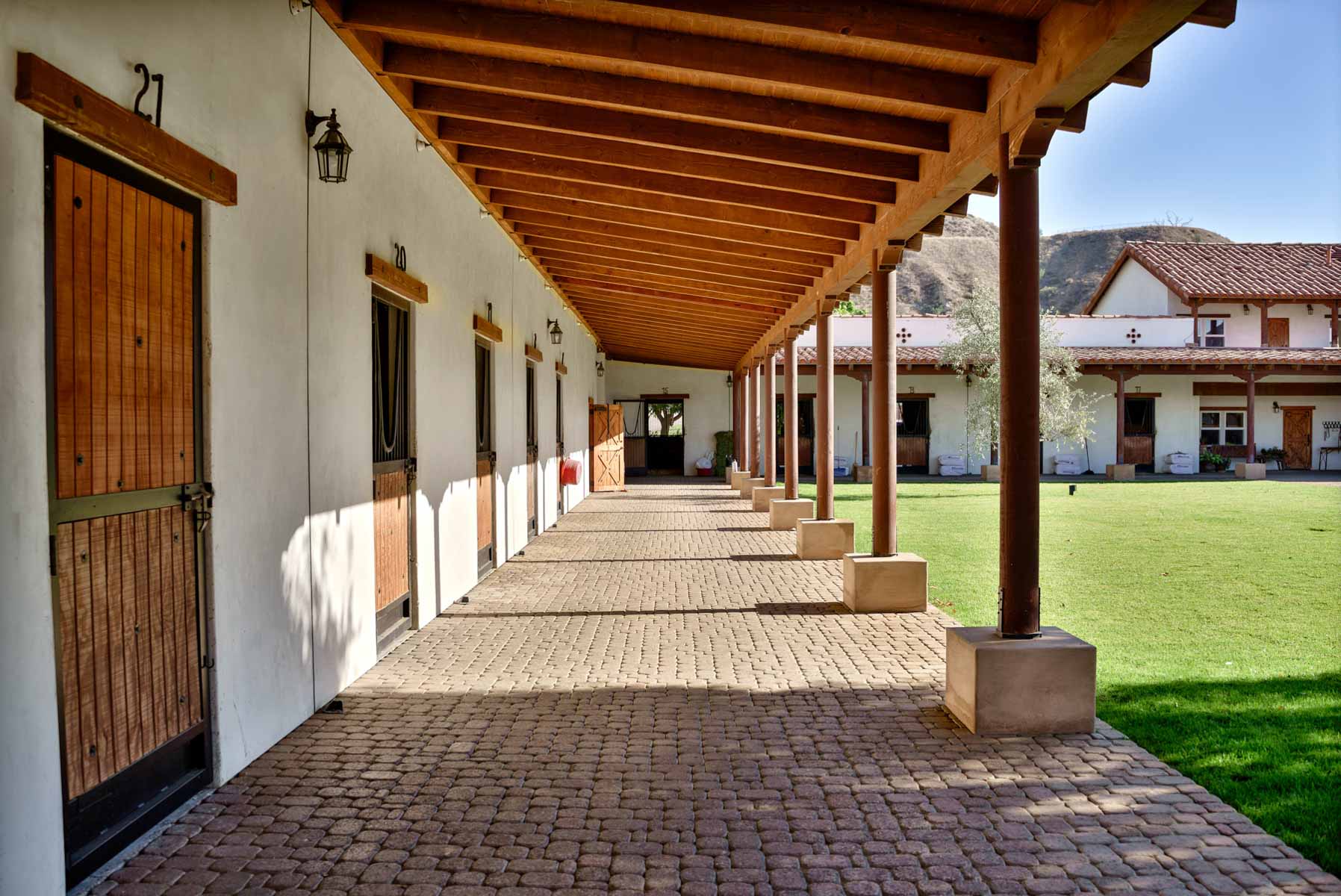
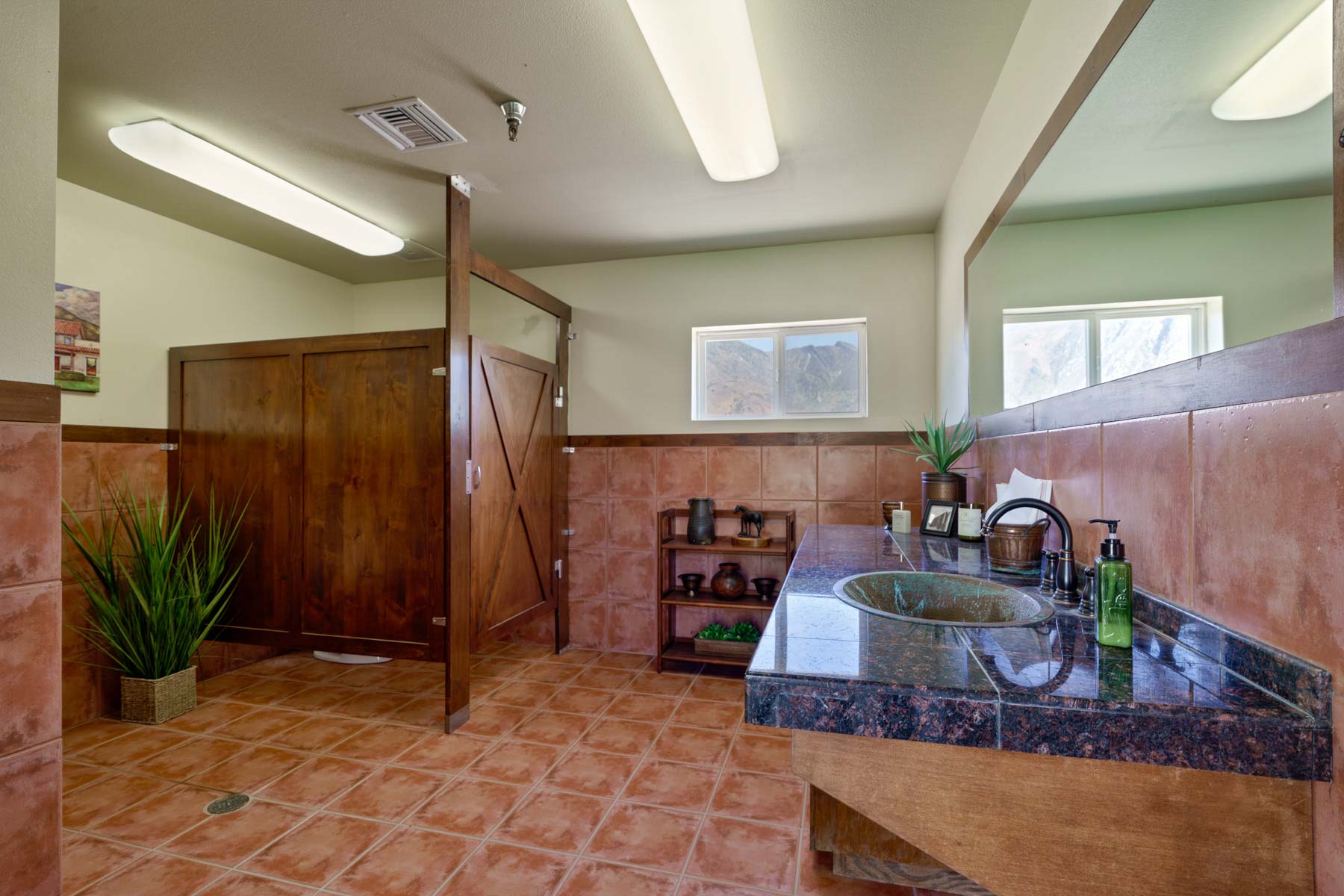
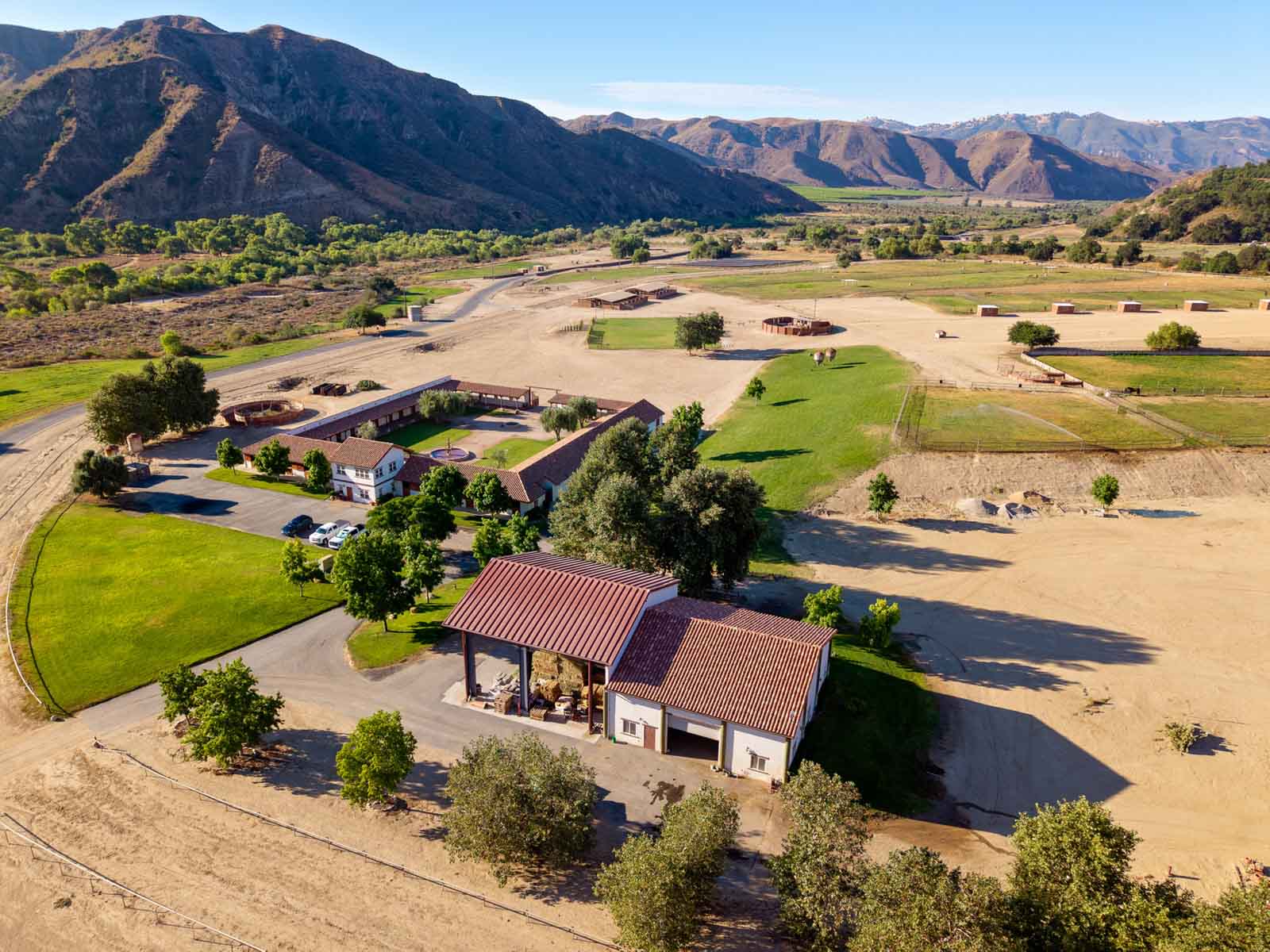
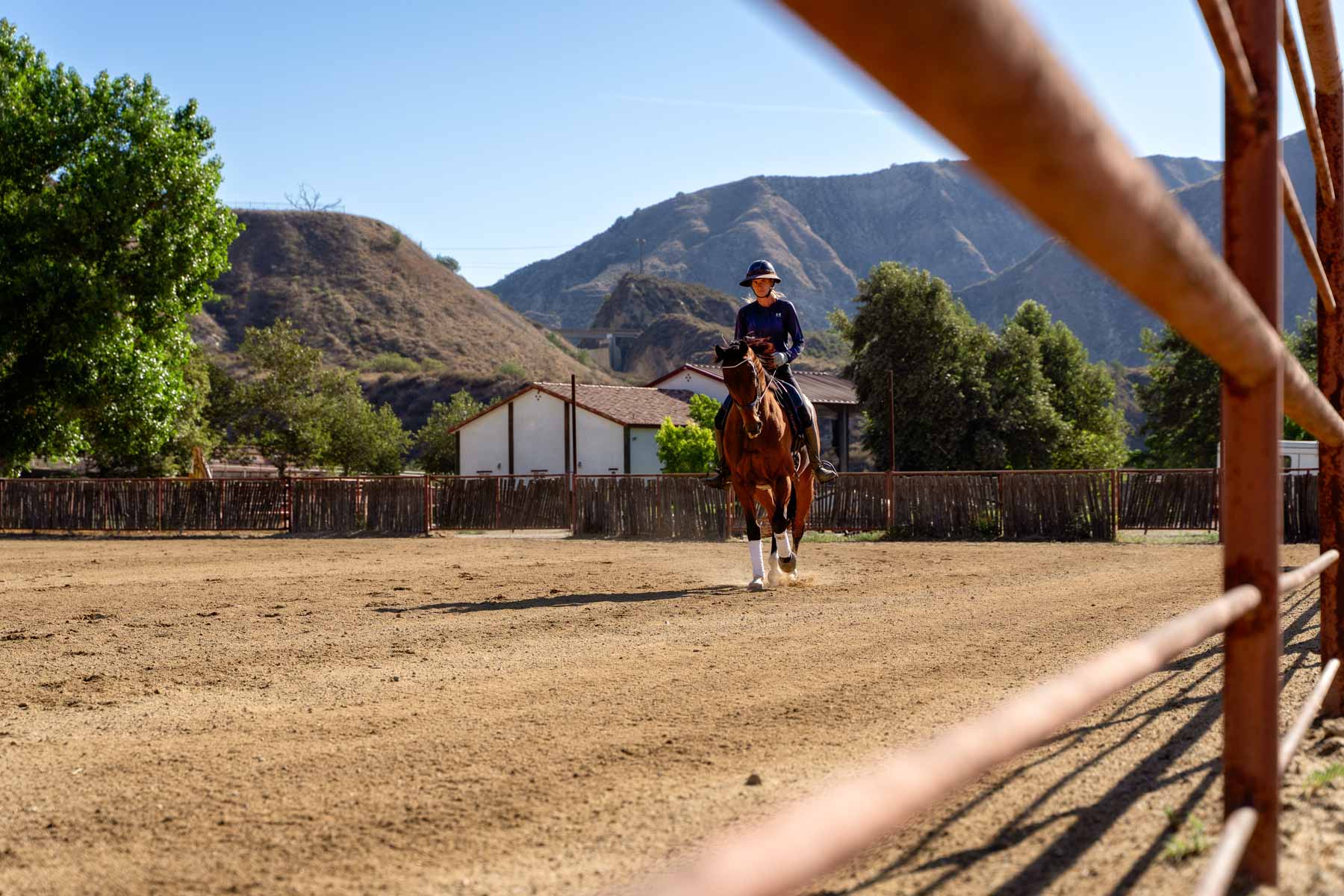
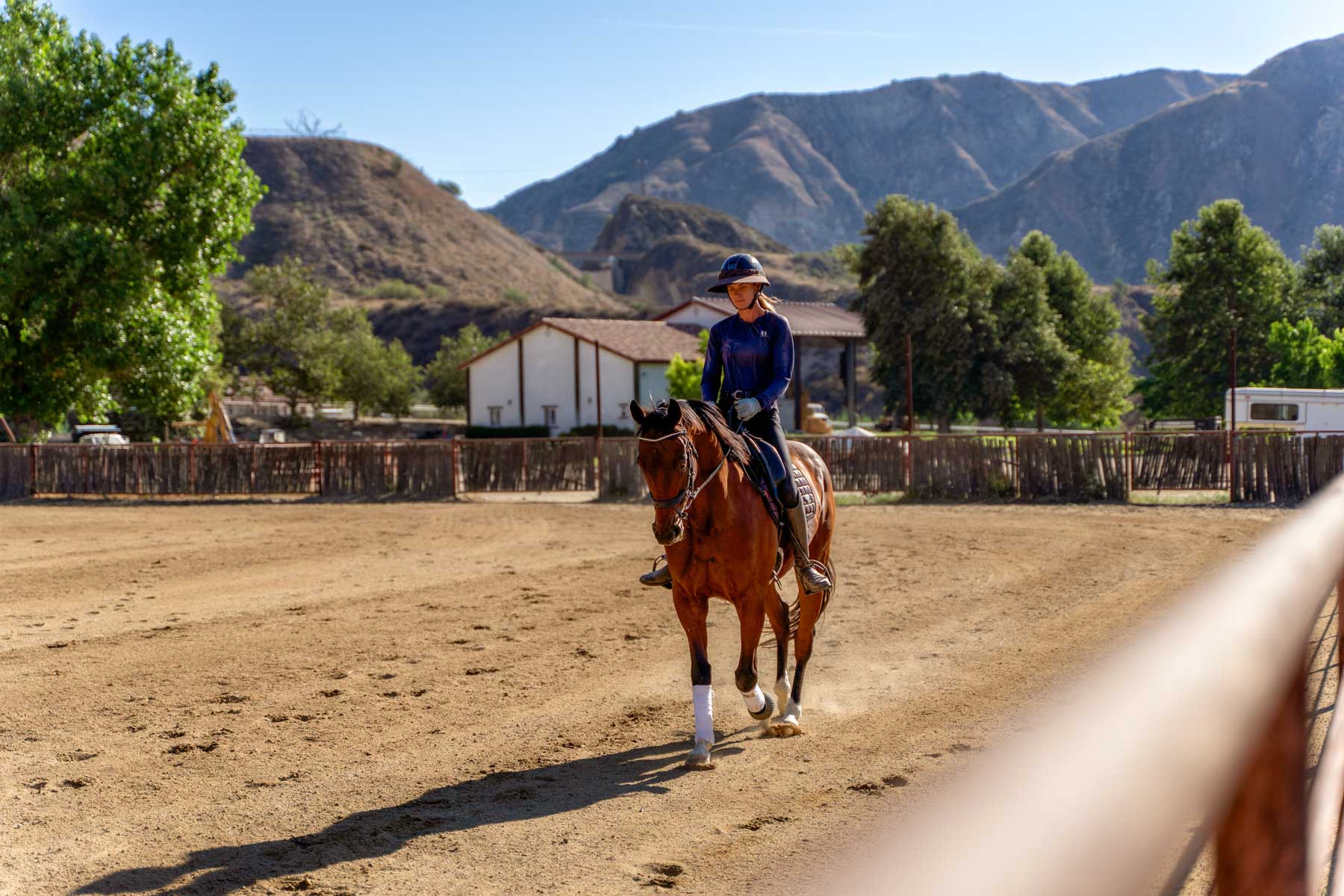
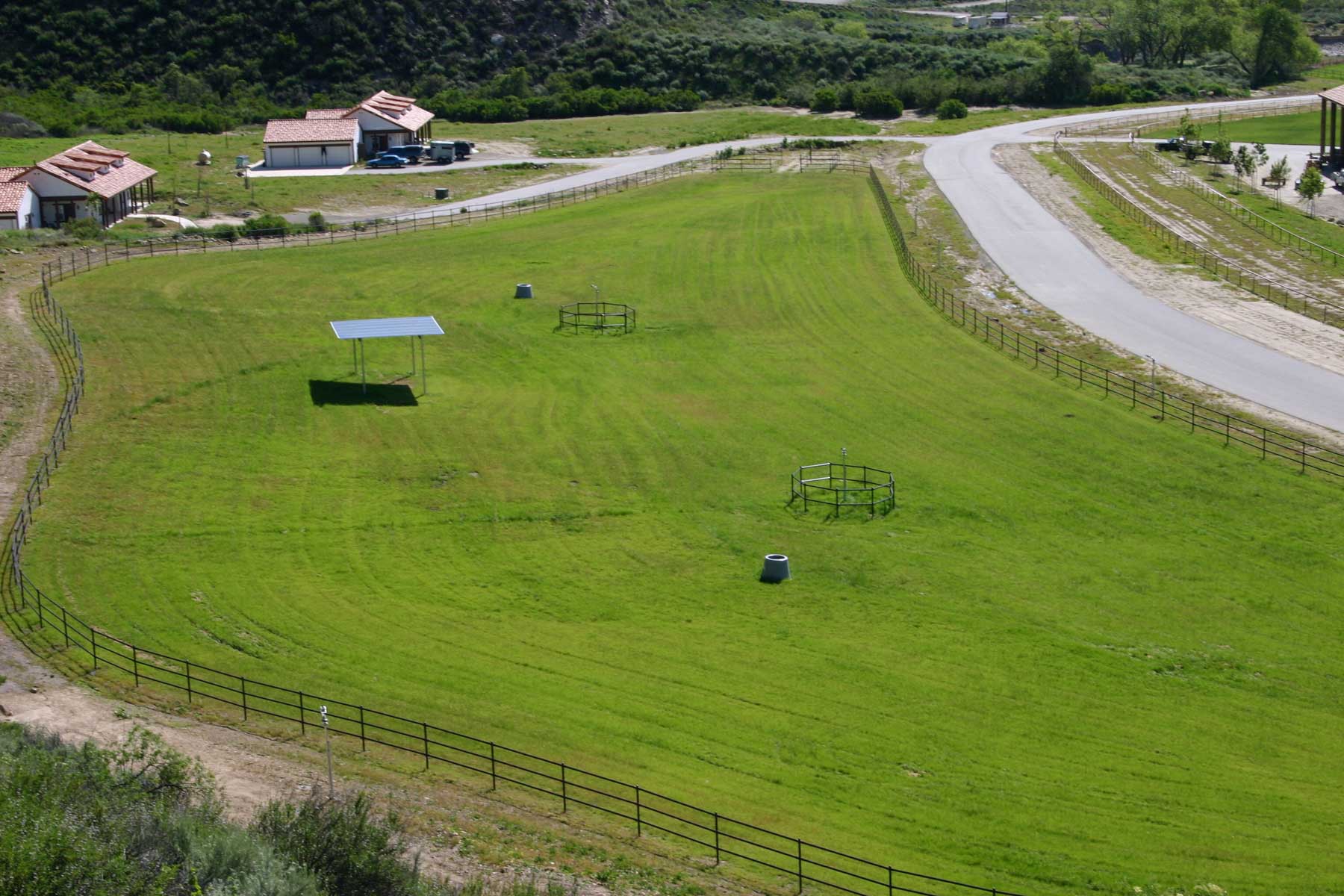
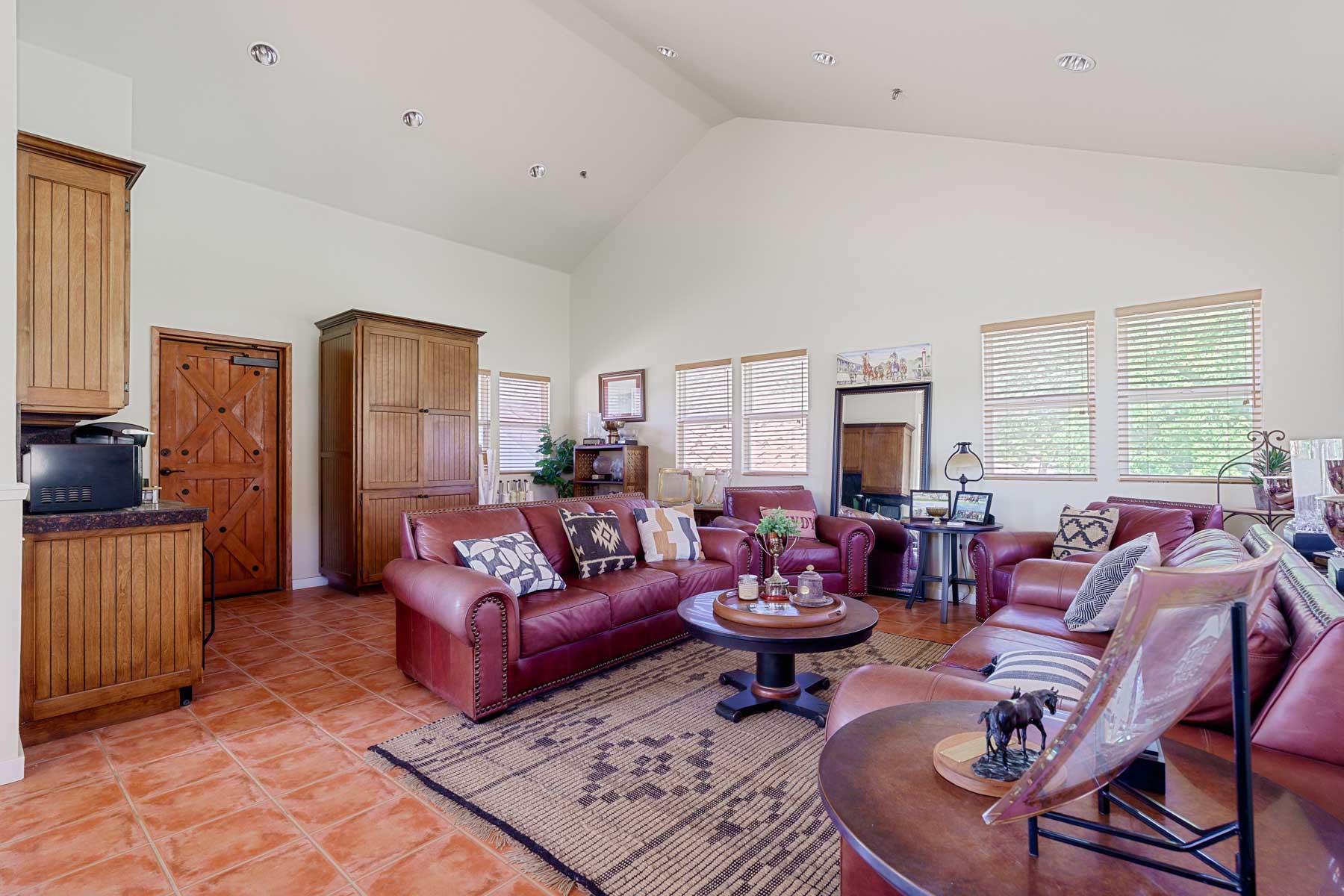
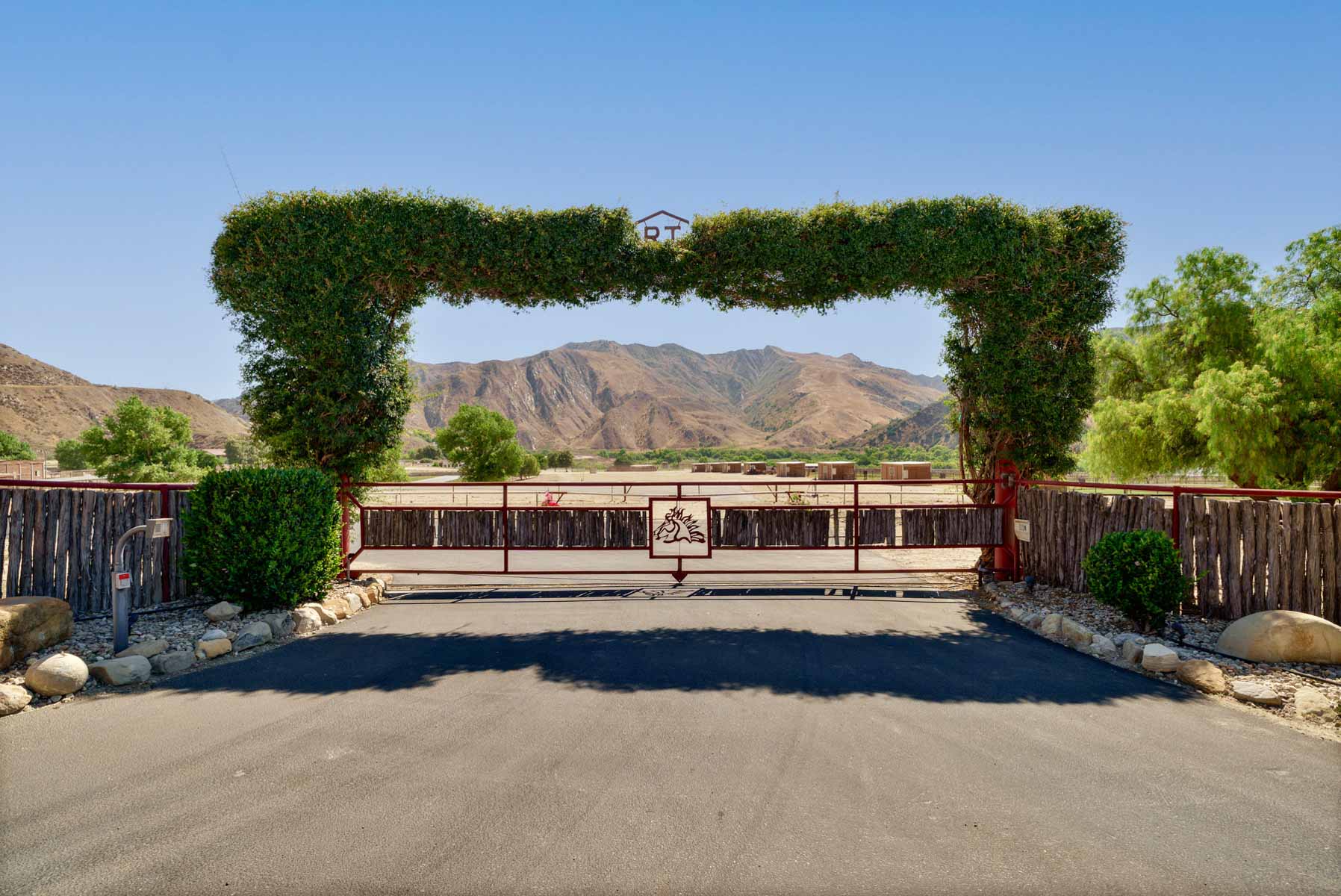
The hacienda sits at the center of the equestrian complex. It includes the main barn with an attractive courtyard, the centerpiece of which is a water fountain. This structure comprises two offices, an upstairs lounge, 18 stalls (five used for bride and groom quarters for events), a wash rack, restrooms, and a staff room. There are two outdoor arenas, one sand and one turf, both approximately 140 x 240 feet.
Also included in the equestrian complex are a variety of paddocks and turnouts as follows:
Shop/Hay Storage
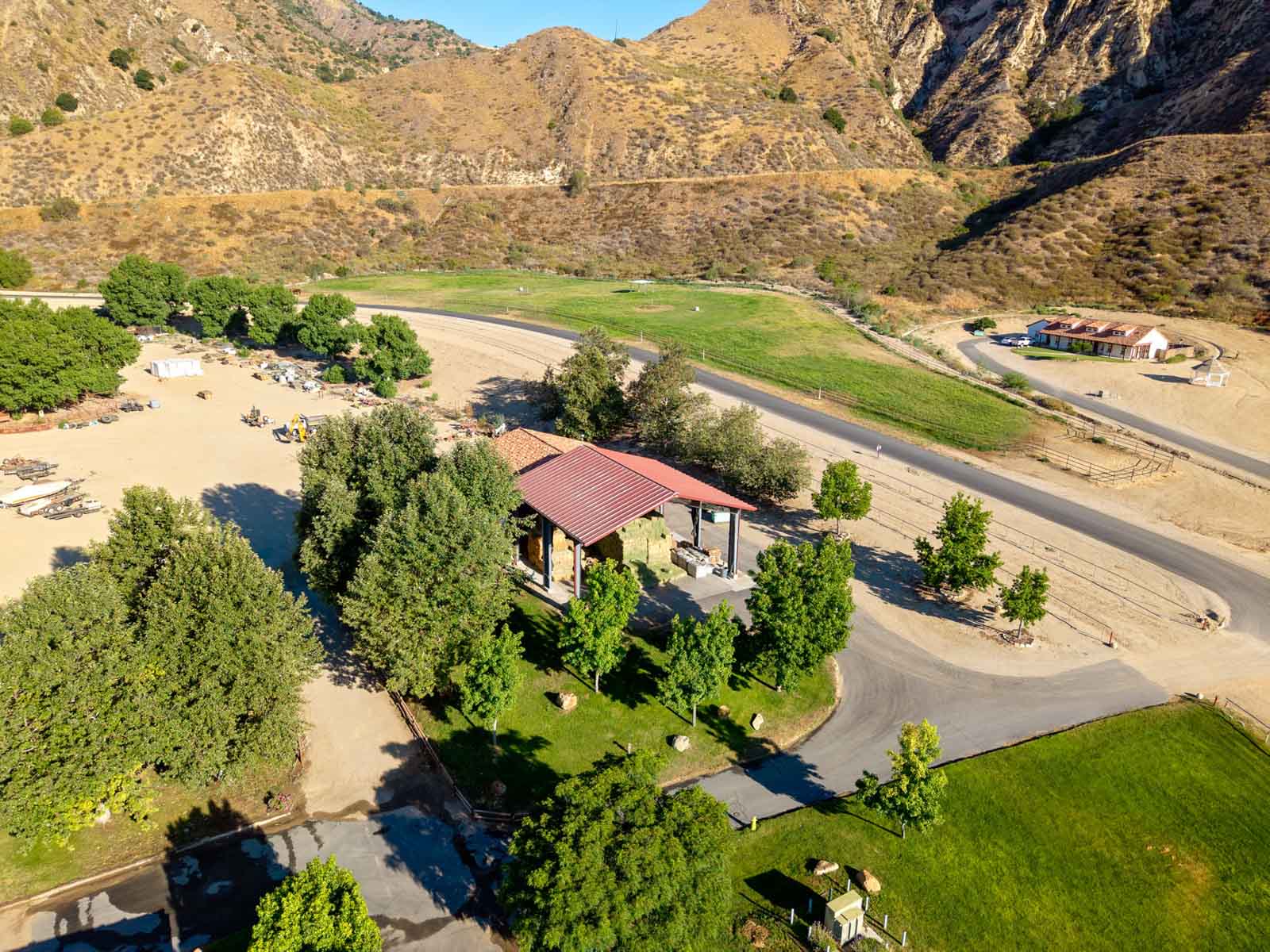
This structure measures 50’x100’. The east half is for hay storage and the west half is the shop.
Employee Housing
There are seven residential structures used for employee housing.
Event Venue
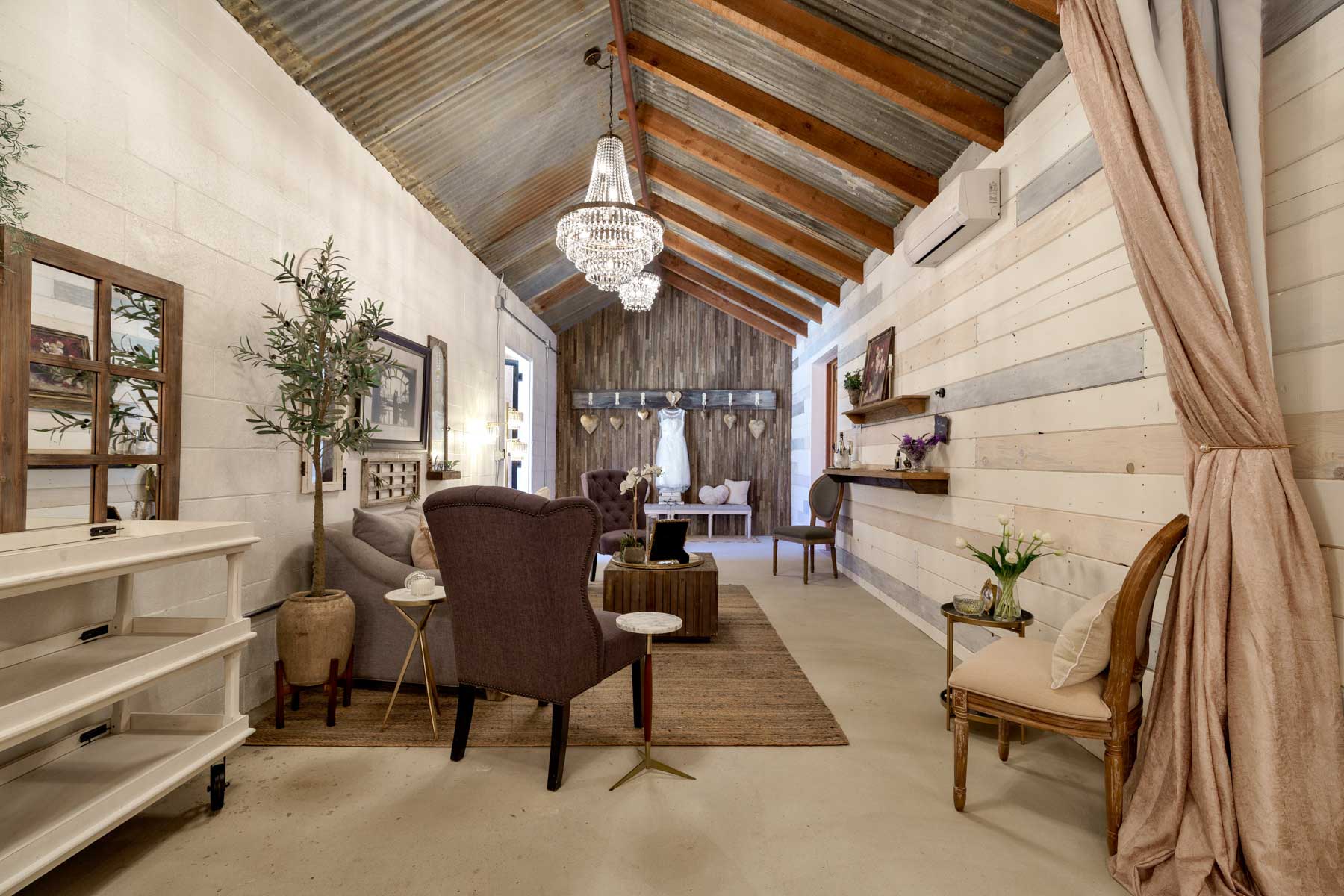
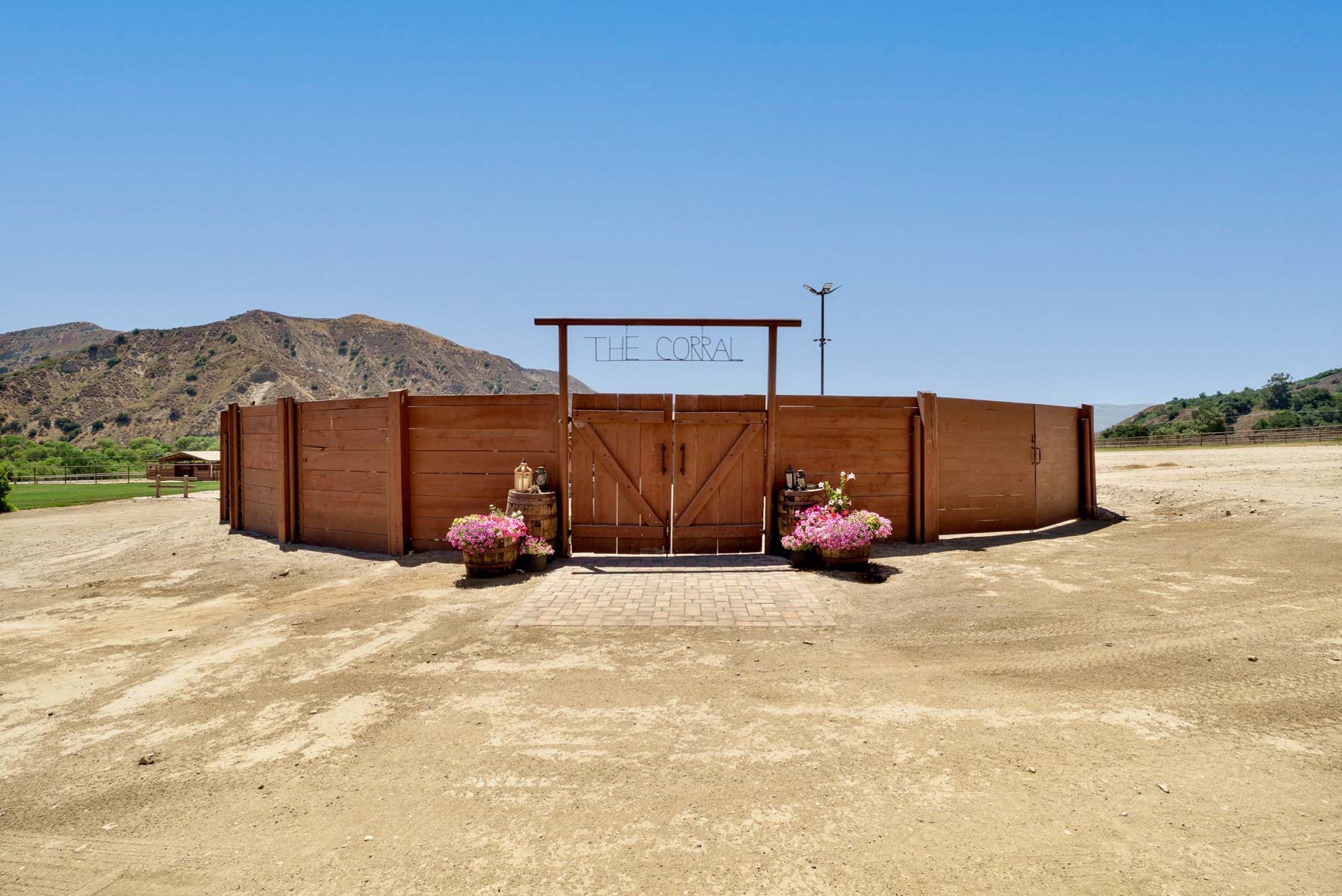
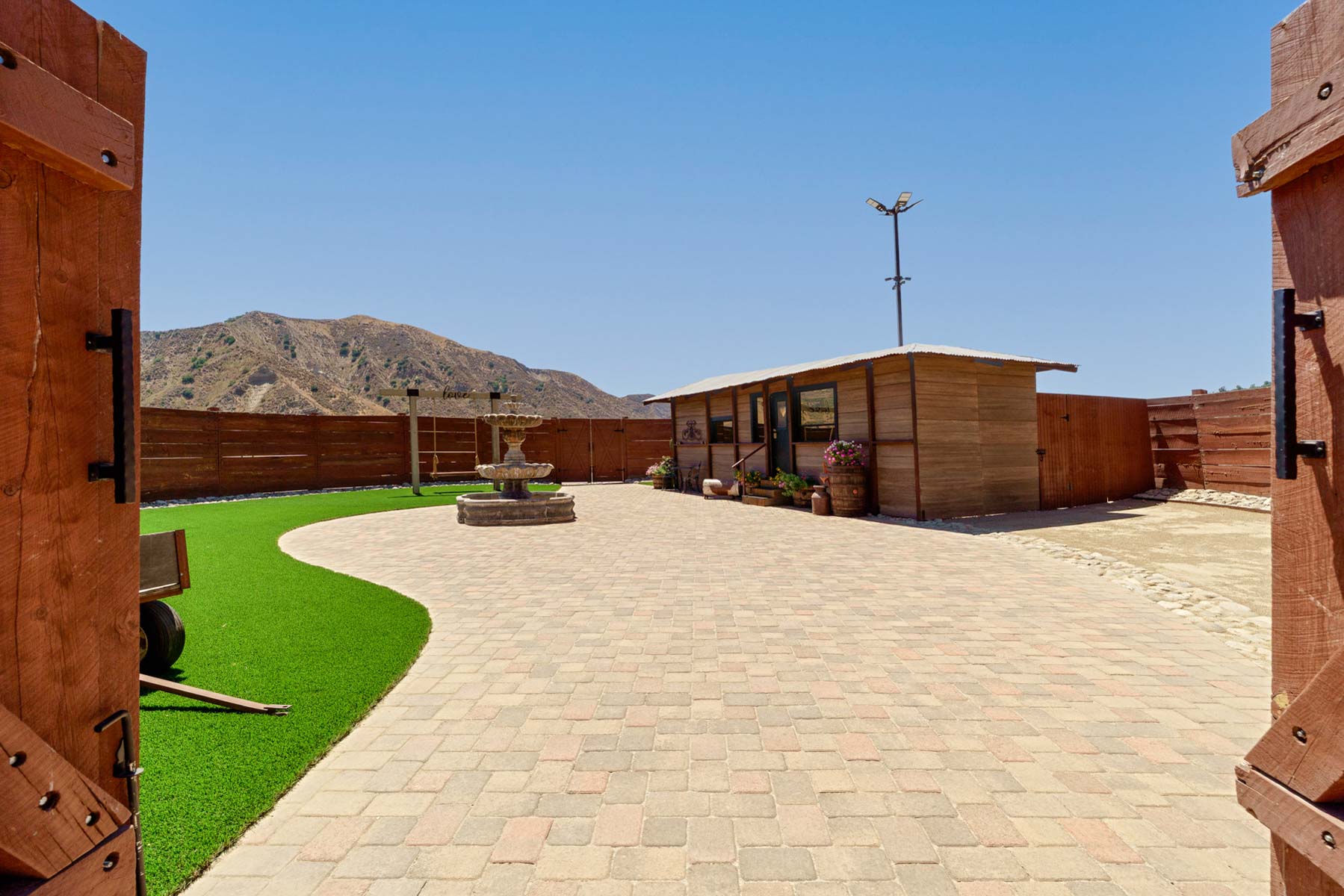
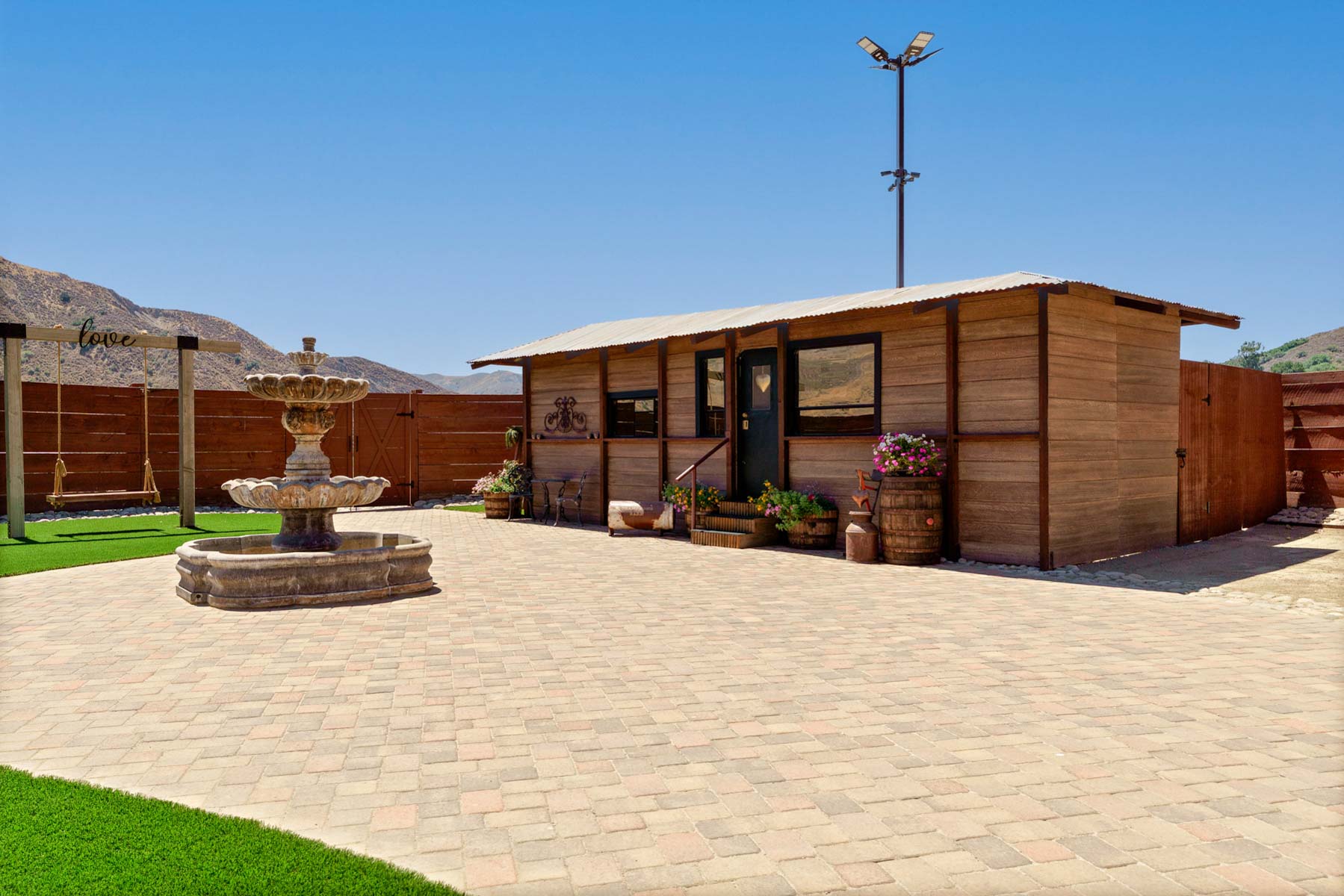
With a capacity of 350 attendees, the event venue is a recent endeavor for the ranch. Still, it is already in strong demand given the unique setting and proximity to one of America’s major urban centers. The bride and groom’s quarters, located in the main barn, are impeccably appointed. An upscale round pen (known as “The Corral”) is staged for the wedding party as they exit onto an expansive “Grass Paddock” for the ceremony. There is a structure inside “The Corral” known as the “Champagne Barn” where the bride waits until the attendees and wedding party are in place. The bride reveals herself from here as she walks the outdoor aisle.
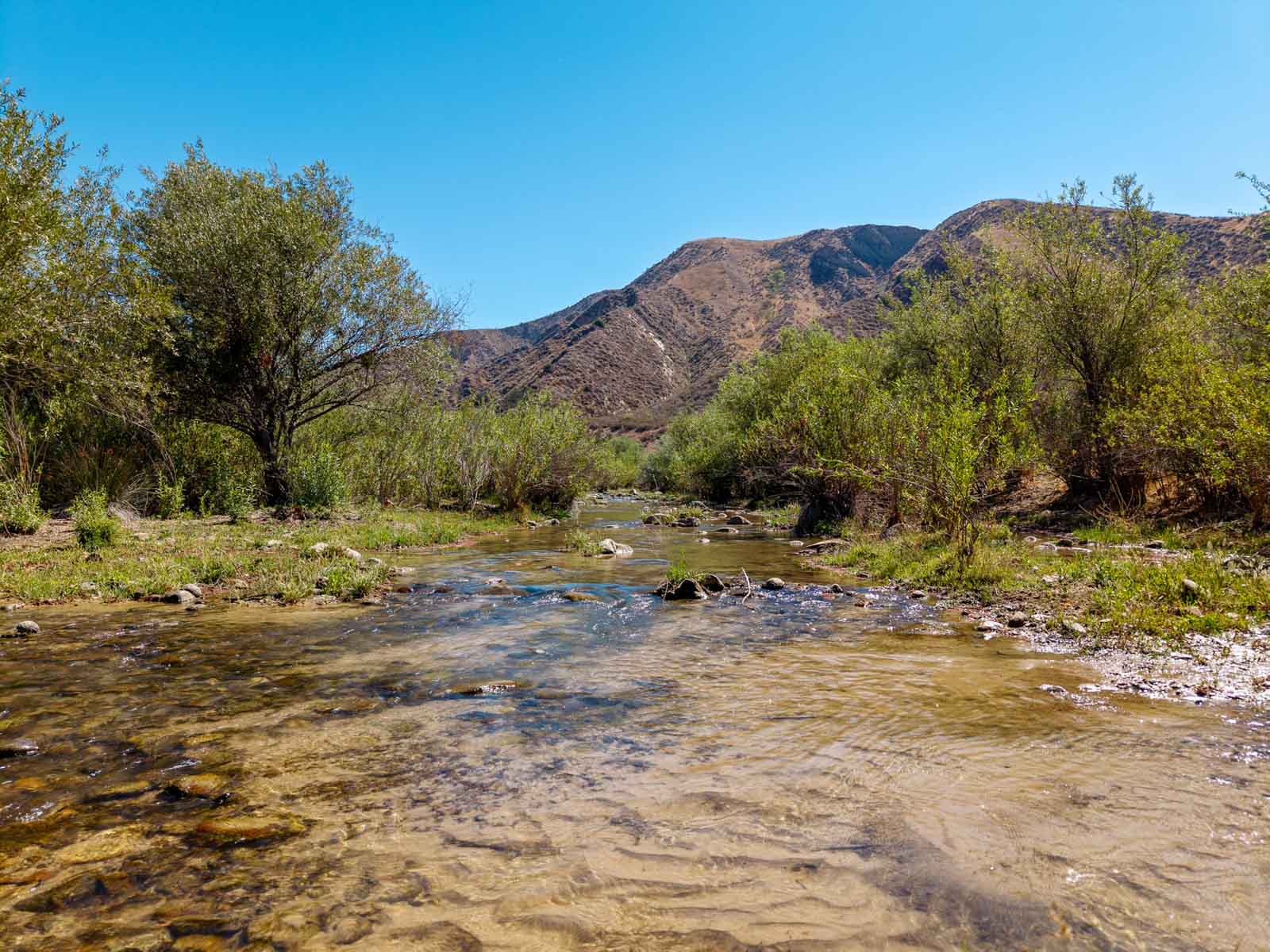
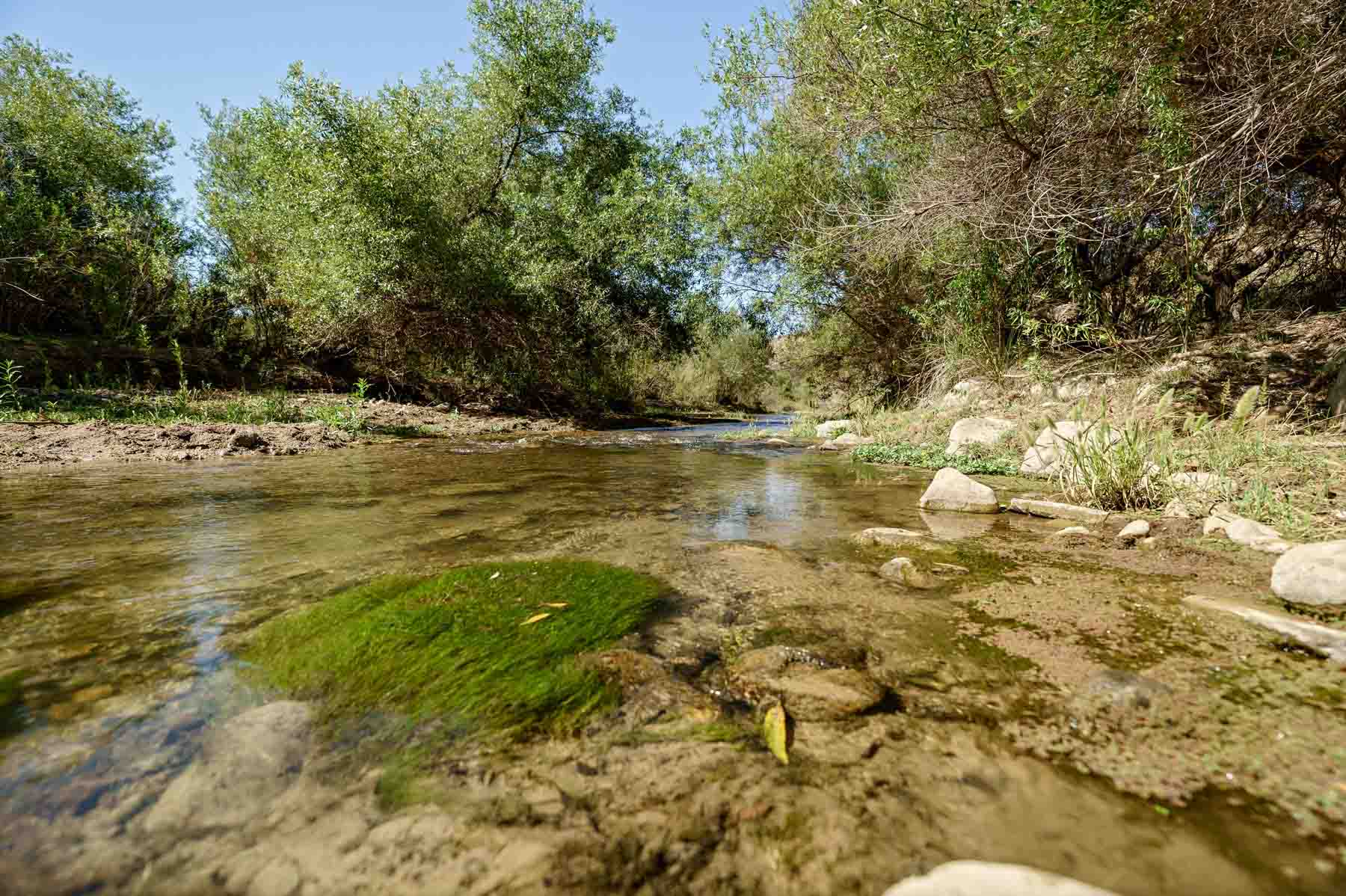
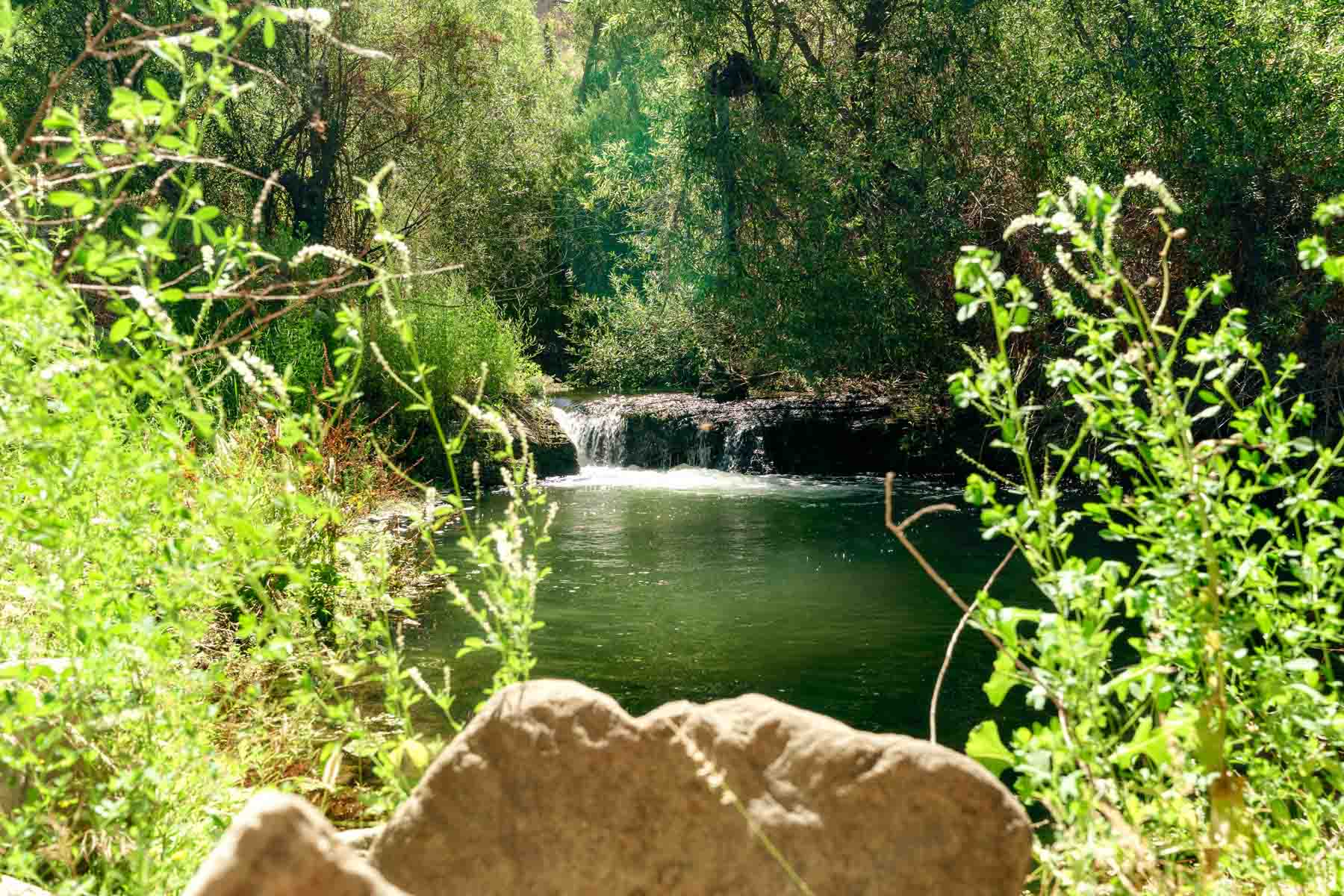
Year-round, Piru Creek flows through the ranch for more than four miles, providing rich riparian habitat and water sources for irrigation, wildlife, and cattle. Santa Felicia Dam is required to release water to maintain certain instream flows for fish. The current minimum release is five cubic feet per second, or the natural flow, whichever is greater.
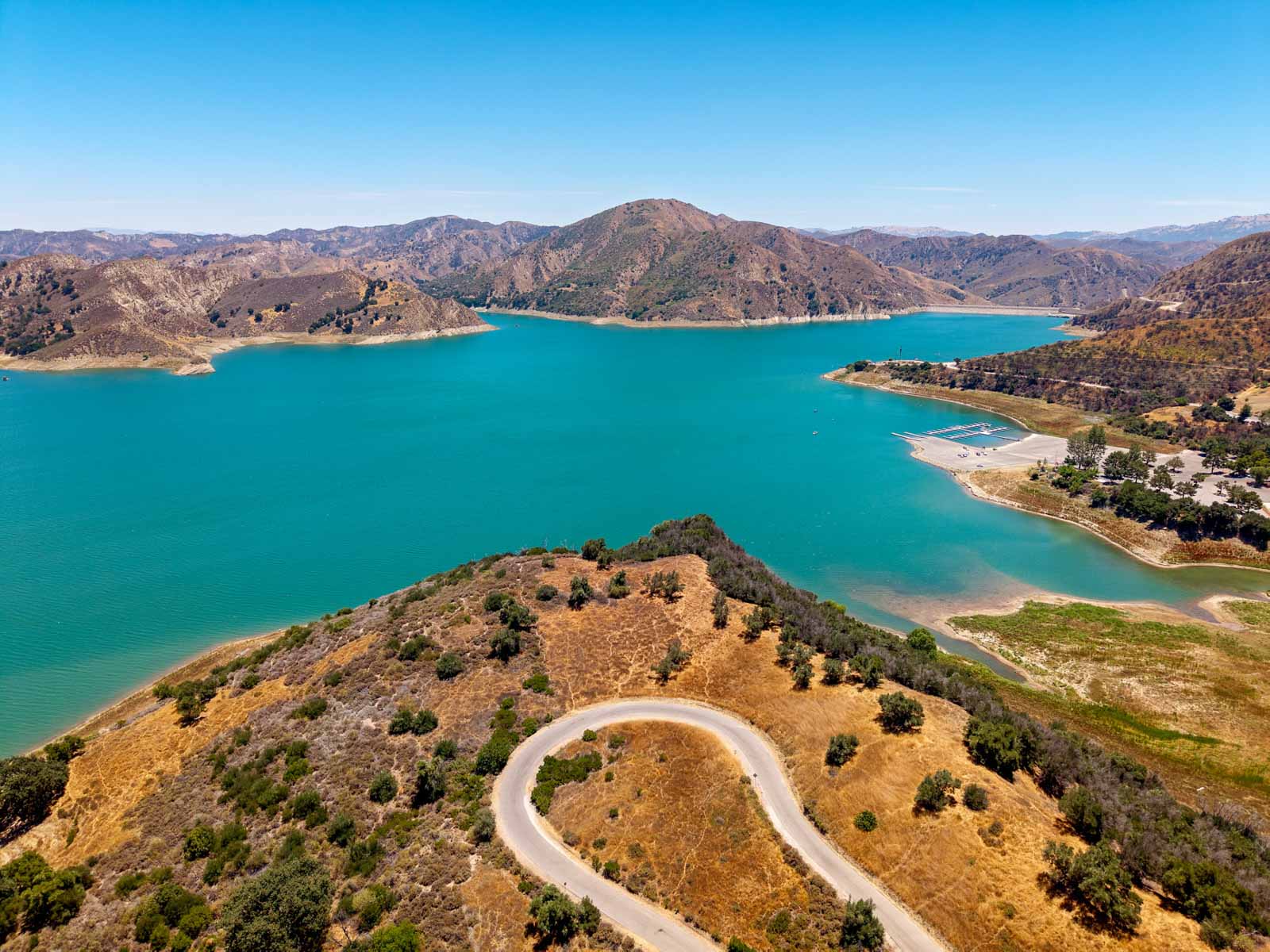
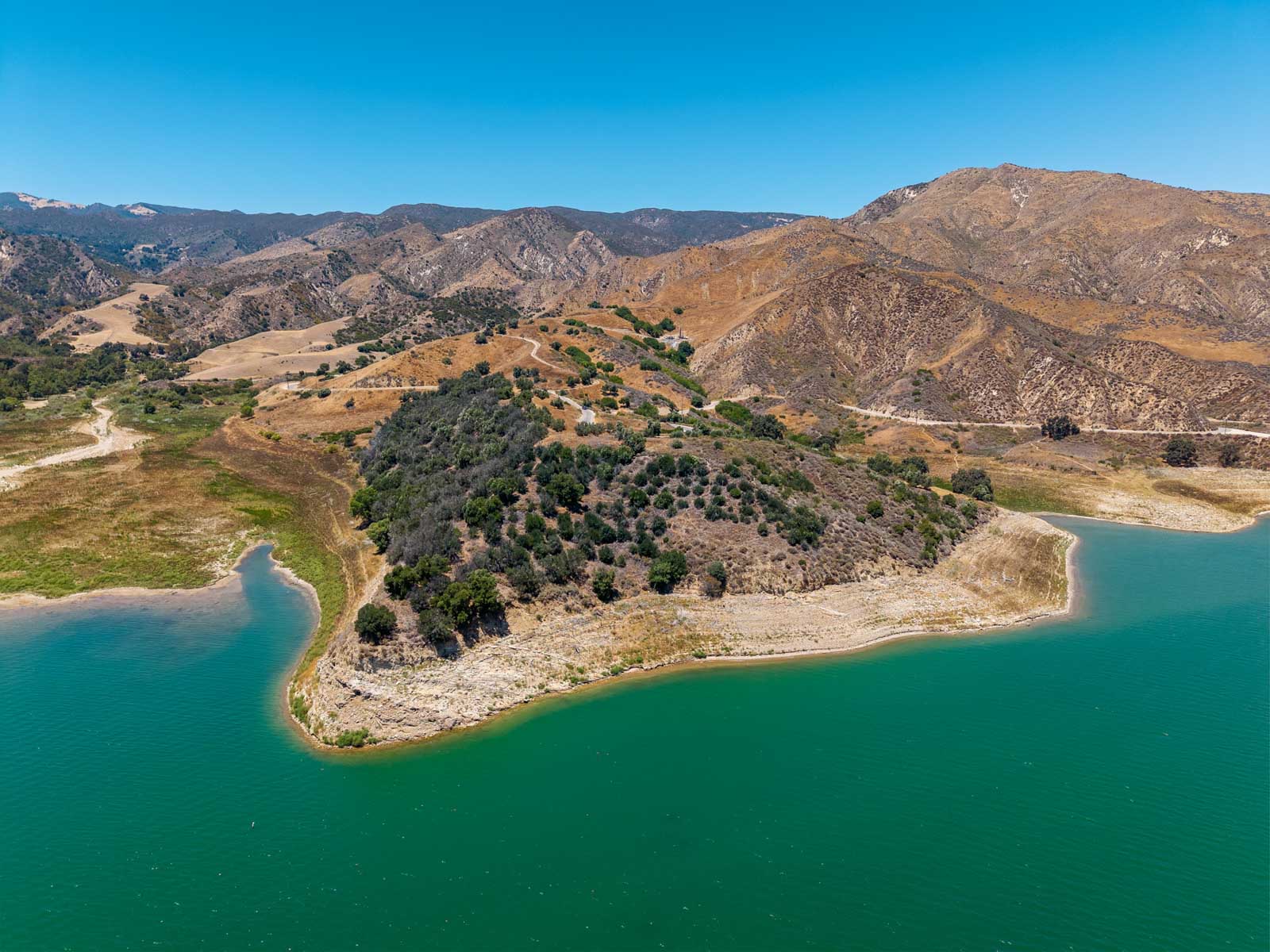
The ranch’s boundary surrounds roughly two-thirds of Lake Piru’s 18-mile shoreline, above the water district's take line.
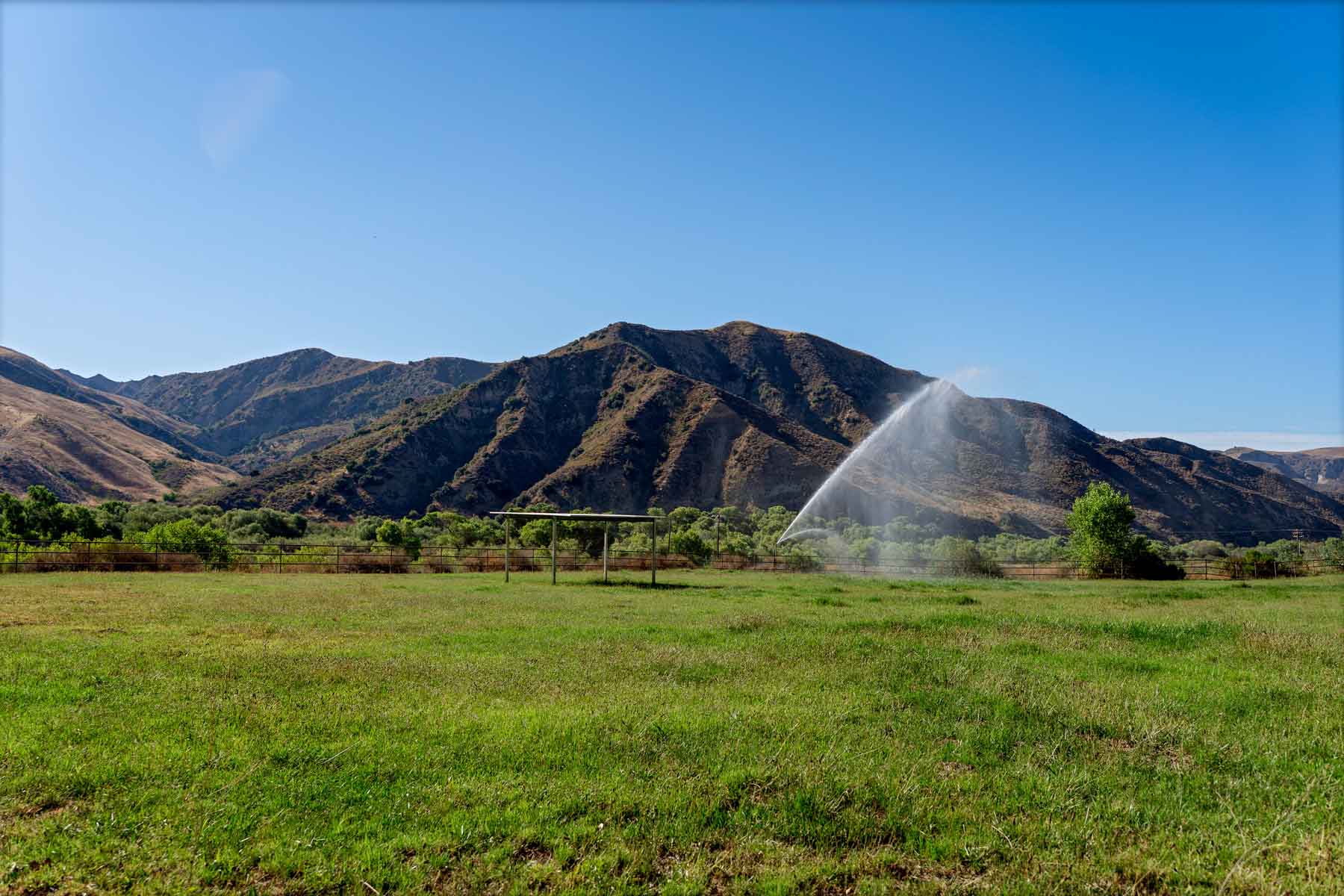
The ranch has excellent water resources and infrastructure, including a substantial riparian right dating back to 1895 out of Piru Creek. Eight miles of 12-inch pipe are buried to deliver water where needed. Agricultural water is pumped from the creek by two lift pumps, then mixed with water from two groundwater wells, and pumped up to the agricultural holding tanks. From there, it flows back down to the orchards and crops.
Domestic water is pumped from the town of Piru to the domestic water holding tank and delivered for domestic and, if needed, agricultural uses. The ranch has a water call of 1,500 gallons a minute, 24/7 from the town.
The ranch has over 1.1 million gallons of water storage capacity in four tanks as follows:
The seller owns virtually all mineral rights, which will be conveyed to the new owner at closing. The only mineral rights not owned by the seller exclusively pertain to 80 acres on which Chevron has active drilling sites.
While the ranch itself does not have a fishery, Lake Piru is regarded as a top-tier freshwater fishery in southern California. Spanning roughly 1,200 acres, the reservoir supports robust populations of largemouth and smallmouth bass, channel catfish, crappie, bluegill, Redear Sunfish, and carp. The lake features three boat launch ramps, marina facilities, and campgrounds with shore-based fishing access, while anglers on boats, tubes, or float tubes can explore coves and deeper channels to target bass with jigs, swimbaits, crankbaits, and spinnerbaits. Lake Piru has also produced trophy catches—bass over 15 pounds, catfish exceeding 20 pounds, crappie up to three-and-a-half pounds, and redear up to two pounds, making it a prime destination for anglers seeking both quantity and quality.
The ranch and the area around Piru support a rich tapestry of wildlife across mammal, bird, reptile, and amphibian categories. In the riparian corridors and creekside woodlands, there are the occasional mule deer, coyotes, black bears, and bobcats, while mountain lions are known to roam more remote sections of the canyons. For bird watchers, it’s a hotspot: expect sightings of bald eagles, California condors, great blue herons, red-tailed hawks, and a variety of waterfowl and songbirds. The creek and lake habitats also sustain amphibians such as California red-legged frogs, arroyo toads, and bullfrogs. Meanwhile, reptile diversity includes western fence lizards, alligator lizards, California kingsnakes, gopher snakes, and rattlesnakes, with occasional encounters with rarer species like patch-nosed snakes and skinks. These biologically rich zones form vital habitat corridors and conservation focal points, underscoring the ecological value of Piru Canyon and Lake Piru.
The ranch wildlife presents hunting opportunities for deer, bear, California quail, and dove. The hunting rights are presently leased to an outfitter.
Rancho Temescal offers a wide range of recreational experiences. Piru Creek provides natural settings for casual exploring and nature appreciation, while nearby Lake Piru offers boating, fishing, and camping, making day trips or overnight stays a cohesive part of the ranch experience. Whether drawn to equine sports, hiking, biking, or using the ranch as a backdrop for celebration and film, Rancho Temescal seamlessly blends functional amenities with a memorable rural setting.
Current operations at the ranch include several revenue-producing components such as agriculture, cattle grazing, oil and gas production, event venue, equestrian services, and film production.
Agriculture
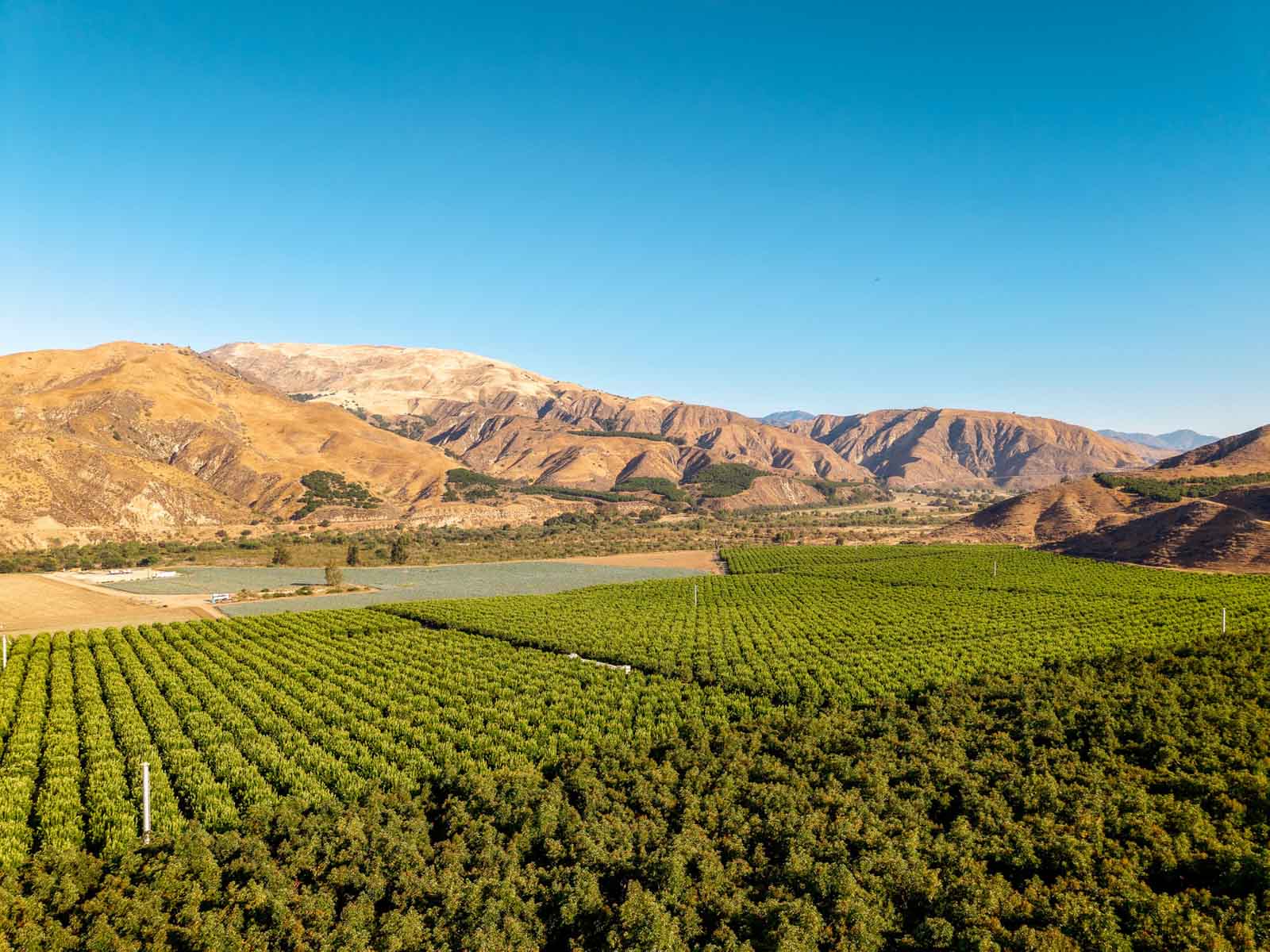
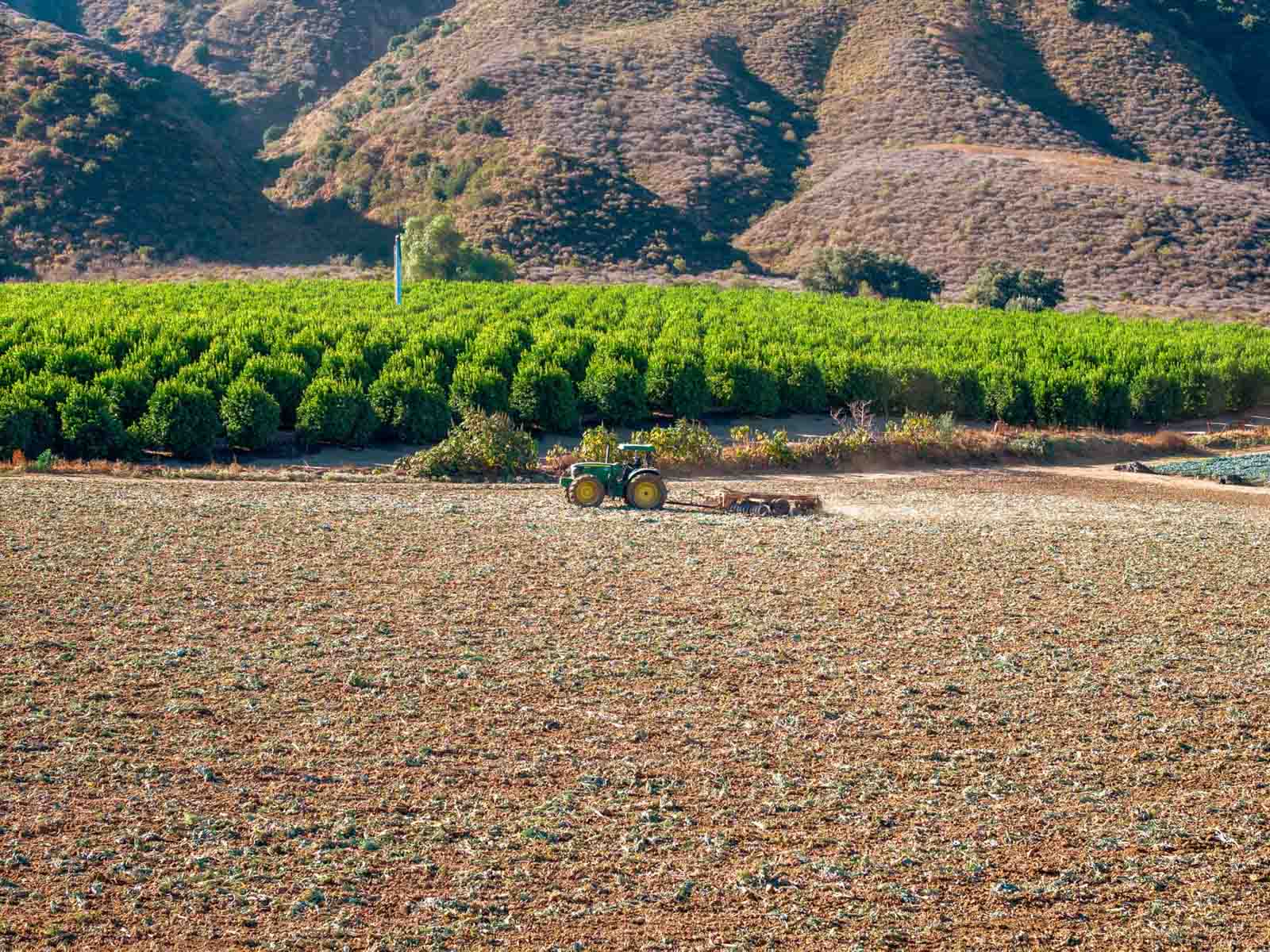
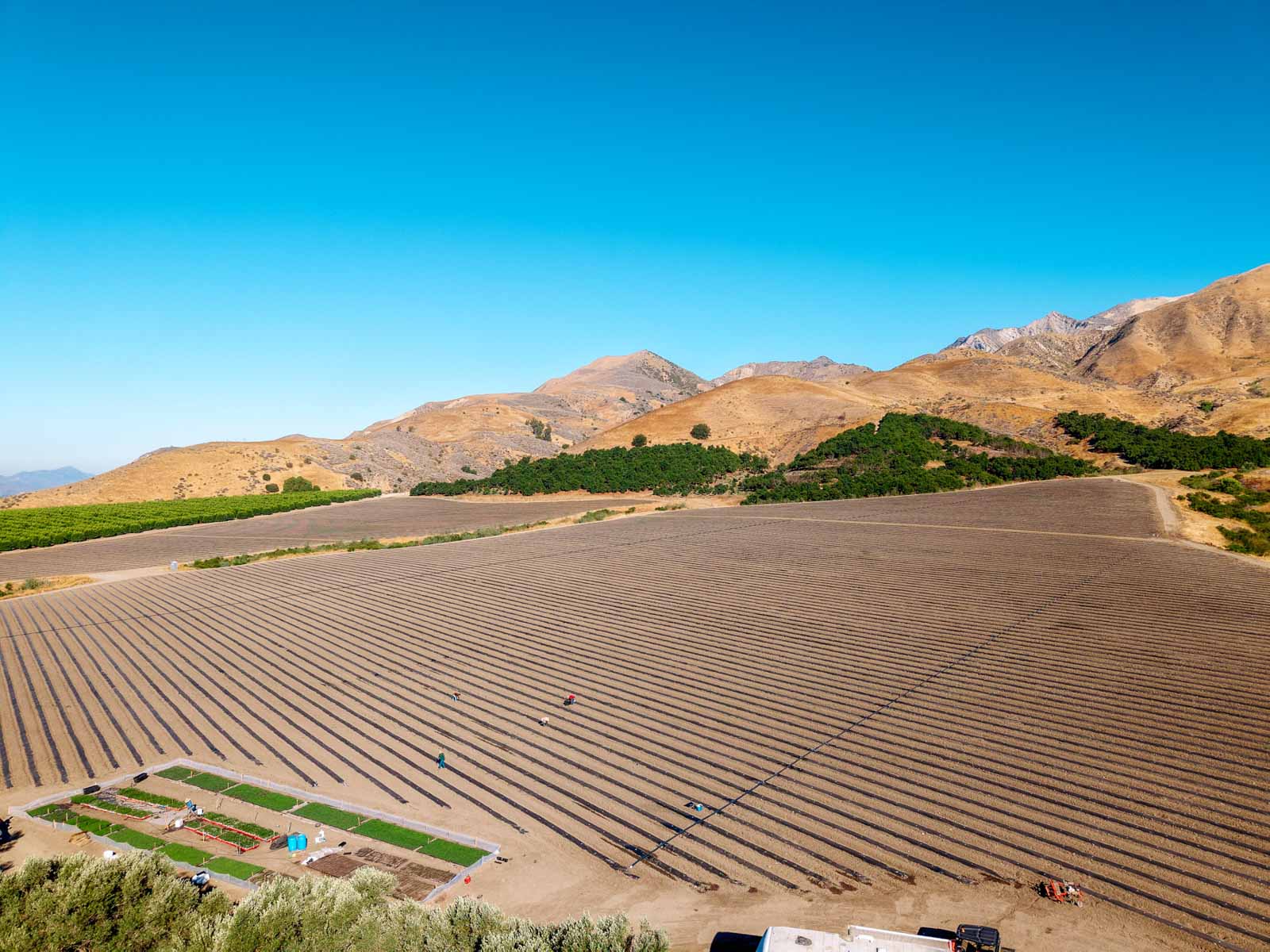
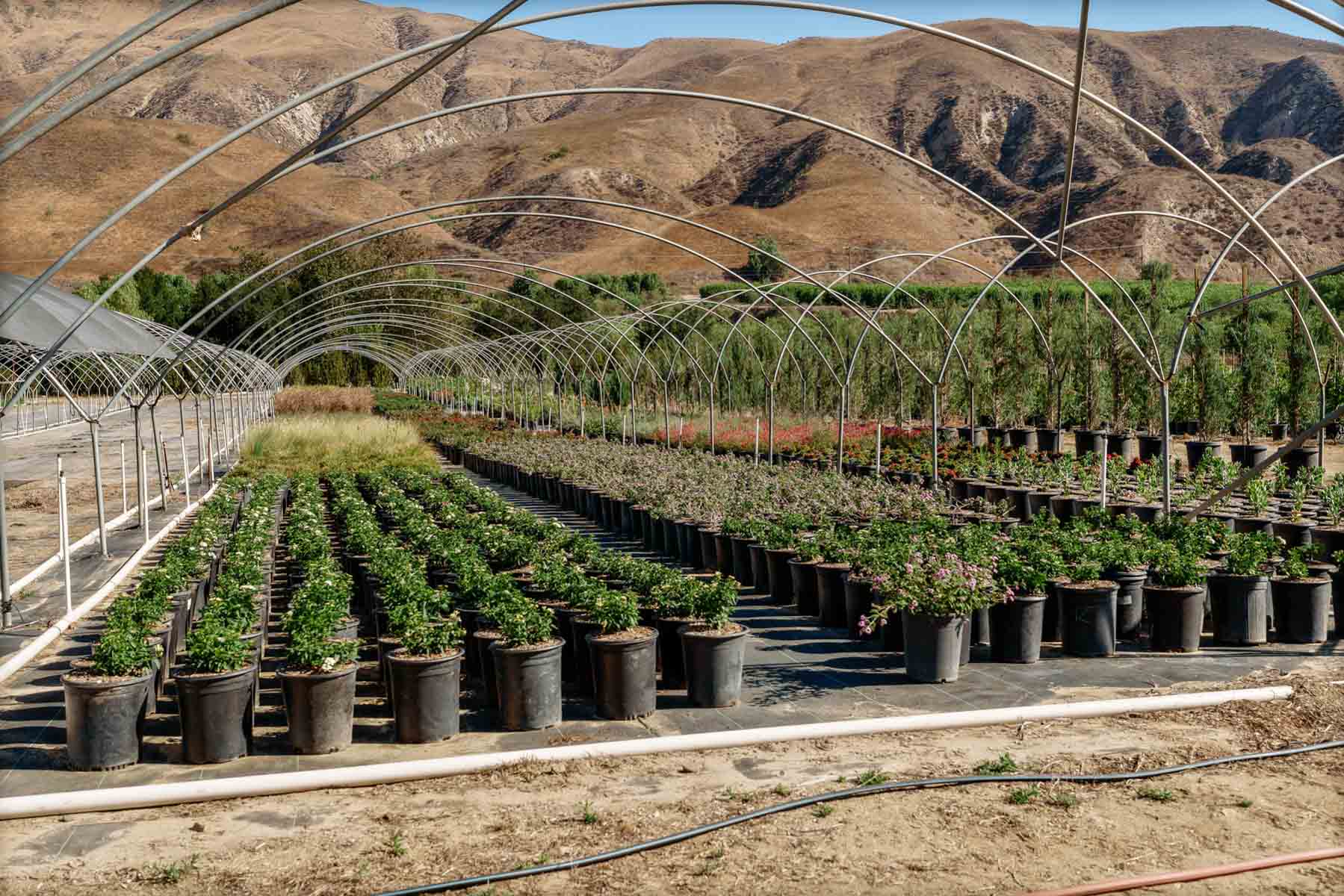
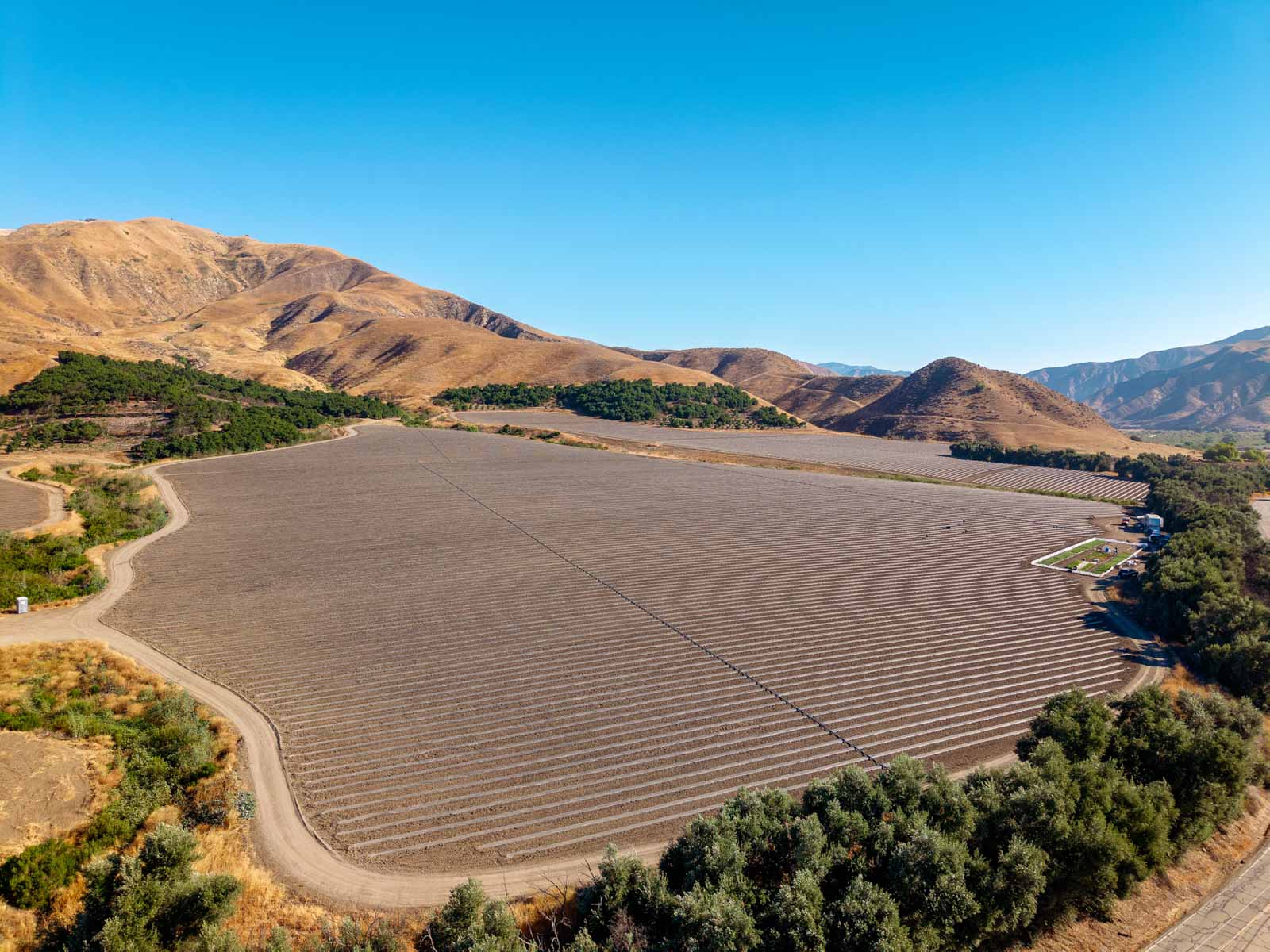
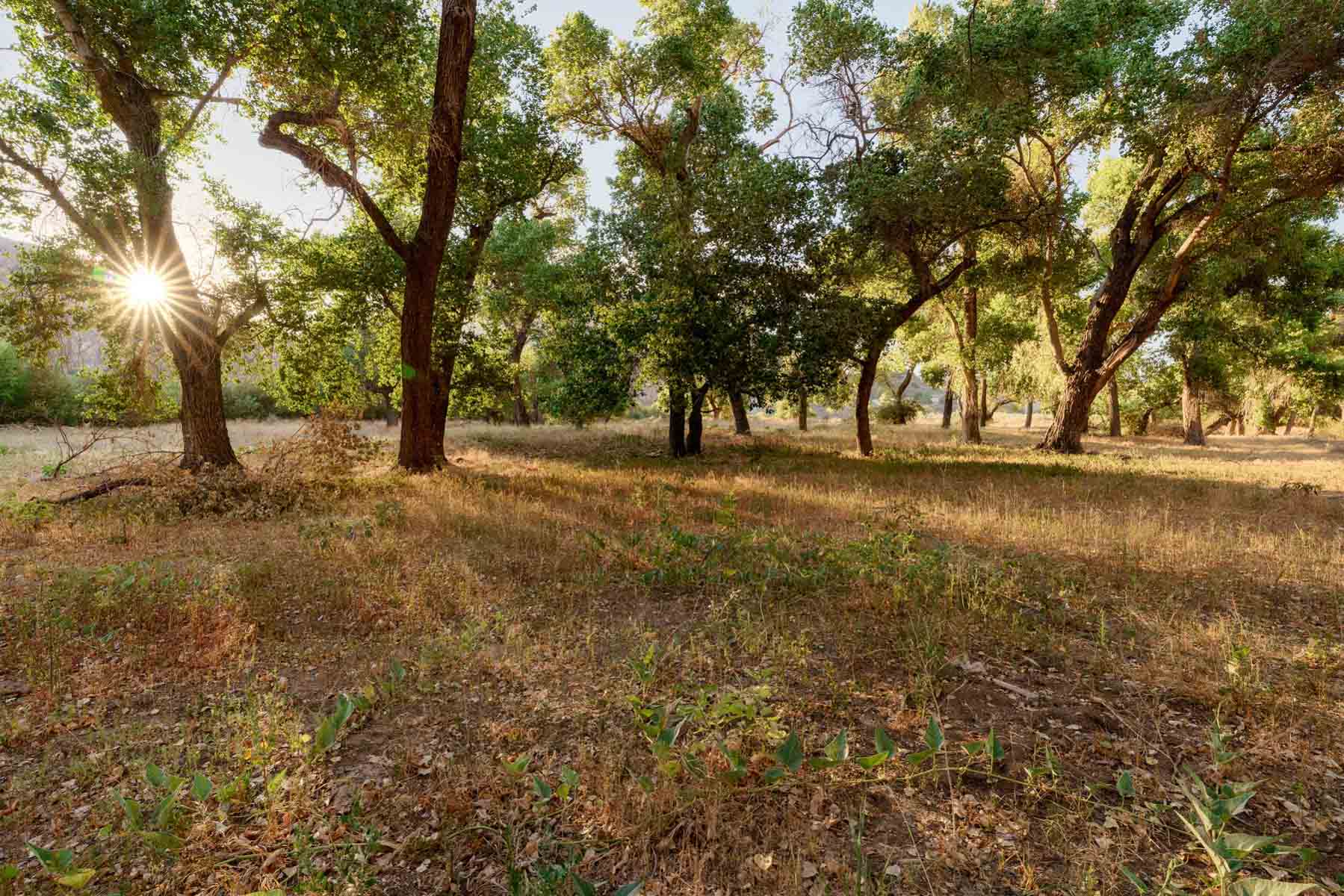
The ranch currently boasts extensive lemon and avocado orchards, planted in strategic zones across the canyon floor and lower hillsides. These orchards are tended using modern practices aimed at soil preservation, water efficiency, and crop longevity, fitting in with Ventura County’s broader commitment to sustainable agriculture. The ranch has historically leased farmland to various tenants for the production of nursery stock and row crops (80% of which is certified organic), including broccoli and hemp in recent years. Though they have not been harvested in many years, there are hundreds of large olive trees lining the west side of the valley floor, which are remnants from the late 19th century when a wealthy Illinois man attempted to recreate the “Garden of Eden” by planting all the fruits from biblical times (see History herein).
There is a cattle lease in place with stocking rates that vary from year to year depending on available feed.
Equestrian
Rancho Temescal has also become a nationally respected thoroughbred facility, often referred to as the “Hidden Jewel of Ventura County” among equine circles. The ranch supports full-service programs for stallion boarding, mare care and foaling, lay-up and rehabilitation, sales preparation, and young horse development. Its spacious paddocks, expert staff, and serene natural setting make it an ideal environment for nurturing equine athletes. The facility has become a trusted partner for breeders and owners across the Western U.S., contributing to California’s status as a significant player in the horse racing and breeding industry.
Oil and Gas
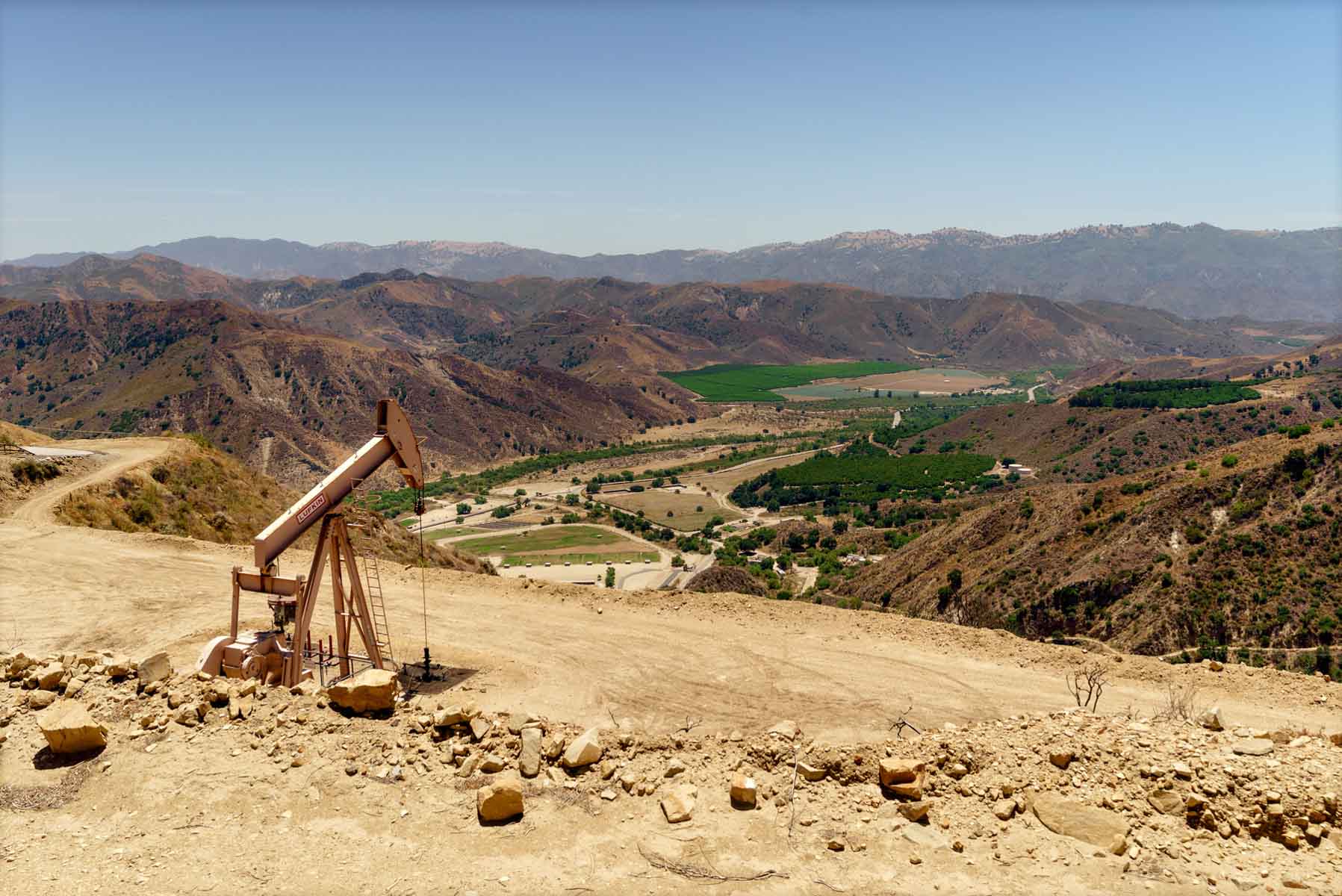
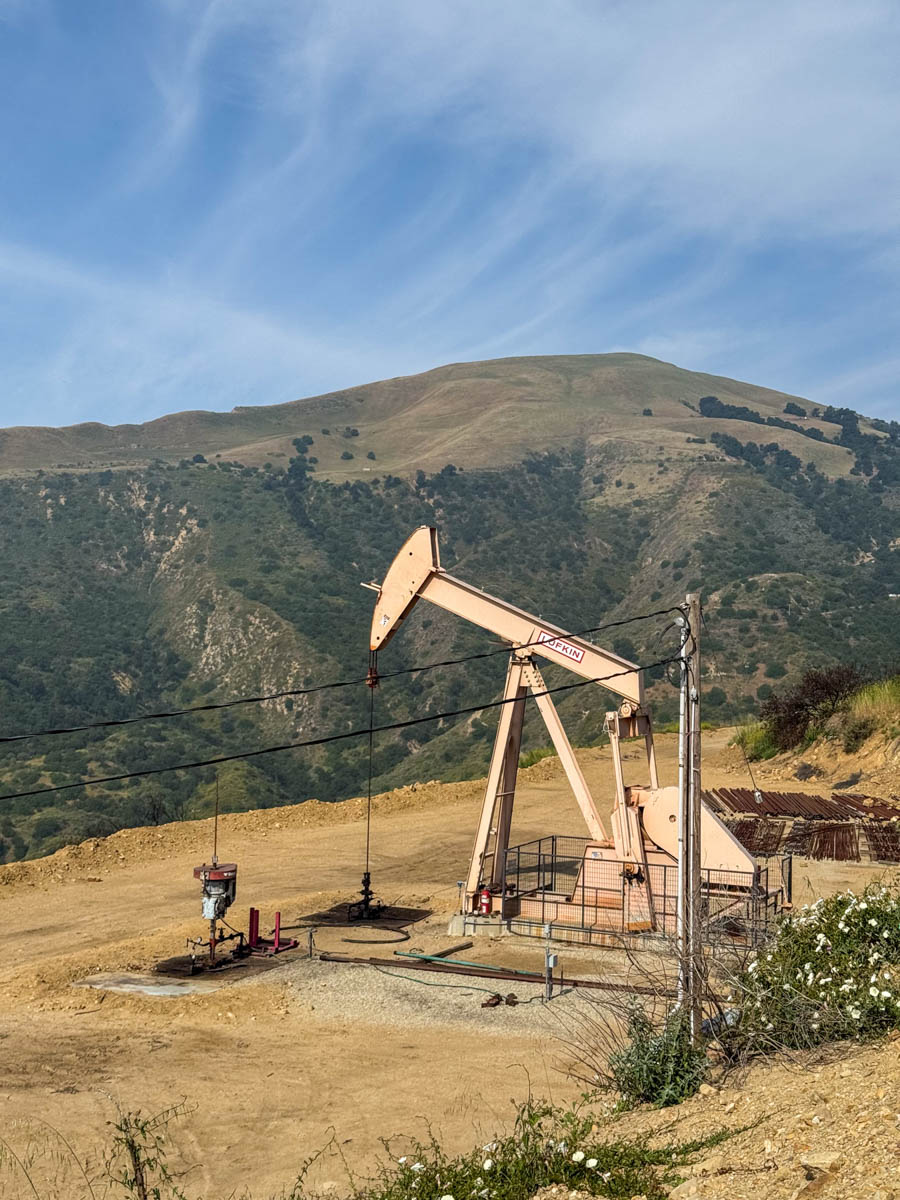
The oil boom introduced a new source of revenue for the ranch in the early part of the 20th century. Today, eight operating oil wells are located on the ranch high on the ridges of the west side. These operations produce a meaningful stream of income for the ranch. Additionally, seven wells (four in operation) are located on 80 acres where the minerals are owned by Chevron (no income to the ranch).
Event Venue
The ranch serves as a private event venue hosting weddings, corporate retreats, wellness getaways, and fundraisers. Its rural authenticity appeals to those seeking a unique and immersive experience just beyond the city limits. Rancho Temescal complies with Ventura County Zoning Ordinance 8107.46.3 a.(3) and c. (2) allowing for up to ten large events (350 persons) and an unlimited number of events under 100 persons per calendar year.
Film Production
The ranch is located in the jurisdiction of the TMZ (“The Thirty Mile Zone”), a designated area centered at the intersection of Beverly Boulevard and La Cienega Boulevard in Los Angeles. Established by Hollywood unions and studios in the mid-20th century, this zone defines a 30-mile radius within which standard labor rules apply to cast and crew. It was created to limit the cost and complexity of transporting film crews and equipment to distant locations, and it remains critically important because productions filmed within the zone avoid paying additional per diem, travel, and housing expenses. Filming outside the TMZ typically triggers higher wages, penalties, or additional benefits, as it involves more logistical burdens for workers. Even today, TMZ has a significant influence on where studios choose to shoot, helping shape the geography of Hollywood production and preserving Southern California as a hub for entertainment.
Because of its proximity to Hollywood and diverse landscapes, Rancho Temescal is a consistent destination for film and commercial production. Studios and location scouts value the ranch’s scenic meadows, rustic barns, seasonal creeks, and mountainous backdrops—all within an hour of LA studios. The ranch has been used as a location for feature films, car commercials, fashion photography, and music videos. Some of the notable productions on the ranch include: XXX (Vin Diesel), War of the Worlds (Tom Cruise), Babylon (Brad Pitt and Margot Robbie), CSI, and music videos by Billie Eilish and Toby Keith.
His (Bill's) expertise in the market and marketing of the property was excellent.
Bill McDavid was an outstanding and very patient partner in this sale. His expertise in the market and marketing of the property was excellent. I would use him again in a heartbeat to either buy or sell a ranch property. David...