Overview
Executive Summary
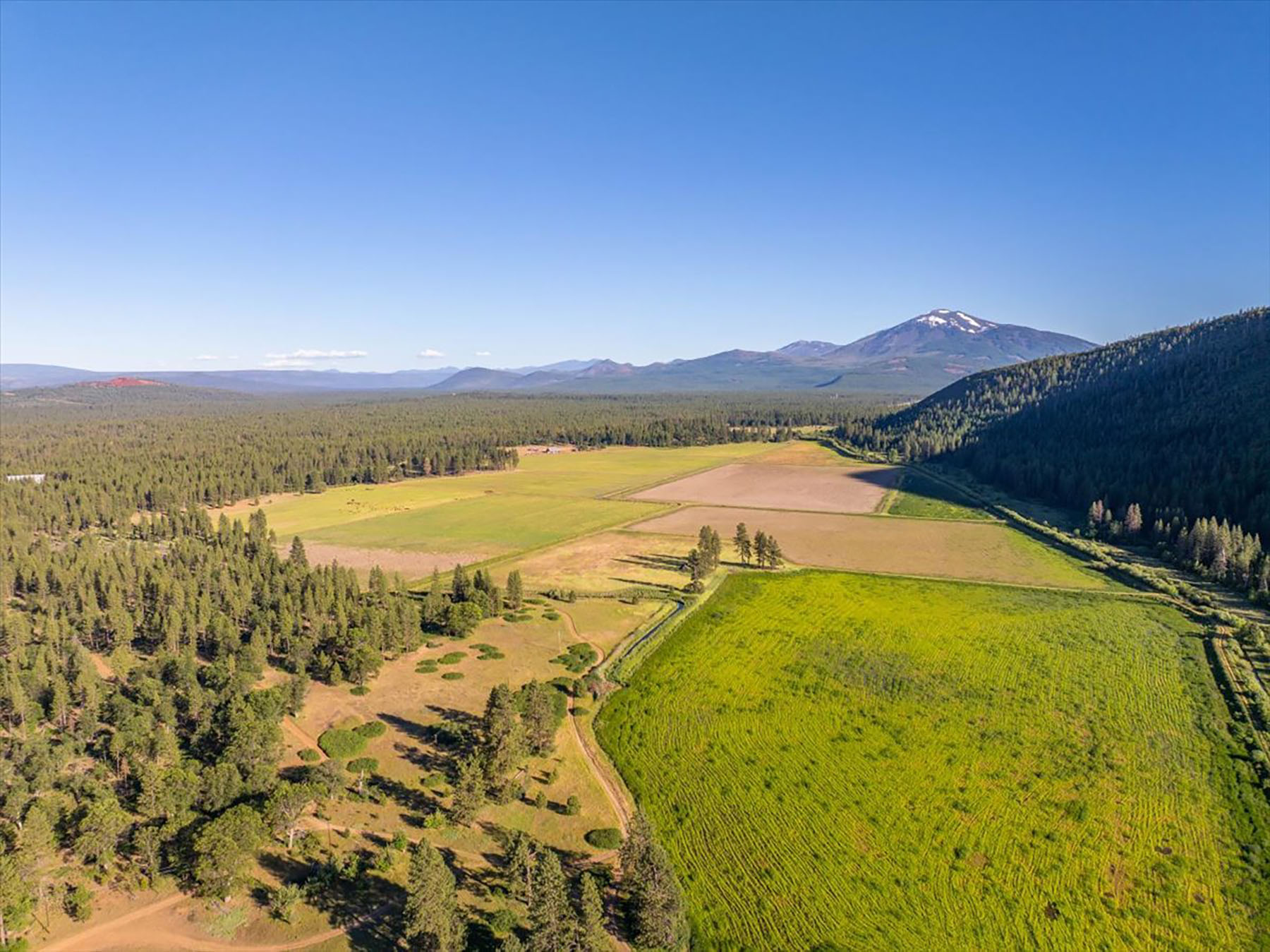
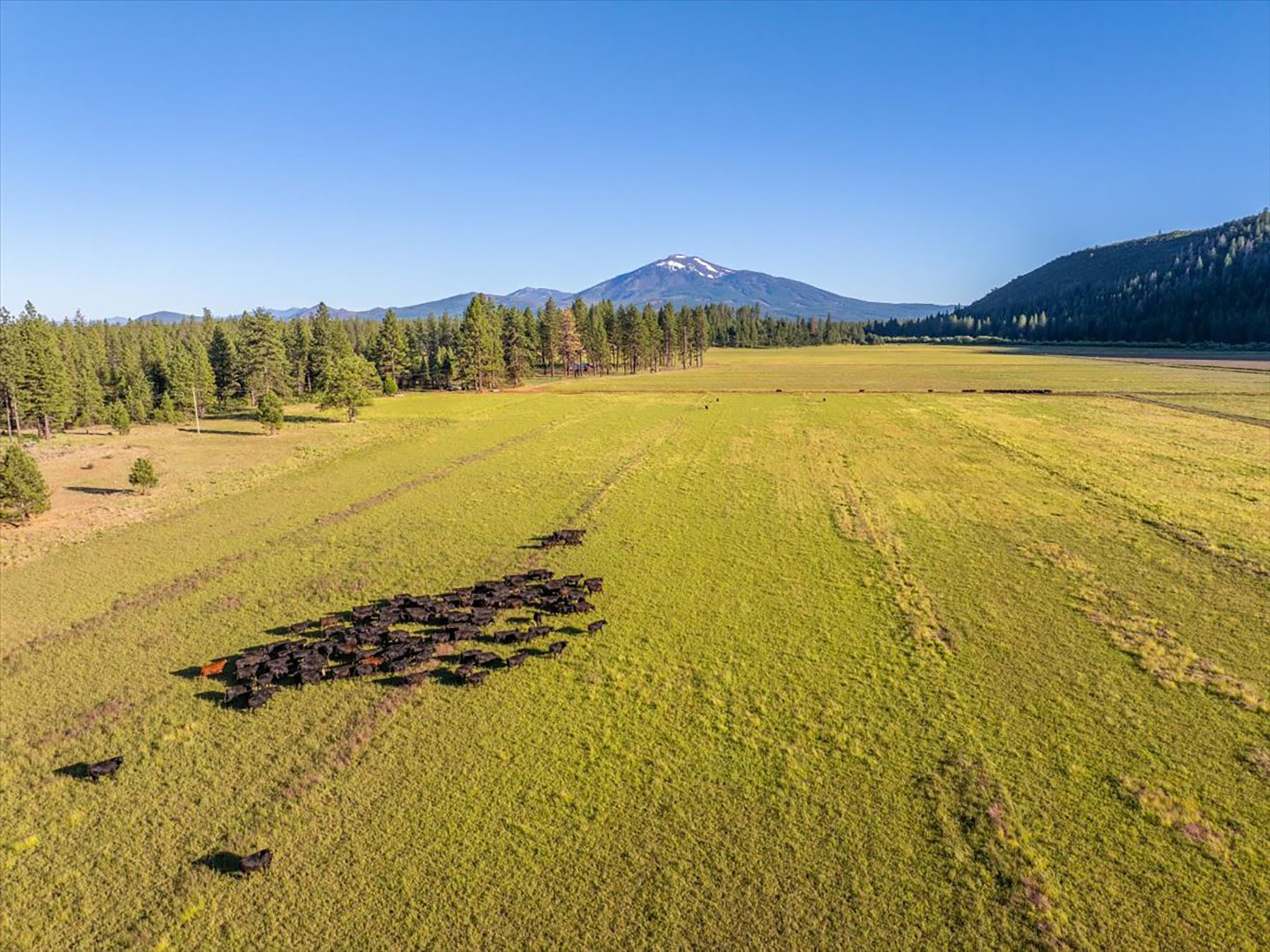
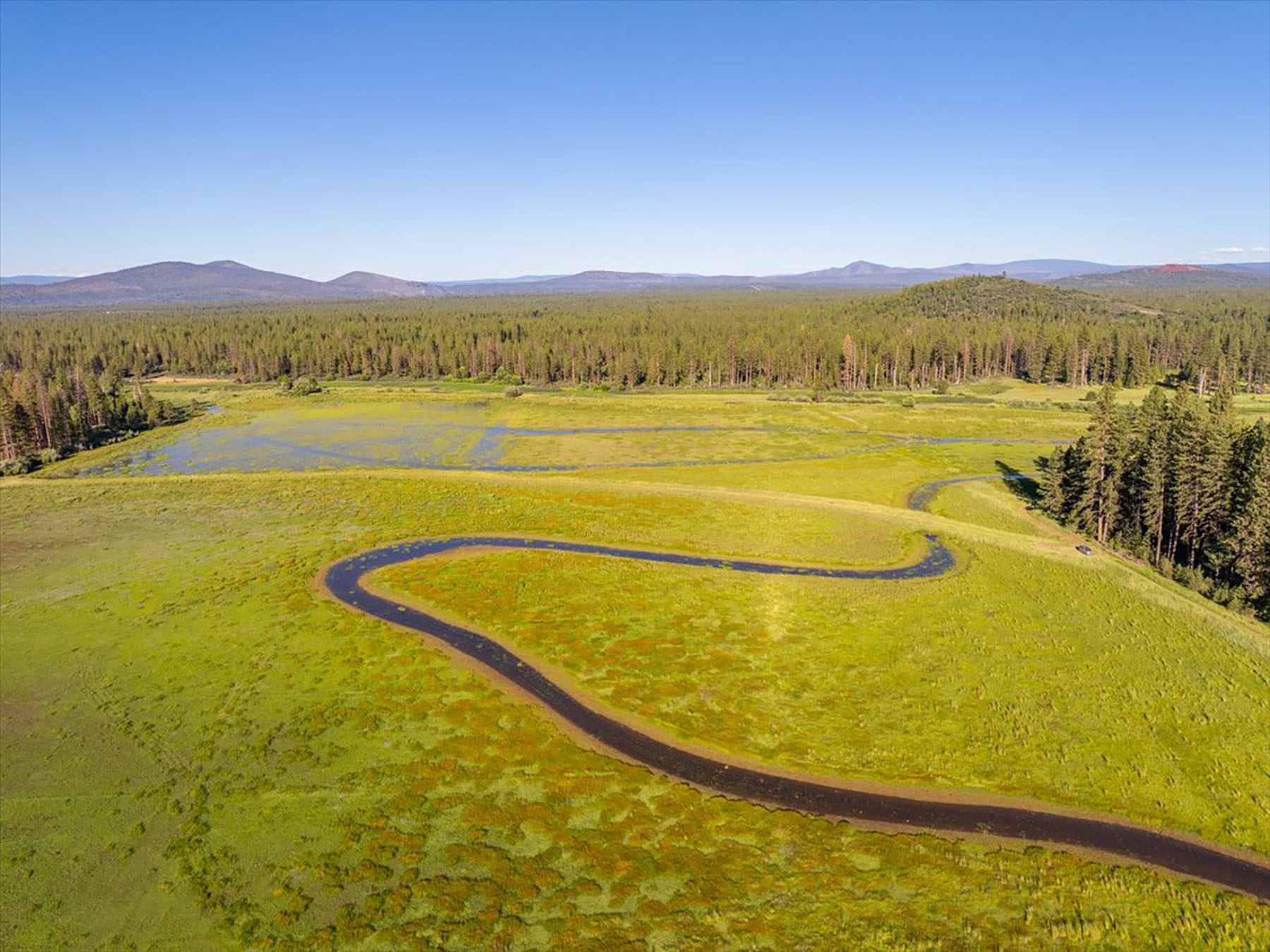
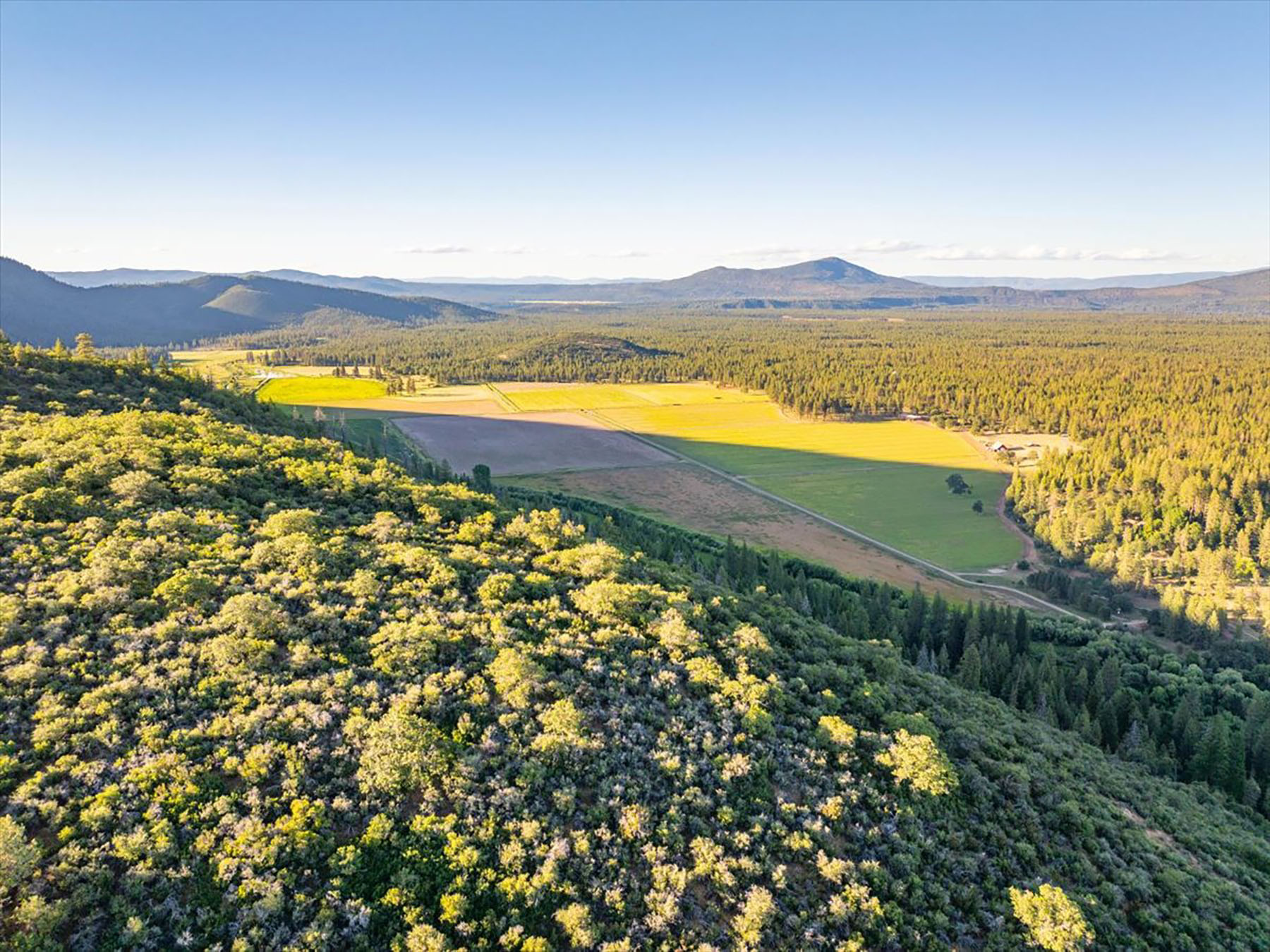
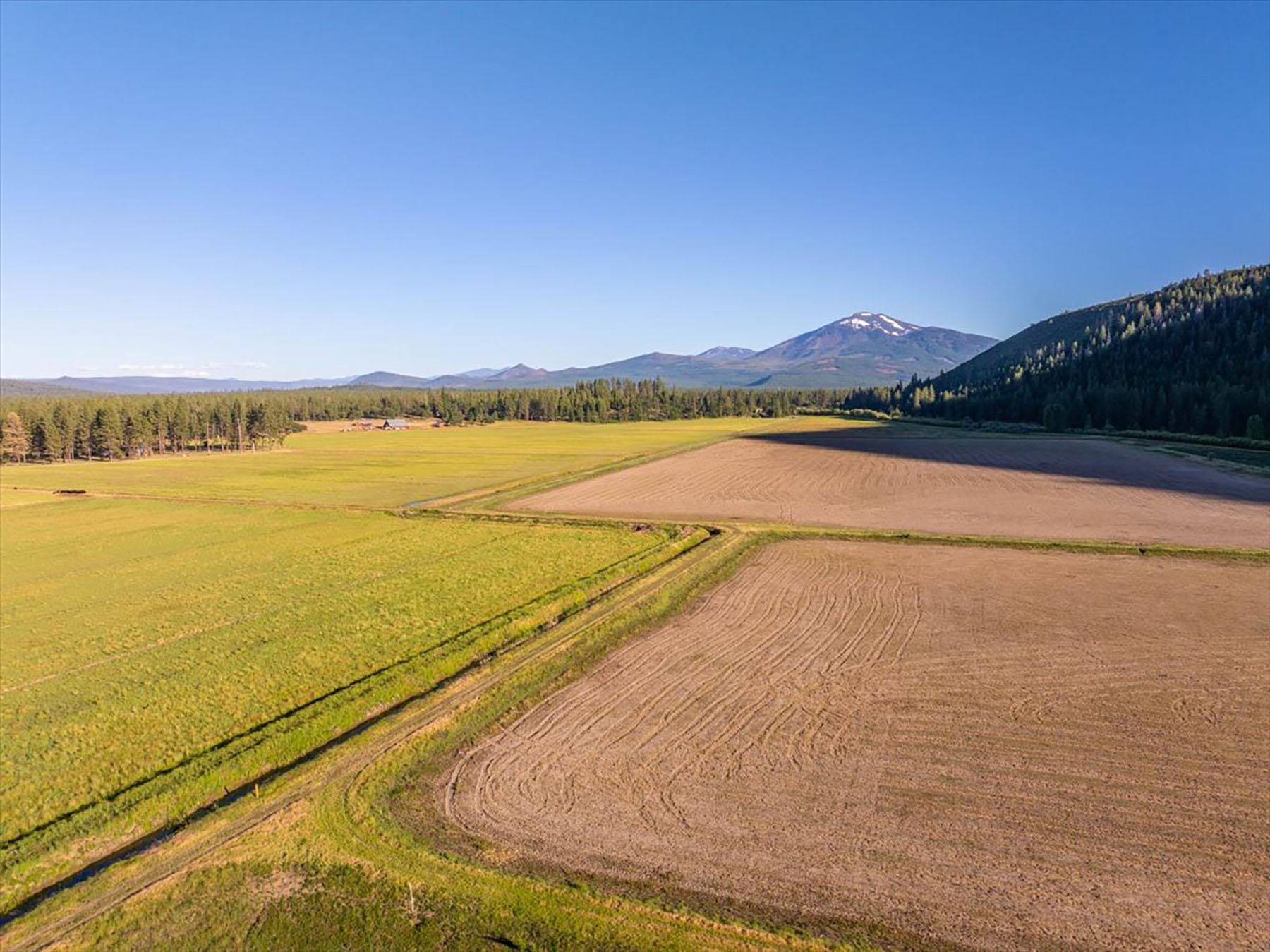
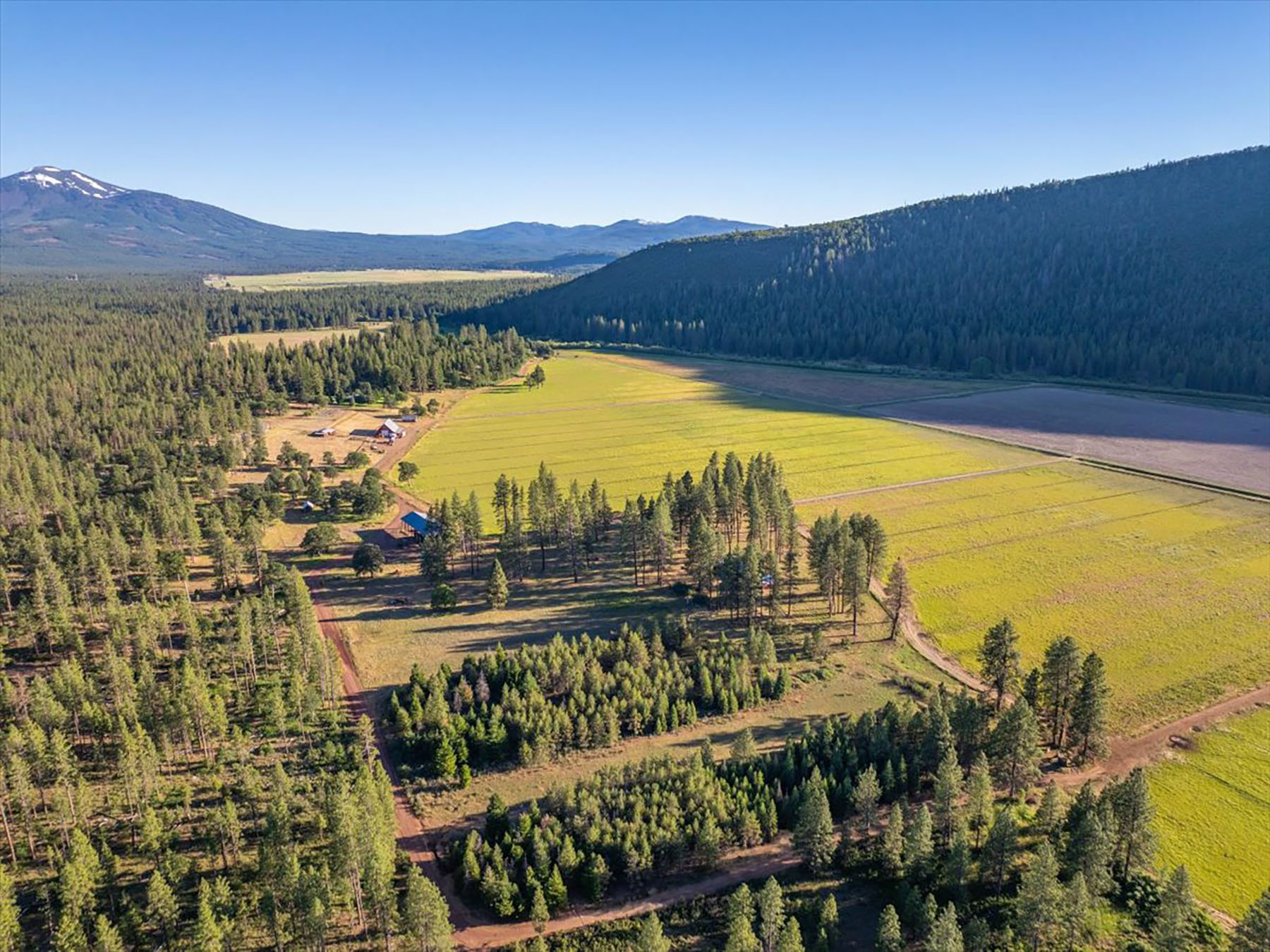
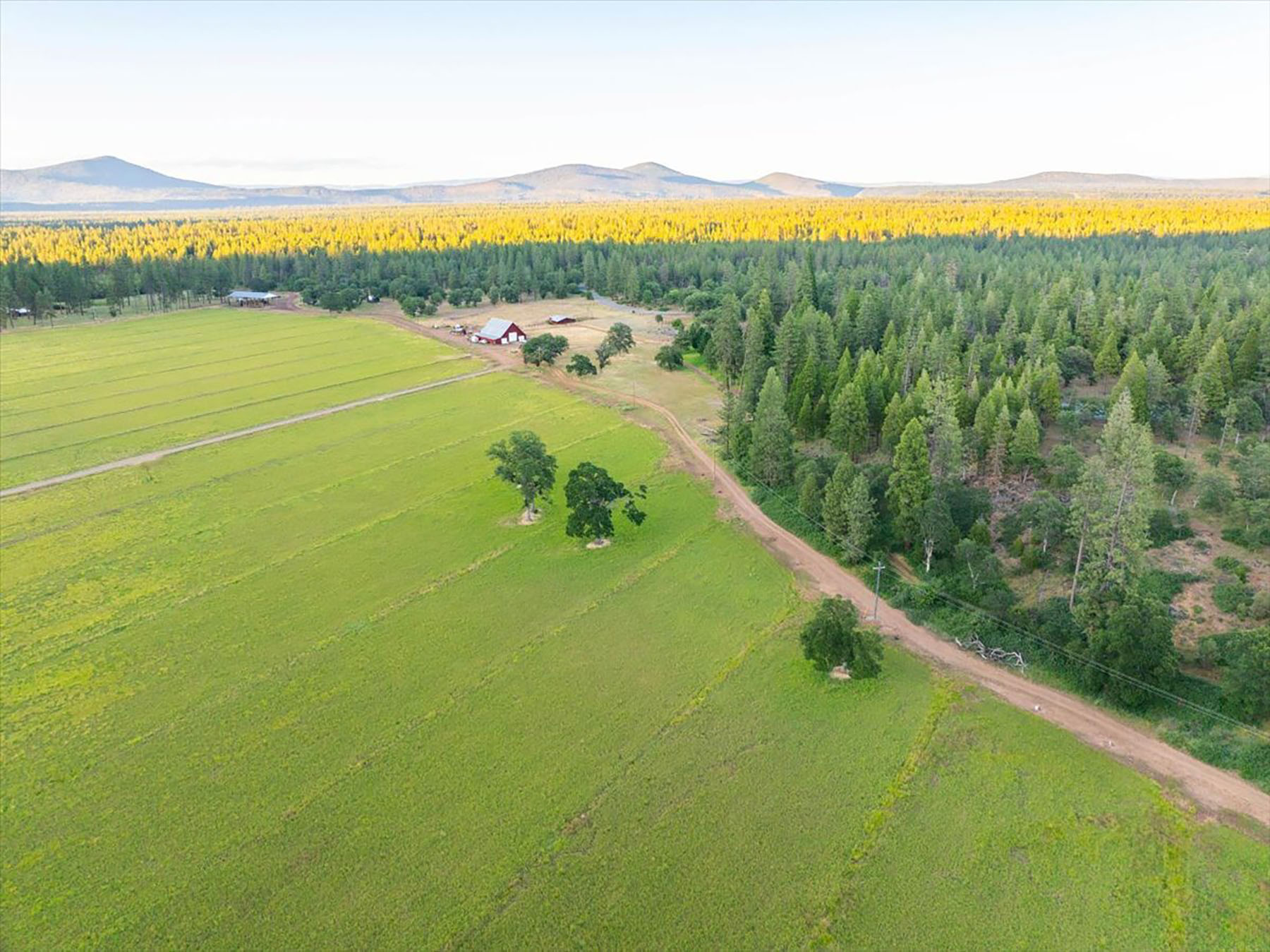
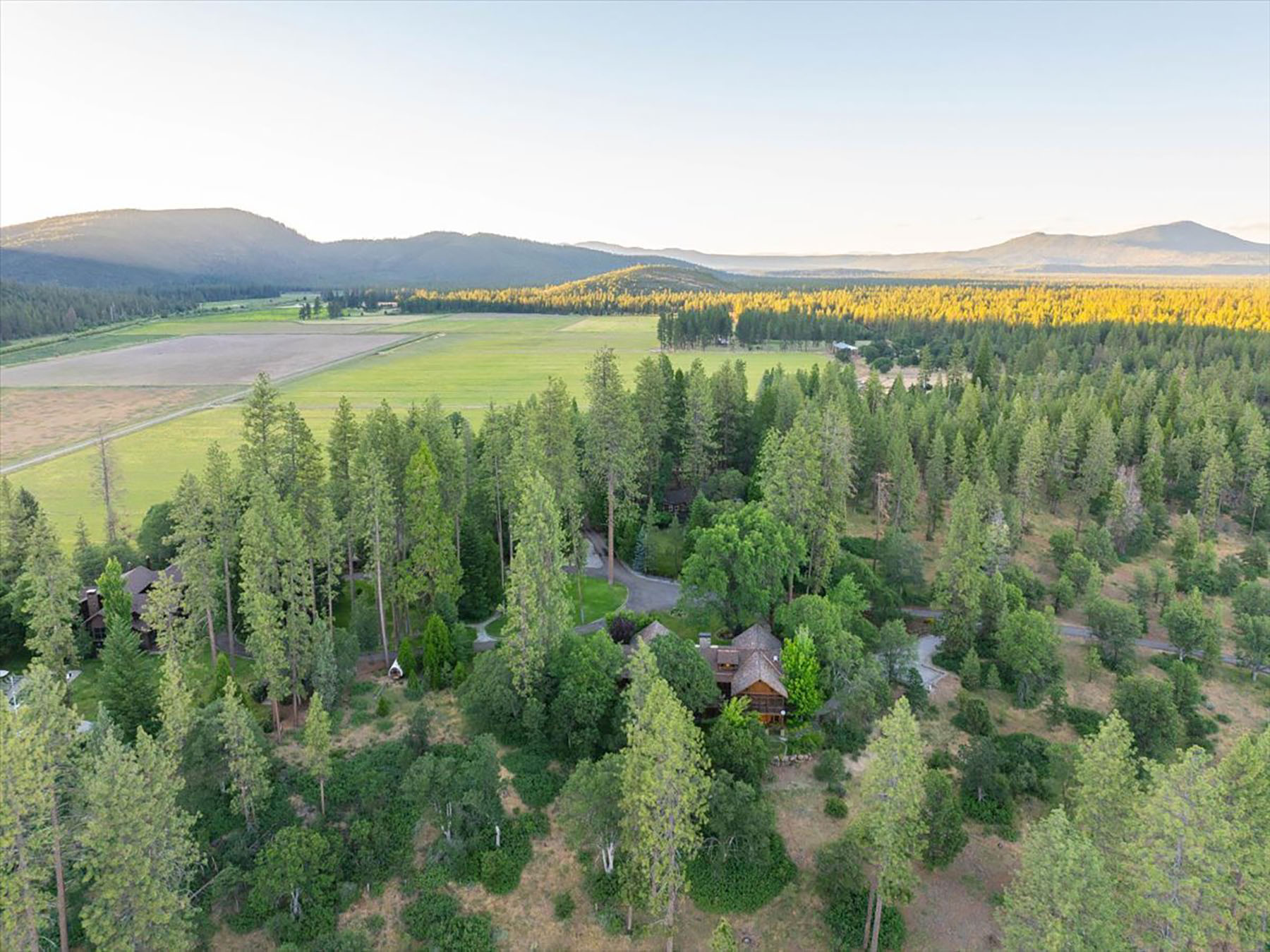
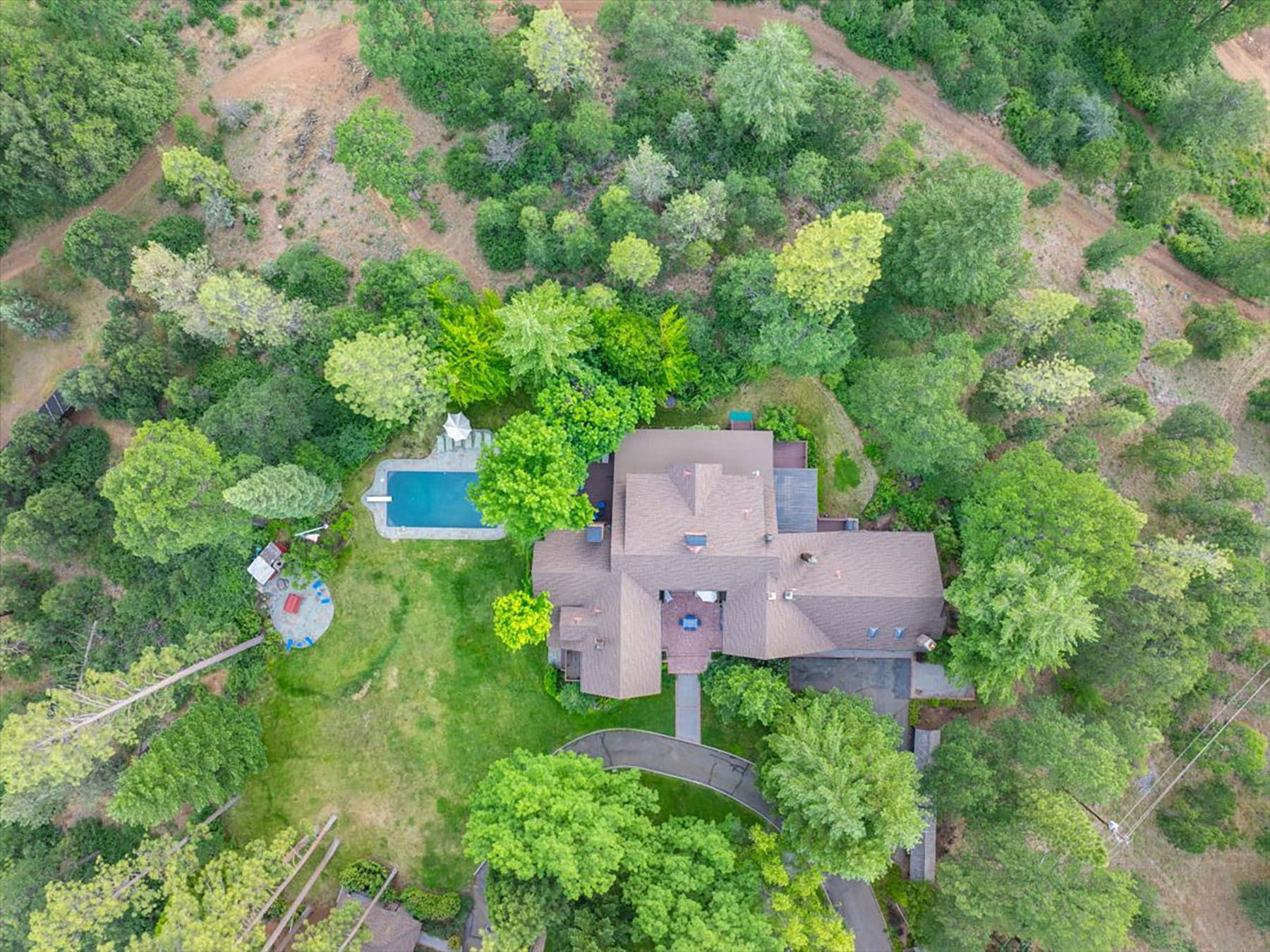
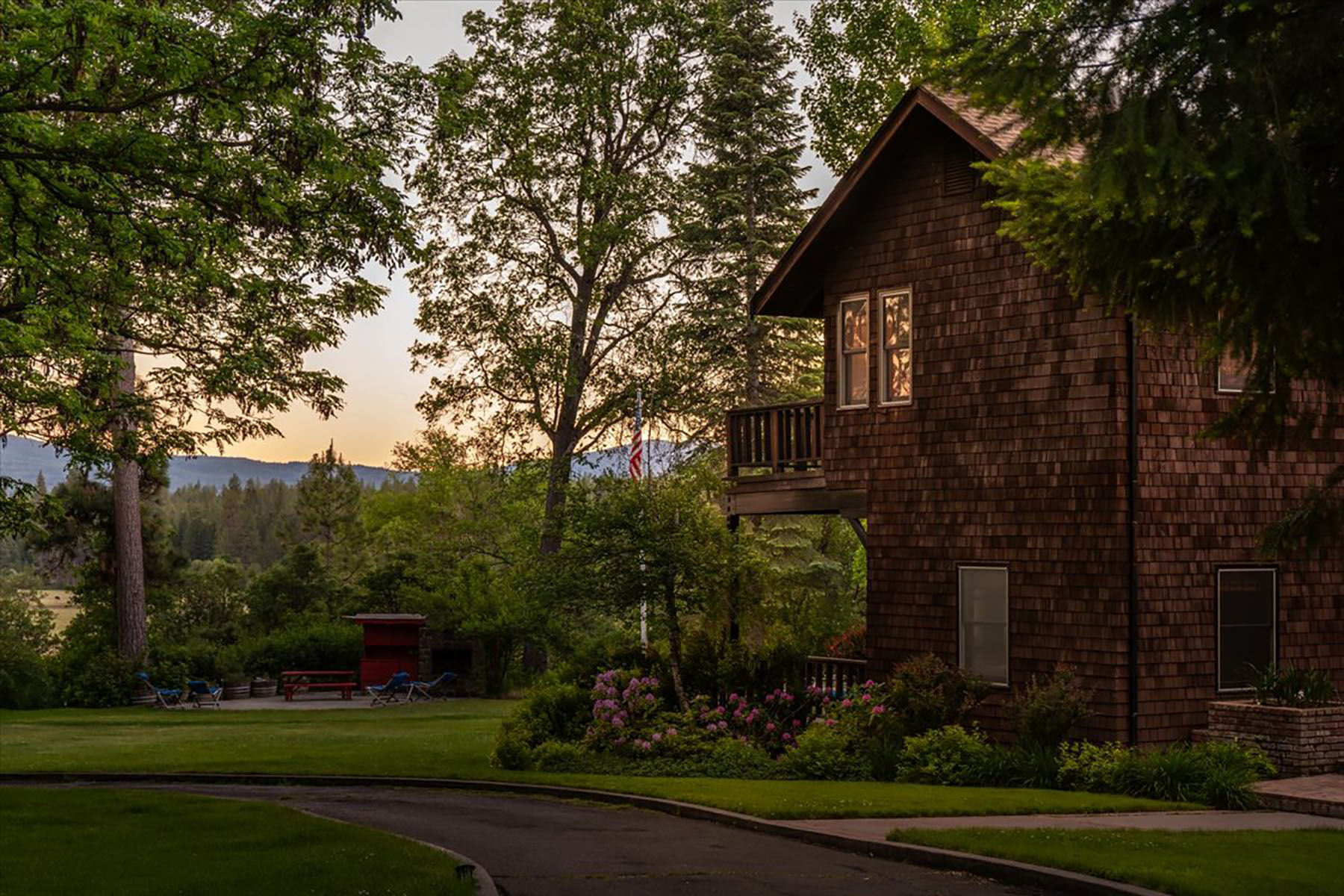
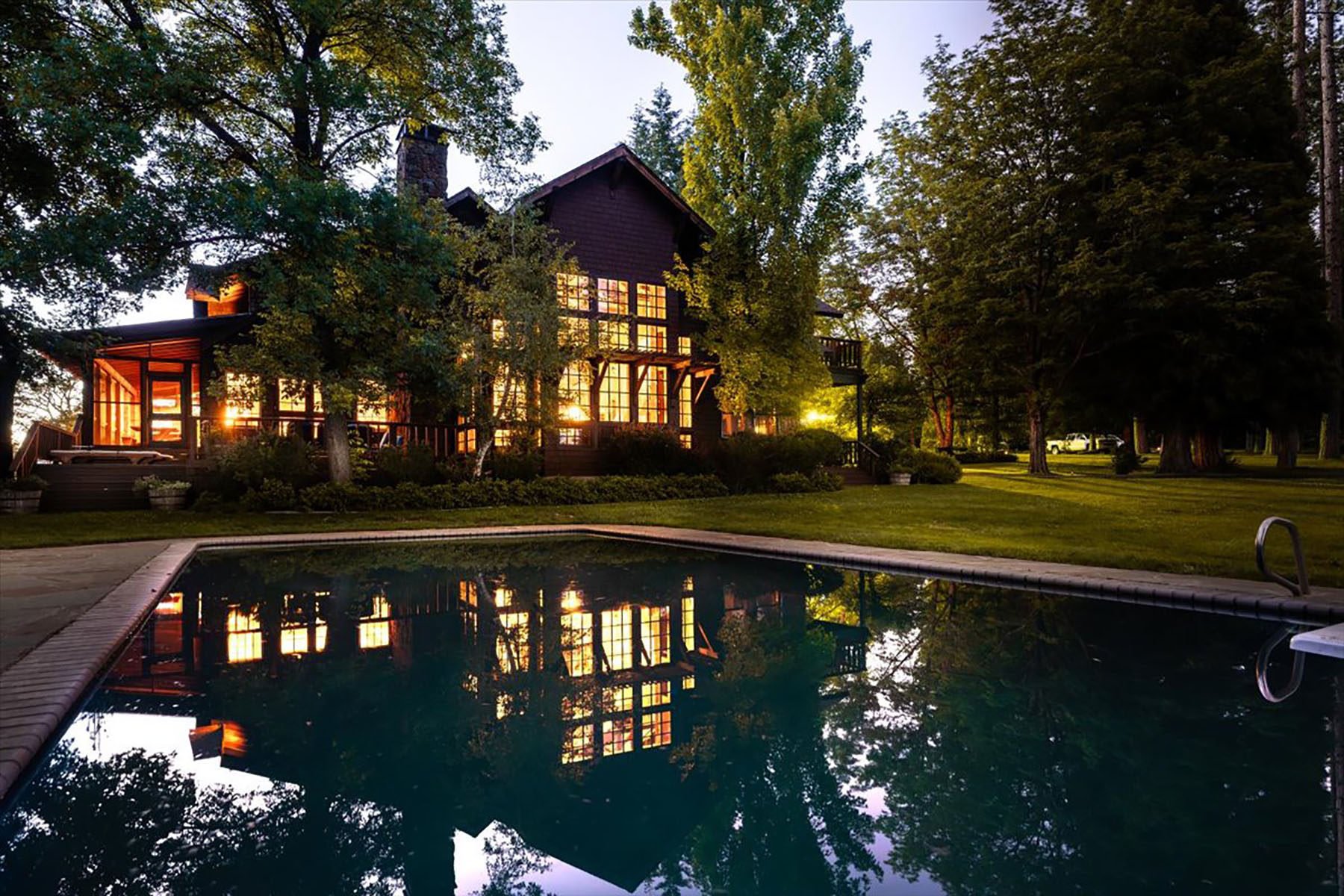
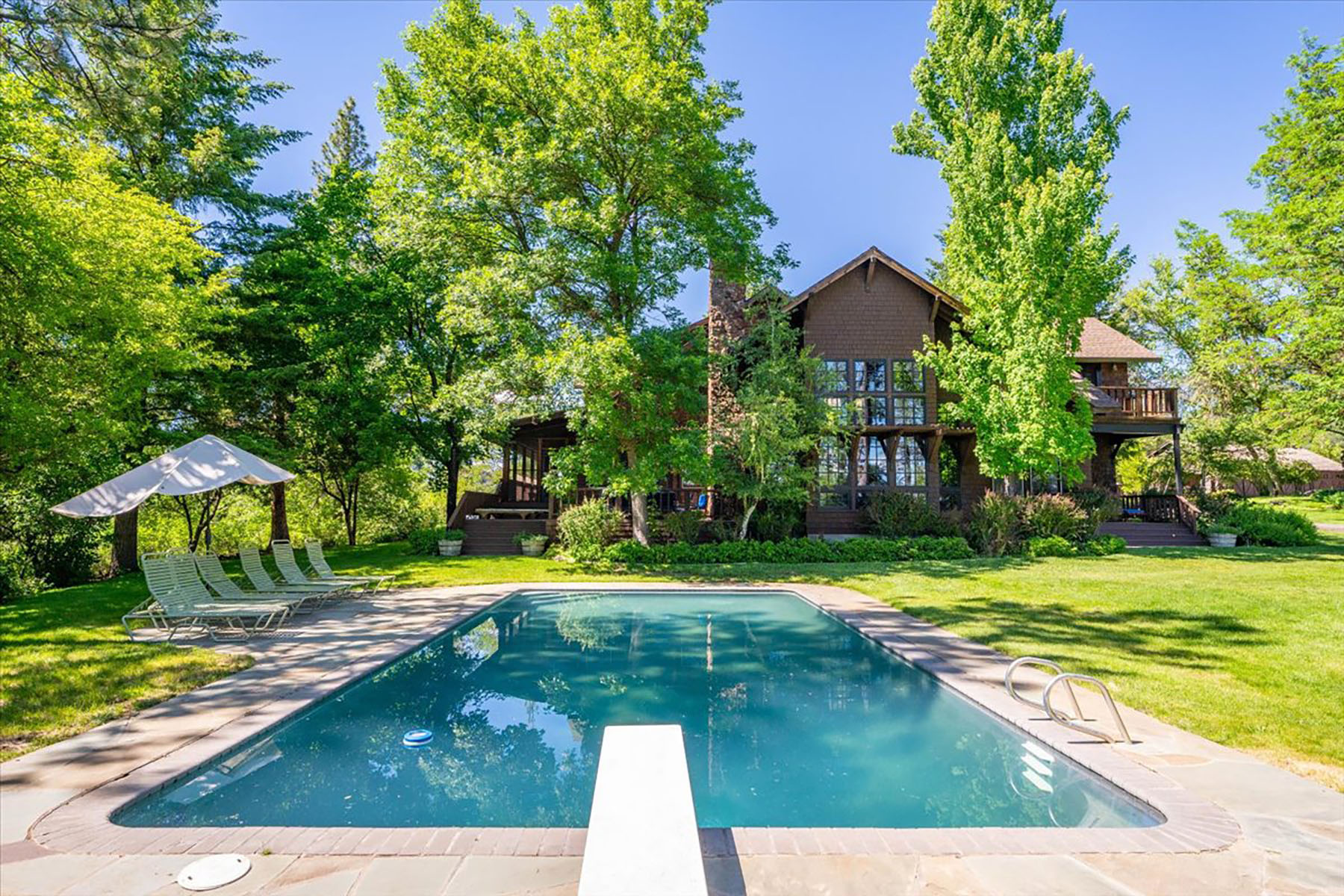
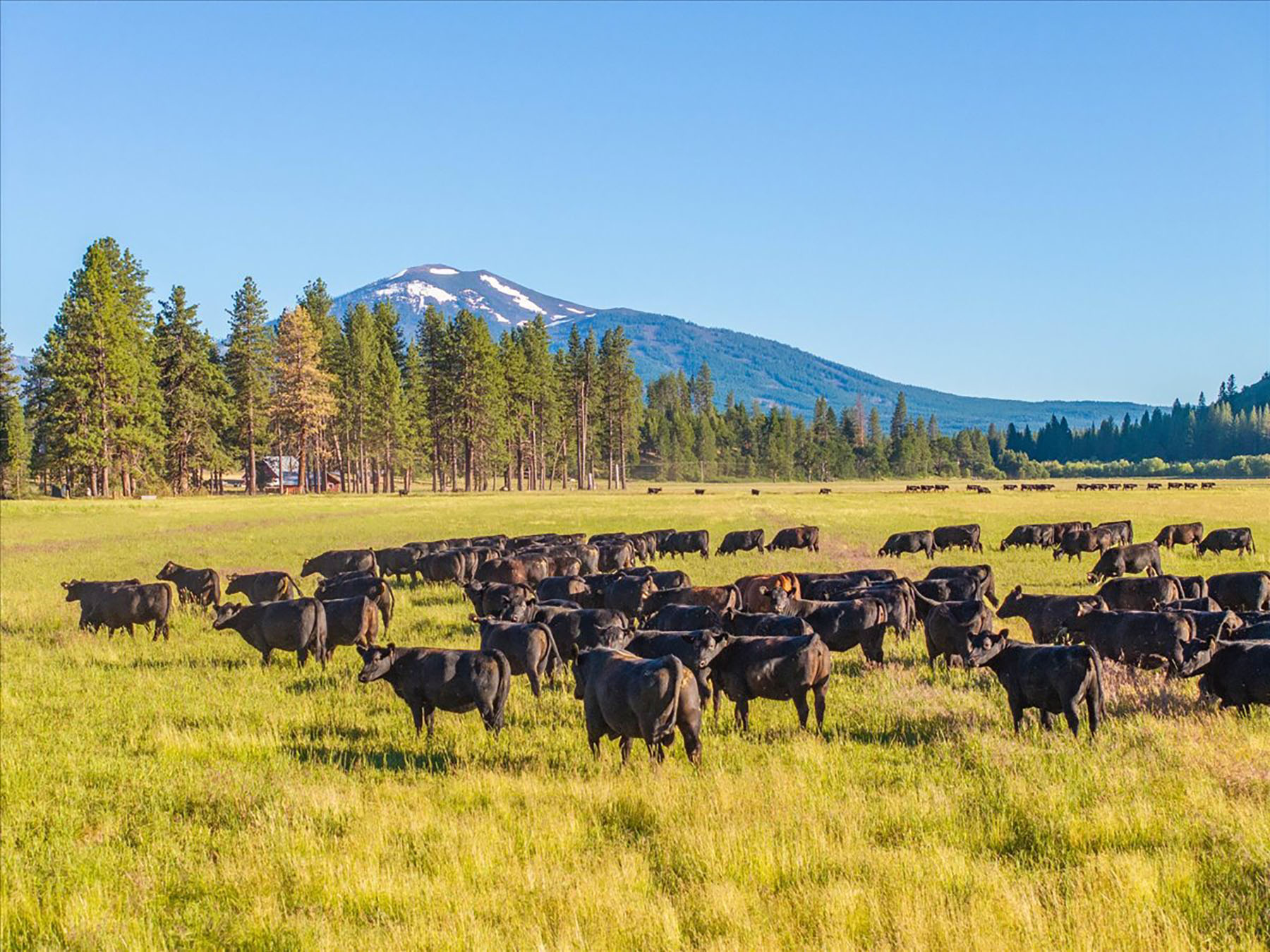
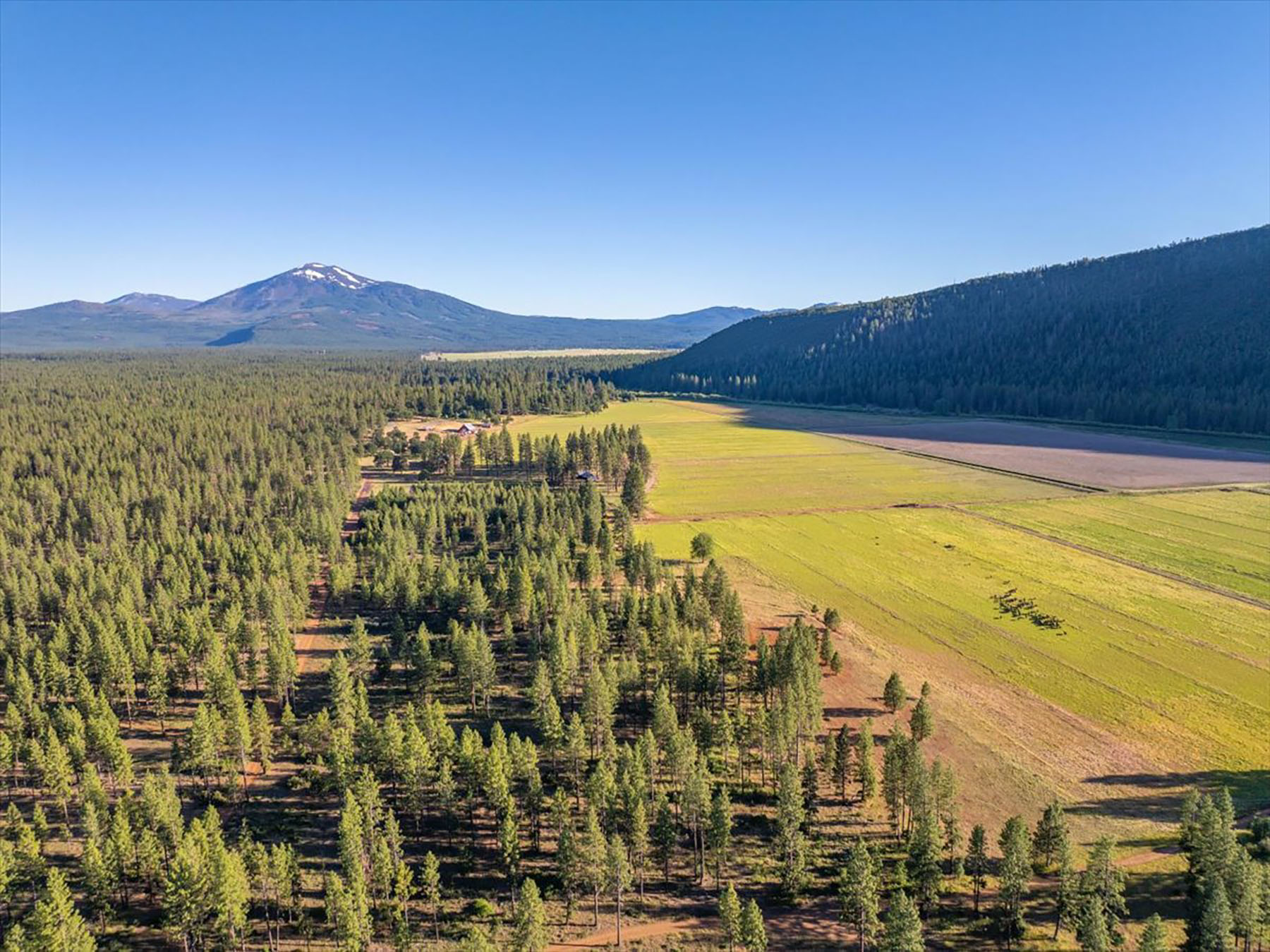
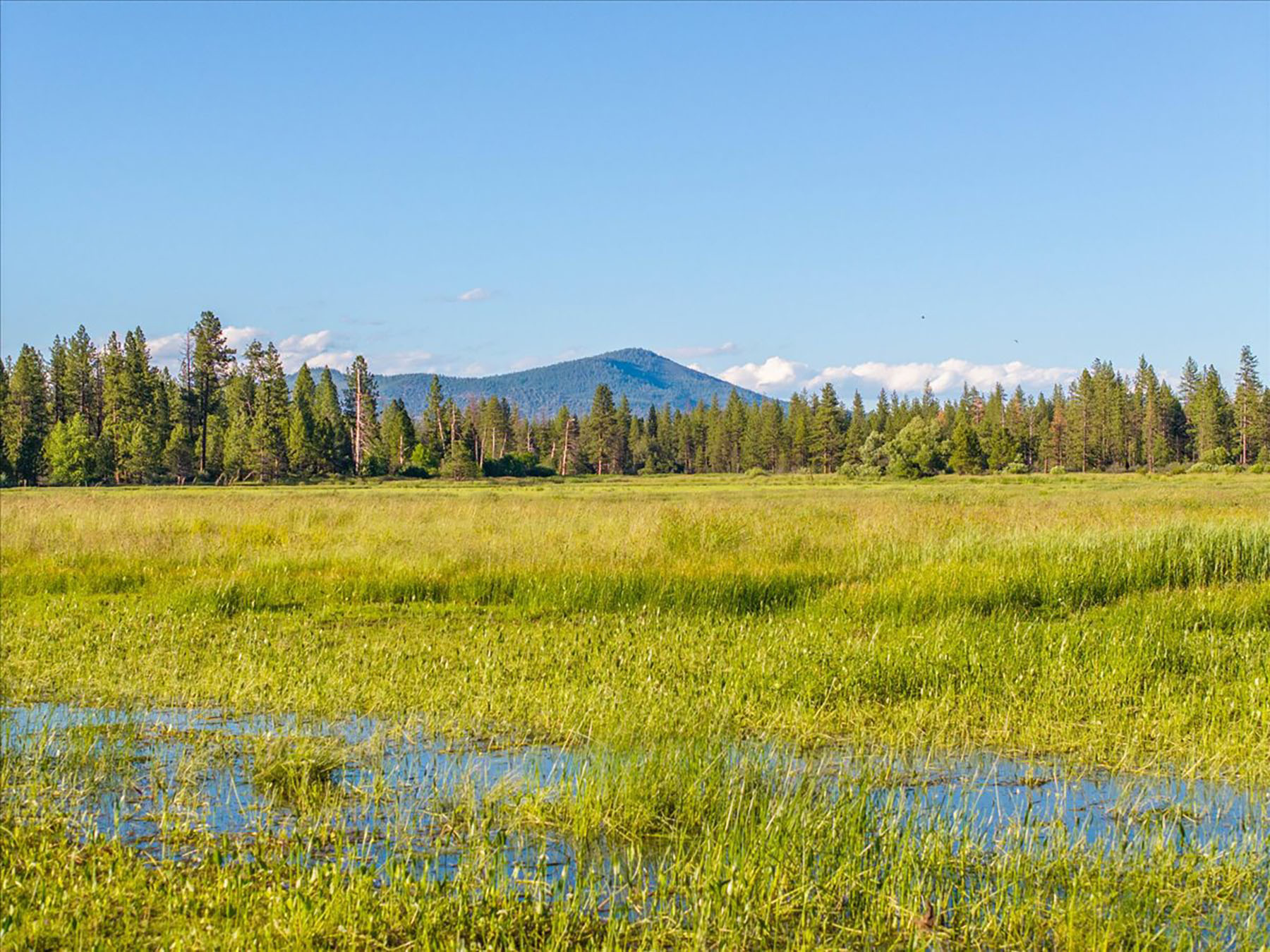
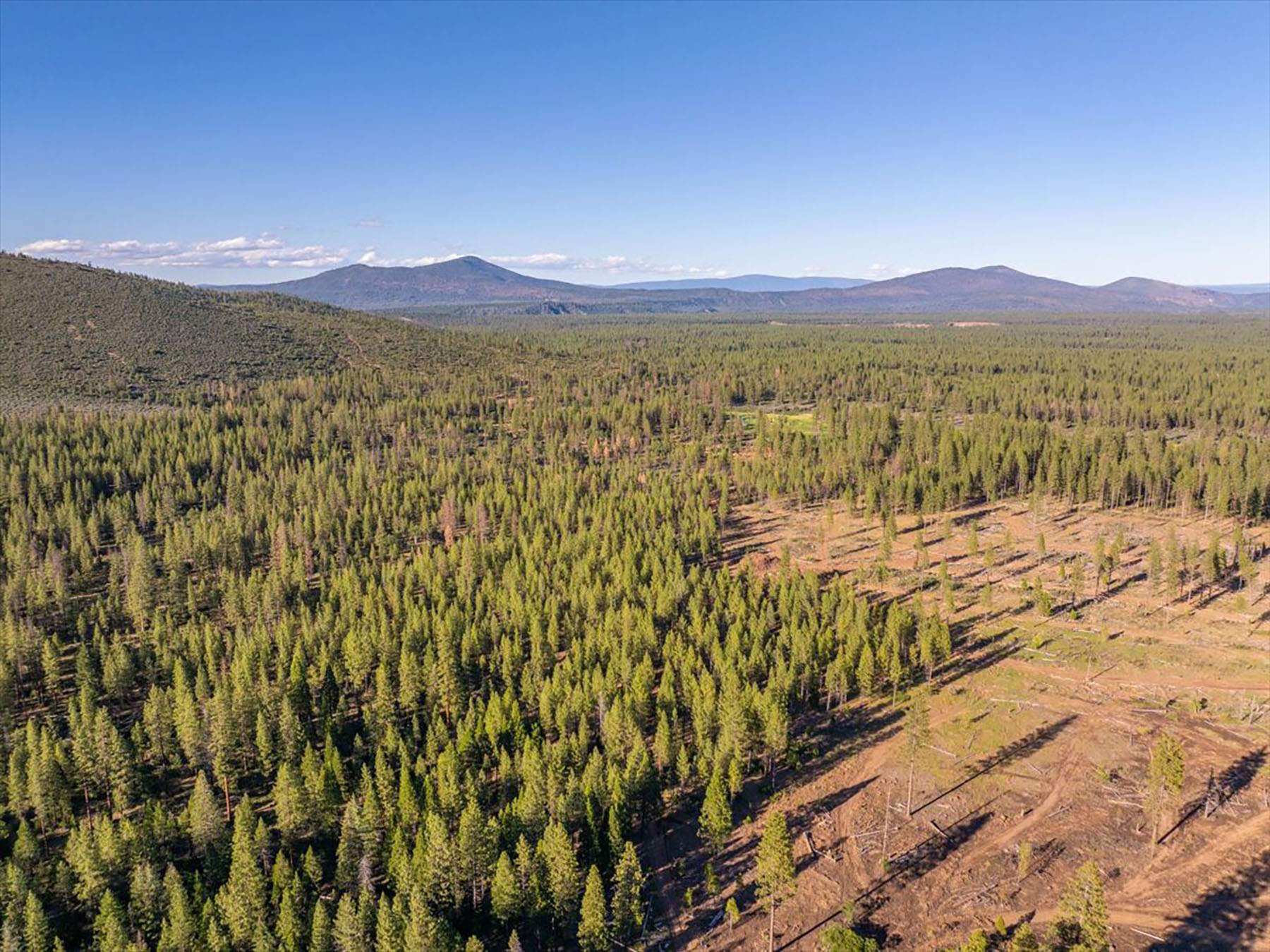
Black Ranch is a magnificent 1,000± acre family recreational ranch located northeast of Redding, California, in Shasta County. It features an extensive ranch compound with beautiful homes, a tennis court, a swimming pool, a horse stable, and expansive views of Burney Peak. Black Ranch is a remarkable wildlife habitat bordered by National Forest lands on three sides, providing excellent conservation and recreation opportunities.
The ranch includes productive farmland currently leased to a local cattle rancher, providing annual income to the owners. Over 500 acres of timberland could also be managed for income. Until this year, 130 acres of wild rice and 150 acres of flood-irrigated hay ground were farmed on the ranch. Abundant wetlands and the presence of Burney Creek underscore the valuable water resources and water rights on the property.
The Black Ranch owners had the foresight to join California’s Department of Fish and Wildlife’s Private Lands Management (PLM) Program in 1986. The program offers landowners incentives to manage their lands for the benefit of wildlife. Today, the ranch provides habitat for many important native species, including Columbia black-tailed deer and Rocky Mountain elk.
The ranch is four and a half hours from the San Francisco Bay Area and offers many possibilities. It could serve as a working ranch, corporate retreat, weekend getaway, permanent home, recreational property, or a combination of these uses. With an Architect Digest featured owner’s home and spacious family/guest house, three other dwellings could be utilized for guests, ranch hands, or to generate additional tenant income.
Outdoor recreation is endless: horseback riding, hiking, ATVing, biking on the ranch, or the thousands of acres of adjoining national forest lands.
Co-listed with Terry Hundemer of The Chickering Company.
General Description
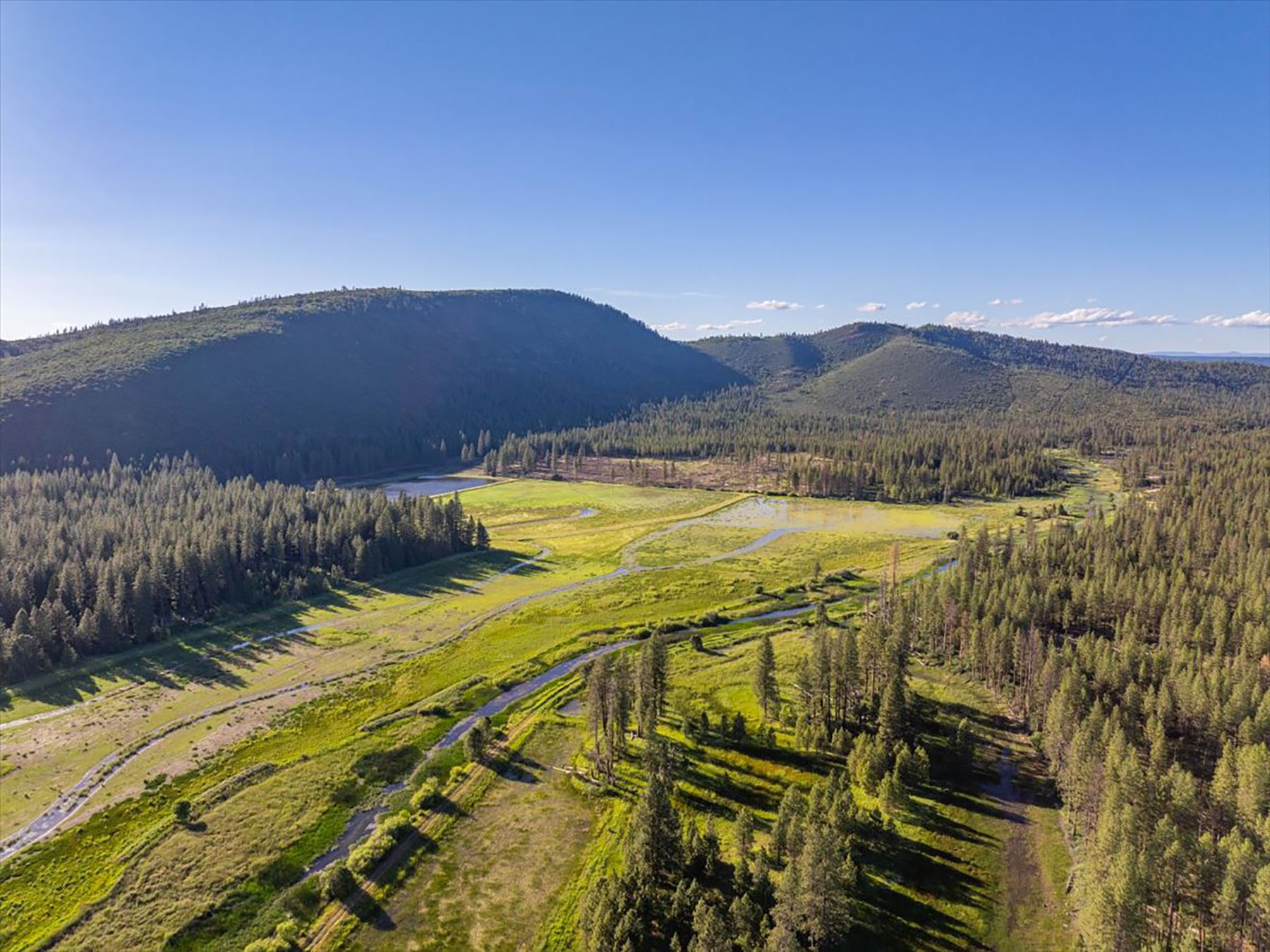
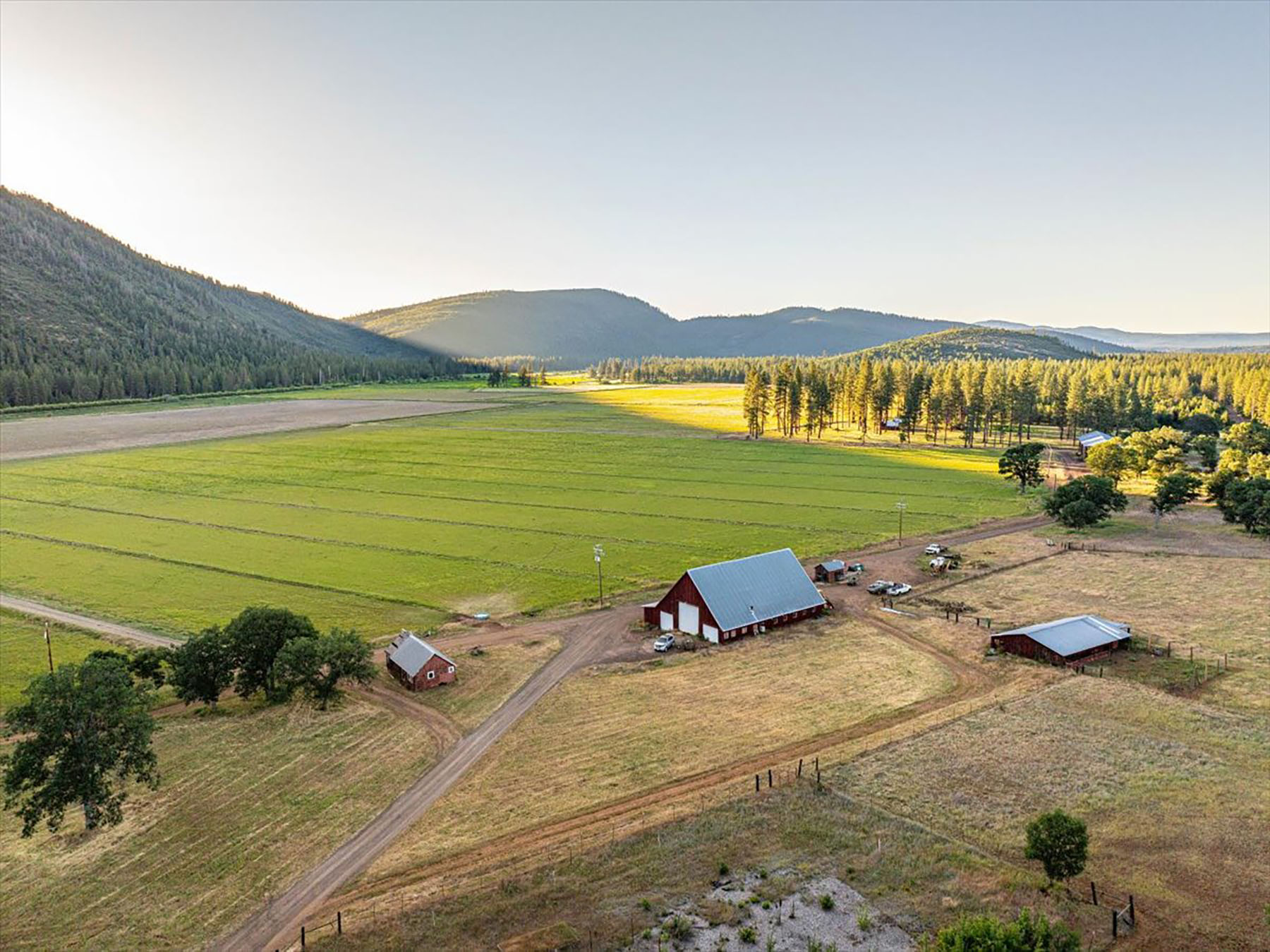
The Black Ranch boundary is one contiguous property that stretches north-south down Long Valley. Burney Creek runs through the property and is typically flowing and visible most of the year before moving underground late in the summer. The property’s elevations range from around 3,100 feet at the main ranch compound to around 3,800 feet in the hills above, with agriculture, homes, barns, and other structures along the valley floor, and forestland and rangeland at higher elevations.
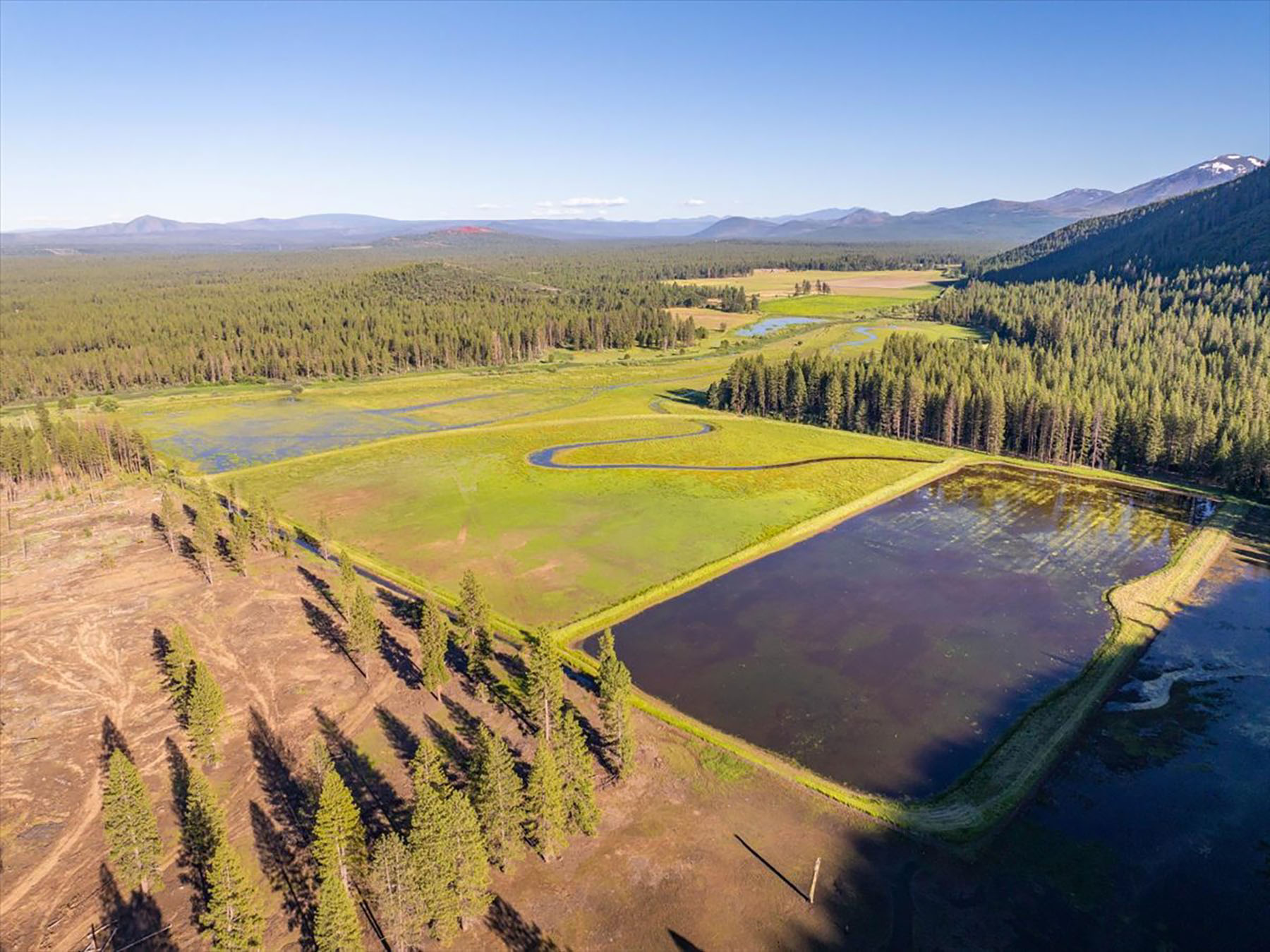
The homes and other major structures are located in the southern portion of the ranch. Good roads, jeep trails, and foot trails provide access to the acreage. The ranch is bordered by National Forest on the West, North, and East sides, which expands recreation opportunities and enhances privacy. Protected wetlands and wildlife habitats are located at the North end of the ranch.
Broker's Comments
It’s not very often that such a well-rounded, turn-key family retreat with an architecturally designed owner’s home, a wonderful family residence, outdoor entertainment facilities, and endless outdoor recreation comes on the market that offers the new owner the option to jump into the ranching and farming lifestyle or continue to lease out the farming to a local farmer for income to offset ownership costs—all within an easy drive to nearby towns, airports, and world-class flyfishing.
Property Details
Acreage (Deeded & Leased)
This acreage breakout is approximate* and provides an overview of how the ranch is configured.
- Homesteads - 6± acres (south, west, and north residences)
- Farmsteads - 9± acres (rental residences)
- Flood-irrigated pasture ground (formally in wild rice) - 200± acres
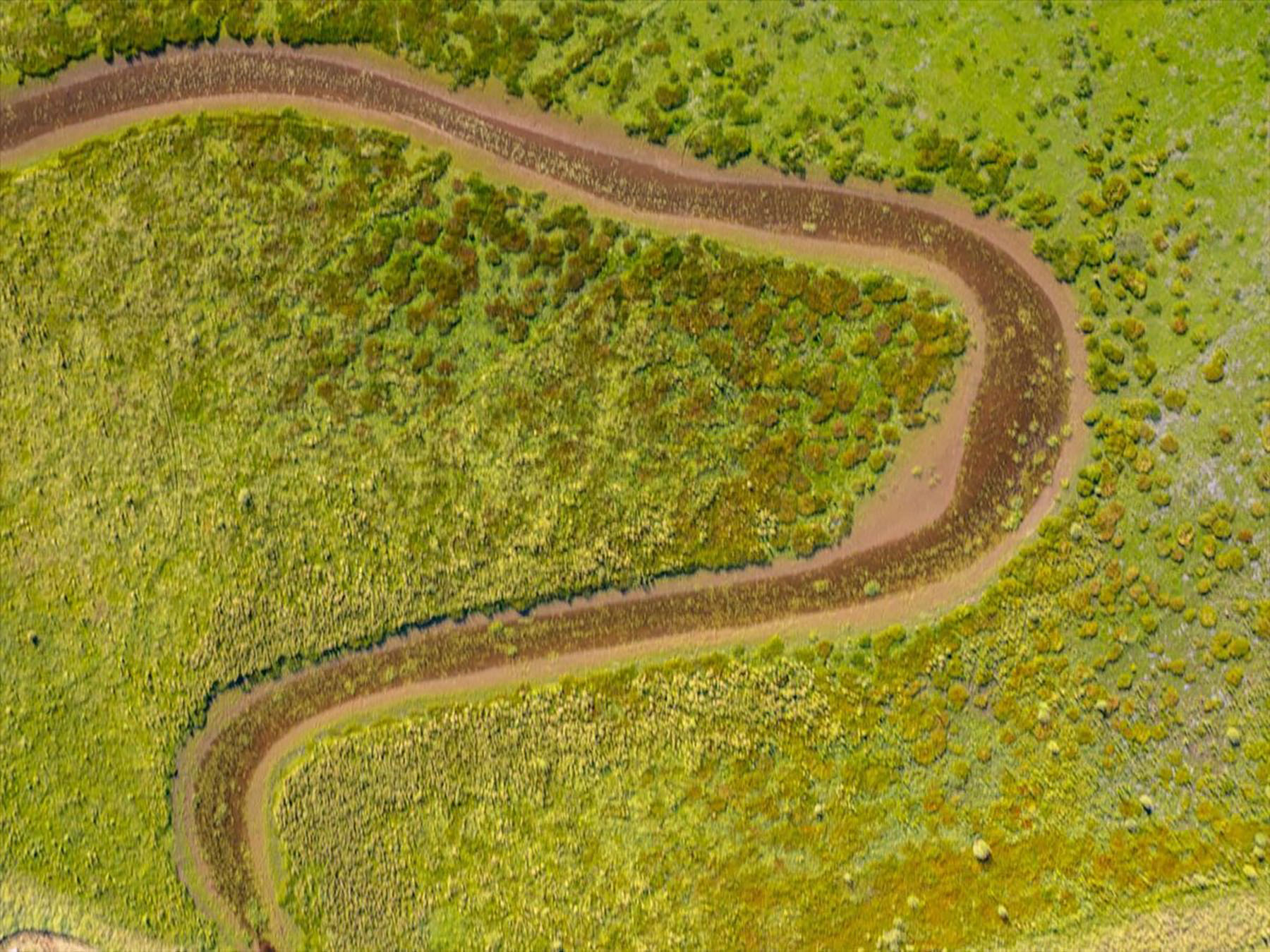
- WRP wetland reserve area - 145± acres
- Forestland/rangeland - 339± acres
- Dry pasture - 92± acres
- Wheel line irrigated hay ground - 18± acres
- Previously irrigated hay ground - 22± acres
- Riparian - 33± acres
- Roads and miscellaneous - 40± acres
*The irrigated pasture/farmland, native pasture, riparian, and homestead acres were derived from measurements from aerial photographs.
The following information describes the flora, crops, and more.
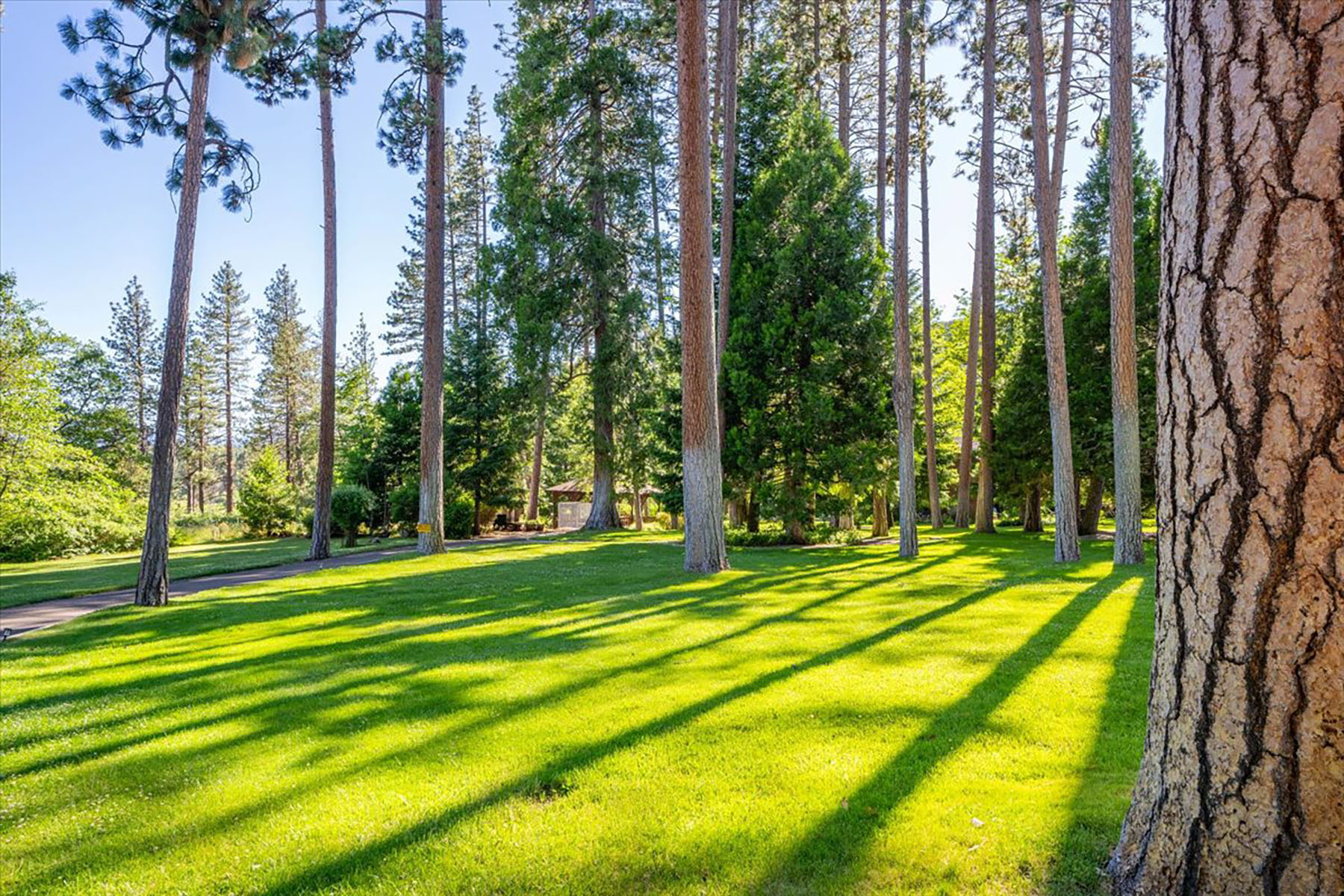
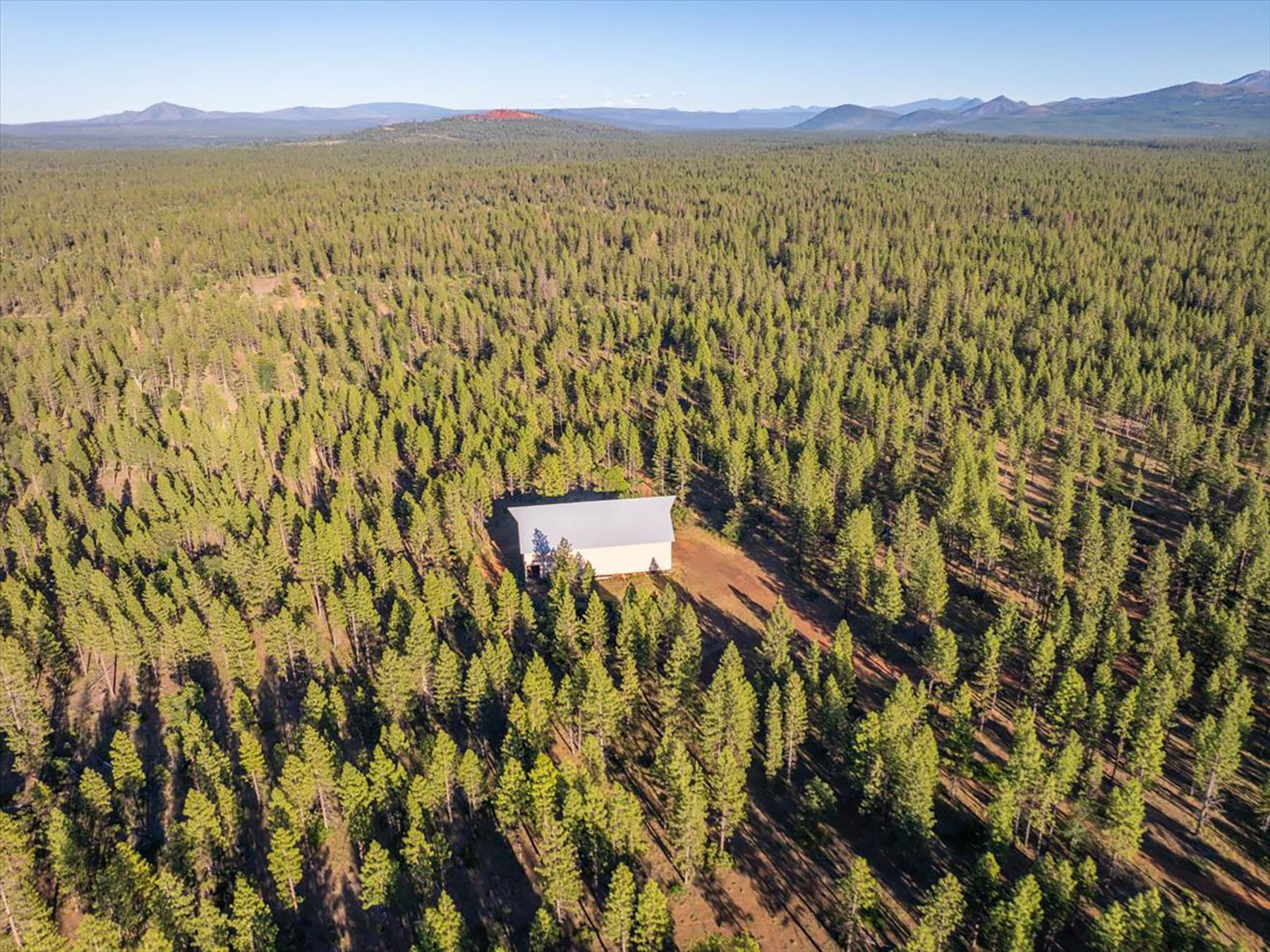
Pine Forestland: Black Ranch’s 335± acres of forestland surround the valley bottom on the ranch’s east and west sides. The forestlands are an Eastside pine forest type, with ponderosa pine as the primary coniferous species. Additional conifers include Douglas-fir, incense cedar, white fir, and sugar pine. Non-coniferous species include California black oak, western juniper, manzanita, bottlebrush, beardless wild rye, bluegrass, and tall fescue.
Brush-Pine: The Brush-pine habitat type comprises 43± acres that occupy areas harvested for timber in the past. These areas were pine forest land before harvest. After harvesting, early successional species dominate with pine saplings and a diversity of brush and grass species. These areas consist primarily of the following vegetation: Jeffrey pine, Western chokecherry, skunkbush, sumac, and rubber rabbit brush.
Brushfield: The brush field comprises approximately 43 acres in the southwest corner of the ranch. It primarily consists of the following vegetation: Greenleaf manzanita, buckbrush, birch leaf mountain mahogany, squirrel-tail, white oak, mountain brome, western redbud, and cheatgrass.
Dryland Grass: Approximately 160 acres of levee are planted or in the process of being planted in alfalfa and grass.
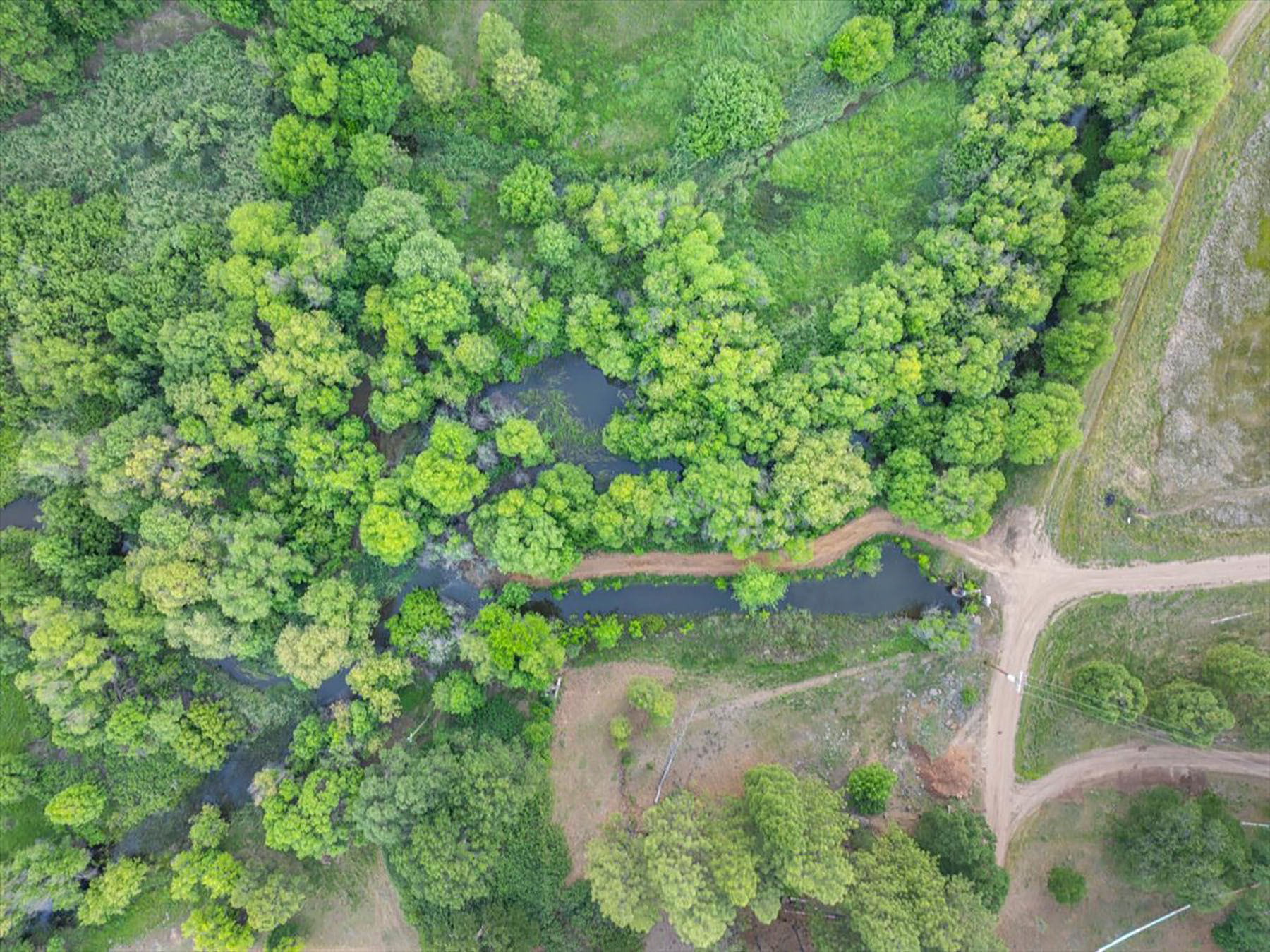
Riparian Areas: There are approximately two miles of riparian area along Burney Creek, which runs the length of the ranch. The riparian vegetation in this area consists primarily of aspen, birch leaf mountain mahogany, Jefferey pine, wild rose, willow, tall fescue, beardless wild rye, timothy grass, and bluegrass.
Soil Composition: Most of the ranch’s soil quality is rated excellent and used for grazing. Natural vegetation is grass, oak, digger pine, and shrubs. The balance of the soil composition varies and can be requested, along with a Flood Control statement, that indicates that the ranch has an undermined Flood Hazard.
Deeded Acres: 1,000±
Total Leased Acres: 0±
Total Acres: 1,000±
Additional Information
Parcels and Zoning
The ranch consists of six parcels. All parcels are zoned Unclassified District. The unclassified district is intended to be a holding district until a precise principal zone district has been adopted for the property. All new uses in this district shall be consistent with all applicable general plan policies. A Williamson Act Land Use Contract does not encumber the parcels. More information on parcel uses can be found in the zoning code, which will be provided upon request.
Parcel Number Acreage Zoning General Plan Code
023-310-018 480± Unclassified Agricultural Croplands & Timber
023-310-019 13.40± Unclassified Agricultural Croplands & Timber
023-310-025 160.61± Unclassified Agricultural Croplands & Timber
023-310-026 12.37± Unclassified Agricultural Croplands & Timber
023-310-027 13.61± Unclassified Timber
023-280-007 320± Unclassified Agricultural Croplands & Timber
Improvements
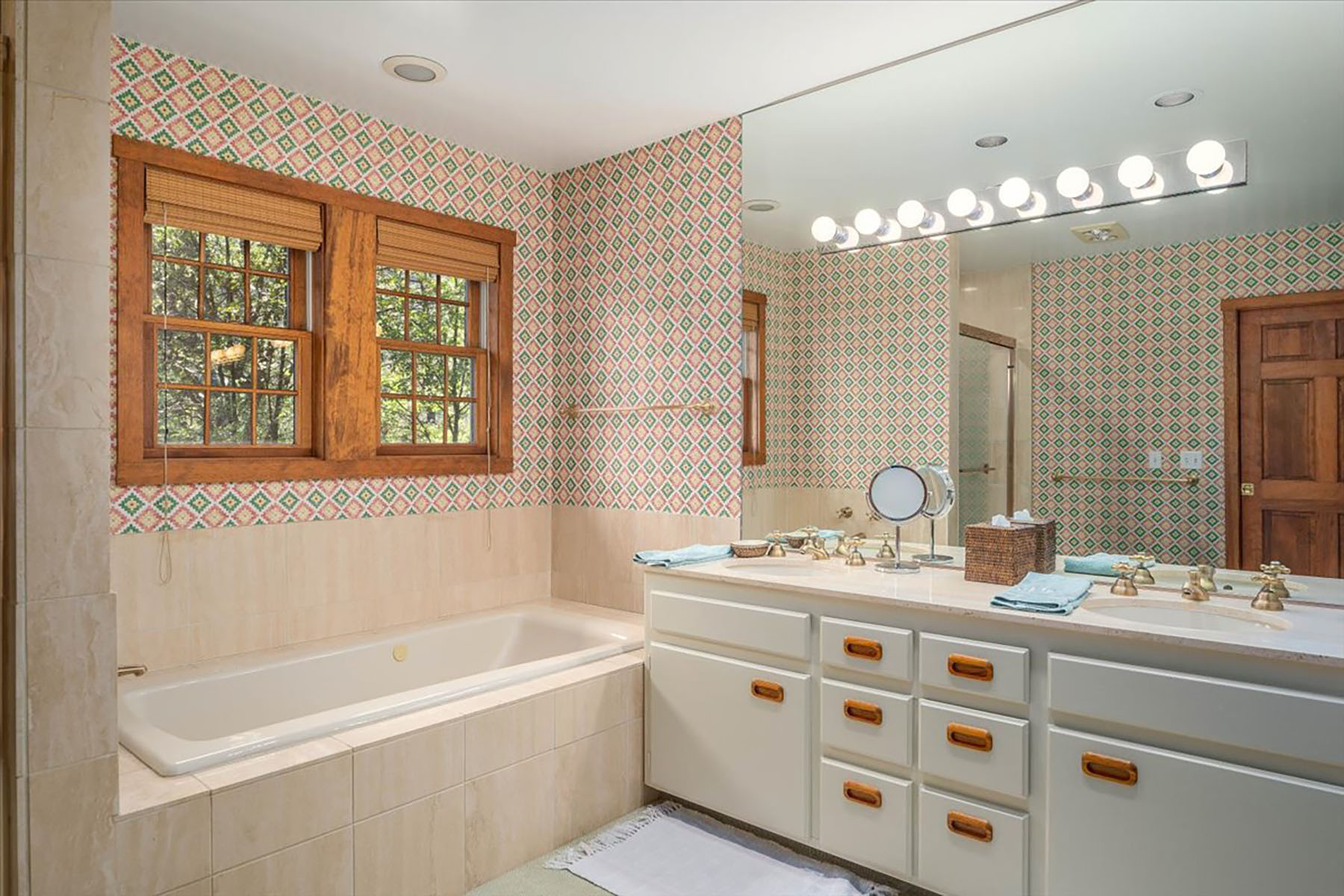
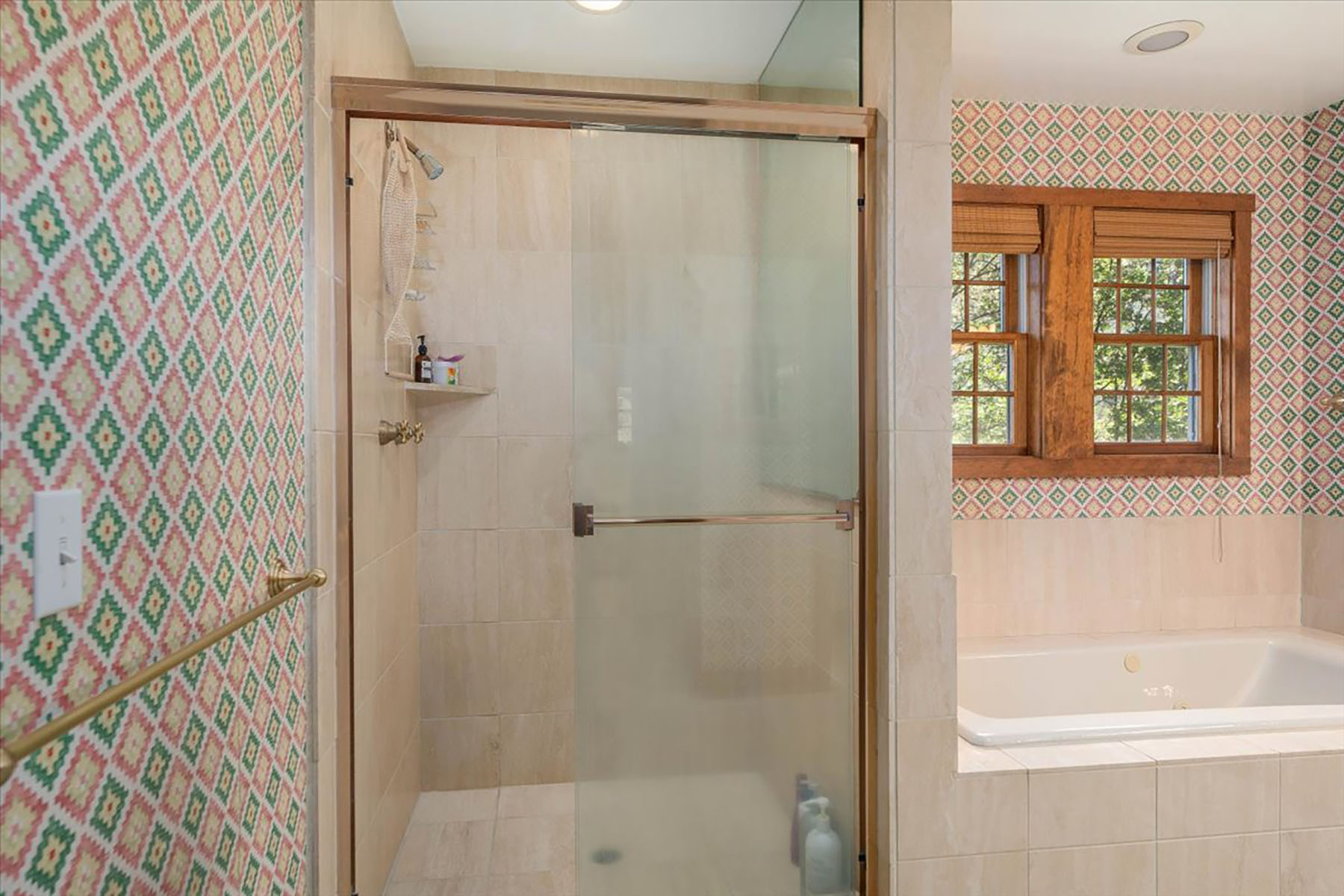
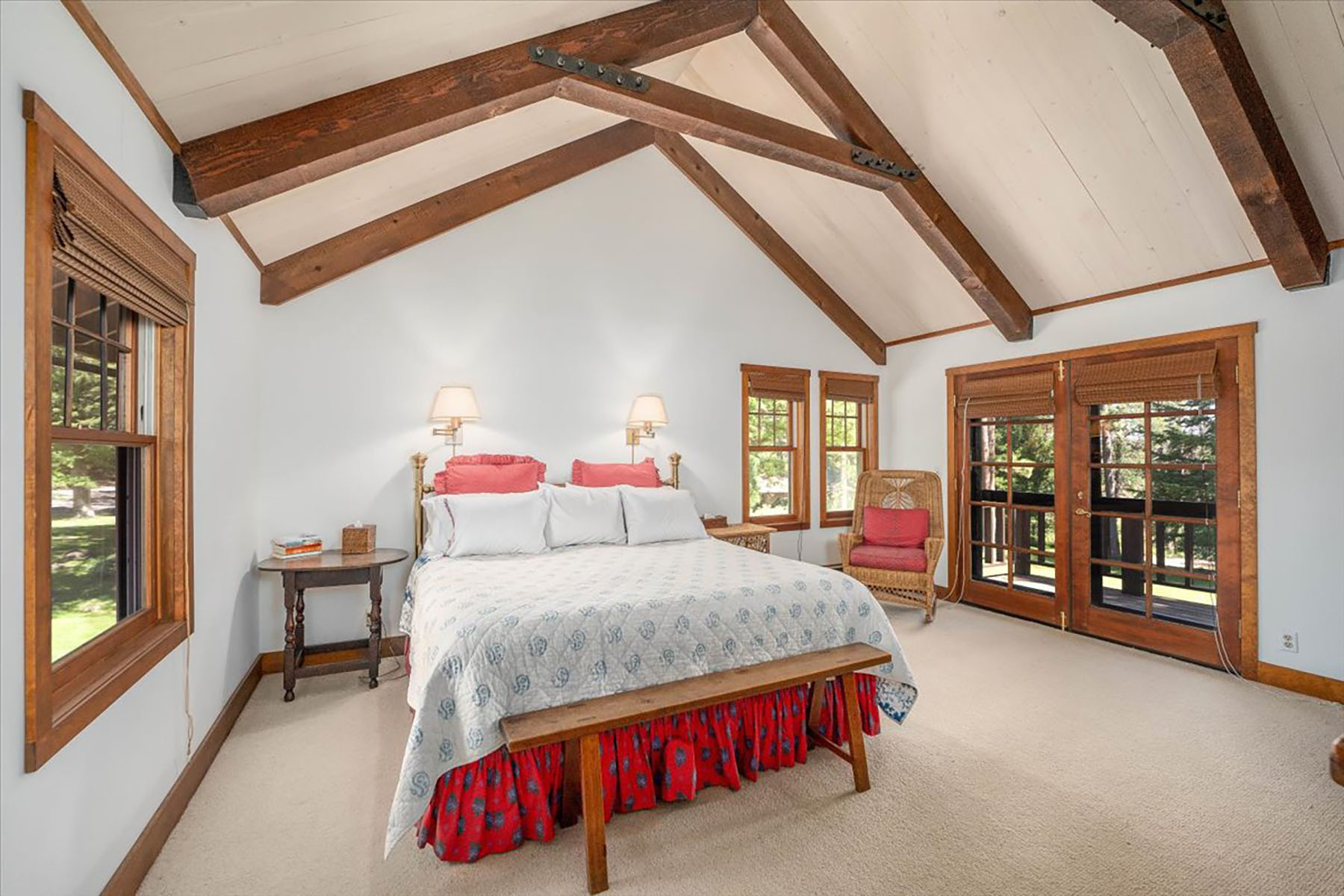
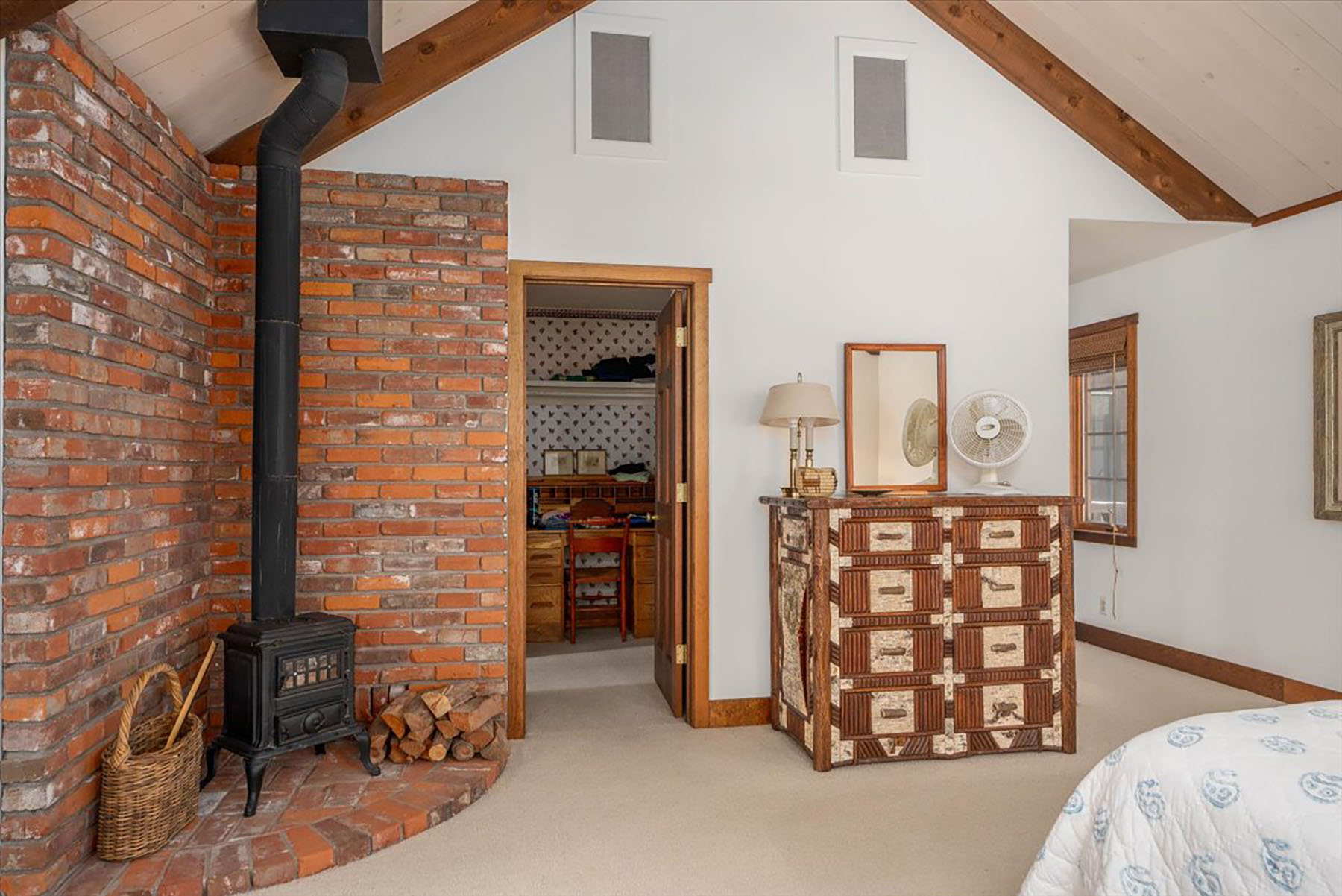
The ranch has five primary homes, which serve various purposes, including the owner’s residence, guest lodging, the ranch manager’s home, and rental houses. Two to three other dwellings and associated outbuildings could be rehabilitated and utilized for similar purposes.
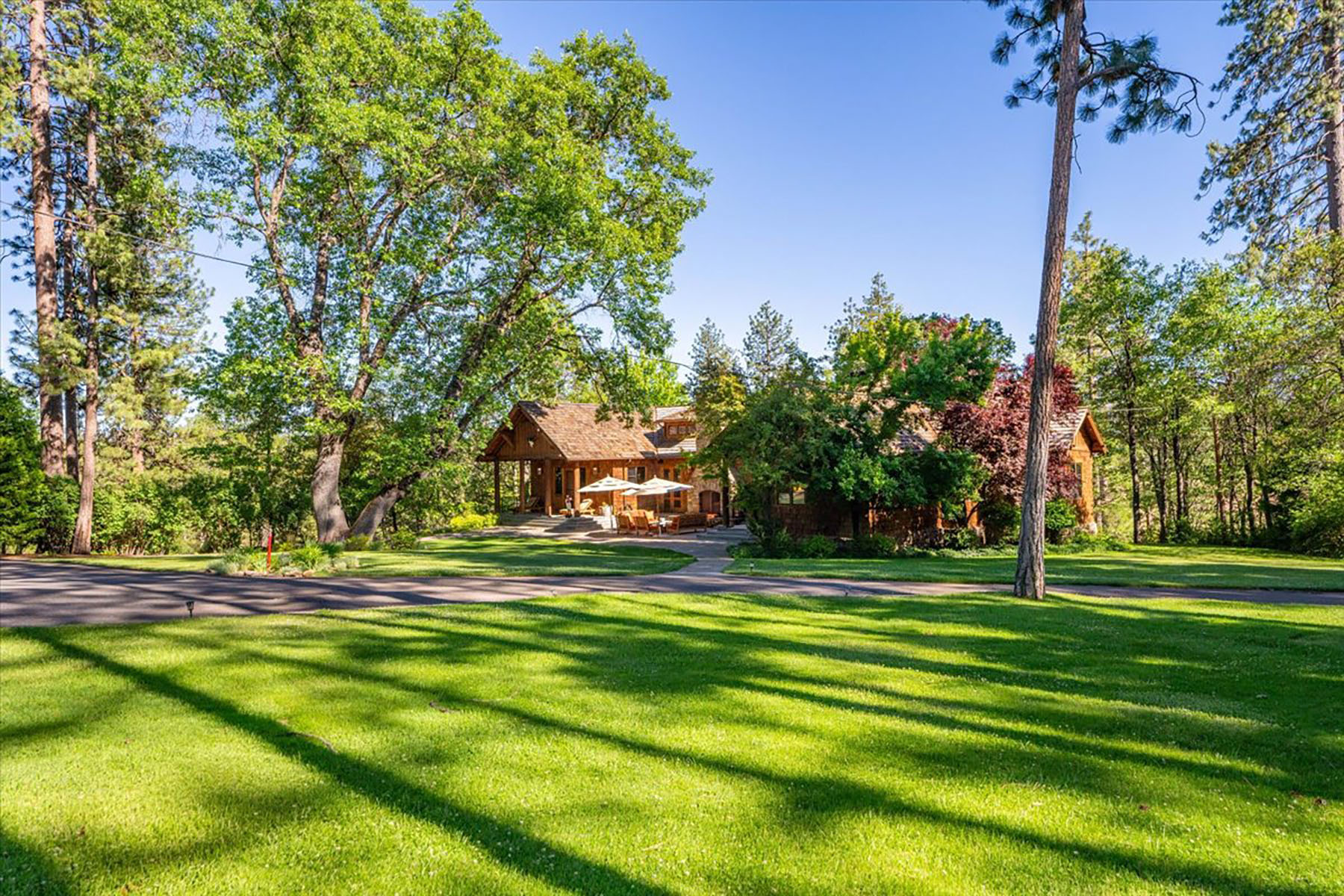
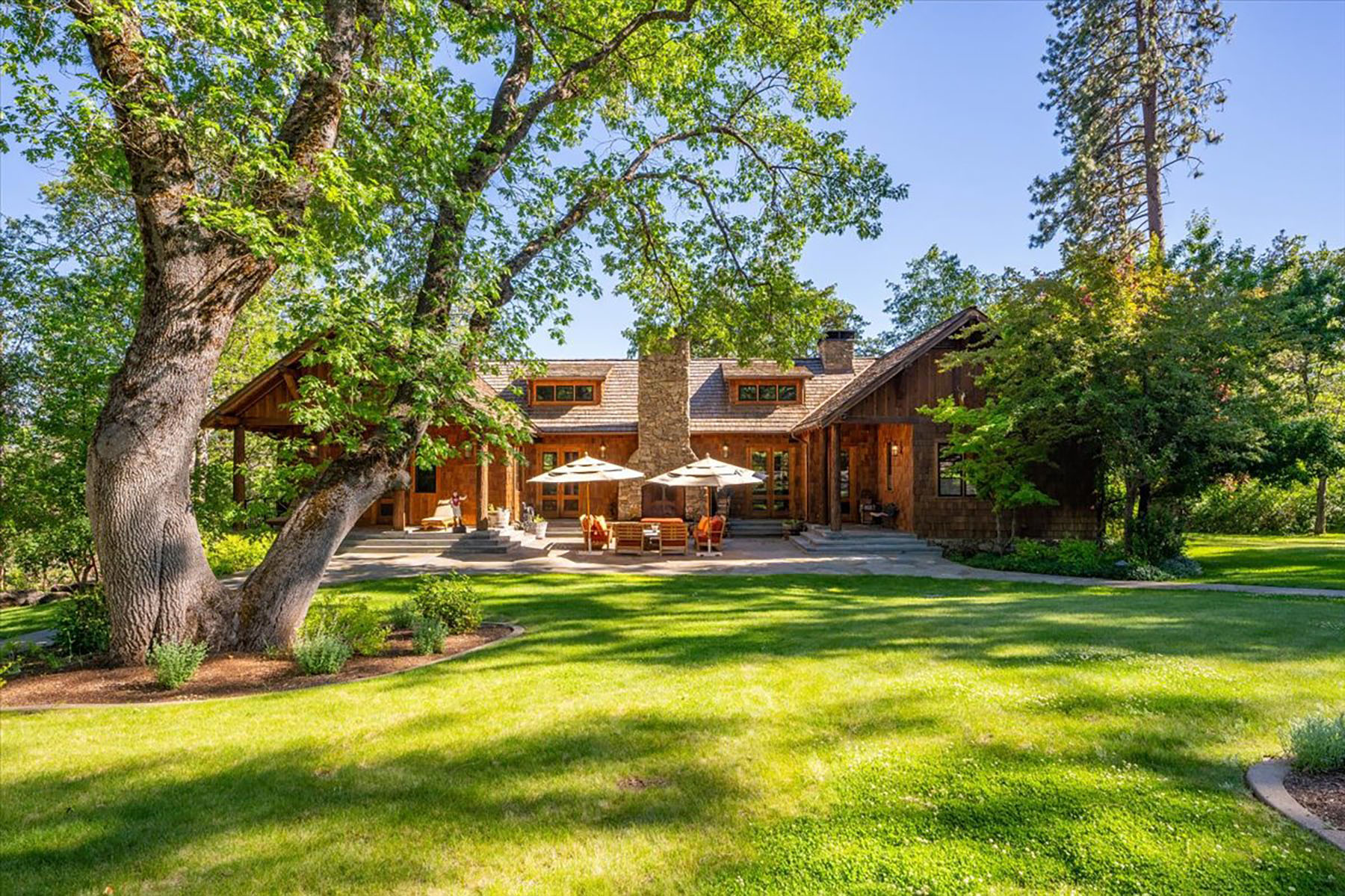
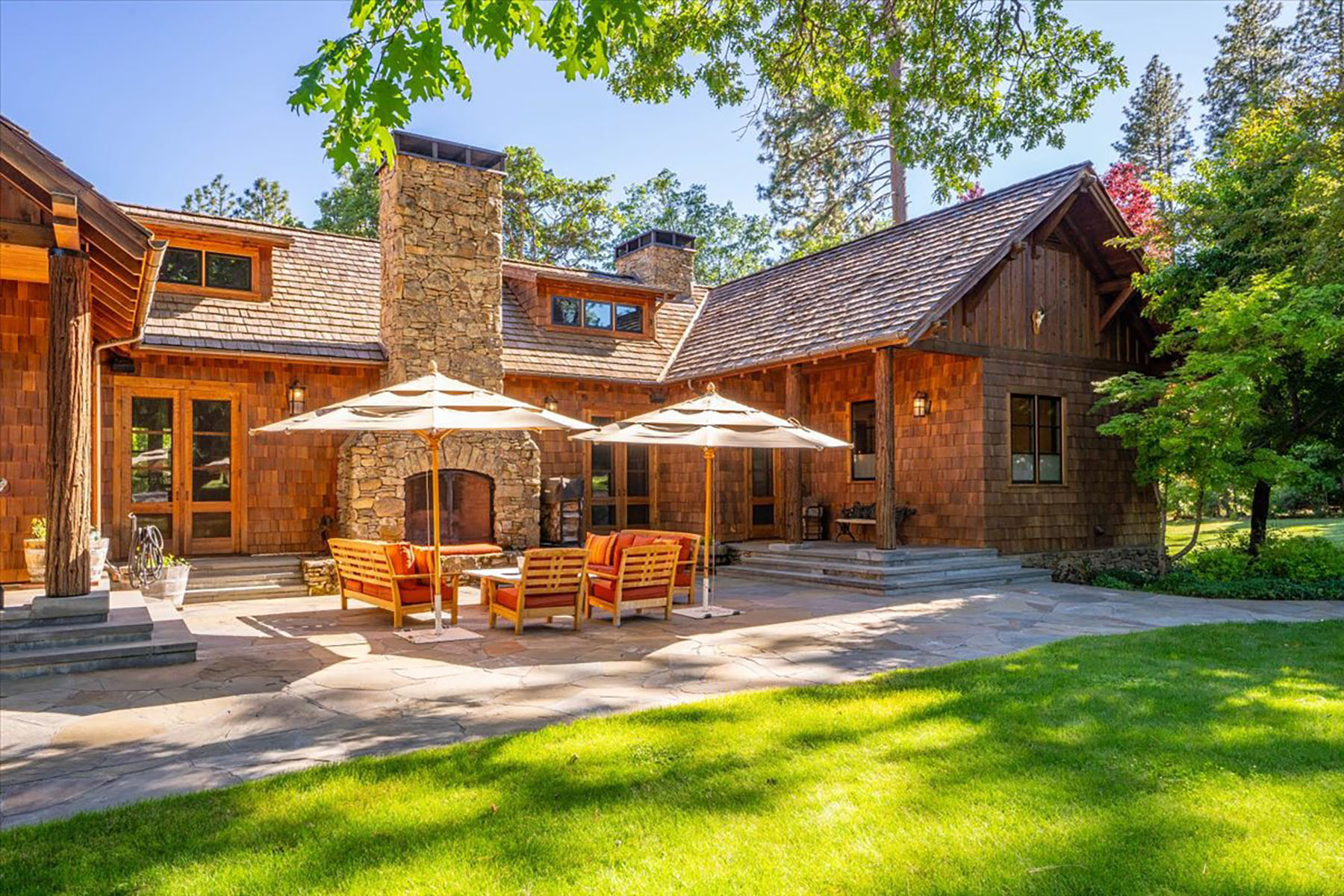
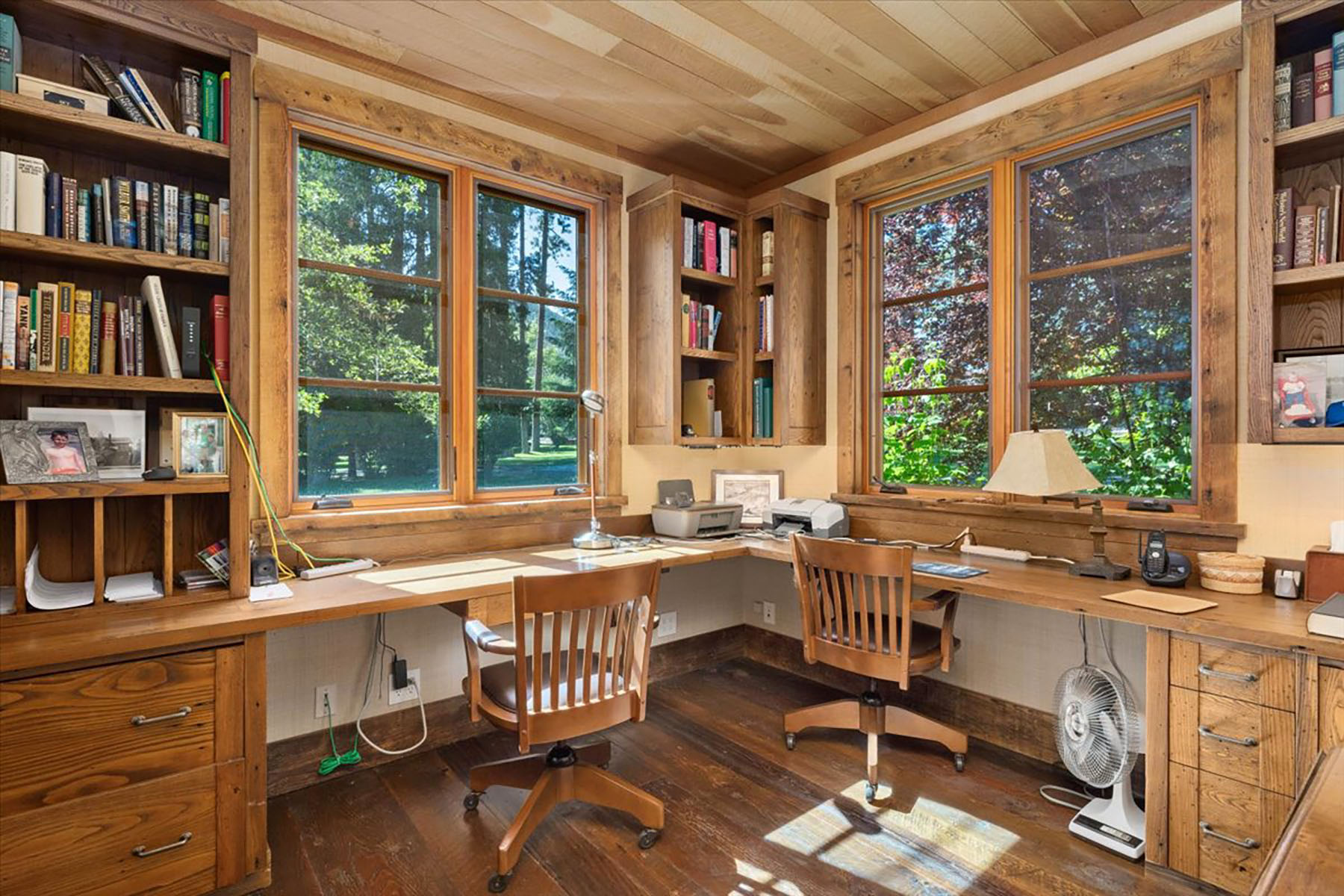
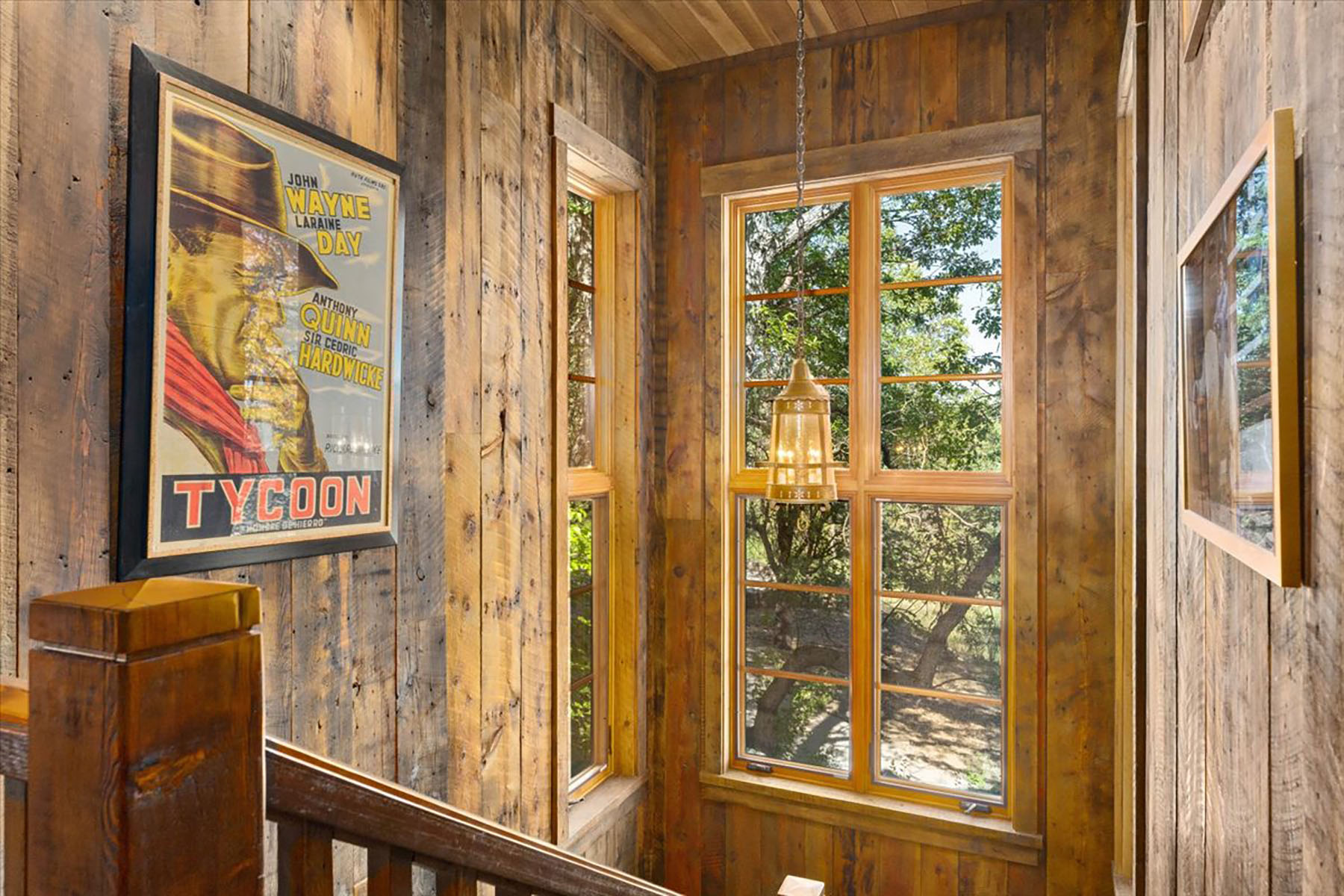
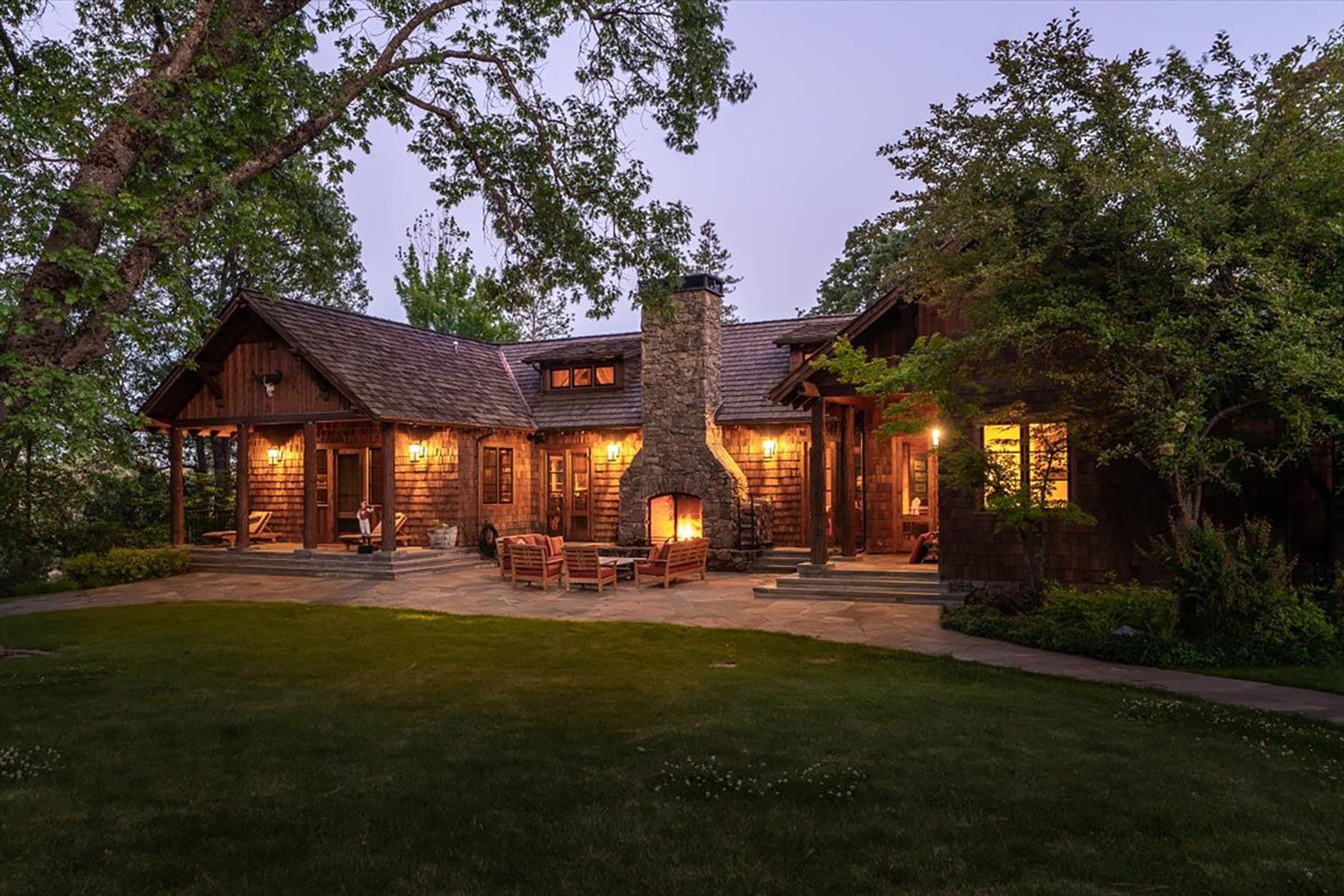
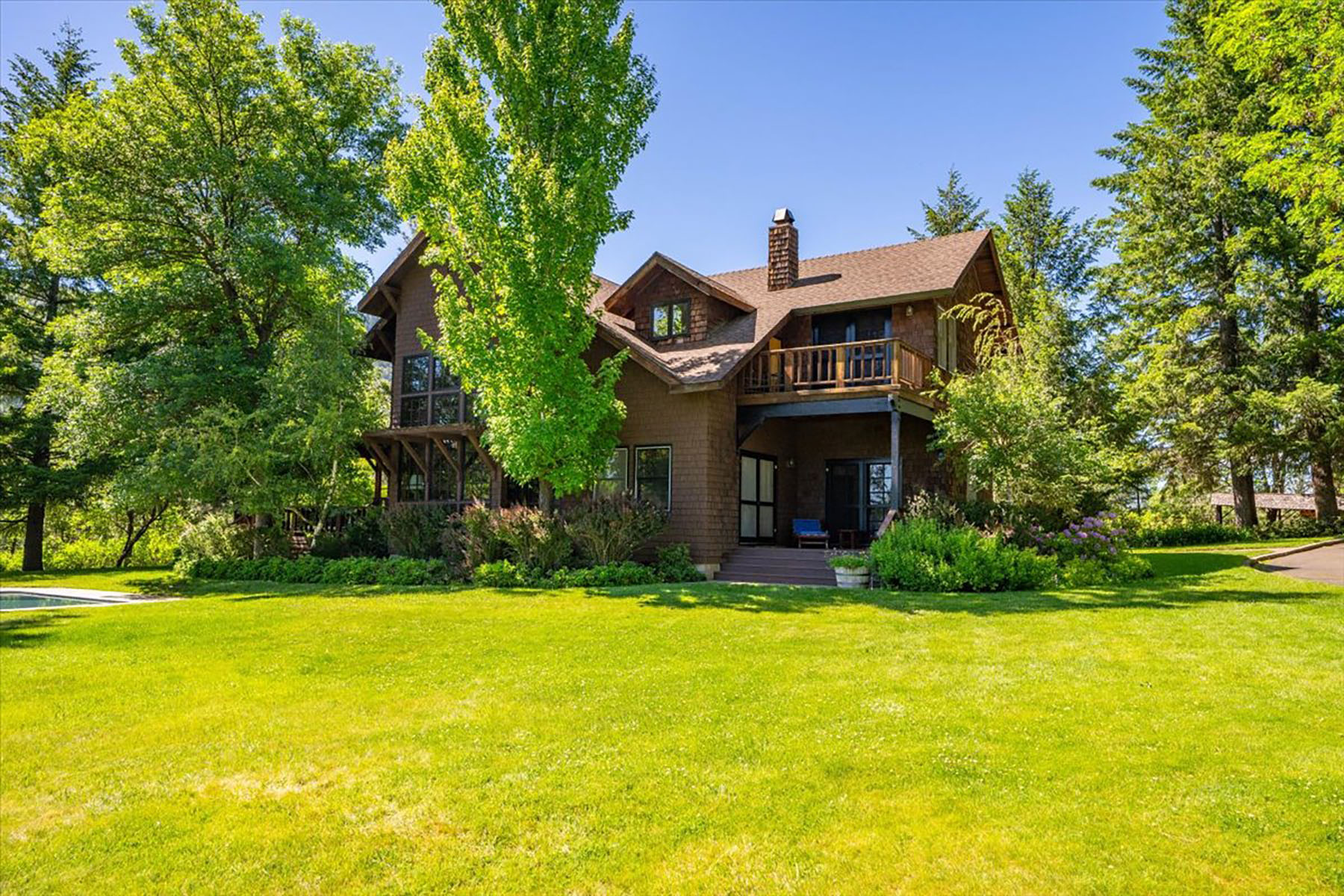
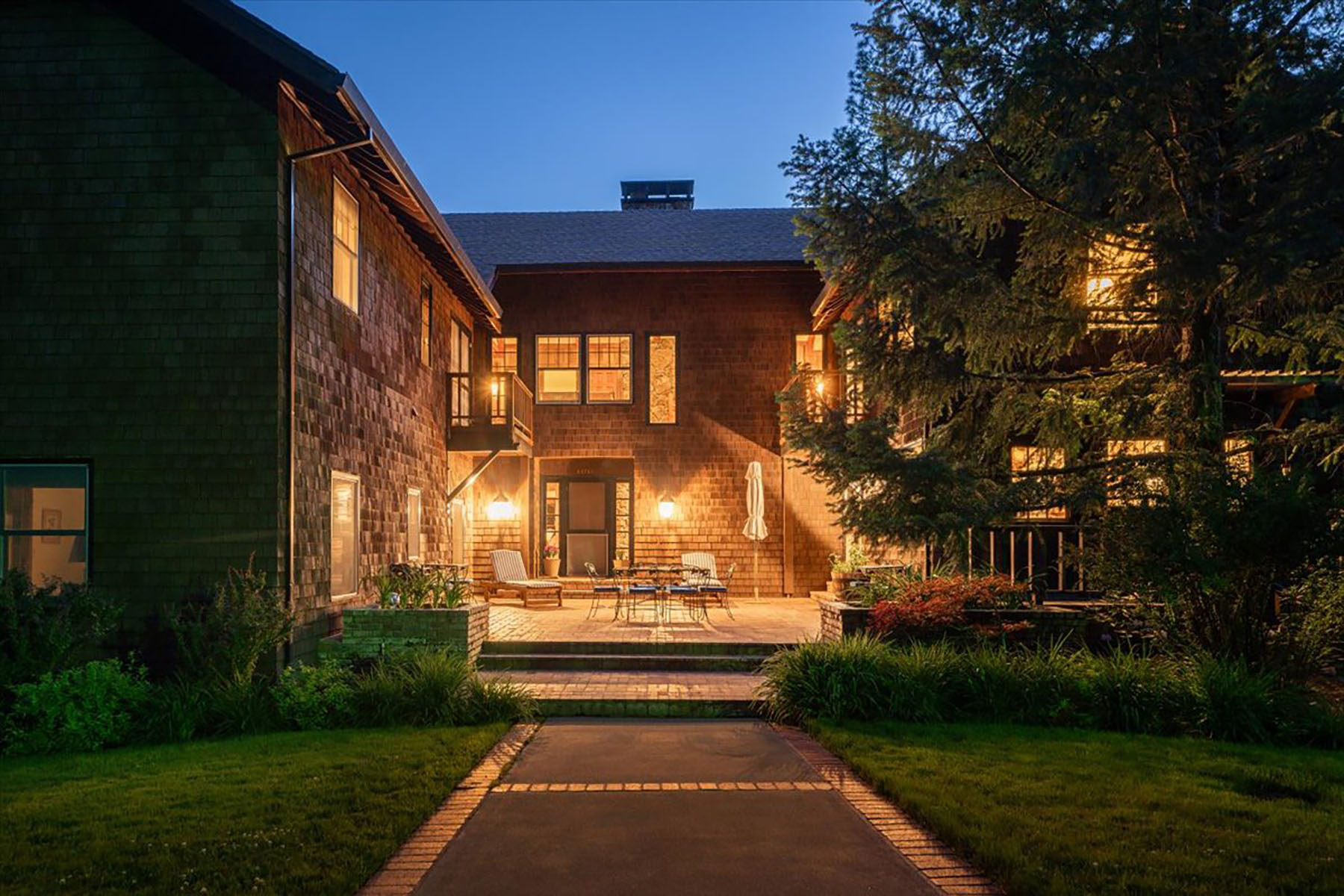
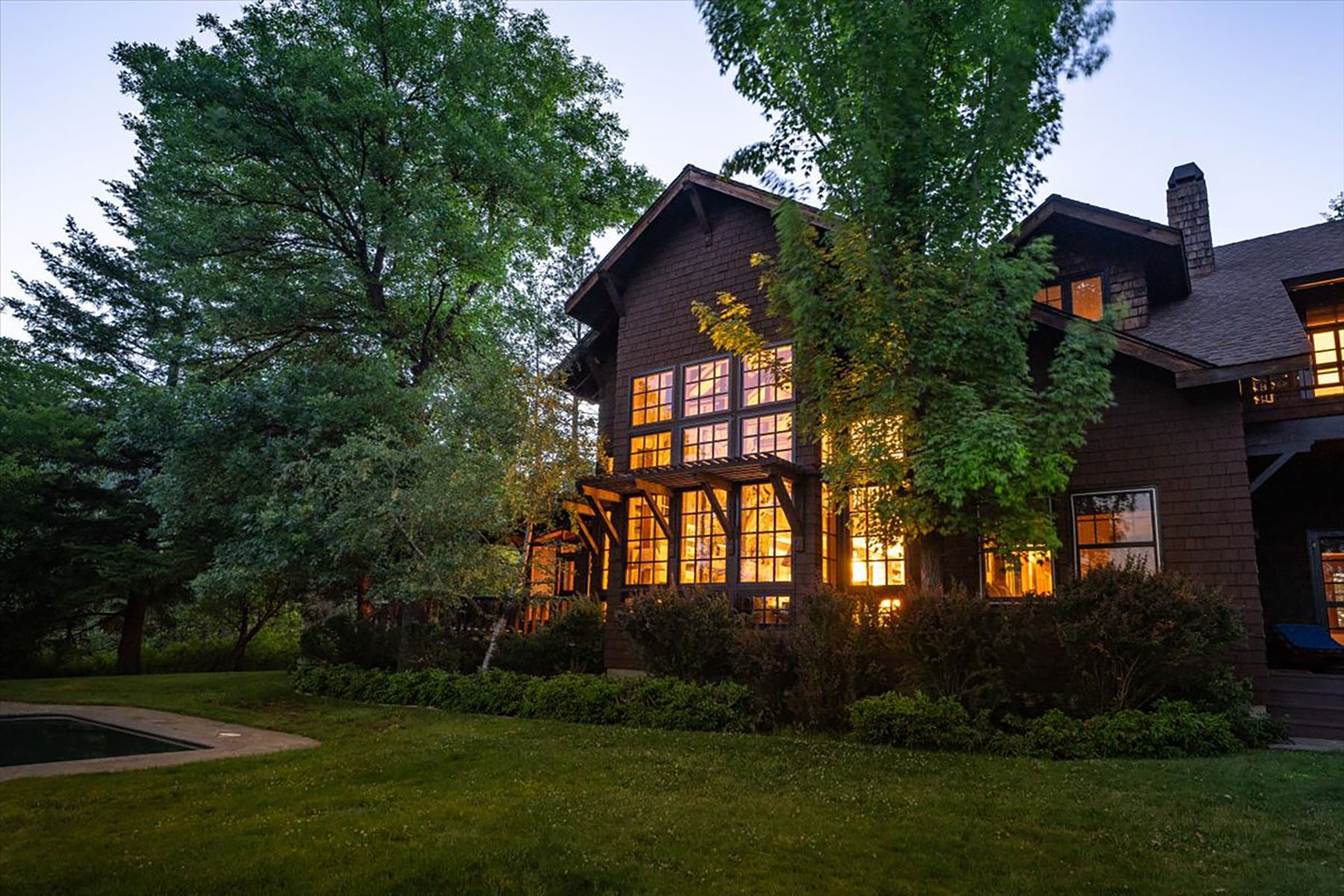
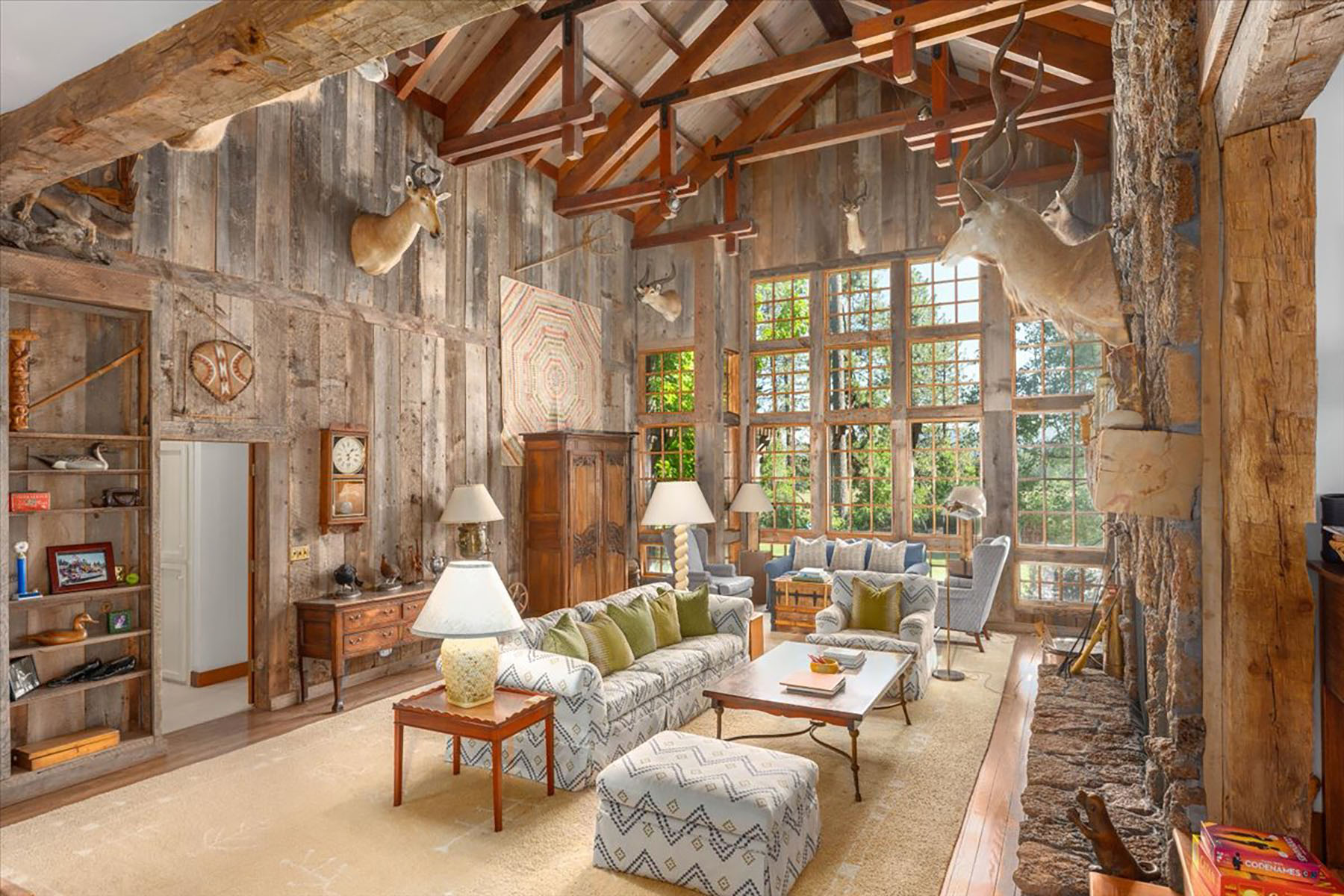
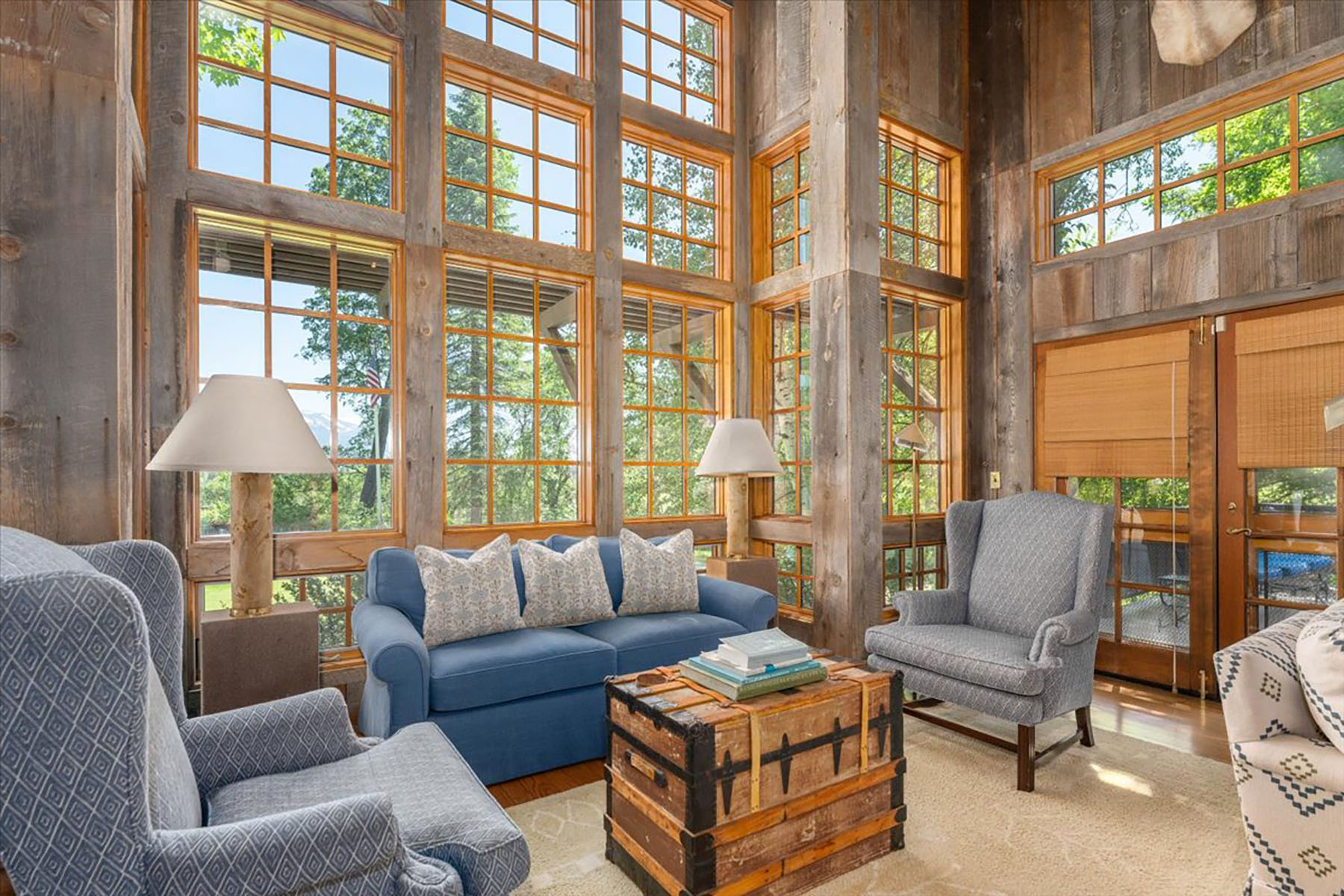
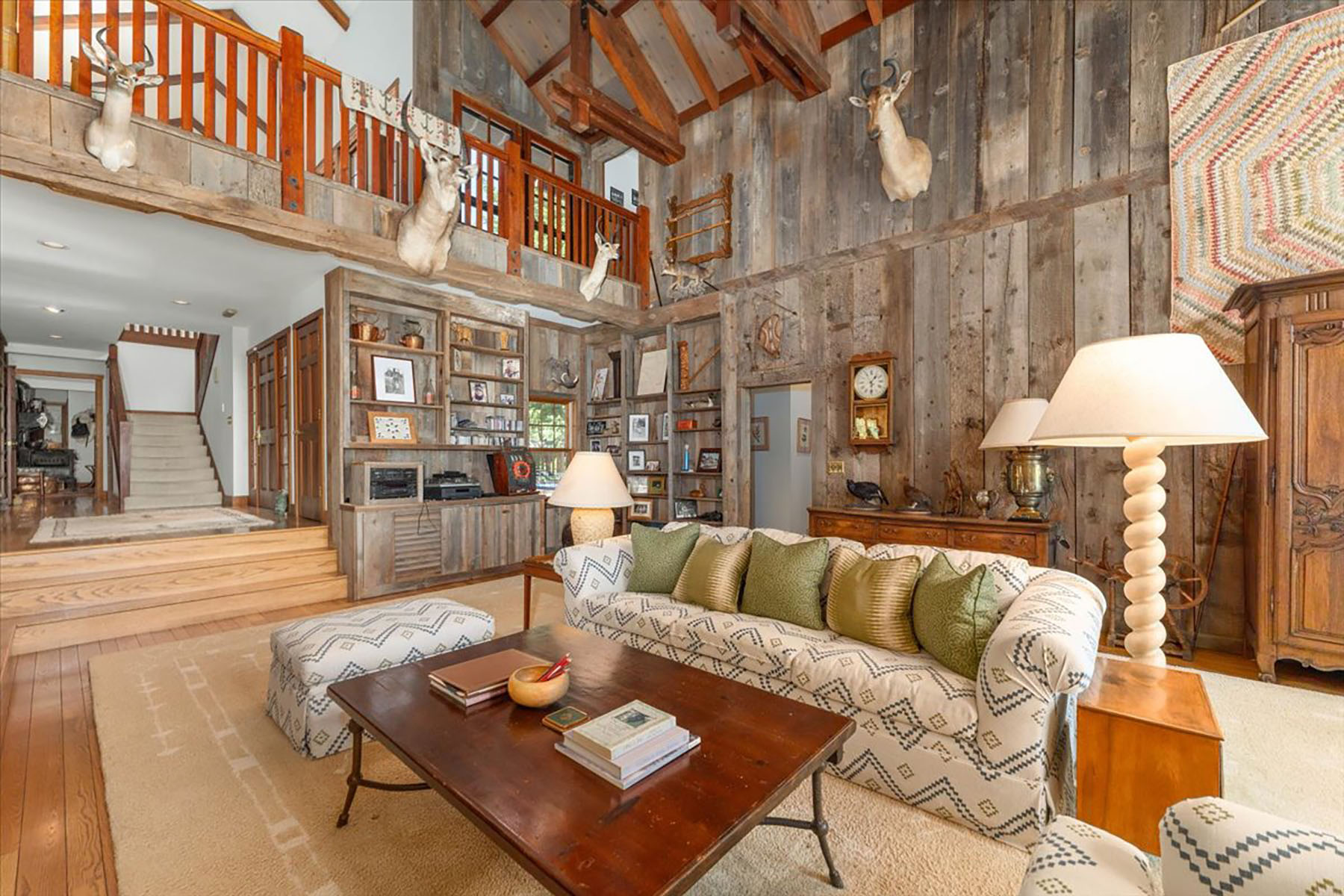
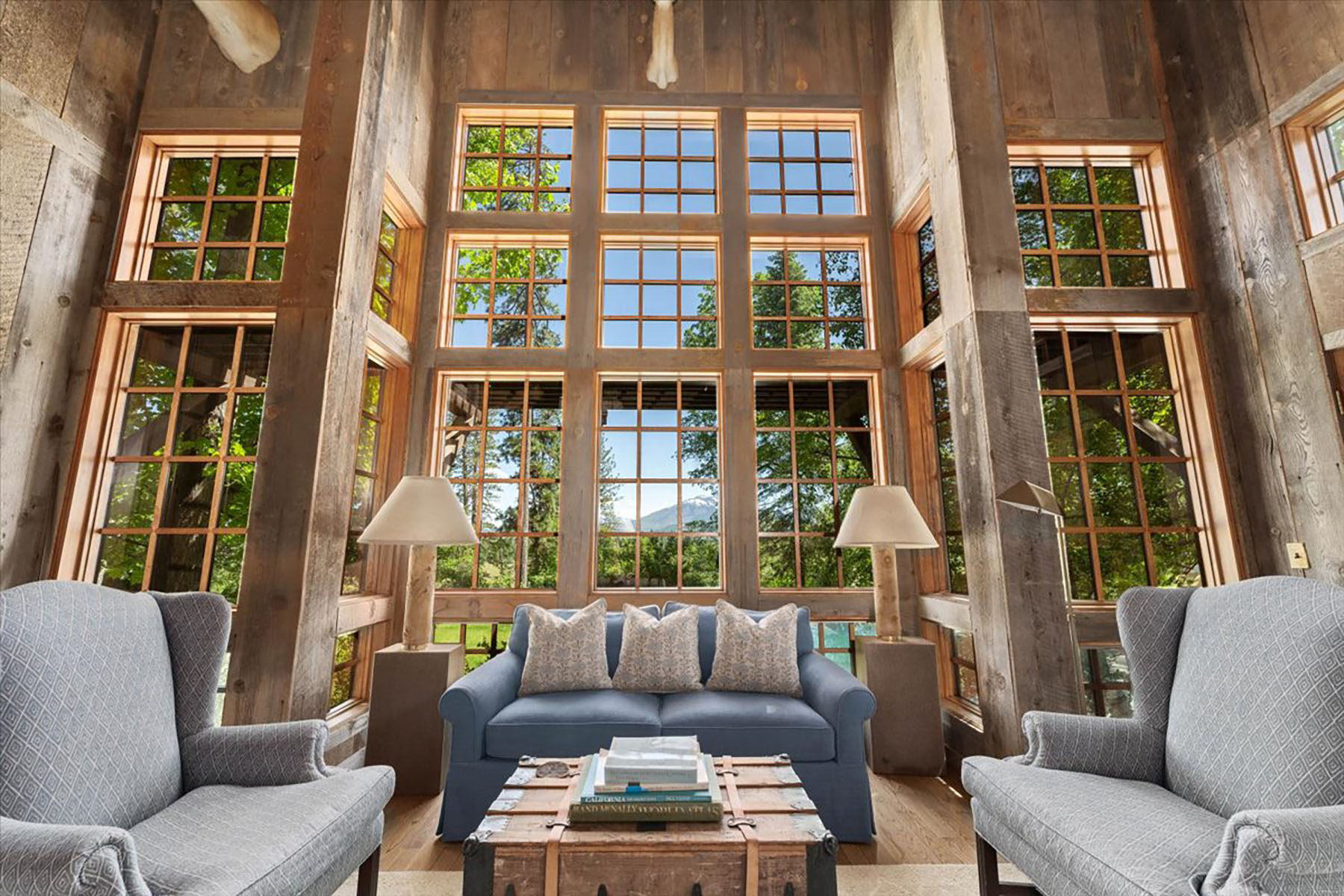
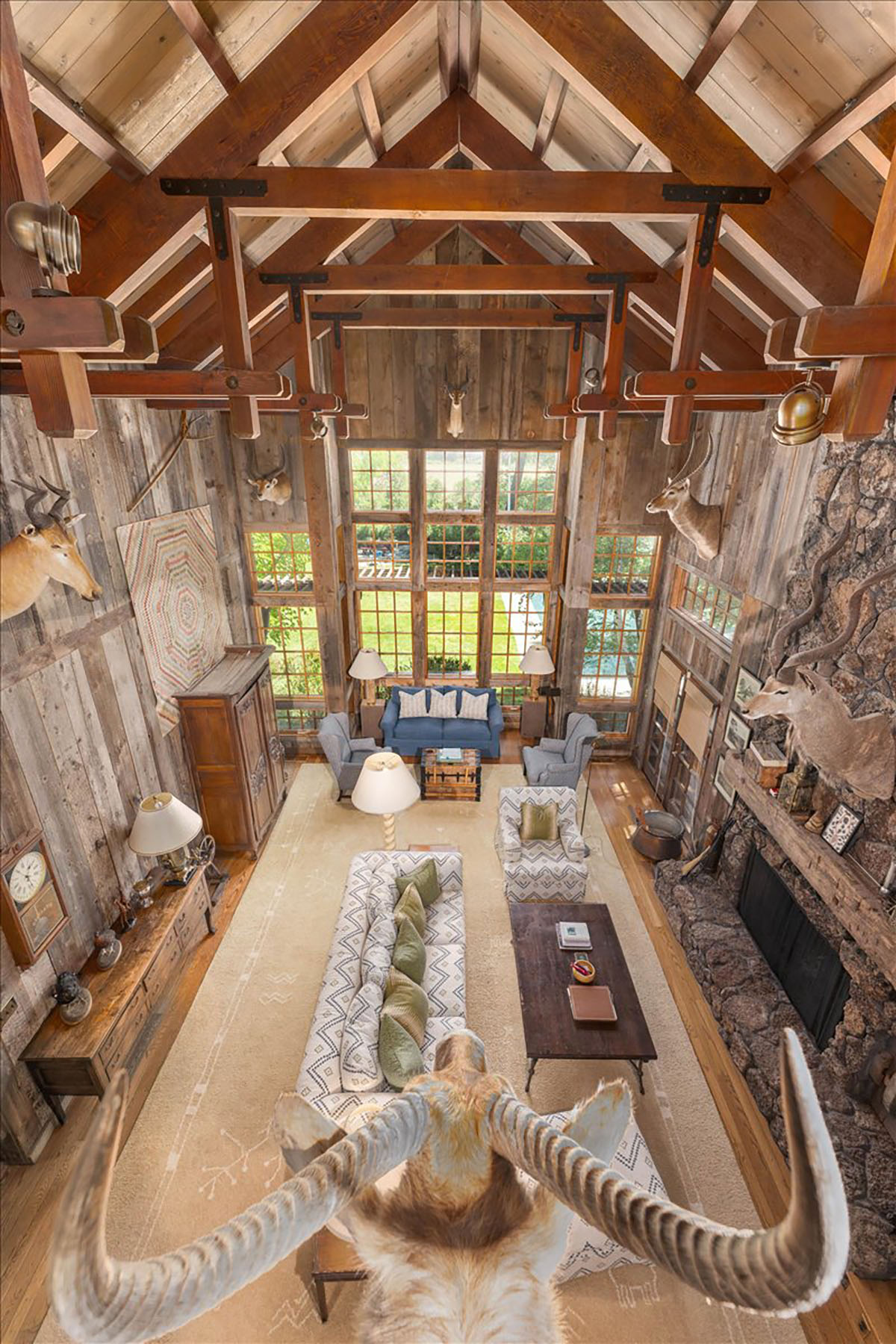
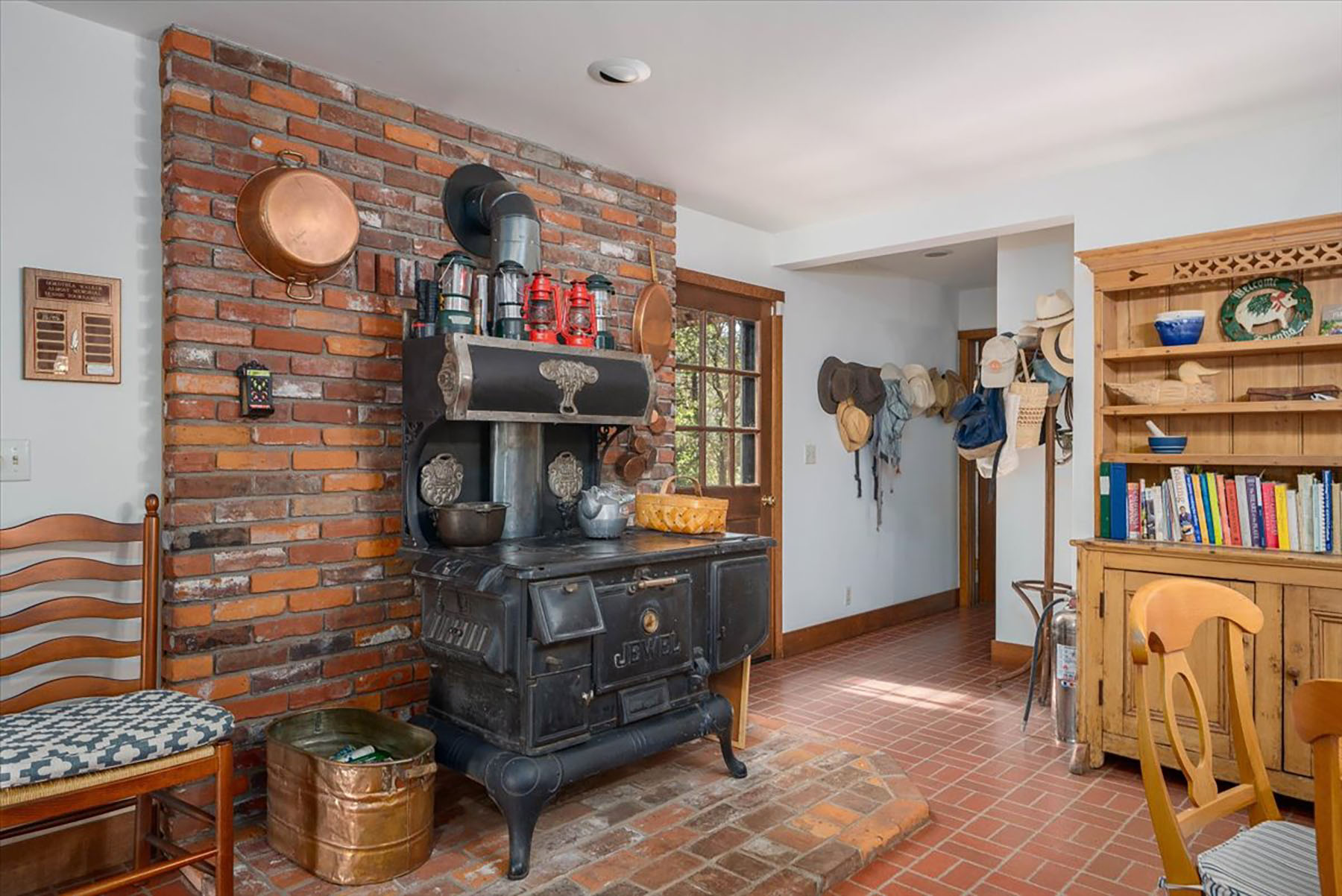
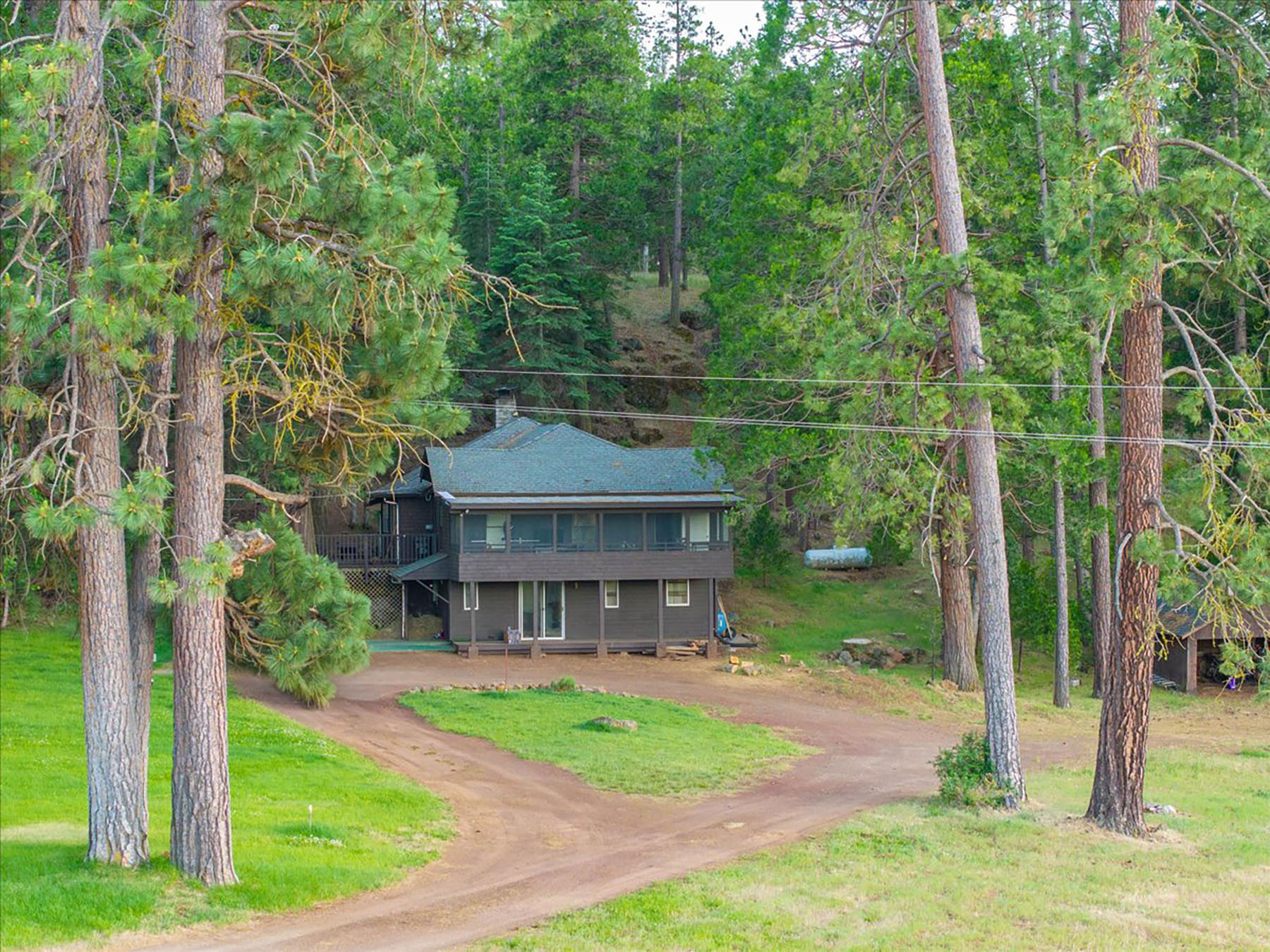
Owner’s Residence: The owner’s masterpiece, a 4,439± square-foot home designed by renowned San Francisco architect Brooks Walker of Walker Warner Architects, was built by Timberworks of Mt. Shasta in 2008, and Suzanne Tucker was the interior designer.
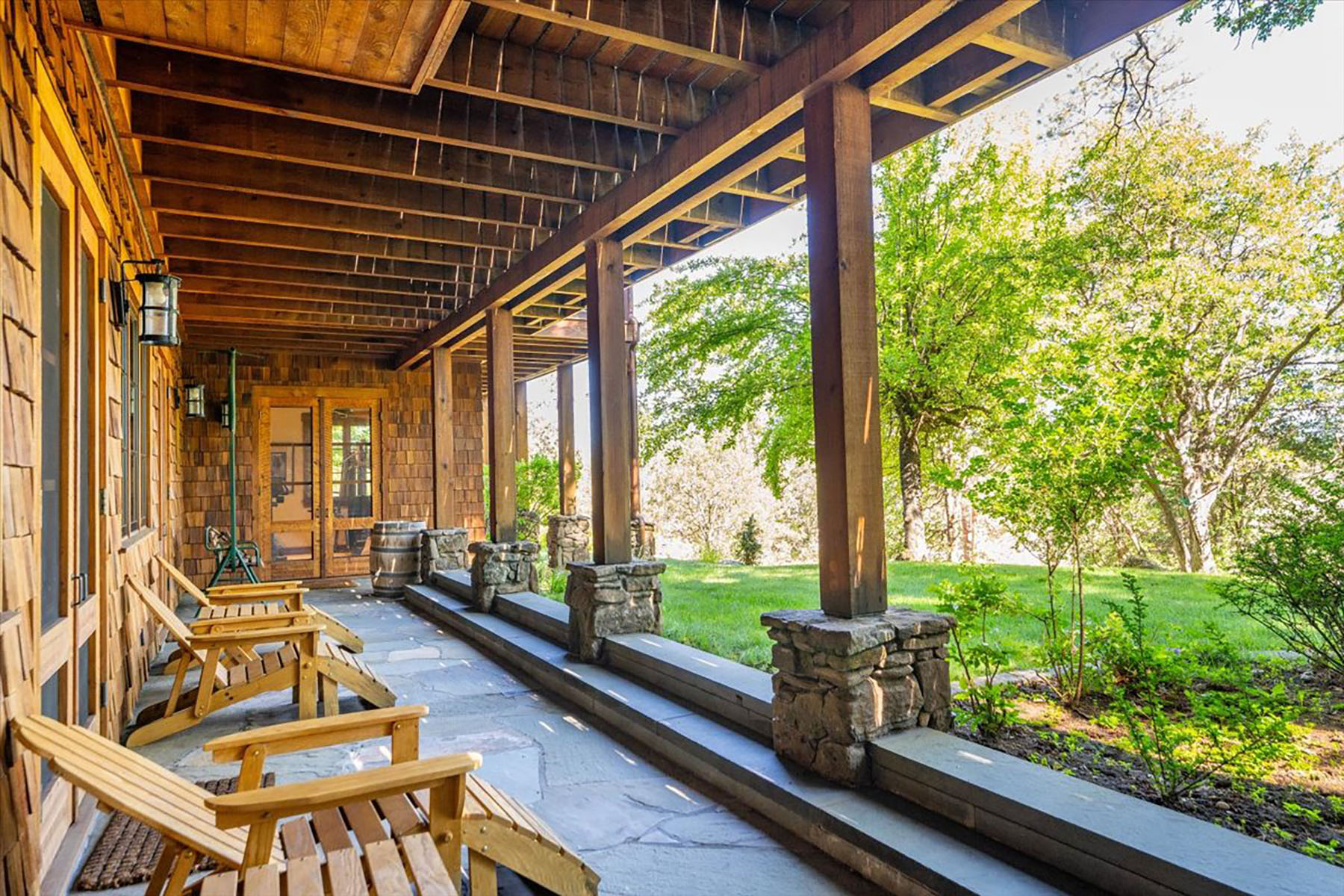
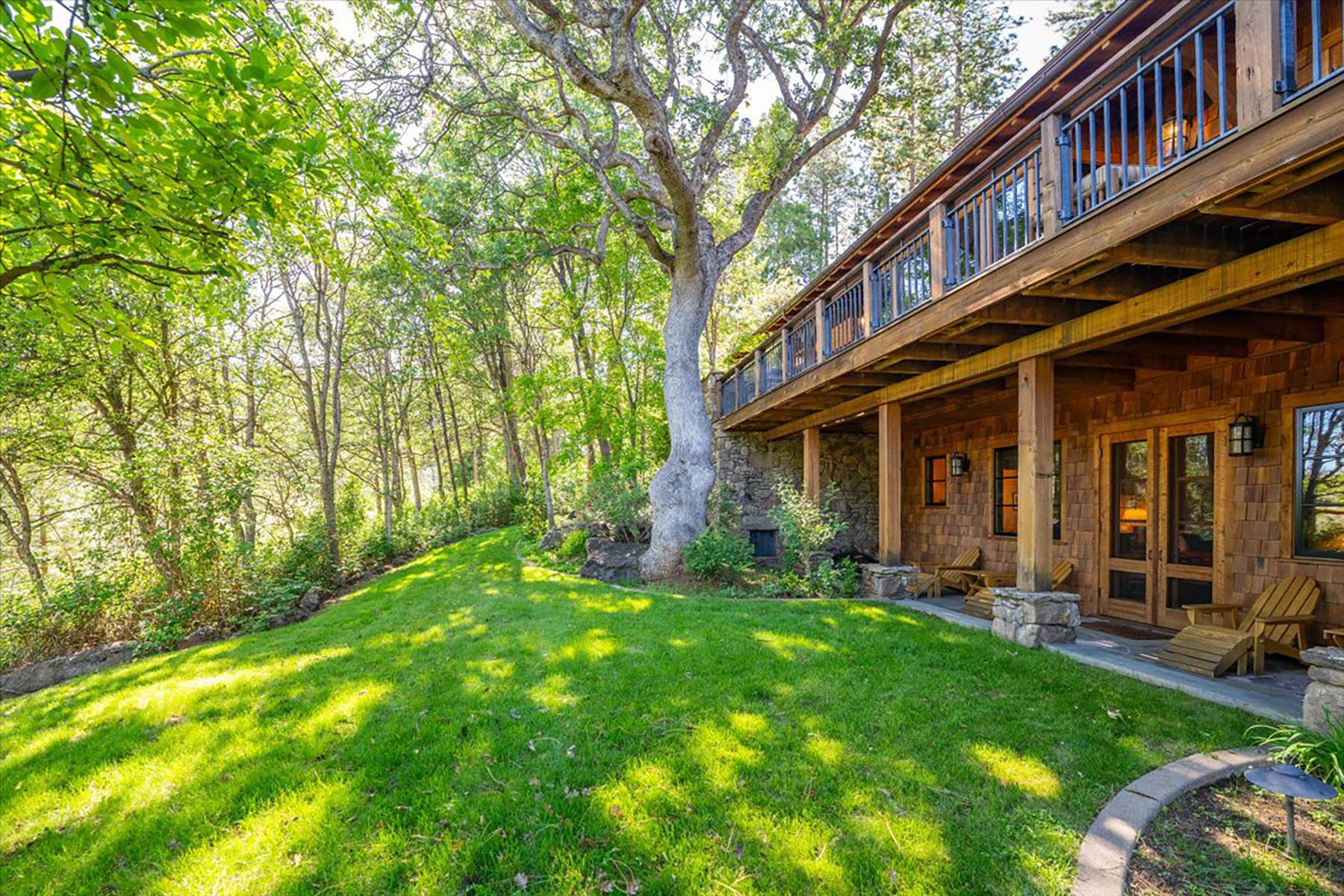
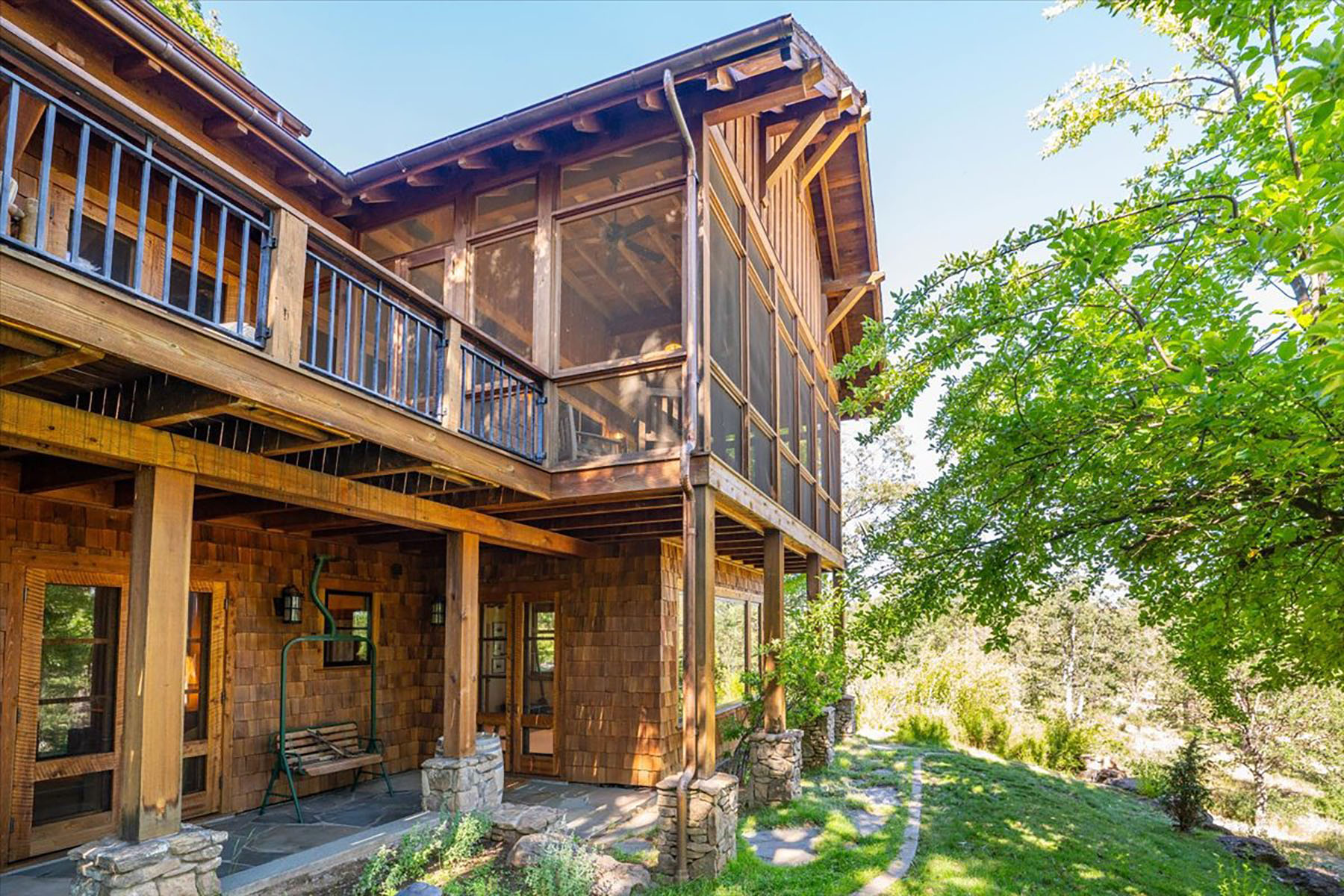
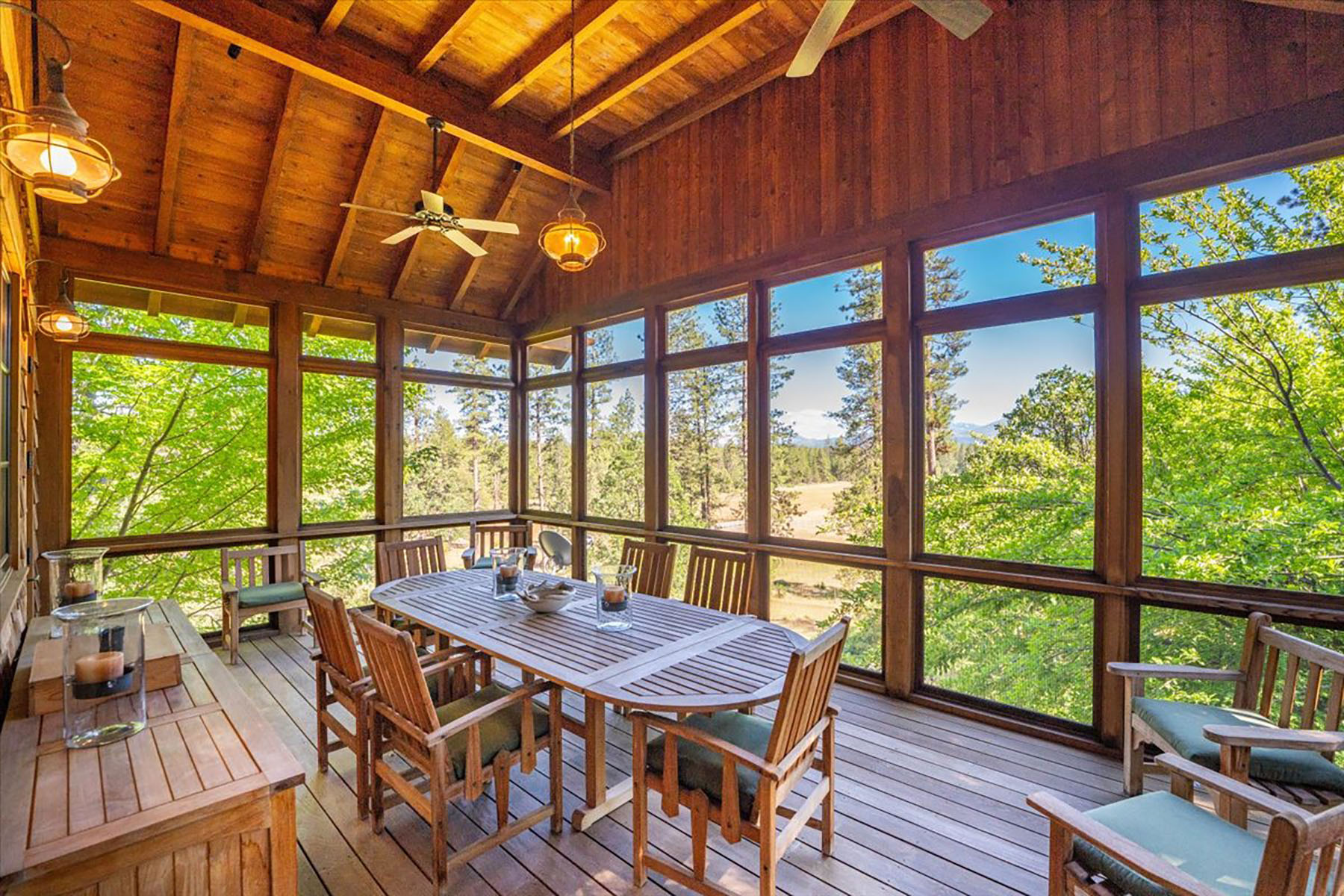
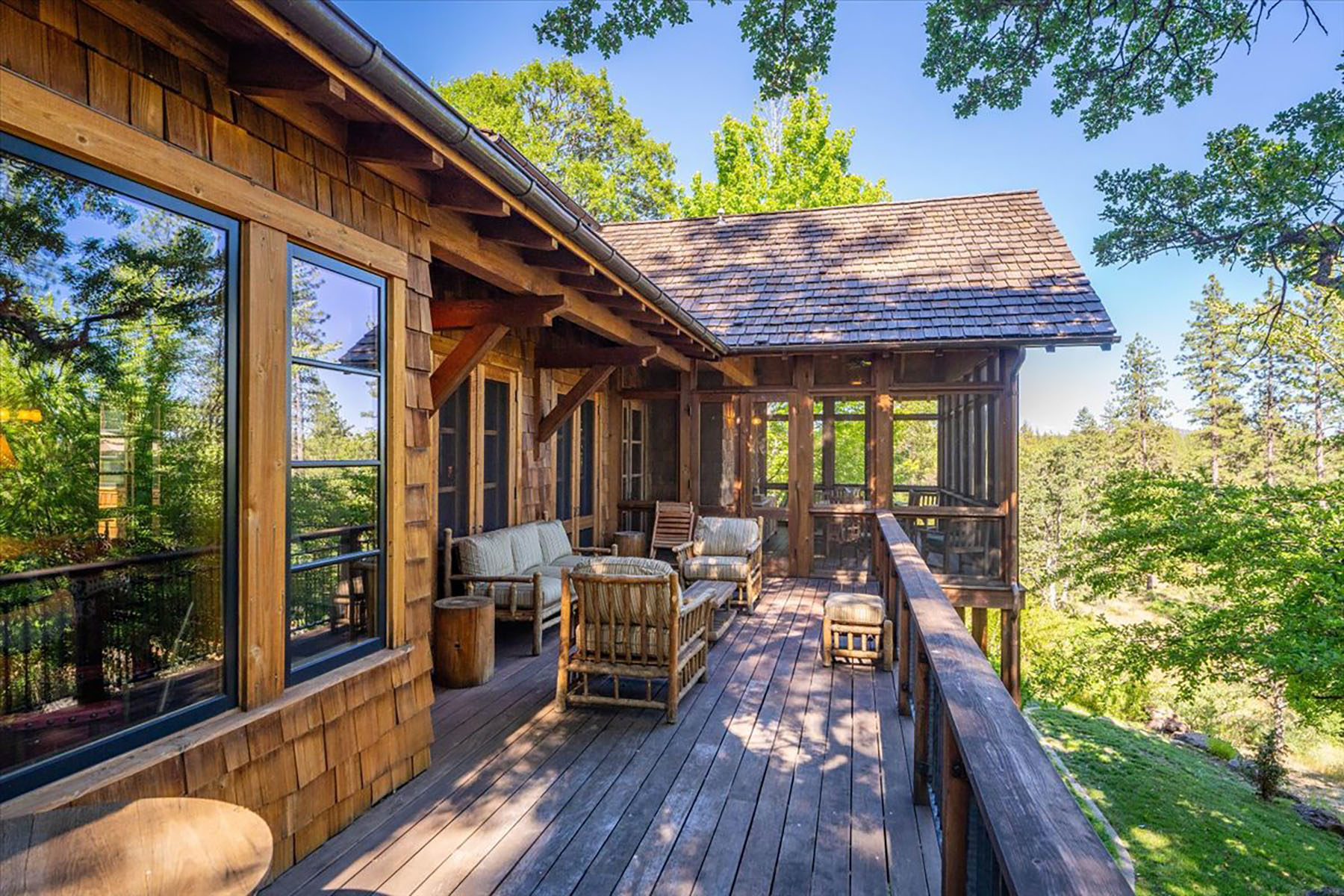
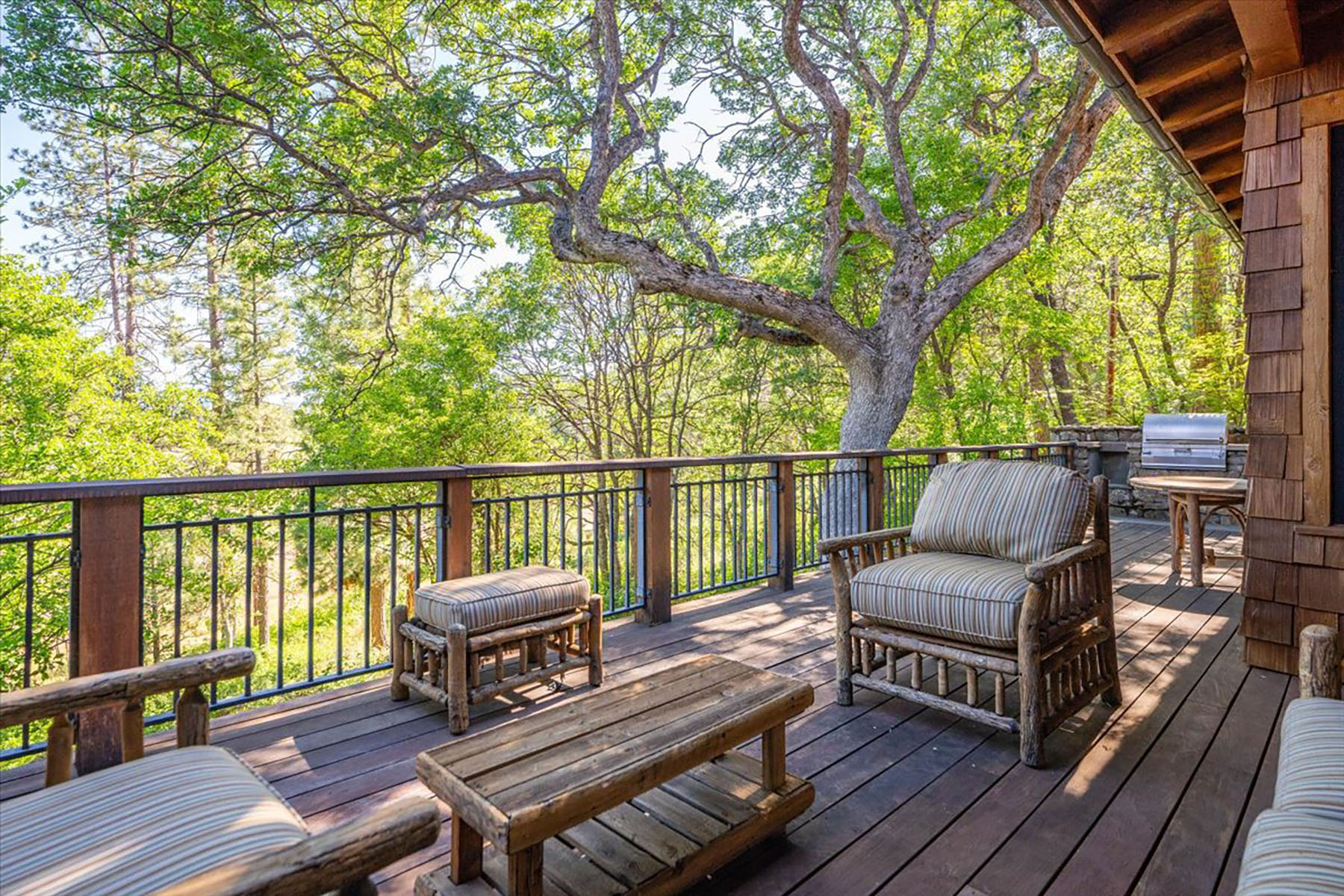
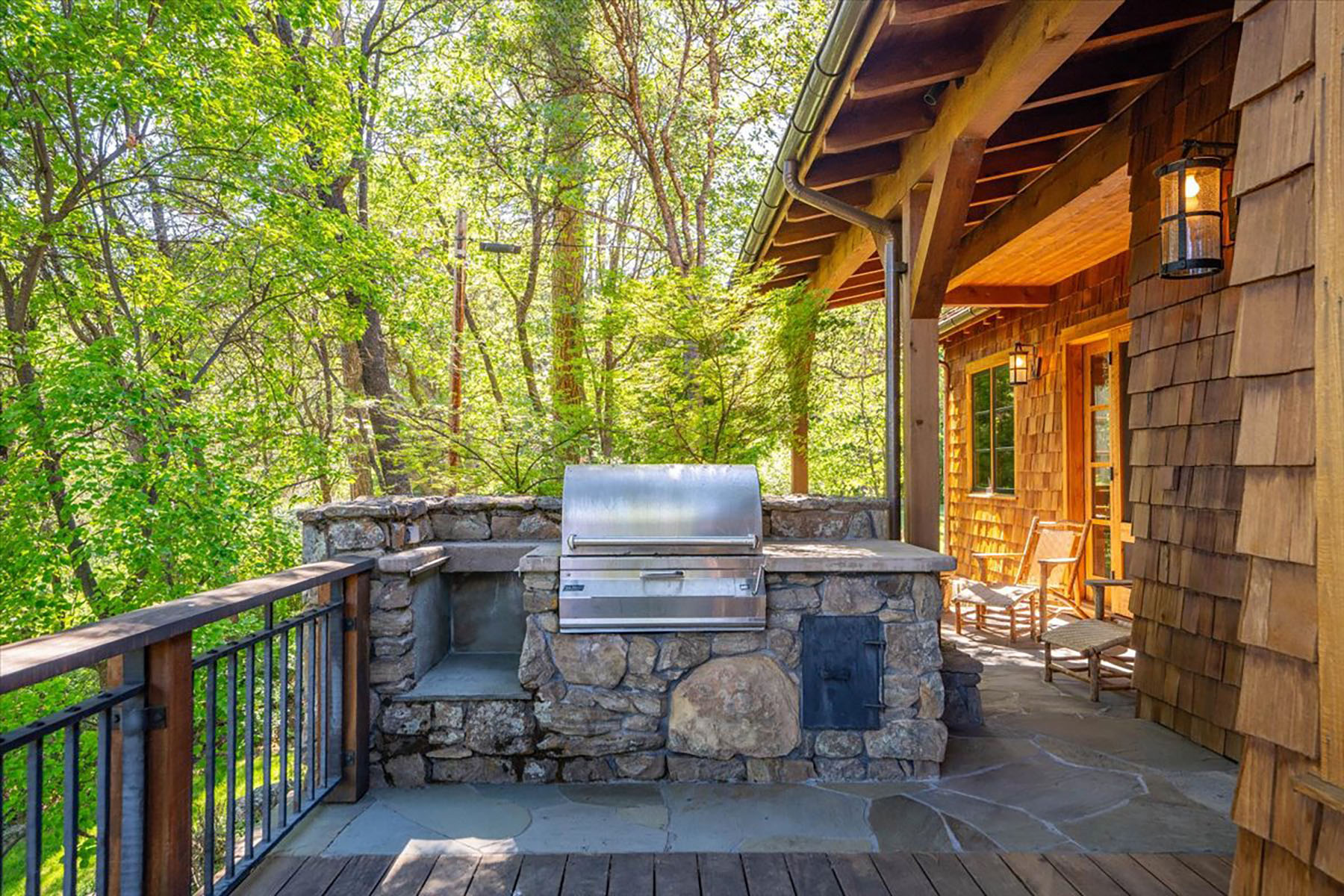
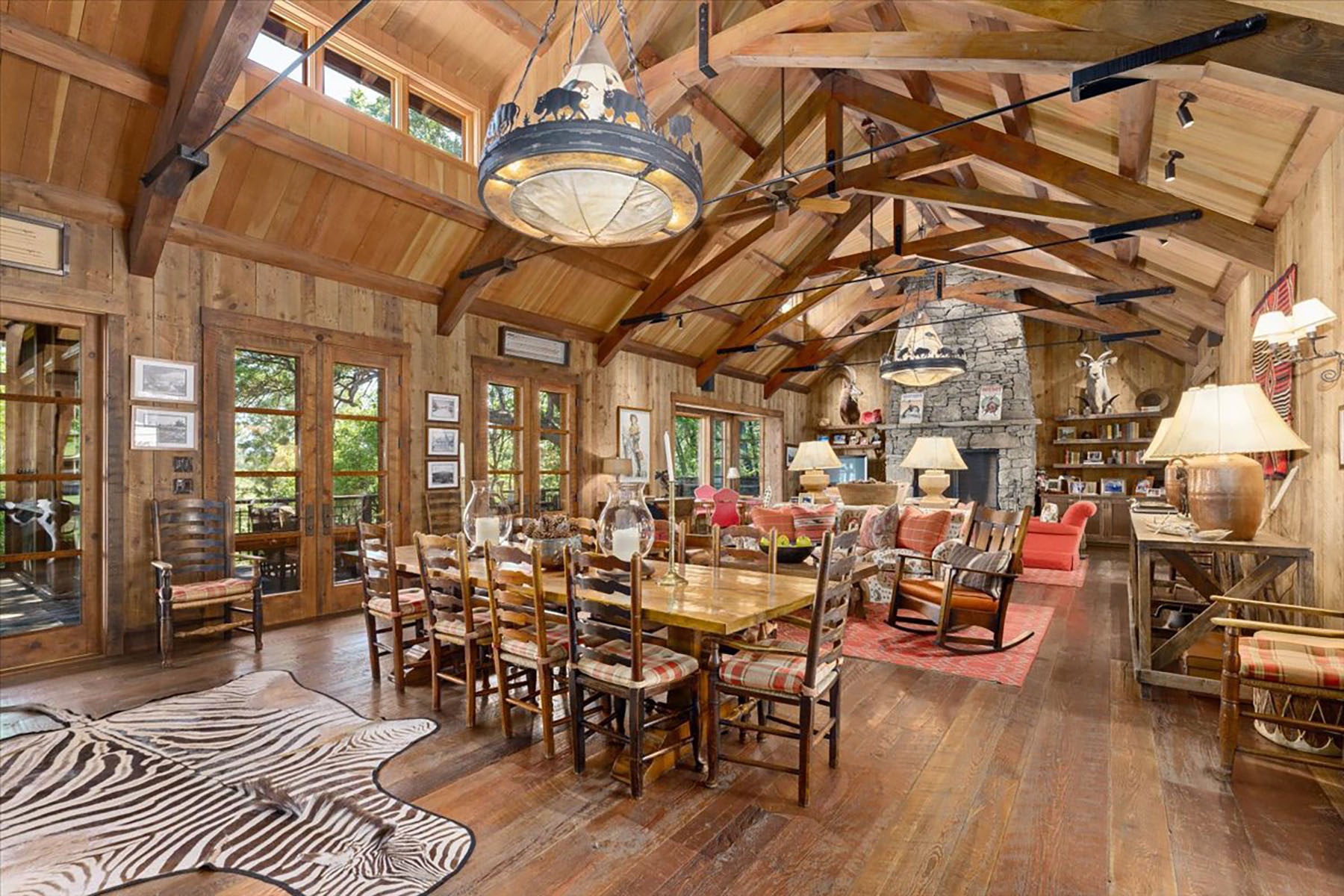
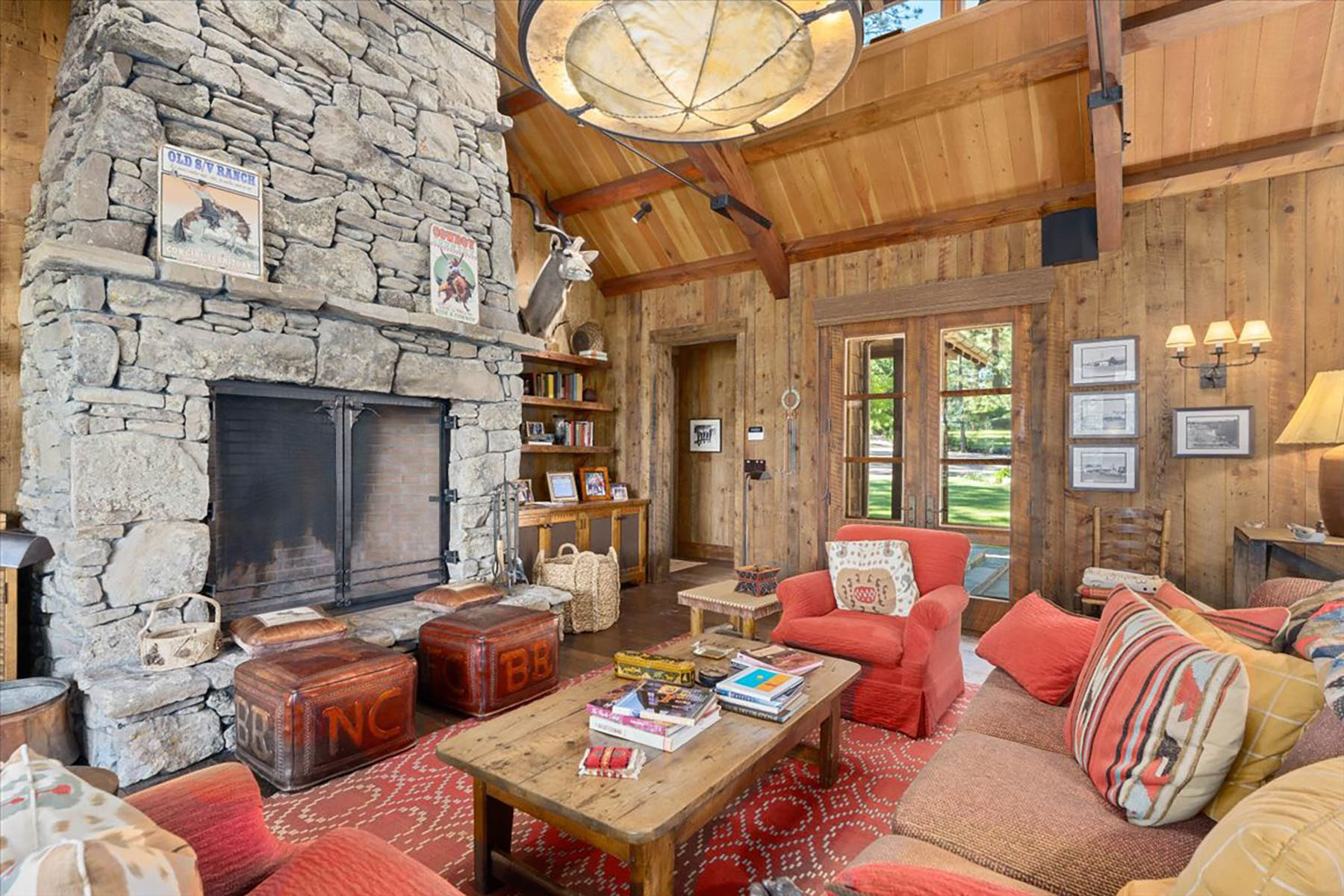
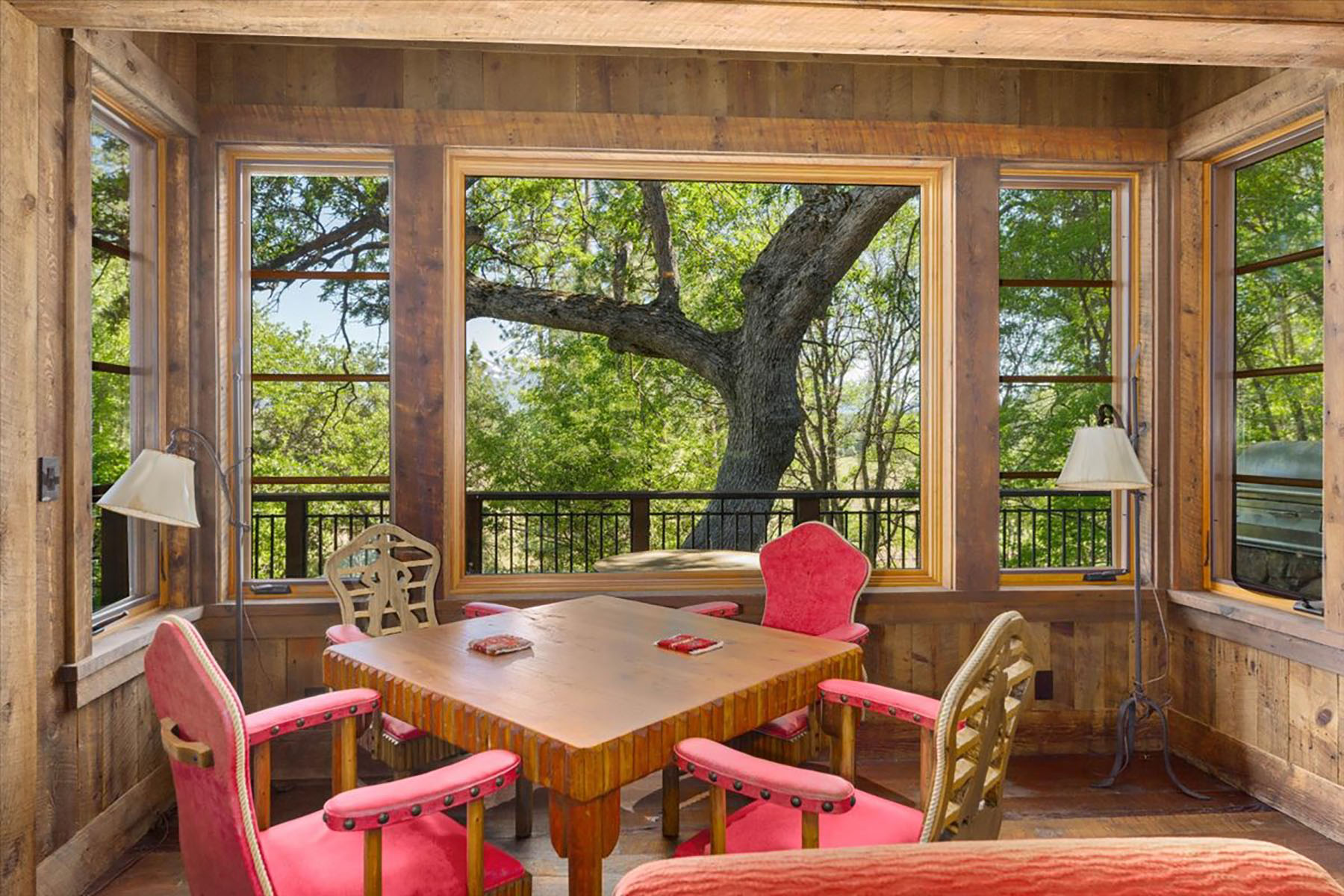
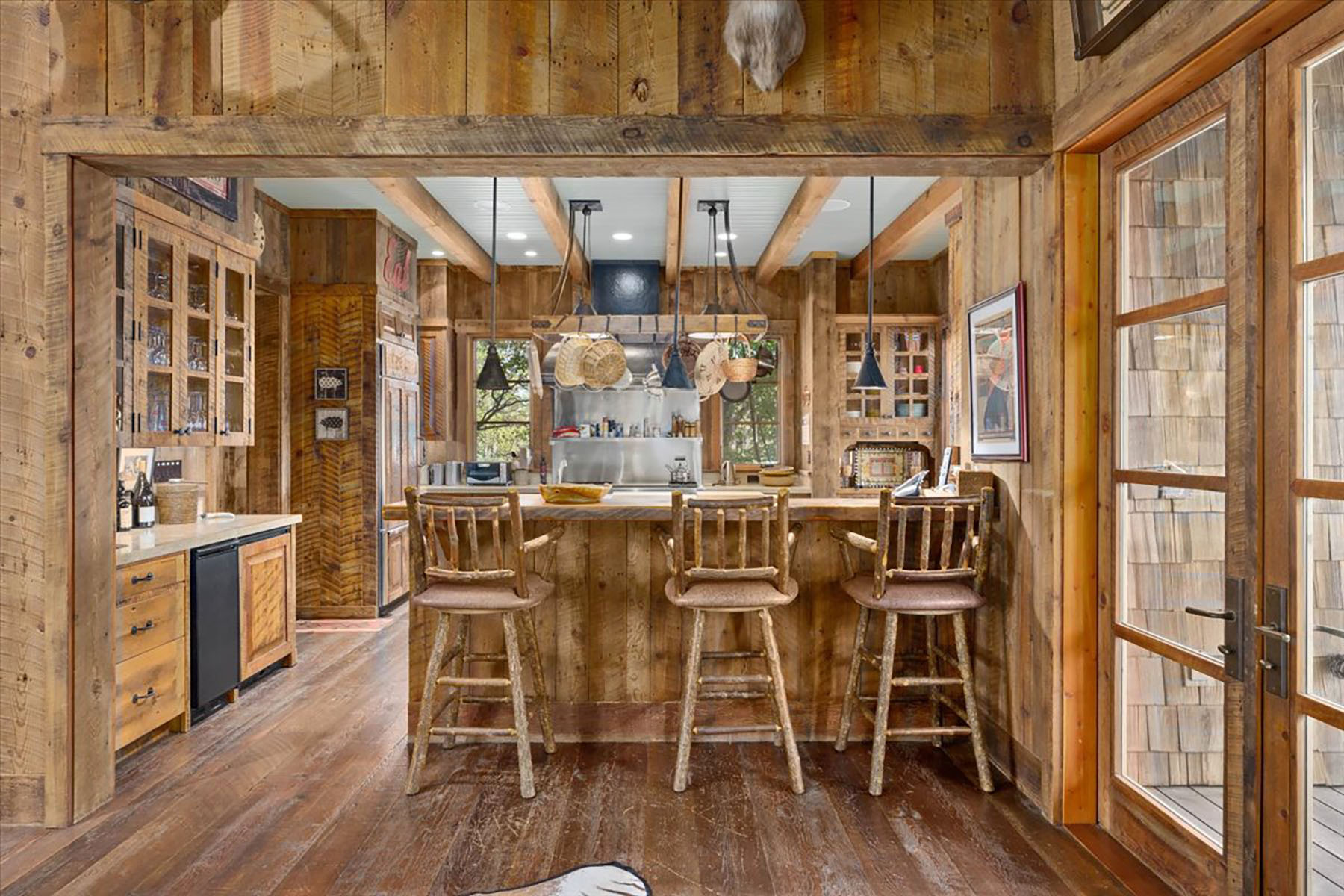
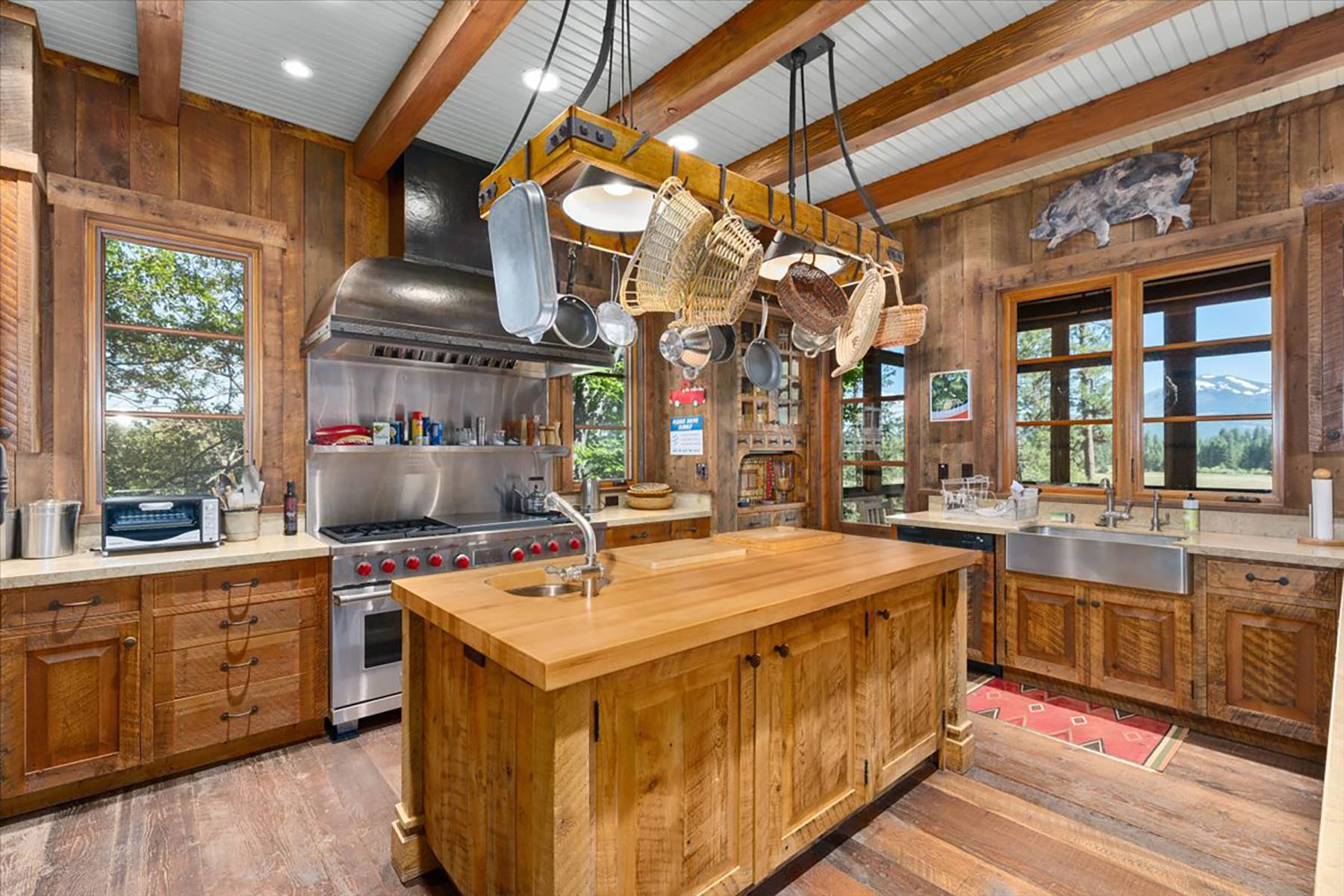
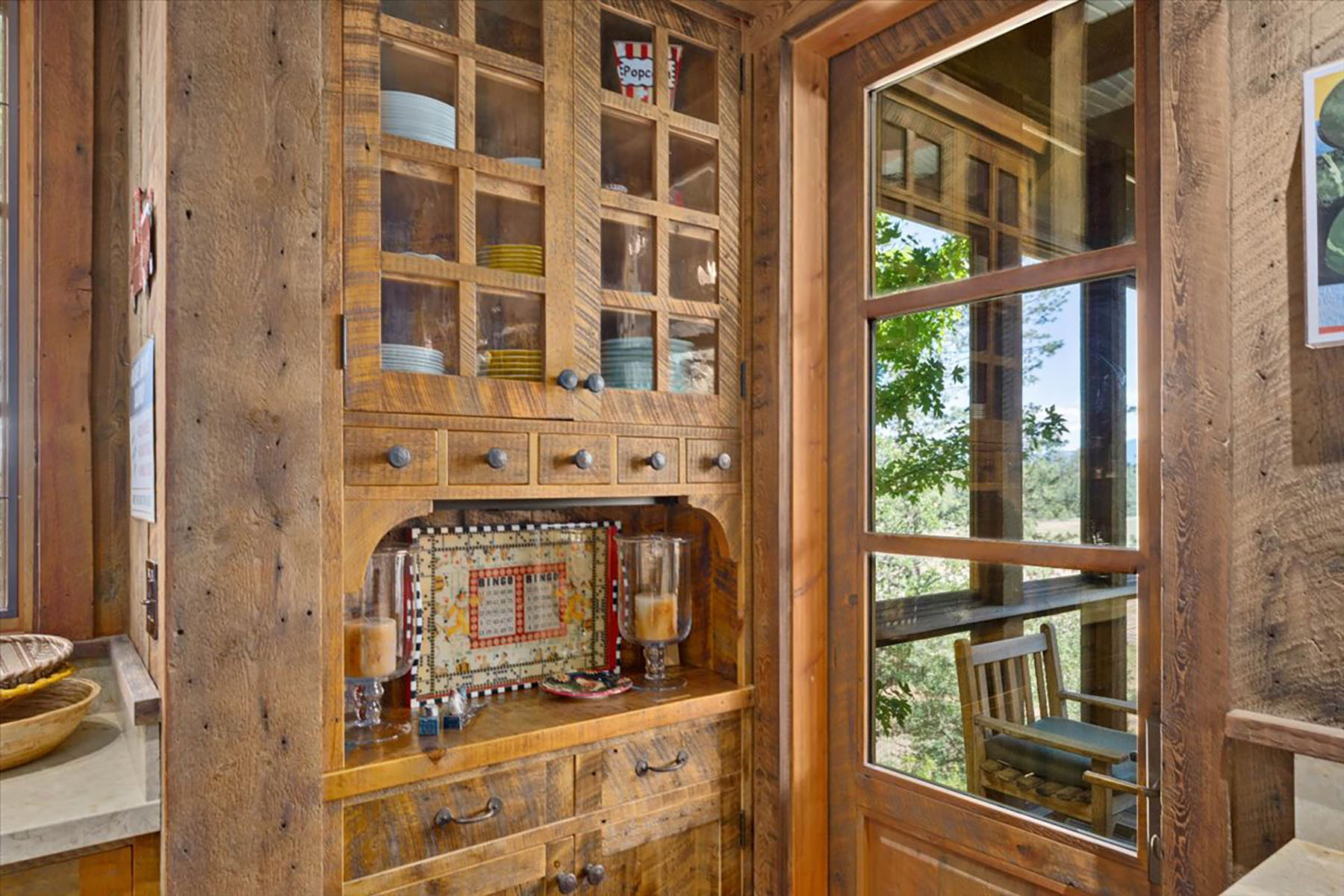
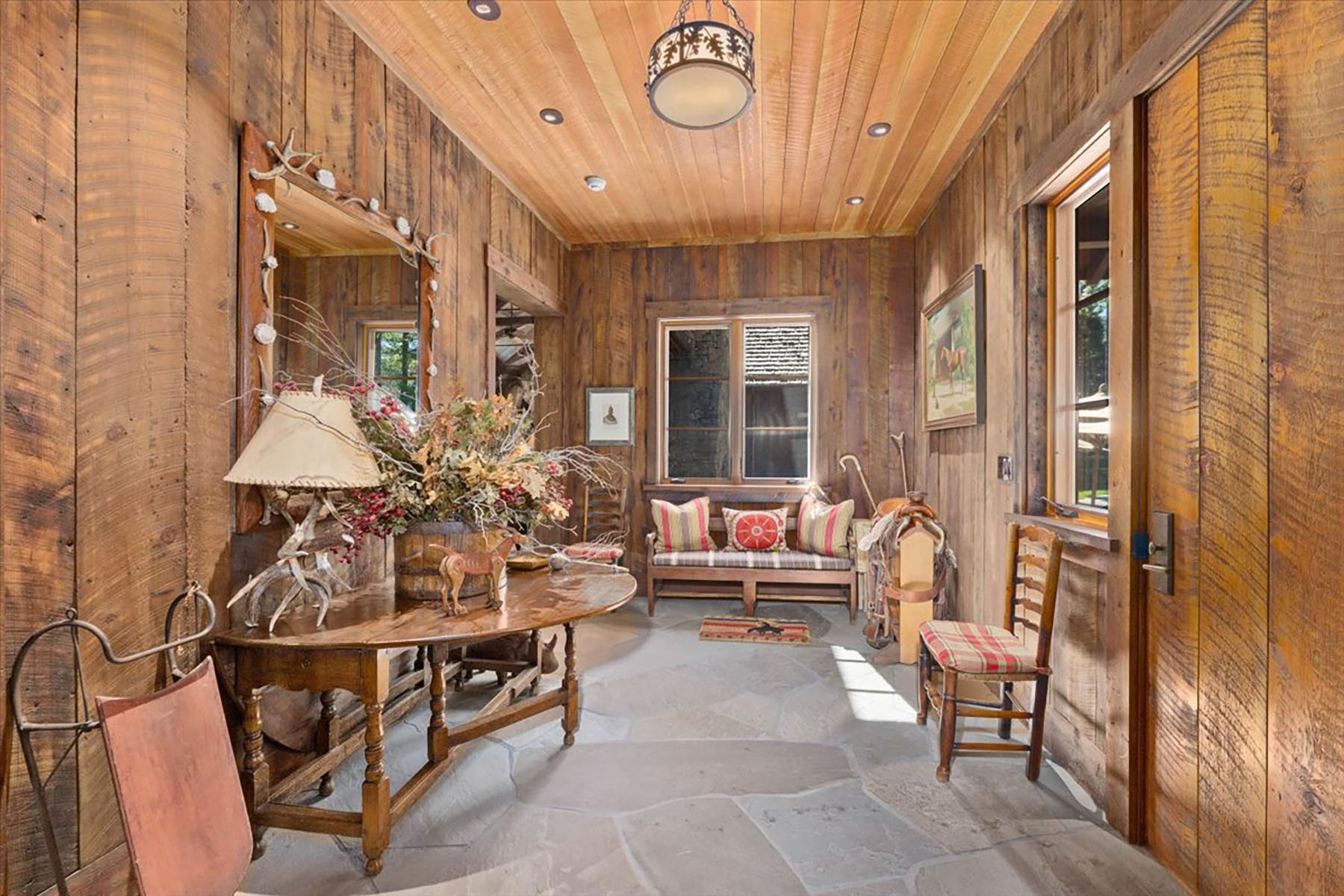
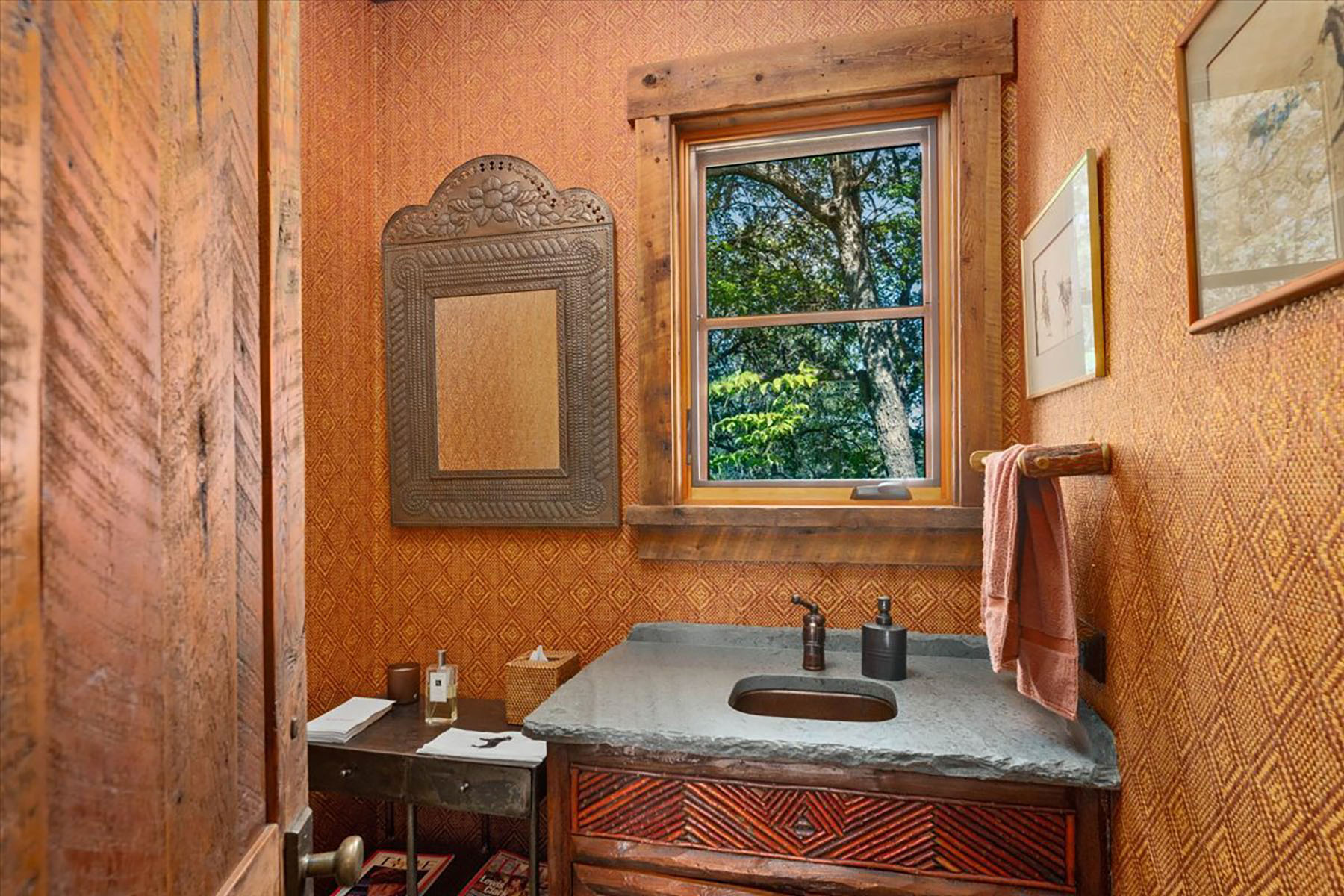
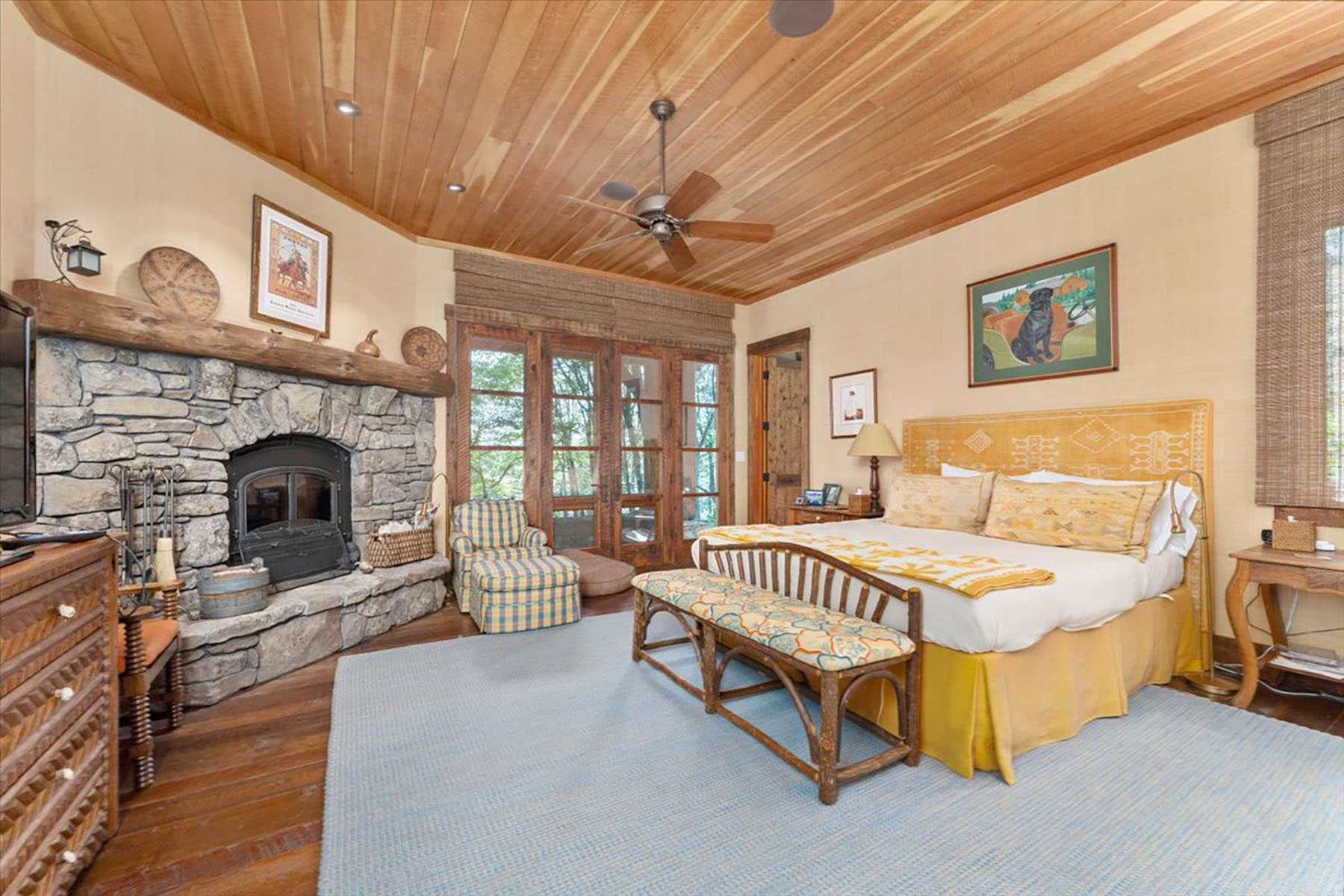
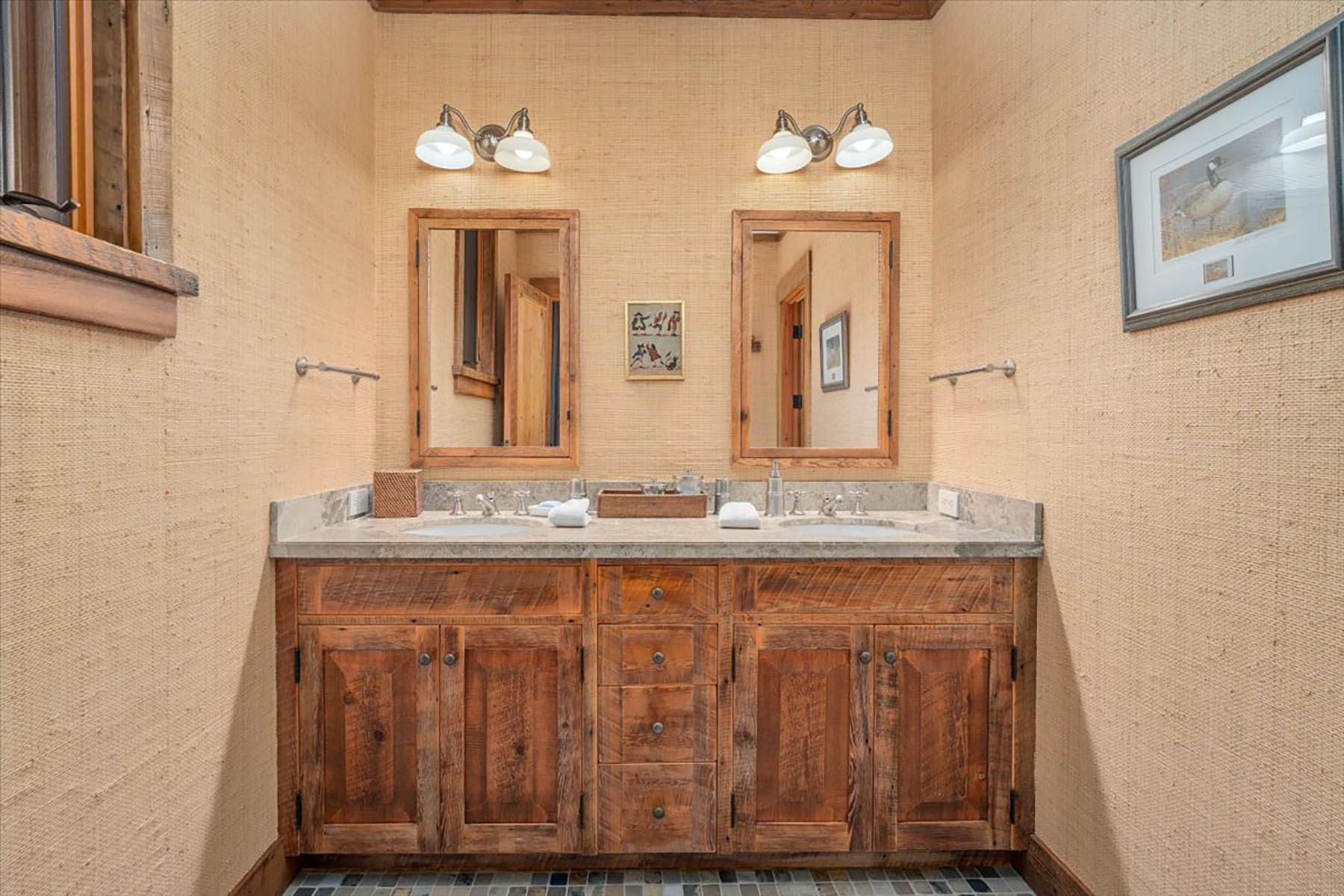
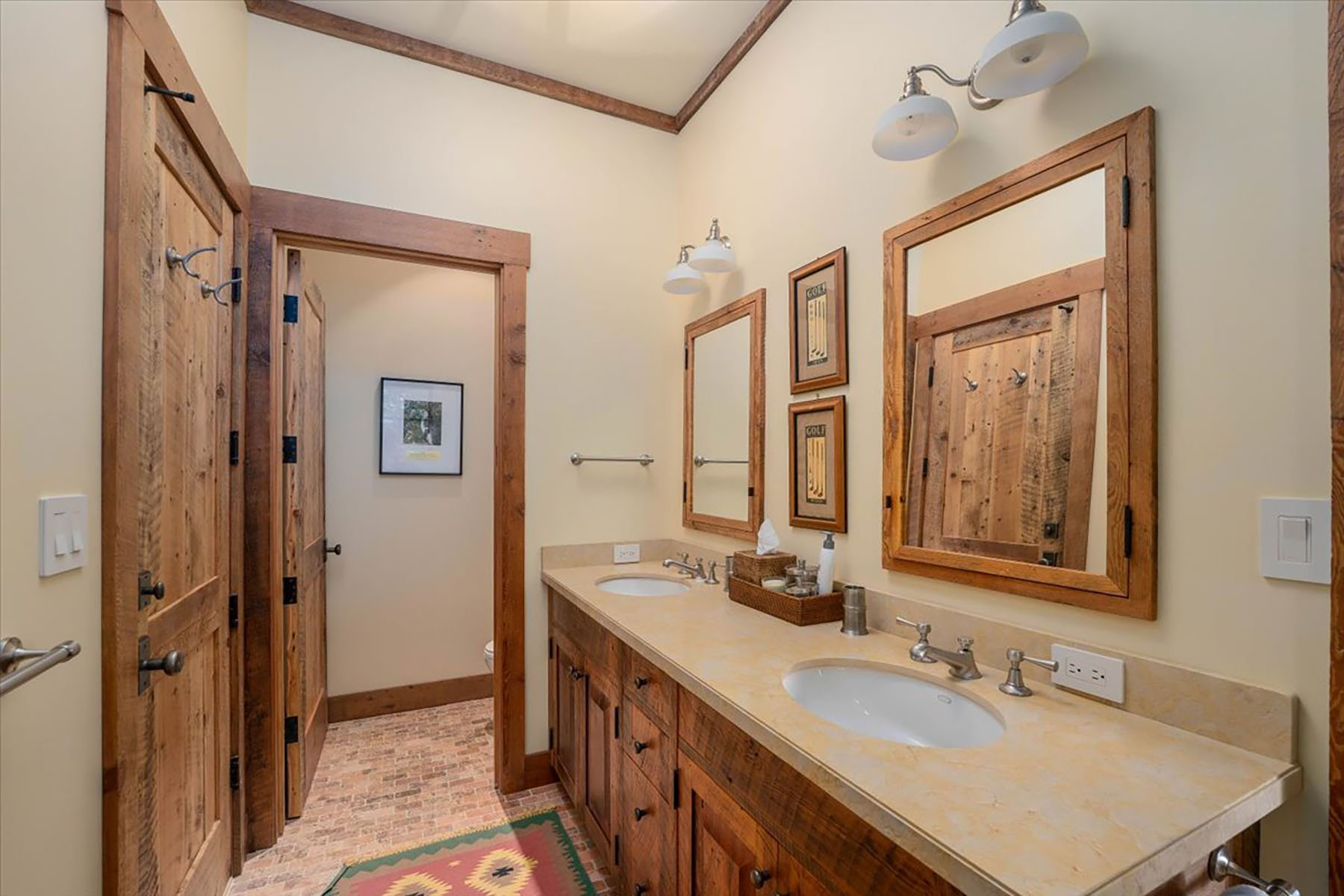
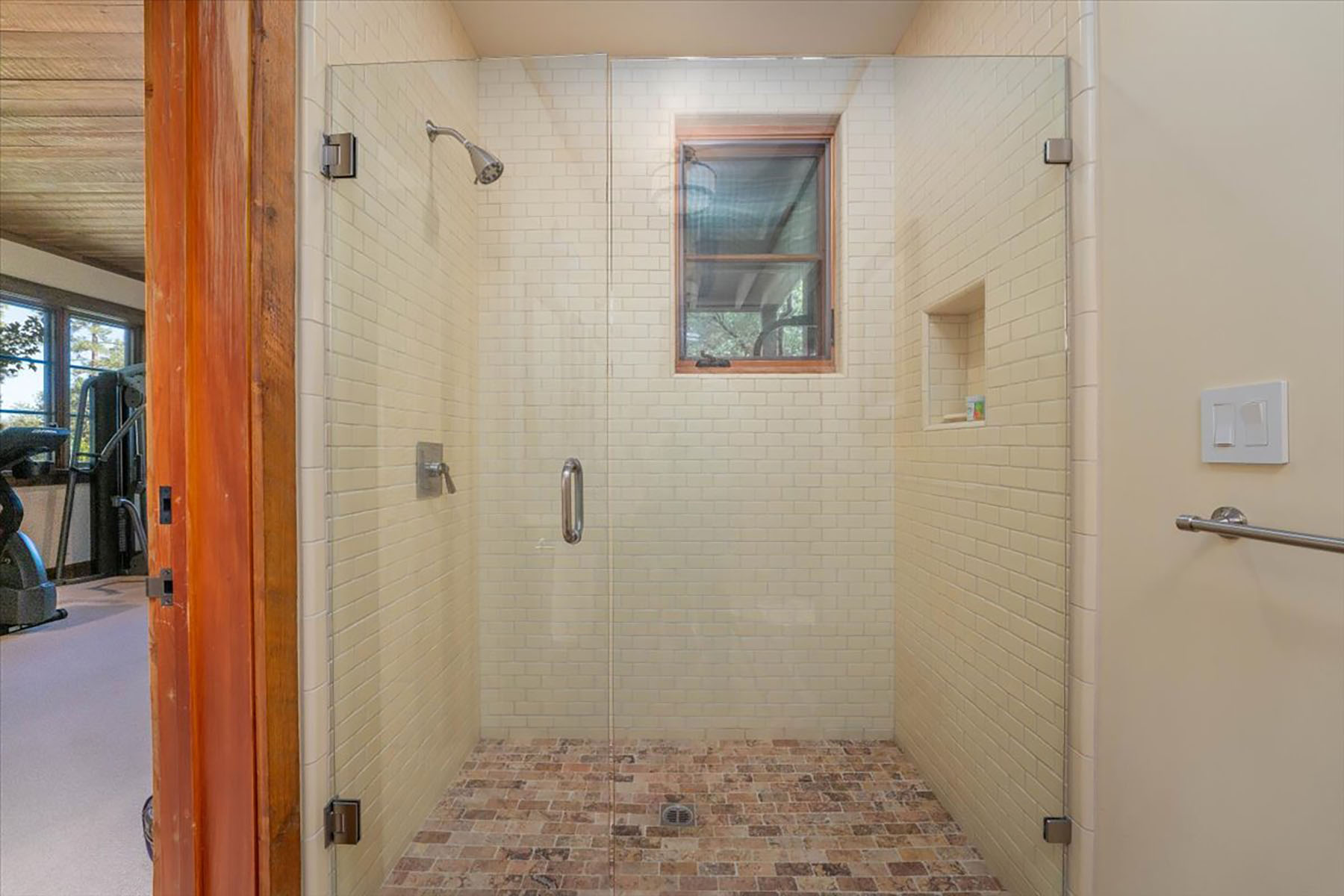
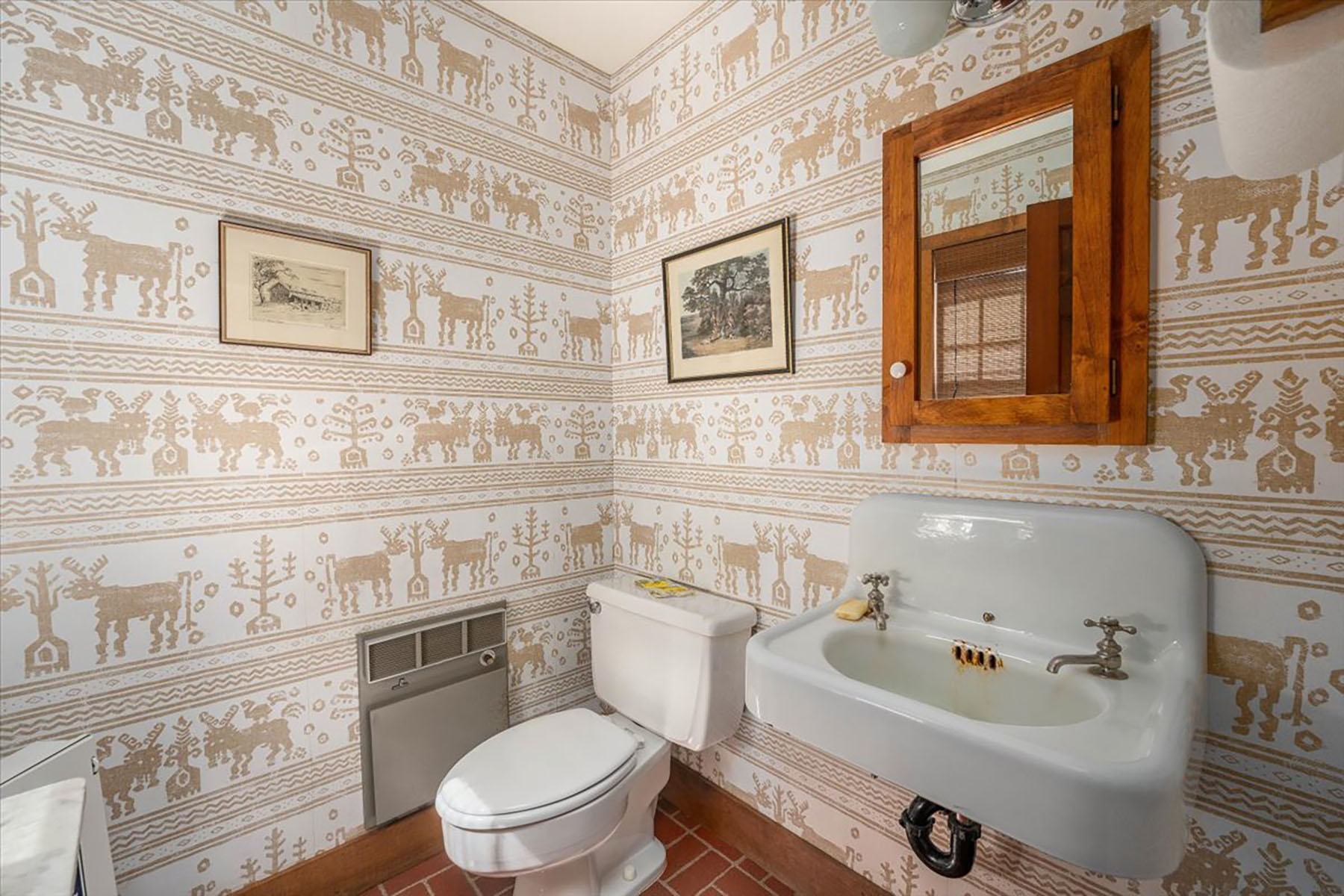
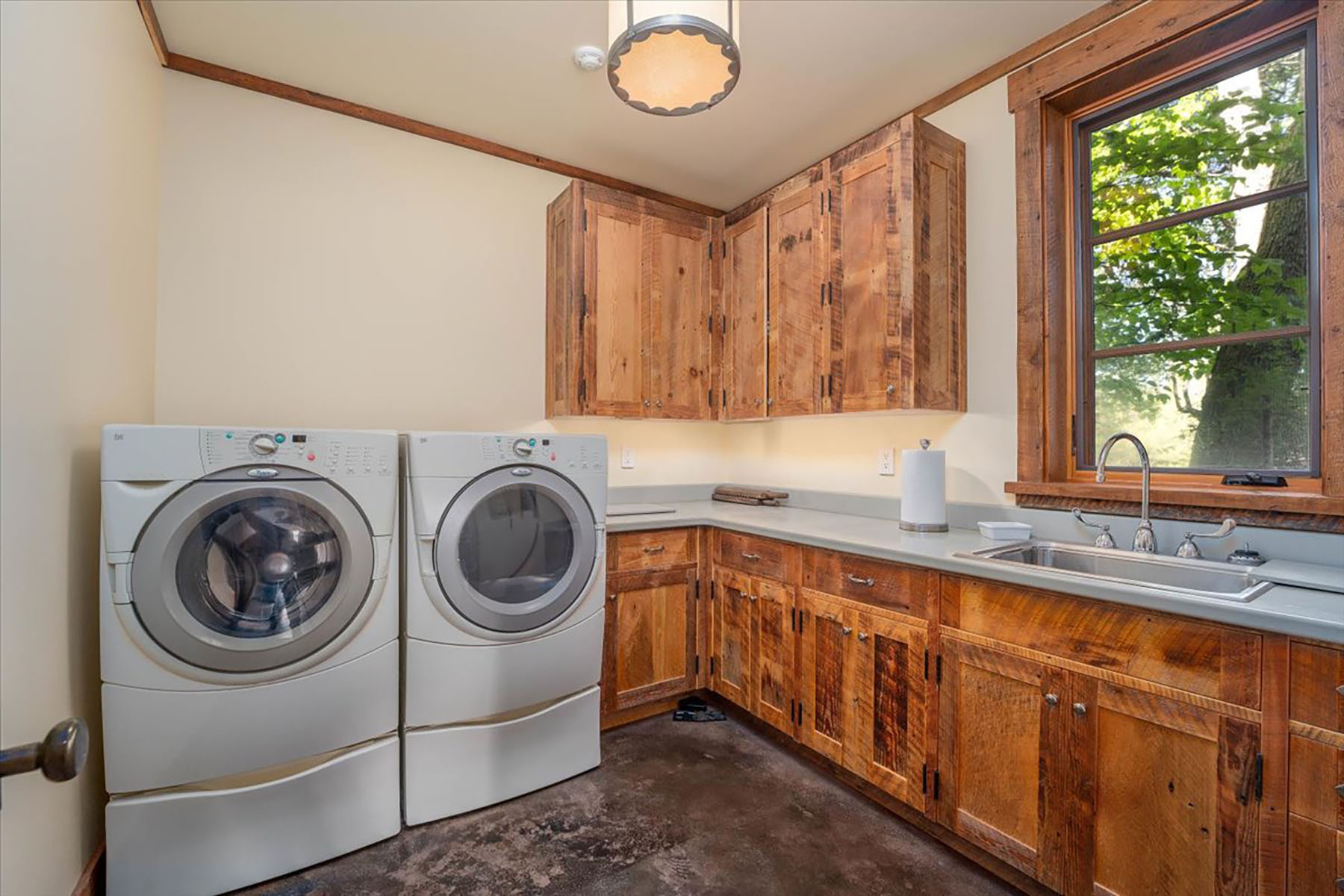
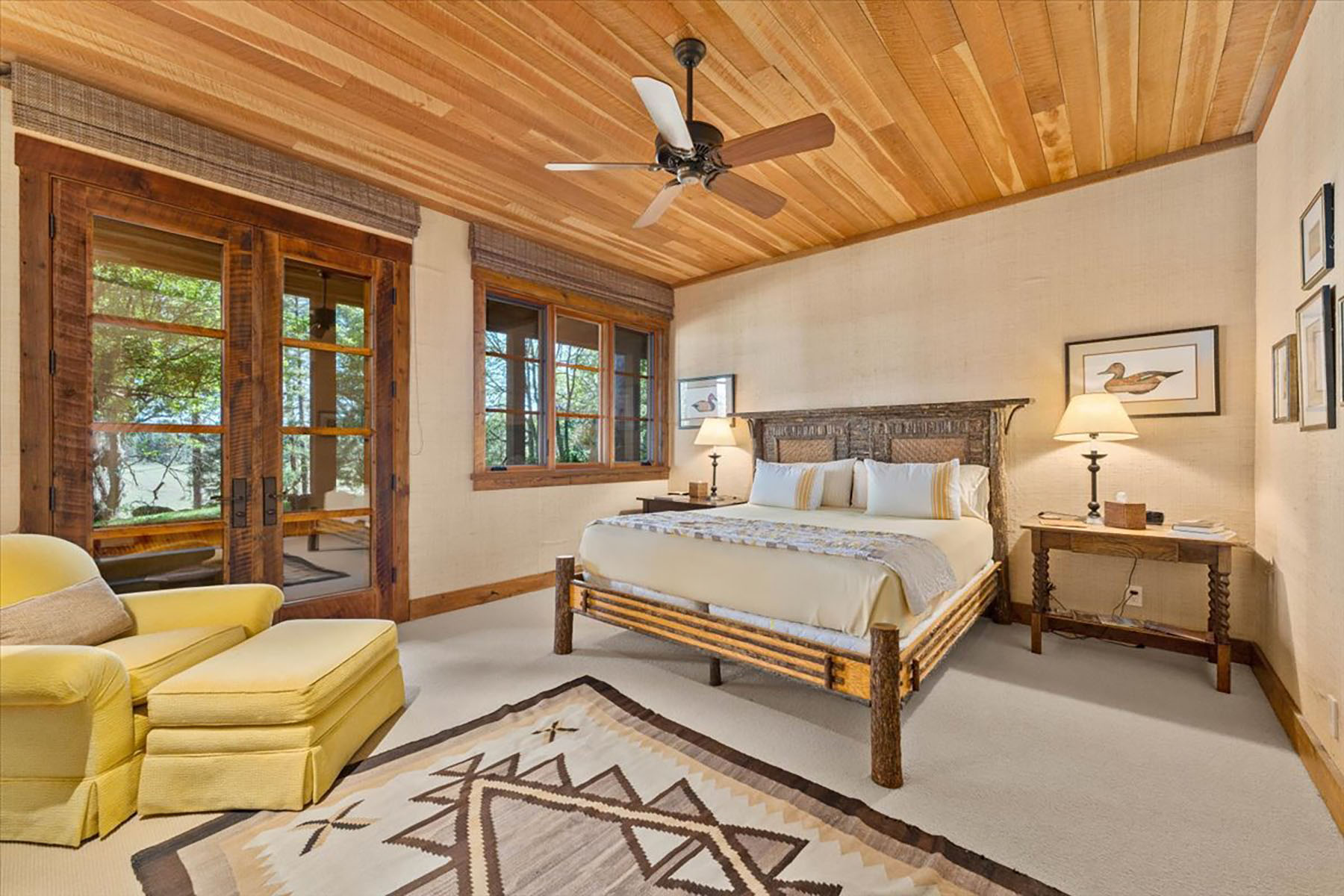
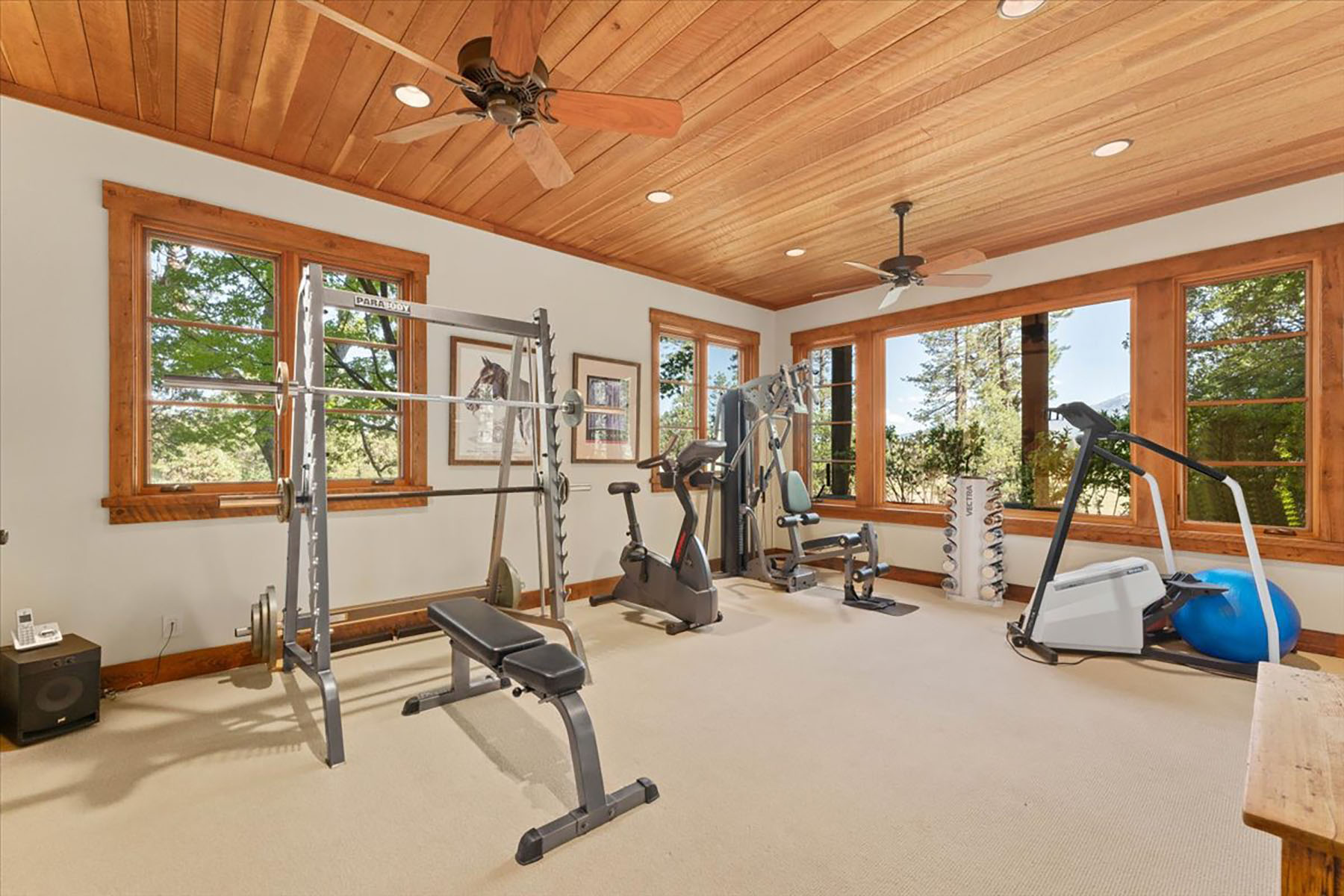
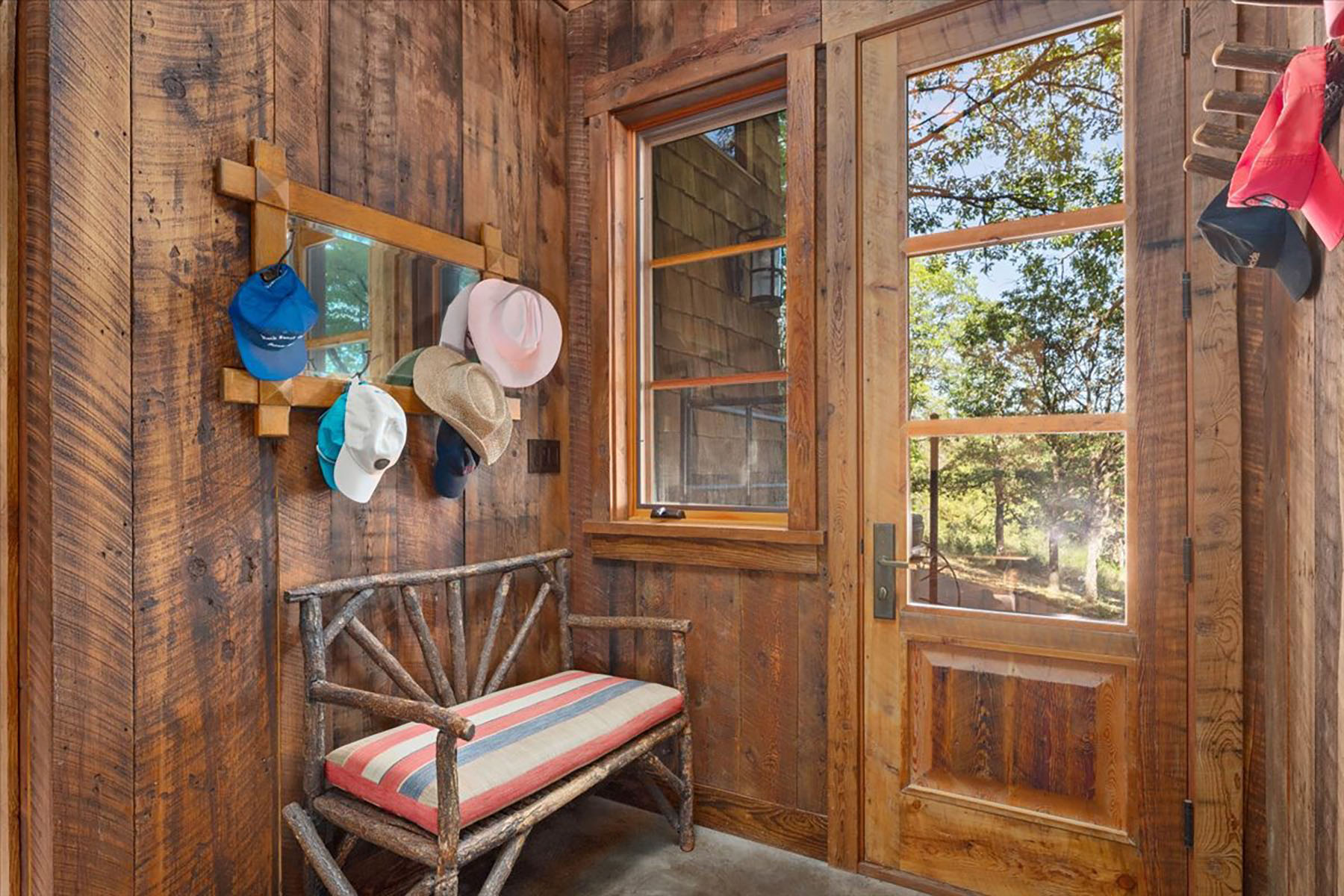
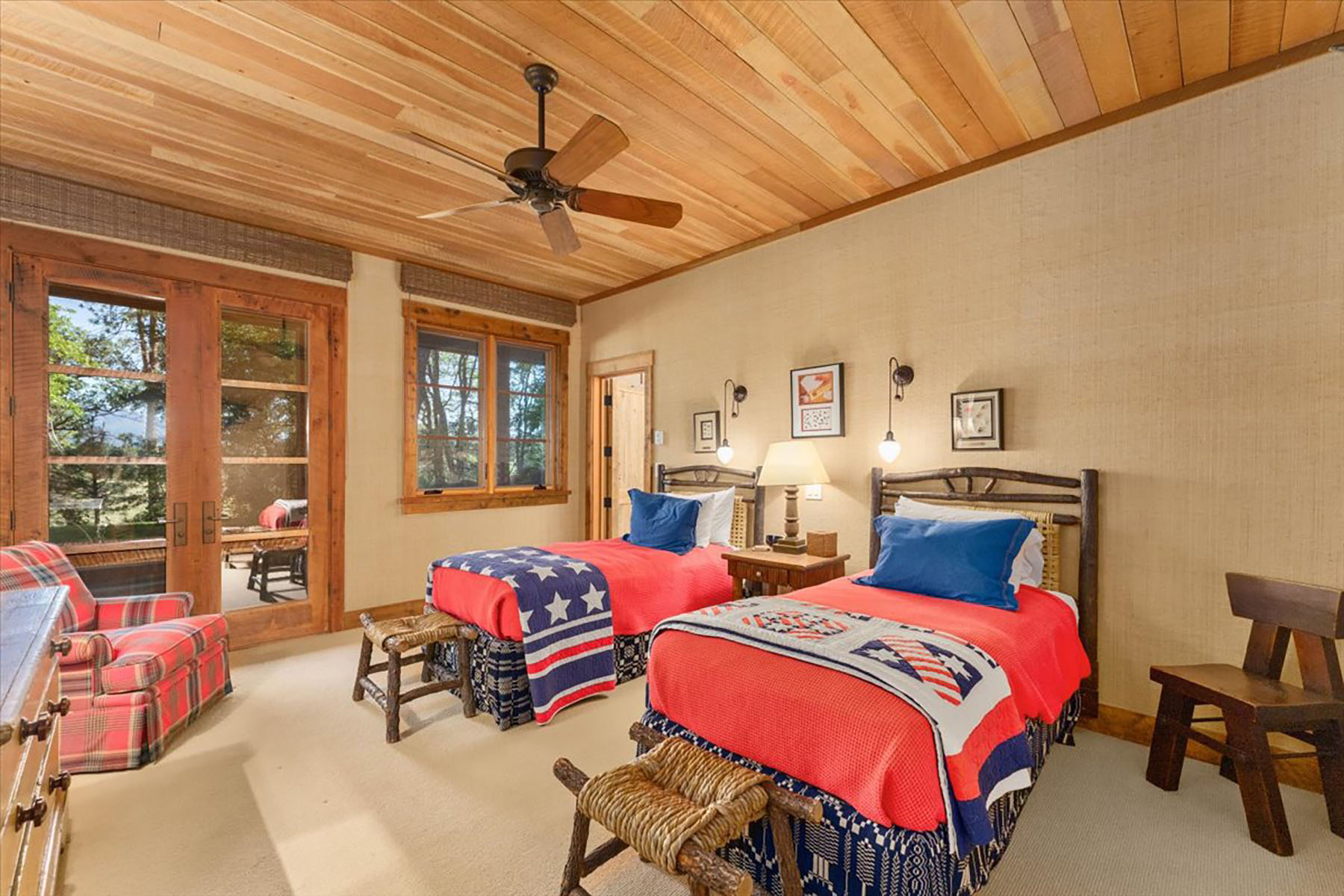
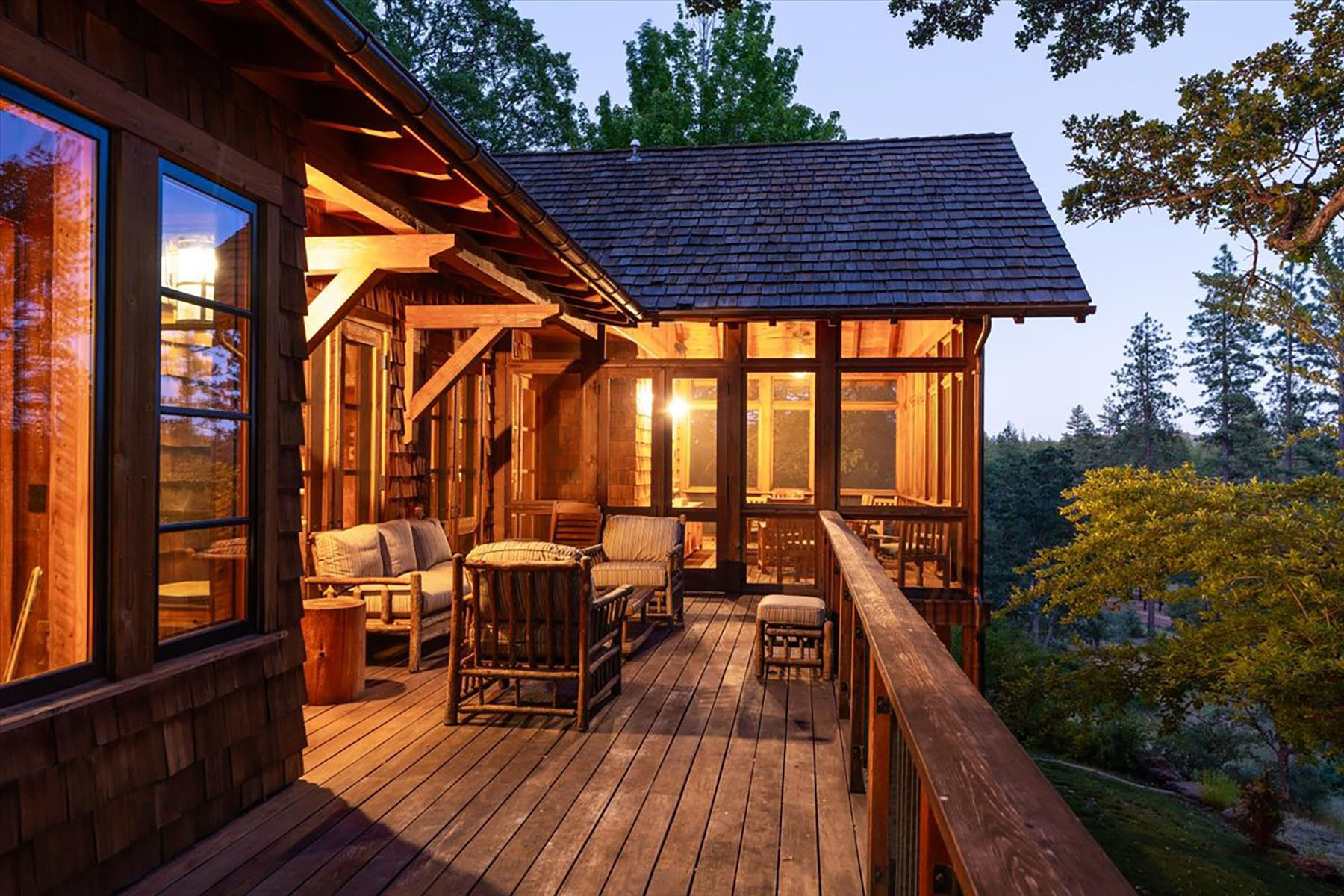
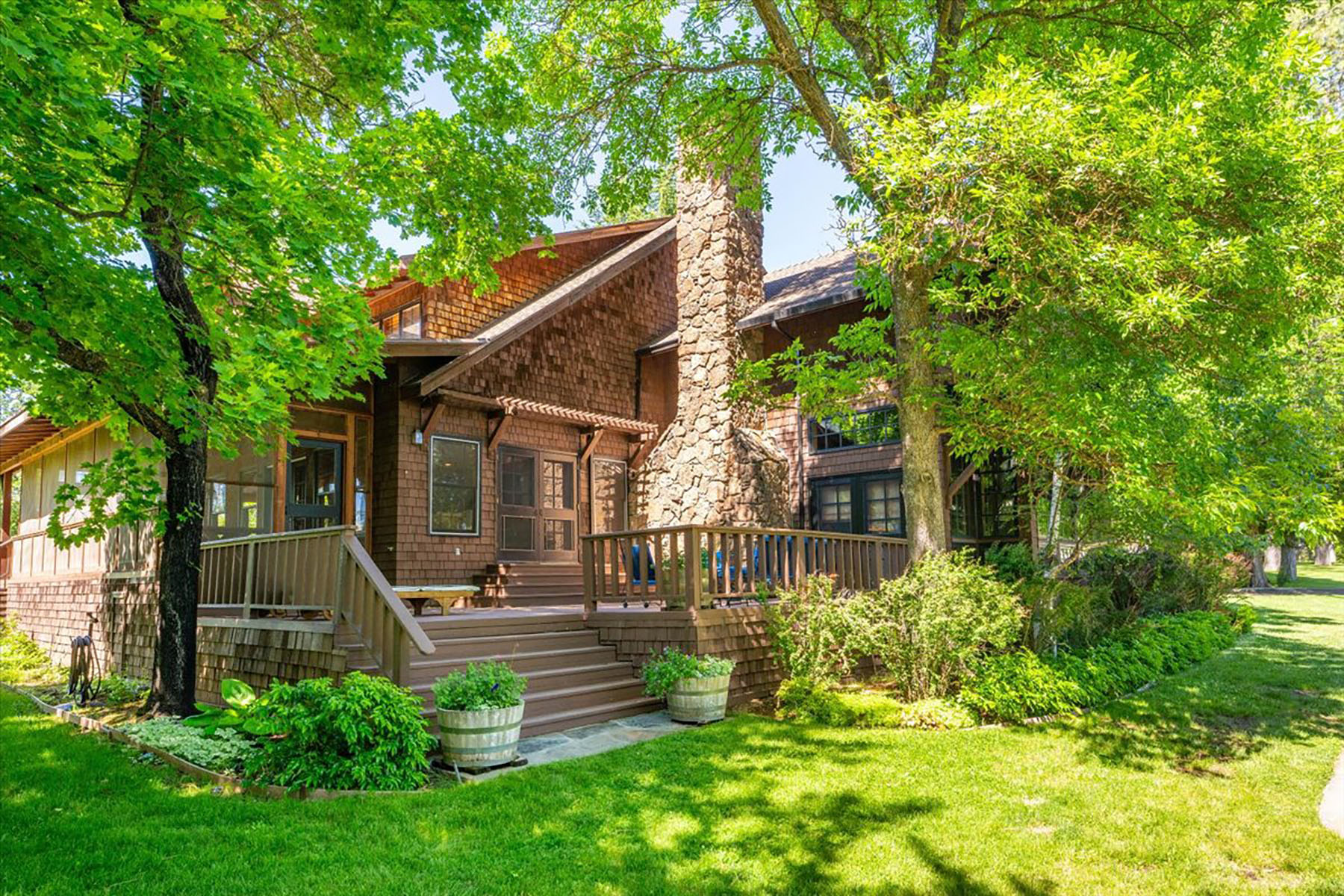
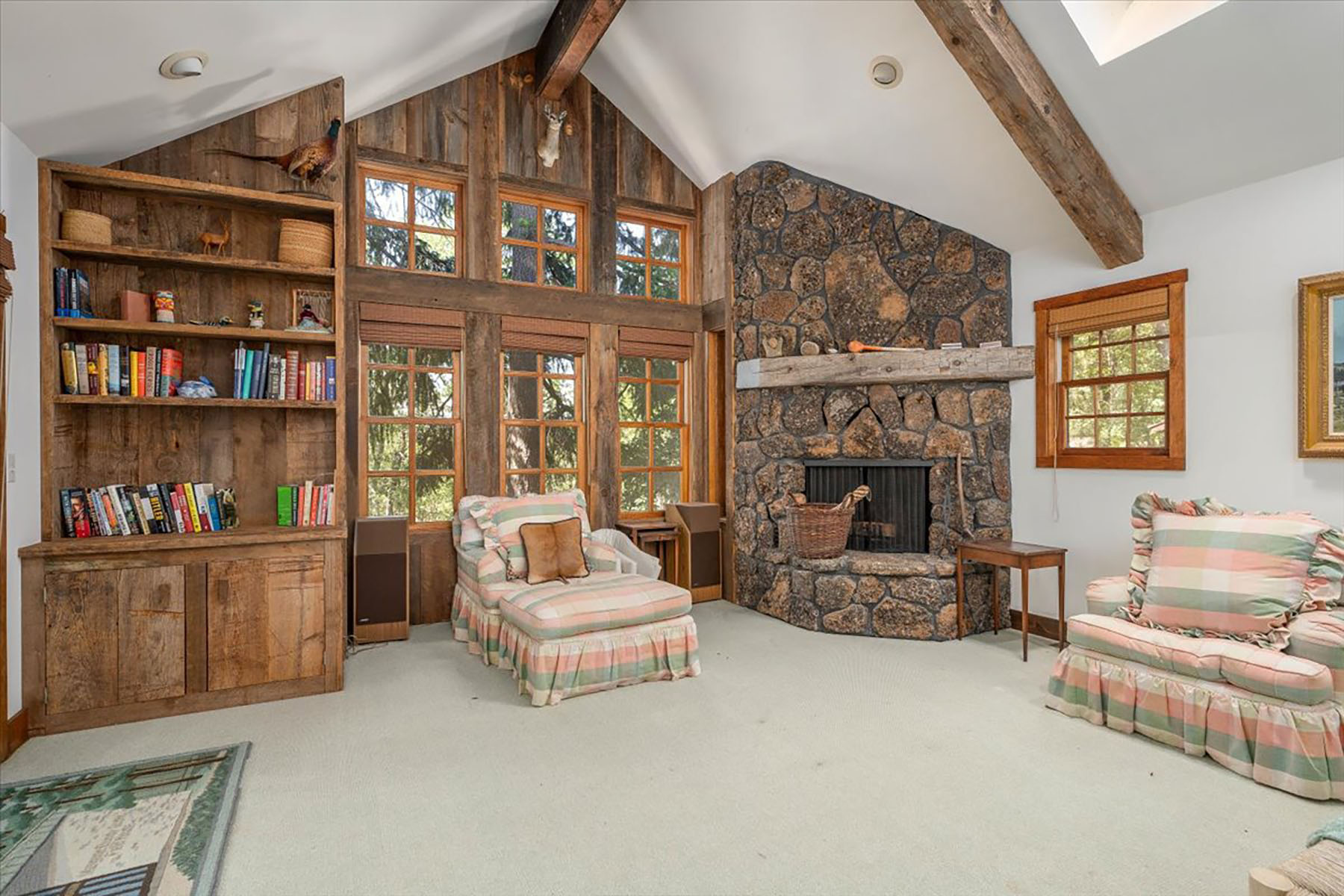
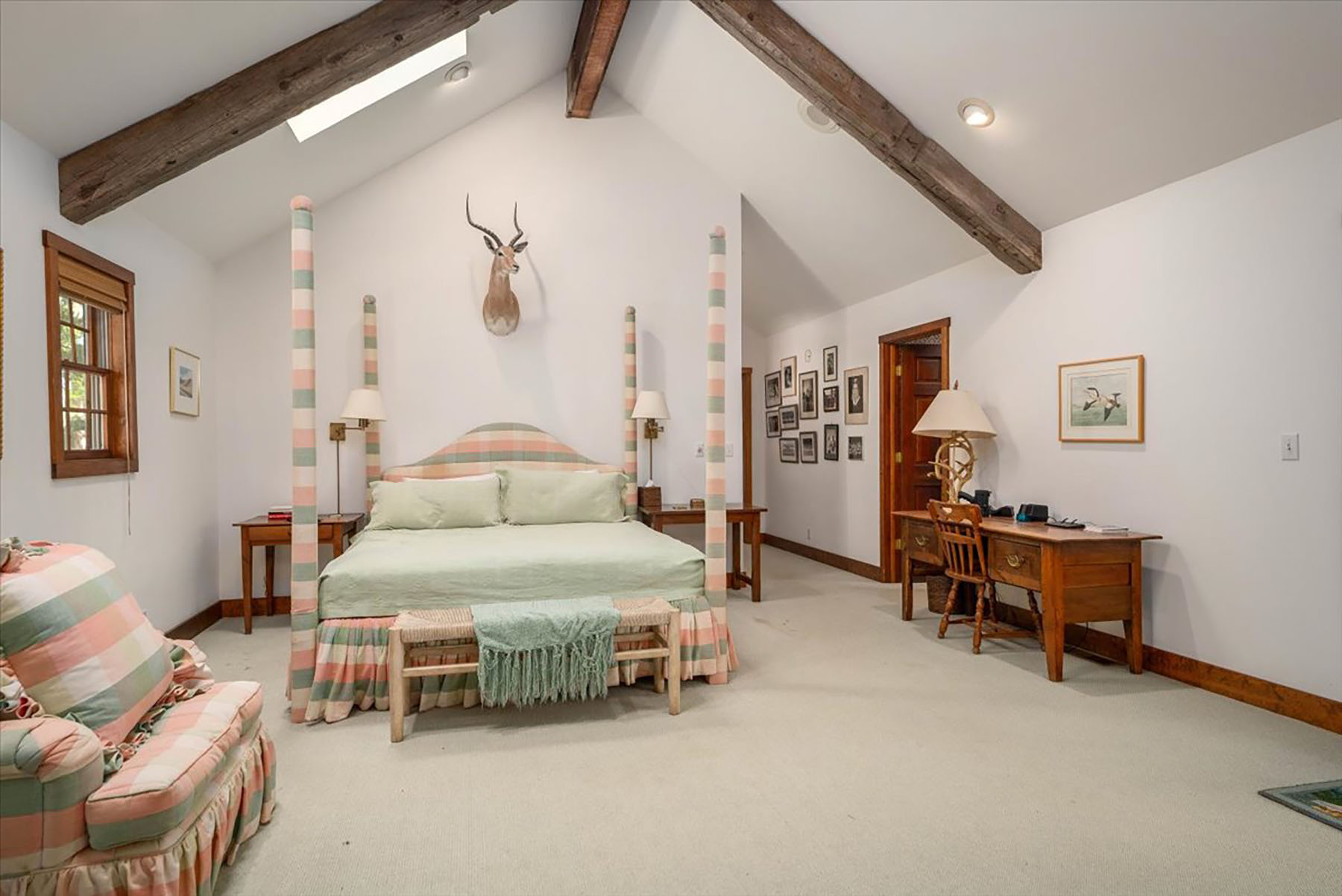
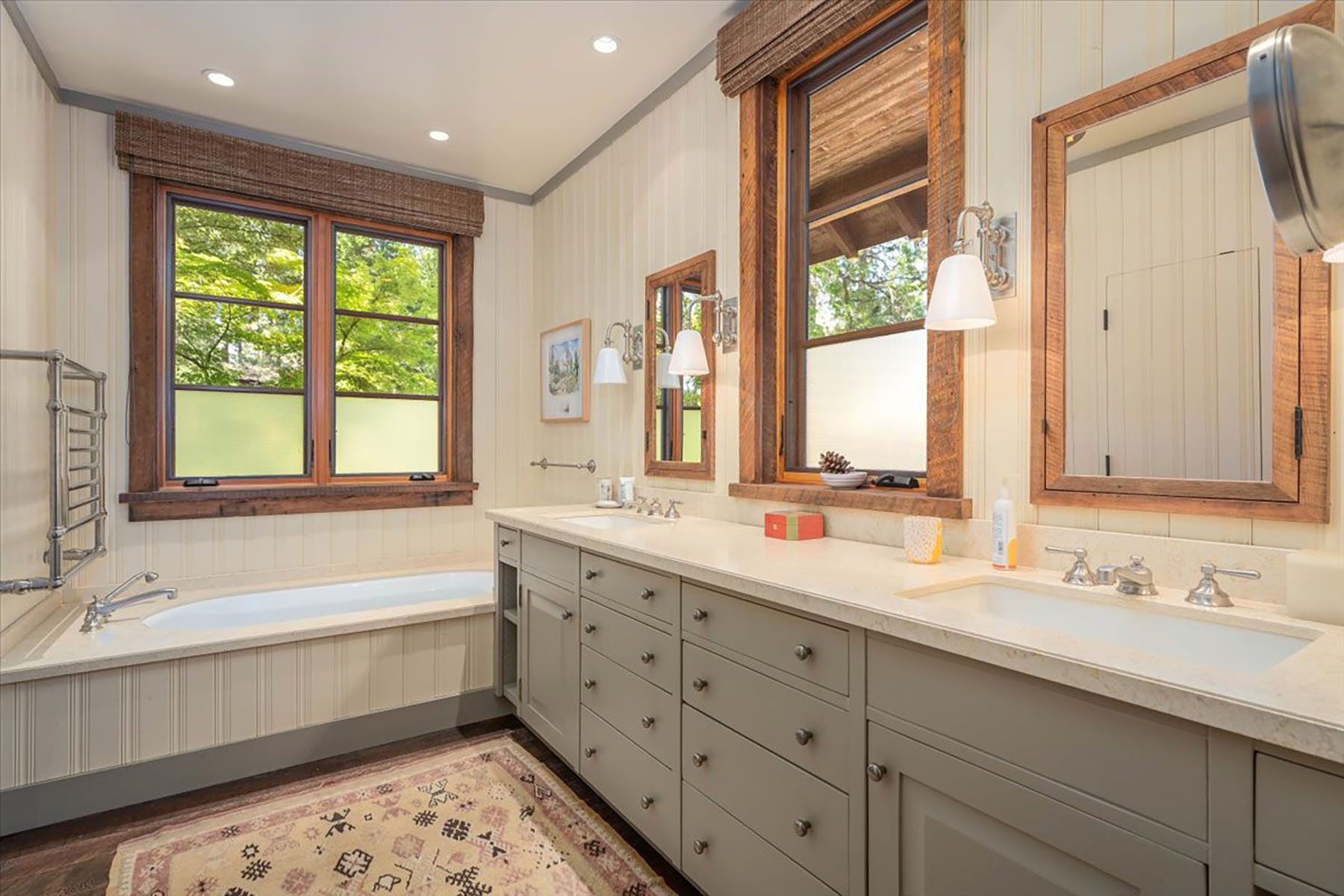
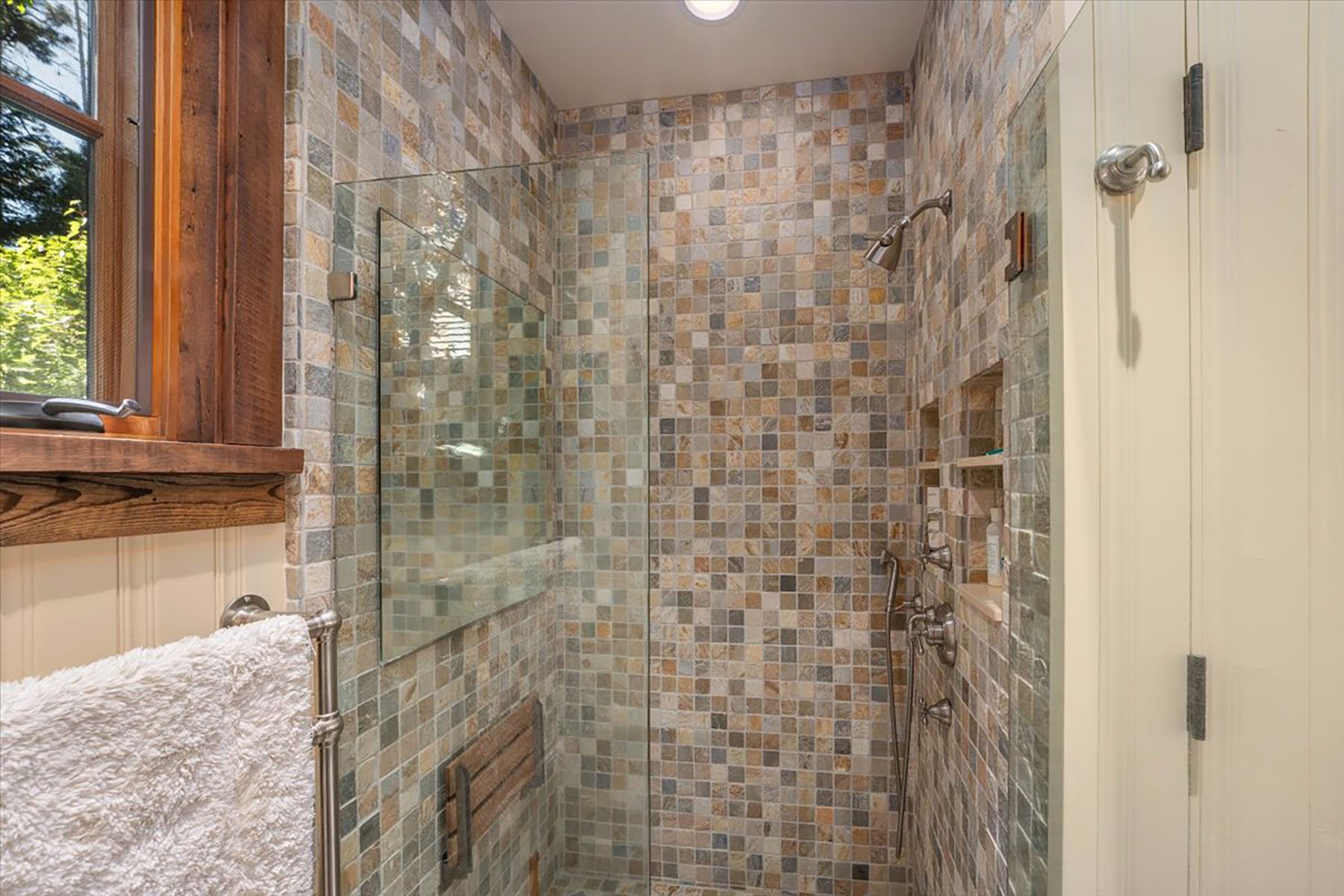
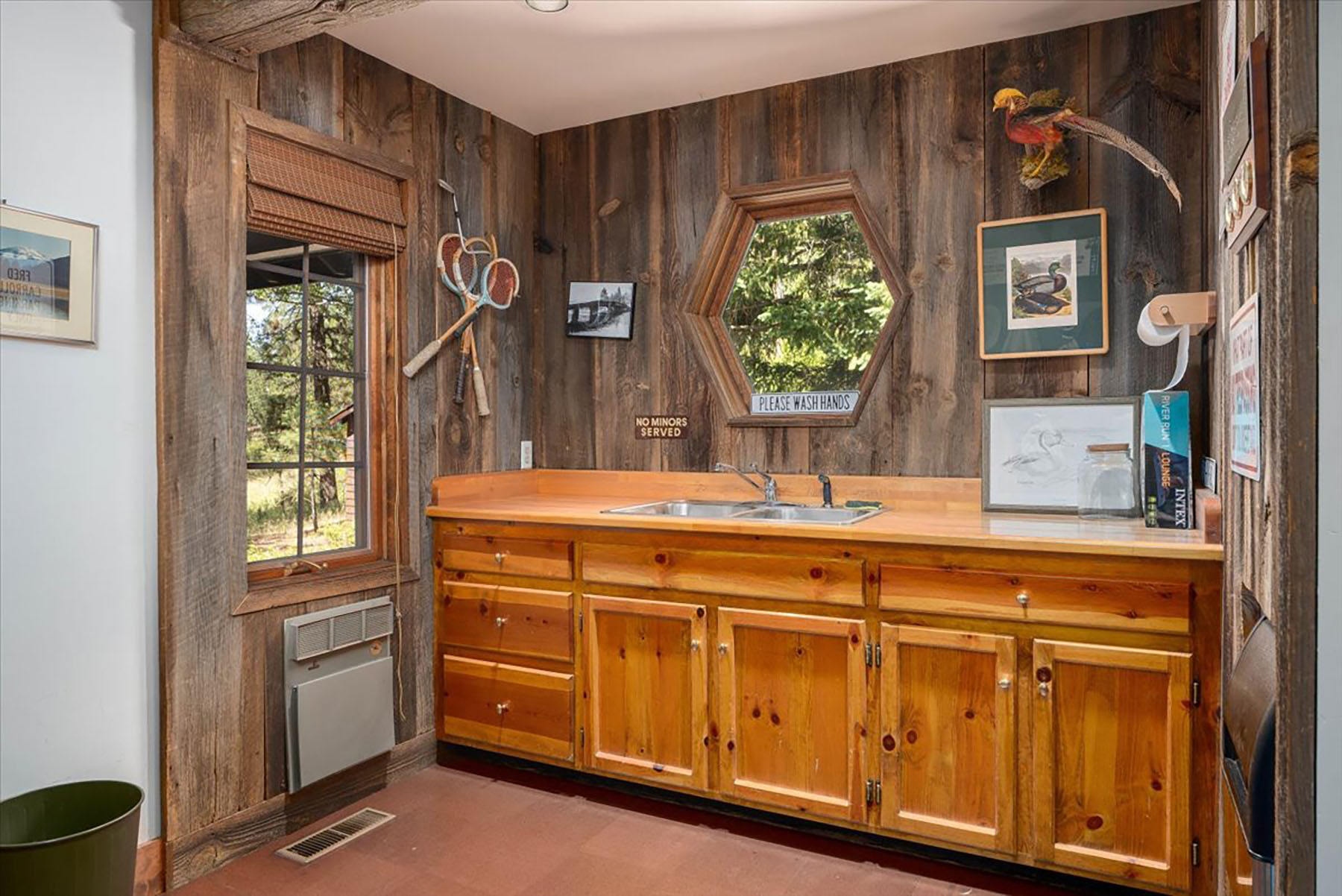
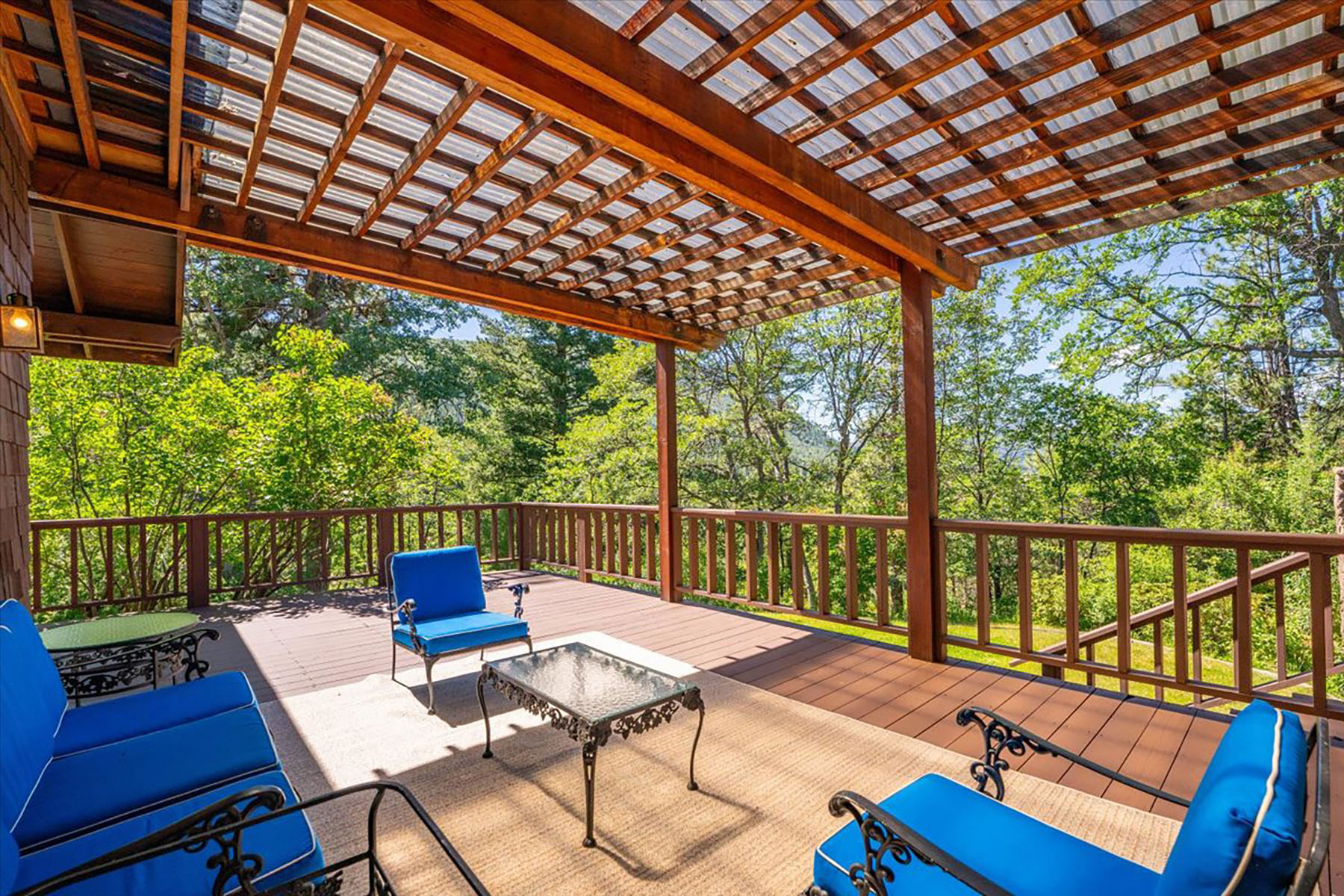
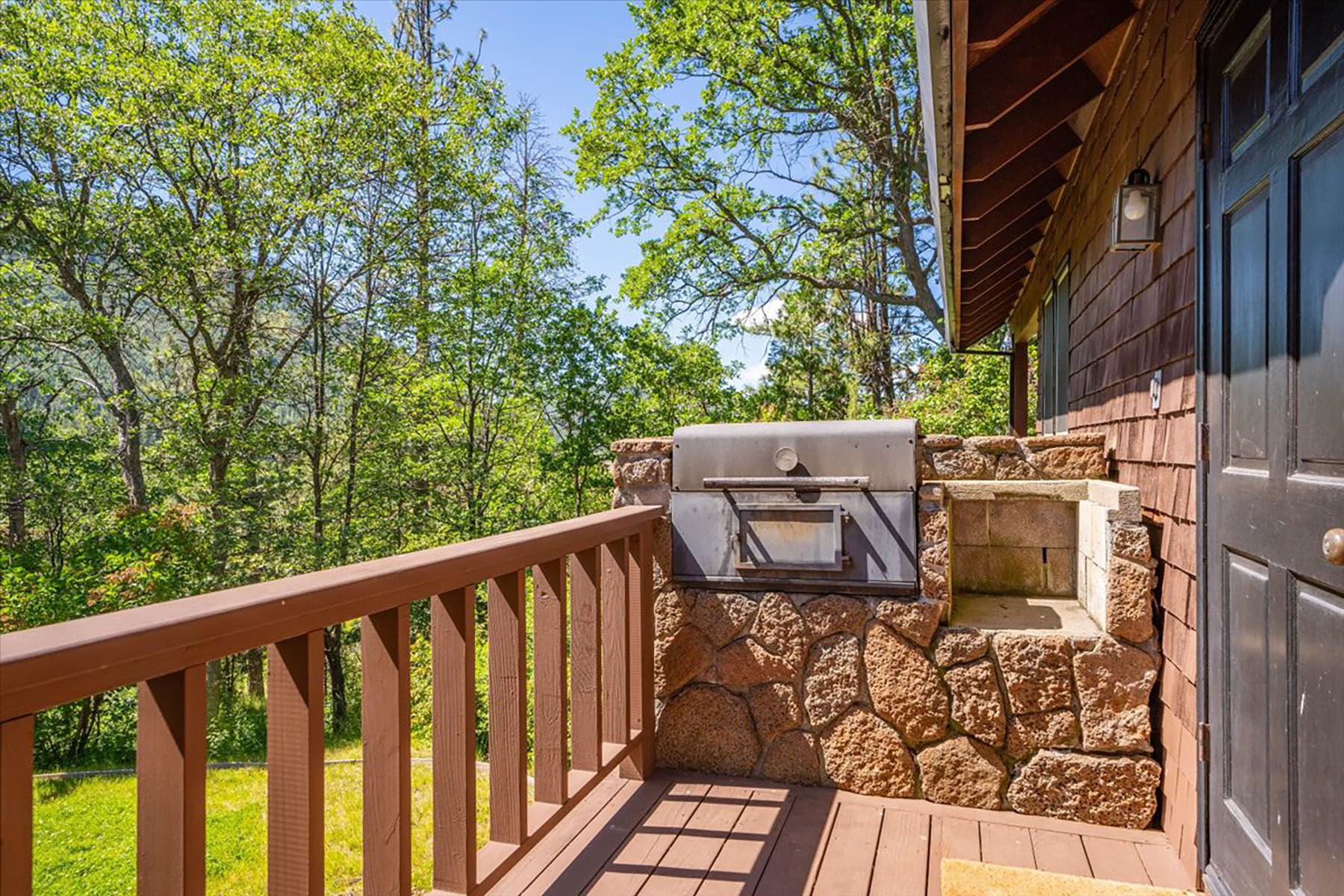
The two-story home featured in Architectural Digest Magazine has four bedrooms (one used as a home gym), three and a half bathrooms, and a great room with a barn-like open beam ceiling and a massive stone fireplace, the main gathering area. Most walls in the house are paneled with rough-sawn reclaimed Doug Fir planks, and most of the floors are wide-plank resawn Douglas Fir. The kitchen is well-appointed with a large butcher-block island and concrete countertops, and it is open to the dining area and the large great room mentioned above. The house has an outdoor fireplace, a screened-in dining room, and a deck with a built-in grill, all taking advantage of the magical outdoor setting.
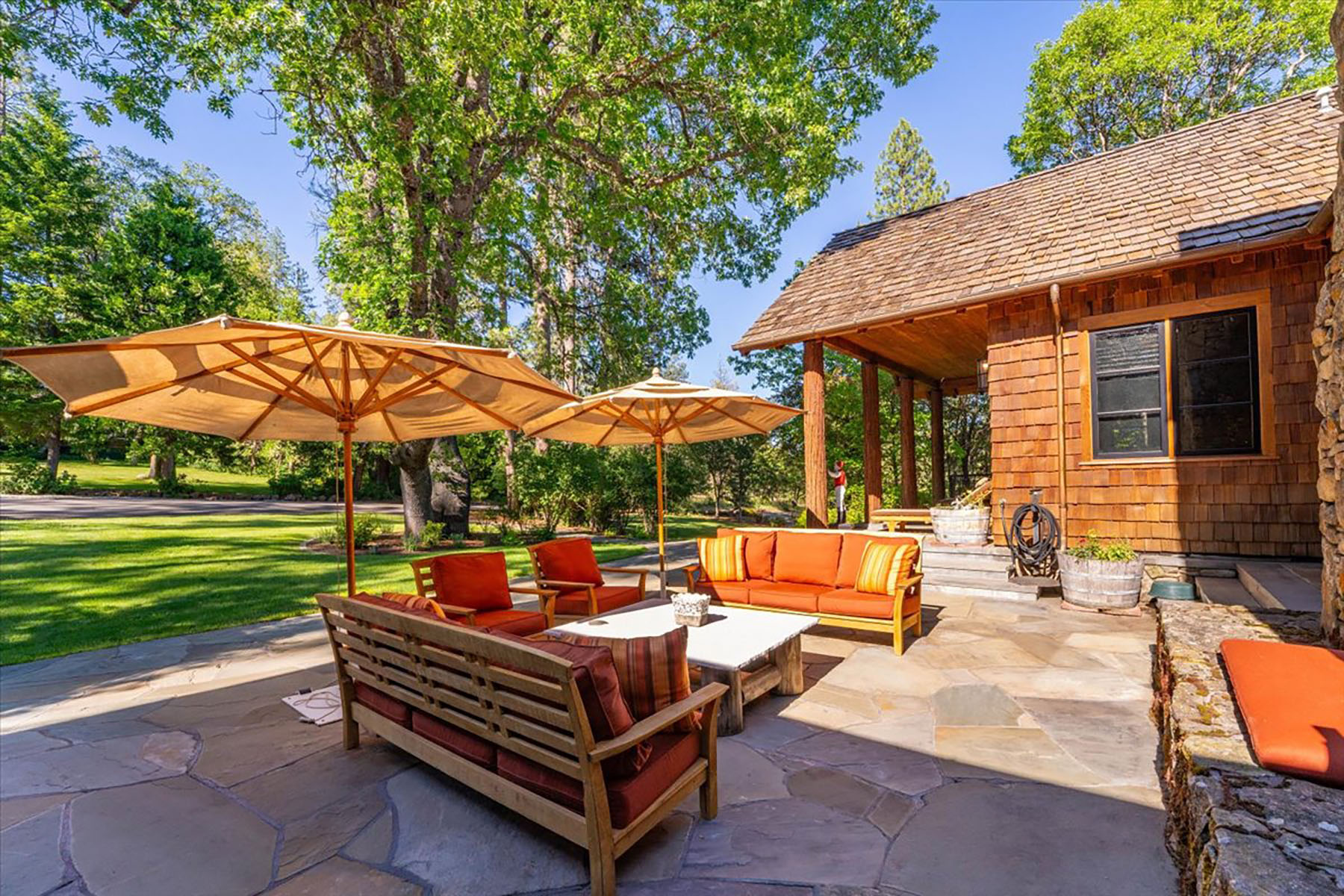
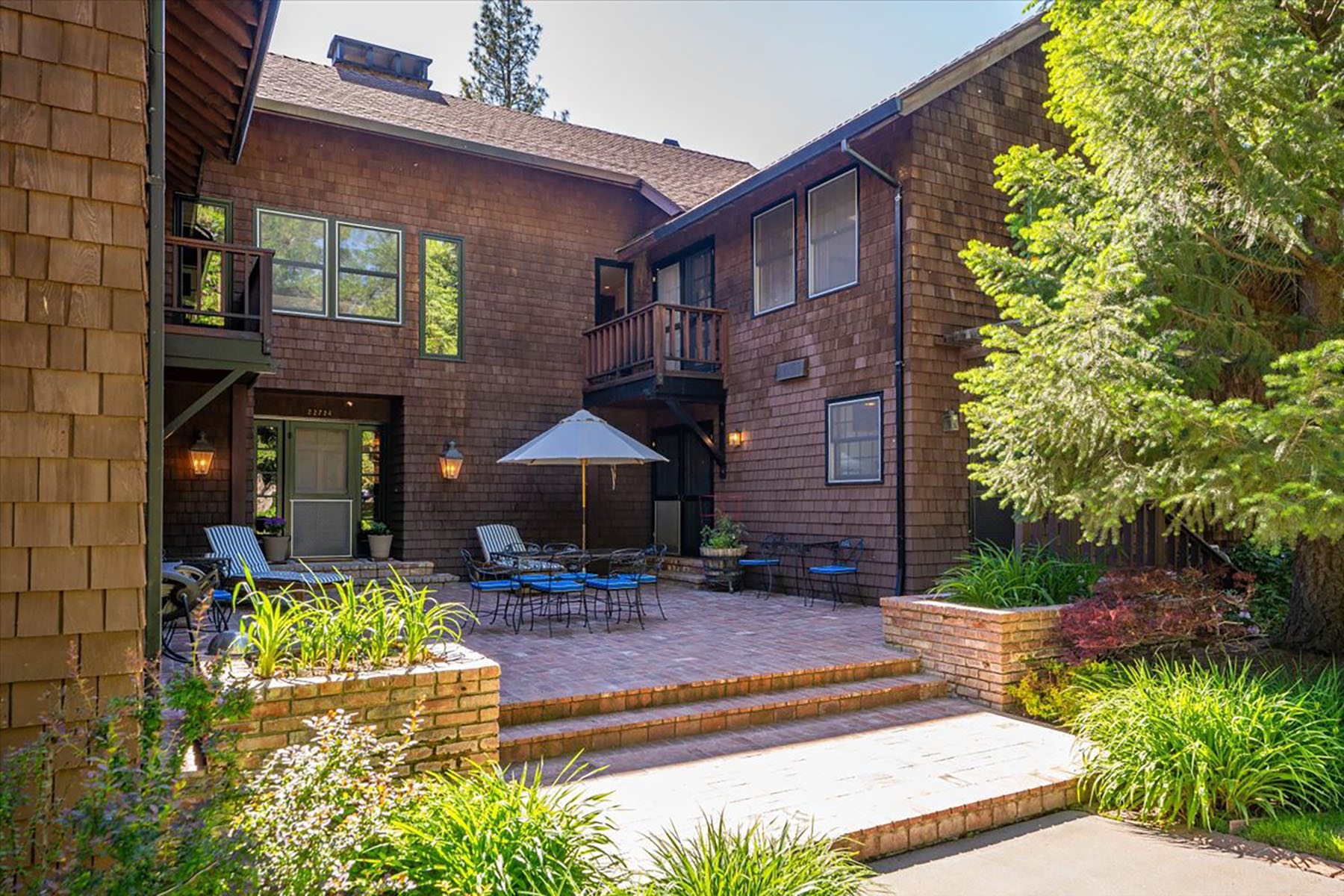
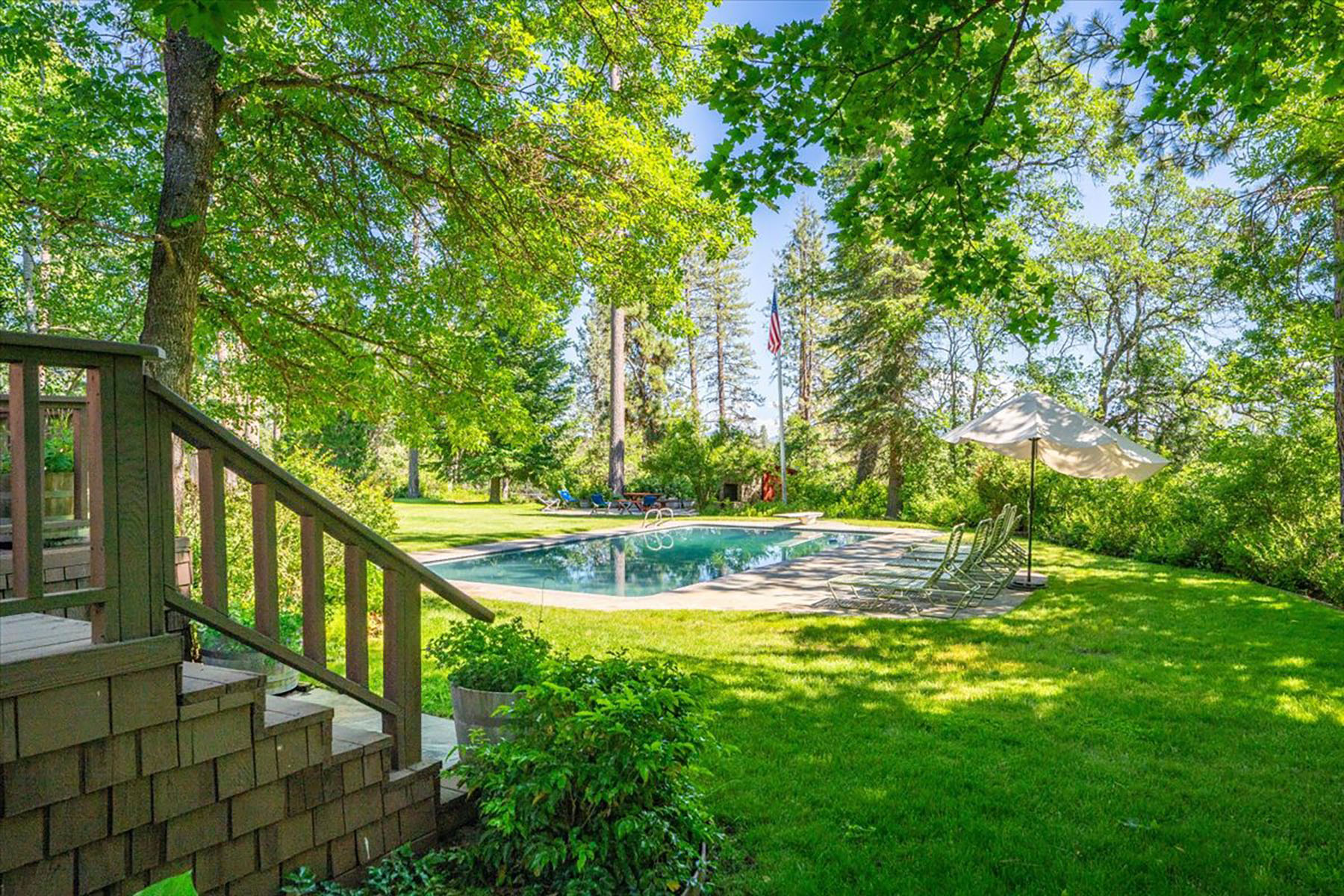
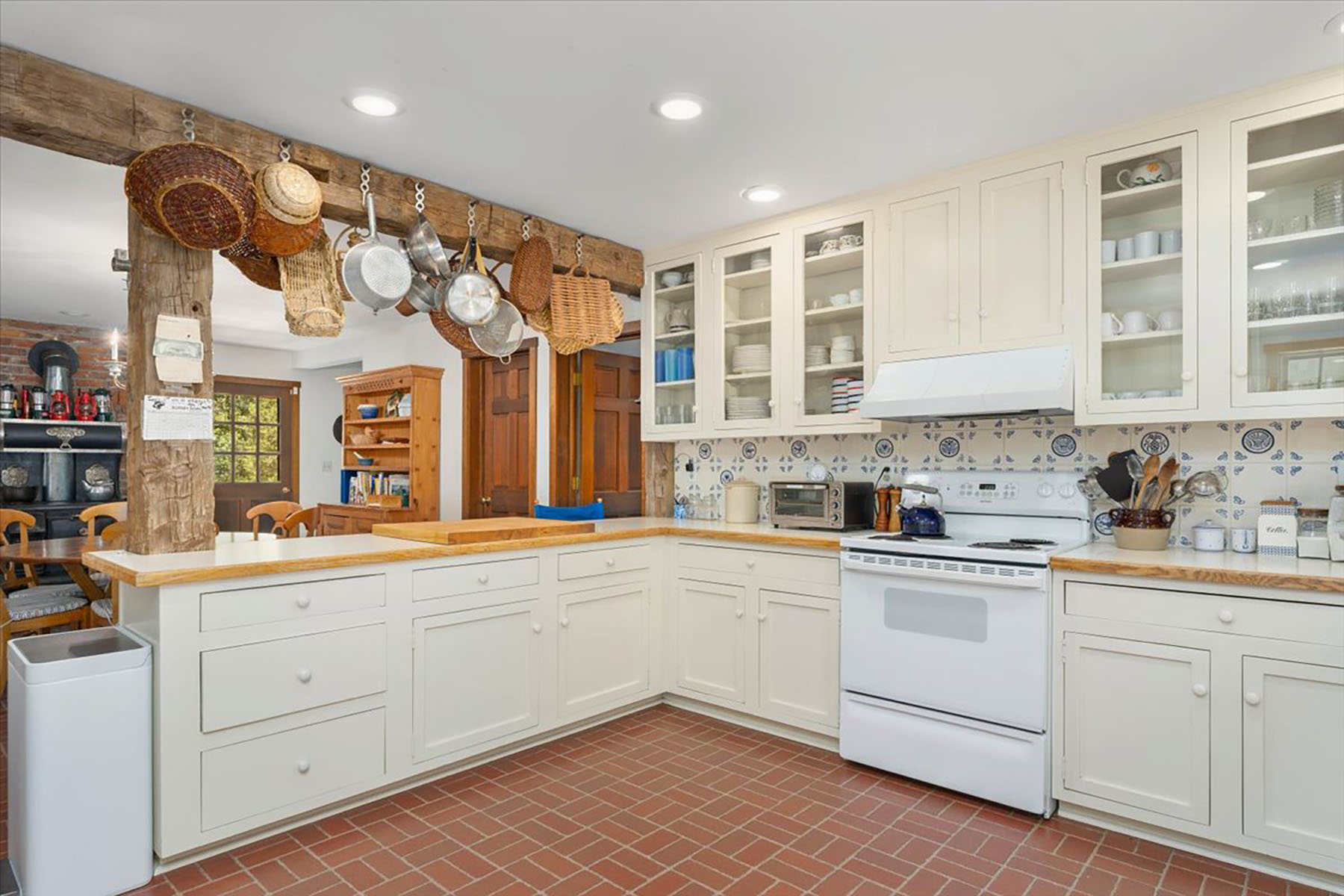
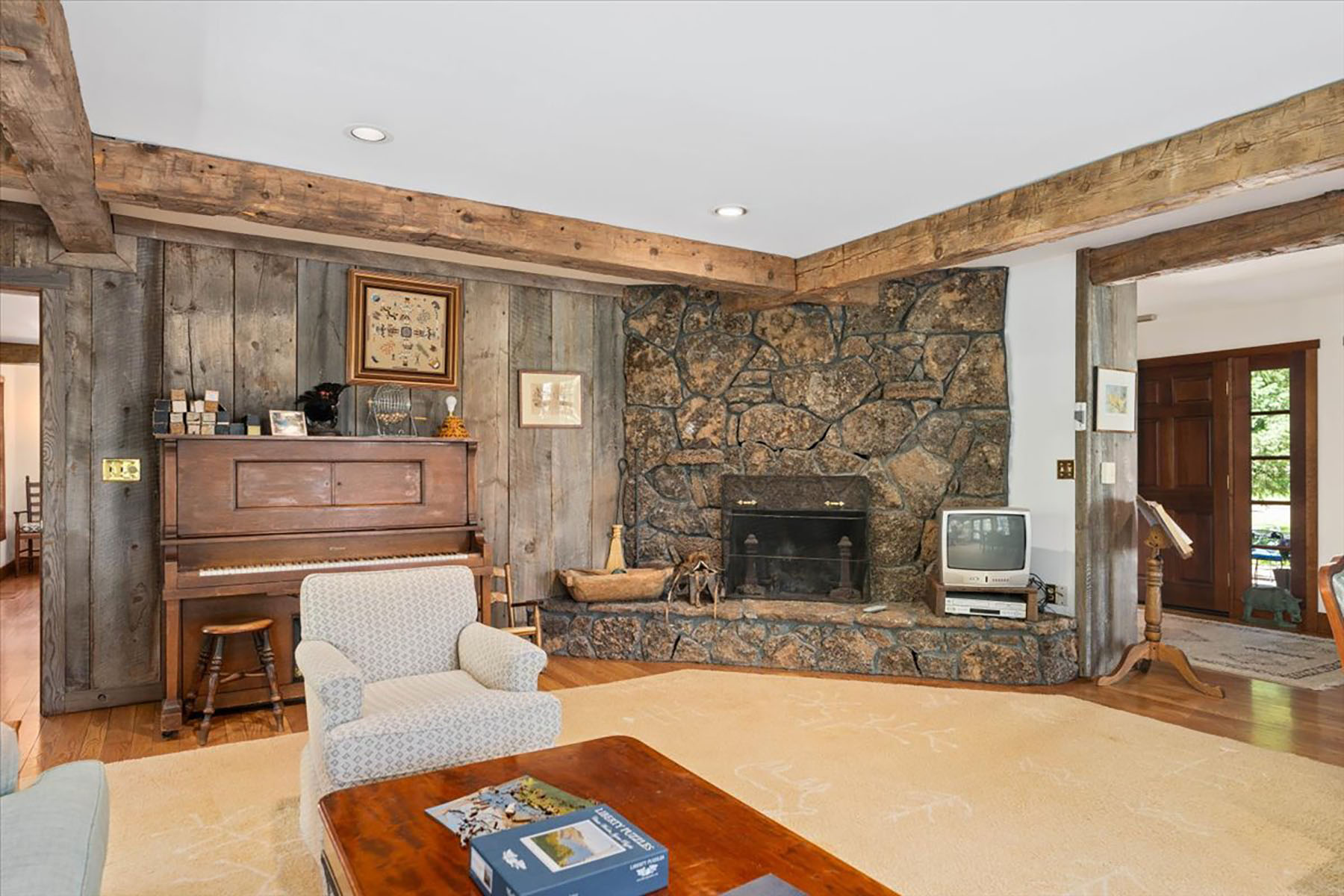
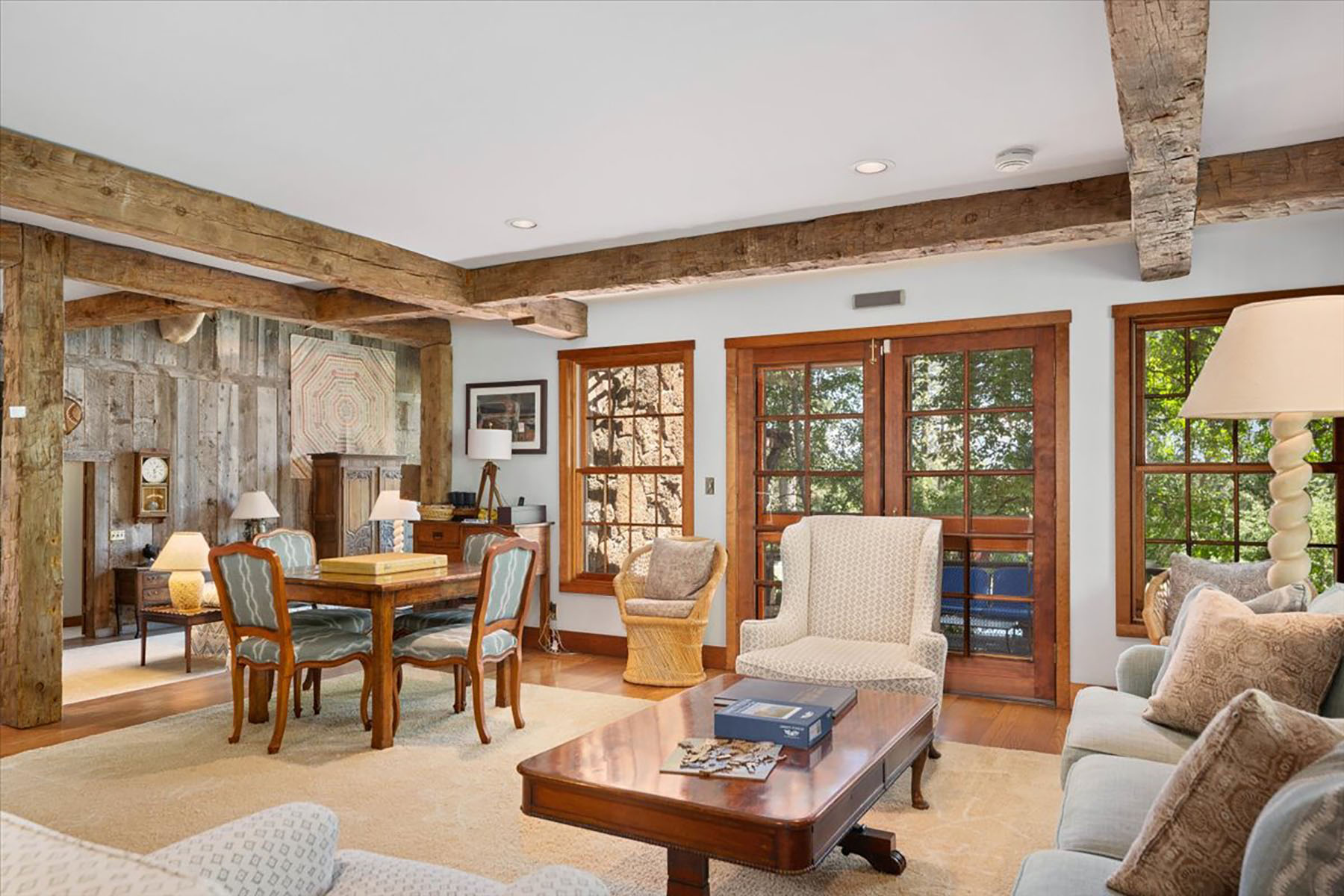
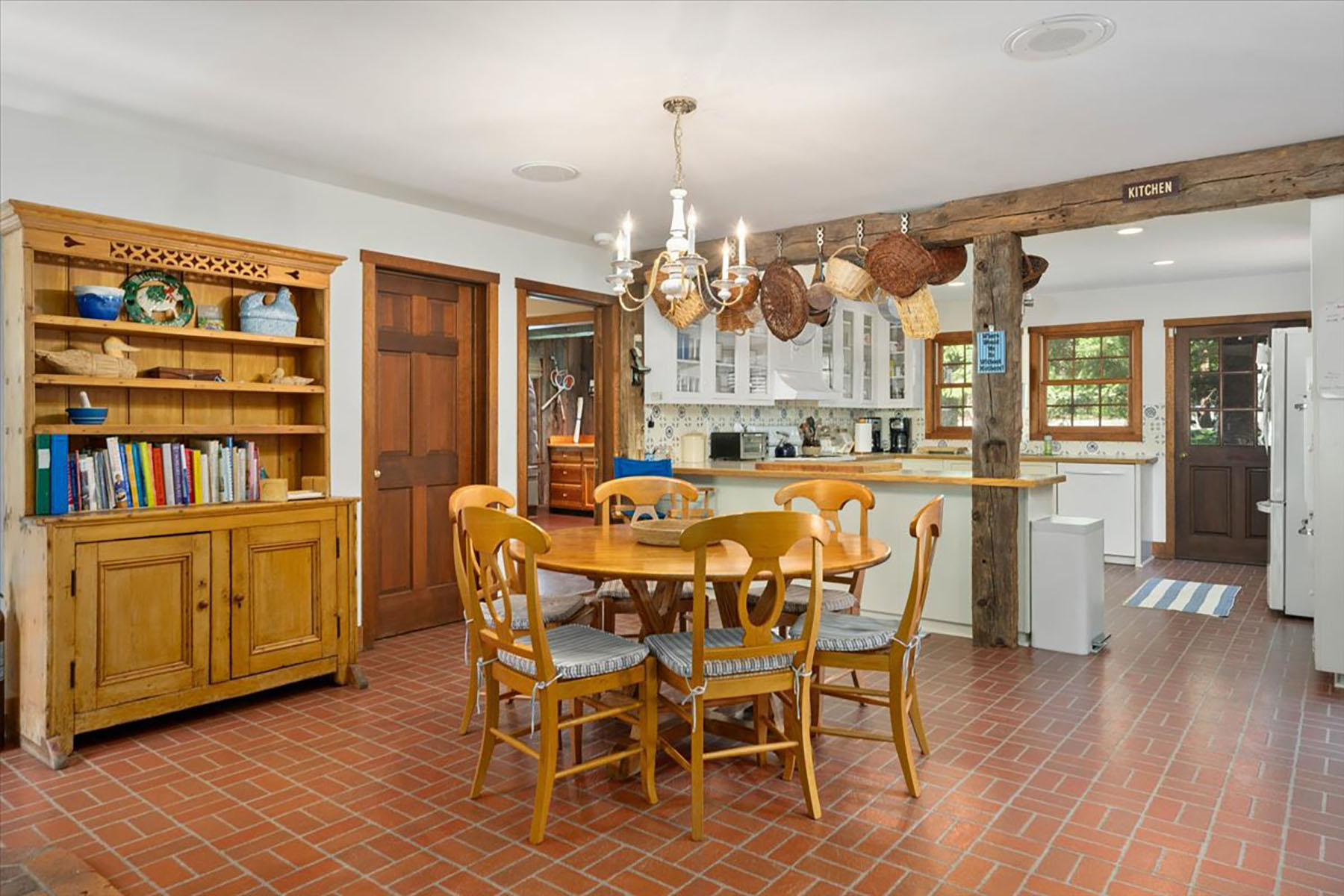
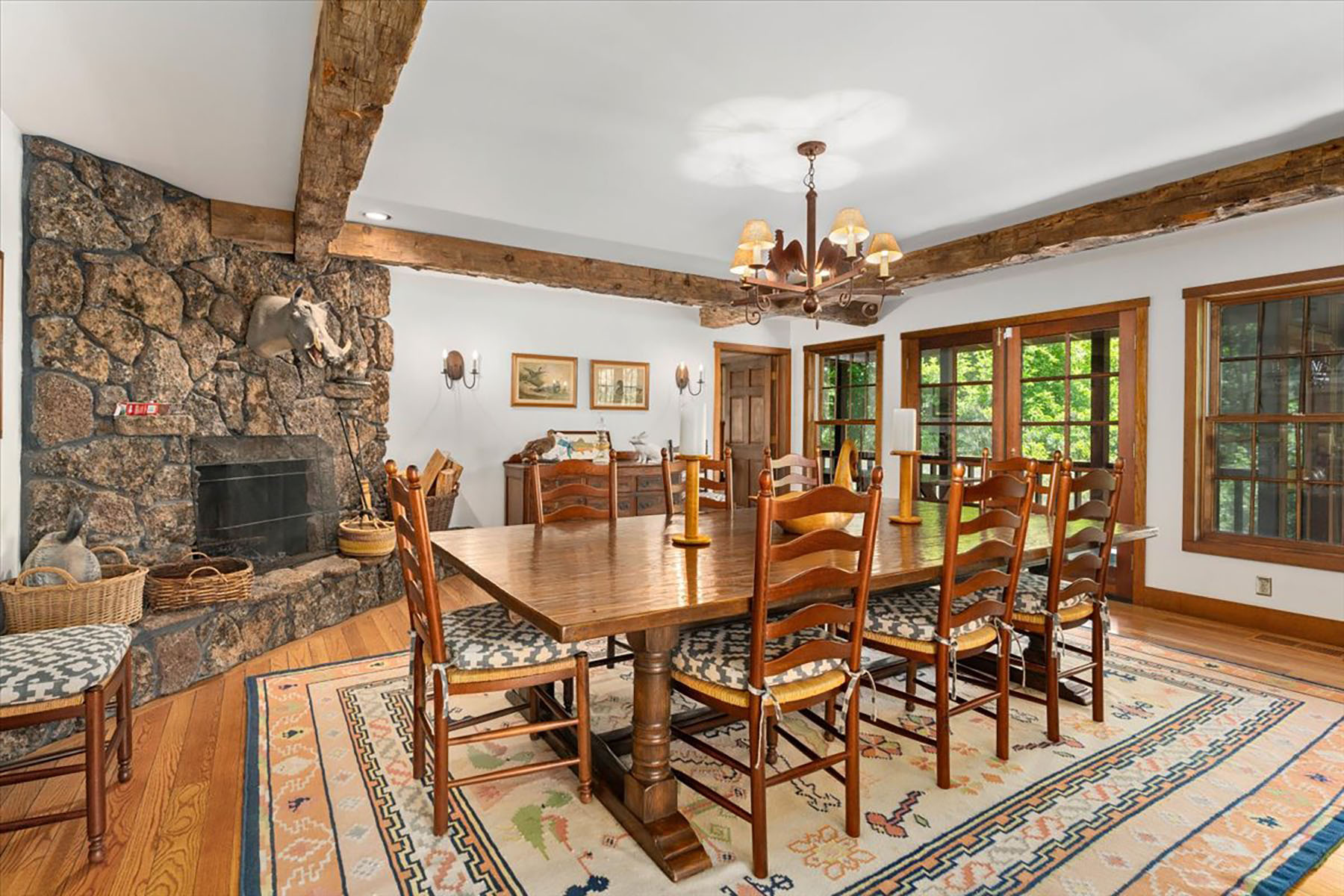
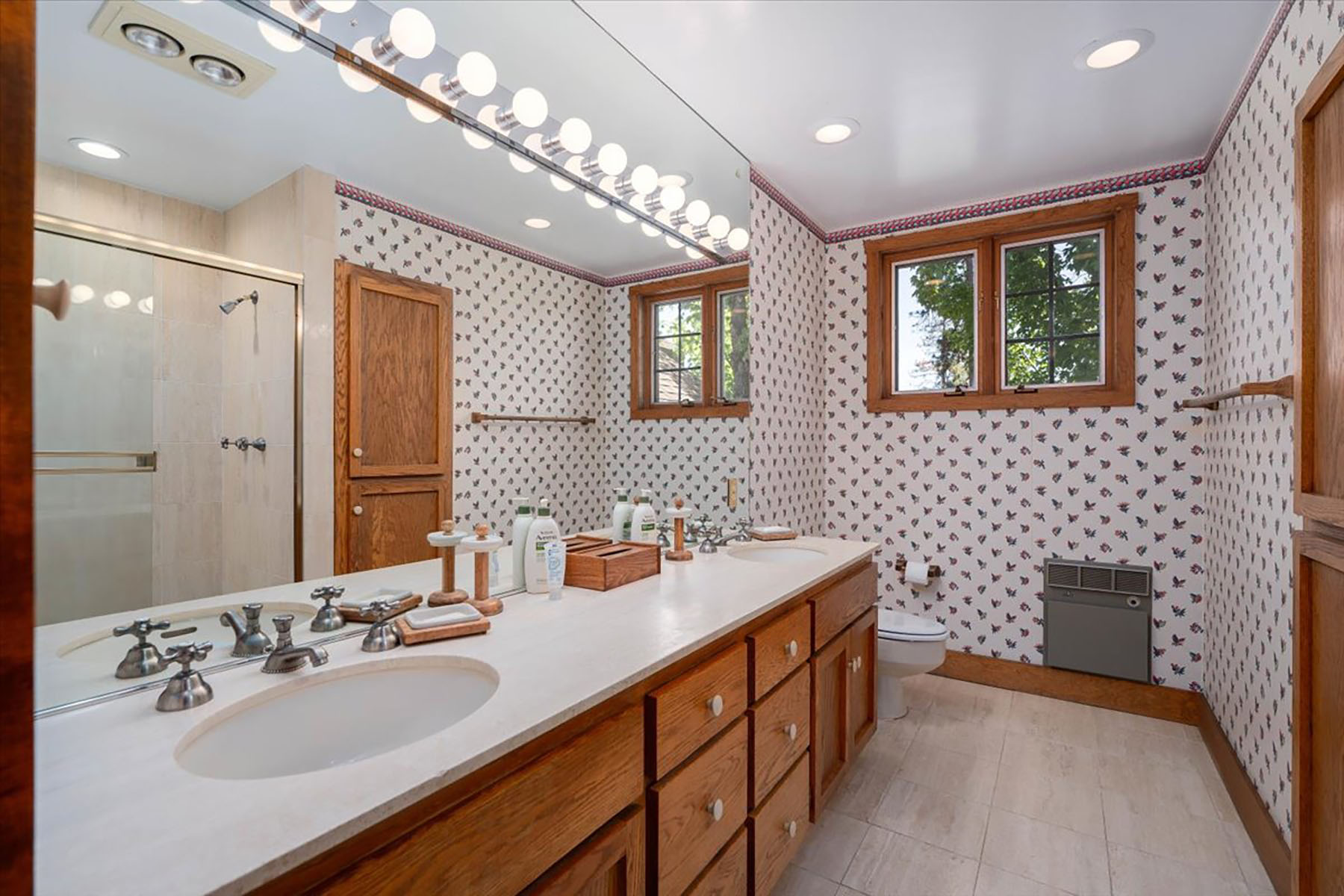
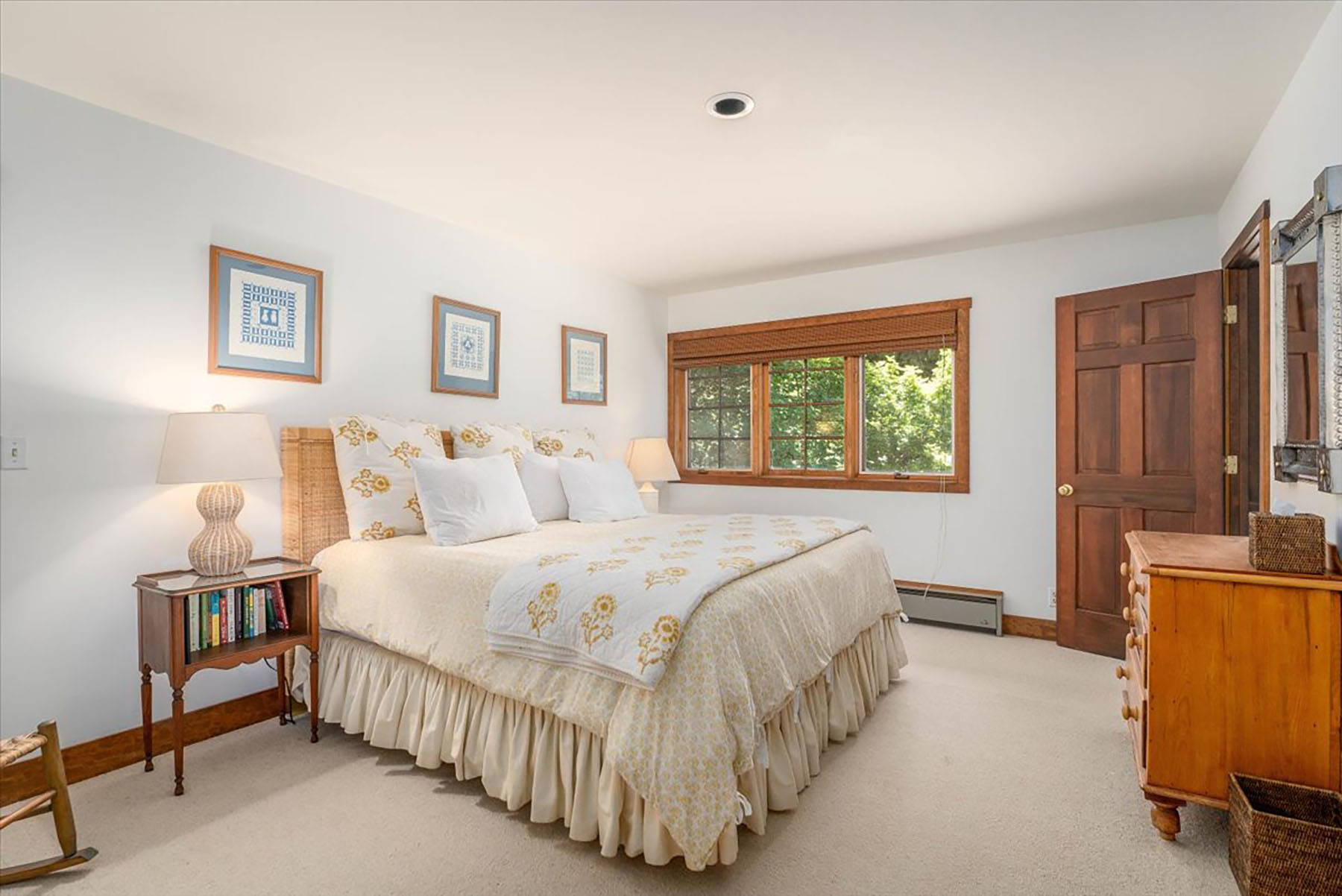
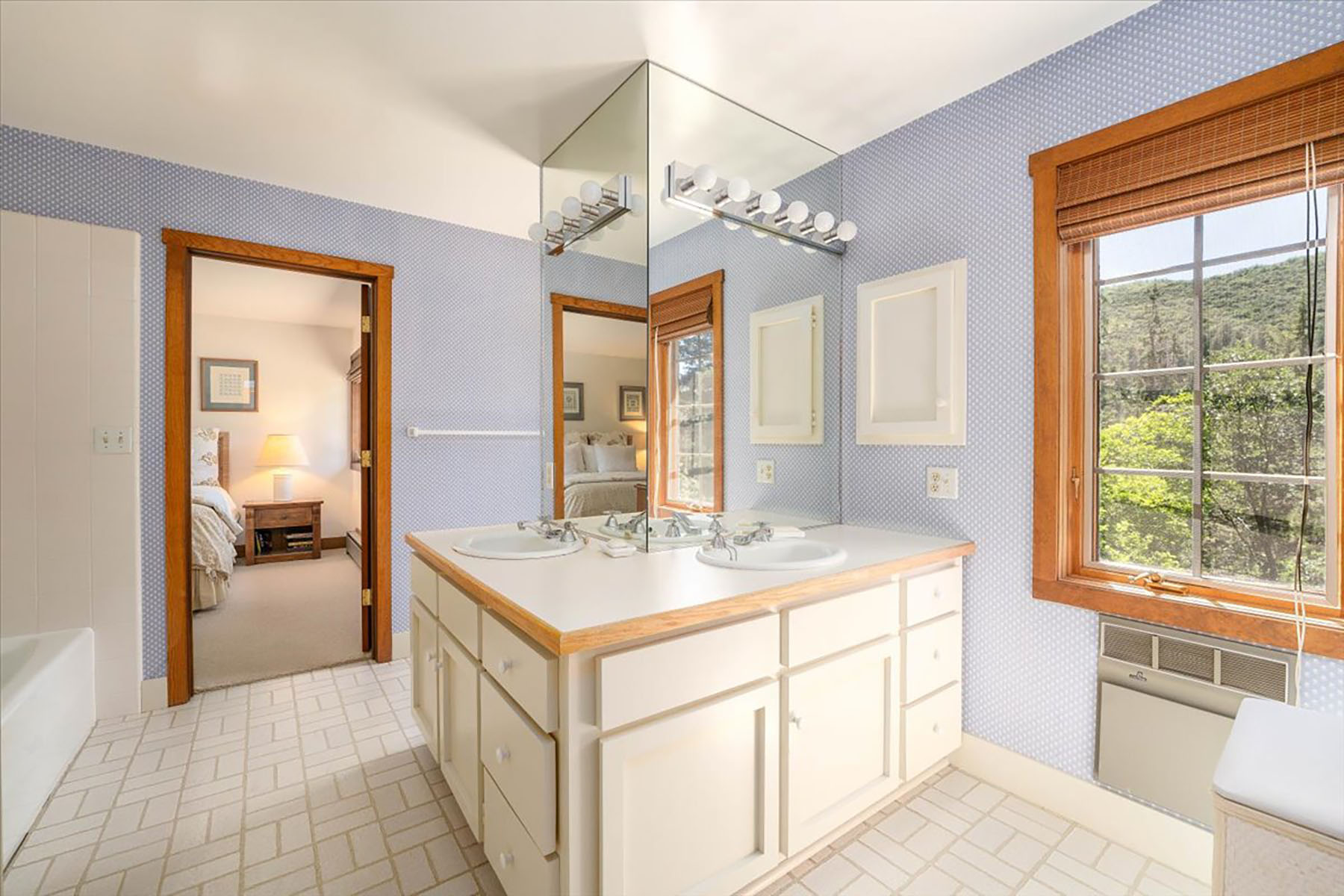
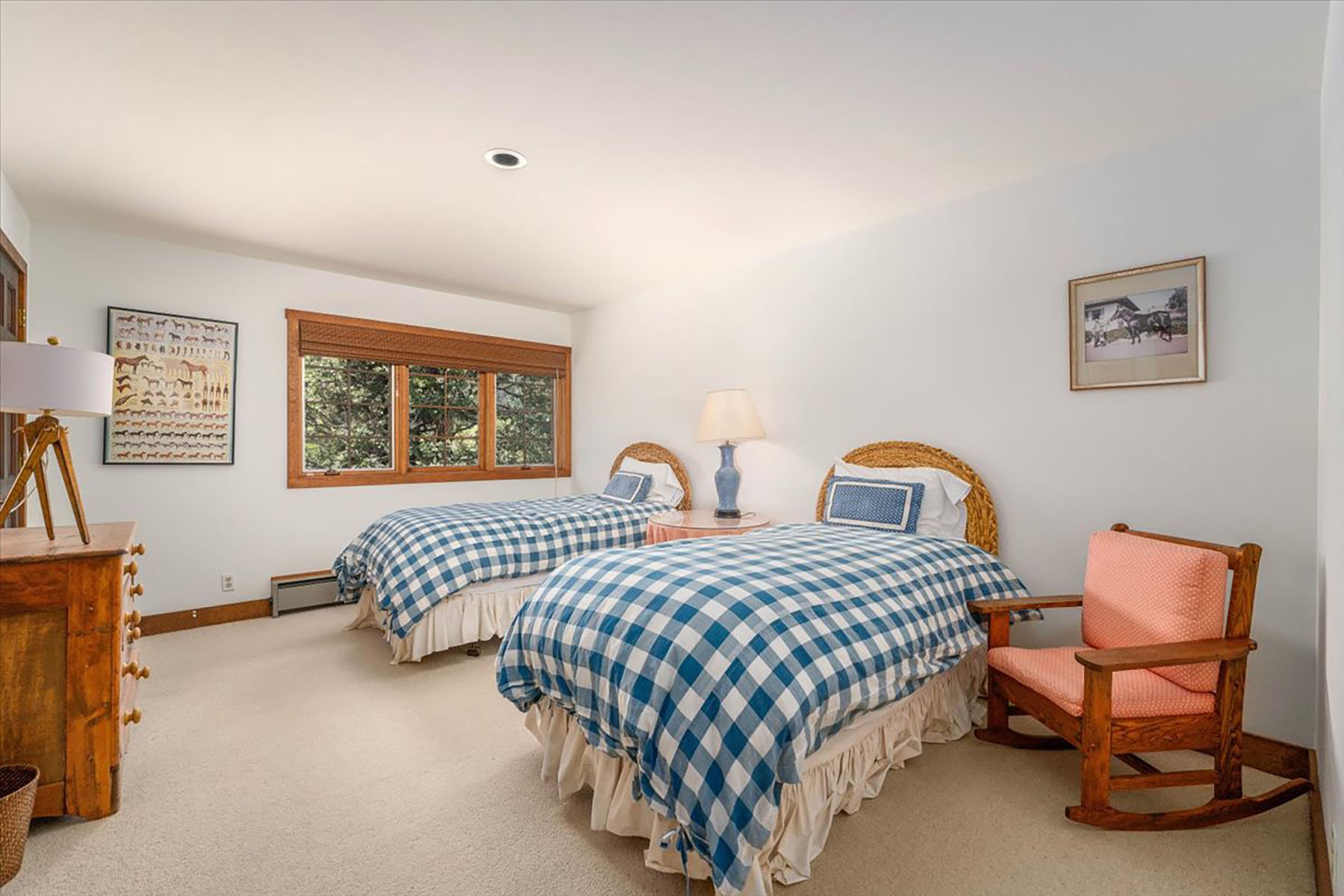
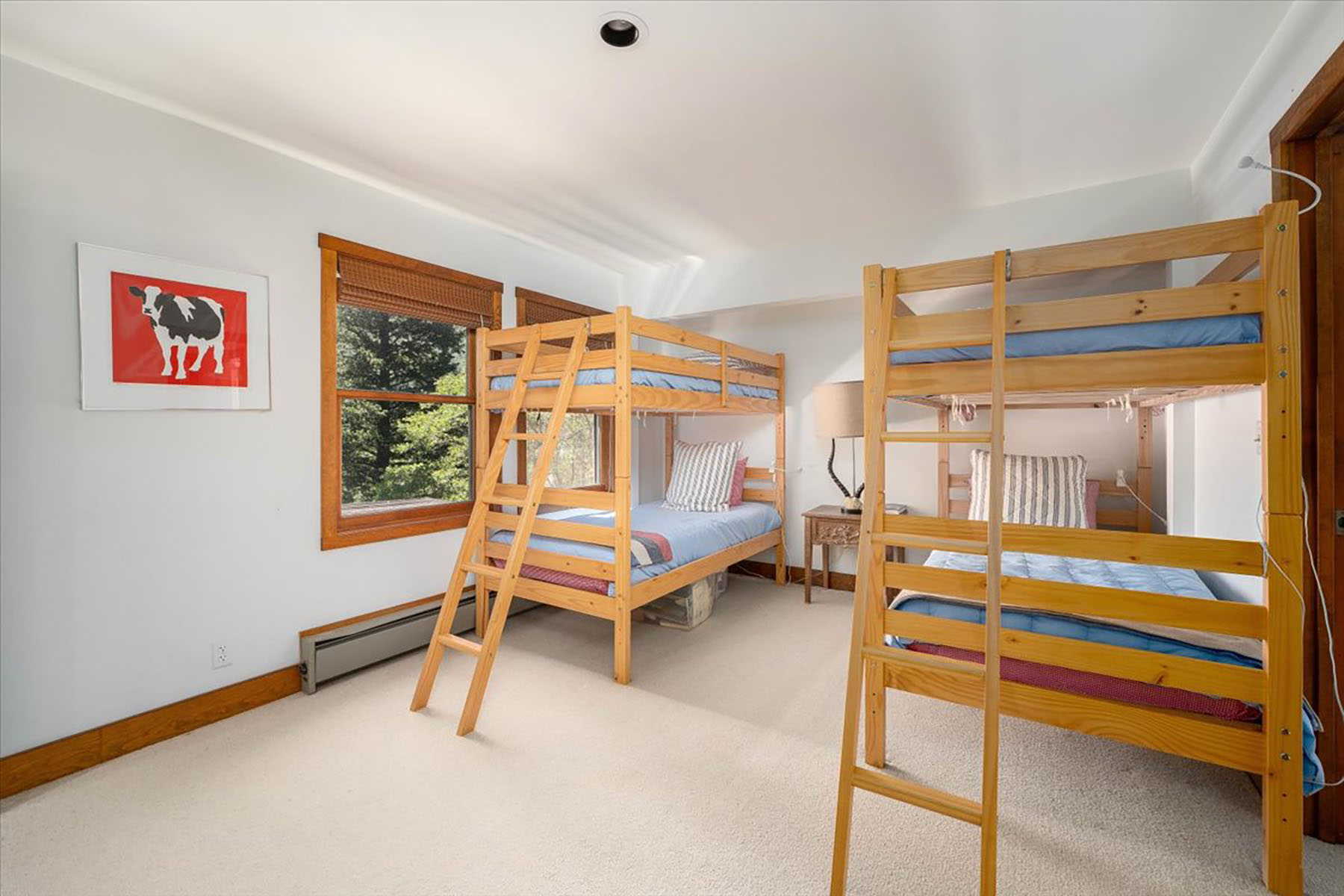
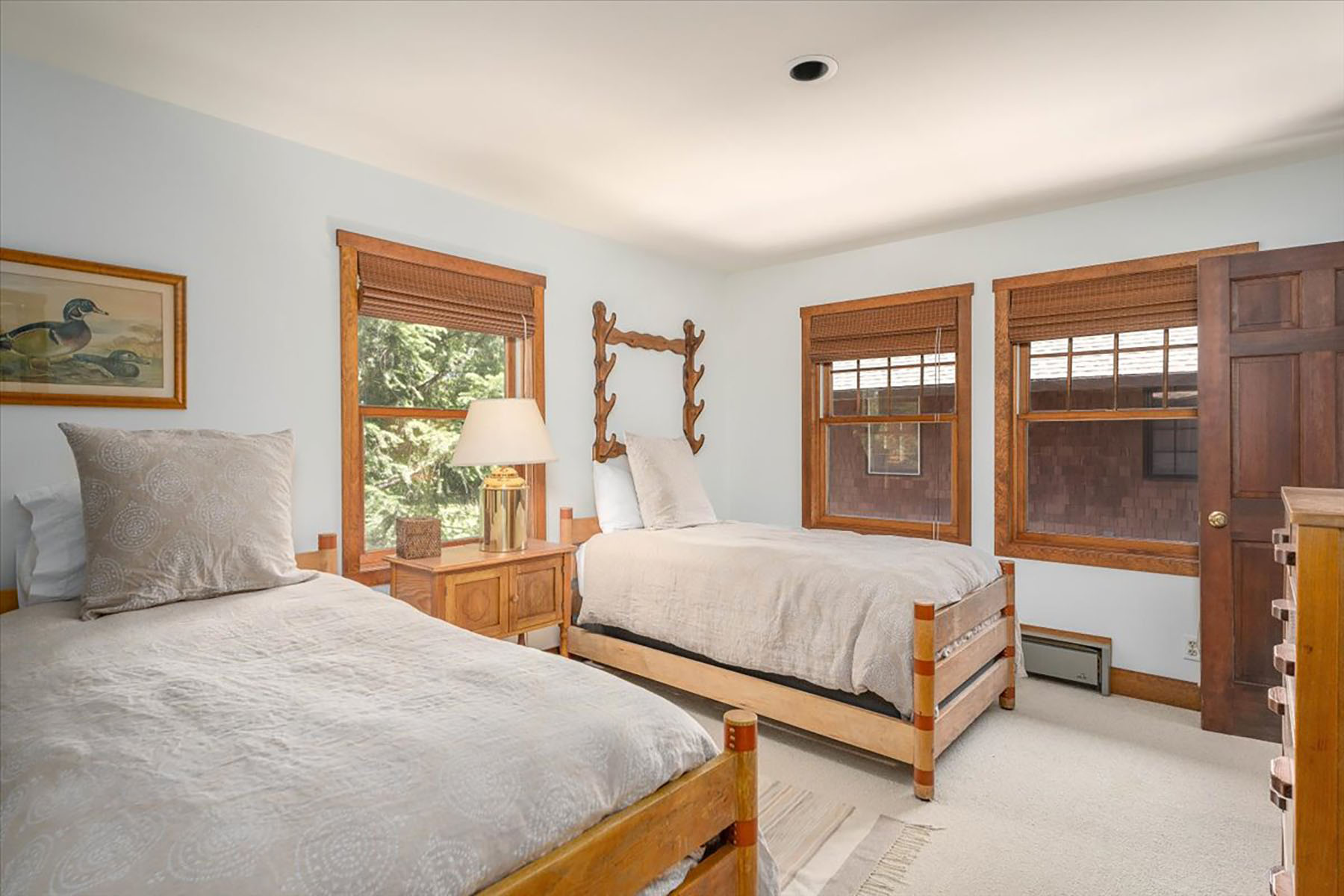
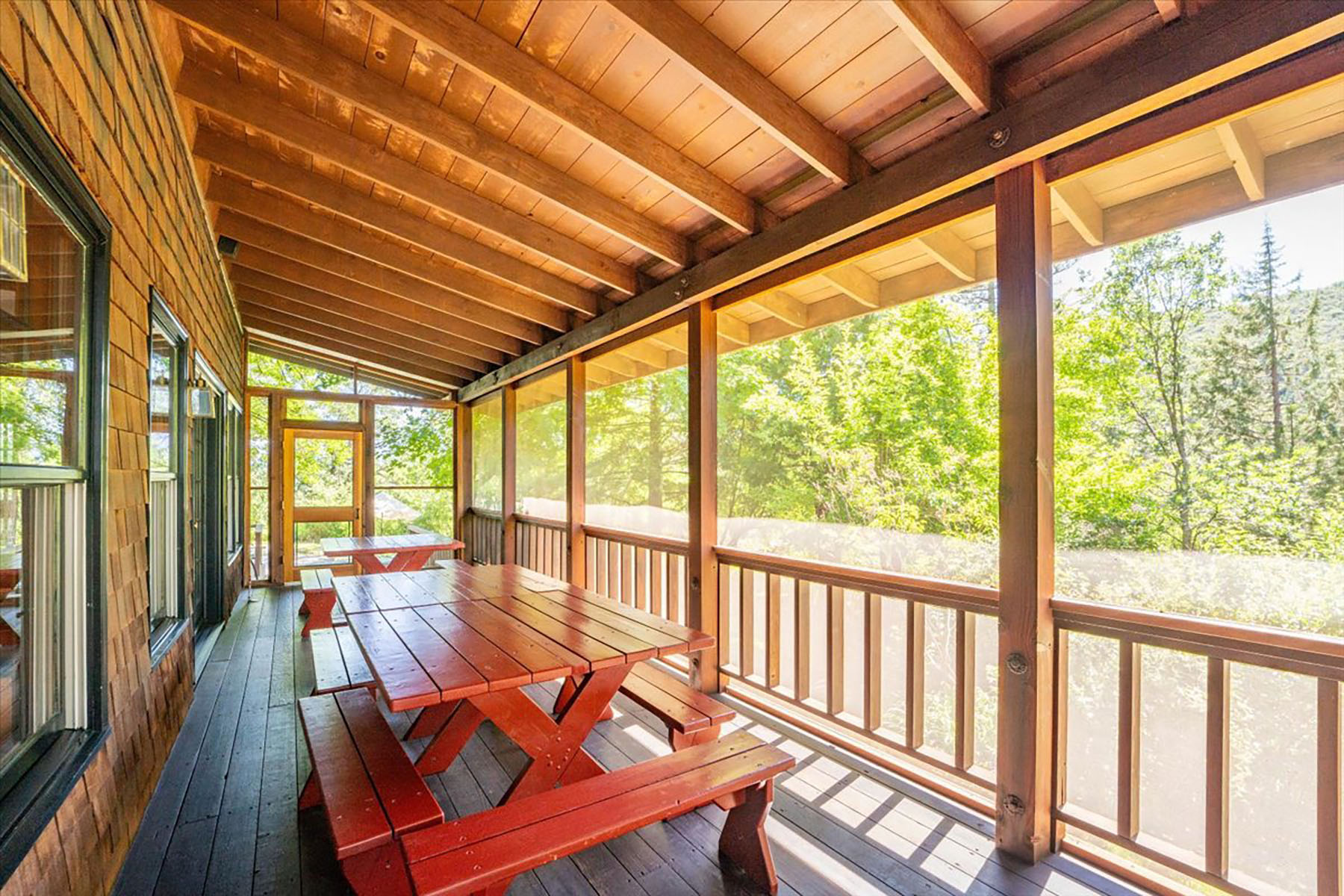
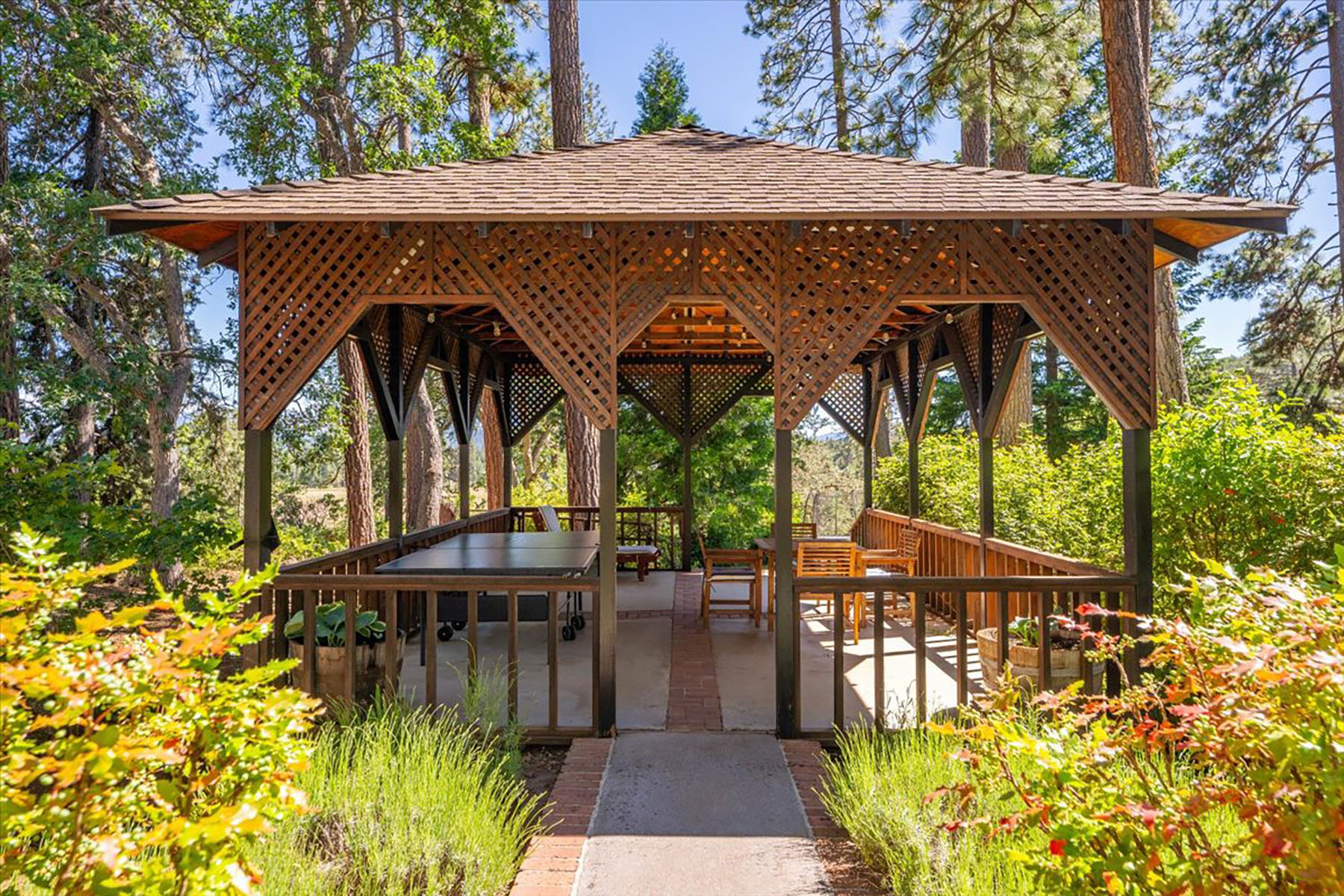
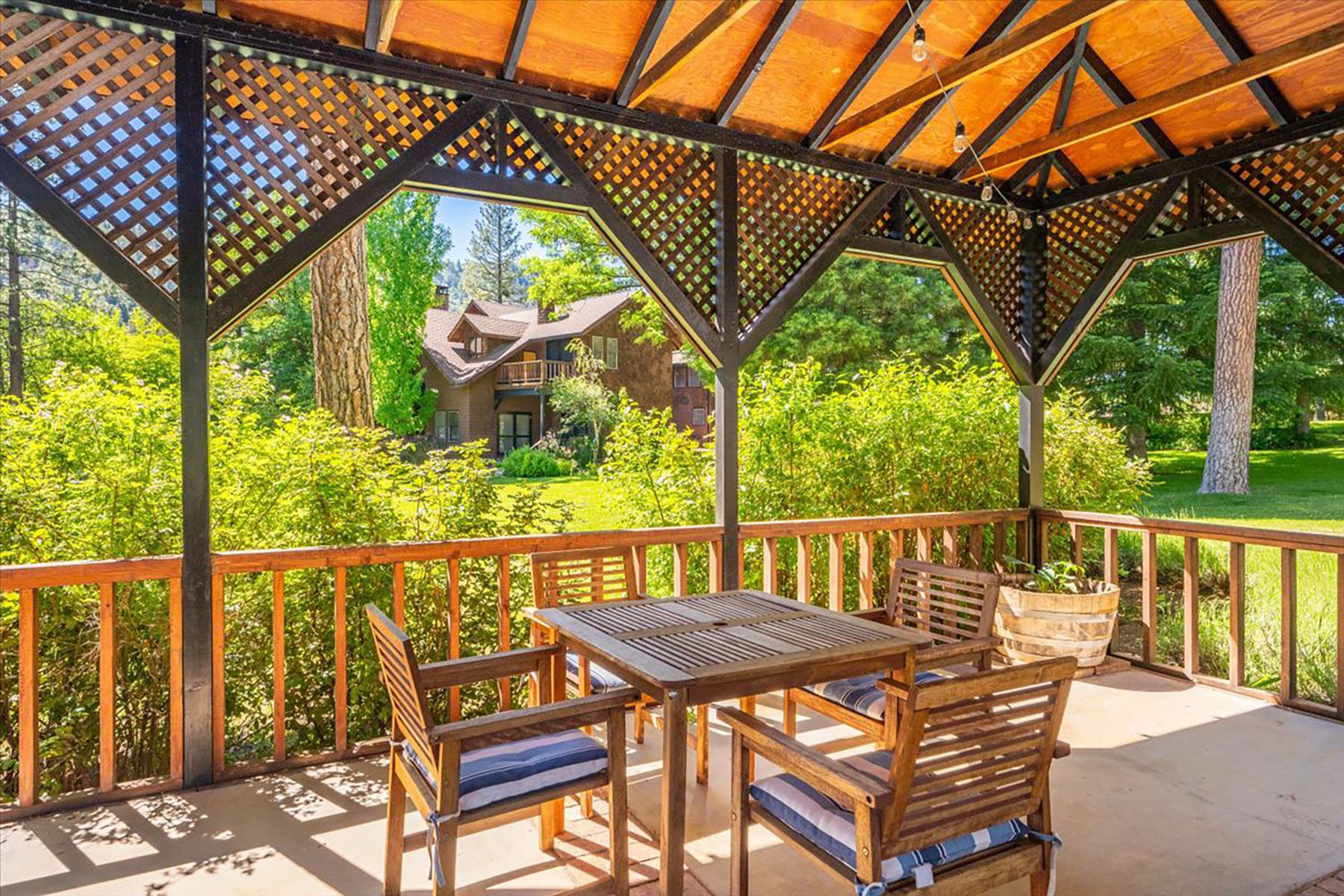
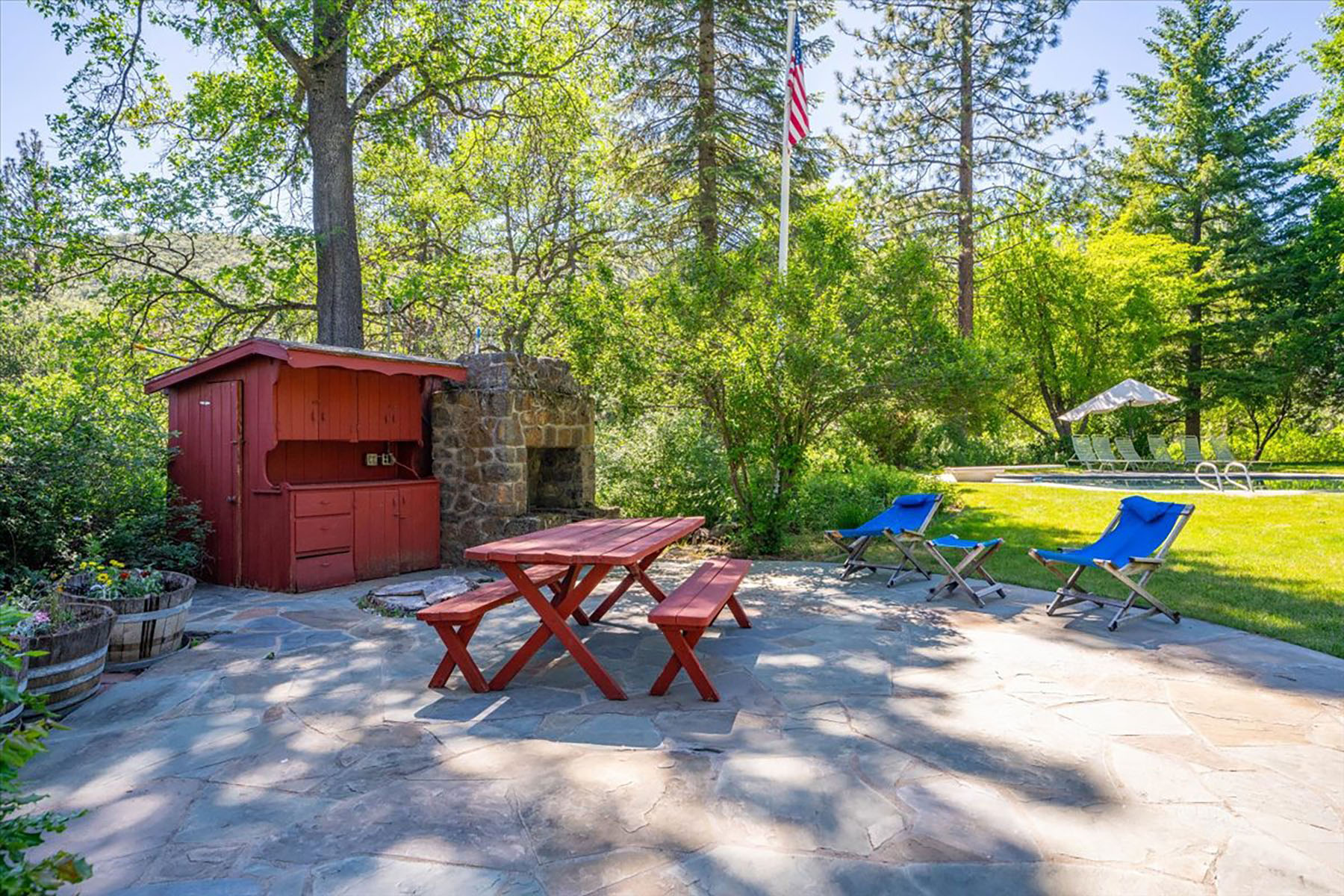
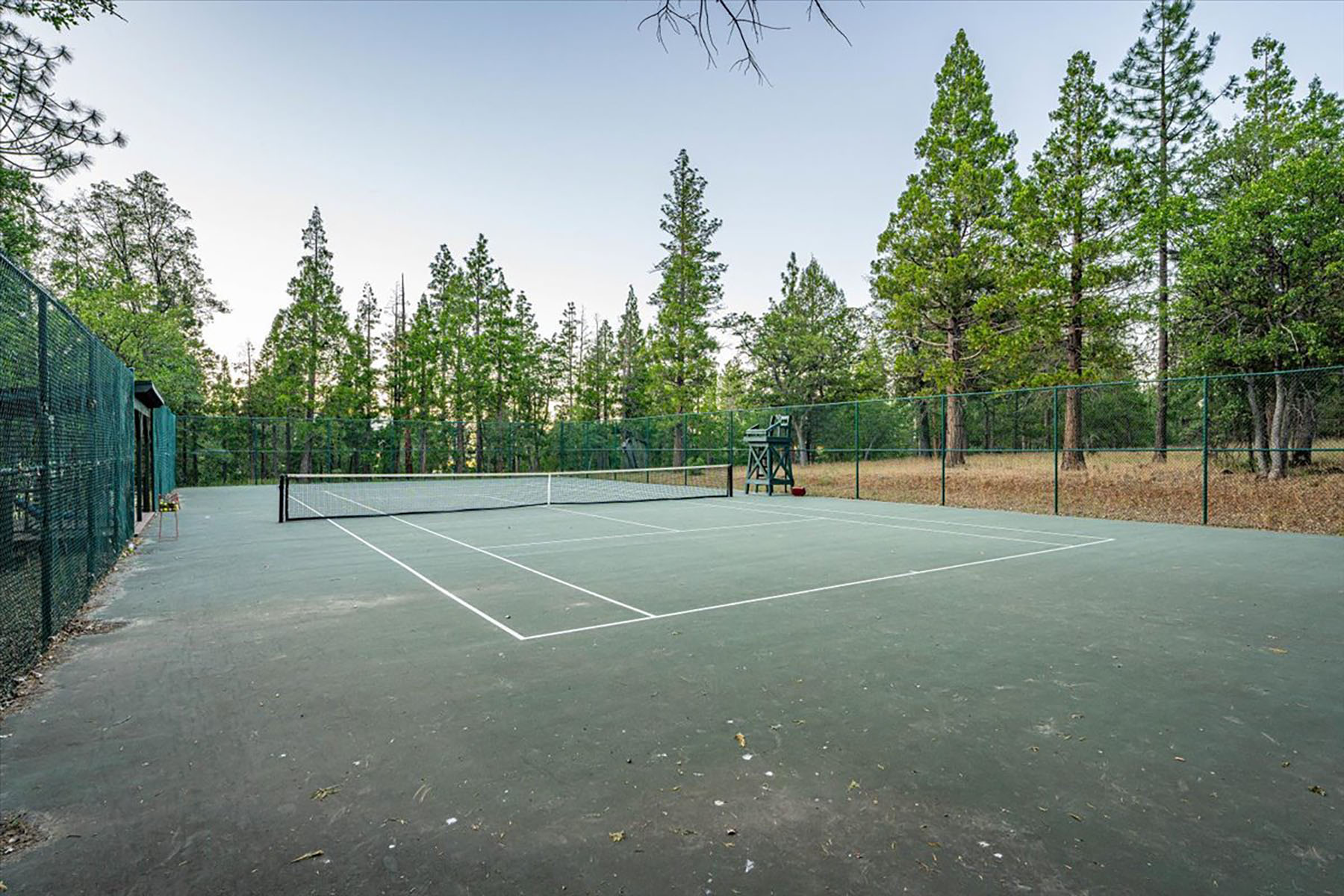
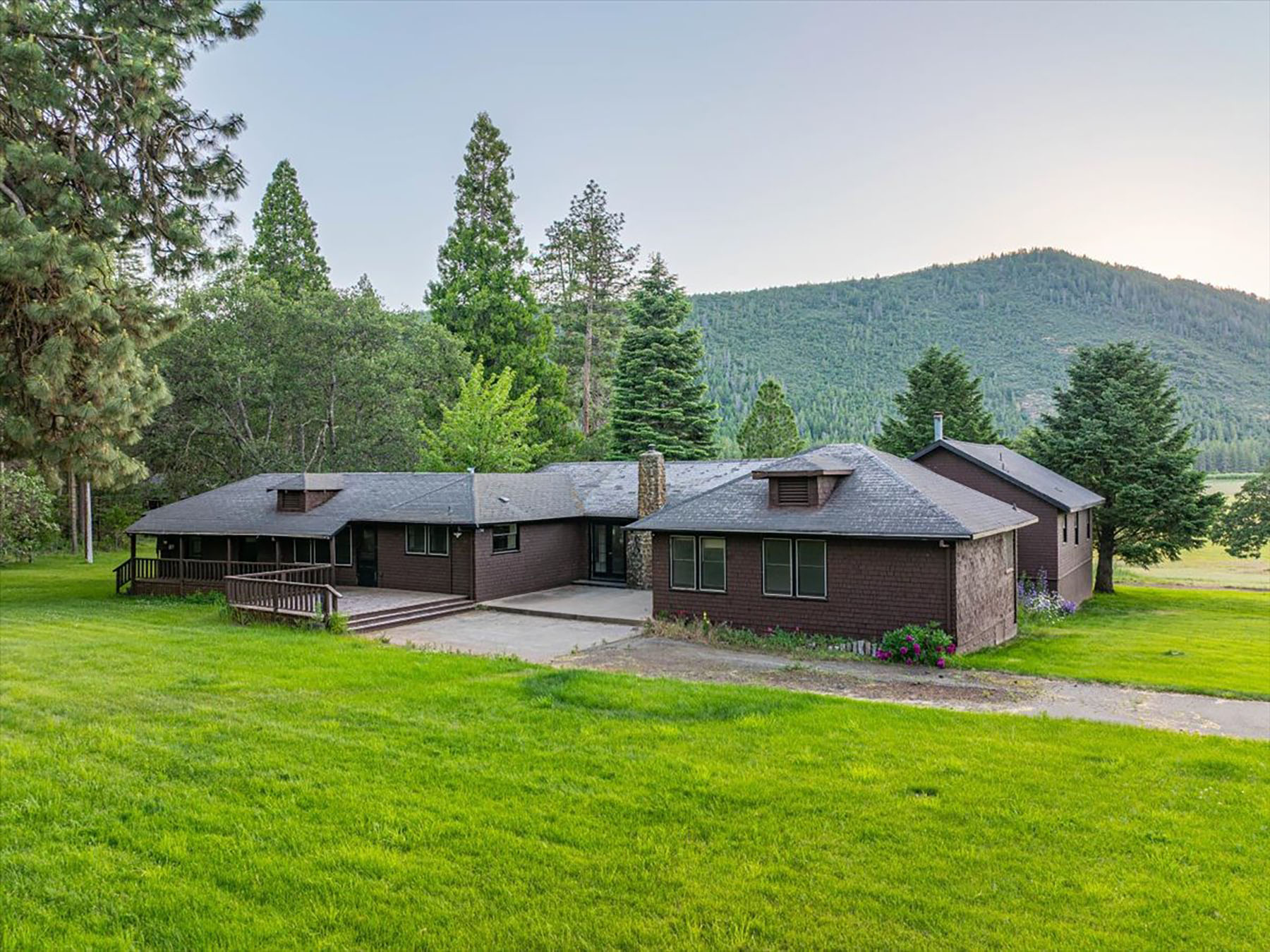
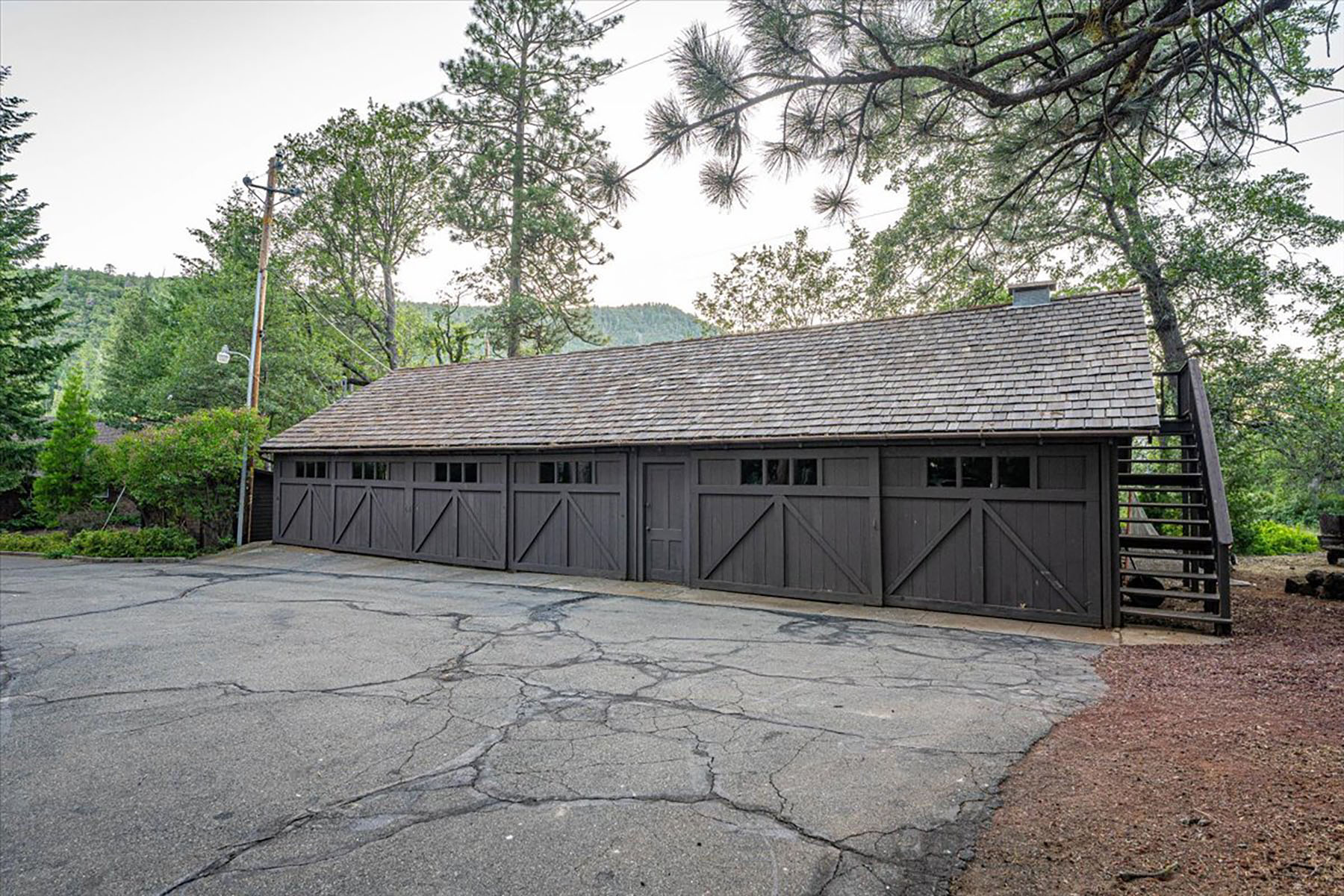
Family Residence: Believed to be one of the original structures on the ranch, this residence is a large eight-bedroom, five-and-a-half-bathroom, Adirondack-style home that serves as the family and guest lodging house. The owners rebuilt the house in 1982, approximately 5,944 square feet. It features a great room, music room, formal dining room, and a fully equipped kitchen with an adjacent dining area. There’s a wraparound, fully screened porch that offers more dining and entertaining options, a large front patio, two back decks, and an oversized detached garage that fits five vehicles. Nearby is a larger in-ground swimming pool, gazebo, tennis court, woodshed, tool shed, and shop/tack room.
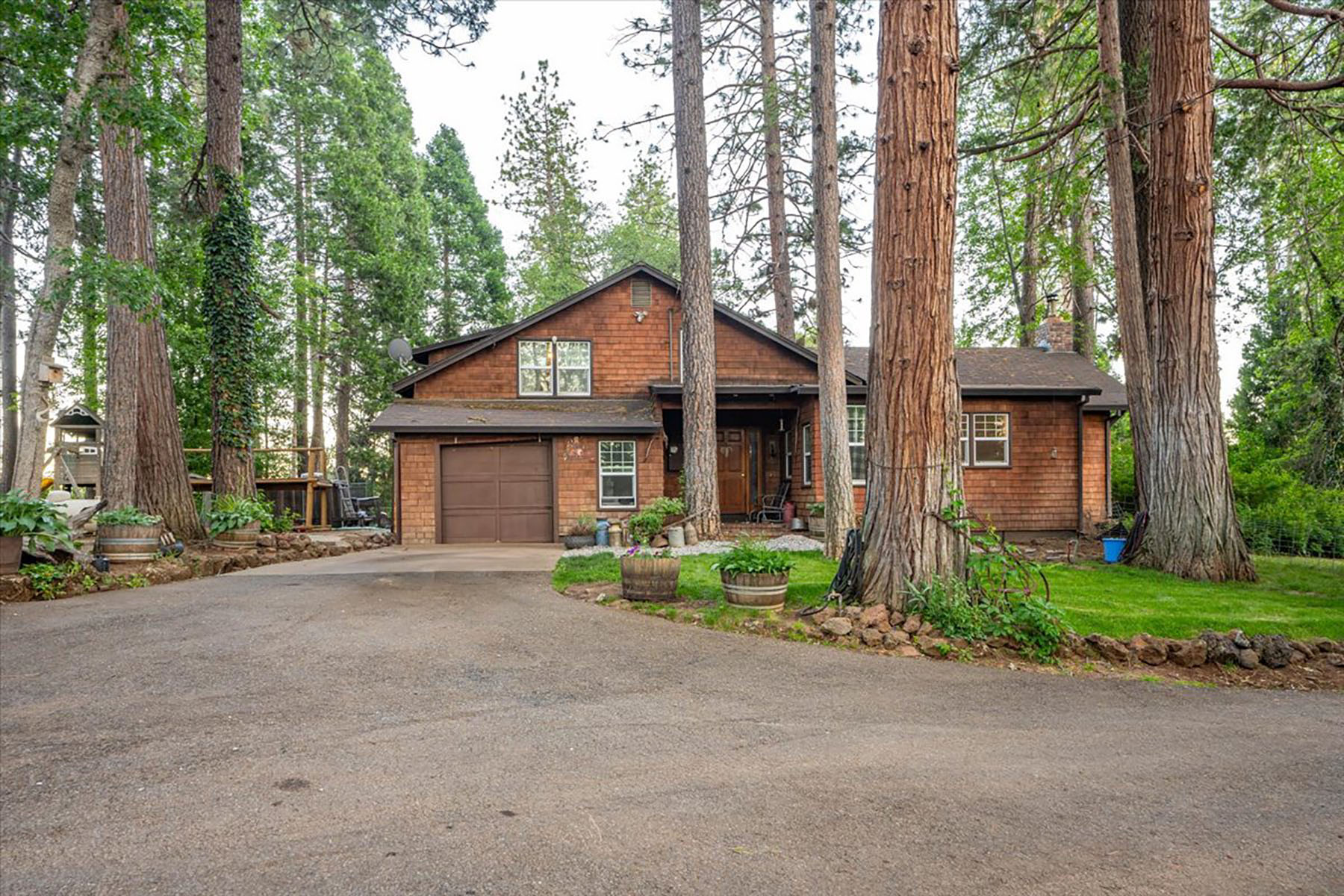
Manager’s Residence: The ranch manager lives in this three-bedroom, two-bathroom home with a large playroom on the second floor. It is located near the Owner and Family residences, offering privacy while providing oversight of the main ranch compound. The residence has an attached garage of approximately 1,788 square feet and a basement.
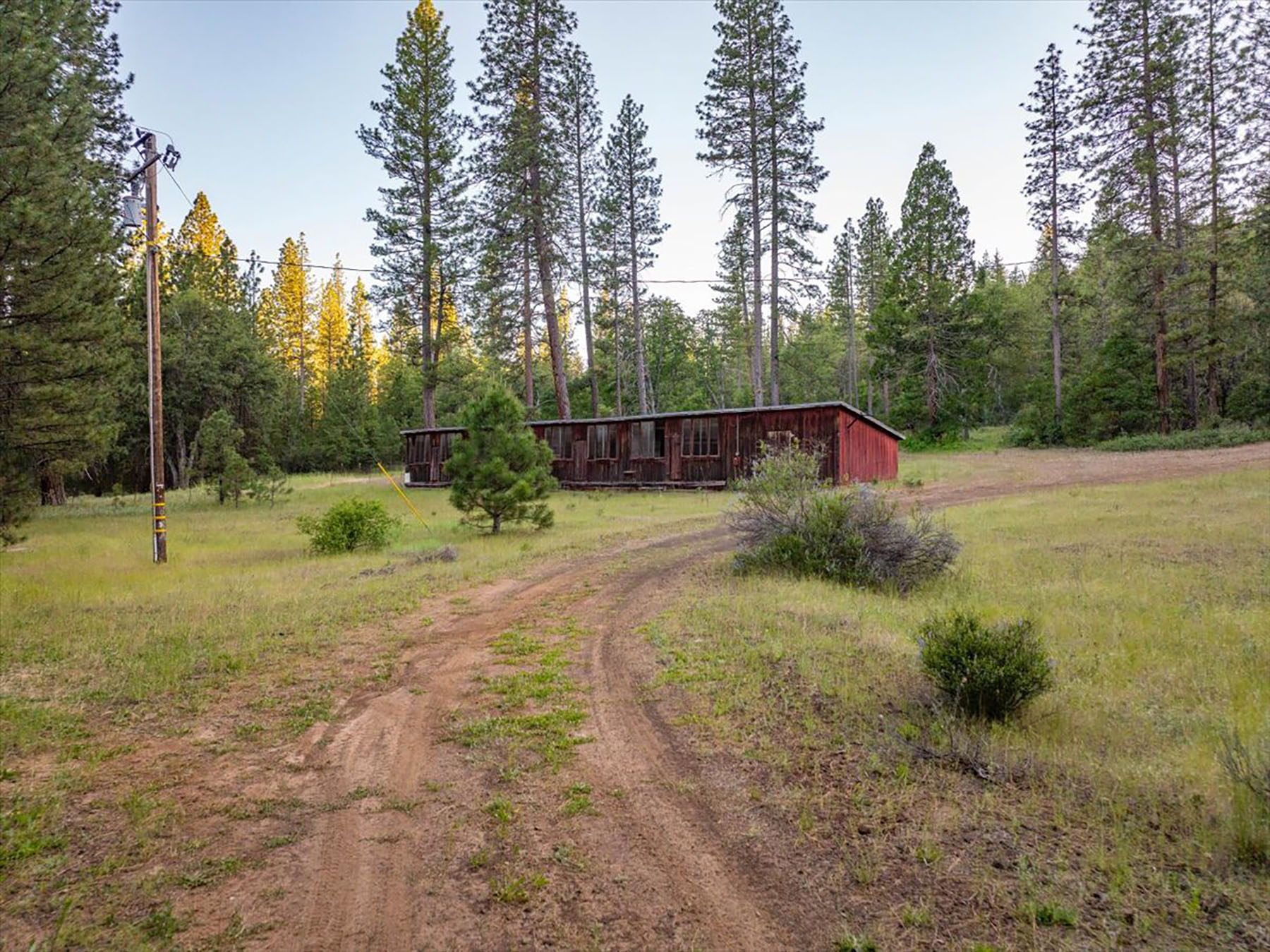
22766 Black Ranch Residence/Rental: This was one of the original ranch houses. It is currently vacant and in need of repairs. It has as many as five or six bedrooms, is approximately 3,400 square feet, and sits just north of the main ranch compound. The house may have been used as a bunkhouse in its early ranching days.
22728 Black Ranch Residence/Rental: This house is approximately 1,900 square feet and is currently occupied by a tenant. It has two bedrooms, one bathroom, and a separate area downstairs that is currently used as an exercise studio. It is just north of the main ranch compound and near the residence/rental house mentioned above.
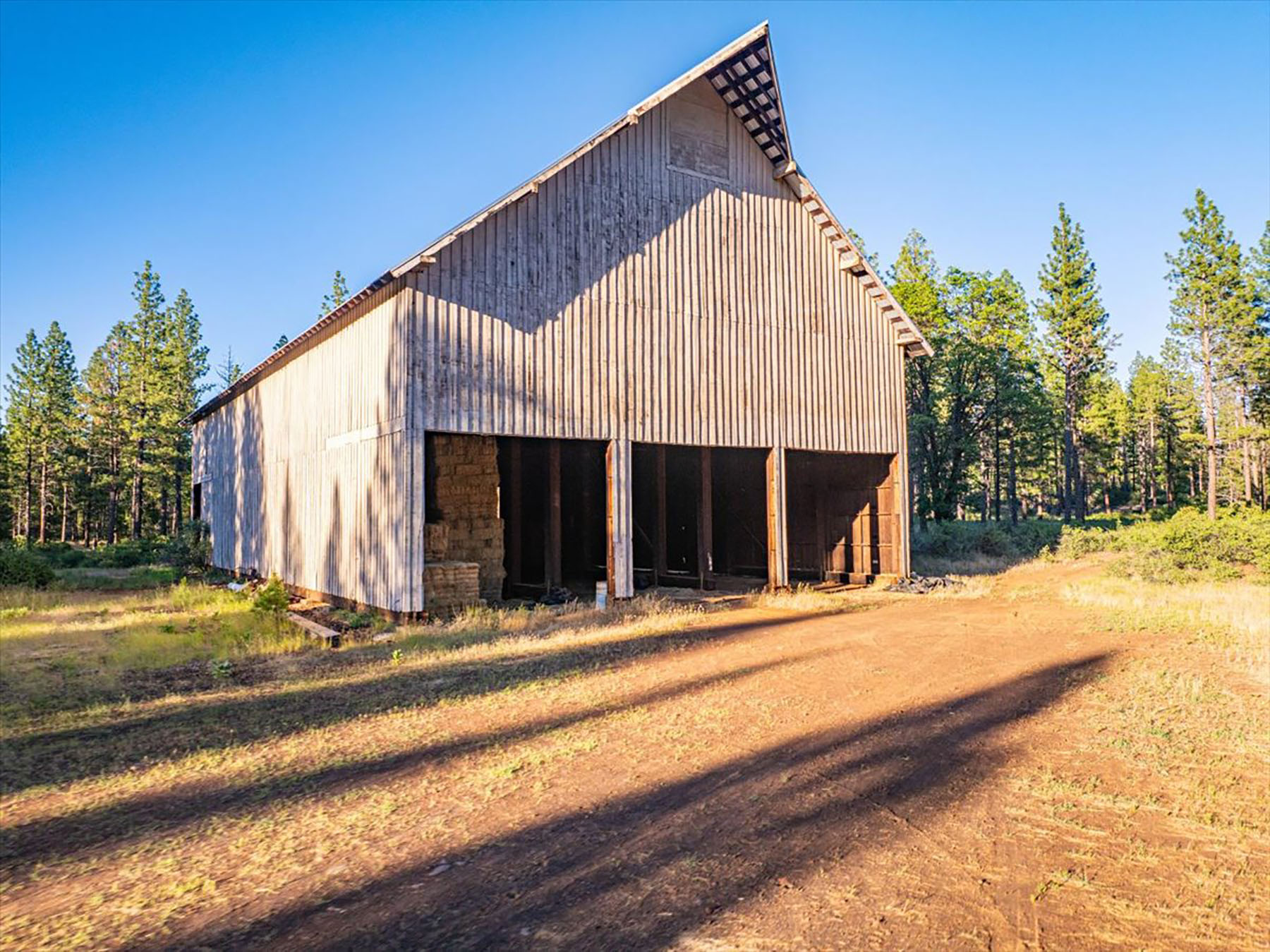
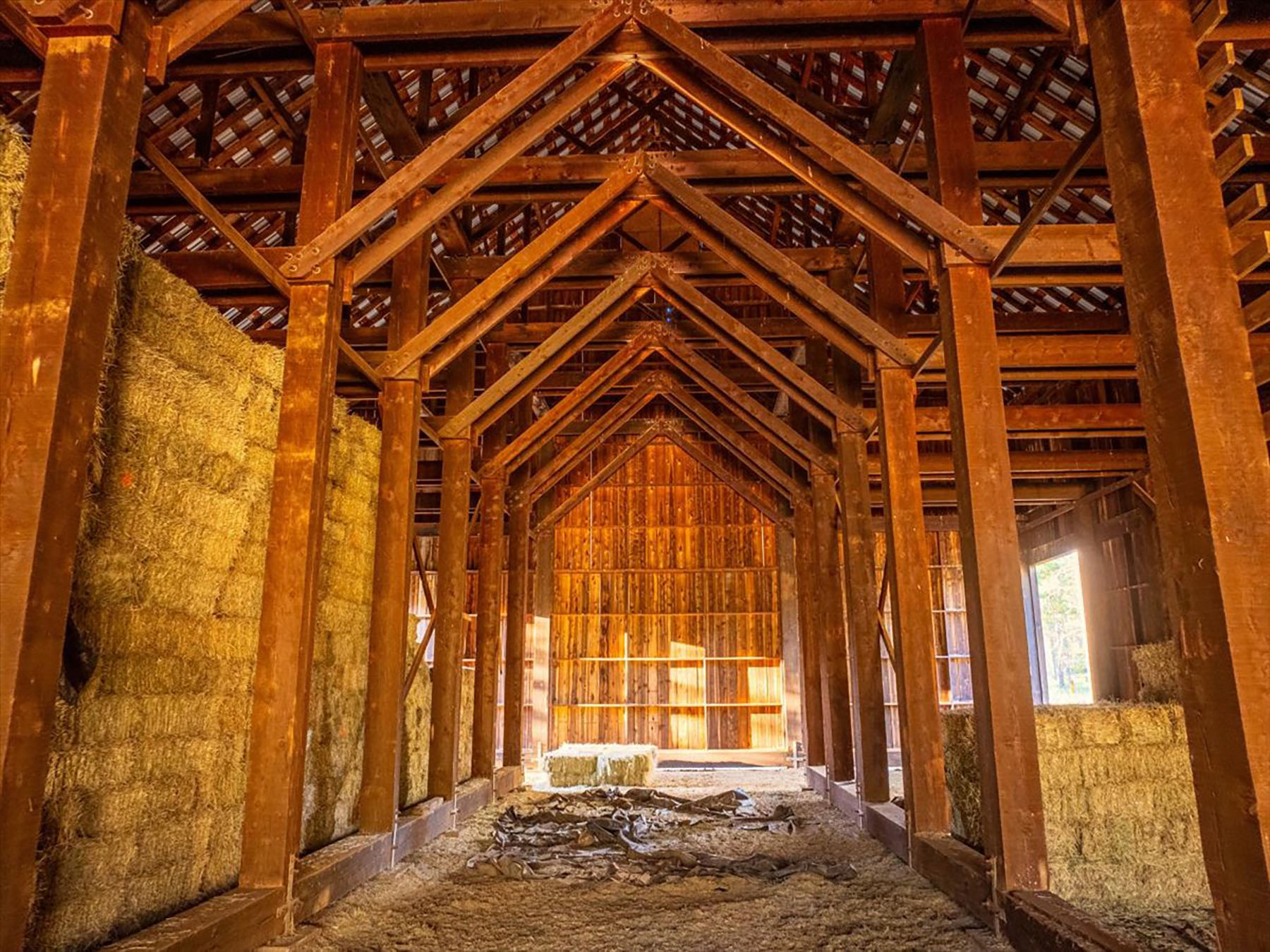
Ranch Buildings: The ranch has several other buildings, including a large hay barn with massive old hand-hewn beams, a pole hay barn, shops, a chicken coop, a dairy barn, sheds, and two or three older residences that a new owner may decide to revitalize or demolish.
Water Resources
Burney Creek runs through the ranch property. The ranch’s abundant water resources are further underscored by its land use profile, which includes wetland acreage, riparian habitat, and wild rice production. Several wells on the ranch are used for domestic and agricultural purposes.
The property contains an adjudicated water right from Burney Creek. According to the State Decree 5111 for Burney Creek dated November 25, 1921, the property is entitled to 8.80 cubic feet per second through the Greer-Cornaz Ditch flow. It is also entitled to surplus water in Burney Creek if there is water in excess of the flow necessary to supply all users. At this point, the property is entitled to an additional 1.70 CFS. The water right for the property is 457.3± acres in total, with 20.30± acres of US government land.
The ranch has approximately 145 acres enrolled in the Wetlands Reserve Program. This easement is in place in perpetuity. The purpose of the easement is to restore, protect, manage, maintain, and enhance the functional values of wetlands and other lands, and for the conservation of natural values, including fish and wildlife and their habitat, water quality improvement, flood water retention, groundwater recharge, open space, aesthetic values, and environmental education. In return for this ongoing wildlife management program, two elk tags and two deer tags are requested: one bull elk, one cow elk, two buck deer, and two antlerless deer. Both the deer and elk seasons will run from September 1 through November 30 each year.
Taxes
2023-2024 property taxes are $41,995.26
(Please note that the ranch will be reassessed upon sale, and the property taxes will be adjusted.)
Recreational Amenities
Wildlife Resources
The Black Ranch is an excellent wildlife habitat that the property owners have recognized and improved over the years. An extensive inventory of species was documented when developing a management plan for the ranch.
Rocky Mountain elk and Black-tailed deer use the ranch throughout the year. A resident herd of both species feeds on the ranch daily and beds down during the day's heat on adjacent U.S. Forest Service land. From approximately mid-November to mid-March, this area has additional elk that winter. During the winter, more significant concentrations of elk have been observed on the ranch.
A variety of waterfowl and shorebirds also make use of the ranch, including but not limited to Mallard, Wood Duck, Gadwall, Cinnamon Teal, Canadian Goose, Wilson’s Phalarope, Black-necked Stilt, American Avocet, Northern Pintail, Wilson’s Snipe, Willet, Long-billed Curlew, White-faced Ibis, Greater Sandhill Crane, Great Blue Heron, Snowy Egret, Double Crested Cormorant, American Wigeon and Sandpiper. Yellow-headed Blackbirds, Yellow Warbler, and Northern Harrier are also found.
Additional indigenous animals in Shasta County, such as black bears, mountain lions, and foxes, are likely present on the ranch.
The owners developed a Land Management Plan that provides detailed information on the ranch’s ecosystem and wildlife resources. The plan also provides objectives for further enhancing the wildlife habitat that future owners may wish to pursue. This plan is available on request.